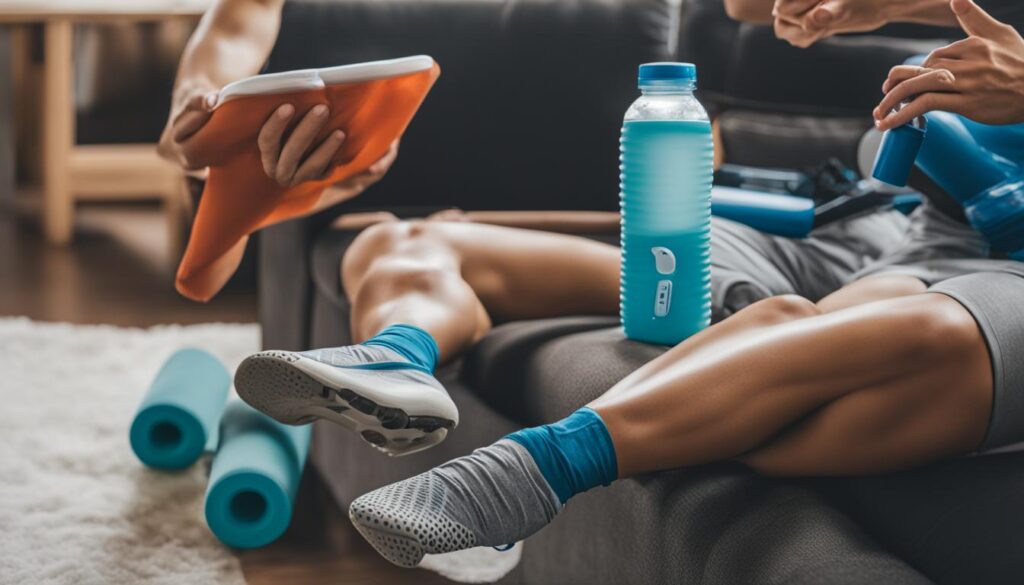
Tag: Soothing Sore Knees After Running Tips

  • Soothing Sore Knees After Running Tips

    Soothing Sore Knees After Running Tips

    Are you experiencing sore knees after running? Don’t worry, you’re not alone. Runner’s knee, also known as patellofemoral pain syndrome, is a common injury that affects many runners. It is characterized by pain in the front of the knee and can be caused by various factors such as weak core and hip muscles, improper running form, or overuse.

    At Our Running Hub, we understand the importance of maintaining healthy knees for an enjoyable running experience. In this article, we will provide you with valuable tips and solutions to help soothe your sore knees after running, prevent future knee pain, and keep you on the track to your running goals.

    Key Takeaways:

    • Runner’s knee, or patellofemoral pain syndrome, is a common injury among runners resulting in pain in the front of the knee.
    • Stretch and strengthen the muscles around the knees to prevent knee pain.
    • Proper footwear, rest, and ice application are effective in reducing knee soreness after running.
    • Listen to your body and seek medical attention if the pain persists or worsens.
    • >> Incorporate other forms of cardio exercise into your routine and stay hydrated to prevent knee pain.

    Stretching and Strengthening Exercises for Knee Pain Relief

    Stretching the muscles around the knees before running is crucial to prevent knee pain. By incorporating targeted stretches into your routine, you can alleviate soreness and improve flexibility. Focus on stretching the quadriceps, hamstrings, and calves, as these muscles are often tight and prone to injury.

    The Quadriceps Stretch

    The quadriceps stretch targets the front of the thigh and helps relieve tension in the knee joint. To perform this stretch, follow these steps:

    1. Stand upright and bring your right heel towards your buttocks by bending your knee.
    2. Hold your right ankle with your right hand and gently pull it towards your buttocks until you feel a stretch in the front of your thigh.
    3. Hold the stretch for 30 seconds and then release.
    4. Repeat on the left leg.

    The Hamstring Stretch

    The hamstring stretch targets the muscles at the back of the thigh and can help relieve tension in the knee. To perform this stretch:

    1. Sit on the edge of a chair with your right leg extended in front of you.
    2. Keeping your back straight, slowly lean forward from your hips until you feel a gentle stretch in the back of your thigh.
    3. Hold the stretch for 30 seconds and then release.
    4. Repeat on the left leg.

    The Calf Stretch

    The calf stretch targets the muscles in the lower leg and can help alleviate pressure on the knees. To perform this stretch:

    1. Stand facing a wall and place your hands on the wall for support.
    2. Take a step back with your right leg, keeping your heel on the ground.
    3. Bend your left leg forward and lean towards the wall, feeling a stretch in your right calf.
    4. Hold the stretch for 30 seconds and then release.
    5. Repeat on the other leg.

    In addition to stretching, strengthening exercises are important for knee pain relief. Building strength in the leg muscles and core helps support the knees and improve stability. Incorporate exercises like squats, lunges, and plyometric training into your workout routine.

    “Building strength in the leg muscles and core helps support the knees and improve stability.”

    Remember to perform these exercises regularly and with proper form to ensure the muscles are able to support the knees during running. If you experience any pain or discomfort while performing these exercises, it is important to consult with a healthcare professional for guidance.

    Preventive Measures for Knee Pain After Running

    To avoid knee pain while running, it is essential to take preventive measures. By following these guidelines, you can minimize the risk of injury and maximize your running experience.

    1. Wear Proper Footwear

    Choosing the right footwear is crucial when it comes to preventing knee pain during running. Ensure that your shoes provide adequate support and fit well. This will help maintain proper alignment of your feet and legs, reducing stress on your knees.

    2. Stretch Before and After Running

    Stretching is an integral part of any running routine. Before you start running, make sure to stretch your muscles properly. Focus on stretching the quadriceps, hamstrings, and calves, as these muscles play a significant role in knee stability. After your run, take a few moments to stretch again, helping to reduce muscle tightness and improve flexibility.

    3. Listen to Your Body

    Pay attention to the signals your body sends you during and after running. If you start experiencing discomfort or pain in your knees, it is essential to know when to rest and take a break. Pushing through the pain can worsen the condition and lead to more significant problems. Resting and allowing your body to recover is crucial in preventing knee pain from recurring.

    4. Differentiate Between Injury and Muscle Soreness

    It is essential to be aware of the difference between normal muscle soreness and an injury. Muscle soreness is a common occurrence after intense exercise and can be alleviated with rest and proper recovery. However, if the pain persists or intensifies, it may indicate an injury that requires medical attention. Consult a healthcare professional to assess your condition and receive appropriate treatment.

    preventing knee pain during running

    By implementing these preventive measures, you can significantly reduce the risk of knee pain during running. Wearing proper footwear, stretching appropriately, listening to your body, and being aware of the difference between muscle soreness and injury are all essential in maintaining the health of your knees. By taking care of your knees, you can continue to enjoy the benefits and joy of running without having to worry about knee pain.

    Treatment Options for Runner’s Knee

    When it comes to treating runner’s knee, there are several options available that can help alleviate pain and promote healing. For most people, conservative methods are effective in managing this common knee injury from running.

    “Resting the knee and avoiding activities that exacerbate the pain is important for the healing process.”

    Resting the knee allows the inflamed tissues to recover and reduces the risk of further damage. It is essential to avoid activities that worsen the pain, such as running on hard surfaces or engaging in high-impact exercises.

    Applying ice to the affected area can help reduce swelling and alleviate pain. Ice should be applied for 15-20 minutes at a time, multiple times throughout the day. Using compression techniques, such as wearing a knee brace or wrap, can also provide support to the injured knee and reduce discomfort.

    Over-the-counter nonsteroidal anti-inflammatory drugs (NSAIDs) can be used to manage pain and inflammation associated with runner’s knee. These medications, such as ibuprofen or naproxen, can provide temporary relief and aid in the healing process.

    “Stretching and strengthening exercises, particularly those targeting the quadriceps muscles, can also help alleviate knee pain.”

    Stretching exercises focused on the muscles around the knee, such as the quadriceps, hamstrings, and calves, can help improve flexibility and reduce tension in the knee joint. Strengthening exercises, such as squats, lunges, and leg presses, can help build strong muscles that support the knee during running.

    In severe cases where conservative treatments fail to provide relief, surgery may be necessary. Surgical interventions for runner’s knee can include repairing damaged cartilage, realigning the kneecap, or addressing other underlying issues contributing to the knee pain.

    Comparing Treatment Options for Runner’s Knee

    Treatment Option Description Effectiveness Risks
    Rest and Activity Modification Resting the knee and avoiding aggravating activities Effective in promoting healing None
    Ice and Compression Applying ice and using compression techniques to reduce swelling Provides temporary pain relief and reduces inflammation None
    Over-the-counter NSAIDs Taking nonsteroidal anti-inflammatory drugs to manage pain and inflammation Effective in pain management Potential side effects
    Stretching and Strengthening Exercises Performing exercises to improve flexibility and strengthen the muscles around the knee Helps alleviate knee pain and prevent future injuries May aggravate symptoms if performed incorrectly
    Surgery Invasive procedures to address underlying issues or repair damaged tissues Considered when conservative treatments fail Risks associated with surgery

    Note: It is important to consult with a healthcare professional for an accurate diagnosis and personalized treatment plan tailored to your specific condition.

    By utilizing these treatment options and taking a comprehensive approach to managing runner’s knee, individuals can find relief and get back to their running routine with reduced knee pain.

    Conclusion

    Sore knees after running can be a common issue, but with proper preventive measures and treatment options, it is possible to find relief. By incorporating stretching, strengthening exercises, and wearing proper footwear into our running routine, we can effectively prevent knee pain. Stretching the muscles around the knees before and after a run helps maintain flexibility and reduce the risk of injury. Additionally, engaging in regular exercises that target the leg muscles and core can provide the necessary support to protect our knees during running.

    Resting, applying ice, and using over-the-counter medications are effective ways to alleviate soreness and inflammation in the knees. These simple remedies can help reduce pain and discomfort after a run. However, it is important to listen to our bodies and seek medical attention if the pain persists or worsens. Consulting with a healthcare professional can provide valuable insights and guidance on proper treatment options.

    By taking these preventive measures and paying attention to our bodies, we can continue to enjoy running while minimizing the risk of knee pain. Prevention is key when it comes to maintaining healthy knees, and by following these guidelines, we can ensure that sore knees after running become a thing of the past.

    FAQ

    Is knee pain common after running?

    Yes, knee pain after running is a common issue among runners.

    What is runner’s knee?

    Runner’s knee, also known as patellofemoral pain syndrome, is characterized by pain in the front of the knee and is often caused by weakness in the core and hips.

    How can I prevent runner’s knee?

    To prevent runner’s knee, it is important to stretch the muscles around the knees before running, strengthen the leg muscles and core, and incorporate other forms of cardio into your routine. Additionally, staying hydrated is crucial.

    What exercises can help alleviate knee pain from running?

    Stretching the quadriceps, hamstrings, and calves, as well as performing exercises like squats, lunges, and plyometric training can help alleviate knee pain and strengthen the muscles supporting the knees.

    What are some preventive measures for knee pain during running?

    Wearing proper footwear, stretching properly before and after a run, listening to your body, and knowing when to rest are important preventive measures for knee pain during running.

    How can runner’s knee be treated?

    Resting the knee, applying ice, using compression techniques, and taking over-the-counter NSAIDs can help treat runner’s knee. Stretching and strengthening exercises, and in severe cases, surgery, are also treatment options.

    What can I do to soothe sore knees after running?

    Stretching, wearing proper footwear, resting, applying ice, and using over-the-counter medications can help soothe sore knees after running.
    Source Links

  • Soothing Sore Knees After Running Tips

    Soothing Sore Knees After Running Tips

    Running is a popular cardio workout that offers numerous health benefits. However, it’s not uncommon for runners to experience sore knees after their runs. This discomfort can arise due to the stress placed on the knee joints and muscles during the activity. To ensure that you can continue enjoying your runs without unnecessary pain or injury, it’s essential to know how to soothe sore knees and prevent knee pain. In this article, we will explore effective techniques and strategies for knee pain relief and injury prevention that will keep you on track with your running routine.

    Key Takeaways:

    • Stretching the muscles around the knees before running can help prevent knee injuries.
    • Strengthening the leg muscles and core, as well as incorporating plyometric exercises, can aid in preventing knee pain.
    • Using cold therapy, taking breaks from running, and staying hydrated are important strategies for soothing sore knees after running.
    • Resting the knee, applying ice therapy, and using supportive devices can provide relief from knee pain.
    • Stretching and strengthening exercises, proper footwear, and maintaining a healthy weight contribute to better knee health and pain management.

    Tips for Knee Pain Relief and Management

    When experiencing knee pain after running, it’s important to take steps for pain relief and management. Resting the knee and avoiding activities that worsen the pain, such as running, squatting, or sitting for long periods, can help reduce discomfort. Applying ice to the knee for 20-30 minutes every 3-4 hours can help ease pain and swelling.

    Using an elastic bandage or patellar straps to provide support to the knee can also be beneficial. Over-the-counter medications like ibuprofen or naproxen can help with pain and swelling, but should be used as directed and with caution.

    Stretching and strengthening exercises, particularly for the quadriceps muscles, can aid in knee pain relief and prevention of future injuries. Additionally, shoe inserts, maintaining a healthy weight, and avoiding running on hard surfaces can contribute to better knee health and pain management.

    Knee Pain Relief and Management Tips Summary:

    Tip Description
    Resting the Knee Avoid activities that worsen the pain and provide the knee with adequate rest.
    Applying Ice Use ice therapy for 20-30 minutes every 3-4 hours to ease pain and reduce swelling.
    Using Supportive Measures Apply an elastic bandage or use patellar straps to provide support to the knee.
    Over-the-Counter Medications Take ibuprofen or naproxen as directed for pain and swelling relief.
    Stretching and Strengthening Include exercises that target the quadriceps muscles to alleviate knee pain and prevent future injuries.
    Proper Footwear Use shoe inserts to provide cushioning and support while running.
    Maintaining a Healthy Weight Reduce stress on the knee joints by maintaining a healthy body weight.
    Avoiding Hard Surfaces Choose running routes that are softer on the joints, such as grass or a track.

    Understanding Runner’s Knee and Its Causes

    Runner’s knee, also known as patellofemoral pain syndrome, is a common condition that causes pain in the knees due to various underlying problems. It is often experienced by runners and athletes who frequently engage in activities that put stress on the knees. Understanding the causes of runner’s knee can help individuals recognize the risk factors and take appropriate measures to prevent and manage this condition.

    There are several factors that contribute to the development of runner’s knee. Overuse, such as running long distances or participating in high-impact sports without proper rest, can lead to excessive stress on the knee joint. Direct impact to the knee, such as a fall or a blow, can also result in runner’s knee. Malalignment of the bones in the leg, foot problems, and weak thigh muscles can further increase the risk of developing this condition.

    Common symptoms of runner’s knee include pain in the front of the kneecap that worsens with activities such as walking, squatting, and running. Individuals may also experience swelling and a grinding sensation in the knee. These symptoms can significantly impact daily activities and hinder participation in sports or exercise.

    Diagnosing runner’s knee typically involves a physical examination by a healthcare professional who will evaluate the range of motion, stability, and alignment of the knee joint. In some cases, imaging tests such as X-rays may be used to rule out other possible causes of knee pain.

    Treatment options for runner’s knee vary depending on the severity and underlying cause of the condition. Rest is crucial to allow the knee to heal and reduce inflammation. Applying ice therapy, wrapping the knee, and elevating the leg can help alleviate pain and swelling. Nonsteroidal anti-inflammatory drugs (NSAIDs) may be recommended for pain relief. Stretching and strengthening exercises, particularly targeting the quadriceps muscles, can improve knee stability and support recovery.

    Proper footwear that provides adequate cushioning and support is essential for individuals with runner’s knee. Using orthotic inserts may help correct any foot alignment issues that contribute to knee problems. Additionally, paying attention to the body’s signals and modifying or avoiding activities that aggravate the knee pain can aid in managing and preventing runner’s knee.

    It is essential for individuals experiencing knee pain to consult with a healthcare professional to receive an accurate diagnosis and appropriate treatment plan. With proper understanding, proactive measures, and guidance from healthcare providers, individuals can effectively manage runner’s knee and minimize its impact on their daily lives.

    running knee injuries

    Recovery and Prevention Strategies for Runner’s Knee

    Recovery from runner’s knee requires patience and proper care. It’s crucial to give the knee sufficient rest and avoid activities that worsen the pain. We must take proactive steps to alleviate symptoms and promote healing.

    First and foremost, we recommend using ice therapy and elevating the affected knee to reduce swelling and discomfort. Applying an ice pack to the knee for 15-20 minutes several times a day can help alleviate pain. Elevating the leg while icing can further reduce swelling and promote blood circulation.

    post-run knee care

    Proper footwear is also crucial in the recovery process. Using supportive shoes with adequate cushioning and arch support can minimize the stress on the knee joints and provide additional stability.

    Stretching and Strengthening Exercises

    Incorporating stretching and strengthening exercises into our routine is essential for both recovery and prevention of runner’s knee. We should gradually increase the intensity and duration of these exercises as the knee strengthens and pain subsides.

    An important focus should be on strengthening the quadriceps muscles. These muscles, located in the front of the thigh, play a crucial role in knee stability. We recommend the following exercises:

    1. Leg extensions: Sit on a chair with your back straight and legs bent at a 90-degree angle. Extend one leg at a time, straightening the knee and holding for a few seconds before lowering it back down.
    2. Wall squats: Stand with your back against a wall and your feet shoulder-width apart. Slowly lower yourself into a sitting position, keeping your back against the wall and your knees aligned with your ankles. Hold for a few seconds, then push yourself back up to a standing position.
    3. Step-ups: Stand facing a step or bench. Step one foot onto the step, then bring the other foot up to join it. Step back down and repeat on the other side.

    Remember to listen to your body and not push through any pain or discomfort during these exercises. Gradually increasing the intensity and repetitions will yield the best results without risking further injury.

    Preventing Future Runner’s Knee

    Taking steps to prevent runner’s knee in the future is equally important. By incorporating these strategies into our daily routine, we can minimize the risk of experiencing knee pain or injury again.

    • Maintain a balanced exercise routine: It’s important to engage in a variety of activities that strengthen different muscle groups, including the legs, core, and hips. This helps prevent muscle imbalances that can lead to knee problems. Consider cross-training with low-impact exercises such as swimming or cycling.
    • Use supportive shoe inserts: Custom orthotics or over-the-counter shoe inserts can provide additional support and cushioning for the feet, reducing stress on the knees.
    • Avoid running on hard surfaces: Running on concrete or other hard surfaces increases the impact on the knees. Whenever possible, choose softer surfaces like grass or trails.
    • Maintain a healthy weight: Excess weight puts additional strain on the knees. By maintaining a healthy weight through a balanced diet and regular exercise, we can reduce the risk of knee injuries.

    Incorporating these post-run knee care strategies, performing knee strengthening exercises, and following injury prevention measures can significantly reduce the risk of runner’s knee and promote overall knee health. By taking care of our knees, we can continue to enjoy running and other physical activities without unnecessary pain or injury.

    Conclusion

    Sore knees after running can be a common issue, but with the right strategies for knee pain relief, management, and prevention, you can continue enjoying your favorite exercise while minimizing discomfort and reducing the risk of injuries.

    One of the key aspects of post-run knee care is to focus on stretching and strengthening the muscles around the knees. Incorporating knee pain exercises and knee strengthening exercises into your routine can help improve the stability and flexibility of the knee joints, reducing the strain during running and preventing future injuries.

    In addition to exercise, incorporating post-run knee care techniques like using cold therapy, taking breaks from running, and staying hydrated are crucial. Applying cold packs to the knees after a run can help reduce inflammation and alleviate pain. Taking breaks and allowing your knees time to rest and recover is important to prevent overuse and excessive strain. Staying hydrated ensures optimal joint lubrication, enhancing the overall health of the knees.

    Understanding the causes of runner’s knee, such as weak thigh muscles or malalignment of the bones, is also vital. By implementing recovery and prevention strategies, such as gradually returning to physical activity, using proper footwear, and maintaining a balanced exercise routine, you can promote long-term knee health and reduce the risk of recurring knee pain.

    Incorporating these tips into your routine will enable you to maintain healthy knees and continue pursuing your fitness goals with confidence. Remember, taking care of your knees is essential for a lifetime of pain-free running and overall well-being.

    FAQ

    What can I do to soothe sore knees after running?

    To soothe sore knees after running, you can try using cold therapy, such as applying ice to the knee for 20-30 minutes every 3-4 hours. It’s also important to take breaks from running and give your knees time to rest and recover. Staying hydrated and stretching the muscles around the knees can also help alleviate discomfort.

    What are some tips for knee pain relief and management?

    To relieve and manage knee pain, it’s important to rest the knee and avoid activities that worsen the pain. Applying ice to the knee, using an elastic bandage or patellar straps for support, and taking over-the-counter medications like ibuprofen or naproxen can help reduce pain and swelling. Stretching and strengthening exercises, particularly for the quadriceps muscles, can aid in pain relief and prevention of future injuries.

    What is runner’s knee and what causes it?

    Runner’s knee, also known as patellofemoral pain syndrome, is a condition characterized by pain in the front of the kneecap. It can be caused by overuse, direct impact to the knee, malalignment of the bones, foot problems, or weak thigh muscles. Activities like walking, squatting, and running can worsen the pain, and symptoms may include swelling and a grinding sensation in the knee.

    What are some recovery and prevention strategies for runner’s knee?

    Recovery from runner’s knee requires rest and proper care. It’s important to give the knee sufficient rest and avoid activities that worsen the pain. Applying ice therapy, elevating the knee, and wearing proper footwear can help reduce swelling and alleviate symptoms. Gradually returning to physical activity and incorporating stretching and strengthening exercises, especially for the quadriceps muscles, can aid in the recovery process. To prevent runner’s knee in the future, maintaining a balanced exercise routine, using supportive shoe inserts, avoiding running on hard surfaces, and staying in shape with regular exercise are recommended.

    How can I prevent knee injuries and care for my knees after running?

    To prevent knee injuries, it’s important to stretch the muscles around the knees before running, focusing on the quadriceps, hamstrings, and calves. Strengthening the leg muscles and core, as well as incorporating plyometric exercises, can also help prevent knee injuries. After running, it’s crucial to take care of your knees by using cold therapy, taking breaks from running, and staying hydrated. Additionally, maintaining a healthy weight, using shoe inserts, and avoiding running on hard surfaces can contribute to better knee health and injury prevention.

    Source Links