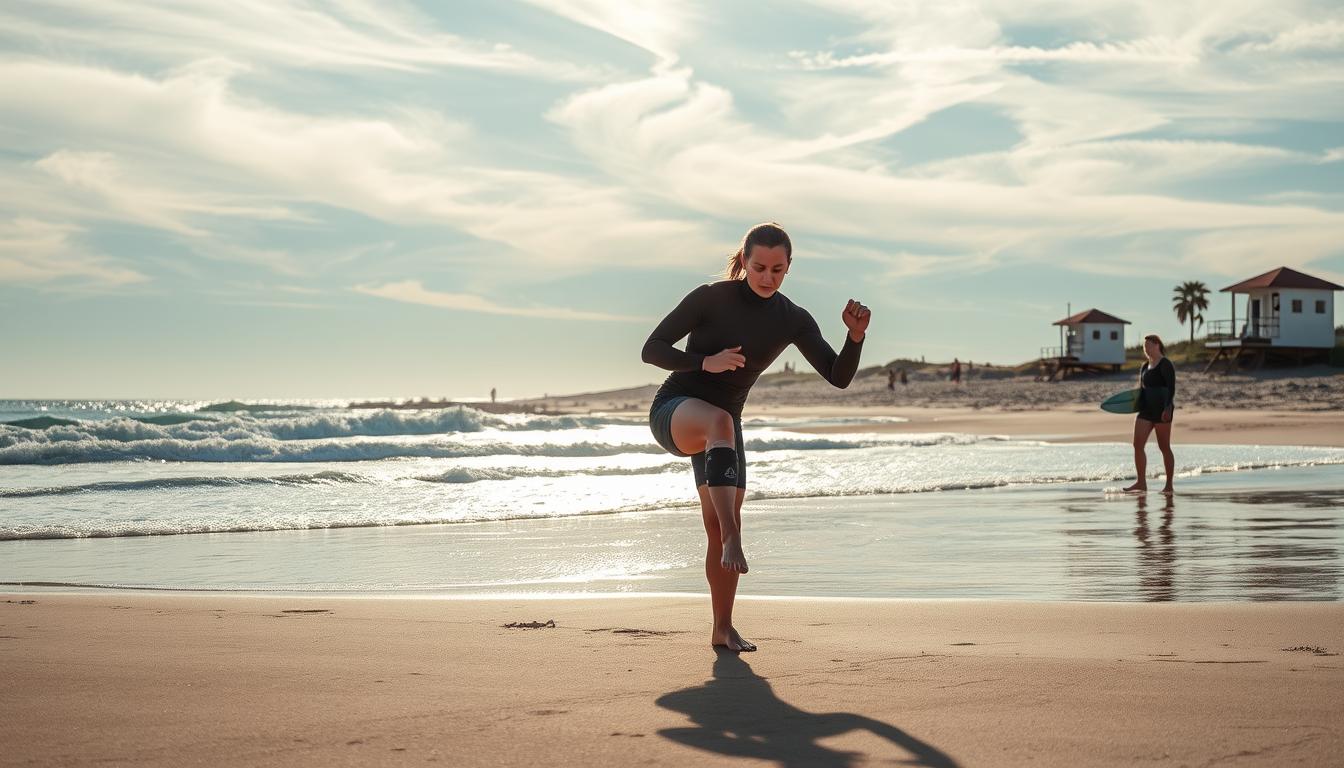
Tag: Surfing safety tips

  • Surfing with ACL Injury Precautions

    Surfing with ACL Injury Precautions

    Can surfers continue to ride the waves after suffering an ACL injury? For many athletes, an ACL injury can be a career-threatening condition. However, with proper precautions and care, surfers can minimize the risk of further damage and maintain a long and healthy surfing career.

    ACL injuries are a significant concern for athletes, including surfers. Understanding how to prevent and manage these injuries is crucial. This article will discuss the prevalence of ACL injuries in sports, the specific risks associated with surfing, and techniques for safe surfing.

    Key Takeaways

    • Understanding the risks of ACL injuries in surfing
    • Precautionary measures to prevent ACL injuries
    • Techniques for safe surfing with an ACL injury
    • Importance of proper care and rehabilitation
    • Tips for maintaining a long and healthy surfing career

    Understanding ACL Injuries and Their Impact

    Understanding the intricacies of ACL injuries is crucial for surfers looking to return to the sport after an injury. ACL injuries are complex and can significantly affect an individual’s ability to perform at their best in surfing.

    According to sports physiotherapist Richard Evans, recovery timelines for ACL injuries are not one-size-fits-all, emphasizing the need for a patient, milestone-driven rehabilitation approach. This personalized approach is vital for ensuring that surfers can safely return to their sport without risking further injury.

    What Is an ACL Injury?

    An ACL (Anterior Cruciate Ligament) injury refers to a tear or sprain of the ACL, one of the key ligaments that help stabilize the knee joint. This type of injury is common in sports that involve sudden stops, changes in direction, or direct contact, such as surfing.

    ACL injuries can range from mild sprains to complete tears, with the severity determining the appropriate treatment and recovery time. Surfers, in particular, need to be aware of the risks and take preventive measures to protect their knees.

    Common Symptoms and Diagnosis

    Common symptoms of an ACL injury include a loud “pop” at the time of injury, knee instability, and significant pain. Diagnosing an ACL injury typically involves a combination of physical examination, medical history, and imaging tests such as an MRI.

    Understanding these symptoms and the diagnostic process is essential for surfers to get the right treatment and rehabilitation plan. Early diagnosis and appropriate care can significantly impact the recovery process and the surfer’s ability to return to the sport.

    By focusing on ACL injury prevention and proper care for surfing with knee injury, surfers can minimize their risk and ensure a safer return to surfing after an injury.

    Importance of Precautionary Measures

    Precautionary measures are vital for surfers recovering from ACL injuries to prevent re-injury and ensure a safe return to the sport. Surfing, by its nature, involves dynamic movements that can be stressful on the knees, making it essential for surfers to take extra precautions to protect their ACL while surfing.

    Protect ACL while surfing

    Why Precautions Are Essential for Surfing

    Precautions are crucial because they help in identifying potential risks associated with surfing after an ACL injury. By understanding these risks, surfers can take steps to mitigate them, thereby reducing the chance of re-injury. For detailed information on common injuries in surfing and prevention strategies, you can visit resources that provide valuable insights into surfing safety.

    Some key precautions include strengthening the muscles around the knee, improving flexibility, and using proper surfing techniques to minimize stress on the ACL. By focusing on these areas, surfers can significantly reduce their risk of re-injury.

    Mental Readiness After an Injury

    Mental readiness is equally important as physical recovery after an ACL injury. The fear of re-injury can be a significant psychological barrier to returning to surfing. It’s essential for surfers to work on building their confidence and overcoming this fear.

    Strategies for mental readiness include setting realistic goals, practicing relaxation techniques, and gradually returning to surfing. By focusing on mental preparation, surfers can ensure a more successful and sustainable return to the sport. Incorporating surfing safety tips for ACL into their routine can also enhance their mental readiness.

    Preparing for Surfing with an ACL Injury

    A successful return to surfing after an ACL injury hinges on proper preparation and a well-planned rehabilitation strategy. This involves not only physical recovery but also mental readiness to tackle the challenges of surfing again.

    Consult Your Doctor or Therapist

    Before getting back into the water, it’s crucial to consult with your doctor or therapist. They can provide a professional assessment of your ACL health and offer guidance on safe return to surfing. According to Richard Evans, a patient, milestone-driven rehabilitation approach is advocated, emphasizing that physical recovery is only part of the equation. Psychological readiness is equally crucial in preventing re-injury.

    Your healthcare provider may recommend certain exercises to strengthen the knee and improve overall lower body strength, which is vital for surfing.

    Strengthening Exercises to Consider

    Engaging in ACL-friendly strengthening exercises can significantly reduce the risk of re-injury. Exercises that strengthen the muscles around the knee, such as the quadriceps and hamstrings, are particularly beneficial. Some examples include:

    • Squats
    • Lunges
    • Leg Press
    • Leg Extensions
    • Hamstring Curls

    These exercises can help improve knee stability and support ACL health. Additionally, modifying surfing techniques to minimize ACL strain is essential. This might involve adjusting paddling techniques and being mindful of landing and turning maneuvers while riding waves.

    By focusing on these preparatory steps and being mindful of the need to minimize ACL strain when surfing, surfers can enjoy their sport while protecting their knee health.

    Choosing the Right Surfboard

    Surfers with ACL injuries need to consider several factors when choosing a surfboard to ensure a safe return to the sport. The right surfboard can significantly impact their ability to surf comfortably and minimize the risk of further injury.

    The Impact of Surfboard Size and Shape

    The size and shape of a surfboard play a crucial role in determining its stability and maneuverability. For surfers with ACL injuries, a more stable board can be beneficial as it requires less strain on the knee.

    Surfboard Size: A longer and wider surfboard provides more stability, making it easier to balance and reducing the stress on the ACL. However, it may be more challenging to maneuver.

    Surfboard Shape: The shape of the surfboard affects its performance in the water. A soft-top surfboard is recommended for beginners or those recovering from injuries as it provides a softer surface in case of falls.
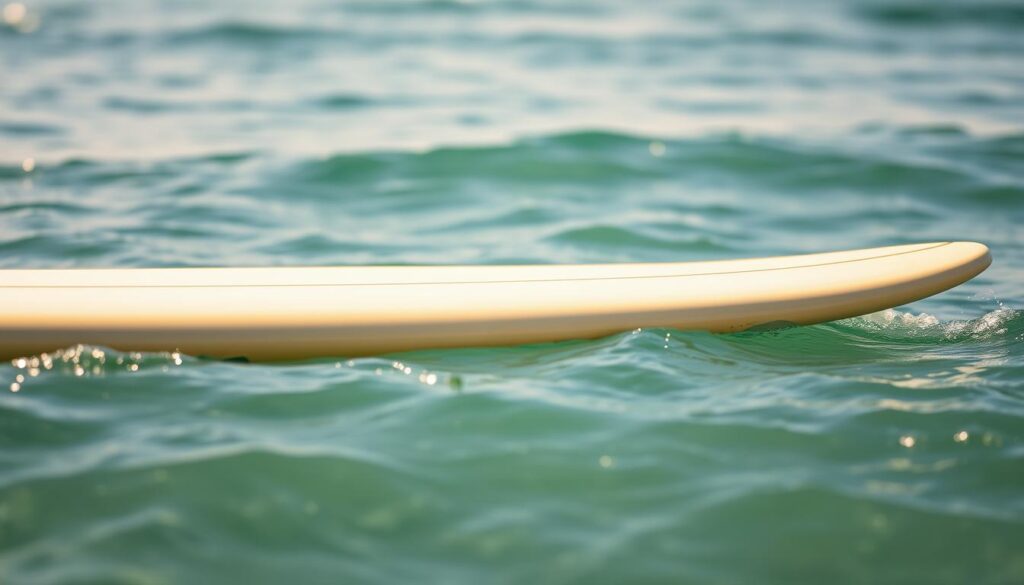
    surfboard size and shape for ACL injury

    Recommendations for Beginner-Friendly Boards

    For surfers recovering from ACL injuries, beginner-friendly surfboards are often the best choice. These boards are designed to be more forgiving and easier to handle.

    Feature Beginner-Friendly Advanced
    Length 8-10 feet 5-7 feet
    Width 22-24 inches 18-20 inches
    Thickness 2.5-3 inches 1.5-2 inches
    Material Soft-top foam Fiberglass or Carbon Fiber

    When choosing a surfboard, surfers with ACL injuries should consider their skill level, the conditions they will be surfing in, and their personal comfort. Consulting with a surf instructor or a healthcare professional can provide valuable insights tailored to individual needs.

    By selecting the right surfboard and being mindful of their limitations, surfers can enjoy the sport while minimizing the risk of further injury. This approach is part of a broader strategy for surfing with knee brace tips and other safety measures to ensure a successful return to surfing.

    Selecting Ideal Surf Conditions

    The key to safe surfing after an ACL injury lies in selecting ideal wave conditions. When surfers return to the water after such an injury, they need to be mindful of the conditions to avoid putting excessive stress on their knee.

    Factors to Consider When Choosing Waves

    When choosing waves, several factors come into play. Wave size is a critical consideration; smaller waves are generally safer as they require less strength and knee stress to navigate.

    Another factor is wave complexity. Waves with a simple, rolling motion are preferable to those with a complex or barreling shape that may require more aggressive maneuvers, potentially straining the ACL.

    Safe Locations for ACL Recovery Surfing

    Identifying safe locations for surfing is also vital during the recovery phase. Beaches with gentle waves and sandy bottoms are ideal, as they provide a softer landing in case of a fall, reducing the impact on the knee.

    Additionally, surfers should look for locations with minimal currents, as strong currents can cause surfers to paddle more intensely, thereby increasing the stress on their knees.

    By carefully selecting the right surf conditions and locations, surfers with ACL injuries can minimize the risk of further injury and enjoy a safer return to the sport.

    Technique Adjustments for Safer Surfing

    To surf safely with an ACL injury, it’s essential to adapt your paddling and balancing techniques. Modifying your approach can significantly reduce the strain on your ACL, allowing you to enjoy surfing while minimizing the risk of further injury.

    Modifications to Paddling Techniques

    Paddling is a critical component of surfing that can put significant stress on the ACL. To mitigate this, consider the following adjustments:

    • Use a modified paddling technique that focuses on engaging your core and using your larger muscle groups to propel you through the water, rather than relying solely on your knees and legs.
    • Keep your knees bent and your legs relaxed while paddling to reduce the strain on your ACL.
    • Practice paddling with proper posture, keeping your back straight and your body aligned to distribute the effort across your body more evenly.
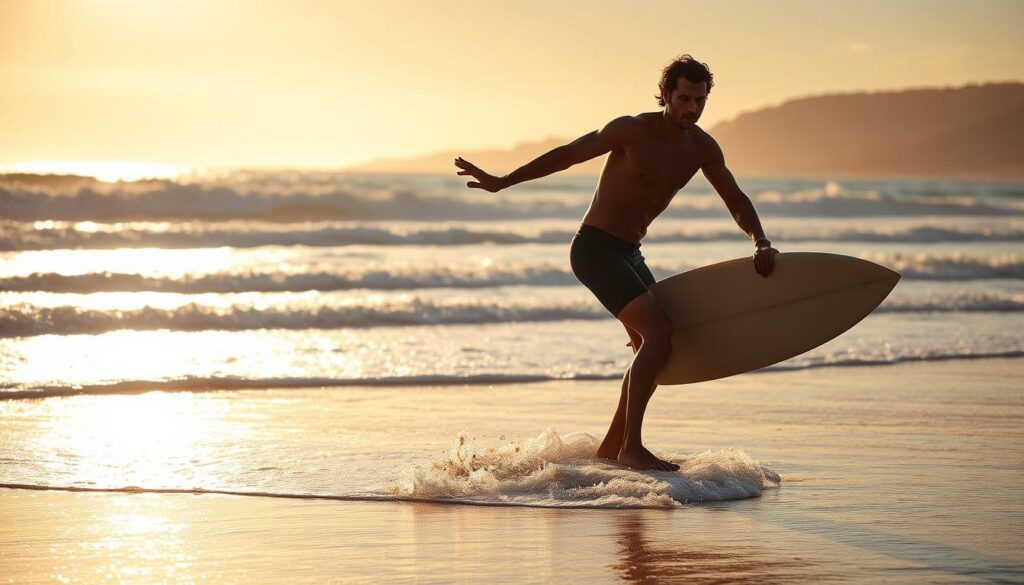
    ACL injury prevention surfing techniques

    Staying Balanced While Riding Waves

    Once you’re on the wave, maintaining balance is key to preventing further ACL injury. Here are some tips:

    1. Center your weight over the board to maintain stability and control.
    2. Keep your knees bent to lower your center of gravity and improve balance.
    3. Practice shifting your weight subtly to adjust to the wave’s movements without putting undue stress on your ACL.

    By implementing these technique adjustments, surfers with ACL injuries can significantly reduce their risk of further injury and enjoy a safer surfing experience.

    Using Protective Equipment

    Protective gear plays a vital role in safeguarding surfers with ACL injuries from exacerbating their condition. The right equipment can provide the necessary support and stability, allowing surfers to enjoy their sport while minimizing the risk of further injury.

    Knee Braces to Consider

    Knee braces are a crucial piece of protective equipment for surfers with ACL injuries. They offer additional support to the knee, helping to stabilize the ACL and prevent further strain. When selecting a knee brace, it’s essential to consider the type of surfing you’ll be doing and the level of support you need.

    Types of Knee Braces:

    • Prophylactic knee braces: Designed to prevent injuries, these braces are often used by athletes in high-risk sports.
    • Functional knee braces: These provide support and stability for knees with existing injuries, such as ACL tears.
    • Rehabilitation knee braces: Used during the recovery phase, these braces help to immobilize the knee and promote healing.

    As noted by sports medicine professionals, “The use of knee braces can significantly reduce the risk of further injury to the ACL, especially in sports that involve pivoting and sudden changes in direction, like surfing.”

    “Knee braces are not just for injury prevention; they’re also a valuable tool for athletes recovering from ACL injuries, providing the necessary support to return to their sport safely.” – Dr. John Smith, Sports Medicine Specialist

    Other Safety Gear for Added Support

    In addition to knee braces, other safety gear can provide added support and protection for surfers with ACL injuries. This includes:

    • Neoprene knee sleeves: Offering compression and warmth, these sleeves can help reduce pain and inflammation.
    • Surf-specific knee pads: Designed to provide extra cushioning and protection, these pads can be particularly useful for surfers who wipe out frequently.

    By incorporating the right protective equipment into their surfing routine, individuals with ACL injuries can enjoy a safer and more enjoyable experience on the water. It’s about being proactive and taking the necessary precautions to protect your ACL while surfing.

    Surfing with a Buddy System

    Having a surf buddy is not just a good idea; it’s a vital safety precaution for surfers, especially those recovering from ACL injuries. Surfing with a partner can significantly enhance safety in the water by ensuring immediate assistance is available in case of an injury or other emergencies.

    The Importance of Having a Surf Partner

    Surfing with a buddy allows for mutual support and assistance. If a surfer experiences an ACL injury or any other issue while in the water, their partner can provide immediate help, such as calling for emergency services or providing initial care. This can be crucial in minimizing ACL strain and preventing further injury.

    Moreover, having a surf partner can enhance the overall surfing experience. It allows surfers to encourage and motivate each other, making the experience more enjoyable and helping to maintain a positive mindset during the recovery process.

    Safety Communication Techniques

    Effective communication is key when surfing with a buddy. Before entering the water, surfers should discuss and agree upon certain safety protocols, such as how to signal for help if needed and how to stay within sight of each other.

    Some essential safety communication techniques include:

    • Using clear and visible hand signals to communicate while in the water.
    • Establishing a meeting point outside the surf zone in case you get separated.
    • Regularly checking in with each other during the surf session.

    By implementing these safety communication techniques, surfers can further enhance their safety while surfing with an ACL injury, ensuring a more enjoyable and safe surfing experience.

    Post-Surf Recovery Protocols

    For surfers dealing with ACL injuries, a well-planned recovery process after surfing is not just beneficial, it’s necessary. Proper recovery protocols are essential to prevent further injury and ensure a safe return to surfing.

    Stretching and Cooling Down Essentials

    After a surfing session, it’s crucial to cool down and stretch to reduce muscle tension and improve flexibility. ACL-friendly surfing techniques emphasize the importance of gentle stretching to avoid putting additional stress on the ACL.

    • Focus on hamstring and quadriceps stretches to support knee stability.
    • Incorporate calf stretches to maintain lower leg flexibility.
    • Gentle hip flexor stretches can help reduce strain on the knee.

    Best Practices for Managing Pain and Discomfort

    Managing pain and discomfort effectively is key to a successful recovery. Surfers should be aware of the signs of overexertion and take proactive steps to mitigate pain.

    Recovery Technique Description Benefits
    Cold Compression Applying cold packs to reduce swelling Reduces inflammation, eases pain
    Elevation Elevating the knee above heart level Reduces swelling, promotes blood flow
    Rest Avoiding activities that aggravate the ACL Allows for healing, prevents further injury

    By incorporating these post-surf recovery protocols into their routine, surfers with ACL injuries can better manage their condition and continue to enjoy surfing while minimizing the risk of further injury.

    When to Seek Professional Help

    Knowing when to stop surfing and seek help is vital for preventing further ACL damage. Surfers with ACL injuries need to be vigilant about their condition and understand when their injury requires professional medical attention.

    Signs You May Need to Stop Surfing

    If you’re experiencing persistent pain or instability in your knee while surfing, it may be a sign that you need to stop and seek medical evaluation. Other indicators include:

    • Swelling that doesn’t improve with rest
    • Difficulty in straightening or bending your knee
    • A feeling of your knee giving way

    For more information on identifying ACL tears, you can visit this resource.

    Finding the Right Sports Medicine Specialist

    When looking for a sports medicine specialist, consider their experience in treating ACL injuries and their familiarity with surfing-related conditions. It’s essential to find a specialist who understands your specific needs as a surfer. You can start by asking for referrals from your primary care physician or other surfers who have experienced similar injuries.

    By being aware of the signs that indicate the need for professional help and knowing how to find the right specialist, surfers can protect their ACL and continue enjoying their sport safely.

    Embracing the Surfing Lifestyle After Injury

    Recovering from an ACL injury requires patience, dedication, and a well-planned approach to get back to surfing safely. As you progress in your recovery, setting realistic surfing goals is crucial to maintaining momentum and motivation.

    Realistic Goals for Surfing

    Setting achievable goals helps you stay focused on your surfing journey. Start by assessing your current fitness level and surfing skills, then create a gradual plan to improve them. Incorporating surfing safety tips for ACL injury prevention into your training will help minimize the risk of re-injury.

    Staying Motivated

    Staying motivated is key to a successful recovery. Celebrate small victories along the way, and consider working with a surf coach or joining a surfing community to stay engaged. By focusing on ACL injury prevention and adopting a safe surfing practice, you’ll be back to enjoying the waves in no time.

    FAQ

    What are the most common causes of ACL injuries in surfers?

    ACL injuries in surfers are often caused by sudden stops, changes in direction, or awkward landings after attempting a maneuver, which can put excessive stress on the ACL.

    How can I prevent further ACL injury while surfing?

    To prevent further ACL injury, it’s essential to take precautionary measures such as strengthening the surrounding muscles, using proper surfing techniques, and wearing protective gear like knee braces.

    What are the best exercises to strengthen my ACL before surfing?

    Exercises like squats, lunges, and leg press can help strengthen the muscles around the ACL, while balance and proprioception exercises can improve overall knee stability.

    Can I surf with an ACL injury without a knee brace?

    While it’s possible to surf with an ACL injury without a knee brace, using one can provide additional support and protection, reducing the risk of further injury.

    How do I choose the right surfboard for surfing with an ACL injury?

    When choosing a surfboard, consider a board with a stable and forgiving design, such as a soft-top surfboard, which can be easier on the knees and ACL.

    What are the ideal surf conditions for someone with an ACL injury?

    Ideal surf conditions for someone with an ACL injury include small to medium-sized waves with a gentle slope, allowing for a more controlled and less stressful surfing experience.

    How can I modify my paddling technique to reduce ACL strain?

    Modifying your paddling technique to reduce ACL strain involves using your hips and core to generate power, rather than relying solely on your knees and legs.

    What safety communication techniques should I use when surfing with a buddy?

    When surfing with a buddy, use clear and simple hand signals or verbal cues to communicate, such as signaling for help or warning each other of potential hazards.

    How can I manage pain and discomfort after surfing with an ACL injury?

    To manage pain and discomfort, use techniques like stretching, foam rolling, and applying ice or compression, and consider taking regular breaks to rest and recover.

    When should I seek professional help for my ACL injury?

    Seek professional help if you experience persistent pain, instability, or if you notice any signs of further injury, such as swelling or limited mobility.

    How can I stay motivated during my recovery and surfing journey?

    Staying motivated involves setting realistic goals, celebrating small achievements, and focusing on the progress made during recovery, as well as finding ways to stay engaged with the surfing community.

    What are some ACL-friendly surfing techniques to minimize strain?

    ACL-friendly surfing techniques include avoiding sudden turns or stops, using your body weight to control the board, and practicing pop-up techniques that don’t put excessive stress on the ACL.

    Can I surf after ACL surgery, and what precautions should I take?

    Surfing after ACL surgery is possible, but it’s crucial to follow a rehabilitation program, consult with your doctor or therapist, and take necessary precautions, such as wearing a knee brace and modifying your surfing technique.
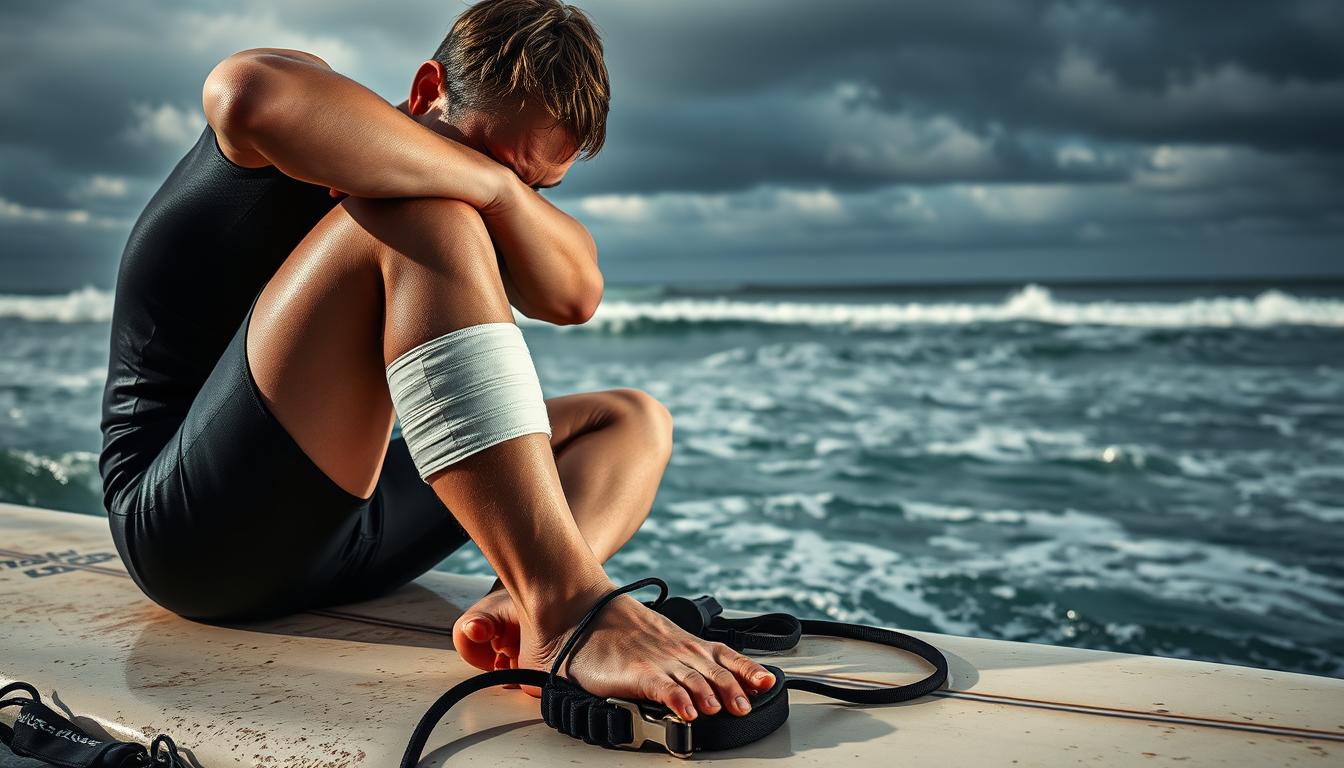
  • Knee pain after surfing

    Knee pain after surfing

    For many surfers, the thrill of riding the waves is unmatched, but it’s not uncommon to experience knee pain after a surfing session. This discomfort can be a sign of underlying issues, such as poor body mechanics or strength and mobility limitations, that are affecting your performance in the water.

    As we explore in this article, knee pain while surfing can stem from various factors, including improper techniques, equipment considerations, and environmental influences. Understanding the root cause of your knee pain is crucial to preventing further injury and maintaining optimal performance.

    If you’re experiencing persistent knee pain, it may be helpful to consult with a medical professional specializing in knee pain treatment. By addressing the underlying issues, you can enjoy longer, pain-free surfing sessions.

    Key Takeaways

    • Common causes of knee pain among surfers
    • The importance of proper body mechanics in preventing knee pain
    • Exercises to strengthen supporting muscles and prevent injury
    • The relationship between hip, knee, and ankle function in surfing
    • Practical tips for preventing and treating knee pain

    Understanding Surfer’s Knee

    Knee pain is a common issue among surfers, often resulting from the unique demands of the sport. Surfing involves a combination of paddling, popping up, and balancing on the board, which can put significant stress on the knees.

    Sometimes, surfers have to position their bodies in unnatural, awkward positions. If the body isn’t prepared to handle these positions, “surfer’s knee” might develop. This condition can be debilitating and affect a surfer’s performance and overall enjoyment of the sport.

    What is Surfer’s Knee?

    Surfer’s knee refers to the pain and discomfort experienced by surfers, typically on the inner side of the knee. It is often associated with the repetitive strain and stress that surfing places on the knee joint.

    The condition is not limited to professional surfers; anyone who spends time in the water can be affected. Understanding the causes and symptoms is crucial for prevention and treatment.

    Common Symptoms to Watch For

    Identifying the symptoms of surfer’s knee early on can help prevent further injury. Some common signs include:

    • Persistent aching or sharp pain on the inner side of the knee that worsens during or after surfing sessions.
    • Swelling, tenderness, and warmth around the affected knee area, particularly after prolonged time in the water.
    • Difficulty performing certain surfing maneuvers, especially those requiring knee rotation or deep flexion.
    • A clicking or popping sensation in the knee joint during movement, which may indicate injury or other structural issues.
    • Morning stiffness that improves with movement but returns after surfing.
    • Decreased range of motion in the affected knee compared to the uninjured knee, indicating potential damage.
    Symptom Description
    Pain Aching or sharp pain on the inner side of the knee
    Swelling Swelling, tenderness, and warmth around the knee
    Stiffness Morning stiffness that improves with movement

    Why Knee Pain Occurs After Surfing

    Knee pain is a prevalent issue for many surfers, stemming from a combination of biomechanical, environmental, and equipment-related factors. As we explore the reasons behind this common complaint, it becomes clear that understanding these elements is key to mitigating and preventing knee pain.

    Biomechanical Factors

    Biomechanical factors play a significant role in the development of knee pain among surfers. The transition from paddling to popping up on the board involves explosive movements that can strain the knee joint. Surfers using shorter boards often experience more stress due to the increased frequency and intensity of pop-ups required. Moreover, improper body positioning and compensatory movements during paddling and turning can place undue stress on the knees.

    The way a surfer’s body adapts to the demands of surfing also influences knee health. For instance, the repetitive strain from paddling and the torque involved in turning can lead to overuse injuries if not managed properly.

    Environmental Influences

    Surfing environments vary widely, and the conditions encountered can significantly impact knee stress. Surfing in rough or choppy waters may require more intense physical effort and can lead to increased impact on the knees upon landing after being tossed by waves. Additionally, the need to adapt to different wave types and sizes can force surfers to make compensatory movements that strain the knee.

    Equipment Considerations

    The design and characteristics of the surfboard, as well as other equipment like wetsuits, can significantly affect knee health. For example, the size and design of the board can impact knee stress; shortboards, with their reduced buoyancy, demand more explosive pop-ups, potentially straining the knee joint. The thickness and density of the deck pad on the surfboard influence shock absorption, with thicker, denser pads potentially reducing impact stress on the knees during landings. Furthermore, the fin setup can affect turning mechanics, with certain configurations requiring more knee torque and potentially leading to overuse injuries among surfers. Lastly, the thickness and flexibility of wetsuits can restrict natural movement, forcing the knee to compensate in ways that may lead to pain.

    Anatomy of the Knee and Surfing Mechanics

    Understanding the anatomy of the knee and its interaction with surfing mechanics is crucial for identifying the root causes of knee pain after surfing. The knee joint, a complex hinge joint, plays a vital role in supporting the body’s weight and facilitating movement during surfing.

    How the Knee Functions During Surfing

    During surfing, the knee functions primarily as a hinge, bending and straightening to absorb the impact of waves and to facilitate movements such as standing up from a prone position on the surfboard.The knee’s ability to handle stress is significantly influenced by its anatomical structure and the mechanics of the surrounding joints.The knee’s limited rotational capability means that it relies heavily on the mobility and strength of adjacent joints, particularly the hip, to manage twisting forces encountered while surfing.

    The Relationship Between Hip, Knee, and Ankle

    The kinetic chain connecting the hip, knee, and ankle functions as an integrated system during surfing movements.Dysfunction in one joint inevitably affects the others, leading to potential pain and injury. For instance, limited hip mobility forces the knee to compensate by absorbing rotational forces it wasn’t designed to handle, often resulting in pain and tissue damage. Similarly, ankle stability and mobility directly impact knee alignment during stance phases of surfing. Proper hip extension strength and mobility allow for efficient force transfer during pop-ups, reducing the load placed on the knee during this explosive movement. Moreover, core stability influences pelvic positioning, which in turn affects hip-knee-ankle alignment throughout all phases of surfing.

    By understanding the intricate relationship between the hip, knee, and ankle, surfers can take proactive steps to maintain optimal joint mobility and strength, thereby reducing the risk of knee pain and injury.

    Common Knee Injuries in Surfers

    As surfers paddle out and catch waves, they’re exposing their knees to potential injury. Surfing involves a combination of repetitive movements and high-impact landings that can strain the knee joint and surrounding tissues. Understanding the common knee injuries in surfers is crucial for prevention, early detection, and effective treatment.

    MCL Sprains

    The Medial Collateral Ligament (MCL) is prone to sprains in surfers due to the valgus stress (inward stress) on the knee during certain maneuvers. MCL sprains can occur when surfers twist or land awkwardly on their boards. Symptoms include pain on the inner aspect of the knee, swelling, and instability. The severity of MCL sprains can vary, ranging from mild to severe, and typically requires rest, ice, compression, and elevation (RICE) as initial treatment.

    Meniscal Injuries

    Meniscal injuries are another common issue for surfers. The meniscus is a cartilage structure in the knee joint that can be damaged through twisting injuries or degeneration over time. Surfers may experience meniscal tears due to the rotational forces involved in turning on the board or from landing jumps. Symptoms can include pain, clicking, and locking of the knee. Treatment options vary depending on the severity and location of the tear.

    Overuse Injuries

    Overuse injuries are prevalent among surfers due to the repetitive nature of their sport. Long periods of prone paddling and repeated pop-ups can lead to conditions such as patellar tendinopathy, also known as jumper’s knee. Other overuse injuries include iliotibial band syndrome and patellofemoral pain syndrome. These conditions result from tissue adaptation lagging behind the demands of surfing activity. Gradual progression in surfing duration and intensity is key to preventing overuse injuries.

    Surfers can mitigate the risk of knee injuries by understanding the mechanics of their sport and taking proactive measures. This includes proper warm-up routines, strengthening exercises for the muscles around the knee, and improving surfing techniques to reduce strain on the knee joint.

    Surfing Positions and Knee Vulnerability

    Understanding how different surfing positions and techniques affect the knee is essential for preventing injuries. Surfers need to be aware of how their stance, paddling position, and pop-up technique can impact their knee health.

    Regular vs. Goofy Foot Stance

    The stance a surfer adopts, whether regular or goofy foot, can influence knee stress. The dominant foot being at the back or front affects how the surfer’s body weight is distributed on the board, potentially leading to uneven stress on the knees. Surfers should be mindful of their natural stance and how it impacts their knee alignment during surfing.

    Paddling Position Impact

    The paddling position is critical as it sets the foundation for the rest of the surfing movement. An improper paddling technique can lead to strain on the knee due to the repetitive motion and pressure on the leg. Maintaining a streamlined position with the body aligned properly can help reduce unnecessary stress.

    Pop-Up Technique and Knee Stress

    The explosive nature of the pop-up movement places significant stress on the knee joint, particularly when performed with poor technique or insufficient lower body strength. Surfers need adequate hip and trunk mobility when popping up. Practicing pop-ups on land with proper form helps develop muscle memory that protects the knees when performing the movement under more challenging conditions in the water.

    Immediate Relief for Knee Pain After Surfing

    Image of a surfer applying ice to their knee after surfing

    Learn More

    Surfers often encounter knee pain after a session in the water, but immediate relief is possible with the right methods. Knee pain can stem from various factors, including overuse, poor technique, or accidents. Understanding how to alleviate this discomfort is crucial for getting back to enjoying the waves.

    R.I.C.E. Method Application

    The R.I.C.E. method, standing for Rest, Ice, Compression, and Elevation, is a widely recognized approach for managing acute injuries, including those affecting the knee. By giving your knee a break and avoiding activities that exacerbate the pain, you initiate the healing process. Applying ice helps reduce inflammation and numbs the pain, while compression with a bandage can further help minimize swelling. Elevating your knee above the level of your heart reduces blood flow to the area, thereby decreasing tissue damage and swelling.

    Implementing the R.I.C.E. method effectively requires consistency and patience. It’s most beneficial when started immediately after the injury occurs.

    Appropriate Pain Management

    Effective pain management is crucial for surfers dealing with knee pain. Over-the-counter pain relievers can be part of the treatment plan, helping to manage pain and reduce inflammation. However, it’s essential to follow the recommended dosage and consult with a healthcare professional if the pain persists.

    When to Use Heat vs. Ice

    The choice between heat and ice therapy depends on the nature and timing of the knee pain. For acute injuries, ice is generally recommended within the first 48-72 hours to reduce inflammation and pain. On the other hand, heat therapy is more beneficial for chronic pain as it increases blood flow and relaxes muscles. Understanding when to apply these methods can significantly impact their effectiveness.

    Contrast therapy, which involves alternating between heat and ice, can be particularly effective for subacute injuries. The timing of application also matters; applying heat before surfing can prepare your tissues for activity, while ice after surfing helps manage inflammatory responses.

    Hip and Trunk Mobility Exercises

    Image of a surfer performing hip mobility exercises on the beach

    Learn More

    Maintaining adequate mobility in the hips and trunk is essential for surfers to control knee position and distribute force effectively. While it’s crucial to maintain adequate mobility, we also need to ensure stability at our glutes and core. That’s where strengthening comes in.

    Hip 90/90 Stretch

    The Hip 90/90 Stretch is a valuable exercise for surfers, as it targets the hip flexors and rotators. To perform this stretch, sit on the ground with your legs bent at a 90-degree angle. Rotate your hips to one side, keeping your back straight, and hold for 30 seconds before switching sides. This exercise helps improve range of motion and reduces tension in the hips.

    World’s Greatest Stretch

    The World’s Greatest Stretch is another effective exercise for enhancing hip mobility. Start in a lunge position with your back knee almost touching the ground. Rotate your torso towards the front leg, keeping your back straight, and hold for 30 seconds. This stretch not only improves hip mobility but also engages the core and lower back.

    Image of a person performing the World’s Greatest Stretch

    Incorporating Mobility Work Into Your Routine

    To reap the benefits of mobility exercises, consistency is key. Incorporating 10-15 minutes of targeted mobility work daily yields better results than longer, infrequent sessions. Surfers should aim to perform these exercises both before and after surfing to prepare their body for the demands of the sport and release tension patterns that develop during activity.

    By creating a progressive routine that gradually increases range of motion over time, surfers can prevent compensatory patterns that lead to knee pain. Combining mobility exercises with foam rolling or other self-myofascial release techniques enhances their effectiveness.

    Strengthening Exercises to Prevent Knee Pain

    Surfers can significantly reduce their risk of knee pain by incorporating specific strengthening exercises into their routine. A strong core and leg muscles are essential for maintaining stability and reducing the load on the knee joint during surfing movements.

    Image of a surfer performing a crossover lunge

    Learn More

    Crossover Lunge

    The crossover lunge is an effective exercise for strengthening the legs and improving balance. To perform this exercise, stand with your feet together, take a large step forward with one foot, and lower your body until your back knee almost touches the ground. Push back to the starting position and repeat on the other side.

    Plank Elbow-Knee Tap

    The plank elbow-knee tap is a core strengthening exercise that also engages the legs. Start in a plank position, then bring one knee to the opposite elbow, holding for a brief moment before returning to the starting position. Alternate sides to challenge your core and improve coordination.

    Single Leg Squat

    The single leg squat is a valuable exercise for strengthening the muscles around the knee, improving balance, and enhancing overall leg strength. Stand on one leg, lower your body down into a squat, and then push back up to the starting position. Repeat on the other leg.

    Core Strengthening for Knee Support

    A strong core provides the foundation for proper force transfer throughout the kinetic chain, reducing excessive loads on the knee joint. Exercises like dead bugs and Pallof presses target the deep muscle groups, enhancing spinal stability and subsequent knee alignment.

    Proper Surfing Technique to Protect Your Knees

    Surfing with proper form not only enhances your performance but also safeguards your knees. Proper technique is vital for minimizing the risk of injury and ensuring a long, healthy surfing career. We will explore key aspects of surfing technique that can help protect your knees.

    Optimal Paddling Form

    Maintaining optimal paddling form is crucial for reducing unnecessary strain on your knees. This involves keeping your body aligned with the surfboard, engaging your core, and using your hips to help power your paddle strokes. By doing so, you distribute the effort across your body, minimizing the impact on your knees.

    Correct Pop-Up Mechanics

    The pop-up is a critical moment where knee stress can occur. Correct pop-up mechanics involve quickly transitioning from a prone position to standing, using your legs to explosively push you up. It’s essential to keep your knees slightly bent and aligned with your feet to absorb the impact and maintain balance.

    Wave Riding Body Positioning

    While riding a wave, maintaining the right body position is key to protecting your knees. This includes keeping your knees flexed to absorb wave impacts, distributing your weight evenly between your front and back foot, and using your core and hips to initiate turns rather than your knees. Surfers also need adequate hip and trunk mobility when popping up, going down the line, and cutting back and forth to change directions on the wave.

    Some key strategies for protecting your knees while surfing include:

    • Maintaining a slightly flexed knee position while riding waves provides shock absorption and allows for quick adaptations to changing wave conditions.
    • Distributing weight properly between the front and back foot reduces excessive loading on either knee, particularly during turns and cutbacks.
    • Initiating turns from the core and hips rather than forcing them with the knees helps protect the knee joint from rotational stresses it’s not designed to handle.

    Technique Description Benefit
    Optimal Paddling Form Engage core, align body with surfboard Reduces strain on knees
    Correct Pop-Up Mechanics Quick transition to standing, knees bent Absorbs impact, maintains balance
    Wave Riding Body Positioning Knees flexed, weight evenly distributed Protects knees from excessive stress

    Knee Pain After Surfing: Prevention Strategies

    Surfers can significantly reduce their risk of knee pain by implementing effective prevention strategies. Proper form and body mechanics are crucial while paddling, popping up, and riding the waves, but these habits are often developed out of the water with specific mobility and strengthening exercises.

    Pre-Surf Warm-Up Routine

    A well-structured pre-surf warm-up routine can prepare the muscles and joints for the upcoming activity, reducing the risk of injury. This should include dynamic stretches and mobilization exercises targeting the lower limbs, particularly the knees.

    Dynamic stretching can help increase blood flow and temperature in the muscles, making them more receptive to the demands of surfing.

    Post-Surf Recovery Practices

    After surfing, recovery practices are essential to reduce muscle soreness and prevent knee pain. This includes static stretching to improve flexibility, foam rolling to aid in muscle recovery, and adequate hydration to replenish lost fluids.

    • Static stretches for the hamstrings and quadriceps can help alleviate tension in the knee joint.
    • Foam rolling can assist in reducing muscle soreness.

    Long-Term Preventative Measures

    Long-term prevention involves a combination of strength and conditioning exercises, maintaining a healthy body composition, and being mindful of surfing within one’s limitations. A year-round strength and conditioning program can help build resilience in the tissues surrounding the knee joint.

    Preventative Measure Description Benefit
    Strength and Conditioning Year-round program addressing surfing-specific demands Builds resilience in knee joint tissues
    Body Composition Maintaining appropriate body fat percentage Reduces unnecessary loading on the knee joint
    Surfing Within Limitations Awareness of personal limits and conditions Reduces risk of injury over years of surfing

    When to Seek Professional Help

    Image of a sports medicine specialist examining a surfer's knee

    Learn More

    Surfing-related knee pain can be debilitating, and knowing when to seek help is crucial. While some minor discomfort may resolve on its own, certain symptoms warrant professional attention to prevent further injury and ensure proper treatment.

    Warning Signs of Serious Injury

    Certain symptoms indicate a more serious issue that requires immediate medical evaluation. These include severe pain, swelling, or instability in the knee, as well as an inability to bear weight or a feeling of the knee “giving way.” If you experience any of these symptoms after surfing, it’s essential to seek medical help to rule out significant trauma to your knee’s musculoskeletal system.

    Types of Healthcare Professionals to Consult

    For surfing-related knee pain, several types of healthcare professionals can provide valuable assistance.

    • Physical therapists specialize in movement analysis and rehabilitation, making them excellent first-line providers for most surfing-related knee injuries without acute trauma.
    • Sports medicine physicians have specialized training in activity-related injuries and can provide comprehensive medical evaluation and treatment recommendations.
    • Orthopedic surgeons specializing in sports medicine should be consulted for injuries that may require surgical intervention, such as complete ligament tears or complex meniscal injuries.
    • Athletic trainers with experience in water sports can provide guidance on return-to-surfing protocols.
    • Strength and conditioning specialists can develop targeted programs to address underlying movement deficits.

    Finding healthcare providers who understand the specific demands of surfing ensures thatsurfersreceive contextually appropriate care.

    Getting Back in the Water: A Safe Return to Surfing

    A safe return to surfing requires a phased rehabilitation plan that considers the specific demands of the sport. When returning to the water, initial sessions should focus on paddling and simple pop-ups in controlled conditions. Wearing a neoprene knee sleeve can provide compression and proprioceptive feedback, helping maintain proper knee alignment. Surfers should monitor pain levels during and after sessions to guide their progression. Using a larger, more buoyant board can reduce the stress on the knees during surfing. For more information on managing knee pain in other activities, check out our tips for managing knee pain while. Patience is crucial to avoid re-injury and ensure a successful return to surfing for years to come.

    FAQ

    What is the most common cause of knee pain in surfers?

    We find that knee pain in surfers is often caused by a combination of biomechanical factors, including poor paddling form, incorrect pop-up mechanics, and inadequate core strength, which put excessive stress on the knee joint.

    How can I prevent knee injuries while surfing?

    To minimize the risk of knee injuries, we recommend incorporating a pre-surf warm-up routine, maintaining proper surfing technique, and engaging in strengthening exercises that target the hip, knee, and ankle, such as the crossover lunge and single-leg squat.

    What is the R.I.C.E. method, and how can it help with knee pain?

    The R.I.C.E. method, which stands for Rest, Ice, Compression, and Elevation, is a treatment approach that can help alleviate knee pain and reduce inflammation. We suggest applying ice to the affected area, compressing it with a bandage, and elevating the leg above the level of the heart.

    Can hip mobility exercises help reduce knee pain while surfing?

    Yes, we believe that improving hip mobility through exercises like the hip 90/90 stretch and world’s greatest stretch can help reduce knee pain by enhancing overall lower-body flexibility and reducing the stress on the knee joint.

    When should I seek professional help for knee pain after surfing?

    If you experience severe knee pain, swelling, or instability, or if the pain persists or worsens over time, we recommend consulting a healthcare professional, such as an orthopedic specialist or physical therapist, to rule out any underlying serious injuries.

    How can I safely return to surfing after experiencing knee pain?

    To ensure a safe return to surfing, we advise gradually reintroducing surfing activities, starting with low-intensity sessions, and incorporating preventative measures, such as pre-surf warm-ups and strengthening exercises, to minimize the risk of re-injury.