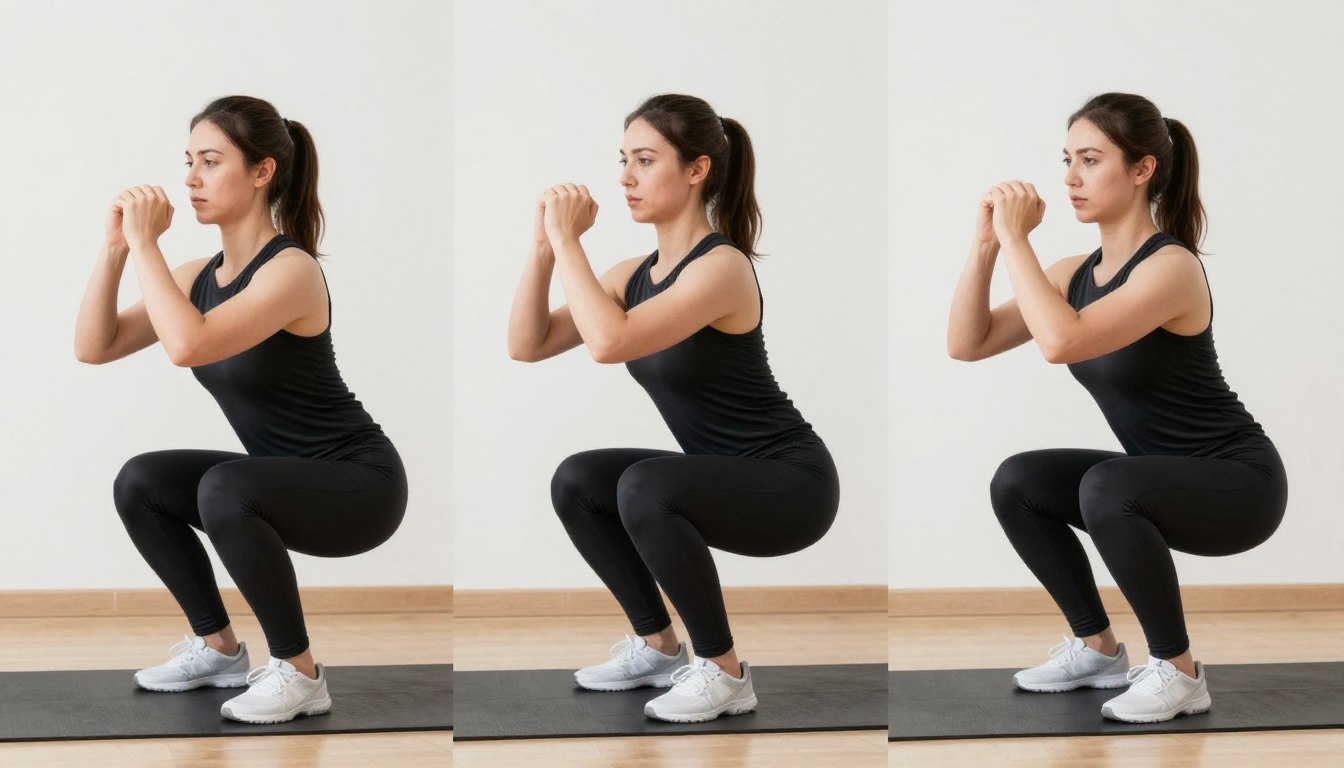
Understanding Patellar Tendonitis: Causes and Symptoms
Patellar tendonitis, also called jumper’s knee, involves inflammation and degeneration of the patellar tendon. This condition develops when repetitive stress overwhelms the tendon’s capacity to repair itself. The term patellar tendinopathy more accurately describes the condition, as it reflects the degenerative tissue changes rather than pure inflammation.
What Causes Patellar Tendinopathy
The patellar tendon experiences significant stress during physical activity. Several factors contribute to the development of this condition:
- Repetitive jumping and landing movements in sport activities
- Sudden increases in training volume or intensity
- Inadequate rest between high-impact training sessions
- Muscle imbalances affecting knee mechanics
- Poor movement patterns during activity
- Hard training surfaces placing extra stress on tendons
Athletes in basketball, volleyball, and track sports face higher risk due to frequent jumping. However, runners and cyclists also develop patellar tendinopathy from repetitive knee extension movements. The condition typically emerges gradually as the tendon accumulates micro-damage faster than the body can repair tissue.
Recognizing the Symptoms
Early symptom recognition allows for prompt intervention. The condition presents several characteristic signs:
Early Stage Symptoms
- Pain at the start of physical activity that diminishes with warming up
- Mild tenderness below the kneecap
- Discomfort during jumping or running
- Pain when climbing stairs
Progressive Symptoms
- Constant pain during activity
- Pain persisting after exercise
- Tenderness worsening with patellar pressure
- Swelling around the tendon
- Weakness affecting knee function
Pain typically localizes at the inferior pole of the patella where the tendon attaches. The discomfort intensifies with activities requiring knee extension against resistance. Some individuals experience stiffness after periods of rest, particularly in the morning.

Stages of Patellar Tendinopathy
Understanding the condition’s progression helps guide treatment decisions. Clinicians classify patellar tendinopathy into distinct stages:
Stage 1: Pain only after physical activity, no functional impairment
Stage 2: Pain at the start and after activity, minimal performance limitation
Stage 3: Pain during and after activity, increasing performance decline
Stage 4: Complete tendon rupture requiring surgical intervention
Most cases respond well to conservative management when addressed early. The rehabilitation protocol varies based on symptom severity and functional limitations. Proper assessment determines the appropriate starting level for your recovery process.
Unsure About Your Symptoms?
Get a professional assessment to determine the severity of your condition and receive a personalized recovery plan tailored to your specific needs.
Key Principles of Patellar Tendonitis Rehabilitation
Successful tendon recovery requires adherence to specific rehabilitation principles. These evidence-based concepts guide the entire treatment process and optimize healing outcomes.
Progressive Loading Strategy
The cornerstone of tendinopathy management involves controlled mechanical loading. Tendons respond positively to appropriate stress, which stimulates tissue remodeling and strengthens the tendon structure. The key lies in finding the optimal load that promotes healing without causing further damage.
Research demonstrates that complete rest often proves counterproductive for patellar tendinopathy. The tendon requires mechanical stimulus to maintain its properties and initiate repair. However, excessive loading perpetuates the injury cycle. Your rehabilitation must balance these competing demands through careful progression.
Loading Principles
- Start with loads you can tolerate comfortably
- Increase volume before increasing intensity
- Allow adequate recovery between sessions
- Monitor pain response during and after exercises
- Accept mild discomfort but avoid sharp pain

Pain Monitoring Guidelines
Pain serves as a crucial feedback mechanism during rehabilitation. Understanding how to interpret and respond to pain prevents setbacks while maintaining progress.
The 24-Hour Rule: Exercise-induced pain should not exceed 3/10 on a pain scale during activity and must return to baseline within 24 hours. If pain increases or persists beyond this timeframe, reduce training load.
Some discomfort during exercises is acceptable and even expected. A pain level of 0-3 out of 10 during exercises indicates appropriate loading. Pain exceeding 5/10 suggests excessive stress requiring immediate modification. This monitoring approach allows continued activity while respecting tissue tolerance.
Tissue Adaptation Timeline
Tendon healing follows a predictable but gradual timeline. Understanding this process helps set realistic expectations and prevents premature progression.
| Phase | Duration | Tissue Changes | Functional Status |
| Reactive Phase | 0-2 weeks | Tendon swelling and thickening | Limited activity tolerance |
| Repair Phase | 2-6 weeks | New collagen production begins | Gradual load tolerance increase |
| Remodeling Phase | 6-12 weeks | Collagen maturation and strengthening | Progressive return to activity |
| Maturation Phase | 3-6 months | Complete tissue remodeling | Full activity resumption |
Each phase requires specific exercise approaches. Early rehabilitation focuses on reducing pain and restoring basic function. Later stages emphasize strength development and sport-specific training. Attempting to skip phases or rush progression commonly leads to symptom recurrence.
Exercise Selection Strategy
Effective rehabilitation incorporates exercises targeting different aspects of tendon function. The exercise protocol progresses from isometric holds to dynamic movements.
Isometric exercises produce minimal tendon stress while providing pain relief. These static contractions serve as the foundation for early-stage rehabilitation. As tolerance improves, eccentric exercises become the primary intervention. Eccentric loading specifically targets tendon remodeling and demonstrates superior outcomes for tendinopathy.
Eventually, the program incorporates plyometric training to prepare the tendon for explosive movements. This final progression ensures readiness for return to sport and reduces injury risk.
Acute Phase Rehabilitation Protocol (Weeks 1-2)
The initial rehabilitation phase focuses on pain reduction and protecting the injured tendon. This period allows tissue irritation to settle while maintaining basic conditioning.
Goals and Objectives
The acute phase aims to achieve several specific targets before progressing to more demanding exercises:
- Reduce pain to manageable levels during daily activities
- Minimize swelling and tenderness around the patellar tendon
- Maintain lower body strength without aggravating symptoms
- Establish proper pain monitoring and exercise tolerance
- Begin basic mobility work for surrounding joints
Activity Modification
Temporary reduction of aggravating activities protects the tendon during the acute phase. This doesn’t mean complete rest, but rather intelligent activity selection.
Activities to Avoid: Jumping, running, stairs (when possible), deep squatting, and kneeling. These movements place excessive stress on the healing patellar tendon.
Swimming and cycling often provide acceptable alternatives for maintaining cardiovascular fitness. These activities generate less patellar tendon stress while preserving overall conditioning. Some individuals tolerate cycling better than others, so monitor your response carefully.
Isometric Exercise Protocol
Isometric exercises form the foundation of acute-phase rehabilitation. These static holds reduce pain while maintaining muscle activation.

Isometric Quadriceps Contraction
This basic exercise activates the quadriceps without moving the knee joint.
- Sit with your affected leg extended on a flat surface
- Place a rolled towel under your knee
- Push the back of your knee down into the towel
- Hold the contraction for 45 seconds
- Rest for 60 seconds between repetitions
- Perform 5 repetitions, twice daily
Focus on steady contraction intensity throughout the hold. Avoid holding your breath during the exercise. Pain should remain below 3/10 during and after the exercise.
Isometric Wall Squat
This functional exercise loads the patellar tendon in a weight-bearing position.
- Stand with your back against a wall
- Position feet shoulder-width apart, about 2 feet from the wall
- Slide down until knees reach 60 degrees (shallow squat)
- Hold this position for 30-45 seconds
- Rest for 90 seconds between holds
- Perform 4-5 repetitions once daily
Start with a higher position if deeper angles cause excessive pain. Gradually lower the squat depth as tolerance improves over several days.
Supporting Exercises
Additional exercises address muscle imbalances and maintain hip strength during the acute phase.
Hip Strengthening
- Clamshells: 3 sets of 15 repetitions
- Side-lying hip abduction: 3 sets of 12 repetitions
- Bridges: 3 sets of 15 repetitions
- Monster walks: 2 sets of 20 steps
Mobility Work
- Ankle dorsiflexion stretches: 3 sets of 30 seconds
- Hip flexor stretches: 3 sets of 30 seconds
- Foam rolling quadriceps: 2 minutes
- Calf stretches: 3 sets of 30 seconds
Pain Management Strategies
Several approaches help control symptoms during the acute phase:
Ice application after activities can reduce discomfort. Apply ice for 15 minutes, 2-3 times daily after exercise or work. Some individuals find heat more comfortable for morning stiffness. Experiment to determine which provides better relief.
NSAIDs may reduce pain during this phase, though their effect on tendon healing remains debated. Consult your healthcare provider before using medications regularly. Never use NSAIDs to mask pain and continue aggravating activities.
Progression Criteria
Several indicators suggest readiness to advance to the subacute phase:
- Pain levels consistently below 3/10 during daily activities
- Minimal tenderness with patellar tendon palpation
- Ability to complete isometric exercises with acceptable discomfort
- No increase in morning stiffness
- Swelling substantially reduced
This phase typically lasts 1-2 weeks, though some cases require extended time. Progress based on symptom response rather than arbitrary timelines.
Subacute Phase Rehabilitation Protocol (Weeks 3-8)
The subacute phase introduces progressive strengthening while continuing to protect the healing tendon. This period builds the foundation for return to activity.
Phase Objectives
This critical phase aims to restore tendon capacity through systematic loading:
- Develop tendon tolerance to eccentric loading
- Build quadriceps strength and endurance
- Improve single-leg stability and control
- Gradually increase training volume
- Prepare for sport-specific movements

Eccentric Strengthening Protocol
Eccentric exercises represent the gold standard treatment for patellar tendinopathy. These movements involve lengthening the muscle-tendon unit under load.
Decline Squat Protocol
This specialized exercise provides optimal loading for the patellar tendon.
- Stand on a 25-degree decline board or wedge
- Position feet shoulder-width apart
- Slowly lower into a squat over 3-4 seconds
- Descend until thighs reach parallel to the ground
- Rise back up using both legs or step off the board
- Perform 3 sets of 15 repetitions
- Complete this exercise twice daily
The decline angle increases patellar tendon loading compared to flat-ground squats. Focus on controlling the descent rather than the ascent. Pain should remain at or below 3/10 during the movement.
Progressive overload occurs through several methods:
Week 3-4: Bodyweight decline squats, 3×15 repetitions
Week 5-6: Add 5-10 pounds using a weighted vest, 3×15 repetitions
Week 7-8: Increase to 15-20 pounds, 3×15 repetitions
Single-Leg Decline Squat
This advanced variation increases tendon loading and challenges balance.
- Stand on one leg on the decline board
- Hold onto a support for balance if needed
- Lower slowly into a partial squat (60-90 degrees)
- Take 3-4 seconds for the descent
- Use both legs or step down to return to start
- Perform 3 sets of 10 repetitions per leg
- Progress to twice daily when tolerated
Introduce single-leg variations around week 5-6, once bilateral exercises feel comfortable. Start with shallow depths and gradually increase range as strength improves.
Complementary Strengthening Exercises
Additional exercises develop well-rounded lower body strength and address potential weaknesses.
Leg Press
Emphasize slow eccentric phase (4 seconds down, 1 second up)
Weeks 3-4: 3 sets of 12 reps at 60% effort
Weeks 5-8: 3 sets of 10 reps at 70-80% effort
Step-Downs
Control descent from 8-inch step over 3-4 seconds
Weeks 3-4: 3 sets of 10 reps per leg
Weeks 5-8: 3 sets of 15 reps per leg
Bulgarian Split Squats
Rear foot elevated, emphasize front leg loading
Weeks 5-6: 3 sets of 8 reps per leg
Weeks 7-8: 3 sets of 12 reps per leg
Exercise Frequency and Volume
The subacute phase requires careful attention to training frequency. Research indicates that eccentric exercises for tendinopathy work best when performed daily or twice daily. This frequency provides optimal stimulus for tendon adaptation.
Structure your training week as follows:
| Day | Primary Exercise | Volume | Supporting Work |
| Monday | Decline squats (morning and evening) | 3×15 each session | Hip strengthening |
| Tuesday | Single-leg decline squats | 3×10 per leg | Leg press |
| Wednesday | Decline squats (morning and evening) | 3×15 each session | Step-downs |
| Thursday | Single-leg decline squats | 3×10 per leg | Bulgarian split squats |
| Friday | Decline squats (morning and evening) | 3×15 each session | Hip strengthening |
| Saturday | Light activity day | 2×10 decline squats | Mobility work |
| Sunday | Rest or optional light session | 1×10 if performed | Recovery activities |
Return to Running Protocol
Gradual running reintroduction typically begins around week 6-7 for appropriate candidates. Several criteria must be met before starting:
- Pain consistently below 2/10 during daily activities
- Ability to perform 3 sets of 15 decline squats with minimal discomfort
- Single-leg hop without significant pain
- No morning stiffness or post-exercise flare-ups
Begin with a conservative walk-run program:
Week 1: 1 minute run / 4 minutes walk x 5 cycles, every other day
Week 2: 2 minutes run / 3 minutes walk x 5 cycles, every other day
Week 3: 3 minutes run / 2 minutes walk x 5 cycles, every other day
Week 4: 5 minutes run / 2 minutes walk x 4 cycles, every other day
Continue eccentric exercises throughout running progression. Reduce decline squat frequency to once daily during heavy running weeks if needed.

Need Personalized Guidance?
Our rehabilitation specialists can assess your progress and customize your exercise protocol to match your specific recovery timeline and activity goals.
Return to Activity Phase Protocol (Weeks 9-16)
The final rehabilitation phase prepares you for full sport participation. This period introduces high-intensity loading and sport-specific movements.
Phase Goals
This advanced stage aims to restore complete athletic function:
- Rebuild explosive power through plyometric training
- Develop sport-specific movement capacity
- Achieve full range of motion under load
- Restore confidence in the knee during dynamic activities
- Establish injury prevention habits
Plyometric Progression
Plyometric exercises prepare the patellar tendon for the demands of jumping and running sports. This progression moves from simple to complex movements over several weeks.
Early Plyometrics (Weeks 9-11)
Double-Leg Hops in Place
- Stand with feet hip-width apart
- Perform small, quick hops
- Focus on soft landings
- Complete 3 sets of 20 hops
- Rest 60 seconds between sets
Forward Hops
- Perform double-leg forward hops
- Cover 10-15 meters
- Emphasize controlled landing
- Complete 3 sets of 8 hops
- Walk back as recovery
Intermediate Plyometrics (Weeks 12-14)
Progress to more demanding movements as tendon capacity improves.

- Box jumps: 3 sets of 8 repetitions (start with 12-inch box)
- Lateral hops: 3 sets of 10 repetitions per direction
- Single-leg hops in place: 3 sets of 10 per leg
- Depth drops: 3 sets of 6 from 12-inch height
Maintain eccentric strengthening throughout this phase, reducing frequency to 3-4 times weekly. Continue decline squats to reinforce tendon adaptation.
Advanced Plyometrics (Weeks 14-16)
Final plyometric progressions mimic sport demands:
| Exercise | Sets | Repetitions | Rest |
| Single-leg box jumps | 3 | 6 per leg | 90 seconds |
| Depth jumps to vertical jump | 3 | 5 | 2 minutes |
| Lateral bounds | 3 | 8 per side | 90 seconds |
| Repeated vertical jumps | 3 | 10 | 2 minutes |
Sport-Specific Training
Incorporate movements specific to your sport during weeks 12-16. This prepares the tendon for actual competition demands.
For Basketball/Volleyball
- Approach jumps
- Block jumps
- Rebounding drills
- Cutting movements
- Acceleration sprints
For Running Sports
- Interval training
- Hill repeats
- Tempo runs
- Change of direction drills
- Sprint mechanics
For Soccer/Football
- Kicking progression
- Cutting drills
- Acceleration work
- Deceleration training
- Agility patterns
Strength Maintenance
Continue strength training throughout the return-to-activity phase. Adjust volume and intensity based on sport training demands.
A typical weekly structure might include:
- Heavy strength session: 1-2 times weekly (squats, leg press, Romanian deadlifts)
- Eccentric emphasis: 2-3 times weekly (decline squats, eccentric leg curl)
- Plyometric training: 2 times weekly (integrated with sport practice)
- Sport-specific work: 3-4 times weekly (gradually increasing)
Return to Competition
Full sport participation typically occurs around week 14-16, though individual timelines vary. Several benchmarks indicate readiness for competition:
Return to Sport Criteria:
- No pain during maximum effort activities
- Single-leg hop test achieving 90% of uninjured side
- Completion of sport-specific training without flare-ups
- Confidence in knee during all movements
- No swelling or morning stiffness
Begin with reduced playing time or practice participation. Gradually increase involvement over 2-3 weeks while monitoring symptoms. Some mild soreness after initial games is normal, but significant pain suggests premature return.

Load Management and Monitoring Strategies
Successful rehabilitation requires careful attention to training load. Understanding how to monitor and adjust activity prevents setbacks while optimizing progress.
Understanding Training Load
Training load encompasses both external load (the work performed) and internal load (the body’s response to that work). Both factors influence tendon adaptation and injury risk.
External load includes measurable training variables such as distance run, jumps performed, or weight lifted. Internal load reflects how your body responds, including pain levels, fatigue, and recovery time. Effective load management balances these elements.
The Acute to Chronic Workload Ratio
This concept helps prevent overload injuries. The ratio compares your recent training (acute load) to your average training over several weeks (chronic load).
Safe Zone: Acute-to-chronic ratio between 0.8 and 1.3
Danger Zone: Ratio above 1.5 (spike in training load)
Undertraining Zone: Ratio below 0.8 (insufficient stimulus)
Calculate your ratio by dividing last week’s training volume by your four-week average. Staying within the safe zone reduces injury risk while maintaining adaptation stimulus.
Daily Monitoring Tools
Several simple metrics help track your response to training:
Symptom Tracking
- Morning stiffness duration and severity
- Pain levels during specific activities
- Post-exercise soreness and duration
- Tendon tenderness with palpation
- Swelling presence and location
Performance Indicators
- Exercise tolerance and completion
- Movement quality and confidence
- Strength testing results
- Single-leg hop distance
- Sleep quality and recovery
The Traffic Light System
This simple approach guides training decisions based on pain response:
Green Light (0-3/10 pain)
- Continue current training
- Progress as planned
- Consider increasing load
- Symptoms manageable
Yellow Light (4-5/10 pain)
- Maintain current load
- Delay progression
- Monitor closely
- Modify if needed
Red Light (6-10/10 pain)
- Reduce training load
- Return to previous level
- Seek professional advice
- May need rest period
Weekly Planning Strategy
Structure your training week to optimize recovery while maintaining stimulus. Consider this framework:
- Schedule heavy training early in the week when fresh
- Include one or two moderate-intensity days
- Incorporate at least one light or rest day
- Avoid consecutive high-load days
- Plan recovery activities strategically
This pattern allows adequate recovery while preventing detraining. Adjust based on your individual response and external life stress.
Identifying Setbacks Early
Recognizing warning signs prevents minor issues from becoming major setbacks. Pay attention to these indicators:
Warning Signs:
- Gradual pain increase over multiple days
- Worsening morning stiffness
- Pain beginning earlier in activities
- Decreased exercise tolerance
- Increased tenderness with touch
- Swelling recurrence
If you notice these signs, reduce training load by 20-30% for several days. Most minor flare-ups resolve with slight modifications. Persistent symptoms require professional evaluation.
Recovery Techniques
Active recovery strategies support tendon healing and prepare you for subsequent training:
- Light aerobic activity on rest days improves blood flow
- Adequate sleep (7-9 hours) enables tissue repair
- Proper nutrition supports collagen synthesis
- Stress management reduces systemic inflammation
- Foam rolling and stretching maintain tissue quality
Recovery is not passive time off but an active component of your training program. Prioritize these elements as seriously as your exercises.
Prevention Strategies and Long-Term Management
Preventing patellar tendonitis recurrence requires sustained attention to training practices and biomechanics. Understanding risk factors enables proactive management.
Training Load Management
Many cases of patellar tendinopathy result from training errors. Avoiding these common mistakes reduces injury risk substantially.
Common Training Errors
- Increasing volume too quickly (more than 10% weekly)
- Insufficient recovery between intense sessions
- Excessive jumping volume without preparation
- Inadequate strength foundation before sport
- Ignoring early warning signs
- Training through significant pain

Follow the 10% rule for training increases. This guideline suggests limiting weekly volume increases to no more than 10% of the previous week. While not absolute, this principle prevents excessive load spikes.
Biomechanical Considerations
Movement patterns significantly impact patellar tendon stress. Addressing faulty mechanics reduces injury risk.
Landing Mechanics
Proper landing technique distributes forces across multiple joints rather than concentrating stress at the knee:
- Land with slightly flexed hips and knees
- Contact ground with forefoot before heels
- Allow knees to bend smoothly, controlling descent
- Maintain knee alignment over toes
- Distribute impact through ankle, knee, and hip
Practice landing drills regularly. Start with low-height drops and progress to sport-specific jumps. Quality of movement matters more than quantity during skill development.
Running Mechanics
Several running technique factors influence patellar tendon loading:
Optimal Running Form Elements:
- Cadence around 170-180 steps per minute
- Slight forward lean from ankles, not hips
- Midfoot or forefoot strike pattern
- Knee slightly bent at foot contact
- Arms swinging naturally at sides
Higher cadence reduces ground reaction forces and decreases knee stress. Gradually increasing step rate by 5-10% can reduce tendon loading without changing overall speed.
Strength Maintenance Program
Continuing strength work after returning to sport prevents recurrence. Dedicate 2-3 sessions weekly to lower body strengthening.

Weekly Maintenance Template
| Session | Focus | Key Exercises | Volume |
| Session 1 | Heavy strength | Squats, Romanian deadlifts, leg press | 3-4 sets of 6-8 reps |
| Session 2 | Eccentric emphasis | Decline squats, Nordic curls, step-downs | 3 sets of 12-15 reps |
| Session 3 | Unilateral work | Bulgarian splits, single-leg RDL, lunges | 3 sets of 10 reps per side |
Adjust volume based on sport demands. During competitive seasons, reduce to two sessions weekly or decrease sets per exercise. The key is consistency rather than intensity.
Equipment and Environmental Factors
External factors influence tendon health and deserve attention.
Footwear Considerations
Appropriate shoes can reduce patellar tendon stress:
- Choose shoes with adequate cushioning for your activity
- Replace running shoes every 300-500 miles
- Consider slight heel-toe drop for running (4-8mm)
- Ensure proper fit with adequate toe box space
- Use sport-specific shoes for court sports
Avoid drastic footwear changes during intense training periods. Transition gradually to new shoe types to allow adaptation time.
Training Surface Impact
Surface hardness affects impact forces and injury risk:
Softer Surfaces (Grass, Track)
- Reduced impact forces
- Lower joint stress
- Better for high volume
- Decreased injury risk
Harder Surfaces (Concrete, Court)
- Increased impact forces
- Higher tendon stress
- Greater fatigue accumulation
- Requires more recovery
Vary training surfaces when possible. Perform higher volume work on softer surfaces and limit hard surface exposure during heavy training weeks.
Warm-Up and Cool-Down Protocols
Proper preparation and recovery routines support tendon health.
Pre-Activity Warm-Up
- Begin with 5-10 minutes of light aerobic activity
- Perform dynamic stretches for lower body (leg swings, walking lunges)
- Include activation exercises (glute bridges, clamshells)
- Execute sport-specific movements at low intensity
- Gradually increase intensity to match activity demands
Total warm-up duration should be 15-20 minutes before intense activity. Cold tendons are more vulnerable to injury, making adequate preparation essential.
Post-Activity Cool-Down
- Continue light activity for 5-10 minutes after training
- Perform static stretching for major muscle groups
- Include foam rolling for quadriceps and calves
- Apply ice if tenderness is present (15 minutes)
- Elevate legs to reduce swelling
Nutrition for Tendon Health
Dietary choices influence tendon healing and maintenance. Several nutrients support collagen synthesis and tissue repair:
- Vitamin C: Essential for collagen production (citrus, berries, peppers)
- Protein: Provides amino acids for tissue repair (aim for 1.6-2.2g per kg body weight)
- Omega-3 fatty acids: Reduces inflammation (fish, flaxseed, walnuts)
- Glycine: Supports collagen structure (bone broth, gelatin)
- Hydration: Maintains tissue quality (aim for clear or pale yellow urine)
Consider gelatin supplementation around training. Research suggests 15g of gelatin with vitamin C one hour before exercise may enhance collagen synthesis.
Prevent Future Injuries
Our movement assessment identifies biomechanical issues that increase injury risk. Get a comprehensive evaluation and personalized prevention program.
When to Seek Professional Medical Advice
While many cases of patellar tendonitis respond well to self-management, certain situations require professional evaluation. Recognizing these scenarios prevents complications and accelerates recovery.
Red Flag Symptoms
Several symptoms warrant immediate medical attention:
Seek Immediate Care For:
- Sudden, severe pain accompanied by a popping sensation
- Inability to bear weight on the affected leg
- Visible deformity or abnormal positioning of kneecap
- Significant swelling developing within hours
- Numbness or tingling below the knee
- Knee buckling or giving way during normal activities
These symptoms may indicate complete tendon rupture or other serious injuries requiring urgent evaluation. Complete tears typically occur in individuals with chronic tendinopathy and demand surgical intervention.
When Conservative Treatment Fails
Consider professional consultation if you experience:
- No improvement after 6-8 weeks of proper rehabilitation
- Progressive worsening despite activity modification
- Pain interfering with daily activities beyond sport
- Recurrent flare-ups despite load management
- Uncertainty about diagnosis or appropriate treatment
Persistent symptoms may indicate incomplete diagnosis or need for advanced interventions. Several treatment options exist beyond basic rehabilitation for stubborn cases.
Advanced Treatment Options
Healthcare providers may recommend additional interventions for cases not responding to exercise alone:

Injection Therapies
Various injection approaches show promise for chronic tendinopathy:
- Platelet-rich plasma (PRP): Uses concentrated growth factors from your blood
- High-volume injections: Aims to strip adhesions around the tendon
- Prolotherapy: Stimulates healing response through mild irritation
Evidence for injection therapies remains mixed. These interventions work best when combined with continued exercise rehabilitation rather than as standalone treatments.
Extracorporeal Shockwave Therapy
This treatment delivers acoustic waves to the affected tendon. The mechanical stimulus may promote healing and reduce pain. Multiple sessions over several weeks typically occur. Research shows moderate effectiveness, particularly for chronic cases.
Surgical Intervention
Surgery remains reserved for severe cases unresponsive to conservative management for 6-12 months. Procedures may include:
- Debridement of damaged tendon tissue
- Removal of adhesions surrounding the tendon
- Release of tight structures affecting tendon mechanics
Surgery success rates vary, and recovery requires several months of rehabilitation. Most individuals should exhaust conservative options before considering surgery.
Who Should Evaluate Your Condition
Several healthcare professionals can assess and treat patellar tendinopathy:
| Professional | Role | When to Consult |
| Primary Care Physician | Initial diagnosis and referral | First evaluation, persistent symptoms |
| Physical Therapist | Exercise prescription and biomechanics | Rehabilitation guidance, movement assessment |
| Sports Medicine Physician | Specialized sports injury care | Athlete-specific concerns, complex cases |
| Orthopedic Surgeon | Surgical evaluation and intervention | Severe cases, suspected rupture |
Preparing for Your Appointment
Maximize the value of professional consultation with proper preparation:
- Document symptom timeline and what makes pain better or worse
- Track training history leading up to injury onset
- List all treatments attempted and their results
- Bring questions about diagnosis, prognosis, and treatment options
- Prepare to demonstrate movements that provoke pain
Detailed information helps clinicians make accurate diagnoses and develop appropriate treatment plans. Come prepared to discuss your activity goals and timeline expectations.
Questions to Ask Your Provider
Clarify important aspects of your condition and treatment:
Working With Healthcare Providers
Successful treatment requires active participation in your care. Communicate openly about symptoms, concerns, and progress. Report setbacks promptly rather than waiting for scheduled appointments.
Follow prescribed treatments consistently even when symptoms improve. Many individuals discontinue exercises prematurely, leading to recurrence. Rehabilitation continues beyond pain resolution to ensure complete tissue healing.
Don’t hesitate to seek second opinions for complex cases or if treatment recommendations seem unclear. Your health and return to activity deserve thorough evaluation and evidence-based care.
Questions about your symptoms or rehabilitation progress?
Moving Forward With Your Recovery
Patellar tendonitis presents a challenging but manageable condition. The comprehensive rehabilitation protocol outlined in this guide provides a structured pathway from acute symptoms to full activity resumption.
Recovery demands patience and consistency. Tendons heal slowly, requiring months of dedicated effort rather than weeks. Trust the process even when progress seems minimal. Small improvements accumulate into complete recovery over time.

The principles you’ve learned extend beyond treating current symptoms. Load management, strength maintenance, and biomechanical awareness protect against future injuries. These concepts apply to all athletic pursuits and daily activities.
Remember that setbacks occasionally occur during rehabilitation. Minor flare-ups don’t erase previous progress. Reduce training load temporarily, review your technique, and continue with modified exercises. Most setbacks resolve quickly with appropriate adjustments.
Your commitment to evidence-based rehabilitation gives you the best chance for complete recovery. The exercises and strategies presented here reflect current research and clinical experience. Combined with professional guidance when needed, this approach successfully addresses patellar tendinopathy for most individuals.
Stay focused on long-term health rather than short-term discomfort. The work you invest now prevents chronic problems and enables years of enjoyable physical activity. Your patellar tendon can recover and return to full function with proper care and progressive loading.
Ready to Start Your Recovery?
Get expert guidance throughout your rehabilitation journey. Our specialists provide personalized exercise progression, technique analysis, and ongoing support to ensure your complete recovery.