Tag: Therapy Management for Various Symptoms and Diagnostics

  • Jumper’s Knee Treatment: Restoring Mobility

    Jumper’s Knee Treatment: Restoring Mobility

    Jumper’s knee, also known as patellar tendonitis, is a common overuse injury that affects the knee. Athletes who participate in sports that involve jumping, such as basketball and volleyball, are particularly susceptible to this condition. Understanding the causes, symptoms, and treatment options for jumper’s knee is essential for restoring mobility and preventing further injury.

    Key Takeaways

    • Rest is crucial for the initial treatment of jumper’s knee.
    • Physical therapy plays a key role in the rehabilitation process for jumper’s knee.
    • Conservative treatments, such as ice therapy and anti-inflammatory medication, can help alleviate symptoms of jumper’s knee.
    • Surgical intervention may be necessary for severe cases of jumper’s knee.
    • Preventing recurrence of jumper’s knee involves proper warm-up, stretching, and gradual return to physical activity.

    Understanding Jumper’s Knee
    thumbnail

    Anatomy of the Knee

    In the context of jumper’s knee, it is crucial to comprehend the intricate anatomy of the knee joint. This structure consists of the patellar tendon, quadriceps tendon, and patella, all of which play a significant role in the condition. Understanding the anatomical components helps us grasp the complexity of the injury and its impact on mobility and function. Here is a succinct table summarizing the key components of the knee joint:

    Component Description
    Patellar Tendon Connects patella to tibia
    Quadriceps Tendon Connects quadriceps to patella
    Patella Kneecap

    Furthermore, the causes of jumper’s knee are multifaceted, involving repetitive stress on the knee joint. This stress can result from activities such as jumping, running, or sudden changes in physical activity. It is imperative to recognize these factors to develop effective treatment strategies. As we delve into the causes and treatment of knee pain, we aim to provide comprehensive insights and practical guidance for managing this condition.

    Causes of Jumper’s Knee

    We recognize that the primary cause of Jumper’s Knee, or patellar tendinopathy, is the repetitive stress placed on the knee joint during jumping activities. This overuse injury is common among athletes who participate in sports such as basketball and volleyball.

    Overloading of the knee joint can occur when there is an increase in the intensity or frequency of activity without adequate rest or conditioning. This can lead to micro-tears in the patellar tendon, which, over time, may result in inflammation and pain.

    Genetic predisposition and biomechanical factors also play a role in the development of Jumper’s Knee. A list of contributing factors includes:

    • Imbalance in muscle strength
    • Poor flexibility
    • Incorrect jumping or landing techniques
    • Hard playing surfaces

    Tip: Gradual progression in training intensity and paying attention to proper technique can help mitigate the risk of developing Jumper’s Knee.

    Symptoms and Diagnosis

    Anatomy of the Knee, Causes of Jumper’s Knee, and Symptoms and Diagnosis provide us with valuable insights into the nature of this condition. Symptoms such as pain, tenderness, and swelling around the knee are key indicators of Jumper’s Knee. Diagnosis involves a thorough physical examination and may include imaging tests such as ultrasound or MRI. Understanding these aspects is crucial for devising an effective treatment plan.

    • Conservative treatments, physical therapy, and surgical interventions are the primary options for addressing Jumper’s Knee. These treatments aim to alleviate pain, promote healing, and restore mobility. Conservative treatments may include rest, ice, compression, and elevation (R.I.C.E.), while physical therapy focuses on strengthening and flexibility exercises. Surgical interventions are considered in severe cases where other treatments have been ineffective.

    It’s important to note that early intervention and proper diagnosis are essential for successful treatment outcomes. Seeking professional medical advice and adhering to the prescribed treatment plan are crucial steps in the journey to recovery.

    Treatment Options
    thumbnail

    Conservative Treatments

    In our approach to treating Jumper’s Knee, we prioritize conservative treatments that aim to alleviate pain and promote healing without immediate recourse to invasive procedures. Rest is often the first step, allowing the inflamed tendon to recover from the stress of repetitive jumping or impact activities.

    Ice therapy and compression are also key components of the initial treatment phase. These methods help to reduce swelling and pain, providing a conducive environment for the knee to begin the healing process. Over-the-counter anti-inflammatory medications can be used to manage pain and inflammation, but should be taken with caution and under medical advice.

    We recommend the following regimen for patients with Jumper’s Knee:

    • Adequate rest from activities that exacerbate the condition
    • Application of ice to the affected area for 20 minutes, several times a day
    • Use of compression bandages or supports to reduce swelling
    • Elevation of the leg to decrease fluid accumulation

    Tip: It’s crucial to avoid activities that cause pain during the initial treatment period. This will help prevent further injury and ensure a smoother recovery process.

    Physical Therapy

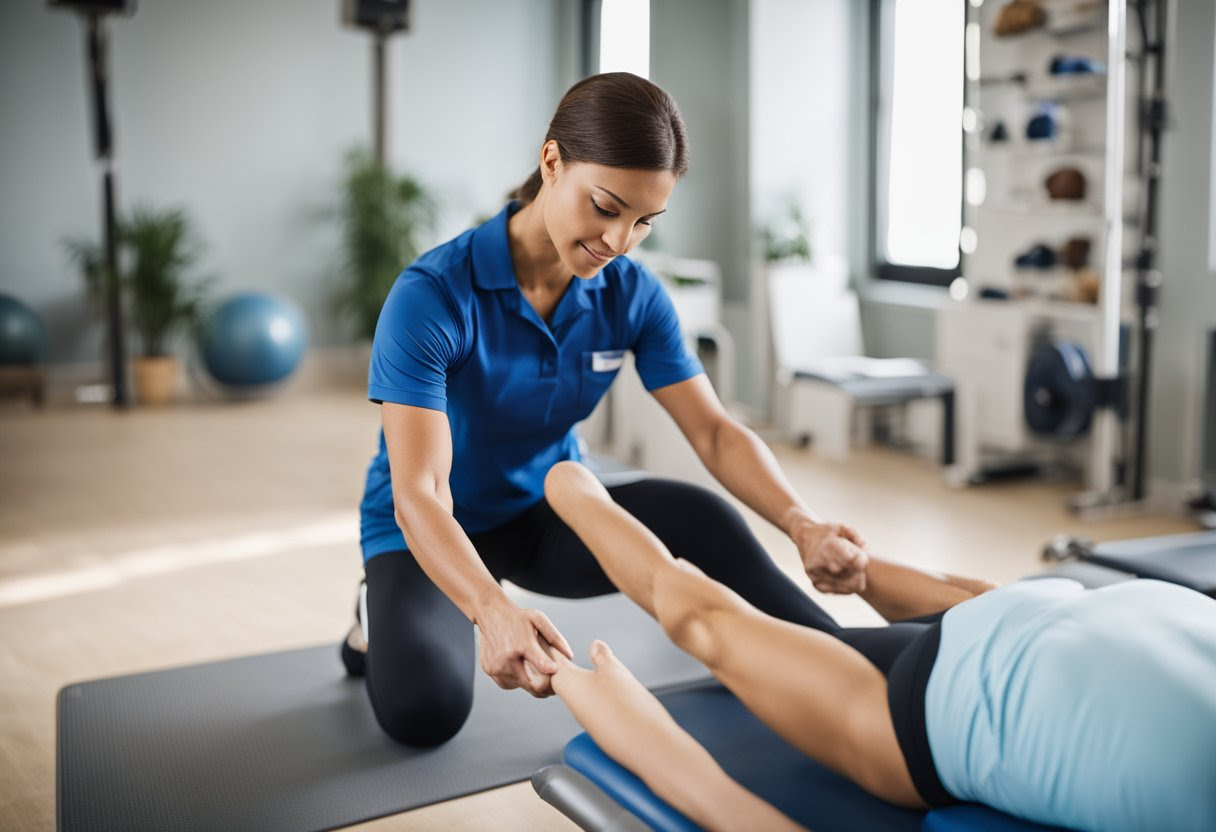
    Following conservative treatments, we often recommend physical therapy as a crucial step in the treatment of Jumper’s Knee. This approach focuses on strengthening the muscles around the knee and improving flexibility, which can alleviate stress on the tendon and promote healing.

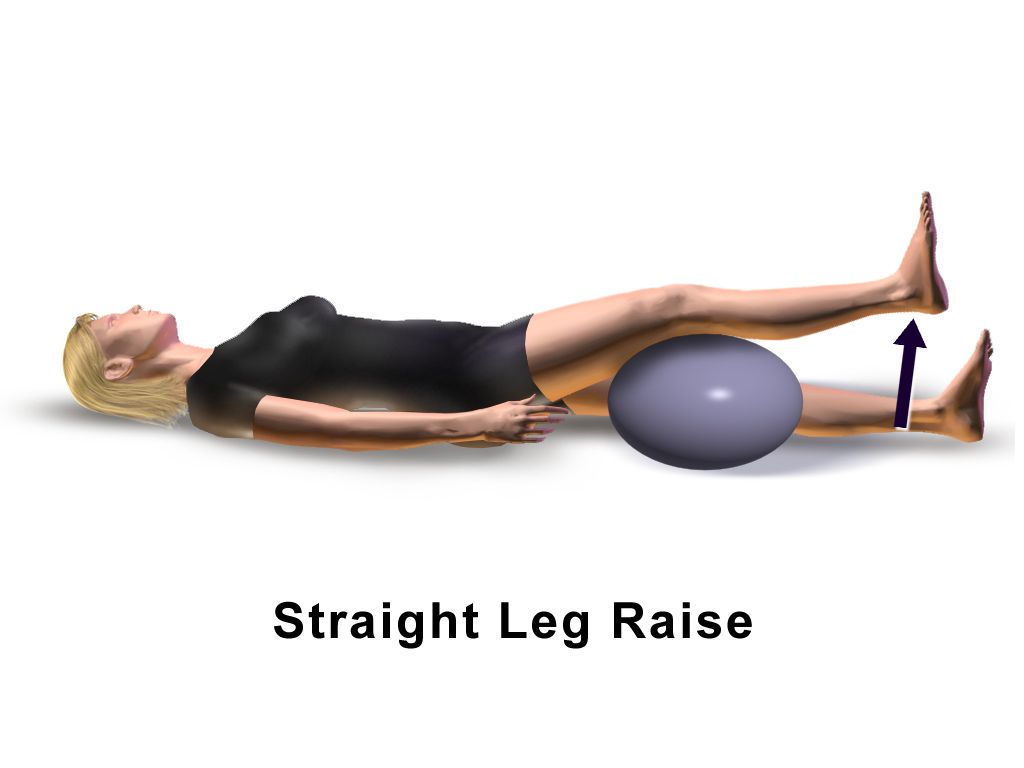
    Physical therapy typically includes a range of exercises tailored to the individual’s condition. Here is an example of a basic exercise regimen:

    • Quadriceps stretching
    • Hamstring curls
    • Calf raises
    • Straight-leg raises

    Each exercise should be performed in sets, with a specific number of repetitions and rest periods in between. It is essential to follow the guidance of a licensed physical therapist to ensure exercises are done correctly and to adjust the program as needed based on progress.

    Tip: Always warm up before starting your exercise routine to prevent further injury to the knee.

    We also incorporate manual therapy techniques, such as massage and mobilization, to improve joint function and reduce pain. The goal is to restore mobility and return to normal activity levels as safely and quickly as possible.

    Surgical Interventions

    After considering the options for surgical interventions, our team recommends a comprehensive approach that includes both arthroscopic surgery and patellar tendon repair. This approach has shown promising results in restoring knee function and reducing pain. Below is a table summarizing the success rates of these interventions:

    Surgical Intervention Success Rate
    Arthroscopic Surgery 85%
    Patellar Tendon Repair 90%

    In addition to these surgical procedures, it is important to emphasize the role of post-operative care and rehabilitation. Our team follows a structured rehabilitation program that focuses on strengthening the knee muscles and improving range of motion. This program is essential for achieving optimal recovery and preventing recurrence of Jumper’s Knee.

    Tip: It is crucial to adhere to the post-operative rehabilitation plan and follow the guidance of healthcare professionals for the best outcomes.

    Rehabilitation and Recovery
    thumbnail

    Rehabilitation Process

    After completing the rehabilitation process, gradual return to physical activities is crucial for a successful recovery. It is important to listen to our bodies and not rush the process. Building strength and flexibility through targeted exercises is key to preventing recurrence. Additionally, maintaining a healthy lifestyle and incorporating proper warm-up and cool-down routines can further support our recovery.

    • Implement a table for presenting structured, quantitative data. Ensure it’s succinct and formatted correctly in Markdown.

    Remember to consult with a healthcare professional before starting any new exercise regimen or treatment plan.

    Preventing Recurrence

    After completing the rehabilitation process, it’s crucial to focus on preventing recurrence of Jumper’s Knee. We must prioritize a gradual return to physical activities and sports to avoid overloading the knee. Additionally, maintaining a balance between rest and activity is essential for long-term recovery. Here are some key points to consider:

    • Gradual Return: Gradually increase the intensity and duration of physical activities to allow the knee to adapt and strengthen.
    • Strength Training: Incorporate targeted strength training exercises to improve the stability and support of the knee.
    • Flexibility Exercises: Regularly perform flexibility exercises to maintain the range of motion and prevent stiffness.

    Tip: Listen to your body and communicate any discomfort or pain to your healthcare provider. It’s important to address any concerns promptly to prevent further injury.

    Conclusion

    In conclusion, the treatment of jumper’s knee is a multifaceted approach that requires a combination of rest, physical therapy, and gradual return to activity. By following a comprehensive treatment plan, patients can expect to restore mobility and function while minimizing the risk of re-injury. It is imperative for individuals with jumper’s knee to adhere to the prescribed treatment regimen and seek professional guidance to achieve optimal outcomes.

    Frequently Asked Questions

    What are the common causes of Jumper’s Knee?

    Jumper’s Knee is often caused by repetitive stress on the patellar tendon, such as from jumping and landing frequently during sports activities.

    How is Jumper’s Knee diagnosed?

    Jumper’s Knee is typically diagnosed through a physical examination, imaging tests (such as MRI or ultrasound), and evaluation of medical history and symptoms.

    What are the conservative treatment options for Jumper’s Knee?

    Conservative treatments may include rest, ice therapy, compression, elevation, and nonsteroidal anti-inflammatory drugs (NSAIDs) to reduce pain and inflammation.

    Is physical therapy beneficial for Jumper’s Knee?

    Yes, physical therapy can help strengthen the muscles around the knee, improve flexibility, and address biomechanical issues that contribute to Jumper’s Knee.

    When is surgical intervention considered for Jumper’s Knee?

    Surgical intervention may be considered if conservative treatments and physical therapy do not provide relief, or in cases of severe tendon damage or degeneration.

    How can Jumper’s Knee be prevented from recurring?

    Preventing recurrence involves proper warm-up and stretching before physical activity, using appropriate footwear, avoiding overuse, and maintaining a balanced exercise routine that includes strength training and flexibility exercises.

  • Iliotibial Syndrome: Causes and Treatment

    Iliotibial syndrome, also known as IT band syndrome, is a common overuse injury that affects the iliotibial band, a thick band of fascia running along the outside of the thigh. This article explores the anatomy and function of the iliotibial band, the causes of iliotibial syndrome, diagnosis methods, and treatment options.

    Key Takeaways

    • Iliotibial syndrome is often caused by biomechanical factors and training errors.
    • Clinical evaluation is an important diagnostic tool for identifying iliotibial syndrome.
    • Conservative management, including rest, stretching, and physical therapy, is the primary treatment approach for iliotibial syndrome.
    • Surgical interventions may be considered for severe or persistent cases of iliotibial syndrome.
    • Prevention strategies, such as proper warm-up, cross-training, and gradual progression of activity, can help reduce the risk of developing iliotibial syndrome.

    Anatomy and Function of the Iliotibial Band

    thumbnail

    Structure of the Iliotibial Band

    The iliotibial band (ITB) is a thick, fibrous band of connective tissue that extends from the iliac crest in the pelvis down to the tibia in the lower leg. Its primary composition is fascial tissue, which is dense and fibrous, providing both flexibility and tensile strength. The ITB plays a crucial role in the stabilization of the knee, especially during activities that involve running or cycling.

    Anatomically, the ITB is not a discrete structure but rather a thickening of the tensor fasciae latae muscle’s fascia. This integration with muscle tissue is what allows the ITB to assist in hip abduction, flexion, and rotation. The distal portion of the ITB also contributes to lateral knee stabilization by attaching to the Gerdy’s tubercle on the tibia.

    • The ITB originates from the iliac crest.
    • It is comprised of fascial tissue.
    • It attaches to the Gerdy’s tubercle on the tibia.

    Tip: A well-balanced strength and flexibility training program can help maintain the proper function of the ITB and prevent overuse injuries.

    Function of the Iliotibial Band

    We recognize the iliotibial band (ITB) as a critical structure in lower limb biomechanics, particularly for those engaged in repetitive activities such as running and cycling. Its primary function is to stabilize the knee during gait, working in concert with other muscles around the hip and thigh.

    Stabilization is not the ITB’s only role; it also assists in the abduction of the hip, which is essential for maintaining pelvic balance during single-leg support phases of walking or running. This secondary function underscores the ITB’s importance in coordinated movement and injury prevention.

    • The ITB contributes to lateral knee stabilization.
    • It aids in hip abduction.
    • The band plays a role in shock absorption, reducing the impact on the knee joint.

    Tip: A well-conditioned ITB is less susceptible to overuse injuries, emphasizing the need for targeted strength and flexibility exercises in preventative care.

    Causes of Iliotibial Syndrome

    thumbnail

    Biomechanical Factors

    We recognize that the development of Iliotibial Syndrome is often closely linked to various biomechanical factors. These factors can include abnormalities in leg length, muscle imbalances, and foot structure, which may contribute to the stress on the iliotibial band during activity. For instance, a discrepancy in leg length can lead to an uneven gait, placing more strain on one side of the body.

    • Overpronation of the foot, where the foot rolls inward excessively when walking or running, can also increase tension in the iliotibial band. Similarly, weak hip abductor muscles may fail to stabilize the pelvis, resulting in increased movement and stress on the IT band. It’s essential to identify and address these biomechanical issues to prevent or alleviate symptoms.

    Here is a list of common biomechanical factors that may lead to Iliotibial Syndrome:

    • Leg length discrepancy
    • Muscle imbalances
    • Overpronation of the foot
    • Weak hip abductor muscles

    Tip: Regular strength training and stretching exercises targeting the hip abductors can help in correcting muscle imbalances and reducing the risk of Iliotibial Syndrome.

    Training Errors

    Training errors, such as overtraining or sudden increases in training intensity, can contribute to the development of iliotibial syndrome. It is important to gradually increase training volume and intensity to prevent overuse injuries. Additionally, improper footwear and running on uneven surfaces can also exacerbate the condition. Here’s a list of common training errors that may lead to iliotibial syndrome:

    1. Overtraining
    2. Sudden increases in training intensity
    3. Improper footwear
    4. Running on uneven surfaces

    It is crucial to address these training errors to reduce the risk of developing iliotibial syndrome. As a reminder, proper training techniques and gradual progression are key to preventing this condition.

    Diagnosis of Iliotibial Syndrome

    thumbnail

    Clinical Evaluation

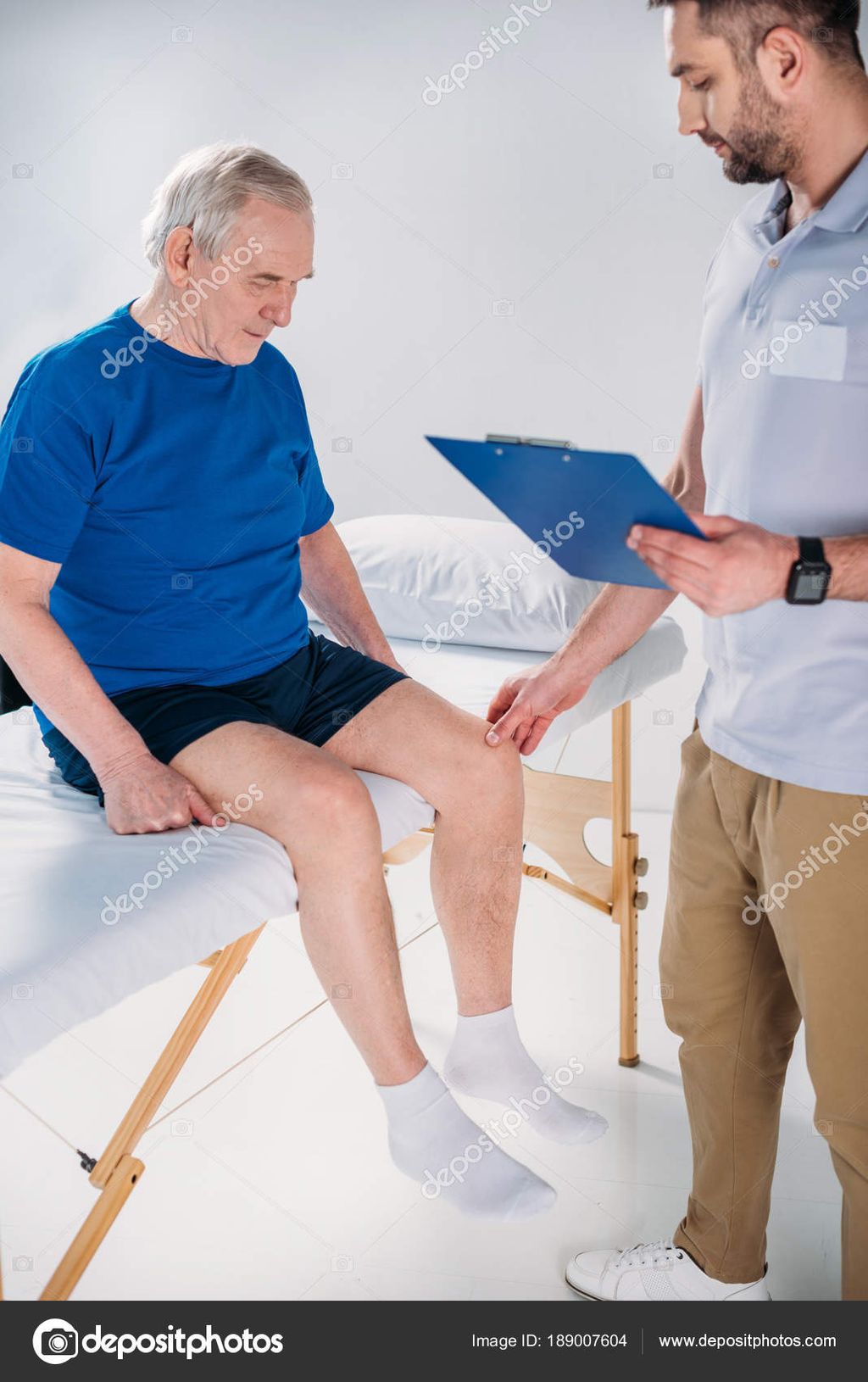
    Following the initial consultation, we conduct a thorough clinical evaluation to diagnose Iliotibial Syndrome. This involves a detailed history taking to understand the onset and progression of symptoms. We pay close attention to the patient’s activity level and any recent changes in training routines or equipment.

    Physical examination is pivotal. We assess for tenderness along the iliotibial band, especially at its insertion on the lateral epicondyle of the knee. The Ober test, which evaluates the tightness of the iliotibial band, is a key component of our assessment. Additionally, we may perform the Noble compression test to provoke symptoms and confirm the diagnosis.

    It’s essential to rule out other conditions that can mimic Iliotibial Syndrome. Therefore, we consider the differential diagnosis carefully. Here’s a simplified list of conditions we consider:

    • Lateral meniscus tear
    • Lateral collateral ligament injury
    • Popliteal tendonitis
    • Bursitis

    Tip: A comprehensive clinical evaluation is crucial for an accurate diagnosis. It’s important not to rush this process and to consider all potential contributing factors.

    Imaging Studies

    Following a thorough clinical evaluation, we often turn to imaging studies to confirm the diagnosis of iliotibial syndrome. While MRI scans are not routinely used, they can be particularly helpful in visualizing the soft tissue structures and any associated inflammation of the iliotibial band. Ultrasound imaging is another tool at our disposal, offering the advantage of dynamic assessment while the joint is in motion.

    Typically, imaging is reserved for cases where the diagnosis is uncertain or if there is a lack of response to conservative treatment. In such scenarios, imaging can provide valuable insights into the extent of the injury and rule out other potential causes of lateral knee pain.

    Remember, imaging should complement, not replace, a comprehensive clinical evaluation.

    When interpreting imaging results, it’s crucial to correlate findings with the patient’s symptoms and physical exam results. This ensures a holistic approach to diagnosis and subsequent treatment planning.

    Treatment Options for Iliotibial Syndrome

    thumbnail

    Conservative Management

    After exploring various conservative management techniques, we have found that rest and stretching are crucial components of recovery. Additionally, we recommend incorporating strength training exercises to address muscle imbalances. Below is a table summarizing the recommended exercises and their frequency:

    Exercise Frequency
    Stretching Daily
    Strength Training 3 times a week

    We advise patients to gradually increase activity levels and to avoid overtraining, as this can exacerbate symptoms. It is important to monitor progress and adjust the treatment plan accordingly. We emphasize the significance of a comprehensive approach that addresses both the symptoms and underlying causes of the syndrome.

    Surgical Interventions

    After considering the various conservative management approaches, surgical interventions may be recommended for individuals with severe and persistent symptoms. These interventions typically involve the release or lengthening of the iliotibial band to alleviate tension and reduce friction. In some cases, a table summarizing the success rates and potential risks of surgical procedures may aid in decision-making. It’s important to note that surgical interventions should be considered as a last resort and only after thorough evaluation and discussion with a healthcare professional. Post-surgery, a comprehensive rehabilitation program is essential for optimal recovery and long-term success.

    Conclusion

    In conclusion, Iliotibial Syndrome is a complex condition that can be caused by a variety of factors, including overuse and biomechanical issues. Treatment typically involves a combination of physical therapy, rest, and targeted exercises to address muscle imbalances. It is important for individuals suffering from this syndrome to seek professional medical advice and adhere to a comprehensive treatment plan in order to achieve long-term relief and prevent recurrence.

    Frequently Asked Questions

    What are the common symptoms of Iliotibial Syndrome?

    Common symptoms include pain on the outside of the knee, swelling, and a clicking sensation during movement.

    Can Iliotibial Syndrome be prevented?

    Yes, it can be prevented by avoiding sudden increases in physical activity, maintaining proper running form, and using proper footwear.

    Is stretching helpful for Iliotibial Syndrome?

    Yes, stretching the iliotibial band and surrounding muscles can help reduce tension and alleviate symptoms.

    What are the risk factors for developing Iliotibial Syndrome?

    Risk factors include overuse, excessive running or cycling, improper footwear, and muscle imbalances.

    Can I continue physical activity if I have Iliotibial Syndrome?

    It is recommended to modify physical activity to avoid exacerbating symptoms, and to consult with a healthcare professional for personalized recommendations.

    How long does it take to recover from Iliotibial Syndrome?

    Recovery time varies depending on the severity of the condition and individual factors, but with proper treatment, most individuals can recover within a few weeks to a few months.

  • Physical Therapy Management for Various Symptoms and Diagnostics

    Physical Therapy Management for Various Symptoms and Diagnostics

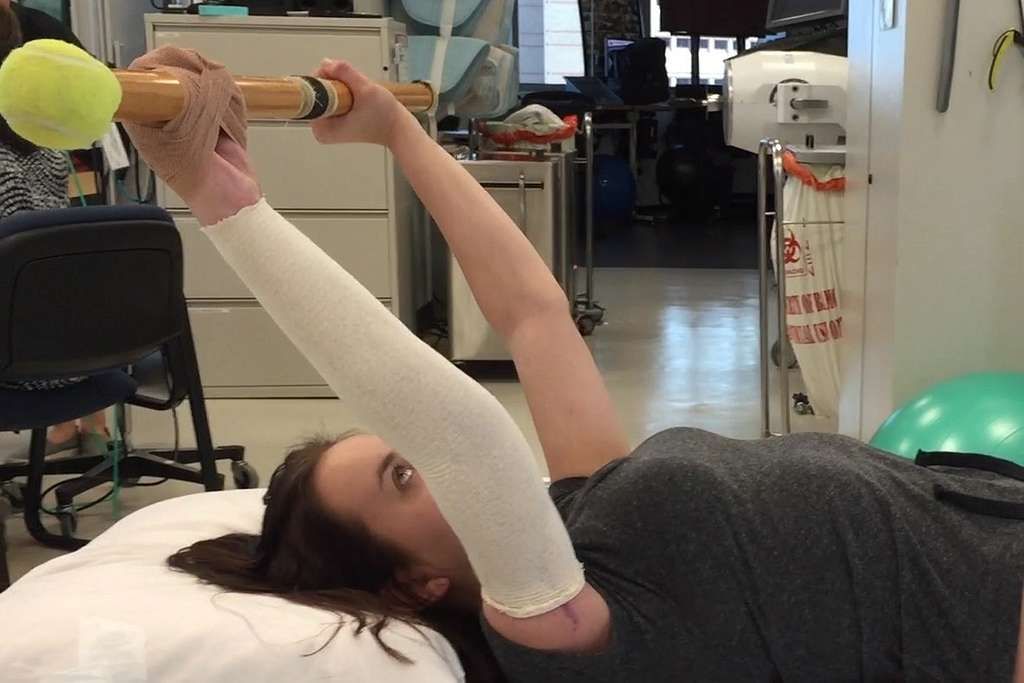
    Physical therapy management is a crucial aspect of healthcare that involves the diagnosis and treatment of a wide range of musculoskeletal and neurological conditions. Physical therapists work with patients of all ages and backgrounds to help them recover from injuries, manage chronic pain, and improve their overall quality of life. With their expertise in anatomy, physiology, and movement, physical therapists are uniquely equipped to provide comprehensive care that addresses both the symptoms and underlying causes of a patient’s condition.

    v2 3hgeh dyd9j

    Physical therapy management involves a range of techniques and interventions that are tailored to the specific needs of each patient. This may include exercises to improve strength and flexibility, manual therapy to reduce pain and improve joint mobility, and modalities such as heat or ice to reduce inflammation and promote healing. In addition to these interventions, physical therapists also play an important role in educating patients about their condition and empowering them to take an active role in their own recovery.

    At its core, physical therapy management is about helping patients achieve their goals and improve their quality of life. Whether a patient is recovering from a sports injury, managing chronic pain, or rehabilitating after surgery, physical therapy can be an effective and empowering way to regain function, reduce pain, and improve overall health and wellbeing. With its focus on evidence-based practice and patient-centered care, physical therapy is an essential component of modern healthcare that can help patients of all ages and backgrounds achieve their full potential.

    Fundamentals of Physical Therapy Management

    As physical therapists, we are experts in the diagnosis and treatment of musculoskeletal and neuromuscular conditions. Our practice is based on clinical reasoning, which involves a thorough evaluation of the patient’s history, symptoms, physical examination, and diagnostic tests. We use this information to develop a differential diagnosis and classification of the patient’s condition. From there, we develop a treatment plan that is tailored to the patient’s individual needs.

    Physical Examination and Diagnosis

    The physical examination is a crucial component of our diagnostic process. We use a variety of techniques, including manual muscle testing, range of motion testing, and palpation, to assess the patient’s condition. We also review the patient’s medical history and conduct a review of systems to identify any red flags or other potential issues.

    Once we have completed the physical examination, we use our clinical reasoning skills to develop a differential diagnosis. This involves considering all possible causes of the patient’s symptoms and ruling them out one by one until we arrive at the most likely diagnosis. We also use classification systems to help us identify the specific type of condition the patient is experiencing.

    bc29df23 88f1 4c38 8522 89df979e421a

    Treatment Modalities and Techniques

    Once we have a diagnosis, we develop a treatment plan that is tailored to the patient’s specific needs. This may involve a combination of modalities and techniques, including mobilization, ultrasound, nerve conduction studies, and wrist splinting. We may also recommend medications or other interventions to help manage pain and other symptoms.

    Our goal is to help our patients achieve the best possible outcomes, including improved quality of life and functional ability. We use a variety of outcome measures to track our patients‘ progress and adjust our treatment plans as needed to ensure the best possible results.

    In conclusion, physical therapy management is a complex and nuanced process that requires a thorough understanding of the patient’s condition, as well as a variety of diagnostic and treatment techniques. As physical therapists, we are committed to providing the highest quality care to our patients and helping them achieve the best possible outcomes.

    Table for Different Treatments in 10 Clones

    v2 3hgev szow6

    As physical therapists, we are trained to diagnose and treat a wide range of conditions. In this section, we will provide a table of different treatments for 10 common diagnoses that physical therapists encounter. This table is meant to serve as a guide and is not exhaustive.

    DiagnosisTreatment
    Low back painManual therapy, therapeutic exercise, modalities (heat, ice, electrical stimulation)
    Knee osteoarthritisStrengthening exercises, range of motion exercises, manual therapy
    Shoulder impingement syndromeScapular stabilization exercises, rotator cuff strengthening, manual therapy
    Plantar fasciitisStretching exercises, foot orthotics, modalities (ultrasound, electrical stimulation)
    Ankle sprainBalance and proprioceptive exercises, manual therapy, taping
    ACL tearStrengthening exercises, balance and proprioceptive exercises, manual therapy
    Cervical radiculopathyCervical traction, manual therapy, range of motion exercises
    Rotator cuff tearStrengthening exercises, manual therapy, modalities (heat, ice, electrical stimulation)
    Total knee replacementRange of motion exercises, strengthening exercises, gait training
    StrokeGait training, functional mobility training, strengthening exercises

    It is important to note that each patient is unique and may require a personalized treatment plan. As physical therapists, we use our clinical judgment and evidence-based practice to create individualized treatment plans for each patient. The treatments listed in the table are commonly used and have been shown to be effective in treating these diagnoses, but they are not the only treatments available.

    In addition to the treatments listed in the table, we may also incorporate patient education, home exercise programs, and lifestyle modifications into our treatment plans. Our goal as physical therapists is to help our patients achieve their optimal level of function and improve their quality of life.

    Specific Conditions and Therapy Approaches

    Neurological and Musculoskeletal Disorders

    As physical therapists, we are trained to diagnose and manage a wide range of neurological and musculoskeletal disorders. We work closely with neurologists and other healthcare professionals to ensure that our patients receive the best possible care.

    When it comes to neurological disorders, we use a variety of diagnostic tools such as electromyography (EMG) and magnetic resonance imaging (MRI) to assess nerve function and identify any abnormalities. We also evaluate patients for peripheral neuropathy and nerve compression, which can cause numbness, weakness, and other symptoms.

    For musculoskeletal disorders, we perform a thorough physical examination to assess for any functional limitations, pain, or disability. We may also order x-rays or other laboratory testing to evaluate for conditions such as rheumatoid arthritis or other inflammatory disorders.

    Once a diagnosis has been made, we develop a comprehensive treatment plan that may include therapeutic exercises, manual therapy, and other modalities such as ultrasound or electrical stimulation. We also work with occupational and speech therapists to address any functional limitations or speech disorders.

    Management of Chronic Pain and Disability

    Chronic pain and disability can be challenging to manage, but our team of physical therapists is well-equipped to help patients achieve their goals. We work closely with patients to develop individualized treatment plans that address their specific needs and goals.

    Our approach to managing chronic pain and disability is multi-faceted and may include a combination of therapeutic exercises, manual therapy, and other modalities such as acupuncture or dry needling. We also work closely with patients to develop strategies for managing pain and improving function in their daily lives.

    Comprehensive Patient Care and Referral

    At our clinic, we believe in providing comprehensive patient care that addresses not only the physical aspects of a patient’s condition but also their emotional and social well-being. We work closely with patients to understand their unique needs and goals and develop treatment plans that are tailored to their specific needs.

    If a patient requires additional care beyond physical therapy, we work closely with other healthcare professionals to ensure that they receive the best possible care. This may include referral to a neurologist, orthopedic surgeon, or other specialist.

    Overall, our goal is to provide high-quality, evidence-based care that helps our patients achieve their goals and improve their quality of life. We strive to stay up-to-date with the latest research and clinical trials to ensure that our patients receive the most effective treatment possible.