
Can a change in diet really alleviate knee pain and improve overall joint health?
Strong and healthy bones are crucial for our overall well-being and quality of life. Building solid bones starts with making the right dietary choices. Choosing foods that build bone density, strengthen connective tissue, and reduce inflammation can help prevent injuries and preserve our joints for a long, active life.
Research supports the connection between a plant-based diet and reduced inflammation, which is a key factor in conditions like arthritis. By focusing on specific plant foods, we can address the root causes of knee pain and improve our overall health.
Key Takeaways
- A well-planned vegan diet can significantly improve knee joint health.
- Certain plant foods have anti-inflammatory properties that can reduce pain.
- A vegan diet can help maintain healthy cartilage and joint function.
- Traditional Western diets may contribute to joint deterioration.
- Incorporating specific vegan food groups can provide essential nutrients for joint health.
The Connection Between Diet and Knee Joint Health
Understanding how diet influences knee joint health is crucial for maintaining overall well-being. The food we eat plays a significant role in either promoting or reducing inflammation in our body, which directly affects our joints.
Our diet is not just about managing weight or providing energy; it’s also about supplying the necessary nutrients for maintaining healthy joints. Nutrition is key to supporting the health of our knee joints, and a well-balanced diet can help prevent or alleviate joint-related issues.
How Food Affects Joint Inflammation
The foods we consume can either exacerbate or reduce inflammation in our joints. Green and leafy vegetables, for instance, are known to block an enzyme that causes joint swelling. They are also rich in fiber, vitamins, and nutrients that contribute to overall health and well-being. On the other hand, certain foods can trigger or increase inflammation, potentially leading to discomfort and pain in the knee joints.
By making informed dietary choices, we can significantly influence the level of inflammation in our bodies. Incorporating anti-inflammatory foods into our diet is a proactive step towards maintaining healthy knee joints.
The Role of Nutrition in Cartilage Health
Cartilage health is vital for smooth joint movement and preventing conditions like osteoarthritis. Nutrition plays a critical role in maintaining healthy cartilage tissue in the knee joints. Unlike most body tissues, cartilage lacks a direct blood supply and relies on the diffusion of nutrients from the surrounding joint fluid.
Essential nutrients, including antioxidants, vitamins, minerals, and specific amino acids found in plant foods, support cartilage synthesis and repair. A diet rich in these nutrients can help slow down cartilage degradation and potentially support the regeneration of damaged tissue.
Understanding Osteoarthritis and Knee Pain
Osteoarthritis of the knee is characterized by cartilage loss and joint inflammation, leading to pain and stiffness. This condition can result from a combination of factors, including age, genetics, and lifestyle choices.
Common Causes of Knee Joint Deterioration
A variety of causes, including hereditary, developmental, metabolic, and mechanical etiologies, may initiate the process of cartilage loss. As cartilage thins, bony surfaces become less well-protected, and bone may be exposed or damaged. Regional muscles may experience atrophy, and ligaments become more lax due to decreased movement secondary to pain.
| Cause | Description | Effect on Knee Joint |
|---|---|---|
| Hereditary Factors | Genetic predisposition to osteoarthritis | Increased risk of cartilage loss |
| Developmental Factors | Abnormal joint development | Poor joint alignment, increased wear |
| Metabolic Factors | Conditions like diabetes, obesity | Increased inflammation, cartilage degradation |
How Diet Can Influence Symptoms
Diet plays a significant role in managing osteoarthritis symptoms. Certain foods can trigger inflammation, exacerbating pain and stiffness, while others have anti-inflammatory properties that can alleviate symptoms. A diet rich in fruits, vegetables, and whole grains can help reduce inflammation and promote overall joint health.
By understanding the causes of knee joint deterioration and the impact of diet on osteoarthritis symptoms, individuals can make informed choices to manage their condition effectively.
Benefits of a Plant-Based Approach for Joints
Research has highlighted the potential of a vegan diet to alleviate joint pain and inflammation. A plant-based approach focuses on consuming foods that are rich in nutrients and antioxidants, which can help reduce inflammation and promote overall joint health.
Anti-Inflammatory Properties of Vegan Foods
Vegan foods are rich in anti-inflammatory compounds that can help reduce joint inflammation. Foods such as leafy greens, fruits, and nuts are packed with antioxidants and polyphenols that have been shown to have anti-inflammatory effects. By incorporating these foods into your diet, you can potentially reduce the inflammation that contributes to joint pain and discomfort.
Research on Vegan Diets and Arthritis Relief
Several studies have investigated the effects of a vegan diet on arthritis symptoms. One study found that a gluten-free, whole-food plant-based diet improved measurements of swollen joints, pain, and functional status in patients with rheumatoid arthritis. Another study demonstrated that a vegan diet can lead to significant improvements in pain and functionality in patients with arthritis. These findings suggest that a well-planned diet can be an effective adjunct to traditional treatments for arthritis.
By understanding the benefits of a plant-based approach for joints, individuals can make informed decisions about their diet and potentially alleviate joint pain and inflammation.
How a Vegan Diet Reduces Inflammation
The anti-inflammatory effects of a vegan diet are attributed to its rich composition of fruits, vegetables, and other nutrient-dense foods. By eliminating certain pro-inflammatory foods and increasing the intake of antioxidants, a vegan diet can significantly impact overall health, particularly in reducing inflammation.
Eliminating Pro-Inflammatory Animal Products
A key aspect of reducing inflammation through a vegan diet is the elimination of animal products that can trigger or exacerbate inflammatory responses in the body. By removing these pro-inflammatory foods, individuals can potentially lower their overall inflammation levels.
Increasing Antioxidant Intake
A vegan diet naturally promotes a high intake of antioxidants, which play a crucial role in combating oxidative stress and inflammation. Foods rich in antioxidants, such as various fruits and vegetables, help neutralize free radicals that can cause joint damage and other health issues.
Some of the most antioxidant-rich foods include:
| Food | Antioxidant Content | Benefit |
|---|---|---|
| Blueberries | High in Anthocyanins | Reduces inflammatory responses |
| Citrus Fruits | Rich in Vitamin C | Boosts immune system and collagen production |
| Leafy Greens | Packed with Various Phytonutrients | Supports overall health and reduces oxidative stress |
5. Vegan Diet for Knee Joint Health: Key Foods
The vegan diet has emerged as a powerful tool in promoting knee joint health and reducing inflammation. A well-planned vegan diet can provide all the necessary nutrients for optimal joint health.
The Ideal Nutritional Profile for Joint Support
A vegan diet rich in essential nutrients is vital for supporting knee joint health. Calcium-rich foods such as fortified plant-based milk, tofu, almonds, and leafy vegetables are crucial for maintaining strong bones. We should also focus on consuming foods high in antioxidants and omega-3 fatty acids to reduce inflammation.
| Nutrient | Vegan Food Sources | Benefit to Joints |
|---|---|---|
| Calcium | Fortified plant milk, tofu, almonds, leafy greens | Supports bone health |
| Omega-3 | Chia seeds, flaxseeds, walnuts | Reduces inflammation |
| Antioxidants | Berries, leafy greens, other fruits and vegetables | Protects against oxidative stress |
Creating a Balanced Approach
To create a balanced vegan diet, we need to ensure variety in our plant food choices. This includes consuming a range of fruits, vegetables, whole grains, and legumes. It’s also important to address potential nutritional concerns such as vitamin B12, vitamin D, and omega-3 deficiencies. Proper hydration is equally essential, as it supports synovial fluid production and overall joint function.
By focusing on nutrient-dense foods and maintaining a healthy weight, we can optimize our diet for knee joint health. A balanced vegan diet not only supports joint health but also contributes to overall well-being.
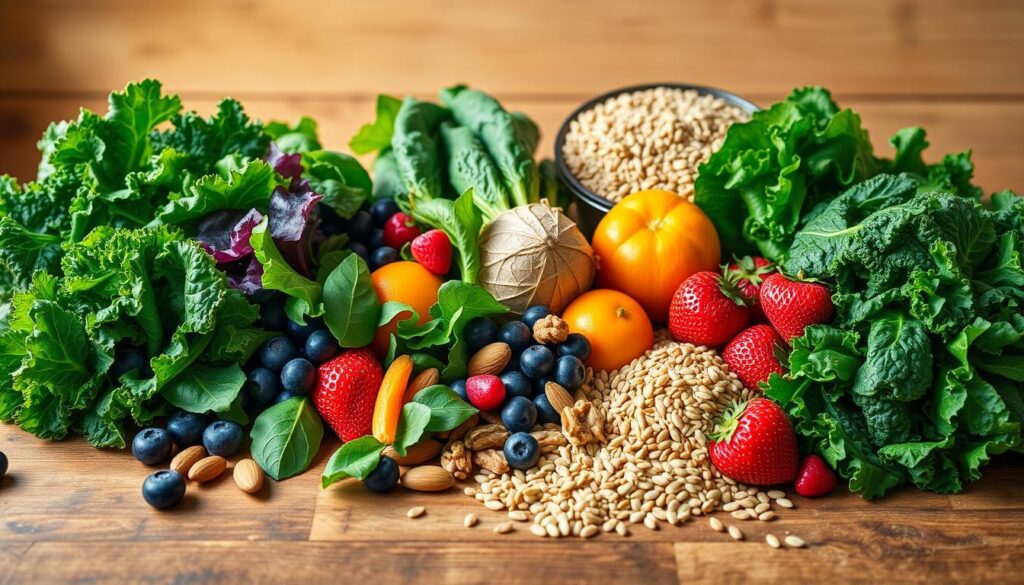
Green Leafy Vegetables for Knee Health
Green leafy vegetables are rich in vitamins and minerals that are essential for knee health. These vegetables are not just beneficial for overall health; they specifically support the structures around the knee joint.
Spinach, Kale, and Collard Greens
Spinach, kale, and collard greens are among the top leafy greens that contribute to knee health. They are rich in vitamin K and calcium, two nutrients that are crucial for bone health. As we explore the benefits of these greens, it becomes clear that they play a significant role in maintaining healthy joints.
How Vitamin K and Calcium Support Joints
Vitamin K and calcium are fundamental to bone health. Vitamin K regulates calcium deposition, ensuring it’s used in bone formation rather than being deposited in soft tissues. As noted by health experts, “Vitamin K helps activate proteins that work with calcium to help bone formation.”
“Vitamin K is a critical nutrient for bone health, working synergistically with calcium.”
Calcium is not only vital for bone health but also plays a role in muscle contraction and nerve signaling, affecting joint movement and stability. By consuming leafy greens, we can effectively meet our calcium needs without relying on dairy products.
Nuts and Seeds for Joint Protection
Incorporating nuts and seeds into your vegan diet can be a powerful way to support joint health. These foods are rich in nutrients and compounds that help reduce inflammation and promote overall well-being.
Almonds, Chia Seeds, and Flaxseeds
Almonds, chia seeds, and flaxseeds are particularly beneficial for joint health. Almonds are rich in vitamin E, which acts as an antioxidant to protect cells from damage. Chia seeds and flaxseeds are excellent sources of omega-3 fatty acids, specifically alpha-linolenic acid (ALA), which has been shown to reduce inflammation and support joint health.
Omega-3 Fatty Acids and Joint Inflammation
Omega-3 fatty acids play a crucial role in managing inflammation, a key factor in joint pain and deterioration. While certain types of fish are rich in omega-3s, a vegan diet can obtain these beneficial fatty acids from plant-based sources like chia seeds and flaxseeds. Research has shown that omega-3s can help reduce the levels of proteins that cause inflammation, thereby alleviating joint pain and swelling.
Understanding the difference between plant-based ALA and fish-derived EPA and DHA is essential. The body can convert ALA into EPA and DHA, although at a limited rate. Maintaining an optimal ratio of omega-3 to omega-6 fatty acids is crucial for controlling inflammation. A well-planned vegan diet can achieve this balance by emphasizing whole food sources rich in ALA and being mindful of omega-6 intake.
Whole Grains and Their Role in Joint Health
Incorporating whole grains into our diet can have a significant impact on knee joint health. Whole grains are rich in nutrients, fiber, and antioxidants that contribute to overall health, including the health of our joints.
Nutritional Benefits of Brown Rice, Quinoa, and Whole Wheat
Foods like brown rice, quinoa, and whole wheat are excellent sources of dietary fiber and essential nutrients. Brown rice is rich in manganese, a mineral that plays a role in enzyme systems involved in antioxidant defenses. Quinoa is a complete protein, meaning it contains all nine essential amino acids necessary for overall health. Whole wheat is high in fiber, which helps in maintaining a healthy digestive system.
Fiber’s Effect on Inflammation
The fiber in whole grains has a profound effect on inflammation in the body. Soluble fiber is fermented by gut bacteria to produce short-chain fatty acids, which have anti-inflammatory properties. A high-fiber diet supports a healthy gut microbiome, crucial for regulating immune responses and systemic inflammation. This can lead to reduced inflammation in the knee joints, improving overall joint health.
Fruits and Berries for Cartilage Protection
Fruits and berries are not just delicious; they are also packed with nutrients that are crucial for cartilage protection. A well-balanced diet that includes a variety of these foods can provide essential vitamins and antioxidants that support joint health.
Antioxidant-Rich Fruits for Cartilage Health
Berries, citrus fruits, and other antioxidant-rich fruits are particularly beneficial for cartilage health. Berries such as strawberries, blueberries, and raspberries are rich in vitamin C and antioxidants, which help protect cartilage cells from damage. Citrus fruits like oranges and grapefruits are also high in vitamin C, which plays a crucial role in collagen production and maintenance.
The Role of Vitamin C in Collagen Production
Vitamin C is essential for the production of collagen, a protein that gives structure to cartilage tissue. Research has shown that vitamin C can help prevent osteoporosis and support bone health. By consuming foods rich in vitamin C, such as peppers, oranges, and leafy greens, individuals can support their body’s natural collagen production, which is vital for maintaining healthy cartilage.
| Fruit/Berry | Vitamin C Content | Antioxidant Properties |
|---|---|---|
| Oranges | High | Moderate |
| Strawberries | Moderate | High |
| Blueberries | Low | High |
Legumes as Protein Sources for Joint Health
When it comes to supporting joint health on a vegan diet, legumes are an excellent protein source. Protein is essential for maintaining healthy bones, muscles, and other tissues, and it plays a crucial role in calcium absorption.
Beans, Lentils, and Chickpeas
Beans, lentils, and chickpeas are rich in protein and offer numerous benefits for knee joint health. These legumes are packed with antioxidants, fiber, and phytonutrients that help reduce inflammation and promote overall well-being. Incorporating a variety of legumes into your diet can provide the necessary building blocks for joint tissue maintenance and repair.
Plant Protein vs. Animal Protein for Joints
Research suggests that plant-based proteins may have a more positive effect on joint health compared to animal-based proteins. Animal proteins can increase acid load in the body, potentially leading to calcium leaching from bones and affecting joint structures. In contrast, plant proteins like those found in legumes come with additional beneficial compounds that help reduce inflammation and promote joint health.
By choosing plant-based protein sources, individuals can effectively meet their protein needs while supporting their knee joint health. A well-planned vegan diet that includes a variety of legumes can provide all the necessary protein for optimal joint function.
Additional Vegan Foods That Support Knee Health
Beyond the basics, several other vegan foods can contribute to healthier knees. A well-rounded vegan diet that includes a variety of whole foods can provide the necessary nutrients to support knee health.
Turmeric, Ginger, and Other Anti-Inflammatory Spices
Turmeric and ginger are renowned for their anti-inflammatory properties. Turmeric contains curcumin, a compound that has potent anti-inflammatory and antioxidant effects. Incorporating these spices into your meals can help reduce inflammation and support knee health.
Olive Oil and Healthy Fats
Olive oil, particularly extra virgin olive oil, is rich in healthy fats and contains oleocanthal, a natural anti-inflammatory agent. Replacing other oils with olive oil can help reduce inflammation. Other sources of healthy fats include avocados, nuts, and seeds, which complement olive oil‘s benefits for joint health.
| Food | Benefit |
|---|---|
| Turmeric | Anti-inflammatory properties |
| Ginger | Reduces inflammation |
| Olive Oil | Rich in healthy fats and oleocanthal |
| Avocados | Source of healthy fats |
Foods to Avoid for Better Knee Health
To maximize the benefits of avegandiet for knee health, it’s crucial to identify and avoid potentially inflammatory foods. While a well-planned vegan diet can help alleviate knee pain, certain foods can still causeinflammationand hinder progress.
Processed Foods and Refined Carbohydrates
Processed foods and refined carbohydrates can be detrimental to knee health. These foods often contain advanced glycation end (AGE) products, which can stimulate inflammation. Examples include packaged snack foods, sugary drinks, and refined grains. Consuming high amounts of these foods can lead to increasedinflammationand worsen knee health.
Hidden Sources of Inflammation in Vegan Diets
Even within a vegan diet, there aresourcesof inflammation to be aware of. Certain plant oils high in omega-6 fatty acids, such as corn and sunflower oils, can promote inflammation when consumed in excess relative to omega-3s. Additionally, highly processed vegan foods like meat alternatives and vegan cheeses may contain inflammatory additives and excess sodium.
| Foods to Limit | Potential Inflammatory Effects |
|---|---|
| Corn oil, sunflower oil | High in omega-6 fatty acids, promoting inflammation |
| Processed vegan foods (meat alternatives, vegan cheeses) | May contain inflammatory additives and excess sodium |
| Refined carbohydrates | Can lead to increased inflammation and worsen knee health |
By being mindful of these potentialhealthrisks and focusing on whole, minimally processed foods, individuals can create an anti-inflammatoryvegan dietthat supports knee health and reduces the risk of chronic diseases.
Creating a Complete Vegan Meal Plan for Knee Health
To maximize the benefits of a vegan diet for knee health, it’s essential to create a balanced and nutritious meal plan. A well-planned vegan diet can provide all the necessary nutrients for optimal joint health.
Sample Daily Menu
A sample daily menu for knee health on a vegan diet might include a variety of whole foods. For breakfast, consider oatmeal with almond milk, berries, and walnuts. Lunch could be a quinoa salad with roasted vegetables, chickpeas, and a citrus vinaigrette. Dinner might feature lentil soup with whole grain bread and a side salad with olive oil and vinegar dressing.
Ensuring Adequate Nutrition
Ensuring adequate nutrition on a vegan diet requires attention to key nutrients. The American Dietetic Association recognizes well-planned vegan diets as nutritionally adequate. To meet nutritional needs, include a variety of foods rich in vitamin B12, vitamin D, calcium, iron, zinc, and omega-3 fatty acids. Consider the following table to ensure you’re getting the necessary nutrients:
| Nutrient | Vegan Food Sources |
|---|---|
| Vitamin B12 | Fortified plant milk, nutritional yeast |
| Vitamin D | Fortified plant milk, sunlight exposure |
| Calcium | Leafy greens, fortified plant milk, tofu |
By incorporating these foods and being mindful of nutritional intake, individuals can maintain a healthy and balanced vegan diet that supports knee health.
Implementing a Vegan Diet for Long-Term Joint Health
Transitioning to a vegan diet can be a highly effective strategy for managing joint health and reducing the risk of further deterioration. A key aspect of this transition is understanding the importance of maintaining a healthy weight, as excess weight puts additional strain on the joints, leading to more pain, inflammation, and swelling.
Research has shown that individuals with osteoarthritis who are overweight and lose 10 percent or more of their weight experience improvements in pain and function, especially when combined with physical activity. A vegan diet can facilitate this weight loss due to its high fiber and low saturated fat content.
To successfully implement and maintain a vegan diet for knee joint health, it’s crucial to address common challenges such as social situations and travel. Gradual implementation is also recommended for some individuals, allowing for a step-by-step approach that increases the chances of long-term success.
Other lifestyle factors, including exercise, sleep, and stress management, complement dietary changes and have a positive impact on joint health. Consistent adherence to an anti-inflammatory vegan diet can lead to compounding benefits, including potential improvements beyond joint health.
| Benefits | Description |
|---|---|
| Weight Loss | Aiding in reducing strain on joints |
| Reduced Inflammation | Minimizing pain and swelling |
| Improved Overall Health | Enhancing general well-being beyond joint health |
By adopting a well-planned vegan diet and incorporating other healthy lifestyle choices, individuals can significantly improve their joint health and overall quality of life.
Conclusion: Embracing Plant Power for Knee Pain Relief
As we conclude our exploration of the vegan diet’s impact on knee joint health, it’s clear that plant-based eating offers significant benefits for pain relief and overall well-being.
The key to harnessing these benefits lies in understanding the role of different food groups. We’ve highlighted the importance of green leafy vegetables, nuts and seeds, whole grains, fruits and berries, and legumes in supporting knee health. Each of these groups contributes unique nutrients and anti-inflammatory compounds that work synergistically to reduce pain and improve joint function.
Research supports the efficacy of a vegan diet in managing arthritis and knee pain. A recent study demonstrated that a whole-foods, plant-based diet significantly improves self-assessed measures of functional status among osteoarthritis patients. This evidence underscores the potential for dietary intervention to empower individuals to take control of their joint health beyond conventional medical treatments.
By choosing a vegan lifestyle, you’re not just adopting a diet; you’re embracing a comprehensive approach to health that can lead to significant improvements in knee pain relief and overall quality of life. We encourage you to begin your journey towards a plant-based lifestyle and experience the benefits for yourself, leveraging the power of foods that support knee health.
FAQ
What are the benefits of a vegan diet for knee joint health?
A well-planned vegan diet can help reduce inflammation, promote weight loss, and provide essential nutrients for joint health, ultimately alleviating knee pain and improving overall well-being.
How do vegan foods help with arthritis relief?
Vegan foods rich in antioxidants, fiber, and omega-3 fatty acids, such as fruits, vegetables, and whole grains, can help reduce inflammation and promote joint health, providing relief from arthritis symptoms.
Can a vegan lifestyle help reduce the risk of rheumatoid arthritis?
While more research is needed, a vegan lifestyle that includes a balanced diet, regular exercise, and stress management may help reduce the risk of developing rheumatoid arthritis.
What are some key nutrients for maintaining healthy joints on a vegan diet?
Essential nutrients for joint health include vitamin C, vitamin K, calcium, omega-3 fatty acids, and antioxidants, which can be found in a variety of plant-based foods, such as leafy greens, nuts, and seeds.
Are there any potential deficiencies to watch out for on a vegan diet for knee joint health?
Vegans should be mindful of their intake of vitamin B12, iron, and omega-3 fatty acids, and consider consulting with a healthcare professional or registered dietitian to ensure they are getting enough of these essential nutrients.
How can I ensure I’m getting enough protein on a vegan diet to support joint health?
Legumes, beans, lentils, and tofu are all high-protein foods that can be incorporated into a vegan diet to support joint health, and a well-planned vegan diet can provide adequate protein for overall health.
Can cooking methods impact the nutritional value of vegan foods for joint health?
Yes, cooking methods can affect the retention of nutrients in vegan foods; gentle cooking methods, such as steaming, can help preserve the nutritional value of foods, while high-heat cooking can lead to nutrient loss.