Tag: What is osteoarthritis?

  • Inside Knee Anatomy: Understanding the Functions of Knee Bones

    Inside Knee Anatomy: Understanding the Functions of Knee Bones

    The knee joint is a complex and vital structure that plays a crucial role in supporting the body and facilitating movement. Understanding the functions of the knee bones is essential for comprehending the biomechanics and stability of the knee joint. In this article, we will explore the structure of the knee joint, the biomechanics of knee movement, and the importance of knee joint stability in detail.

    Key Takeaways

    • The knee joint is composed of the femur, tibia, and patella, each serving distinct functions in movement and weight-bearing.
    • Flexion and extension are the primary movements of the knee joint, while rotational movements are also possible.
    • The ligaments and tendons of the knee play a crucial role in providing stability and support during movement.
    • The menisci contribute to knee joint stability by distributing forces and absorbing shock, while muscles surrounding the knee joint provide dynamic stability.
    • Understanding the functions of knee bones is essential for comprehending the biomechanics and stability of the knee joint.

    The Structure of the Knee Joint
    thumbnail

    Anatomy of the Femur and Tibia

    In our exploration of knee anatomy, we encounter the femur and tibia, the two principal bones that form the knee joint. The femur, or thigh bone, is the longest and strongest bone in the human body, anchoring the muscles that power movement. Its distal end articulates with the tibia, creating the hinge that is central to knee function.

    The tibia, commonly referred to as the shinbone, supports the body’s weight and aligns with the femur to facilitate movement. At its proximal end, the tibia expands to form the tibial plateau, a critical load-bearing area that interfaces with the femur.

    Understanding the relationship between these bones is fundamental to grasping knee mechanics. Here’s a quick overview of their attributes:

    • Femur: Longest bone, supports thigh muscles
    • Tibia: Weight-bearing bone, forms tibial plateau

    Tip: Regular exercise can help maintain the strength and integrity of the bones, reducing the risk of injury to the knee joint.

    Function of the Patella

    We often overlook the critical role the patella, or kneecap, plays in our knee joint’s function. This small bone, nestled within the quadriceps tendon, serves as a fulcrum to increase the leverage of the tendon. This, in turn, enhances the force of the quadriceps muscle as it extends the knee.

    The patella also protects the knee joint by providing a hard surface that deflects compressive forces away from the femoral condyles during activities like jumping or running. It’s essential for the proper tracking of the knee as it bends and straightens.

    • Proper patellar function is crucial for maintaining knee health and preventing injury. Here’s a simple list of the patella’s functions:
    • Increases leverage of the quadriceps tendon
    • Enhances force of quadriceps muscle during knee extension
    • Protects knee joint from compressive forces
    • Assists in proper tracking of the knee during movement

    Tip: Regular strengthening exercises for the quadriceps can help maintain the patella’s alignment and prevent knee pain.

    Ligaments and Tendons of the Knee

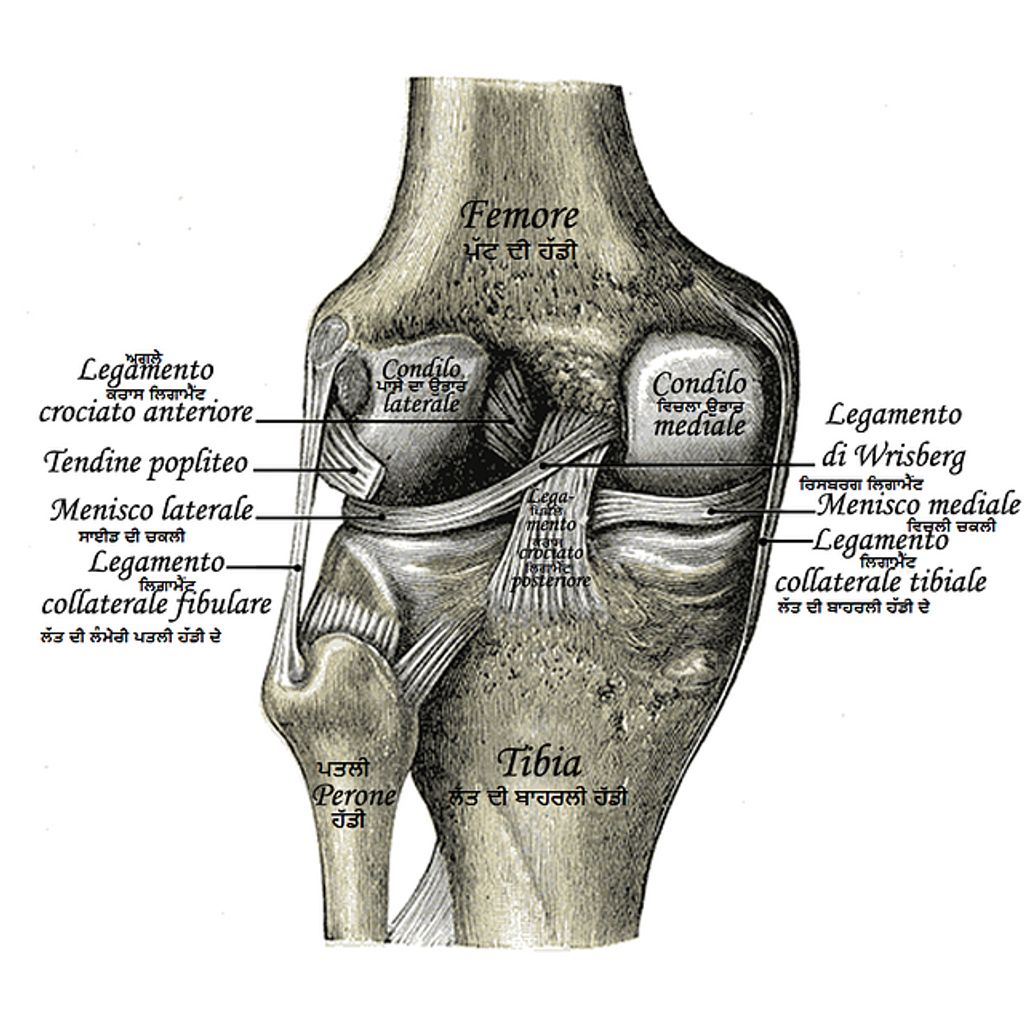
    In our exploration of knee anatomy, we recognize the critical role of ligaments and tendons. These fibrous structures work in concert to provide stability and facilitate movement. Ligaments, such as the anterior cruciate ligament (ACL) and the posterior cruciate ligament (PCL), are key to preventing excessive forward and backward motion of the tibia. On the other hand, the medial and lateral collateral ligaments (MCL and LCL) resist sideways motion, ensuring our knees do not buckle during lateral stress.

    Tendons, notably the patellar tendon, connect muscles to bones, allowing us to execute the powerful actions required for walking, running, and jumping. The quadriceps tendon, which merges into the patellar tendon, is a prime example of this functional synergy.

    We must not overlook the importance of these structures in maintaining knee health. A well-coordinated interplay between ligaments and tendons is essential for the knee’s full range of motion and its ability to withstand the stresses of daily activities.

    Tip: Regular exercise and proper stretching can help maintain the strength and flexibility of knee ligaments and tendons, potentially reducing the risk of injury.

    Biomechanics of Knee Movement

    Flexion and Extension

    In knee biomechanics, flexion and extension are fundamental movements that allow for the bending and straightening of the knee joint. These movements are crucial for various activities, including walking, running, and jumping. The range of motion in flexion and extension is influenced by the interaction of the femur and tibia, as well as the surrounding ligaments and tendons. Understanding the biomechanics of flexion and extension is essential for assessing knee function and diagnosing related injuries or conditions.

    Rotational Movements of the Knee

    After exploring the dynamics of knee flexion, extension, and rotational movements, we turn our attention to the critical aspect of knee joint stability. Stability is paramount for both everyday activities and high-impact sports, and it is largely influenced by the menisci and surrounding muscles.

    The menisci, two crescent-shaped cartilages, play a vital role in absorbing shock and distributing load across the knee joint. They also aid in the complex coordination required for rotational stability. Without the menisci, the femur and tibia would bear excessive stress, leading to rapid joint deterioration.

    Muscles contribute significantly to knee stability. The quadriceps and hamstrings, in particular, provide the necessary tension and support to prevent unwanted movements. Strengthening these muscles through targeted exercises can enhance knee stability and reduce the risk of injury.

    Tip: Consistent muscle-strengthening routines are essential for maintaining knee joint stability, especially for individuals engaged in sports that involve twisting or pivoting motions.

    Knee Joint Stability
    thumbnail

    Role of Menisci in Knee Stability

    The role of the menisci in knee stability is crucial for distributing weight and reducing friction within the joint. Menisci also contribute to shock absorption and provide stability during rotational movements. Additionally, the menisci help in lubricating the joint and nourishing the articular cartilage.

    • It is important to note that the menisci have a significant impact on the overall function and longevity of the knee joint.
    • Proper care and rehabilitation after meniscus injuries are essential for maintaining knee stability and preventing further damage.

    It is advisable to consult a healthcare professional for personalized guidance on maintaining meniscal health and knee stability.

    Importance of Muscles in Knee Stability

    In our exploration of knee anatomy, we’ve seen how bones, ligaments, and menisci contribute to knee stability. However, the role of muscles is paramount. Muscles around the knee work in concert to provide the necessary strength and stability for daily activities and athletic endeavors. The quadriceps and hamstrings are the primary muscle groups that stabilize the knee joint. The quadriceps, located at the front of the thigh, are responsible for extending the knee, while the hamstrings, at the back, facilitate knee flexion.

    The synergy between these muscle groups is crucial. When the quadriceps contract, the hamstrings must relax, and vice versa. This coordinated action ensures smooth movement and protects the joint from undue stress. Additionally, the calf muscles support the knee by controlling movements of the lower leg.

    Tip: Regular strengthening exercises can significantly enhance knee stability and prevent injuries.

    To illustrate the importance of muscle strength, consider the following table showing the relationship between muscle strength and knee stability:

    Muscle Group Function in Knee Stability
    Quadriceps Extension and stabilization
    Hamstrings Flexion and stabilization
    Calf Muscles Support and movement control

    Maintaining muscle strength is not only crucial for knee stability but also for recovery from injuries such as an ACL tear. Post-surgery rehabilitation often focuses on rebuilding muscle strength to support the knee and facilitate a return to normal function.

    Conclusion

    In conclusion, a thorough understanding of the anatomy and functions of the knee bones is essential for comprehending the complexities of knee mechanics and addressing various knee-related issues. This knowledge serves as a foundation for medical professionals, researchers, and individuals seeking to enhance their understanding of the intricate structures that support the human body.

    Frequently Asked Questions

    What are the main bones in the knee joint?

    The main bones in the knee joint are the femur, tibia, and patella.

    What is the function of the patella?

    The patella acts as a fulcrum for the quadriceps muscles and protects the knee joint.

    How do ligaments and tendons contribute to knee stability?

    Ligaments and tendons provide support and stability to the knee joint by connecting bones and muscles.

    What is the range of motion of the knee joint?

    The knee joint has a range of motion that includes flexion, extension, and rotational movements.

    What is the role of menisci in knee stability?

    The menisci act as shock absorbers and help distribute weight in the knee joint, contributing to stability.

    How do muscles contribute to knee stability?

    Muscles play a crucial role in knee stability by providing dynamic support and controlling movement.

  • Effective Treatment for Jumper’s Knee: Management and Prevention

    Effective Treatment for Jumper’s Knee: Management and Prevention

    Jumper’s knee, also known as patellar tendinitis, is a common overuse injury that affects the patellar tendon. Athletes, particularly those involved in jumping sports, are at a higher risk of developing this condition. Understanding the causes, symptoms, and effective treatment options is crucial for managing and preventing jumper’s knee.

    Key Takeaways

    • Proper diagnosis is essential for effective treatment of jumper’s knee.
    • Conservative treatments such as rest and ice can help alleviate symptoms of jumper’s knee.
    • Medical interventions like corticosteroid injections may be recommended for severe cases of jumper’s knee.
    • Rehabilitation and physical therapy play a vital role in the recovery and prevention of jumper’s knee.
    • Preventive measures such as proper exercise, conditioning, and technique are key to minimizing the risk of developing jumper’s knee.

    Understanding Jumper’s Knee

    thumbnail

    Anatomy of the Knee

    Jumper’s knee, also known as patellar tendinitis, is a common overuse injury affecting the knee. It primarily impacts athletes involved in jumping sports, such as basketball and volleyball. The condition is characterized by pain and inflammation in the patellar tendon, which connects the kneecap to the shinbone. This can lead to difficulty in performing physical activities and may require a period of rest to heal properly. Understanding the anatomical structures involved in this condition is crucial for effective management and prevention. Below is a table summarizing the key anatomical components of the knee:| Anatomical Component | Description | |———————|————-| | Patellar Tendon | Connects the kneecap to the shinbone | | Quadriceps Tendon | Attaches the quadriceps muscle to the kneecap | | Patella | Kneecap that protects the knee joint |

    Causes of Jumper’s Knee

    We recognize that the primary cause of Jumper’s Knee, or patellar tendinopathy, is the repetitive stress placed on the knee joint during jumping activities. This overuse leads to microtears in the patellar tendon, which, over time, can result in inflammation and pain.

    Overloading of the tendon is often due to a sudden increase in activity or intensity without adequate conditioning. However, we must also consider intrinsic factors such as muscle imbalance or weakness, particularly in the quadriceps and hamstrings, which can contribute to the development of this condition.

    Biomechanical issues, such as poor alignment or flat feet, can also predispose individuals to Jumper’s Knee. Here’s a brief list of common causes:

    • Repetitive jumping or impact activities
    • Sudden increase in physical activity
    • Muscle imbalance or weakness
    • Biomechanical irregularities

    Tip: Gradual progression in training intensity and volume can help mitigate the risk of overloading the patellar tendon.

    Symptoms and Diagnosis

    Anatomy of the knee is crucial in understanding the complexities of Jumper’s Knee. Patellar tendon and quadriceps muscles play a significant role in this condition. Understanding the causes of Jumper’s Knee is essential for effective management. Overuse, sudden increase in physical activity, and inadequate warm-up are common culprits. Diagnosis involves a thorough physical examination and may include imaging tests such as MRI or ultrasound. It’s important to consult a healthcare professional for accurate diagnosis and treatment planning.

    Treatment Options

    thumbnail

    Conservative Treatments

    In our approach to managing Jumper’s Knee, we prioritize conservative treatments before considering more invasive options. These treatments are designed to alleviate pain and promote healing without the need for surgery.

    The cornerstone of conservative treatment is rest, allowing the inflamed tendon to recover. However, rest does not mean complete inactivity. We encourage patients to engage in low-impact activities that do not exacerbate the knee pain. Alongside rest, we recommend the following:

    • Ice therapy: Applying ice to the affected area to reduce swelling and pain.
    • Compression: Using an elastic bandage or brace to provide support.
    • Elevation: Keeping the knee raised above heart level whenever possible.

    Tip: Consistency in applying these methods is key to reducing symptoms effectively.

    Additionally, over-the-counter anti-inflammatory medications can be beneficial in managing pain and inflammation. It’s important to note that while these treatments can provide relief, they do not address the underlying causes of Jumper’s Knee. Therefore, they should be complemented with physical therapy and exercises tailored to strengthen the knee and improve flexibility.

    Medical Interventions

    When conservative treatments for jumper’s knee do not yield the desired results, we may consider medical interventions. These are typically more invasive and are reserved for cases where pain and dysfunction persist despite exhaustive non-surgical approaches. One common procedure is the injection of platelet-rich plasma (PRP), which utilizes the patient’s own blood components to promote healing in the injured tendon. Corticosteroid injections are also used, though with caution, as they can provide short-term pain relief but may potentially weaken the tendon over time.

    Surgery is an option we consider as a last resort, often for those who have not responded to other treatments over a six-month period. The goal of surgical intervention is to remove damaged tissue and stimulate the growth of healthy tissue. Post-surgery, a structured rehabilitation program is crucial for recovery.

    Tip: Always discuss the potential risks and benefits of medical interventions with your healthcare provider to make an informed decision.

    Here is a brief overview of the medical interventions we might explore:

    • PRP Injections: Encourages natural healing by concentrating growth factors.
    • Corticosteroid Injections: Offers temporary relief but should be used sparingly.
    • Surgery: Considered when other treatments fail, focusing on tissue repair and regeneration.

    Rehabilitation and Physical Therapy

    After undergoing rehabilitation and physical therapy, consistent exercise and proper conditioning are crucial for long-term recovery. Our treatment plan emphasizes a combination of strength training, flexibility exercises, and targeted stretching to improve knee stability and function. Additionally, we recommend incorporating low-impact activities such as swimming or cycling to maintain cardiovascular fitness without exacerbating the injury.

    Furthermore, it’s important to monitor progress and adjust the exercise regimen accordingly. Below is a table summarizing the recommended exercise program:

    Exercise Type Frequency Duration
    Strength Training 3-4 times per week 30-45 mins
    Flexibility Exercises Daily 10-15 mins
    Targeted Stretching 5 times per week 15-20 mins

    In addition to the structured exercise program, here are some key points to keep in mind:

    • Gradually increase the intensity and duration of exercises to avoid overexertion.
    • Utilize proper technique and form during all exercises to prevent further strain on the knee.
    • Ensure that footwear and equipment are appropriate for the chosen activities.

    Our experience has shown that adherence to these guidelines significantly contributes to successful recovery and reduces the risk of re-injury.

    Preventive Measures

    thumbnail

    Exercise and Conditioning

    When it comes to exercise and conditioning, consistent training is key. We should focus on a well-rounded program that includes strength training, flexibility exercises, and cardiovascular activities. A balanced approach to exercise can help improve muscle strength and joint stability, reducing the risk of injury. Additionally, proper warm-up and cool-down routines are essential for injury prevention and overall performance enhancement. Remember, gradual progression is crucial to avoid overuse injuries and achieve long-term success. Here’s a simple table to illustrate the components of an effective conditioning program:

    Component Description
    Strength Training Builds muscle strength and endurance
    Flexibility Exercises Improves range of motion and joint flexibility
    Cardiovascular Activities Enhances heart health and overall fitness

    Lastly, it’s important to listen to our bodies and adjust the intensity and duration of our workouts accordingly. As we continue to prioritize exercise and conditioning, we can make significant strides in preventing and managing jumper’s knee effectively.

    Proper Technique and Form

    When it comes to preventing jumper’s knee, proper technique and form are crucial. We must ensure that our movements are aligned and controlled, reducing the strain on the knee. Additionally, maintaining a balanced stance during physical activities is essential for minimizing the risk of injury. Here are some key points to keep in mind:

    • Maintain proper alignment of the body during movements
    • Distribute weight evenly between both legs
    • Engage core muscles to stabilize the body

    It’s important to remember that even small adjustments in technique can have a significant impact on knee health and injury prevention.

    Equipment and Gear

    In our pursuit to prevent Jumper’s Knee, we must not overlook the significance of equipment and gear. Proper footwear, for instance, can dramatically reduce the stress on the knees by providing adequate cushioning and support. Here’s a brief rundown of essential gear:

    • Footwear: Shoes with good shock absorption and stability.
    • Knee braces: To offer support and limit harmful movements.
    • Compression sleeves: Enhance circulation and provide mild support.
    • Insoles: Custom orthotics can correct biomechanical imbalances.

    Tip: Always consult a professional to find the gear that best suits your individual needs and biomechanics.

    It’s crucial to replace equipment before it wears out to maintain its protective benefits. A worn-out shoe or brace may not only fail to prevent injury but could also actively contribute to its occurrence. We encourage athletes to keep a close eye on the condition of their gear and make timely replacements a priority.

    Conclusion

    In conclusion, the management and prevention of Jumper’s Knee are crucial for athletes and active individuals. With a focus on early intervention and comprehensive treatment strategies, the impact of this condition can be minimized. It is imperative for healthcare professionals and sports practitioners to prioritize patient education and implement evidence-based practices to ensure the long-term well-being of individuals affected by Jumper’s Knee.

    Frequently Asked Questions

    What are the common causes of Jumper’s Knee?

    Jumper’s Knee is commonly caused by repetitive stress or overuse of the knee, such as frequent jumping or running on hard surfaces.

    What are the main symptoms of Jumper’s Knee?

    The main symptoms include pain and tenderness around the kneecap, especially during activities that involve jumping or bending the knee.

    How is Jumper’s Knee diagnosed?

    Jumper’s Knee is typically diagnosed through a physical examination, medical history review, and imaging tests such as X-rays or MRI scans.

    What are some effective conservative treatments for Jumper’s Knee?

    Conservative treatments may include rest, ice therapy, compression, elevation, and the use of supportive braces or straps.

    Are there surgical options for treating Jumper’s Knee?

    In some cases, surgical interventions such as arthroscopic surgery or patellar tendon repair may be considered for severe or persistent cases of Jumper’s Knee.

    What preventive measures can help reduce the risk of Jumper’s Knee?

    Preventive measures may include proper warm-up and stretching, strengthening exercises for the quadriceps and hamstrings, and using appropriate footwear and protective gear during physical activities.

  • Effective Treatment for Sore Knees

    Effective Treatment for Sore Knees

    Sore knees can significantly impact daily activities and quality of life. Understanding the anatomy of the knee joint, diagnosing the root cause of knee pain, and exploring treatment options are essential for effective management. This article covers non-surgical and surgical interventions, along with key takeaways to help individuals make informed decisions about their knee health.

    Key Takeaways

    • Regular exercise and physical therapy can help strengthen the muscles around the knee joint, providing support and reducing pain.
    • Effective pain management strategies, such as ice therapy and over-the-counter medications, can provide relief from sore knees.
    • Assistive devices, such as knee braces or orthotic inserts, can help alleviate pressure on the knee joint and improve mobility.
    • Surgical interventions, such as arthroscopic surgery and knee replacement, may be necessary for severe cases of knee pain.
    • Rehabilitation and physical therapy are crucial for recovery after knee surgery, helping to restore functionality and mobility.

    Understanding the Anatomy of the Knee Joint

    thumbnail

    Structure and Function of the Knee Joint

    We often take for granted the intricate structure of the knee joint, which is pivotal for our mobility. The knee is a complex hinge joint that connects the thigh bone (femur) to the shin bone (tibia). This connection is cushioned by two crescent-shaped cartilage pieces known as the menisci, which absorb shock and reduce friction during movement.

    The knee joint is stabilized by a network of ligaments and tendons. Ligaments connect bone to bone and provide stability, while tendons connect muscle to bone, facilitating movement. The primary ligaments in the knee are the Anterior Cruciate Ligament (ACL), Posterior Cruciate Ligament (PCL), Medial Collateral Ligament (MCL), and Lateral Collateral Ligament (LCL).

    • The ACL prevents the femur from sliding backward on the tibia.
    • The PCL prevents the femur from sliding forward.
    • The MCL resists widening of the inside of the joint.
    • The LCL resists widening of the outside of the joint.

    Tip: Maintaining strong and flexible muscles around the knee joint is crucial for its stability and function. Regular exercise and stretching can help prevent injuries and alleviate minor knee pain.

    Common Causes of Knee Pain

    We often encounter patients who are uncertain about the origins of their knee discomfort. The causes of knee pain are varied and can range from acute injuries to complications of medical conditions. Osteoarthritis is a common culprit, particularly in older adults, as the cartilage within the knee joint wears down over time. Other prevalent causes include ligament injuries, such as an ACL tear, meniscus tears, and tendonitis.

    Inflammatory conditions like rheumatoid arthritis or gout can also lead to knee pain, as can infections within the joint. It’s crucial to recognize that knee pain is not just a symptom; it can be a sign of underlying issues that require attention. For instance, repetitive motion injuries are common among athletes and those with certain occupations.

    Tip: Maintaining a healthy weight and regular exercise can help prevent knee pain by reducing stress on the joint.

    Understanding the specific cause of knee pain is essential for effective treatment. Here is a list of common causes:

    • Trauma (e.g., fractures, dislocations)
    • Degenerative tissue disorders (e.g., osteoarthritis)
    • Inflammatory diseases (e.g., rheumatoid arthritis)
    • Infections (e.g., septic arthritis)
    • Overuse injuries (e.g., runner’s knee)

    Each of these conditions requires a tailored approach to treatment, which is why a thorough diagnosis is imperative.

    Impact of Knee Pain on Daily Activities

    We often underestimate the extent to which knee pain can disrupt our daily lives. From the moment we wake up, activities that were once performed with ease can become challenging. Simple tasks such as walking, climbing stairs, or even sitting for prolonged periods can be affected, leading to a decrease in overall quality of life.

    • Mobility and independence* are crucial for maintaining a healthy lifestyle, yet knee pain can significantly impair these aspects. It can lead to a reliance on others for help with basic needs and reduce the ability to participate in enjoyable activities.

    Here are some common daily activities affected by knee pain:

    • Walking and ambulation
    • Climbing stairs
    • Sitting and standing
    • Engaging in exercise or sports
    • Performing household chores

    Tip: To manage knee pain, consider incorporating gentle exercises and over-the-counter solutions into your routine. If pain persists, it is important to seek medical help.

    Understanding the impact of knee pain is essential for recognizing the need for effective treatment. By addressing knee pain promptly, we can improve our daily function and regain the quality of life we deserve.

    Diagnosing Sore Knees

    thumbnail

    Physical Examination and Medical History

    Upon completion of the physical examination and medical history, we carefully analyze the gathered information to form a comprehensive understanding of the patient’s condition. This analysis guides our selection of appropriate diagnostic tests, which may include imaging studies such as X-rays and MRI scans, as well as joint fluid analysis and arthroscopy. The results of these tests enable us to accurately identify the underlying knee conditions and tailor the treatment plan to address the specific needs of each patient. Our approach emphasizes the integration of clinical expertise with advanced diagnostic tools to ensure precise and effective diagnosis.

    Diagnostic Tests for Identifying Knee Conditions

    Once we have conducted a thorough physical examination and reviewed the medical history, we often turn to diagnostic tests to pinpoint the exact cause of knee pain. These tests can range from simple X-rays to more advanced imaging techniques like MRI or CT scans. Imaging tests help us visualize the internal structure of the knee, revealing issues such as arthritis, fractures, or soft tissue damage.

    In some cases, we may also recommend a joint aspiration, which involves removing fluid from the knee joint for analysis. This can help identify infections or gout. Additionally, blood tests might be conducted to rule out systemic conditions that could be contributing to knee pain.

    Remember: The choice of diagnostic test will depend on the suspected condition and the individual’s specific symptoms.

    Here is a list of common diagnostic tests used for knee conditions:

    • X-ray
    • MRI (Magnetic Resonance Imaging)
    • CT (Computed Tomography) Scan
    • Ultrasound
    • Joint Aspiration (Arthrocentesis)
    • Blood Tests

    Non-Surgical Treatment Options

    thumbnail

    Physical Therapy and Exercise Programs

    After discussing the benefits of physical therapy and exercise programs, we can see that these non-surgical approaches play a crucial role in the management of knee pain. Strengthening the muscles around the knee joint and improving flexibility are key components of these programs. Additionally, low-impact exercises such as swimming and cycling can help reduce pain and improve mobility. It’s important to note that these programs are tailored to each individual’s specific condition and may involve a combination of exercises, stretches, and manual therapy techniques. Here’s a brief overview of the components of an effective physical therapy and exercise program:

    1. Strengthening Exercises: Targeting the quadriceps, hamstrings, and calf muscles.
    2. Flexibility Training: Including stretches for the quadriceps, hamstrings, and IT band.
    3. Low-Impact Cardio: Incorporating activities like swimming, cycling, and elliptical training.

    In addition to these components, it’s essential to maintain consistency and follow the guidance of a qualified physical therapist to achieve optimal results. As a tip, individuals should communicate any discomfort or concerns during the program to ensure adjustments can be made for their comfort and progress.

    Pain Management Strategies

    In our pursuit of alleviating knee pain, we recognize the importance of effective pain management strategies. These strategies are crucial in improving the quality of life for individuals suffering from sore knees. We advocate for a multimodal approach to pain management, which includes a combination of medication, lifestyle modifications, and alternative therapies.

    Medications play a pivotal role in managing knee pain. Over-the-counter (OTC) pain relievers, such as acetaminophen and nonsteroidal anti-inflammatory drugs (NSAIDs), are commonly used. For more severe pain, prescription medications may be necessary. It is essential to use these medications judiciously to avoid potential side effects.

    Lifestyle modifications can also significantly impact pain levels. Maintaining a healthy weight reduces the stress on knee joints, and avoiding activities that exacerbate pain is key. Incorporating low-impact exercises can help maintain joint mobility and strength without causing further injury.

    Alternative therapies, such as acupuncture or massage, may provide additional relief. While the efficacy of these treatments can vary from person to person, they offer a non-pharmacological option that many find beneficial.

    Tip: Always consult with a healthcare professional before starting any new pain management regimen to ensure it is safe and appropriate for your specific condition.

    Use of Assistive Devices for Knee Support

    When considering the use of assistive devices for knee support, it is important to carefully assess the specific needs of the individual. Custom-fit braces can provide targeted support and stability, while compression sleeves may offer more general support. It’s crucial to consult with a qualified healthcare professional to determine the most suitable device for your unique condition and lifestyle.

    Additionally, a structured exercise program tailored to your needs can complement the use of assistive devices. This may include exercises to improve strength, flexibility, and balance, all of which contribute to better knee function and reduced discomfort. Remember, the combination of assistive devices and targeted exercise can significantly enhance your overall knee health and mobility.

    For a quick reference, here’s a table summarizing the key features of custom-fit braces and compression sleeves:

    Device Type Targeted Support General Support
    Custom-fit Braces Yes No
    Compression Sleeves No Yes

    Lastly, it’s important to note that while assistive devices can provide valuable support, they should be used in conjunction with professional guidance and a comprehensive treatment plan. As always, seek advice from a healthcare provider for personalized recommendations and ongoing care.

    Surgical Interventions for Severe Knee Pain

    thumbnail

    Types of Knee Surgery

    When we consider surgical interventions for severe knee pain, we must understand the various types of knee surgery available. These procedures range from minimally invasive arthroscopic surgeries to more complex total knee replacements.

    • Arthroscopic surgery* involves small incisions and the use of a camera to diagnose and repair knee damage. It’s often used for meniscal tears or ligament repairs. Total knee replacement, on the other hand, involves replacing the knee joint with artificial components and is typically reserved for severe osteoarthritis or damage.

    Partial knee replacement is another option, which replaces only the damaged part of the knee, preserving as much of the natural joint as possible. This can be beneficial for patients with damage confined to a single area of the knee.

    Tip: Always discuss the potential risks and benefits of each surgical option with your surgeon to determine the best course of action for your specific condition.

    The decision for surgery should be made after careful consideration of all non-surgical treatments and the impact of knee pain on one’s quality of life. We strive to ensure that patients are well-informed and comfortable with their treatment plan.

    Rehabilitation and Recovery Process

    After undergoing knee surgery, rehabilitation and recovery are crucial for restoring strength and mobility. Our physical therapy program focuses on improving range of motion, muscle strength, and flexibility. Additionally, we follow a personalized exercise regimen to enhance stability and balance. Our rehabilitation process involves a combination of exercises, including:

    1. Quadriceps strengthening
    2. Hamstring stretching
    3. Balance and proprioception training

    It is important to adhere to the prescribed rehabilitation plan and attend all scheduled therapy sessions to achieve optimal outcomes. Consistent effort and dedication to the rehabilitation process are key to successful recovery.

    Conclusion

    In conclusion, the effective treatment for sore knees is a multifaceted approach that combines physical therapy, exercise, and proper nutrition. By addressing the underlying causes of knee pain and implementing a comprehensive treatment plan, individuals can experience significant improvement in their knee health and overall quality of life.

    Frequently Asked Questions

    What are the common causes of knee pain?

    Common causes of knee pain include osteoarthritis, ligament injuries, meniscus tears, and overuse injuries.

    How does knee pain affect daily activities?

    Knee pain can limit mobility, make it difficult to climb stairs, and interfere with activities such as walking, running, and sports.

    What are the benefits of physical therapy for knee pain?

    Physical therapy can improve strength, flexibility, and range of motion in the knee, as well as reduce pain and promote healing.

    What types of knee surgery are available for severe knee pain?

    Common types of knee surgery include arthroscopic surgery, partial knee replacement, and total knee replacement.

    What is the recovery process after knee surgery?

    Rehabilitation after knee surgery involves physical therapy, exercises, and gradual return to normal activities, with a focus on regaining strength and mobility.

    How can assistive devices help with knee support?

    Assistive devices such as knee braces and crutches provide stability and support to the knee, helping to reduce pain and prevent further injury.

  • Insights into Knee Joint Replacement Surgery

    Insights into Knee Joint Replacement Surgery

    Knee joint replacement surgery is a complex procedure that aims to alleviate pain and improve mobility in individuals with severe knee joint conditions. This surgical intervention involves replacing damaged or worn-out parts of the knee joint with artificial components, allowing patients to regain function and quality of life. Understanding the anatomy of the knee joint, indications for surgery, surgical techniques, and rehabilitation process is crucial for both patients and healthcare professionals. In this article, we will explore key insights into knee joint replacement surgery, covering essential information for those considering or involved in the process.

    Key Takeaways

    • Understanding the anatomy of the knee joint is essential for comprehending the impact of knee joint conditions.
    • Degenerative joint disease, rheumatoid arthritis, and post-traumatic arthritis are common indications for knee joint replacement surgery.
    • Total knee replacement, partial knee replacement, and minimally invasive knee replacement are the primary surgical techniques for knee joint replacement.
    • Rehabilitation after knee joint replacement involves physical therapy, home care, and adherence to an expected recovery timeline.
    • Successful knee joint replacement surgery can significantly improve mobility and quality of life for individuals with severe knee joint conditions.

    Anatomy of the Knee Joint

    thumbnail

    Structure of the Knee Joint

    We often take for granted the complex engineering of our knee joints, which are pivotal for our mobility. The knee joint is primarily composed of three bones: the femur, tibia, and patella. These bones are connected by ligaments that provide stability and tendons that attach muscles to the bones, enabling movement.

    The knee joint is encapsulated in a synovial membrane, which secretes synovial fluid for lubrication, reducing friction during movement. The menisci, two C-shaped pieces of cartilage, act as shock absorbers and ensure smooth articulation between the femur and tibia.

    • Proper alignment and balance of these structures are crucial for the knee’s function. Any misalignment can lead to pain and dysfunction. Here’s a simple breakdown of the key components:
    • Femur: Thigh bone, articulates with the tibia and patella
    • Tibia: Shin bone, supports the weight of the body
    • Patella: Kneecap, protects the knee joint
    • Ligaments: Connect bones and provide stability
    • Tendons: Connect muscles to bones, facilitating movement
    • Menisci: Cartilage that cushions and stabilizes the joint
    • Synovial membrane: Produces fluid for lubrication

    Remember, maintaining the health of each component is essential for the overall function of the knee joint. Regular exercise and weight management can help preserve knee joint integrity and function.

    Function of the Knee Joint

    The function of the knee joint is crucial for our mobility and stability. It allows us to perform activities such as walking, running, and jumping. The knee joint also plays a role in absorbing shock and providing support for the body. Maintaining healthy knee function is essential for overall quality of life.


    Function Description
    Flexion Bending of the knee joint
    Extension Straightening of the knee joint
    Rotation Internal and external rotation

    It is important to note that proper knee function is necessary for a wide range of daily activities. Engaging in exercises that promote knee strength and flexibility can contribute to improved joint function and overall well-being.

    Indications for Knee Joint Replacement Surgery

    thumbnail

    Degenerative Joint Disease

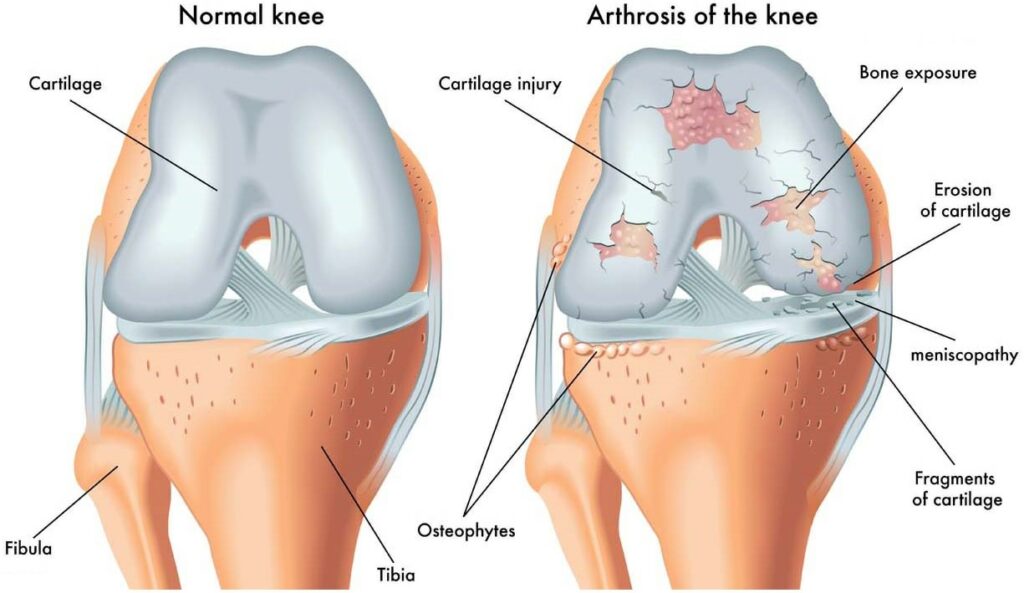
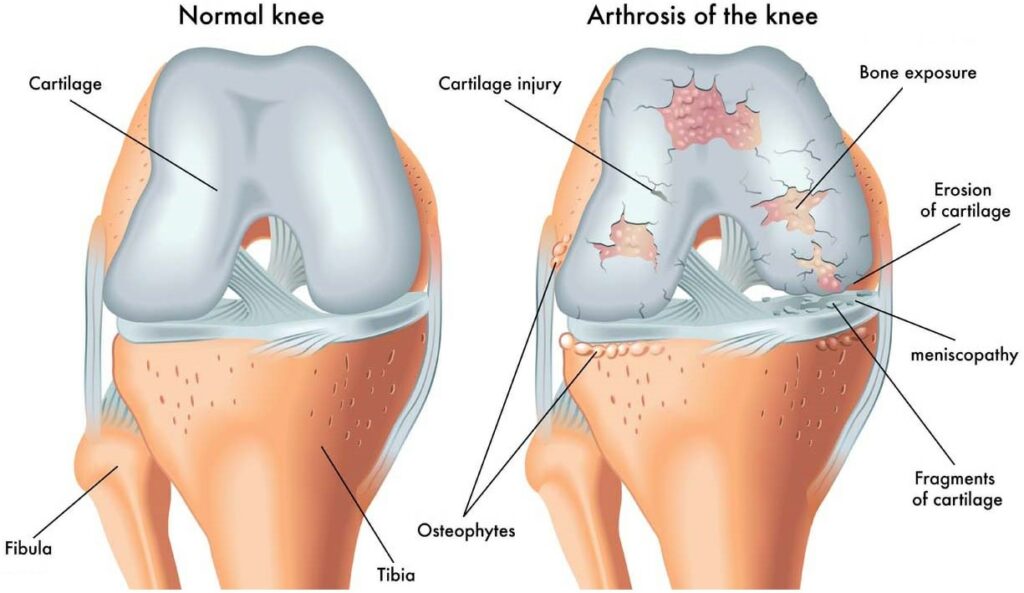
    Degenerative joint disease, also known as osteoarthritis, is the most common reason for knee joint replacement surgery. It is characterized by the breakdown of cartilage in the joint, leading to pain, stiffness, and reduced mobility. Early intervention is crucial in managing degenerative joint disease, as it can prevent further damage to the knee joint. Patients with degenerative joint disease often experience relief from pain and improved function after knee joint replacement surgery. Here is a brief overview of the success rates for knee joint replacement surgery:

    Success Rate Percentage
    1 year 90%
    5 years 80%
    10 years 70%

    It’s important to note that individual results may vary, and consulting with a healthcare professional is essential for personalized guidance and care. Patients should also be aware of the potential risks and complications associated with knee joint replacement surgery, which can be discussed in detail with their healthcare provider.

    Rheumatoid Arthritis

    Rheumatoid arthritis is a chronic, systemic autoimmune condition that affects the joints, including the knees. It can lead to significant pain, swelling, and stiffness, impacting our ability to perform daily activities. In some cases, medication and other conservative treatments may not provide sufficient relief, leading to the consideration of knee joint replacement surgery. Patients with rheumatoid arthritis may experience improved joint function, reduced pain, and enhanced quality of life following knee replacement surgery. However, it’s important to carefully consider the potential risks and benefits, as well as the long-term management of the condition post-surgery.

    Post-Traumatic Arthritis

    In our exploration of knee joint replacement surgery, we recognize that post-traumatic arthritis is a significant factor necessitating this procedure. Following a severe injury to the knee, such as a fracture or ligament damage, the joint may develop arthritis over time. This condition is characterized by the gradual deterioration of the cartilage that cushions the ends of the bones in the joint.

    The symptoms of post-traumatic arthritis include pain, swelling, and a decreased range of motion, which can severely impact daily activities. We often see patients who have exhausted other treatment options, such as anti-inflammatory medications or corticosteroid injections, before considering surgery.

    Key considerations for patients with post-traumatic arthritis contemplating knee replacement surgery include:

    • The extent of joint damage
    • The patient’s age and activity level
    • The presence of other medical conditions

    Tip: It’s crucial for patients to have realistic expectations about the outcomes of knee replacement surgery and to understand that rehabilitation is an integral part of the recovery process.

    Surgical Techniques for Knee Joint Replacement

    thumbnail

    Total Knee Replacement

    After undergoing a Total Knee Replacement, the rehabilitation process is crucial for a successful recovery. Our team emphasizes the importance of physical therapy and home care in the post-surgery period. Here’s a brief overview of the expected recovery timeline:

    Partial Knee Replacement

    In our exploration of knee joint replacement options, we recognize that partial knee replacement surgery is a viable choice for patients whose arthritis is confined to a single compartment of the knee. Unlike total knee replacement, this procedure involves replacing only the damaged area of the knee, preserving as much of the natural knee structure as possible.

    Partial knee replacement offers several advantages, including a quicker recovery time and less blood loss during surgery. Patients often report a more natural knee feeling post-operation due to the retention of undamaged knee components.

    The following list outlines the typical steps involved in a partial knee replacement procedure:

    1. Anesthesia is administered.
    2. A small incision is made in the knee area.
    3. Damaged cartilage and bone are removed from the knee.
    4. Implants are positioned to resurface the damaged knee compartment.
    5. The knee is tested for proper movement and alignment.
    6. The incision is closed, and the recovery process begins.

    Tip: It’s crucial for patients to follow their surgeon’s advice on post-operative care to ensure the best possible outcome.

    Minimally Invasive Knee Replacement

    After undergoing a Minimally Invasive Knee Replacement, my team and I focus on providing personalized care to ensure a smooth recovery process. We emphasize the importance of early mobilization and pain management to facilitate a quicker return to normal activities. Our approach involves a combination of physical therapy, home exercises, and regular follow-up appointments to monitor progress and address any concerns.

    Additionally, we track patient outcomes using the following data:

    Metric Outcome
    Range of Motion Excellent improvement in flexion and extension
    Pain Level Significant reduction in post-operative pain
    Hospital Stay Shortened duration of hospitalization

    Our experience has shown that this comprehensive approach leads to favorable outcomes and high patient satisfaction. As a team, we are committed to providing the best possible care and support throughout the recovery journey.

    Tip: Encouraging early ambulation and adherence to prescribed exercises can significantly contribute to a successful recovery after minimally invasive knee replacement surgery.

    Rehabilitation and Recovery After Knee Joint Replacement

    thumbnail

    Physical Therapy

    Physical therapy plays a crucial role in our recovery journey after knee joint replacement surgery. It is a comprehensive program that focuses on improving our strength, flexibility, and range of motion. Through tailored exercises and activities, physical therapy helps us regain functionality and mobility in our knee joint. Additionally, it is important to note that physical therapy is not limited to post-surgery recovery; it benefits individuals of all ages and activity levels, aiming to improve overall well-being. Here is a brief overview of the key components of physical therapy:

    Home Care

    After completing the phase of Home Care, we transition to the next stage of rehabilitation. This phase focuses on regaining strength, flexibility, and mobility in the knee joint. Our team will guide you through a personalized exercise program tailored to your specific needs and progress. Additionally, we will monitor your progress closely to ensure that any setbacks are addressed promptly and effectively. It’s important to remember that setbacks are a natural part of the recovery process, and with the right strategies, one can overcome them quickly and emerge stronger. Our goal is to support you in achieving a successful and sustainable recovery.

    Expected Recovery Timeline

    After undergoing knee joint replacement surgery, recovery is a crucial phase that requires patience and dedication. Our rehabilitation program focuses on restoring strength, flexibility, and mobility to the knee joint. Physical therapy plays a key role in this process, with personalized exercises and techniques tailored to each patient’s needs. Additionally, home care is an essential aspect of recovery, involving proper wound care, medication management, and assistance with daily activities. It’s important to note that the expected recovery timeline varies for each individual, depending on factors such as overall health, adherence to rehabilitation protocols, and post-operative complications. Patients are encouraged to follow the guidance of their healthcare team and adhere to the prescribed rehabilitation plan for optimal outcomes.

    Conclusion

    In conclusion, the insights gained from this article shed light on the intricate nature of knee joint replacement surgery. The complexity of the procedure, coupled with the potential for improved mobility and quality of life for patients, underscores the significance of ongoing research and advancements in this field. As medical knowledge and technology continue to evolve, it is imperative to prioritize the well-being and long-term outcomes of individuals undergoing knee joint replacement surgery.

    Frequently Asked Questions

    What is the recovery time for knee joint replacement surgery?

    The recovery time for knee joint replacement surgery varies, but most patients can expect to resume normal activities within 3 to 6 months.

    Is knee joint replacement surgery painful?

    Patients may experience some pain and discomfort after surgery, but this can be managed with medication and proper rehabilitation.

    How long does a knee joint replacement surgery take?

    The duration of knee joint replacement surgery typically ranges from 1 to 2 hours, depending on the complexity of the procedure.

    What are the potential risks and complications of knee joint replacement surgery?

    Potential risks and complications include infection, blood clots, implant loosening, and nerve damage, among others. Your surgeon will discuss these in detail before the surgery.

    Can I return to sports and physical activities after knee joint replacement surgery?

    Many patients are able to return to low-impact sports and physical activities after knee joint replacement surgery, but high-impact activities may be limited.

    How long does a knee joint replacement implant last?

    The lifespan of a knee joint replacement implant varies, but most implants last between 15 to 20 years. Revision surgery may be required after this time period.

  • Living with Osteoarthritis (OA) Knee: Coping Strategies

    Living with Osteoarthritis (OA) Knee: Coping Strategies

    Living with osteoarthritis (OA) in the knee can be challenging, but there are coping strategies that can help improve quality of life. From pain management techniques to lifestyle adjustments, individuals with OA knee can find ways to manage their symptoms and maintain an active and fulfilling life.

    Key Takeaways

    • Maintain a healthy weight to reduce pressure on the knee joints.
    • Regular exercise, including low-impact activities, can help strengthen the muscles around the knee.
    • Incorporating anti-inflammatory foods into your diet can help reduce inflammation and manage OA symptoms.
    • Seek emotional support from family, friends, or support groups to cope with the emotional impact of OA knee.
    • Explore assistive devices and adaptive living techniques to make daily activities easier and reduce strain on the knee joints.

    Understanding Osteoarthritis (OA) Knee

    thumbnail

    An Overview of Osteoarthritis

    Osteoarthritis (OA) of the knee is a degenerative joint disease that affects millions of people worldwide. The condition is characterized by the breakdown of cartilage in the knee joint, leading to pain, stiffness, and reduced mobility. Early diagnosis and intervention are crucial in managing OA knee effectively. Research shows that exercise and weight management play a significant role in slowing the progression of OA knee.

    Risk Factor Prevalence (%)
    Age 45
    Gender 55

    It’s important to note that OA knee is more prevalent in older adults, with a higher incidence in women than in men. Understanding the risk factors and taking proactive measures can help individuals better manage the impact of OA knee on their daily lives.

    Tip: Engaging in low-impact exercises such as swimming or cycling can help improve joint flexibility and reduce pain in OA knee.

    Symptoms of OA Knee

    Living with osteoarthritis (OA) knee can present a range of challenges and discomforts. It’s important to be aware of the common symptoms, which may include joint pain, stiffness, and reduced range of motion. These symptoms can impact our daily activities and overall quality of life. Understanding and recognizing these symptoms is crucial for effective management and treatment of OA knee. Here’s a brief overview of the common symptoms:

    Diagnosis and Assessment

    After suspecting osteoarthritis in the knee, we turn to a combination of clinical assessment and imaging techniques to confirm the diagnosis. A thorough medical history and physical examination are the first steps. We look for hallmark symptoms such as joint stiffness, especially in the morning, and a decrease in the range of motion.

    Diagnostic imaging is crucial. The most common method is an X-ray, which can reveal joint space narrowing, osteophytes, and other characteristic changes of OA. In some cases, an MRI may be necessary to assess the soft tissues and cartilage. Here’s a simplified breakdown of the assessment process:

    • Medical history review
    • Physical examination
    • X-ray imaging
    • MRI if required

    Remember, early diagnosis can lead to more effective management of OA knee. It’s important to consult a healthcare professional if you experience persistent knee pain or stiffness.

    Managing Pain and Discomfort

    thumbnail

    Pain Management Techniques

    Managing pain and discomfort in osteoarthritis (OA) knee is crucial for improving quality of life. Pain management techniques such as hot and cold therapy, and over-the-counter pain relievers can provide relief. Additionally, physical therapy and exercise play a vital role in strengthening the knee and reducing pain. It’s important to use assistive devices and support to minimize strain on the knee during daily activities.

    When considering pain management techniques, it’s helpful to track progress and outcomes. The following table provides a summary of common pain management techniques and their effectiveness:

    Technique Effectiveness
    Hot and Cold Therapy High
    Over-the-counter Meds Moderate
    Physical Therapy High
    Exercise Moderate

    In addition to these techniques, it’s important to maintain a healthy lifestyle and seek professional guidance for personalized pain management strategies.

    It’s essential to consult with a healthcare professional before starting any new pain management regimen to ensure safety and effectiveness.

    Physical Therapy and Exercise

    Physical therapy and exercise play a crucial role in managing osteoarthritis knee pain. Regular physical therapy sessions can help improve flexibility, strength, and range of motion in the affected knee joint. Additionally, engaging in low-impact exercises such as swimming, cycling, and walking can alleviate pain and reduce stiffness. It’s important to maintain a consistent exercise routine to experience long-term benefits. Here’s a brief overview of our recommended exercise routine:

    Exercise Type Frequency Duration
    Stretching 3-5 times a week 10-15 mins
    Strength Training 2-3 times a week 20-30 mins
    Aerobic Exercise 3-5 times a week 20-30 mins

    Incorporating these exercises into your daily routine can significantly improve joint function and reduce discomfort. Remember to consult with a physical therapist or healthcare professional before starting any new exercise program.

    It’s important to listen to your body and adjust the intensity and duration of exercises based on your comfort level. Pushing too hard can lead to increased pain and potential injury. Be mindful of any discomfort and modify your routine accordingly.

    Assistive Devices and Support

    In our journey to manage osteoarthritis of the knee, we often turn to assistive devices to alleviate pain and enhance mobility. These devices range from simple supports to sophisticated equipment designed to reduce stress on the joints.

    Braces and sleeves are commonly used to provide stability and compression, which can help control swelling. For those of us who find walking challenging, canes or walkers become invaluable tools for maintaining independence. Here’s a list of commonly used assistive devices:

    • Knee braces or sleeves
    • Canes or walking sticks
    • Walkers or rollators
    • Shoe insoles or orthotics

    It’s important to consult with a healthcare professional to determine the most suitable device for your needs. They can provide guidance on proper use and fitting, which is crucial for effectiveness and safety.

    Tip: Regularly inspect your assistive devices for signs of wear and tear to ensure they continue to provide the necessary support.

    Lifestyle Adjustments and Coping Strategies

    thumbnail

    Diet and Nutrition

    In our journey to manage osteoarthritis (OA) knee, diet and nutrition play a crucial role in supporting our overall well-being. We aim to maintain a balanced and nutritious diet to help manage inflammation and promote joint health. This includes consuming foods rich in antioxidants, such as colorful fruits and vegetables, and incorporating omega-3 fatty acids from sources like fish and nuts.

    Additionally, we prioritize the intake of vitamin D and calcium to support bone health and strength. These nutrients can be obtained from dairy products, fortified cereals, and supplements, as recommended by our healthcare provider.

    To ensure we are meeting our nutritional needs, we keep track of our daily food intake and make adjustments as needed. This may involve consulting with a registered dietitian to create a personalized meal plan that aligns with our dietary preferences and health goals.

    Tip: When making dietary changes, it’s important to consult with a healthcare professional to ensure that our nutritional choices are well-suited for managing OA knee and supporting our overall health.

    Adaptive Living Techniques

    Living with osteoarthritis requires adaptation and resilience. We must make adjustments to our daily routines and living spaces to accommodate the challenges posed by OA knee. Simple modifications such as using a shower chair or installing handrails can greatly improve safety and comfort. Additionally, maintaining a healthy and balanced diet is crucial for managing weight and reducing inflammation. Here are some key dietary recommendations for individuals with OA knee:

    Nutrient Recommendation
    Omega-3 fatty acids Increase intake through fish, flaxseeds, and walnuts
    Antioxidants Consume plenty of fruits and vegetables rich in vitamins C and E

    It’s important to remember that small changes can have a big impact on our well-being. Embracing these adjustments can help us maintain independence and improve our overall quality of life. As we navigate the challenges of OA knee, it’s essential to stay informed and seek support from healthcare professionals and community resources.

    Emotional Well-being

    Emotional well-being is a crucial aspect of living with osteoarthritis. It is important to acknowledge the emotional impact of the condition and seek support when needed. Engaging in activities that bring joy and practicing mindfulness can help improve emotional well-being. Additionally, maintaining open and honest communication with loved ones can provide a sense of comfort and understanding.

    Support Systems and Resources

    thumbnail

    Community Support Groups

    After connecting with community support groups, we have found that sharing experiences and learning from others who are going through similar challenges can be incredibly beneficial. These groups provide a safe space for us to discuss concerns, seek advice, and offer support to fellow members. We have also discovered valuable resources and information through these groups, which have helped us better understand and manage our condition.

    Medical and Healthcare Services

    As we navigate the complexities of managing osteoarthritis, access to medical and healthcare services becomes crucial. These services encompass a wide range of treatments, from medication management to surgical interventions. It’s important to maintain regular communication with our healthcare providers to ensure that our treatment plan is tailored to our specific needs. Additionally, staying informed about the latest advancements in OA knee care can empower us to make well-informed decisions about our health.

    When seeking medical and healthcare services, it’s beneficial to consider the following factors:

    Factor Consideration
    Accessibility Proximity to home, transportation options
    Insurance Coverage In-network providers, coverage for treatments
    Specialist Referral Access to orthopedic specialists and rheumatologists

    By prioritizing these considerations, we can optimize our access to the care we need. Remember, our well-being is our top priority, and seeking the right medical and healthcare services is a proactive step in managing our OA knee effectively.

    Financial and Legal Assistance

    After exploring the various avenues for financial and legal assistance, we understand the importance of seeking out the right support systems. This may include community support groups, medical and healthcare services, and other resources that can provide valuable assistance. We have found that connecting with others who understand our challenges can be incredibly beneficial. Additionally, accessing medical and healthcare services that specialize in osteoarthritis can significantly improve our quality of life. We have also discovered that there are financial and legal assistance programs available to help navigate the complexities of managing OA knee. These programs can provide guidance and support in dealing with insurance, legal matters, and financial planning. We encourage everyone to explore these resources and take advantage of the support systems available to us.

    Conclusion

    In conclusion, living with Osteoarthritis (OA) Knee presents numerous challenges that require resilience and adaptability. By implementing effective coping strategies and seeking appropriate medical care, individuals can improve their quality of life and manage the impact of OA on daily activities. It is essential for healthcare professionals and individuals alike to work together in addressing the multifaceted nature of OA, with a focus on holistic well-being and long-term management.

    Frequently Asked Questions

    What are the common symptoms of OA Knee?

    Common symptoms of OA Knee include pain, stiffness, swelling, and limited range of motion in the knee joint.

    How is OA Knee diagnosed?

    OA Knee is diagnosed through a combination of physical examination, medical history review, imaging tests (X-rays, MRI), and sometimes joint fluid analysis.

    What are some effective pain management techniques for OA Knee?

    Effective pain management techniques for OA Knee include medications, hot/cold therapy, acupuncture, and transcutaneous electrical nerve stimulation (TENS).

    What types of exercises are beneficial for OA Knee?

    Low-impact exercises such as walking, swimming, and cycling are beneficial for OA Knee. Strengthening exercises for the muscles around the knee also help improve stability and function.

    How can diet and nutrition impact OA Knee?

    A balanced diet with anti-inflammatory foods such as fruits, vegetables, whole grains, and healthy fats can help reduce inflammation and manage OA Knee symptoms.

    Are there support groups for individuals with OA Knee?

    Yes, there are support groups and communities specifically for individuals living with OA Knee. These groups provide a platform for sharing experiences, receiving emotional support, and learning coping strategies.

  • Life After Knee Replacement: What to Expect

    Life After Knee Replacement: What to Expect

    After undergoing knee replacement surgery, patients experience a significant recovery process and must be aware of potential complications and long-term impacts on mobility and functionality. Understanding the post-surgery rehabilitation plan, managing pain and discomfort, and engaging in physical therapy and exercise are crucial aspects of the recovery process. Additionally, patients need to be prepared for potential complications such as infection and implant-related concerns. Long-term impact on mobility and functionality requires assessment of mobility and range of motion, adapting to changes in daily routine, and making lifestyle modifications for improved functionality.

    Key Takeaways

    • Follow the post-surgery rehabilitation plan diligently to ensure a smooth recovery.
    • Stay proactive in managing pain and discomfort during the recovery process.
    • Consistent participation in physical therapy and exercise is essential for regaining strength and mobility.
    • Be vigilant about infection prevention and seek prompt medical attention for any concerns.
    • Assess mobility and range of motion regularly and make necessary lifestyle modifications for improved functionality.

    Recovery Process After Knee Replacement Surgery

    Understanding the Post-Surgery Rehabilitation Plan

    Following knee replacement surgery, we must embrace a structured rehabilitation plan to ensure optimal recovery. The plan typically unfolds in phases, beginning with initial healing and gradually progressing to more active rehabilitation.

    • Initial Phase: Focus on wound care, pain management, and gentle range-of-motion exercises.
    • Intermediate Phase: Transition to weight-bearing exercises and strengthening activities.
    • Advanced Phase: Incorporate functional training to return to daily activities.

    It’s crucial to adhere to the prescribed timeline and not rush the process. Overzealous efforts can lead to setbacks, as we’ve observed in some cases around the 10-week mark when the physical therapy load increases. Patience and consistency are key to a successful recovery.

    Tip: Always communicate with your healthcare provider about any concerns or unusual symptoms during your rehabilitation. Their guidance is essential in navigating the recovery journey.

    Managing Pain and Discomfort

    After knee replacement surgery, managing pain and discomfort is a crucial aspect of the recovery process. Our rehabilitation plan includes a combination of medication, physical therapy, and rest to ensure that we can cope with any discomfort effectively. Additionally, we are advised to keep track of our pain levels and report any significant changes to our healthcare provider. This proactive approach allows us to address any issues promptly and ensure a smooth recovery. In some cases, over-the-counter solutions and exercises may also be recommended to alleviate minor discomfort and promote healing. It’s important to follow the guidance of our healthcare team to achieve the best outcomes in managing post-surgery pain and discomfort.

    Physical Therapy and Exercise Regimen

    After completing the prescribed physical therapy and exercise regimen, we must continue to prioritize movement and strength-building. This includes regular walks, gentle stretching, and low-impact exercises. Additionally, we should maintain a balanced diet to support the healing process. It’s important to gradually increase the intensity and duration of physical activities, while being mindful of any discomfort or pain. We should also track progress and discuss any concerns with the healthcare team.

    Returning to Daily Activities

    As we navigate the journey of recovery, returning to daily activities marks a significant milestone. It’s essential to approach this phase with patience and a structured plan. Initially, activities should be reintroduced gradually to avoid overexertion and to monitor the knee’s response to new stresses.

    • Start with light tasks such as walking around the house.
    • Progress to more demanding activities like climbing stairs or light gardening.
    • Ensure to balance activity with rest to prevent swelling and pain.

    Tip: Always listen to your body and communicate with your healthcare provider about any concerns during this transition.

    It’s also crucial to recognize that some activities may need to be modified to accommodate your new knee. For instance, high-impact sports might be replaced with low-impact alternatives such as swimming or cycling. The goal is to maintain an active lifestyle while protecting the integrity of the knee replacement.

    Potential Complications and Risks

    thumbnail

    Infection Prevention and Management

    After knee replacement surgery, infection prevention is a critical aspect of our recovery journey. We are committed to following the prescribed antibiotic regimen and maintaining proper wound care to minimize the risk of infection. Additionally, we are vigilant about recognizing any signs of infection, such as redness, swelling, or increased pain, and promptly reporting them to our healthcare provider. Our proactive approach to infection prevention is essential for ensuring a successful recovery.

    Implant-Related Concerns

    When considering knee replacement surgery, we must be cognizant of the potential concerns related to the implant itself. The longevity of the implant is a primary consideration, as it directly affects the need for future revision surgeries. We strive to ensure that the materials used are of the highest quality and compatibility with the body to minimize the risk of adverse reactions.

    Implant loosening and wear are complications that can arise over time. These issues may lead to pain, instability, and the need for additional surgery. We monitor our patients closely for signs of these complications through regular follow-ups and imaging studies.

    • Implant Loosening
    • Wear and Tear
    • Infection Risk
    • Allergic Reactions

    Tip: Regular check-ups and being attentive to changes in knee function can help in early detection of implant-related issues, potentially avoiding more complex procedures in the future.

    It is also important to discuss the possibility of metal sensitivity or allergic reactions, although rare, with your healthcare provider. By understanding these risks, we can better prepare for and manage any complications that may arise, ensuring a smoother recovery and long-term success.

    Recovery Challenges and Solutions

    As we navigate the recovery journey after knee replacement surgery, we encounter various challenges that require tailored solutions. One of the most common hurdles is adhering to the rehabilitation schedule, which can be demanding and time-consuming. To address this, we recommend establishing a routine that integrates the prescribed exercises into daily life.

    Another significant challenge is the psychological impact of a prolonged recovery period. It’s essential to maintain a positive outlook and set realistic expectations. Support from family, friends, and healthcare professionals plays a pivotal role in overcoming these mental barriers.

    Tip: Consistency is key in recovery. Even on difficult days, try to complete at least a portion of your rehabilitation exercises.

    For those who may struggle with mobility or access to physical therapy facilities, technology offers a solution. Apps like Curovate provide support with strength exercises, knee range measurement, and virtual sessions, helping to bridge the gap when in-person therapy isn’t feasible.

    Lastly, we must be vigilant about potential setbacks. Monitoring for signs of infection or complications with the implant is crucial. If any issues arise, prompt communication with your healthcare provider can prevent further complications.

    Long-Term Impact on Mobility and Functionality

    thumbnail

    Assessment of Mobility and Range of Motion

    After undergoing knee replacement surgery, we focus on evaluating the patient’s mobility and range of motion as these are critical indicators of the surgery’s success. Initial assessments are typically conducted within the first few days post-operation, and subsequent evaluations are scheduled regularly throughout the recovery period.

    Range of motion exercises are integral to regaining knee function. We encourage patients to engage in these exercises daily, as they play a vital role in restoring flexibility and strength. The following table outlines a typical range of motion progression post-surgery:

    Week Flexion (Bending) Extension (Straightening)
    1 0-70 degrees 0-10 degrees
    2 0-90 degrees 0-5 degrees
    4 0-110 degrees 0 degrees
    6 0-120 degrees 0 degrees

    Tip: Consistency in performing range of motion exercises is key to a successful recovery. It’s important not to rush the process and to follow the guidance of your physical therapist.

    We also track the patient’s ability to perform daily activities, as this reflects their functional mobility. A gradual return to activities such as walking, climbing stairs, and driving is anticipated, with milestones set to mark progress. We remain mindful of the individual’s pain levels and adjust the rehabilitation plan accordingly.

    Adapting to Changes in Daily Routine

    After knee replacement surgery, we must be prepared to adapt our daily routines to accommodate our new physical limitations and promote healing. Simple tasks may require more time or different approaches. For instance, we may need to use assistive devices for mobility or modify our living spaces to reduce the risk of falls.

    • Prioritize safety in daily activities to prevent strain on the new joint.
    • Gradually reintroduce activities to monitor the knee’s response.
    • Seek advice from healthcare professionals on safe practices.

    Tip: Always listen to your body and avoid pushing beyond comfort levels, as this could hinder recovery.

    We should also consider the use of digital platforms like SaveTrainer, which offer adaptable exercise programs. These can be particularly beneficial in providing structured guidance during our rehabilitation process.

    Lifestyle Modifications for Improved Functionality

    After undergoing knee replacement surgery, adapting to changes in daily routine becomes essential for our long-term mobility and functionality. This may involve making adjustments to our home environment, such as installing handrails or ramps, to ensure a safe and accessible living space. Additionally, incorporating regular low-impact exercises, such as swimming or cycling, into our daily routine can help maintain joint flexibility and muscle strength.

    Furthermore, it is important to maintain a healthy body weight to reduce stress on the replaced knee joint. This can be achieved through a balanced diet and regular physical activity. Our healthcare provider can provide personalized recommendations for diet and exercise based on our specific needs and medical history.

    For individuals who are considering returning to work or resuming recreational activities, it is advisable to discuss any concerns or limitations with our healthcare team. They can offer guidance on gradually reintegrating into these activities while minimizing the risk of strain or injury to the replaced knee joint.

    It is important to remember that each person’s experience and recovery process may vary, so it is crucial to communicate openly with our healthcare provider and seek their guidance throughout the post-surgery rehabilitation journey.

    Conclusion

    In conclusion, life after knee replacement surgery is a journey of recovery and adaptation. Patients can expect to experience a gradual improvement in mobility and a reduction in pain. It is important to follow the post-operative care instructions provided by healthcare professionals and to engage in regular physical therapy. With patience and perseverance, individuals can regain their quality of life and resume their daily activities. Optimism and a positive mindset play a crucial role in the rehabilitation process, and it is essential for patients to maintain open communication with their healthcare team. While challenges may arise, the overall outlook for life after knee replacement is one of hope and restored function.

    Frequently Asked Questions

    How long does it take to fully recover after knee replacement surgery?

    The full recovery time can vary, but most people experience significant improvement within 3 to 6 months after surgery. It may take up to a year to fully regain strength and mobility.

    What are the common challenges during the post-surgery rehabilitation process?

    Common challenges include stiffness, swelling, and discomfort. Adhering to the rehabilitation plan and following the guidance of healthcare professionals can help manage these challenges effectively.

    Are there specific exercises that should be avoided after knee replacement surgery?

    While individual recommendations may vary, high-impact activities such as running and jumping should generally be avoided. It’s essential to consult with a healthcare provider to determine the most suitable exercise regimen.

    What are the signs of a potential infection after knee replacement surgery?

    Signs of infection may include increased pain, redness, warmth, or swelling around the incision site, as well as fever. Promptly reporting any concerning symptoms to a healthcare provider is crucial.

    How can I improve my mobility and range of motion after knee replacement surgery?

    Following the prescribed physical therapy exercises, maintaining a healthy weight, and incorporating low-impact activities can help improve mobility and range of motion. Consistent adherence to the recommended regimen is key.

    What lifestyle modifications can help enhance functionality after knee replacement surgery?

    Implementing ergonomic changes at home, using assistive devices as needed, and incorporating joint-friendly activities into daily routines can contribute to improved functionality and comfort.

  • Clearing up a confusing diagnosis – ACL Strong

    Clearing up a confusing diagnosis – ACL Strong

    Osteoarthritis is the most common joint disease in the United States and can cause pain, stiffness, and limitation in daily activities. Unfortunately, many people feel forced to give up their favorite sport or lifestyle as a result of being labeled “osteoarthritis.”

    A diagnosis of ‘osteoarthritis’ can be confusing.

    What does it mean? Does this mean that you cannot cycle, walk, hike or exercise without pain? How should you treat it and what can you do to prevent it from getting worse?

    What is osteoarthritis?

    Osteoarthritis, also known as degenerative joint disease, occurs when the cartilage that covers the ends of the bones in your joints gradually deteriorates. The degenerative process, which typically affects weight-bearing joints such as the knees, hips and hands, causes thinning of the cartilage, narrowing of joint spaces and reduced cushioning between the bones. This breakdown process puts more pressure on the sensitive surface of the bones in the joint, causing inflammation, pain, bone spurs and further wear and tear of the joint.

    knee arthrosis

    Being diagnosed with osteoarthritis does NOT mean that you cannot or should not have an active lifestyle. On the contrary, activity can actually improve the symptoms of osteoarthritis and slow or stop its progression. Many people with osteoarthritis lead an active, healthy lifestyle, without restrictions.

    How is osteoarthritis diagnosed?

    Osteoarthritis affects more than 32.5 million Americans and is usually diagnosed by physical examination and an X-ray. Based on the X-ray images, doctors will look for a smaller distance between the bones in the joint and for signs of inflammation. They will look at how much cartilage there is in the joint to protect the underlying bone from further wear and tear. They will also look for bone fragments or ‘spurs’ that are sticking into the joint and could cause more pain.

    unnamed

    X-ray findings should be compared with a physical examination to assess actual loss of range of motion, stiffness, weakness, and activity limitations before determining a treatment plan.

    Did you know that there are people with osteoarthritis who are NOT symptomatic? They have no pain, stiffness, swelling, or disability associated with the condition. In fact, they may not even know they have it!

    Evidence of degenerative joint changes can be seen in young adults to older adults, but the risk of developing osteoarthritis increases with age.

    Some of the risk factors that contribute to the development of osteoarthritis include:

    • Age (over 60 years)
    • Genetics
    • Being a woman
    • Being overweight
    • Have a pre-existing knee injury
    • Overuse of the knee or hip joint
    • Muscle weakness around the joint

    Does osteoarthritis always get worse?

    Osteoarthritis is a progressive condition that keeps getting worse if nothing is done to reduce pressure and wear on the joint.

    Joint wear and tear that causes inflammation, swelling and stiffness leads to more weakness, further breakdown, more stiffness and more disability. The cycle continues if no change is made to break the cycle.

    Although there is no cure for osteoarthritis, it is possible to slow or stop the progression of osteoarthritis through appropriate interventions…and most people don’t realize this!

    Someone with osteoarthritis may experience periods of ‘flare-ups’, where the joint suddenly becomes swollen, stiff and/or painful. There may also be periods when symptoms disappear, range of motion is restored, and the joint feels relatively normal.

    Controlling the “controllable factors” is an important tactic in managing osteoarthritis so that flare-ups don’t become worse than they need to be. Knowing what to do to calm a flare-up is an important step in long-term management and will help you continue doing the activities and sports you love.

    Normal range of motion (ROM) helps spread the forces on the joint; Good STRENGTH helps support the joint; and good MOVEMENT PATTERNS help reduce abnormal forces on the joint. These concepts form the basis of what will SLOW or STOP the worsening of degenerative joint disease.

    Losing weight if you are overweight, strengthening the muscles around the hip and knee, maintaining mobility and flexibility, and controlling inflammation and pain are important strategies to prevent osteoarthritis from worsening.

    Common treatments for osteoarthritis

    Activity

    While it may seem like activity may initially cause more pain and swelling, physical activity has actually been proven to reduce symptoms and improve the quality of life for people with degenerative joint disease. Exercise promotes circulation and can lead to more pain-free days. Of course, you need to make sure you choose the right activity, progress the right way, and listen to your body.

    A great place to start is by improving mobility and flexibility with simple stretching exercises.

    Screen Shot 2018 07 22 at 9.49.16 AM
    Heel slides

    Physiotherapy

    Physical therapy has been proven to relieve symptoms, increase activity tolerance and improve the quality of life for people with osteoarthritis using a structured approach to restore range of motion, functional strength and balance.
    If you want to live an active lifestyle, exercise and enjoy the outdoors, ACL STRONG provides an expert training progression to strengthen your legs and core, improve balance and body control, and learn how to benefit your body and lifestyle in the long term. can protect. This is an online program and an excellent option if you want the convenience and freedom of exercising independently at home, while still receiving expert guidance and support.

    Monster Walk zig zag side2
    Skaters 1

    Injectable products

    Your doctor may be willing to try hyaluronic acid which can be injected into the affected arthritic joint. This fluid is similar in makeup to your body’s synovial fluid, which is like oil in your car. An injectable can lubricate affected bone and joint tissue to reduce the symptoms of osteoarthritis, making you feel more comfortable and delaying the need for surgery.

    Arthroscopy

    Arthroscopic surgery is an option when an orthopedic surgeon is confident that symptoms can be reduced by clearing out the surface tissue in the affected joint. Arthroscopic surgery is performed by placing small incisions in the joint to remove damaged tissue and create a smoother surface. The surgery will facilitate increased blood flow to the joint, which can help ‘restart’ the healing process and reduce the symptoms of osteoarthritis.

    Arthroscopy

    Joint replacement surgery

    In cases where more conservative treatments have failed to relieve symptoms and improve quality of life, joint replacement surgery may become the best option. Replacing the degenerated joint surface with mechanical components can give you the recovery you need to be as active as you want.

    Recovery from joint replacement surgery will involve several months of activity progression and physical therapy. Although the timeline varies for everyone, most patients return to normal activities and exercise, such as walking, biking, golfing, tennis, weight lifting, housework, and yard work. With hard work, dedication and consistency, many can return to their previous sports and activities at a higher level.

    Osteoarthritis should NOT be daunting or intimidating. Receiving a diagnosis of osteoarthritis does not have to be confusing.

    👉 How you deal with your condition is up to you. You CAN lead an active, healthy and sporty lifestyle, with the presence of degenerative joint diseases. Manage it with exercise, nutrition, making good choices and expert support, and you can continue living the lifestyle you choose. 💪

    Source link