
Knee pain affects millions of people worldwide. Many turn to natural supplements seeking relief without the side effects of traditional medications.
Research shows certain supplements can support cartilage health. But not all supplements deliver on their promises.
This comprehensive guide examines the science behind natural supplements for joint health. You’ll discover which options have solid evidence and which fall short.
Get Your Free Supplement Comparison Guide
Download our evidence-based chart comparing effectiveness, dosages, and safety profiles of all major joint supplements. Make informed decisions backed by science.
Understanding Cartilage Damage and Knee Pain
Cartilage serves as a cushion between bones in your joints. This smooth tissue allows bones to glide past each other without friction.
When cartilage breaks down, bones rub together. This causes inflammation, stiffness, and pain.
Osteoarthritis represents the most common cause of cartilage damage. Age, injury, and excess body weight can accelerate this process.
How Cartilage Deterioration Occurs
Your body constantly breaks down and rebuilds cartilage tissue. In healthy joints, these processes stay balanced.
Several factors disrupt this balance. Inflammation damages cartilage faster than your body can repair it.
Poor nutrition limits the building blocks needed for cartilage repair. Studies show specific nutrients support the cartilage regeneration process.
The Role of Inflammation in Joint Pain
Inflammation plays a central role in joint pain. Your immune system releases chemicals that break down damaged tissue.
Chronic inflammation becomes a problem. These same chemicals attack healthy cartilage and surrounding tissue.
Many natural supplements work by reducing inflammation. This allows your body to focus on repair rather than damage.
Important Note: Supplements support joint health but cannot reverse severe cartilage loss. Research needed for moderate to severe cases should include consultation with healthcare professionals.
Glucosamine: The Foundation of Joint Support

Glucosamine stands as one of the most researched supplements for joint health. This compound found naturally in cartilage helps build and maintain joint tissue.
Your body produces glucosamine from glucose and glutamine. Levels decrease with age, potentially contributing to cartilage breakdown.
How Glucosamine Works
Glucosamine provides building blocks for cartilage repair. It stimulates cells called chondrocytes that produce cartilage tissue.
Studies show glucosamine may slow cartilage breakdown. It also reduces inflammation in joints.
The supplement comes in three main forms. Glucosamine sulfate shows the strongest research support.

Scientific Evidence for Glucosamine
Multiple studies have examined glucosamine effectiveness. A landmark study published in the New England Journal of Medicine tested glucosamine in over 1,500 people with knee osteoarthritis.
The research showed mixed results. Glucosamine helped some people but not everyone.
Studies show it works best for mild to moderate osteoarthritis. People with severe cartilage loss saw fewer benefits.
A meta-analysis of 18 trials found glucosamine reduced pain scores. Effects were modest but significant for many people.
Recommended Dosage and Forms
Research supports 1,500 mg daily as the standard dose. Most studies used this amount split into three 500 mg doses.
Some people take the full dose once per day. Studies show both approaches can be effective.
Glucosamine sulfate demonstrates better absorption than other forms. Look for pharmaceutical-grade products for consistent quality.
Glucosamine Benefits
- Supports cartilage structure and repair
- May reduce joint pain over time
- Well-tolerated by most people
- Extensive research backing
- Can be combined with other supplements
Potential Limitations
- Effects take 4-8 weeks to appear
- Not effective for everyone
- Works best for mild to moderate cases
- May affect blood sugar in some people
- Shellfish-derived forms may cause allergies

Side Effects and Safety Considerations
Glucosamine has an excellent safety profile. Most people experience no side effects.
Common mild side effects include stomach upset and nausea. Taking glucosamine with food usually prevents these issues.
People with shellfish allergies should exercise caution. Many glucosamine supplements come from shellfish shells.
Studies show glucosamine may slightly affect blood sugar levels. People with diabetes should monitor glucose more frequently.
Check with your doctor before taking glucosamine if you: Have diabetes, take blood thinners like warfarin, have shellfish allergies, are pregnant or breastfeeding, or take other medications regularly.
Choosing Quality Glucosamine Supplements
Not all glucosamine products contain what their labels claim. Independent testing reveals significant quality variations.
Look for products verified by third-party testing organizations. USP, NSF, or ConsumerLab certification ensures quality.
Pharmaceutical-grade glucosamine sulfate shows the best results in studies. Crystalline glucosamine sulfate is the preferred form.
Chondroitin Sulfate: Cartilage Protection

Chondroitin sulfate represents another major component of cartilage. This compound found in connective tissue helps cartilage retain water and maintain elasticity.
Like glucosamine, your body produces chondroitin naturally. Production decreases with age and joint damage.
Mechanism of Action
Chondroitin works differently than glucosamine. It attracts water into cartilage tissue, improving shock absorption.
The supplement also blocks enzymes that break down cartilage. This protective effect helps preserve existing tissue.
Studies show chondroitin reduces inflammation in joints. It may also stimulate cartilage repair processes.

Research Evidence
Evidence for chondroitin shows mixed results similar to glucosamine. Some studies show significant benefits while others find minimal effects.
A major European study found chondroitin slowed joint space narrowing. This suggests it may protect remaining cartilage.
Studies show chondroitin works best when combined with glucosamine. The two supplements appear to have complementary effects.
Research indicates chondroitin may take longer to show benefits. Most studies ran for at least six months.
Dosage and Administration
The standard dose is 800-1,200 mg per day. Most research used 800 mg taken once daily or 400 mg twice daily.
Higher doses don’t appear more effective. Stick to research-supported amounts for best results.
Chondroitin has high molecular weight, which may affect absorption. Some studies suggest taking it with food improves uptake.
Combination Therapy: Many people take glucosamine and chondroitin together. A typical combination provides 1,500 mg glucosamine sulfate with 1,200 mg chondroitin sulfate daily.

Safety Profile and Side Effects
Chondroitin demonstrates excellent safety in clinical trials. Side effects are rare and typically mild.
Some people report stomach discomfort or soft stools. These effects usually resolve within a few days.
Chondroitin may interact with blood thinners. The compound has a structure similar to heparin, a blood-thinning drug.
People taking warfarin or other blood thinners should check with their doctor. Close monitoring may be necessary when combining these medications.
Quality and Source Considerations
Chondroitin supplements come from animal cartilage. Most products use bovine or shark cartilage as sources.
Quality varies significantly between products. Some supplements contain much less chondroitin than labels claim.
Third-party testing is essential for chondroitin products. Look for verification from independent laboratories.
MSM (Methylsulfonylmethane): Sulfur for Joint Health

MSM provides sulfur, an essential element for joint health. This compound found in plants, animals, and humans plays a role in collagen formation.
Your body uses sulfur to build connective tissue. MSM may support cartilage structure and reduce inflammation.
How MSM Supports Joints
Sulfur is a key component of compounds that form cartilage. MSM provides bioavailable sulfur your body can use.
Studies show MSM reduces inflammation markers. It may decrease the production of inflammatory chemicals in joints.
The supplement also appears to reduce oxidative stress. This protects cartilage from damage caused by free radicals.

Scientific Evidence
Research on MSM is less extensive than for glucosamine or chondroitin. However, available studies show promising results.
A study of 118 people with osteoarthritis found MSM reduced pain and improved function. Participants took 3,000 mg daily for 12 weeks.
Another study combined MSM with glucosamine. The combination showed better results than either supplement alone.
Studies show MSM may work faster than glucosamine. Some people report benefits within two weeks.
Recommended Dosage
Research supports doses between 1,500 and 6,000 mg daily. Most studies used 3,000 mg per day.
Start with a lower dose and increase gradually. This helps minimize potential digestive side effects.
MSM powder dissolves easily in water or juice. Capsules offer convenience for people who dislike the bitter taste.
MSM Advantages
- May work faster than other supplements
- Reduces inflammation and oxidative stress
- Supports collagen and connective tissue
- Can be combined with glucosamine and chondroitin
- Generally well-tolerated
Considerations
- Less research than glucosamine or chondroitin
- Powder form has bitter taste
- May cause mild digestive upset initially
- Optimal dosage not firmly established
- Long-term safety data limited

Side Effects and Safety
MSM has a good safety record in clinical trials. Most people tolerate it well at recommended doses.
Some people experience mild digestive symptoms. These include bloating, nausea, or diarrhea.
Starting with lower doses and taking MSM with meals reduces side effects. Symptoms typically improve as your body adjusts.
High doses above 6,000 mg daily haven’t been extensively studied. Stick to research-supported amounts for safety.
Turmeric and Curcumin: Natural Anti-Inflammatory Power

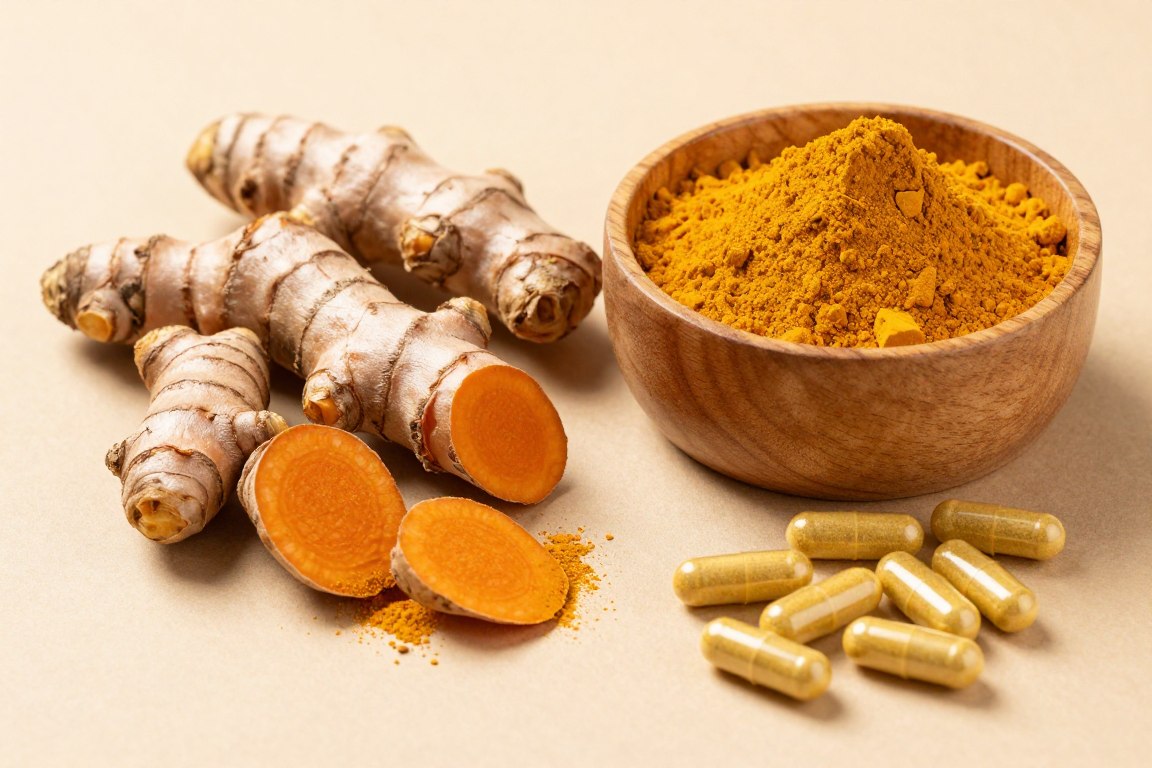
Turmeric, a golden spice from the plant Curcuma longa, has been used in traditional medicine for centuries. Curcumin, the active compound found in turmeric, provides powerful anti-inflammatory effects.
Studies show curcumin works as effectively as some NSAIDs for joint pain. But it comes without the stomach and heart risks associated with these drugs.
Anti-Inflammatory Mechanisms
Curcumin blocks multiple inflammatory pathways in your body. It inhibits enzymes that produce inflammatory chemicals.
The compound also reduces oxidative stress. This protects cartilage from damage caused by inflammation.
Research shows curcumin may prevent cartilage breakdown. It inhibits enzymes that degrade cartilage tissue.

Research on Joint Pain
Multiple studies demonstrate curcumin’s effectiveness for osteoarthritis. A review of eight trials found curcumin reduced pain and improved function.
One study compared curcumin to ibuprofen in people with knee osteoarthritis. Both treatments provided similar pain relief.
Studies show curcumin may work within 4-8 weeks. Some people report benefits even sooner.
Research indicates curcumin works best for inflammatory types of joint pain. Effects are most pronounced in active osteoarthritis.
Absorption and Bioavailability
Curcumin has poor absorption when taken alone. Your body breaks it down quickly before it reaches your joints.
Black pepper extract called piperine increases absorption. It can boost curcumin bioavailability by up to 2,000 percent.
Several enhanced formulations improve absorption. These include curcumin bound to phospholipids or formulated with oils.

Recommended Dosage
Studies use curcumin doses between 500 and 2,000 mg daily. Most research supports 1,000 mg of curcumin extract per day.
Look for standardized extracts containing 95% curcuminoids. This ensures consistent potency across doses.
Products with absorption enhancers allow lower effective doses. A 500 mg enhanced formula may equal 2,000 mg standard curcumin.
Turmeric vs. Curcumin: Turmeric spice contains only 2-5% curcumin. You’d need to consume large amounts to match supplement doses. Concentrated curcumin extracts provide therapeutic amounts in convenient form.
Safety and Side Effects
Curcumin has an excellent safety profile. Even high doses are well-tolerated by most people.
Some people experience mild digestive upset. Taking curcumin with food usually prevents this issue.
Curcumin may interact with blood thinners. It has mild anticoagulant effects that could enhance these drugs.
High doses may lower blood sugar slightly. People with diabetes should monitor glucose when starting curcumin.
Consult your doctor before taking curcumin if you: Take blood thinners like warfarin or aspirin, have bleeding disorders, take diabetes medications, have gallbladder problems, or are scheduled for surgery within two weeks.

Choosing Quality Curcumin Products
Quality varies dramatically among curcumin supplements. Look for standardized extracts with verified curcuminoid content.
Products should specify the type and amount of absorption enhancer. Piperine, phospholipid complexes, or nano-formulations all improve bioavailability.
Third-party testing ensures purity and potency. Some turmeric products contain contaminants or adulterants.
Boswellia Serrata: Ancient Remedy for Modern Joint Pain

Boswellia serrata comes from the resin of the Boswellia tree. This plant extract has been used in Ayurvedic medicine for thousands of years.
The active compounds in Boswellia, called boswellic acids, provide anti-inflammatory effects. Research shows they may help reduce joint pain and improve mobility.
How Boswellia Works
Boswellic acids block enzymes that promote inflammation. They specifically inhibit 5-lipoxygenase, which produces inflammatory leukotrienes.
Studies show Boswellia may prevent cartilage breakdown. It inhibits enzymes that degrade cartilage tissue.
The extract also improves blood flow to joints. Better circulation supports healing and reduces stiffness.

Clinical Research Evidence
Several studies demonstrate Boswellia’s effectiveness for osteoarthritis. A systematic review found it significantly reduced pain and improved function.
Research compared Boswellia to conventional pain medications. One study found it as effective as valdecoxib, a prescription NSAID.
Studies show benefits appear within 4-8 weeks. Effects continue to improve with longer use.
A compound found in Boswellia called AKBA shows the strongest anti-inflammatory activity. Look for extracts standardized for this component.
Dosage Guidelines
Research supports 300-500 mg of Boswellia extract daily. Extracts should contain at least 30-40% boswellic acids.
Some studies use higher doses up to 1,000 mg per day. Higher amounts don’t appear significantly more effective.
Take Boswellia with meals to improve absorption. The resin compounds absorb better when consumed with food.
Boswellia Benefits
- Reduces inflammation through unique pathway
- May protect cartilage from breakdown
- Improves joint mobility and flexibility
- Fewer side effects than NSAIDs
- Can be combined with other supplements
Considerations
- Less research than glucosamine or curcumin
- Quality varies between products
- May cause mild digestive upset
- Effects take several weeks to appear
- Standardization important for effectiveness

Safety Profile
Boswellia demonstrates good safety in clinical trials. Side effects are generally mild and uncommon.
Some people experience stomach upset, nausea, or acid reflux. Taking the supplement with food minimizes these effects.
Boswellia may interact with medications metabolized by the liver. It affects certain enzyme systems that process drugs.
People taking anti-inflammatory drugs should consult their doctor. Combining Boswellia with NSAIDs may increase effects or side effects.
Omega-3 Fatty Acids: Essential Fats for Joint Health

Omega-3 fatty acids provide powerful anti-inflammatory effects throughout your body. These essential fats must come from your diet since your body can’t produce them.
Research shows omega-3s reduce joint pain and stiffness. They work by decreasing production of inflammatory chemicals.
Types of Omega-3 Fatty Acids
Three main omega-3 fatty acids affect health. EPA and DHA come from fish and seafood.
ALA comes from plant sources like flaxseed and walnuts. Your body converts small amounts of ALA into EPA and DHA.
Studies show EPA and DHA provide the strongest anti-inflammatory effects. Fish oil supplements concentrate these beneficial fatty acids.

Anti-Inflammatory Mechanisms
Omega-3 fatty acids compete with omega-6 fats in inflammatory pathways. This reduces production of inflammatory compounds.
EPA and DHA get incorporated into cell membranes. This changes how cells respond to inflammatory signals.
Studies show omega-3s decrease levels of inflammatory markers. These include C-reactive protein and interleukin-6.
The fatty acids also produce specialized compounds called resolvins. These actively resolve inflammation and promote healing.
Research on Joint Pain
Multiple studies examine omega-3s for arthritis and joint pain. A meta-analysis found they significantly reduce joint tenderness and stiffness.
Research shows omega-3 supplementation may reduce NSAID use. Some people decrease or eliminate pain medications when taking fish oil.
Studies indicate benefits appear after 8-12 weeks. Effects continue improving with longer supplementation.
Higher doses show stronger effects. Studies using 2-3 grams of EPA and DHA daily demonstrate best results.

Recommended Dosage
For joint health, research supports 2-3 grams of combined EPA and DHA daily. This typically requires 3-4 standard fish oil capsules.
Look for the actual EPA and DHA content, not total fish oil. A 1,000 mg capsule might contain only 300 mg of EPA and DHA.
Concentrated fish oil supplements provide higher amounts in fewer capsules. These pharmaceutical-grade products offer convenience.
Food vs. Supplements: Fatty fish like salmon, mackerel, and sardines provide omega-3s naturally. Two 3-ounce servings weekly supply about 500 mg EPA and DHA daily. Supplements help people who don’t eat fish regularly.
Safety and Interactions
Fish oil is generally safe at recommended doses. Quality products undergo testing for mercury and contaminants.
Common side effects include fishy aftertaste and mild digestive upset. Taking capsules with meals and storing them in the freezer reduces these issues.
Omega-3s have mild blood-thinning effects. People taking blood thinners like warfarin should consult their doctor before supplementing.
High doses above 3 grams daily should be discussed with a healthcare provider. Very high amounts may affect immune function.
Check with your doctor if you: Take blood thinners or antiplatelet drugs, have bleeding disorders, are scheduled for surgery, take blood pressure medications, or have fish or seafood allergies.

Choosing Quality Fish Oil
Quality varies significantly among fish oil products. Look for third-party testing for purity and potency.
Certificates from organizations like IFOS or USP verify quality. These test for mercury, PCBs, and other contaminants.
Triglyceride form fish oil absorbs better than ethyl ester form. Check product labels for the form used.
Fresh fish oil shouldn’t smell strongly fishy. Rancid oil smells unpleasant and loses effectiveness.
Collagen: Building Block for Cartilage and Connective Tissue

Collagen forms the structural framework of cartilage and other connective tissues. This protein provides strength and flexibility to joints.
Your body produces collagen naturally, but production declines with age. Supplemental collagen may support cartilage health and reduce joint pain.
Types of Collagen
Twenty-eight types of collagen exist in your body. Type II collagen makes up most of the cartilage in joints.
Type I collagen is the most abundant in your body. It forms bones, tendons, and ligaments.
Supplements typically contain type II collagen for joint health. Hydrolyzed collagen breaks down into smaller peptides for better absorption.

How Collagen Supports Joints
Collagen peptides provide building blocks for cartilage repair. Your body uses these amino acids to build new collagen.
Studies show collagen may stimulate your own collagen production. This supports not just cartilage but surrounding tissues.
Research indicates collagen reduces inflammation in joints. It may help modulate immune responses that damage cartilage.
Scientific Evidence
Research on collagen for joint health shows promising results. Multiple studies find it reduces pain and improves joint function.
A study of athletes taking collagen found reduced joint pain during activity. Participants took 10 grams daily for 24 weeks.
Studies show undenatured type II collagen may work at very low doses. Just 40 mg daily showed benefits in some research.
Evidence suggests collagen works best for mild to moderate joint problems. People with severe osteoarthritis may see smaller benefits.

Dosage Recommendations
Hydrolyzed collagen studies use 8-12 grams daily. This amount appears in most research on joint pain.
Undenatured type II collagen works at much lower doses. Research supports 40 mg per day of this specialized form.
Take collagen on an empty stomach for best absorption. Some evidence suggests taking it before bed optimizes effects.
Collagen Advantages
- Provides building blocks for cartilage
- May stimulate body’s own collagen production
- Benefits joints, skin, and connective tissues
- Generally well-tolerated with few side effects
- Available in convenient powder form
Considerations
- Effects take 8-12 weeks to appear
- Quality and source vary between products
- Large doses needed for hydrolyzed forms
- May not work for severe cartilage loss
- Vegetarian sources limited
Safety and Side Effects
Collagen supplements have excellent safety profiles. Side effects are rare and typically mild.
Some people report feelings of fullness or mild digestive changes. These usually resolve as your body adjusts.
Collagen comes from animal sources – typically bovine, porcine, or marine. People with allergies to these sources should avoid corresponding products.
No significant drug interactions are known. Collagen can typically be combined with other supplements safely.
Selecting Quality Products
Choose collagen from reputable sources with quality testing. Look for grass-fed bovine or wild-caught marine collagen.
Hydrolyzed collagen dissolves easily in hot or cold liquids. Powder form allows flexible dosing and mixing.
For type II collagen, look for undenatured forms standardized for effectiveness. These preserve the natural collagen structure.
Other Beneficial Supplements for Joint Health

Several other natural supplements show promise for cartilage and knee pain. While research is less extensive, these options merit consideration.
Vitamin D
Vitamin D plays important roles in bone and joint health. Low levels are common in people with osteoarthritis.
Studies show vitamin D deficiency correlates with increased joint pain. Supplementation may reduce pain in deficient individuals.
Research supports 2,000-4,000 IU daily for most people. Blood tests can determine your specific needs.

Ginger Extract
Ginger contains compounds with anti-inflammatory properties. Studies show it may reduce joint pain and stiffness.
Research compared ginger to ibuprofen for knee osteoarthritis. Both provided similar pain relief.
Typical doses range from 500-1,000 mg of ginger extract daily. Standardized extracts ensure consistent potency.

SAMe (S-Adenosylmethionine)
SAMe is a compound found naturally in your body. It supports cartilage formation and has anti-inflammatory effects.
Studies show SAMe reduces pain as effectively as some NSAIDs. It may also support cartilage repair.
Research uses doses of 600-1,200 mg daily. SAMe can be expensive compared to other supplements.
Hyaluronic Acid
Hyaluronic acid is a major component of synovial fluid. This fluid lubricates joints and cushions impacts.
Oral supplements may support joint lubrication. However, absorption and effectiveness remain debated.
Studies use doses of 80-200 mg daily. More research is needed to confirm benefits of oral supplementation.

Green-Lipped Mussel
This shellfish from New Zealand contains omega-3 fatty acids and other anti-inflammatory compounds. Studies show it may reduce joint pain and stiffness.
Research supports 1,000-1,200 mg of green-lipped mussel extract daily. Effects appear after 8-12 weeks of consistent use.
People with shellfish allergies should avoid this supplement. Quality varies, so choose reputable brands.
Combining Supplements for Maximum Benefit

Many people wonder whether combining supplements provides better results. Research suggests certain combinations work synergistically.
Glucosamine and Chondroitin
This classic combination appears in many joint supplements. Studies show they may work better together than separately.
A large trial found the combination helped people with moderate to severe knee pain. Those with mild pain showed less benefit.
Typical combination provides 1,500 mg glucosamine sulfate with 1,200 mg chondroitin sulfate daily.
Glucosamine, Chondroitin, and MSM
Adding MSM to the glucosamine-chondroitin combination may enhance effects. One study found this triple combination superior to glucosamine and chondroitin alone.
The three supplements work through different mechanisms. This multi-pronged approach may benefit more people.
A common formulation combines 1,500 mg glucosamine, 1,200 mg chondroitin, and 1,000-1,500 mg MSM daily.

Adding Anti-Inflammatory Supplements
Combining structural supplements with anti-inflammatory ones makes sense. Glucosamine and chondroitin support cartilage while curcumin or omega-3s reduce inflammation.
This approach addresses both cartilage repair and pain relief. Many people find better results with this comprehensive strategy.
Start one supplement at a time when combining. This helps identify which ones work best for you.
Potential Interactions
Most joint supplements can be safely combined. However, some combinations require caution.
Multiple supplements with blood-thinning effects may interact. Combining omega-3s, curcumin, and ginger increases this risk.
Check with your doctor before combining multiple supplements. This is especially important if you take medications.
Starting Multiple Supplements: Begin with one supplement and add others gradually every 2-4 weeks. This helps identify which supplements provide benefits and makes it easier to spot any side effects.
How to Choose Quality Joint Supplements

Supplement quality varies dramatically between products. Manufacturing standards aren’t as strict as for prescription drugs.
Studies show many supplements don’t contain what their labels claim. Some contain contaminants or adulterants.
Third-Party Testing and Certification
Independent testing verifies supplement quality. Organizations like USP, NSF, and ConsumerLab test products for purity and potency.
Look for certification seals on product labels. These indicate the supplement met rigorous quality standards.
IFOS certification specifically tests fish oil products. This program checks for contaminants and verifies omega-3 content.

Understanding Supplement Labels
Read labels carefully to know what you’re getting. Check the actual amount of active ingredients, not just total product weight.
For fish oil, look at combined EPA and DHA content. Total fish oil amount doesn’t indicate effectiveness.
Standardized extracts ensure consistent potency. For example, curcumin should be standardized to 95% curcuminoids.
Form and Bioavailability
The form of a supplement affects absorption. Glucosamine sulfate absorbs better than glucosamine hydrochloride.
Enhanced formulations improve bioavailability. Curcumin with piperine or in phospholipid form absorbs much better than standard extracts.
Enteric-coated capsules protect supplements from stomach acid. This can improve absorption of certain products.
Price and Value Considerations
Higher price doesn’t always mean better quality. However, extremely cheap supplements often cut corners.
Calculate cost per serving based on effective doses. Some expensive-looking products provide minimal amounts of active ingredients.
Bulk purchasing may save money on supplements you’ll take long-term. Check expiration dates to ensure freshness.
Quality Indicators
- Third-party certification seals
- Clear supplement facts panel
- Standardized extract information
- Reputable manufacturer
- Appropriate storage instructions
- Contact information for questions
Warning Signs
- Outrageous health claims
- No third-party verification
- Proprietary blends hiding amounts
- Extremely low prices
- No manufacturer contact information
- Questionable retail sources

Where to Buy Supplements
Purchase supplements from reputable retailers. Pharmacies, health food stores, and established online sellers typically maintain quality standards.
Be cautious with unknown online sellers. Counterfeit supplements exist, especially for popular products.
Check product reviews, but be aware some may be fake. Focus on verified purchase reviews from multiple sources.
Lifestyle Factors That Support Joint Health

Supplements work best as part of a comprehensive approach. Several lifestyle factors significantly impact joint health and pain.
Weight Management
Excess body weight puts tremendous stress on knee joints. Each pound of body weight creates four pounds of pressure on your knees.
Studies show weight loss reduces knee pain and slows osteoarthritis progression. Even modest weight loss of 10-15 pounds can make a significant difference.
Combining supplements with weight management provides better results. The two approaches work synergistically for joint health.

Exercise and Physical Activity
Regular movement keeps joints healthy despite seeming counterintuitive. Exercise strengthens muscles that support joints and improves flexibility.
Low-impact activities work best for painful joints. Swimming, cycling, and walking provide benefits without excess stress.
Strength training builds muscle that stabilizes joints. This reduces pressure on cartilage during daily activities.
Studies show exercise reduces pain and improves function. It works as effectively as some medications for mild to moderate osteoarthritis.

Anti-Inflammatory Diet
Your diet affects inflammation throughout your body. Certain foods promote inflammation while others reduce it.
Anti-inflammatory foods include fatty fish, colorful vegetables, berries, and nuts. These provide nutrients that support joint health.
Limit processed foods, refined sugars, and excessive omega-6 fatty acids. These promote inflammation and may worsen joint pain.
The Mediterranean diet shows particular promise for reducing inflammation. This eating pattern emphasizes whole foods, healthy fats, and plant-based meals.

Proper Hydration
Water is essential for joint health. Cartilage contains about 80% water, which provides cushioning.
Dehydration reduces the fluid in your joints. This can increase friction and pain.
Aim for eight glasses of water daily, more if you’re active. Proper hydration supports the effectiveness of joint supplements.
Sleep and Recovery
Your body repairs tissues during sleep. Inadequate sleep may worsen inflammation and pain.
Studies show poor sleep quality correlates with increased joint pain. Improving sleep can reduce pain perception.
Aim for 7-9 hours of quality sleep nightly. Create a consistent sleep schedule and comfortable environment.
Stress Management
Chronic stress increases inflammation in your body. This can worsen joint pain and slow healing.
Stress management techniques reduce inflammatory markers. Practices like meditation, yoga, and deep breathing help.
Studies show stress reduction complements other treatments. Many people find better pain relief when addressing stress.

When to Consult a Healthcare Provider

Natural supplements can help many people with joint pain. However, certain situations require medical evaluation and treatment.
Warning Signs Requiring Medical Attention
Severe pain that limits daily activities needs medical assessment. Don’t rely solely on supplements for debilitating pain.
Sudden onset of intense pain, swelling, or redness may indicate infection. This requires immediate medical care.
Joint pain accompanied by fever, chills, or unexplained weight loss needs evaluation. These symptoms may indicate serious conditions.
Inability to bear weight on your knee warrants prompt medical attention. This could indicate structural damage requiring treatment.
Seek immediate medical care if you experience: Severe pain with fever or chills, inability to move the joint, significant swelling with warmth and redness, deformity of the joint, or pain following trauma or injury.

Before Starting Supplements
Check with your doctor before starting supplements if you take medications. Some supplements interact with drugs.
People with chronic health conditions should consult healthcare providers. Diabetes, heart disease, and bleeding disorders require special consideration.
Pregnant or breastfeeding women should discuss supplements with their doctor. Safety data is limited for these populations.
If Supplements Don’t Help
Give supplements adequate time to work. Most require 8-12 weeks for full effects.
If you see no improvement after three months, consult your doctor. You may need additional evaluation or different treatment.
Worsening symptoms despite supplements require medical assessment. Progressive joint damage may need interventions beyond supplements.
Complementary Treatment Options
Doctors can offer treatments that complement supplements. Physical therapy strengthens muscles supporting joints.
Injections like corticosteroids or hyaluronic acid may provide relief. These can work alongside supplement regimens.
In severe cases, surgical options may be necessary. Joint replacement can restore function when conservative measures fail.
Need Professional Guidance?
Connect with healthcare providers who specialize in joint health and can help develop a comprehensive treatment plan tailored to your needs.
Comprehensive Supplement Comparison
This table summarizes key information about natural supplements for cartilage and knee pain. Use it to compare options and make informed decisions.
| Supplement | Typical Dosage | Evidence Level | Time to Effect | Primary Benefit | Common Side Effects |
| Glucosamine Sulfate | 1,500 mg daily | Strong | 4-8 weeks | Cartilage support | Mild stomach upset |
| Chondroitin Sulfate | 800-1,200 mg daily | Moderate | 8-12 weeks | Cartilage protection | Minimal |
| MSM | 1,500-3,000 mg daily | Moderate | 2-4 weeks | Anti-inflammatory | Digestive changes |
| Curcumin | 500-1,000 mg daily | Strong | 4-8 weeks | Anti-inflammatory | Stomach upset |
| Boswellia | 300-500 mg daily | Moderate | 4-8 weeks | Anti-inflammatory | Acid reflux |
| Omega-3 (EPA/DHA) | 2-3 grams daily | Strong | 8-12 weeks | Anti-inflammatory | Fishy aftertaste |
| Collagen (Hydrolyzed) | 8-12 grams daily | Moderate | 8-12 weeks | Cartilage building | Minimal |
| Collagen Type II | 40 mg daily | Moderate | 8-12 weeks | Immune modulation | Minimal |

Safety Considerations and Drug Interactions

While natural supplements are generally safe, they can interact with medications and affect certain health conditions. Understanding these interactions is crucial.
Blood Thinning Medications
Several joint supplements have mild anticoagulant effects. Omega-3 fatty acids, curcumin, ginger, and Boswellia all affect blood clotting.
People taking blood thinners like warfarin, aspirin, or clopidogrel should consult their doctor. Combining these may increase bleeding risk.
Your doctor may adjust medication dosages or recommend monitoring. Don’t stop supplements suddenly without medical guidance.
Diabetes Medications
Glucosamine may slightly affect blood sugar levels. While effects are typically small, people with diabetes should monitor glucose closely.
Curcumin and other supplements may also influence blood sugar. Combining them with diabetes drugs could cause hypoglycemia.
Check with your doctor before adding supplements to diabetes treatment. Regular glucose monitoring helps identify any issues early.
NSAIDs and Pain Medications
Combining natural anti-inflammatory supplements with NSAIDs may enhance effects. This could be beneficial but requires medical supervision.
Some supplements may allow NSAID dose reduction. Studies show omega-3s and curcumin can decrease reliance on these drugs.
Never stop prescribed medications without consulting your doctor. Work together to find the optimal combination of treatments.

Surgical Considerations
Stop supplements with blood-thinning effects before surgery. Omega-3s, curcumin, ginger, and Boswellia should be discontinued 1-2 weeks prior.
Inform your surgeon about all supplements you take. Even seemingly harmless products can affect anesthesia or bleeding.
Your doctor will advise when it’s safe to resume supplements. This typically occurs several days to weeks after surgery.
Pregnancy and Breastfeeding
Safety data for most joint supplements during pregnancy is limited. Avoid supplements unless specifically recommended by your healthcare provider.
Some supplements may affect fetal development or pass into breast milk. The risks often outweigh potential benefits during these periods.
Discuss joint pain management with your obstetrician. They can recommend safe alternatives appropriate for pregnancy.
Always inform your doctor about: All supplements and dosages you take, over-the-counter medications you use, any allergic reactions you’ve experienced, upcoming surgeries or procedures, and any changes in your health status.
Tips for Maximizing Supplement Effectiveness

Taking supplements correctly improves their effectiveness. These strategies help you get the most benefit from your joint health regimen.
Consistency is Key
Take supplements at the same time each day. This maintains steady blood levels and helps you remember doses.
Don’t skip doses hoping to catch up later. Consistent daily intake matters more than occasional large doses.
Set reminders on your phone or link supplements to daily routines. Many people take them with breakfast or dinner.
Timing and Food Interactions
Some supplements absorb better with food while others work best on empty stomach. Follow specific recommendations for each product.
Fat-soluble supplements like curcumin and omega-3s need dietary fat for absorption. Take these with meals containing healthy fats.
Collagen may absorb better on an empty stomach. Some people take it before bed for optimal effects.

Storage and Freshness
Store supplements in cool, dry places away from direct sunlight. Heat and humidity degrade many products.
Keep fish oil in the refrigerator or freezer. This prevents oxidation and maintains freshness.
Check expiration dates regularly. Expired supplements lose potency and may develop off odors or colors.
Tracking Progress
Keep a journal of your pain levels and mobility. This helps you identify which supplements provide benefits.
Take note of when you started each supplement. Remember most require 4-12 weeks for full effects.
Document any side effects or changes you notice. Share this information with your healthcare provider.
Patience and Realistic Expectations
Natural supplements work more slowly than pain medications. Don’t expect overnight results.
Supplements support your body’s natural healing processes. Effects build gradually over weeks and months.
Some people respond better than others to specific supplements. Be prepared to try different options to find what works for you.
Give Each Supplement a Fair Trial: Take supplements consistently for at least 8-12 weeks before deciding if they help. Keep notes on pain levels, mobility, and daily function to track changes objectively.
Cost-Effectiveness of Joint Supplements

Joint supplements represent a long-term investment in your health. Understanding costs helps you make sustainable choices.
Comparing Supplement Costs
Calculate monthly costs based on effective doses, not bottle prices. A cheap product with inadequate amounts costs more per effective dose.
Glucosamine and chondroitin combination products typically cost $15-40 monthly. Quality matters more than finding the cheapest option.
Curcumin supplements range from $20-50 monthly for effective doses. Enhanced absorption formulas cost more but may work better.
Omega-3 supplements vary from $15-60 monthly depending on concentration and quality. Pharmaceutical-grade products provide better value despite higher upfront costs.
Insurance and FSA/HSA Coverage
Most insurance doesn’t cover supplements. However, some flexible spending accounts allow supplement purchases.
Check your FSA or HSA plan details. Many now include dietary supplements as eligible expenses.
If your doctor prescribes supplements for a diagnosed condition, insurance may cover costs. Get written documentation for reimbursement claims.
Generic vs. Brand Name Products
Generic supplements can offer significant savings. However, quality testing becomes even more important.
Some store brands match name-brand quality at lower prices. Look for third-party testing verification regardless of brand.
Bulk purchasing from reputable sellers saves money. Buy larger quantities of supplements you’ll use long-term.

Value Beyond Pain Relief
Compare supplement costs to alternatives. NSAIDs cost less initially but may cause side effects requiring additional medications.
Factor in potential medical costs from NSAID complications. Stomach ulcers and heart problems from long-term NSAID use can be expensive.
Supplements supporting joint health may delay or prevent costly interventions. Joint replacement surgery costs tens of thousands of dollars.
Building a Cost-Effective Regimen
Start with one or two well-researched supplements. Add others gradually based on results and budget.
Glucosamine-chondroitin combinations offer good value as a foundation. These address multiple aspects of joint health.
Add targeted supplements based on your specific needs. Anti-inflammatory options like omega-3s or curcumin complement structural supplements.
Latest News and Research Developments

Joint supplement research continues evolving. Recent studies provide new insights into effectiveness and optimal use.
Emerging Research on Combinations
Recent studies examine supplement combinations more systematically. Research shows certain combinations may work synergistically.
A 2023 study found combining curcumin with Boswellia improved outcomes compared to either alone. The two supplements work through complementary anti-inflammatory pathways.
Latest news from clinical trials suggests personalized supplement regimens based on genetic factors. This precision medicine approach may improve results.
Novel Delivery Systems
New formulations aim to improve supplement absorption. Nano-encapsulated curcumin shows significantly better bioavailability in recent studies.
Liposomal delivery systems for omega-3 fatty acids may enhance absorption. Early research shows promising results for joint health applications.
Studies show time-release formulations may provide more stable blood levels. This could improve effectiveness while reducing side effects.

Microbiome and Joint Health
Emerging research connects gut health to joint inflammation. Studies show the microbiome influences inflammatory responses throughout the body.
Some research suggests probiotics may enhance joint supplement effectiveness. The gut-joint axis represents a new frontier in treatment.
Latest news indicates certain bacterial strains may reduce inflammation. Research needed to confirm specific benefits for osteoarthritis.
Personalized Nutrition Approaches
Studies explore how individual factors affect supplement response. Genetics, microbiome composition, and inflammatory markers may predict effectiveness.
Research shows some people are “responders” while others see minimal benefits. Understanding why could lead to better treatment matching.
Latest news from precision medicine suggests future testing to identify optimal supplements. This could eliminate trial-and-error approaches.
Ongoing Clinical Trials
Multiple large trials continue examining joint supplements. Research focuses on long-term effects and disease modification potential.
Studies investigate whether supplements can prevent osteoarthritis in high-risk people. Early intervention may preserve cartilage better than treating existing damage.
Latest news includes trials combining supplements with physical therapy. This comprehensive approach may produce superior results.
Stay Informed: Joint supplement research evolves constantly. Follow reputable medical sources for latest news on studies show new developments in treatment effectiveness and safety.
Frequently Asked Questions
How long do I need to take supplements before seeing results?
Most joint supplements require 4-12 weeks of consistent use before you notice benefits. Glucosamine and chondroitin typically take 4-8 weeks. Omega-3 fatty acids may require 8-12 weeks for full anti-inflammatory effects.
Some supplements like MSM may work faster, with people reporting benefits within 2-4 weeks. Curcumin often shows effects in 4-8 weeks. Be patient and consistent – supplements support natural healing processes that take time.
Can I stop taking my pain medication once I start supplements?
Never stop prescribed medications without consulting your doctor. Supplements should complement medical treatment, not replace it without professional guidance.
Some people successfully reduce NSAID use as supplements begin working. Studies show supplements may allow lower drug doses for some individuals. Always work with your healthcare provider to adjust medications safely.
Are natural supplements for cartilage and knee pain safe to take long-term?
Most joint supplements demonstrate good safety profiles for long-term use. Studies lasting several years show glucosamine, chondroitin, and omega-3s remain safe with continued use.
However, periodic check-ins with your doctor are wise. They can monitor for any changes in your health status that might affect supplement safety. Regular blood work may be recommended for certain supplements, especially if you have other health conditions.
Do I need to take supplements forever, or can I stop once pain improves?
Joint supplements typically work only while you’re taking them. Most people find pain returns when they stop supplementation.
Think of supplements as ongoing support for joint health rather than a cure. Osteoarthritis is a chronic condition requiring long-term management. Many people take supplements indefinitely to maintain benefits, similar to taking vitamins for general health.
Which single supplement is most effective for knee pain?
No single supplement works best for everyone. Research shows glucosamine sulfate and curcumin have the strongest evidence for effectiveness.
Your best option depends on the type and severity of your knee pain. Inflammatory pain may respond better to curcumin or omega-3s. Cartilage-related pain might benefit more from glucosamine or collagen. Many people find combination approaches work better than single supplements.
Can supplements actually rebuild cartilage?
Supplements cannot fully rebuild severely damaged cartilage. However, they may support your body’s natural cartilage maintenance and repair processes.
Studies show supplements like glucosamine and collagen provide building blocks for cartilage. They may slow cartilage breakdown and support minor repairs. Effects are most significant in early osteoarthritis. Severe cartilage loss typically requires medical interventions beyond supplements.
Are there side effects I should worry about?
Side effects from joint supplements are typically mild. The most common include stomach upset, nausea, or digestive changes.
Serious side effects are rare when supplements are taken at recommended doses. However, interactions with medications can occur. Blood thinners, diabetes drugs, and some other medications may interact with certain supplements. Check with your doctor before starting any new supplement, especially if you take medications or have health conditions.
Will my insurance cover joint supplements?
Most health insurance plans don’t cover dietary supplements. They’re typically considered over-the-counter products rather than medications.
However, flexible spending accounts (FSA) or health savings accounts (HSA) may allow supplement purchases. Check your specific plan details. Some people get reimbursement if their doctor provides a letter of medical necessity for supplements to treat diagnosed osteoarthritis.
Can I get enough of these nutrients from food alone?
Getting therapeutic amounts of joint-supporting nutrients from food alone is challenging. You’d need to eat very large quantities of specific foods daily.
For example, turmeric spice contains only 2-5% curcumin. You’d need several tablespoons daily to match supplement doses. Omega-3s from fish are achievable through diet – two servings of fatty fish weekly provides good amounts. However, most people find supplements more practical for consistent therapeutic doses.
Are expensive supplements better than cheaper options?
Price doesn’t always indicate quality. However, extremely cheap supplements often contain lower amounts of active ingredients or poor-quality forms.
Look for third-party testing verification rather than focusing solely on price. Quality supplements from reputable manufacturers may cost more but provide better value. Calculate cost per effective dose rather than per bottle. An expensive product providing optimal amounts may actually cost less per day than a cheap product with insufficient ingredients.

Creating Your Joint Health Action Plan

Taking control of your joint health requires a structured approach. This action plan helps you implement what you’ve learned effectively.
Step 1: Assess Your Current Situation
Document your current pain levels, mobility limitations, and daily function. This baseline helps track progress.
List any medications and supplements you currently take. Note dosages and how long you’ve been using them.
Consider getting a medical evaluation if you haven’t already. Knowing your diagnosis helps target the right supplements.
Step 2: Consult Your Healthcare Provider
Schedule an appointment to discuss supplement options. Bring this article and any questions you have.
Review your medications for potential interactions. Your doctor can identify any concerns specific to your situation.
Ask about monitoring that might be needed. Some people need periodic blood tests when taking certain supplements.
Step 3: Choose Your Starting Supplements
Begin with one or two well-researched options. Glucosamine-chondroitin combinations provide a solid foundation.
Add an anti-inflammatory supplement based on your needs. Curcumin or omega-3s work well for most people.
Select quality products with third-party testing. Invest in verified supplements for best results.
Starter Regimen for Mild Pain
Begin with these research-backed fundamentals:
- Glucosamine-Chondroitin combination (1,500mg/1,200mg daily)
- Omega-3 fish oil (2 grams EPA+DHA daily)
- Optional: Vitamin D if deficient
- Duration: Commit to 12 weeks minimum
Enhanced Regimen for Moderate Pain
Add anti-inflammatory support to the foundation:
- Glucosamine-Chondroitin-MSM combination
- Curcumin with enhanced absorption (1,000mg daily)
- Omega-3 fish oil (2-3 grams EPA+DHA daily)
- Optional: Collagen or Boswellia

Step 4: Implement Lifestyle Changes
Supplements work best combined with healthy lifestyle habits. Focus on achievable changes first.
Start gentle exercise appropriate for your pain levels. Walking, swimming, or water aerobics support joint health.
Improve your diet gradually. Add more anti-inflammatory foods while reducing processed options.
Step 5: Track Your Progress
Keep a daily or weekly journal of pain levels. Rate pain on a scale of 1-10 for consistency.
Note improvements in mobility and daily function. Can you climb stairs more easily? Walk farther? Sleep better?
Document any side effects or concerns. Share this information with your healthcare provider at follow-up visits.
Step 6: Evaluate and Adjust
After 8-12 weeks, assess your results honestly. Compare current status to your baseline measurements.
If you see benefits, continue your regimen. Consistency maintains results for joint health.
If you see no improvement, consult your doctor. You may need different supplements or additional treatment.
Remember: Joint health improvement takes time and persistence. Most people who benefit from supplements notice gradual changes over weeks and months rather than dramatic overnight improvements.
Moving Forward with Natural Joint Support

Natural supplements for cartilage and knee pain offer real hope for many people struggling with joint issues. Research supports several options with good evidence for effectiveness.
Glucosamine, chondroitin, curcumin, and omega-3 fatty acids demonstrate the strongest scientific backing. These supplements work through different mechanisms to support joint health.
Success requires patience, consistency, and realistic expectations. Supplements support your body’s natural processes rather than providing quick fixes.
Combining supplements with healthy lifestyle choices produces the best results. Weight management, appropriate exercise, and anti-inflammatory eating enhance supplement effectiveness.
Work with your healthcare provider to develop a comprehensive plan. Medical guidance ensures safety and helps you avoid potential interactions.
Quality matters significantly in supplement selection. Choose third-party tested products from reputable manufacturers.
Give supplements adequate time to work – typically 8-12 weeks minimum. Track your progress to identify what works best for your individual situation.
Remember that supplements are part of joint health management, not magic cures. They work best as components of a holistic approach including medical care, lifestyle modification, and appropriate exercise.
Your journey to better joint health starts with informed decisions. Use the knowledge in this guide to create a personalized supplement strategy that fits your needs, budget, and health goals.
Ready to Take Action for Your Joint Health?
Download our comprehensive supplement comparison guide with dosing schedules, quality brand recommendations, and tracking tools to help you implement your joint health plan effectively.

Joint pain doesn’t have to control your life. With the right supplements, lifestyle changes, and medical support, many people find significant relief and improved quality of life.
Take the first step today. Consult your doctor, choose quality supplements, and commit to giving them adequate time to work. Your joints will thank you.