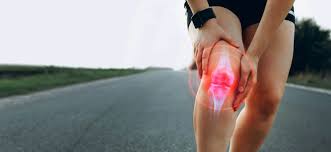

That sudden stab of pain shooting through your knee when you bend down can stop you in your tracks. One moment you’re reaching for something on the floor, and the next you’re gripping your knee wondering what just happened. This sharp pain isn’t just uncomfortable – it’s your body sending an urgent message that something needs attention.
Knee pain when bending affects millions of people every year. The causes range from minor issues that heal on their own to serious injuries requiring medical intervention. Understanding why your knee hurts when you bend it is the first step toward finding relief and preventing further damage.
This article explains the most common reasons for sudden sharp knee pain during bending movements. You’ll learn about specific conditions, warning signs that require immediate medical attention, and what you can do to protect your knee joint.
Important: If you experience severe knee pain with inability to bear weight, visible deformity, intense swelling, or signs of infection (fever, warmth, redness), seek emergency medical care immediately. Don’t wait for symptoms to worsen.
Understanding Your Knee Joint Structure
Your knee is the largest joint in your body and one of the most complex. It connects your thighbone to your shinbone and allows for the bending and straightening movements essential for walking, running, and daily activities.
The knee joint contains several key structures that work together:
- Bones – The femur (thighbone), tibia (shinbone), and patella (kneecap) form the basic framework
- Cartilage – Smooth tissue covering bone ends and meniscus cushions that absorb shock
- Ligaments – Strong bands connecting bones and providing stability
- Tendons – Tissues connecting muscles to bones and enabling movement
- Bursae – Fluid-filled sacs reducing friction between tissues
When you bend your knee, all these components must work in harmony. The kneecap slides along a groove in the thighbone. The meniscus cushions compress. Ligaments stretch slightly while maintaining joint stability. Any disruption in this coordinated movement can cause pain.
The complexity of the knee joint means there are many potential sources of pain. Identifying which structure is affected helps determine the appropriate treatment approach.
Common Causes of Sharp Pain in Knee When Bending
Sharp pain in your knee during bending can stem from various conditions. Each cause has distinct characteristics that help identify the underlying problem. Understanding these common causes knee pain brings you closer to effective treatment.
Meniscus Tears
The meniscus is a C-shaped piece of cartilage that acts as a shock absorber between your thighbone and shinbone. Each knee has two menisci. When one tears, it creates one of the most common sources of knee pain bending.
Meniscus tears often happen during activities that involve twisting your knee while bearing weight. Athletes frequently experience these injuries, but they can also occur during everyday activities, especially as we age and cartilage becomes more brittle.
Signs of a meniscus tear include:
- Sharp pain behind knee or along the joint line
- Popping sensation at the time of injury
- Swelling that develops within 24 hours
- Difficulty straightening your knee completely
- Feeling that your knee might give way
- Locking or catching sensation during movement
The severity of meniscus tear symptoms varies. Small tears might cause mild discomfort, while larger tears can make weight-bearing painful. Your knee might feel unstable, particularly when changing direction or climbing stairs.
Ligament Injuries
Your knee relies on four major ligaments for stability. The anterior cruciate ligament (ACL) and posterior cruciate ligament (PCL) cross inside the joint. The medial collateral ligament (MCL) and lateral collateral ligament (LCL) run along the sides.
Ligament injuries cause sudden sharp pain and immediate swelling. ACL tears commonly occur during sports involving sudden stops or direction changes. MCL injuries often result from impact to the outer knee.
When ligaments are damaged, your knee may feel wobbly or unstable. You might hear a popping sound at the moment of injury. The knee joint often swells rapidly, sometimes within hours.
Partial ligament tears might allow some movement with pain. Complete tears often make bearing weight difficult or impossible. The location of pain helps identify which ligament is affected.
Patellar Tendinitis (Jumper’s Knee)

The patellar tendon connects your kneecap to your shinbone. Patellar tendinitis occurs when this tendon becomes inflamed from repetitive stress. The condition earns its nickname “jumper’s knee” because it frequently affects athletes in jumping sports.
This condition causes pain at the front kneecap, particularly during activities that involve bending the knee under load. Running, jumping, squatting, and climbing stairs typically aggravate the pain.
Early patellar tendinitis might cause pain only during or after physical activity. As the condition progresses, pain can occur during everyday movements. The area below the kneecap often feels tender when pressed.
Patellofemoral Pain Syndrome
Patellofemoral pain syndrome describes pain around or behind the kneecap. It’s one of the most common causes of knee pain, especially in younger, active individuals. The exact cause isn’t always clear, but it often involves improper tracking of the kneecap in its groove.
This condition creates a dull, aching pain that worsens with activities involving knee bending. Sitting with bent knees for extended periods often increases discomfort. Many people describe increased pain when climbing stairs or squatting.
Muscle imbalances, particularly weak quadriceps or tight hamstrings, contribute to patellofemoral pain. The kneecap may not glide smoothly in its groove, creating friction and inflammation.
Bursitis
Bursae are small, fluid-filled sacs that cushion the bones, tendons, and muscles near joints. Your knee contains several bursae. When these become inflamed, the condition is called bursitis.
Knee bursitis causes localized swelling and tenderness. The affected area might feel warm to the touch. Pain typically worsens when bending the knee or kneeling. Some types of bursitis create visible swelling at the front of the knee.
Repetitive kneeling or direct impact to the knee often triggers bursitis. The condition can develop gradually or appear suddenly after injury. Rest usually helps, but severe cases may require medical treatment.
Arthritis
Arthritis causes inflammation in the knee joint and can create significant pain during movement. Osteoarthritis, the most common type, results from wear and tear of cartilage over time. Rheumatoid arthritis is an autoimmune condition affecting the joint lining.
Arthritis pain typically develops gradually. Morning stiffness is common, often improving with gentle movement. The knee might feel achy rather than sharp, though bending can create acute pain as bones rub together.
Weather changes sometimes affect arthritis symptoms. The knee may feel stiff after periods of inactivity. Swelling might come and go, and range of motion often decreases over time.
IT Band Syndrome
The iliotibial band is a thick piece of tissue running from your hip to your shin along the outside of your thigh. When this band becomes tight or inflamed, it can cause pain on the outer side of the knee.
IT band syndrome typically affects runners and cyclists. The pain usually occurs during repetitive bending and straightening movements. You might feel a sharp or burning sensation on the outside of the knee, particularly when your foot strikes the ground.
The pain often starts during activity and might disappear with rest. As the condition progresses, pain can persist even during walking. The outer knee area might feel tender when touched.
Get an Accurate Diagnosis for Your Knee Pain
Stop guessing about what’s causing your knee pain when bending. Our orthopedic specialists use advanced diagnostic imaging and comprehensive evaluation to identify the exact source of your discomfort. Early diagnosis leads to faster recovery and better outcomes.
When Sharp Knee Pain Requires Immediate Medical Attention
While some knee pain resolves with rest and home care, certain symptoms indicate serious injury requiring prompt medical evaluation. Recognizing these warning signs can prevent permanent damage and complications.

Seek emergency medical care if you experience:
- Inability to bear any weight on the affected leg
- Severe swelling that develops rapidly (within hours)
- Visible deformity or the knee appears out of place
- Intense pain that doesn’t improve with rest and ice
- Numbness or tingling in the lower leg or foot
- Knee feels completely unstable or gives way when standing
- Signs of infection including fever, warmth, and redness
- Inability to straighten or bend the knee at all
Schedule an appointment with a healthcare provider within a few days if you notice:
- Persistent pain lasting more than a week despite home treatment
- Recurrent swelling even after rest
- Grinding or clicking sounds accompanied by pain
- Stiffness that limits your daily activities
- Pain that worsens over time rather than improving
- Previous knee injury with new or changing symptoms
Your body communicates through pain. A minor ache might signal fatigue, but sharp, severe pain indicates tissue damage. Trust your instincts about the severity of your symptoms.
Delaying treatment for serious knee injuries can lead to chronic problems. Torn ligaments might not heal properly without intervention. Untreated meniscus tears can cause additional cartilage damage. Early medical evaluation provides the best chance for complete recovery.
Risk Factors That Increase Your Chance of Knee Pain
Certain factors make you more susceptible to developing knee pain when bending. Understanding these risk factors helps you take preventive measures and recognize when you might be at higher risk for injury.
Age-Related Factors
As we age, the structures in our knee undergo natural changes. Cartilage becomes thinner and less resilient. The meniscus becomes more brittle and prone to tearing from simple movements that wouldn’t have caused problems in younger years.
People over 40 face increased risk of degenerative meniscus tears. These can occur without a specific injury, developing gradually from normal wear and tear. Osteoarthritis risk also increases significantly with age.
The good news is that age-related changes don’t automatically mean pain. Many people maintain healthy, pain-free knees well into their senior years through proper care and exercise.
Weight and Body Mechanics
Excess body weight places additional stress on knee joints. Every pound of body weight creates approximately four pounds of pressure on your knees when walking. This multiplies during activities like climbing stairs or squatting.
Obesity significantly increases the risk of developing osteoarthritis. The extra weight accelerates cartilage breakdown. Weight management becomes crucial for both preventing and managing knee pain.
Body mechanics also matter. Poor posture and movement patterns create uneven stress distribution across the knee joint. This can lead to specific areas wearing down faster than others.

Activity Level and Sports Participation
Athletes in high-impact sports face elevated risk of acute knee injuries. Sports involving jumping, pivoting, or sudden direction changes stress the knee joint intensely. Basketball, soccer, football, and skiing create particularly high injury rates.
However, being sedentary also increases risk. Inactive people often have weaker muscles supporting the knee. When they suddenly engage in physical activity, their knees lack adequate support and protection.
The ideal approach involves regular, moderate activity that builds strength without excessive impact. This strengthens the muscles around the knee while maintaining joint health.
Previous Injuries
A history of knee injury dramatically increases your risk of future problems. Previous ligament tears make the joint less stable. Old meniscus injuries often don’t heal completely, leaving vulnerable tissue prone to re-injury.
Even injuries that seemed to heal completely can create lasting changes. Scar tissue might limit flexibility. Muscle weakness from time off during recovery might persist. Altered movement patterns developed during healing can stress the knee abnormally.
Anyone with previous knee injuries should take extra precautions during physical activity. Maintaining strong supporting muscles becomes even more critical. Proper warm-up and technique matter more than ever.
Muscle Imbalances and Weakness
The muscles surrounding your knee provide essential stability and shock absorption. Weak quadriceps muscles at the front of the thigh fail to properly support the kneecap. This can lead to patellofemoral pain and increased injury risk.
Tight hamstrings at the back of the thigh alter knee mechanics. Weak hip muscles force the knee to compensate, often causing improper alignment. These imbalances create uneven stress distribution across the joint.
Muscle weakness often develops gradually. You might not notice it until pain appears. Regular strength training helps prevent these imbalances from developing.
Prevention Strategy: Regular exercise focusing on quadriceps, hamstrings, and hip strength can reduce knee injury risk by up to 50%. Even 15-20 minutes of targeted exercises three times per week provides significant protection.
How Doctors Diagnose the Cause of Your Knee Pain
Accurate diagnosis is essential for effective treatment. Healthcare providers use several methods to determine what’s causing your knee pain when bending. The diagnostic process typically follows a systematic approach.

Physical Examination
Your doctor begins with a thorough physical examination. They’ll ask about your symptoms, when they started, and what makes them better or worse. This medical history provides crucial clues about the underlying condition.
The physical exam includes several specific tests:
- Inspection for visible swelling, bruising, or deformity
- Palpation to identify tender areas and check for warmth
- Range of motion testing to assess flexibility and pain points
- Stability tests to evaluate ligament integrity
- Strength testing of surrounding muscles
- Gait analysis to observe how you walk
Special maneuvers help identify specific injuries. The McMurray test detects meniscus tears. The Lachman test assesses ACL integrity. These tests, when combined, often point toward a specific diagnosis before any imaging is needed.
Imaging Studies
While physical examination provides valuable information, imaging studies reveal what’s happening inside your knee. Different imaging techniques serve different purposes.
X-rays show bone structure clearly. They’re excellent for detecting fractures, arthritis, and alignment issues. However, x-rays don’t reveal soft tissue damage like torn ligaments or meniscus tears.
MRI scans provide detailed images of soft tissues. They can identify meniscus tears, ligament injuries, cartilage damage, and inflammation. MRI is often the gold standard for diagnosing internal knee problems.
Ultrasound can visualize tendons, ligaments, and fluid accumulation. It’s particularly useful for detecting bursitis and some types of tendon injuries. The real-time nature of ultrasound allows doctors to see structures during movement.
CT scans offer detailed bone images from multiple angles. They’re less common for knee evaluation but useful in complex fracture cases or when planning surgery.
Additional Diagnostic Tests
Sometimes additional tests are necessary. Arthroscopy involves inserting a tiny camera into the knee joint. This allows direct visualization of internal structures and can serve as both diagnostic tool and treatment method.
Blood tests might be ordered if infection or inflammatory arthritis is suspected. Elevated markers can indicate these conditions even when imaging appears normal.
Joint fluid analysis involves removing a small sample of fluid from the knee. This can detect infection, gout, or other crystal diseases affecting the joint.
Treatment Options for Knee Pain When Bending
Treatment for knee pain depends on the underlying cause, severity of symptoms, and your overall health. Most conditions respond well to conservative treatments, though some injuries require surgical intervention.
Conservative Treatment Approaches

Conservative treatment should always be the first approach unless you have severe injury requiring immediate surgery. These methods are effective for many knee conditions and carry minimal risk.
The RICE protocol forms the foundation of initial treatment:
- Rest: Avoid activities that cause pain, allowing damaged tissues to heal
- Ice: Apply cold packs for 15-20 minutes several times daily to reduce swelling
- Compression: Use an elastic bandage to minimize swelling and provide support
- Elevation: Keep your knee raised above heart level when possible
Over-the-counter pain medications can provide relief. Non-steroidal anti-inflammatory drugs (NSAIDs) like ibuprofen reduce both pain and inflammation. Acetaminophen helps with pain but doesn’t address swelling.
Activity modification allows continued movement while protecting the knee. You might switch from running to swimming, or from high-impact to low-impact exercises. Maintaining some activity prevents muscle weakness while avoiding aggravating movements.
Physical Therapy
Physical therapy plays a crucial role in treating many knee conditions. A skilled physical therapist designs a program targeting your specific problem. These exercises strengthen muscles, improve flexibility, and correct movement patterns.
Physical therapy programs typically include several components. Strengthening exercises build muscle support around the knee. Quadriceps strengthening particularly helps with patellofemoral pain and general knee stability.
Stretching exercises improve flexibility in tight muscles. Hamstring and calf stretches often provide significant relief. Hip flexibility exercises help maintain proper knee alignment.
Balance and proprioception training improve knee stability. These exercises teach your body to respond quickly to changes in position. This reduces injury risk and improves confidence in the knee.
Manual therapy techniques performed by the therapist can reduce pain and improve mobility. These might include massage, joint mobilization, or specialized stretching methods.
Most people notice improvement within 4-6 weeks of consistent physical therapy. However, the full program might last several months. Compliance with home exercises significantly impacts outcomes.
Medications and Injections
When over-the-counter medications prove insufficient, prescription options exist. Stronger NSAIDs can provide greater anti-inflammatory effect. Your doctor might prescribe these for short-term use during acute flare-ups.
Corticosteroid injections deliver powerful anti-inflammatory medication directly into the knee joint. These can provide significant pain relief for conditions like arthritis or bursitis. The effects typically last several weeks to months.
Hyaluronic acid injections supplement the natural lubricating fluid in your knee. These are sometimes used for arthritis treatment. Research shows mixed results, but some people experience substantial benefit.
Platelet-rich plasma (PRP) injections use concentrated platelets from your own blood. These contain growth factors that may promote healing. PRP shows promise for certain tendon injuries and early arthritis.
Bracing and Support
Knee braces serve different purposes depending on your condition. Compression sleeves provide mild support and warmth. These help with minor pain and swelling.
Patellar stabilizing braces help align the kneecap properly. These benefit people with patellofemoral pain syndrome. The brace guides the kneecap to track correctly in its groove.
Hinged braces provide stability after ligament injuries. These allow controlled movement while preventing harmful motions. Athletes often use these when returning to sport after injury.
Unloader braces shift weight away from damaged areas of the knee. These help people with arthritis affecting one side of the joint. The brace reduces pain by decreasing pressure on the affected area.
Surgical Treatment

Surgery becomes necessary when conservative treatments fail or for severe injuries. Modern surgical techniques often use minimally invasive approaches that speed recovery.
Arthroscopic surgery involves small incisions and a tiny camera. Surgeons can repair or remove torn meniscus tissue. They can reconstruct torn ligaments using grafts. Damaged cartilage can be trimmed or repaired.
Meniscus repair surgery preserves the natural cushioning tissue when possible. This provides better long-term outcomes than removal. However, not all tears can be repaired. Blood supply to the meniscus is limited, affecting healing potential.
Ligament reconstruction rebuilds torn ligaments using tissue grafts. ACL reconstruction is one of the most common procedures. Recovery typically requires 6-9 months before returning to full activity.
Partial knee replacement removes only the damaged portion of the joint. This option suits people with arthritis affecting just one compartment. Recovery is faster than total knee replacement.
Total knee replacement involves removing damaged joint surfaces and replacing them with metal and plastic components. This procedure is reserved for severe arthritis that hasn’t responded to other treatments. Modern implants can last 20 years or more.
Cartilage restoration procedures attempt to regrow damaged cartilage. Techniques include microfracture, where small holes in bone stimulate healing, and cartilage transplantation. These work best in younger patients with isolated cartilage damage.
Exercises and Prevention Strategies
Preventing knee pain is far easier than treating it. Regular exercises that strengthen and stretch the muscles around your knee provide significant protection against injury and pain.

Strengthening Exercises for Knee Health
Strong muscles surrounding the knee joint provide stability and shock absorption. These exercises target the key muscle groups that support your knee.
Straight Leg Raises: Lie on your back with one leg bent and one straight. Tighten the thigh muscle of the straight leg and lift it to the height of the bent knee. Hold for 5 seconds, then lower slowly. Perform 10-15 repetitions per leg. This strengthens quadriceps without stressing the knee joint.
Wall Squats: Stand with your back against a wall. Slide down until your thighs are nearly parallel to the floor, as if sitting in a chair. Hold for 10-30 seconds. This builds quadriceps, hamstrings, and gluteal strength while maintaining proper alignment.
Hamstring Curls: Stand holding a chair for balance. Bend one knee, bringing your heel toward your buttocks. Lower slowly. Perform 10-15 repetitions per leg. Strong hamstrings balance quadriceps strength and protect the knee.
Step-Ups: Use a stable step or platform. Step up with one foot, then the other, then step down. Start with a low step and progress to higher steps as strength improves. This functional exercise mimics climbing stairs and builds real-world strength.
Clamshells: Lie on your side with knees bent. Keep feet together while lifting the top knee, opening your legs like a clamshell. This strengthens hip abductors, which stabilize the entire leg and prevent inward knee collapse.
Stretching for Flexibility
Flexible muscles allow proper movement patterns and reduce strain on the knee joint. Hold each stretch for 30 seconds and repeat 2-3 times.
Hamstring Stretch: Sit on the floor with one leg extended. Reach toward your toes, keeping your back straight. You should feel the stretch in the back of your thigh. Tight hamstrings alter knee mechanics and contribute to pain.
Quadriceps Stretch: Stand on one leg, holding a chair for balance. Bend the other knee, grasping your ankle and pulling your heel toward your buttocks. Keep your knees together. This maintains quadriceps flexibility essential for proper kneecap tracking.
Calf Stretch: Stand facing a wall with one foot forward and one back. Keep the back leg straight with heel down. Lean forward until you feel a stretch in your back calf. Tight calf muscles affect how forces transfer through the leg to the knee.
IT Band Stretch: Stand and cross one leg behind the other. Lean to the side away from the back leg. You should feel the stretch along the outside of your hip and thigh. This reduces IT band tension that can cause lateral knee pain.
Low-Impact Activities
Certain exercises provide cardiovascular benefits and maintain fitness without excessive knee stress. These are excellent choices for people with knee pain or those recovering from injury.
Swimming and water aerobics eliminate impact while providing resistance. The buoyancy of water supports your body weight, reducing joint stress by up to 90%. All major muscle groups get worked without pain.
Cycling maintains knee mobility and builds leg strength with minimal impact. Stationary bikes allow controlled resistance adjustment. Proper bike fit is crucial – your knee should have a slight bend at the bottom of each pedal stroke.
Elliptical machines provide cardiovascular exercise without the impact of running. The smooth, gliding motion maintains knee joint flexibility while building endurance and strength.
Walking on flat, even surfaces offers gentle exercise that most people can tolerate. Start with short distances and gradually increase. Proper footwear with good cushioning and support makes a significant difference.
Daily Prevention Habits
Small changes in daily activities can significantly reduce knee stress and prevent pain:
- Maintain healthy body weight to reduce joint stress
- Wear supportive, well-cushioned shoes
- Avoid prolonged kneeling or squatting when possible
- Use proper lifting techniques, bending at hips and knees
- Take breaks during repetitive activities
- Warm up before exercise and cool down afterward
- Progress gradually when starting new activities
- Listen to your body and rest when you feel pain
Proper technique during exercise and daily activities prevents abnormal stress on knee structures. When lifting, squat down rather than bending at the waist. Keep your knees aligned over your feet – don’t let them collapse inward.
Footwear matters more than most people realize. Worn-out shoes lose cushioning and support. Replace athletic shoes every 300-500 miles of use. Consider orthotics if you have flat feet or high arches that affect knee alignment.
What to Expect During Recovery
Recovery timelines vary significantly based on the cause of your knee pain and the treatment approach. Understanding what to expect helps you stay patient and committed to your recovery plan.
Minor Strains and Sprains
Mild knee injuries often improve within 1-2 weeks with rest and home care. You should notice decreased pain within the first few days. Swelling typically subsides within a week.
Return to normal activities gradually. Start with gentle movement and progress as pain allows. Full recovery usually occurs within 2-4 weeks.
Tendinitis and Bursitis
These inflammatory conditions respond well to rest and anti-inflammatory treatment. Acute symptoms often improve within 2-3 weeks. However, complete healing takes longer.
Physical therapy helps prevent recurrence. Most people return to full activity within 6-8 weeks if they follow treatment recommendations consistently.
Meniscus Tears
Small meniscus tears treated conservatively may improve within 4-6 weeks. However, some tears don’t heal completely and cause persistent symptoms.
After meniscus surgery, you might walk without crutches within days. Return to sports typically takes 3-6 months depending on the procedure and your activity level.
Ligament Injuries
Minor ligament sprains heal within 2-6 weeks with proper rest and rehabilitation. Moderate sprains require 6-12 weeks of careful treatment.
After ligament reconstruction surgery, full recovery spans 6-12 months. Athletes often require 9-12 months before returning to competitive sports safely.
Several factors influence recovery speed. Age plays a role – younger people generally heal faster. Your overall health and fitness level matter significantly. Commitment to physical therapy and home exercises dramatically affects outcomes.
Complications can slow recovery. Re-injury during rehabilitation sets you back. Developing compensatory movement patterns in other joints creates new problems. Following your treatment plan carefully minimizes these risks.
Patience is crucial. Trying to return to activity too quickly risks re-injury and chronic problems. Trust the process and communicate openly with your healthcare providers about your progress and concerns.
Managing Chronic Knee Conditions
Some knee conditions become chronic, requiring ongoing management rather than cure. Learning to live well with chronic knee pain involves adapting activities and maintaining consistent care habits.

Arthritis Management
Knee arthritis is progressive, meaning it typically worsens over time. However, proper management can slow progression and maintain quality of life for many years.
Regular low-impact exercise keeps joints mobile and muscles strong. Weight management reduces joint stress substantially. Even a 10-pound weight loss can significantly decrease knee pain in people with arthritis.
Medication management often involves balancing pain relief with minimizing side effects. Work with your doctor to find the most effective regimen. Some people use NSAIDs intermittently during flare-ups rather than continuously.
Assistive devices like canes or walkers reduce knee stress during daily activities. Many people resist these aids, but they can dramatically improve mobility and independence. Using a cane in the hand opposite your painful knee provides maximum benefit.
Heat and cold therapy provide symptomatic relief. Heat before activity loosens stiff joints. Ice after activity reduces inflammation and pain. Both are safe, effective tools you can use at home.
Adapting Your Lifestyle
Living with chronic knee pain often requires modifying how you perform daily tasks. Small adaptations can make big differences in pain levels and function.
Ergonomic modifications at home help. Install grab bars in the bathroom. Use a shower chair to avoid standing for extended periods. Raise the height of your toilet seat to reduce stress when sitting and standing.
Activity pacing prevents overuse flare-ups. Break large tasks into smaller segments with rest periods between. This allows you to accomplish goals without triggering severe pain.
Choose activities that maintain fitness without aggravating your knee. Many people with knee arthritis successfully swim, cycle, or do yoga. These keep you active while protecting your joints.
Emotional and Mental Health
Chronic pain affects mental health significantly. Depression and anxiety commonly accompany chronic knee conditions. Addressing these aspects of your health is just as important as treating the physical pain.
Support groups connect you with others facing similar challenges. Sharing experiences and coping strategies provides both practical help and emotional support.
Stress management techniques like meditation, deep breathing, or mindfulness can reduce pain perception. The mind-body connection is powerful – mental stress often amplifies physical pain.
Maintain social connections and activities you enjoy. Isolation worsens both pain and mood. Adapt activities as needed, but don’t withdraw from life because of your knee.
Frequently Asked Questions About Knee Pain When Bending
Can knee pain when bending go away on its own?
Minor knee pain from muscle strain or temporary inflammation often resolves within 1-2 weeks with rest, ice, and over-the-counter pain medication. However, sharp pain from structural damage like meniscus tears or ligament injuries typically doesn’t heal without treatment. If pain persists beyond a week or worsens, seek medical evaluation. Early treatment prevents minor problems from becoming chronic conditions.
Is it okay to exercise with knee pain when bending?
This depends on the cause and severity of your pain. Gentle, low-impact exercises like swimming or cycling often help by maintaining strength and mobility. However, activities that cause sharp pain or swelling should be avoided. Listen to your body – dull achiness that improves with movement is different from sharp pain that worsens. Consult a healthcare provider or physical therapist for guidance on safe exercises for your specific condition.
What’s the difference between sharp pain and dull pain in the knee?
Sharp knee pain typically indicates acute injury to structures like ligaments, meniscus, or tendons. It’s sudden, intense, and well-localized. Dull, aching pain often suggests chronic conditions like arthritis or overuse injuries. Sharp pain usually requires more urgent evaluation, especially if accompanied by swelling, instability, or inability to bear weight. Dull pain that persists or worsens over time also needs medical attention but is typically less urgent.
Should I use heat or ice for knee pain when bending?
Use ice for acute injuries and inflammation – the first 48-72 hours after injury or during flare-ups of chronic conditions. Ice reduces swelling and numbs pain. Apply for 15-20 minutes several times daily. Heat works better for chronic stiffness and muscle tension. Use heat before activity to loosen the joint. Never apply heat to acute injuries or visible swelling, as this can worsen inflammation.
How long should I wait before seeing a doctor for knee pain?
Seek immediate medical care for severe pain, inability to bear weight, visible deformity, or signs of infection. For moderate pain without these red flags, try home treatment for 3-5 days. If pain doesn’t improve or worsens despite rest and ice, schedule an appointment. Don’t wait more than 1-2 weeks with persistent pain, as early treatment prevents complications and speeds recovery.
Can diet affect knee pain?
Yes, diet influences knee pain in several ways. Excess weight increases joint stress, so weight management through healthy eating helps significantly. Anti-inflammatory foods like fatty fish, nuts, berries, and leafy greens may reduce inflammation. Some people find that certain foods trigger arthritis flare-ups. Staying hydrated supports cartilage health. While diet alone won’t cure knee problems, it’s an important part of comprehensive management.
Are knee braces helpful for pain when bending?
Knee braces can help depending on your condition. Compression sleeves provide mild support and may reduce swelling. Patellar stabilizing braces help with kneecap tracking problems. Hinged braces offer stability after ligament injuries. However, braces aren’t a cure – they’re tools to support healing or manage symptoms. Long-term brace use without addressing underlying problems can lead to muscle weakness. Use braces as directed by your healthcare provider as part of a comprehensive treatment plan.
Will I need surgery for my knee pain when bending?
Most knee pain responds to conservative treatment including rest, physical therapy, and medication. Surgery becomes necessary only when non-surgical treatments fail or for severe structural damage like complete ligament tears. Even significant meniscus tears often improve with physical therapy. Your doctor will exhaust conservative options before recommending surgery. If surgery is needed, modern minimally invasive techniques offer faster recovery than traditional approaches.
Taking Control of Your Knee Health
Sudden sharp pain in your knee when bending shouldn’t be ignored. Your body is communicating that something needs attention. Whether the cause is a minor strain or a significant injury, understanding your symptoms empowers you to take appropriate action.
Most knee pain responds well to early intervention. Simple measures like rest, ice, and strengthening exercises resolve many conditions. When conservative treatment isn’t enough, modern medical options provide effective relief. The key is addressing problems early before they become chronic.
Your knees carry you through life. They deserve proper care and attention. Stay active with appropriate exercises. Maintain healthy body weight. Listen to pain signals and respond appropriately. These habits protect your knees and preserve your mobility for years to come.
Don’t let knee pain when bending limit your life. Whether you need simple home treatment or professional medical care, resources are available to help you return to pain-free movement. Take that first step today toward healthier, happier knees.
Ready to Take the Next Step Toward Pain-Free Knees?
Don’t let knee pain when bending control your life. Our experienced orthopedic specialists and physical therapists are ready to help you find relief and return to the activities you love. We offer comprehensive evaluation, personalized treatment plans, and ongoing support throughout your recovery journey.
Prefer to speak with someone?
Call: 1-800-555-1234Available 7 days a week, 8 AM – 8 PM EST