Blog

  • Knee Pain Symptoms and Causes

    Knee Pain Symptoms and Causes

    Knee Pain Symptoms and Causes: A Comprehensive Guide

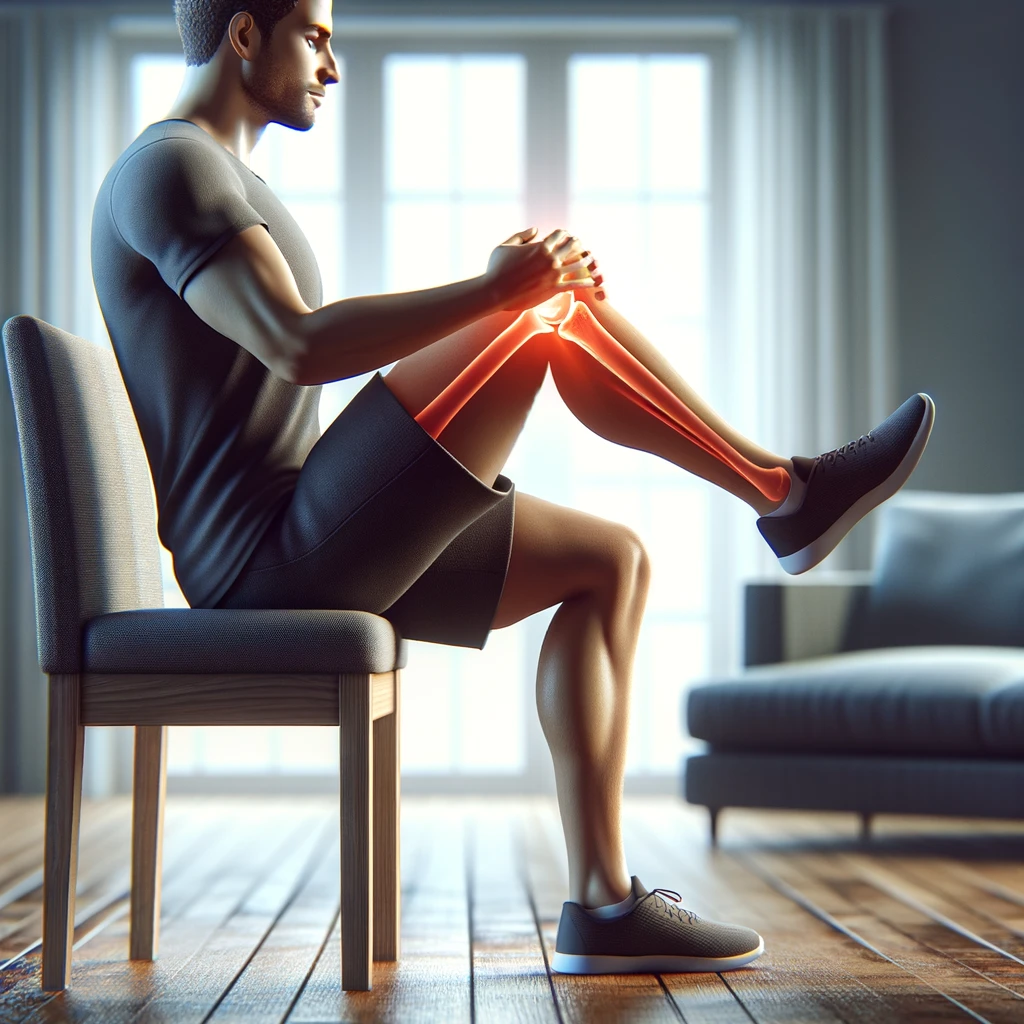
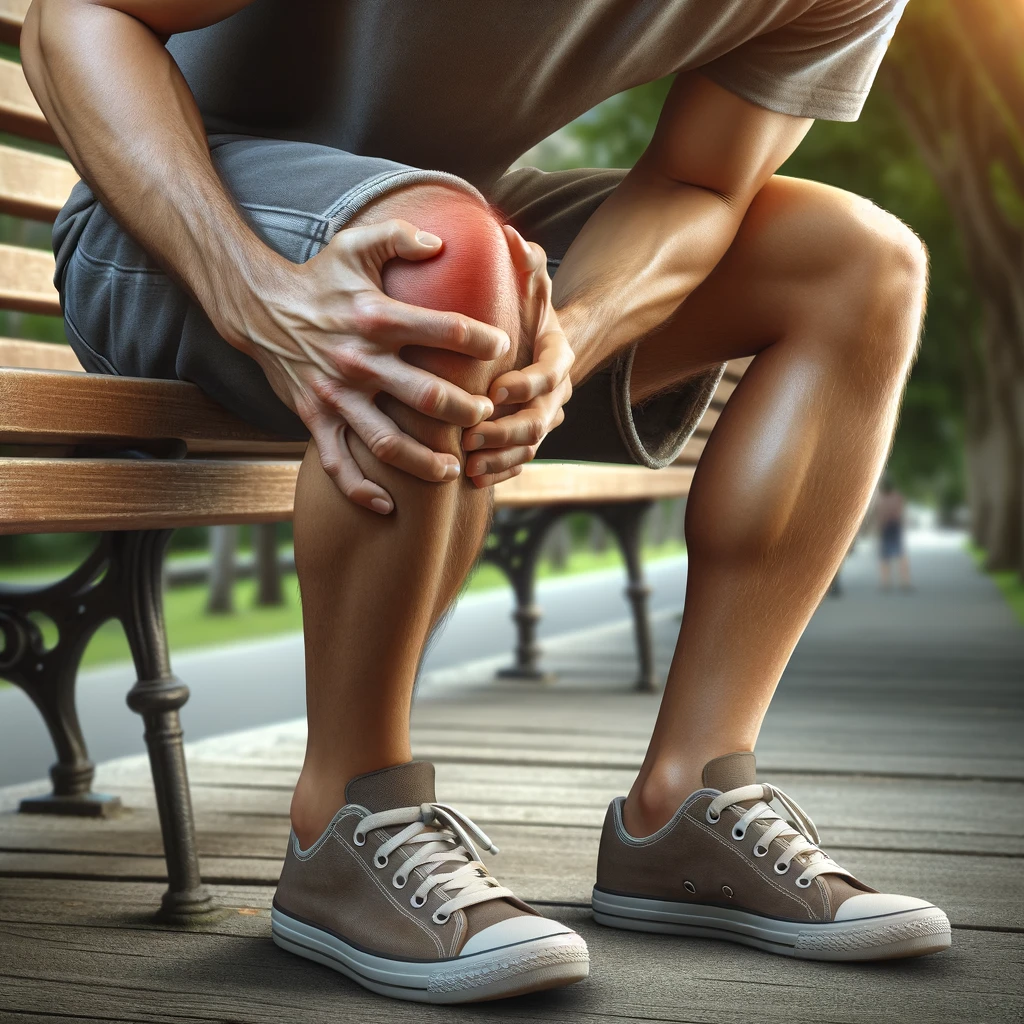
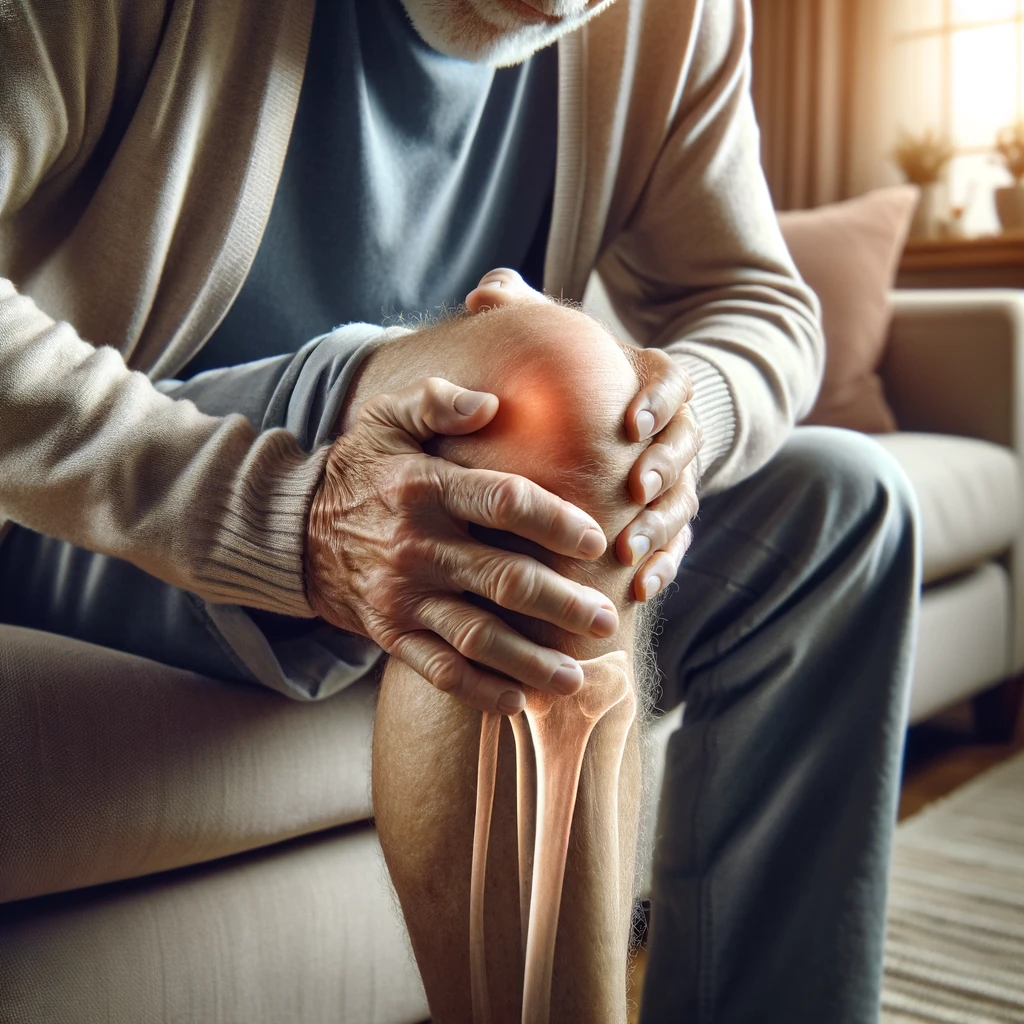
    Knee pain can be a bothersome issue that affects people of all ages. It may result from a number of factors, such as injuries like torn cartilage or ruptured ligaments, or medical conditions like arthritis, gout, and infections. Understanding the causes and symptoms of knee pain is essential for seeking timely and appropriate treatment to alleviate discomfort and prevent complications.

    In this article, we will explore the various factors that contribute to knee pain and gain insights into different treatment approaches. We will also discuss risk factors and preventive measures to help maintain healthy knees and maintain overall well-being.

    patellofemoral pain syndrome:

    Understanding Patellofemoral Pain Syndrome

    CategoryDetails
    DefinitionPain between the kneecap (patella) and thighbone (femur) due to abnormal biomechanical forces
    Common Causes– Kneecap maltracking/dysfunction<br>- Overuse from sports<br>- Tight quadriceps, IT band, calves <br>- Weak hip and gluteal stabilizers
    Contributing Factors– High Q-angle anatomy<br>- Poor movement patterns<br>- Sudden load increases without adaptation
    Affected Populations– Athletes <br>- Young active adults<br>- Older adults with kneecap arthritis
    Conservative Treatment– Taping/bracing to improve tracking <br>- Targeted stretching & strengthening <br>- Movement pattern retraining
    Surgical Options– Lateral release to loosen tight tissues<br>- Patellar reshaping procedures<br>- Kneecap cartilage resurfacing

    Key components of PFPS involve abnormal kneecap gliding, overloading tissue capacities through sports, and anatomical vulnerabilities. Conservative rehabilitation aims to correct the imbalances, while surgery is occasionally utilized for refractory cases to realign structures or halt arthritis progression.

    Key Takeaways

    • Knee pain can be caused by injuries or medical conditions like arthritis and gout.
    • Timely diagnosis and treatment can alleviate discomfort and prevent complications.
    • Understanding risk factors and preventive measures helps maintain healthy knees.

    Overview

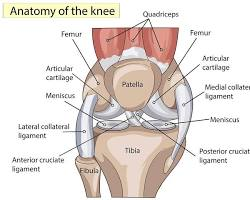
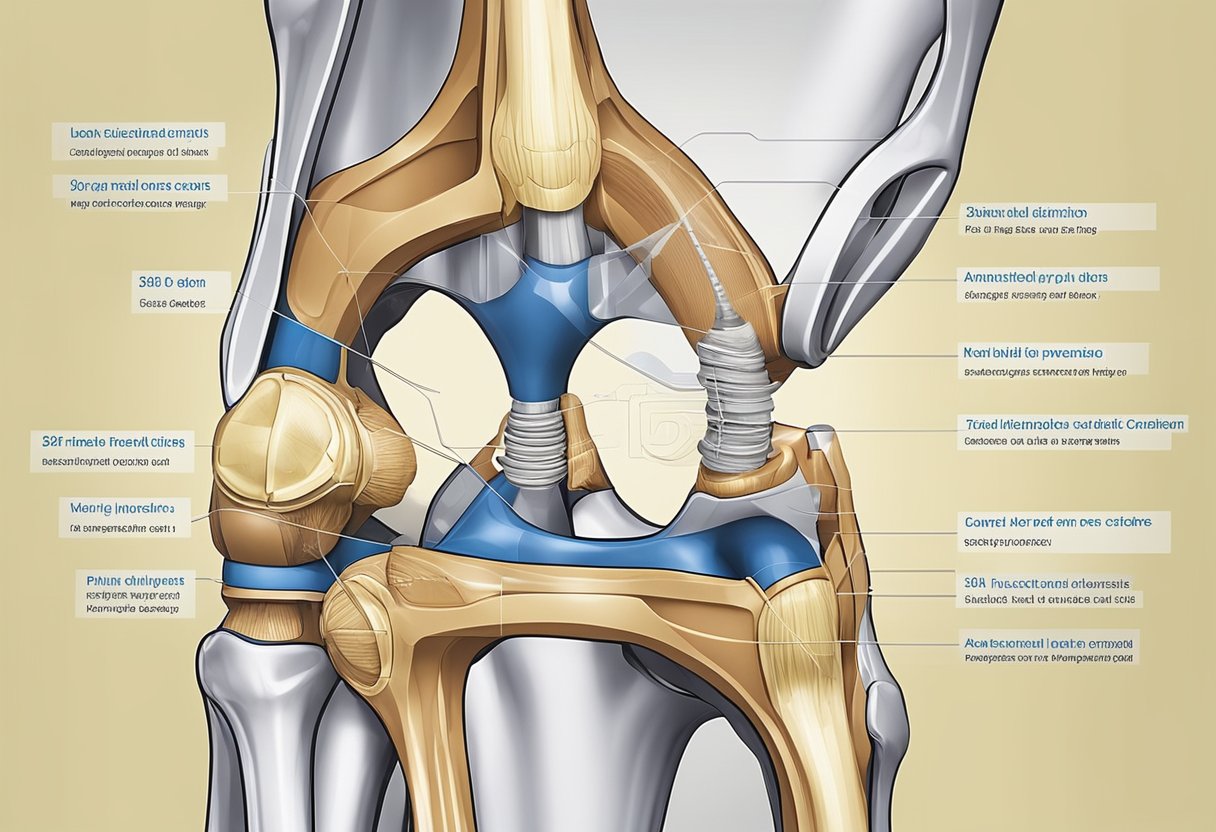
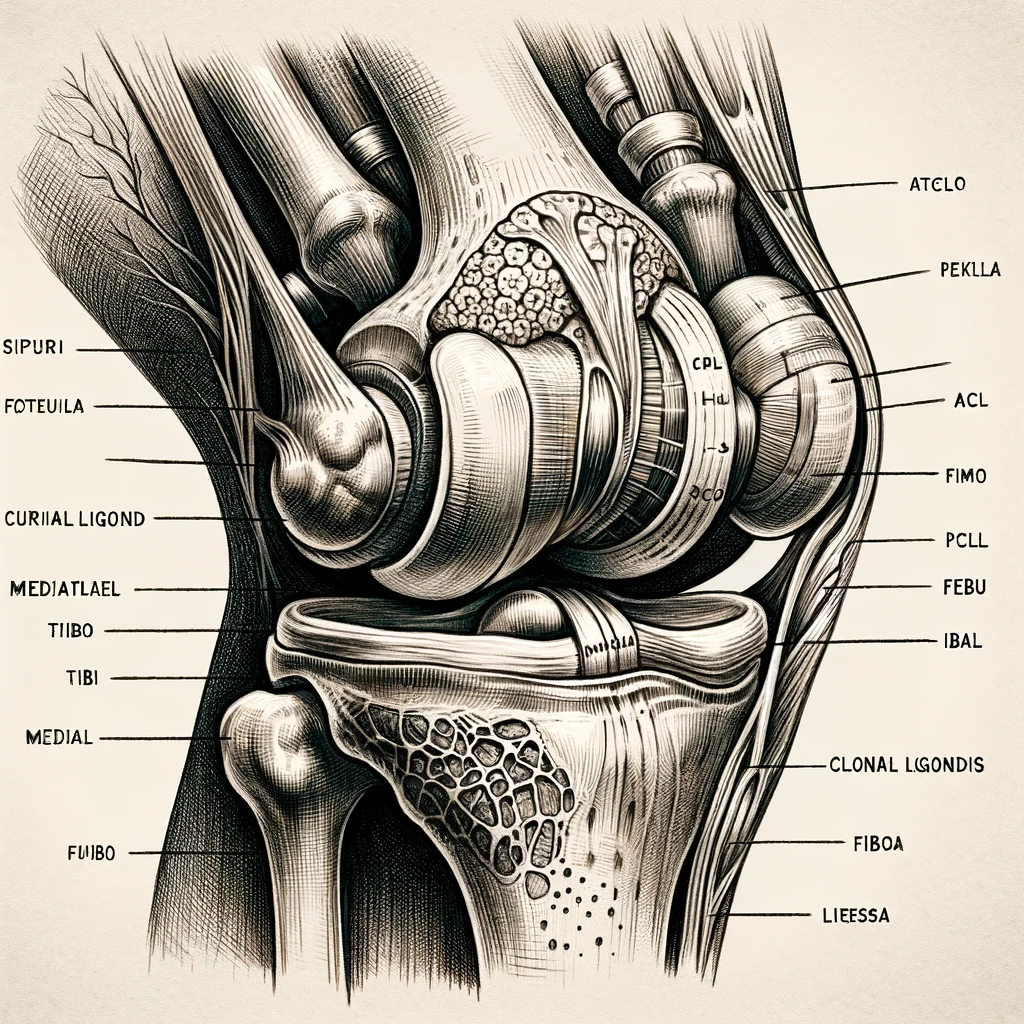
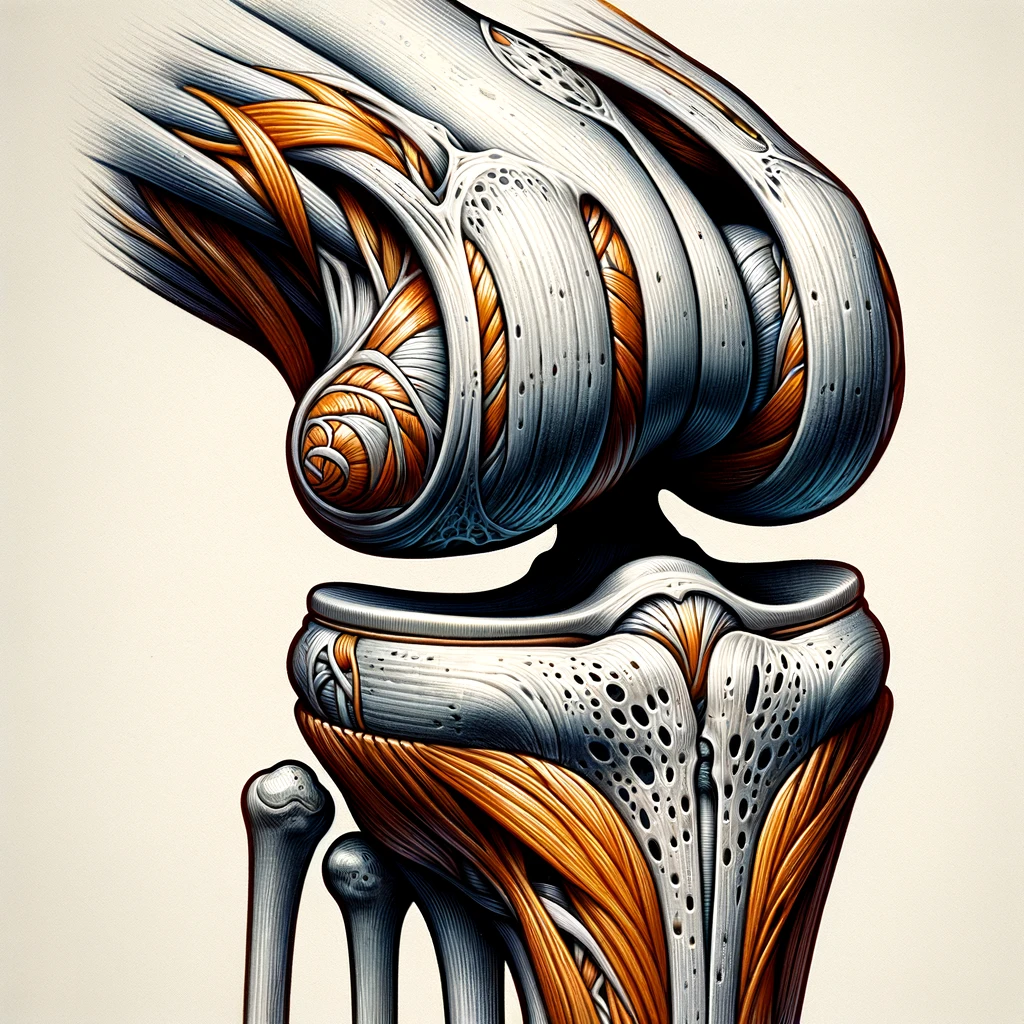
    Knee pain is highly prevalent and affects individuals of all age groups. It can stem from injuries such as torn cartilage or ruptured ligaments or be a result of medical conditions like arthritis, gout, and infections. Fortunately, most minor knee pain cases can be managed through self-care measures, while more severe cases may benefit from physical therapy, knee braces, or even surgical intervention. Our discussion will dive deeper into the complexities of knee pain, exploring muscles, joints, ligaments, tendons, and bones (tibia, patella, and femur) involved in the knee joint.
    3260325e cc5f 426e 80e9 6a1a2a7f263b

    Symptoms

    Recognizing the Signs

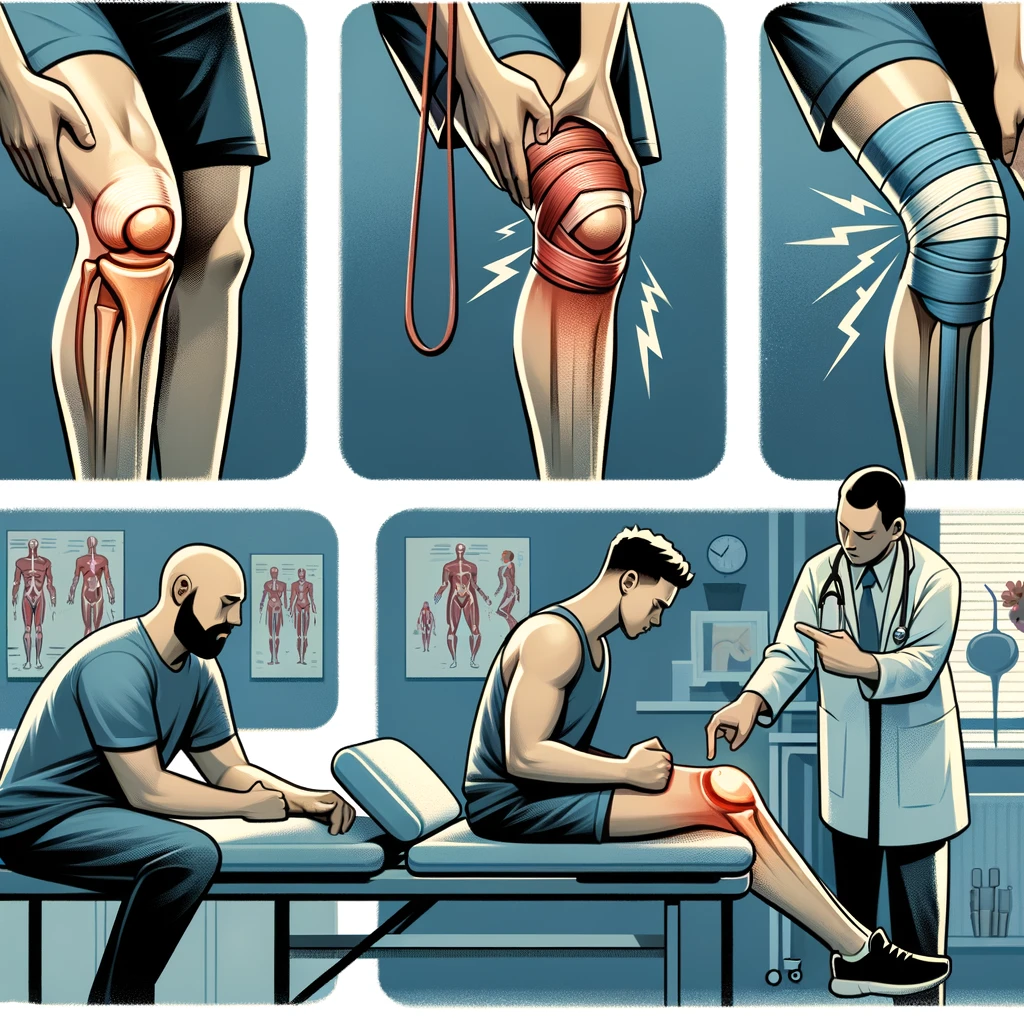
    Knee pain can manifest in various ways depending on the underlying issue. Some common symptoms accompanying knee pain are:

    • Swelling and stiffness
    • Redness and a warm sensation
    • Weakness or instability
    • Audible popping or crunching sounds
    • Difficulty fully straightening the knee

    Seeking Medical Attention

    We encourage you to consult your doctor if you experience any of the following:

    • Inability to bear weight on your knee or a feeling of instability
    • Significant swelling of the knee
    • Limited extension or flexing of the knee
    • Visible deformities in your leg or knee
    • Fever, accompanied by redness, pain, and swelling in the knee
    • Severe knee pain associated with an injury

    From Mayo Clinic to Your Inbox

    We’re excited to provide you with the latest research advancements, health tips, current health topics, and advice on managing your health straight to your inbox. Sign up for free and stay informed with information tailored to your needs.

    By signing up, we combine your email and website usage information with other details we have about you, ensuring the most relevant and helpful content is delivered to you. For Mayo Clinic patients, rest assured that your protected health information is treated with utmost care and used according to our privacy practices.

    Remember, you have the option to opt-out of our email communications at any time by simply clicking the unsubscribe link provided in the email.

    Causes of Knee Pain

    Injuries Affecting the Knee

    Knee injuries can involve various structures around the knee joint, such as ligaments, tendons, bursae, bones, and cartilage. Some common knee injuries are:

    • ACL injury: A tear in the anterior cruciate ligament, which connects the shinbone to the thighbone, often occurs in sports that require sudden directional changes like basketball or soccer.
    • Fractures: Knee bones, including the kneecap, may break due to falls or vehicle accidents. Osteoporosis can also lead to knee fractures from minor missteps.
    • Torn meniscus: The meniscus, the cartilage cushioning between the shinbone and thighbone, may tear if the knee is suddenly twisted while bearing weight.
    • Knee bursitis: Injuries may cause inflammation in the knee bursae, the fluid-filled sacs that enable smooth movement between tendons, ligaments, and the knee joint.
    • Patellar tendinitis: This refers to the irritation and inflammation of tendons attaching muscles to bones, particularly the patellar tendon connecting the kneecap and shinbone. It often occurs in runners, skiers, cyclists, and people involved in jumping sports.

    Mechanical Issues

    Mechanical problems causing knee pain include:

    • Loose body: Detached bone or cartilage fragments floating in the joint space can obstruct knee joint movement, akin to a pencil caught in a hinge.
    • Iliotibial band syndrome: Tightening of the iliotibial band, which extends from the hip to the outer knee, can cause rubbing against the thighbone. Distance runners and cyclists are prone to this condition.
    • Dislocated kneecap: The kneecap can slip out of place, typically to the knee’s outside. In some instances, the dislocation remains visible.
    • Hip or foot pain: Compensating for pain in the hips or feet by changing one’s gait can place extra stress on the knee joint, leading to pain.

    Forms of Arthritis

    Various types of arthritis can cause knee pain:

    • Osteoarthritis: This wear-and-tear condition results from the knee cartilage’s deterioration due to use and age.
    • Rheumatoid arthritis: An autoimmune disease potentially affecting any joint, including the knees. This chronic condition’s severity may fluctuate.
    • Gout: Occurs when uric acid crystals accumulate in the joint, typically affecting the big toe but also the knee.
    • Pseudogout: Often mistaken for gout, this condition stems from calcium-containing crystals in the joint fluid. The knee is the most frequently affected joint.
    • Septic arthritis: An infection in the knee joint may lead to swelling, pain, redness, and fever. It can quickly damage the knee cartilage, requiring urgent medical attention.

    Additional Issues

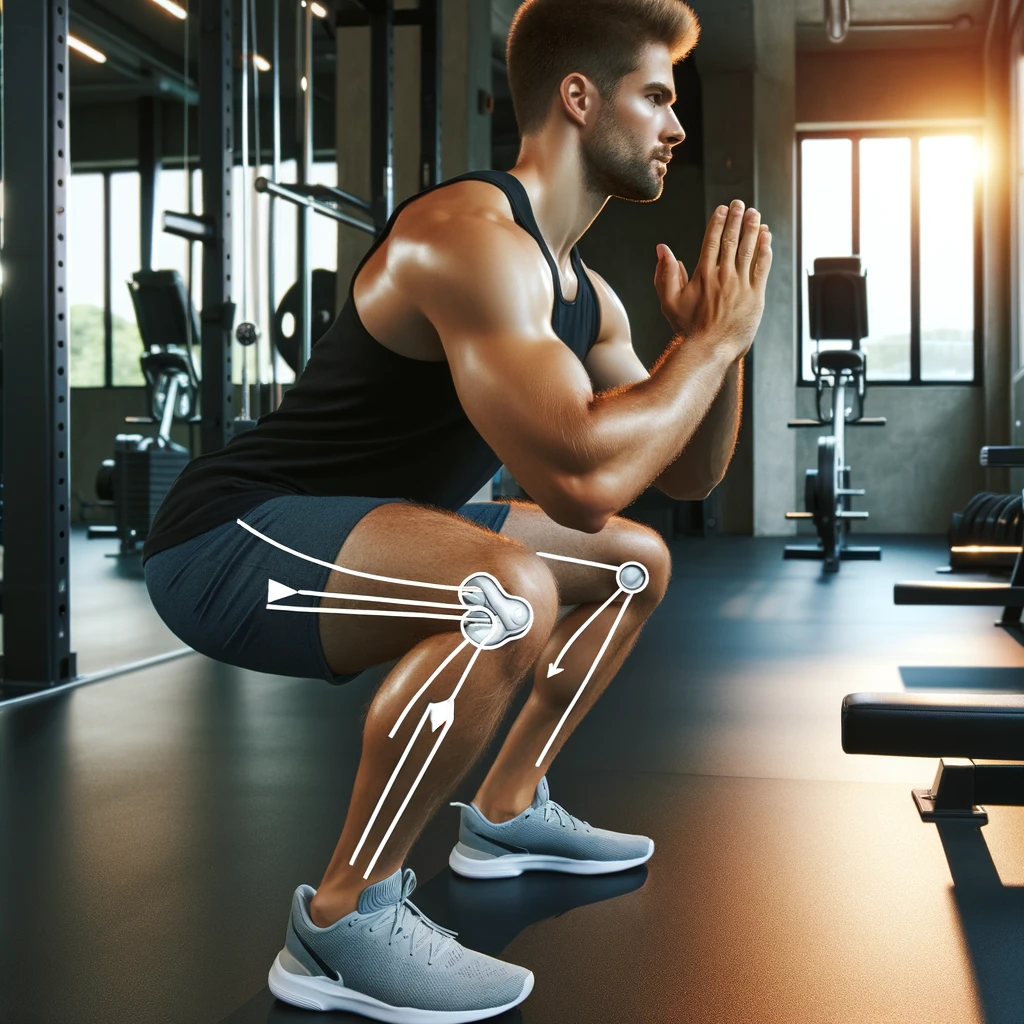
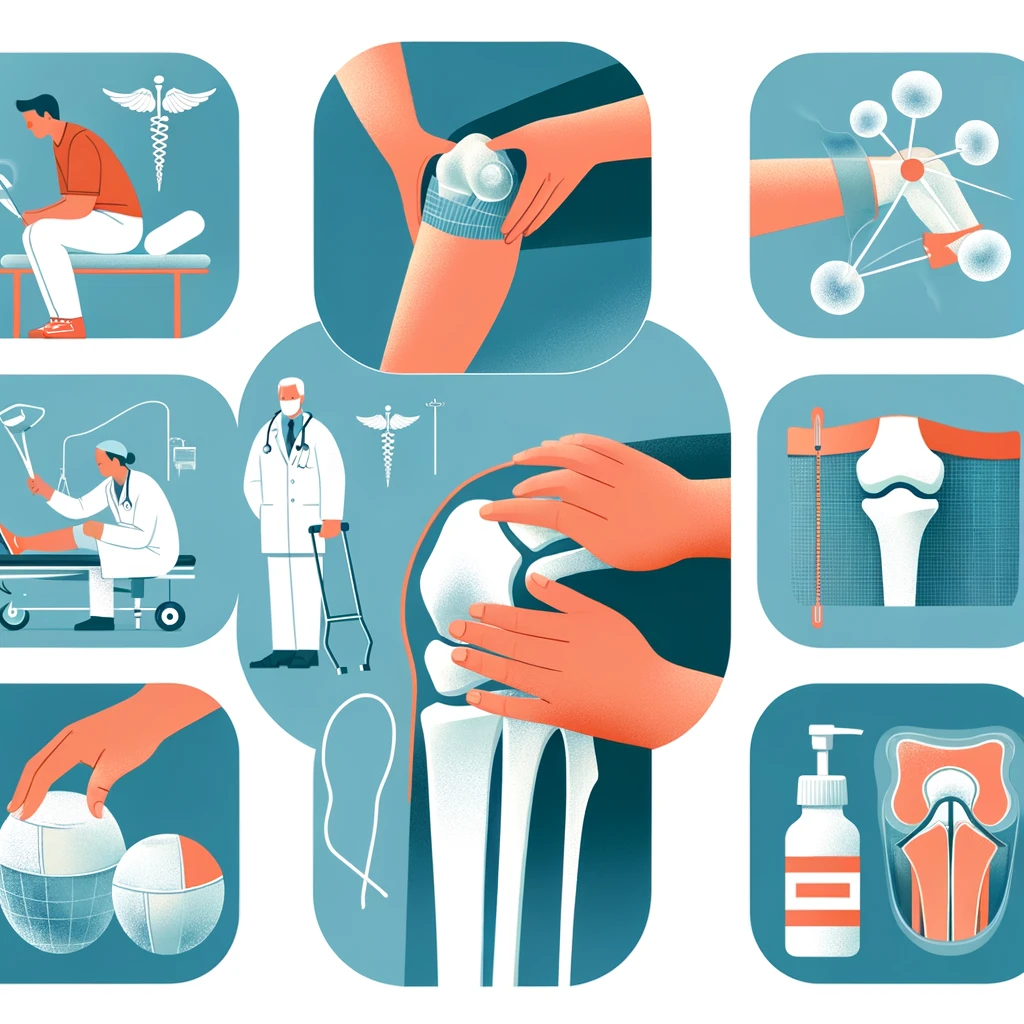
    Patellofemoral pain syndrome (PFPS) refers to discomfort between the kneecap (patella) and underlying thighbone (femur). It involves abnormal forces transmitted through the patellofemoral joint which is the articulation between these two structures. PFPS commonly affects certain populations, especially athletes who overloaded their knees through repetitive overuse from sports.

    The main culprit causing PFPS is maltracking or dysfunction of the kneecap as it glides up and down in a groove on the femur during knee bending. This maltracking indicates a biomechanical imbalance, often from tight muscles or anatomical misalignment pulling the cap sideways. This leads to increased pressures on the back of the patella and the adjacent cartilage, triggering pain.

    PFPS frequently develops in young active adults, particularly females, who have naturally higher “Q angles” – an anatomical measurement of kneecap positioning. It also occurs in some older adults for whom the cartilage under the kneecap has worn away significantly due to arthritis, causing bone-on-bone grinding. These groups appear predisposed towards developing knee pain from the aftermath of abnormal patellofemoral mechanics.

    Besides overuse from sports and vulnerable anatomy, other PFPS triggers involve sudden increases in loading too quickly. The muscles stabilizing the patella require adaptations to control loads safely. When demands exceed abilities, the kneecap tracking suffers. Additionally, poor movement patterns such as unbalanced squatting or jumping/landing with knock knees induces patellofemoral compression. Often tight quadriceps, IT bands and calves paired with weak hips/glutes contributes to dysfunction.

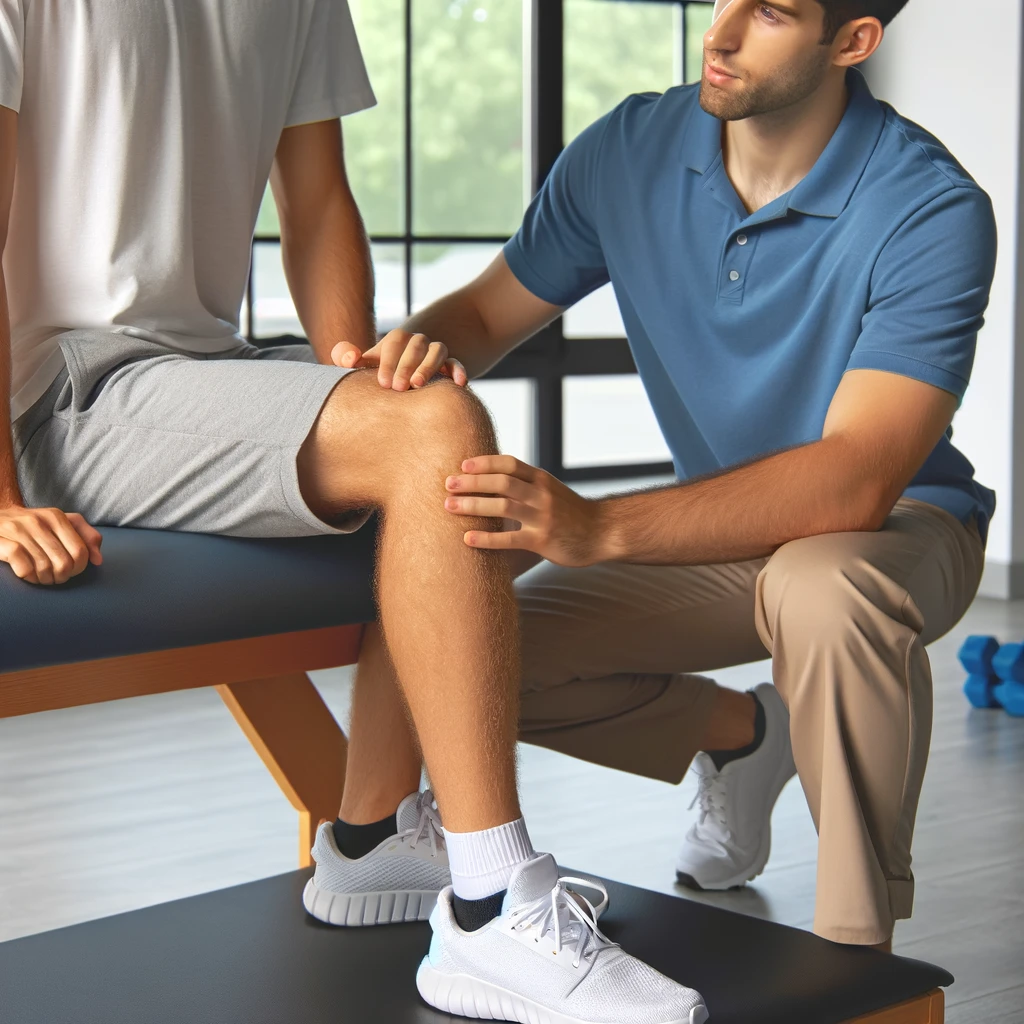
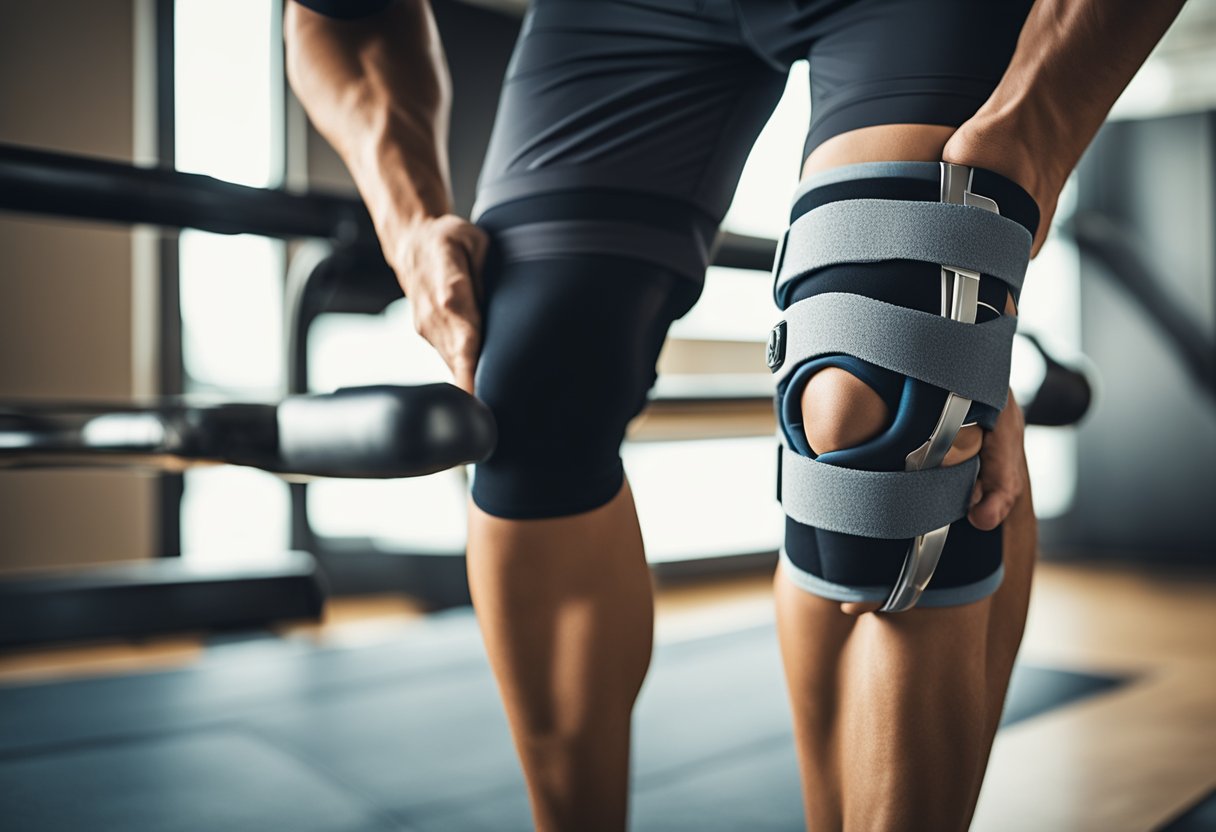
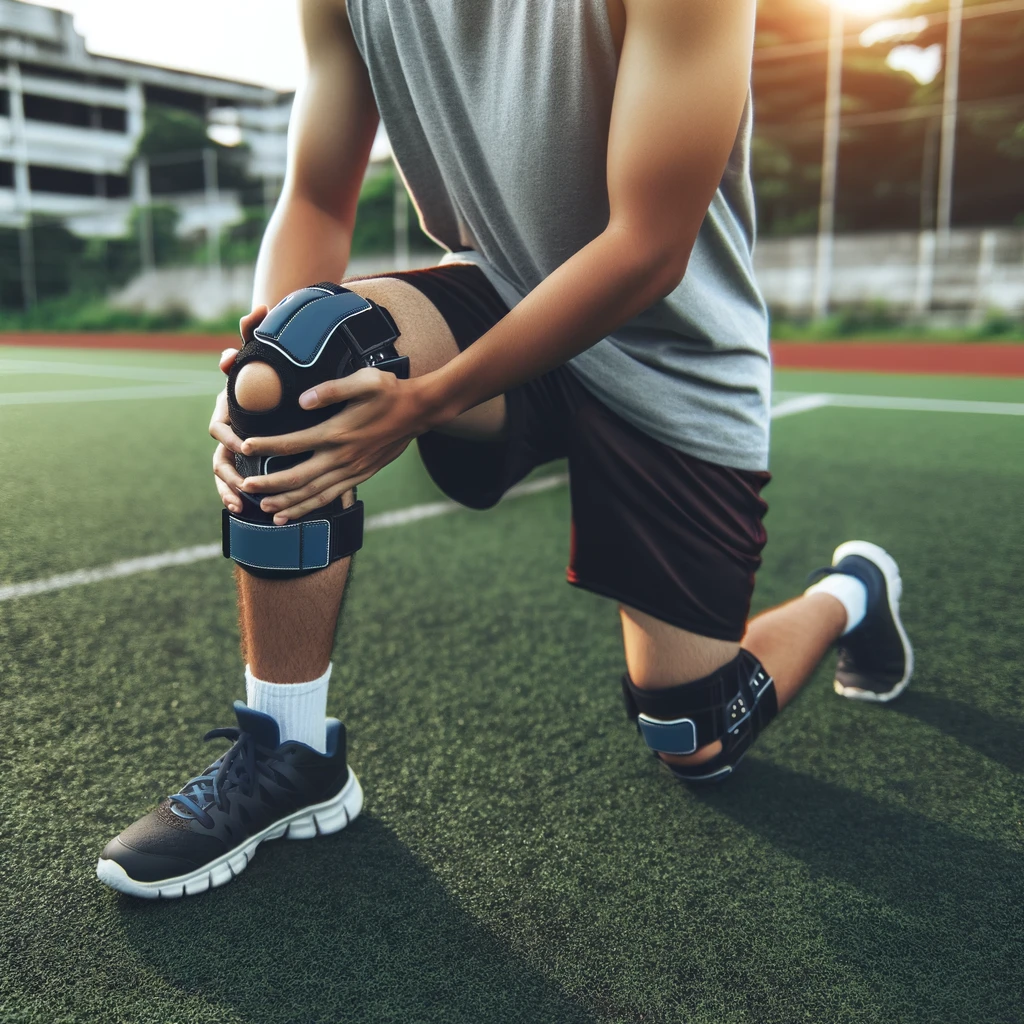
    Several targeted interventions aim at conservatively realigning the patella, strengthening deficient stabilizers, restoring ideal tracking and alleviating compression forces causing PFPS. Using braces, taping, customized exercise corrections and gait pattern retraining are common initial tactics under therapist guidance to calm pain and prevents recurrences. In some cases of refractory PFPS or significant arthritis, surgical options to release or reshape overtightened tissues or resurface damaged articulations provide longer term solutions.

  • Prevention Strategies for Knee Ligament Injuries

    Prevention Strategies for Knee Ligament Injuries

    Prevention Strategies for Knee Ligament Injuries: Professional Tips

    Knee ligament injuries are common among athletes and can be a frustrating setback for anyone who enjoys an active lifestyle. The knee joint is one of the largest and most complex joints in the body, making it vulnerable to various types of injuries. Understanding and identifying knee ligament injuries is crucial to prevent further damage and promote quick recovery.

    v2 32d9h 7v8oi

    The most common knee ligament injuries are the anterior cruciate ligament (ACL), medial collateral ligament (MCL), posterior cruciate ligament (PCL), and lateral collateral ligament (LCL). These injuries can occur due to direct trauma, such as contusions and strains, or from indirect trauma, such as sudden changes in direction. Symptoms of knee ligament injuries include pain, swelling, inflammation, and joint laxity. In this article, we will discuss five prevention strategies for knee ligament injuries to help maintain knee stability and prevent knee instability.

    professional tips for prevention strategies to help avoid knee ligament injuries:

    CategoryTips
    Strength & Flexibility Training– Emphasize hamstring, glute, quad, hip & core exercises<br>- Ensure muscle imbalances are addressed<br>- Use proper form/technique to prevent overstress
    Movement Control & Balance– Practice proper landing mechanics when jumping <br>- Enhance proprioception & body control<br>- Integrate deceleration drills
    Equipment & Environment– Wear supportive & appropriate footwear <br>- Tape or brace vulnerable knees if needed <br>- Ensure safe, even playing surfaces
    Loading & Recovery– Follow loading guidelines for ramping up intensity<br>- Avoid aggressive pivoting until tissues adapted<br>- Schedule adequate rest periods between sessions
    Body Composition & Nutrition– Prevent muscle loss during injury layoffs<br>- Maintain healthy BMI year-round<br>- Support exercise recovery nutritionally
    Mindset & Motivation– Foster positive, confident mentality<br>- Set smaller achievable goal steps <br>- Enlist social support structure

    The most effective ACL/knee ligament injury prevention programs take a comprehensive approach. Optimizing strength, movement mechanics, loading, and nutrition helps create resilience. Confidence in knee stability paired with caution towards unsafe mechanics allows for safer progression. Expert guidance tailoring programs is key for best injury deterrence.

    9c0fad6b da19 4bad 92cb dac1d9705c7d

    Key Takeaways

    • Understanding the anatomy of the knee joint and identifying knee ligament injuries can promote quick recovery.
    • Direct and indirect trauma can cause knee ligament injuries, leading to pain, swelling, inflammation, and joint laxity.
    • Five prevention strategies can help maintain knee stability and prevent knee instability, reducing the risk of knee ligament injuries.

    Understanding and Identifying Knee Ligament Injuries

    Knee ligament injuries are common among athletes and individuals who engage in physical activities that require jumping, pivoting, or sudden changes in direction. In this section, we will discuss the common types and causes of knee ligament injuries, how to identify symptoms and diagnose the injury, treatment and rehabilitation options, and the role of sex and age in knee ligament injuries.

    Common Types and Causes

    The most common types of knee ligament injuries are the anterior cruciate ligament (ACL) and medial collateral ligament (MCL) injuries. The ACL is usually injured during non-contact activities such as landing after a jump or sudden stops and changes in direction. On the other hand, the MCL is usually injured from a direct blow to the outer side of the knee, such as when playing football or hockey.

    Symptoms and Diagnosis

    The symptoms of knee ligament injuries include pain, swelling, bruising, and instability. The diagnosis of knee ligament injuries is usually made through a physical exam and imaging tests such as MRI or X-rays. It is important to seek medical attention if you experience any of these symptoms.

    Treatment and Rehabilitation

    The treatment and rehabilitation of knee ligament injuries depend on the severity of the injury. Treatment options include rest, ice, compression, and elevation (RICE), physical therapy, and surgery. Rehabilitation includes exercises to improve range of motion, strength, and mobility. It is important to follow the guidance of a physical therapist or orthopedic surgeon to ensure proper recovery.

    Role of Sex and Age

    Research shows that females are more prone to knee ligament injuries than males due to differences in anatomy, form, and hormones such as estrogen and relaxin. Additionally, age plays a role in knee ligament injuries, with individuals over 50 years old being at a higher risk due to decreased muscle strength and flexibility.

    Sports and Injuries

    Knee ligament injuries are common in sports that require sudden stops and changes in direction such as soccer, basketball, and football (soccer). Injury prevention programs that include warm-up, neuromuscular training, and proprioception exercises can reduce the frequency of knee ligament injuries by up to 50%. Coaches and athletes should also prioritize proper technique, posture, and fatigue management to prevent knee ligament injuries.

    In conclusion, knee ligament injuries are common among athletes and individuals who engage in physical activities. Understanding the common types and causes of knee ligament injuries, identifying symptoms and diagnosing the injury, and following proper treatment and rehabilitation options can help prevent long-term damage. Coaches, athletes, and individuals should prioritize injury prevention programs and proper technique to reduce the frequency of knee ligament injuries.

    Prevention Strategies for Knee Ligament Injuries

    When it comes to knee ligament injuries, prevention is key. Here are some effective strategies that we recommend:

    Strengthening and Conditioning

    Strengthening and conditioning exercises can help improve muscle strength and endurance, which can help reduce the risk of knee ligament injuries. Exercises that target the hips, ankles, and core can be particularly effective in improving stability and reducing the risk of injury.

    Injury Prevention Programs

    Injury prevention programs can be an effective way to reduce the risk of knee ligament injuries. These programs typically include a combination of warm-up exercises, neuromuscular training, and strength and conditioning exercises. They can be particularly effective for athletes who participate in high-risk sports, such as soccer, basketball, and football.

    Importance of Compliance and Frequency

    Injury prevention strategies are only effective if they are followed consistently and frequently. Compliance with injury prevention programs is essential for reducing the risk of knee ligament injuries. It is important to follow the program as prescribed and to make sure that exercises are performed correctly and with good form.

    In conclusion, preventing knee ligament injuries requires a combination of strategies that target strength, stability, and flexibility. Injury prevention programs that incorporate warm-up exercises, neuromuscular training, and strength and conditioning exercises can be particularly effective. However, compliance with these programs is essential for success. By following these strategies, we can help reduce the risk of knee ligament injuries and keep athletes healthy and active.

  • Rehabilitation Exercises for Knee

    Rehabilitation Exercises for Knee

    Rehabilitation Exercises for Knee Ligaments: Strengthening and Recovery Techniques

    As physical therapists, we often see patients with knee ligament injuries. Knee ligaments are strong bands of tissue that connect the thighbone to the shinbone and provide stability to the knee joint. Injuries to knee ligaments can result in pain, swelling, and decreased range of motion. Rehabilitation exercises for knee ligaments can help improve joint stability, reduce pain, and restore function.

    v2 32db6 rluua

    Understanding Knee Ligament Injuries is important for developing an effective rehabilitation plan. There are four main ligaments in the knee joint: the anterior cruciate ligament (ACL), posterior cruciate ligament (PCL), medial collateral ligament (MCL), and lateral collateral ligament (LCL). ACL and PCL injuries are more common in athletes and can occur during sports that involve sudden stops, changes in direction, or jumping. MCL and LCL injuries can result from a direct blow to the knee or from twisting the knee. Depending on the severity of the injury, surgery may be required to repair or reconstruct the damaged ligament.

    8cbc720a b396 47e0 b03a 307abbe136e3 1

    In this article, we will discuss 6 Rehabilitation Exercises for Knee Ligaments that can help improve joint stability, reduce pain, and restore function. These exercises are designed to strengthen the muscles that support the knee joint and improve biomechanical function. By following a structured rehabilitation program, patients can improve their recovery and return to their daily activities faster.

    Key Takeaways

    • Knee ligament injuries can result in pain, swelling, and decreased range of motion.
    • There are four main ligaments in the knee joint: the anterior cruciate ligament (ACL), posterior cruciate ligament (PCL), medial collateral ligament (MCL), and lateral collateral ligament (LCL).
    • Rehabilitation exercises for knee ligaments can help improve joint stability, reduce pain, and restore function.

    Understanding Knee Ligament Injuries

    Knee ligament injuries are common among athletes and individuals who engage in physical activities. These injuries can be caused by a wide range of factors, including trauma, overuse, and sports-related injuries. The most common types of knee ligament injuries include anterior cruciate ligament (ACL) injuries, medial collateral ligament (MCL) injuries, and posterior cruciate ligament (PCL) injuries.

    Causes and Types of Injuries

    ACL injuries are typically caused by a twisting motion or a direct blow to the knee. MCL injuries, on the other hand, are often caused by a direct blow to the outside of the knee. PCL injuries are usually the result of a direct blow to the front of the knee or a hyperextension injury.

    Ligament injuries can be classified as either partial or complete tears. Partial tears involve damage to a portion of the ligament, while complete tears involve a complete separation of the ligament from the bone. Overuse injuries, such as tendinitis, can also occur in the knee.

    Diagnosis and Assessment

    Diagnosis of knee ligament injuries involves a physical examination, imaging tests, and other diagnostic procedures. Physical examination involves assessing the knee for pain, swelling, and instability. Imaging tests such as magnetic resonance imaging (MRI), radiographs, and ultrasound can also be used to assess the extent of the injury.

    Treatment Options

    Treatment options for knee ligament injuries depend on the severity of the injury. Nonoperative treatment may involve rest, ice, compression, and elevation (RICE), physical therapy, and immobilization. Operative treatment may involve surgery, such as arthroscopy or ACL reconstruction.

    Post-Injury Challenges

    Post-injury challenges may include pain, swelling, and instability. Rehabilitation is essential for restoring full function and reducing the risk of future injuries.

    Understanding the Rehabilitation Process

    Rehabilitation is an essential part of the recovery process for knee ligament injuries. The rehabilitation process involves a series of exercises and other interventions designed to improve muscle strength, proprioception, and joint stability.

    Specific Rehabilitation Exercises

    Specific rehabilitation exercises may include exercises to improve muscle strength, such as knee flexion and extension exercises, as well as exercises to improve proprioception, such as balance training.

    Role of Imaging in Rehabilitation

    Imaging tests such as MRI and radiographs can be used to assess the extent of the injury and monitor progress during rehabilitation.

    Rehabilitation Exercises for Knee Ligament Recovery

    ExerciseDescriptionTarget Area
    Passive Range of MotionGentle movements of knee by therapist/device to improve flexion/extension early post-injury without overstressingRestore mobility; reduce stiffness
    Quad SetsContract quad muscles by pushing knees down into floor/table when in sitting/lying positionActivate quads; prevent atrophy
    Straight Leg RaisesTighten quads to lift straight leg up off floor/bed, keep knee lockedStrengthen quads; knee stabilization
    Hip Abduction/AdductionMove legs outward/inward against resistance or body weightStrengthen hip muscles supporting knee
    Calf RaisesRaise up onto ball/toes of foot, lower with controlStrengthen calves; improve balance/proprioception
    Wall SitsSlide down wall until knees/hips at 90 degree angle, hold positionStrengthen quads; improve endurance
    Terminal Knee ExtensionsSit with resistance band around foot, fully straighten kneeRegain full extension range of motion
    Hamstring CurlsFlex knees to pull heels toward buttress against resistance bandStrengthen hamstrings; decelerate knee extension
    Balance Board/Wobble BoardStand with knee slightly bent on unstable surfaceEnhance balance and knee proprioception
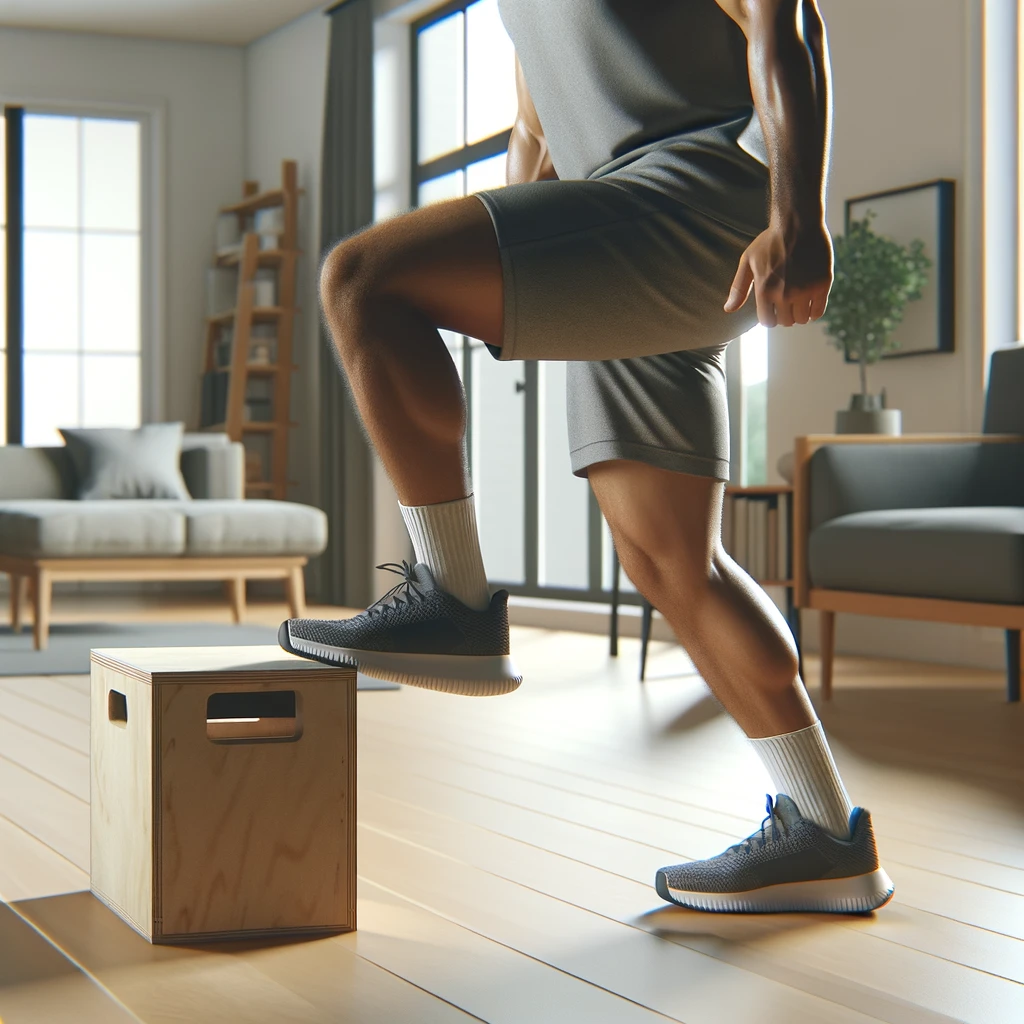
    Mini-SquatsPerform slight squatting motion within pain-free range of motionRegain quad control; restore movement pattern

    The exact exercises and progressions are tailored by physical therapists depending on injury specifics, graft type, and post-surgical timeline. The goal is to restore strength, mobility, proprioception and movement control safely based on healing constraints

    a7918c30 98ad 4e88 b5fa 3668ecb888b6 2

    Preventing Future Injuries

    Preventing future knee ligament injuries involves proper conditioning, warm-up, and cool-down exercises, as well as appropriate protective gear.

    In conclusion, knee ligament injuries are common among athletes and individuals who engage in physical activities. Proper diagnosis, treatment, and rehabilitation are essential for restoring full function and reducing the risk of future injuries.

  • Sports managers need sports trainers for a better heat policy

    Sports managers need sports trainers for a better heat policy


    Exercise-induced heat illness: policy adoption and influence on contextual factors reported by athletic administrators

    Scarneo-Miller SE, Adams WM, Coleman KA, Lopez RM. Sports Health. Mar 5, 2023: 19417381231155107. doi: 10.1177/19417381231155107. E-publishing prior to printing. PMID: 36872595.

    https://journals.sagepub.com/doi/10.1177/19417381231155107

    Take home message

    Most high school athletic administrators reported having a written heat illness policy in place, but they were often missing key components. The presence of an athletic trainer helped create a written policy that included more components.

    Background

    Sports administrators play an important role in policy acceptance. Policy measures such as addressing acute heat illness are critical as improper management can lead to poor outcomes. Unfortunately, we know little about the factors that promote and hinder the implementation of heat illness policies.

    Study aim

    The authors surveyed high school athletic administrators in the United States to describe the adoption of exertional heat illness policies and to examine factors that influence the adoption of these policies.

    Methods

    During the 2018-2019 academic school year, the research team emailed nearly 7,000 athletic administrators inviting them to complete a questionnaire asking about 1) demographics, 2) exercise-related illness policies, 3) monitoring and modification of written policy, and 4) enablers and barriers to policy development. The researchers used the precautionary adoption process model to assess an athletics administrator’s willingness to adopt policies. The adoption model is based on 8 phases, from not being aware to maintaining a written policy for more than 6 months.

    Results

    Of 466 athletics administrators (~48 years old, 82% male, 77% worked in the field for more than 15 years), 78% reported having a written policy on the prevention and treatment of exertional heat illness. Only 6% adopted all eleven essential elements of an exertional heat illness policy. Almost half of the managers indicated that they adopted fewer than 5 essential elements.

    Older athletics administrators, those who had previously dealt with heat illness, or those with an athletic trainer on their staff were more likely to have a written policy. Additionally, state mandates and having a medical professional were the most commonly cited facilitators for adopting policies on exertional illness prevention and use of a rectal thermometer. Similarly, the most commonly reported barrier to comprehensive heat illness management was the lack of a full-time athletic trainer (11). Administrators also recognized budget constraints that limited the use of a cold water immersion pool (23%), and the top barriers to using a rectal thermometer were discomfort using the thermometer (32%), parent/guardian resistance (30 %), resistance from parents/guardians (30%). coaches (30%) and liability issues (27%).

    Viewpoints

    Nearly 80% of athletics administrators surveyed reported that they had a written policy on exertional heat illness. Few integrated or were aware of all the necessary components to meet best clinical practices. The authors found that access to athletic training services was associated with better adoption of exercise health policies. This finding is consistent with it being an athletic trainer who would implement such a policy. It’s worth recognizing that only 7% of administrators contacted completed the survey. Therefore, these results may not accurately reflect what is happening in high schools across the country. One possibility is that people more interested in policy or heat illness completed the survey. So these results may show us the best-case scenario for written policies (78%) that include all components (6%) – which is a worrying sign.

    Clinical implications

    Encouraging state mandates and schools to hire athletic trainers can ensure that there are written policies to address heat illness. Clinicians may also want to consider strategies to educate coaches and parents/guardians about the reasons for this policy, such as rectal thermometers and cold water plunge pools.

    Questions for discussion

    Are you having trouble adding rectal temperature to your exercise heat illness protocol? Do you communicate with your athletics administrator regarding the approval, implementation and annual review/practice of your emergency policy?

    related posts

    1. Management of exertional heat stroke still leaves something to be desired
    2. A little more education about heat stroke due to exertion could go a long way
    3. Clinical Pearl: prevention and treatment of exertional heat stroke
    4. Tag us! What do coaches know about heat stroke during exertion and the role of the athletic trainer?
    5. Follow guidelines to prevent exertional heat illness? Let’s reconsider these guidelines

    Written by Jane McDevitt
    Reviewed by Jeffrey Driban

    9 EBP CEU courses

    Source link

  • Knee Pain After ACL Surgery

    Knee Pain After ACL Surgery

    Managing Knee Pain After ACL Surgery

    Anterior cruciate ligament (ACL) reconstruction is a common surgical procedure for individuals who have suffered a torn ACL. While outcomes have improved dramatically, knee pain and re-injury continue to be concerns during the recovery process. Recent advances in rehabilitation protocols and biomechanical research are shedding light on optimal recovery strategies.

    9566c6af 8e44 4b28 9740 7d191e646e96

    Understanding Knee Pain After ACL Surgery

    Understanding Knee Pain after ACL Surgery

    Knee pain following ACL reconstruction arises due to multiple interrelated biomechanical and physiological factors. The initial trauma of surgery triggers an inflammatory response which can lead to fluid buildup, swelling, and stiffness, resulting in pain with movement. This acute inflammatory phase usually lasts 6-8 weeks. Concurrently, muscular imbalances around the knee joint develop, most notably quadriceps inhibition and weakness. The quadriceps muscles play a crucial role in stabilizing the knee joint. When weakened and inhibited after surgery, abnormal forces are transmitted through the joint, exacerbating pain and dysfunction. Finally, biomechanical alterations including asymmetric gait patterns and improper landing mechanics cause further pain. A careful evaluation of all these contributing trigger points through a full physical therapy examination is key to pinpointing the optimal treatment approach.

    Causes of Knee Pain

    Knee pain following ACL reconstruction arises due to multiple interrelated biomechanical and physiological factors. The initial trauma of surgery triggers an inflammatory response which can lead to fluid buildup, swelling, and stiffness, resulting in pain with movement.

    Inflammation

    This acute inflammatory phase usually lasts 6-8 weeks.

    A 2022 study found that altered walking biomechanics were present even 2 years after surgery, especially in females (Smith et al). These persistent abnormalities highlight the need for rehabilitation focused on normalizing movement patterns.

    1: Common Causes of Knee Pain after ACL Surgery

    CauseContributing Factors
    Inflammation– Surgical trauma<br>- Swelling<br>- Fluid buildup
    Muscle imbalances– Quadriceps inhibition<br>- Hamstring dominance<br>- Calcium deposits
    Biomechanical abnormalities– Gait asymmetries<br>- Improper landing mechanics<br>- Overpronation

    Managing Knee Pain

    Effective knee pain management requires a multifaceted rehabilitation program tailored to the individual’s specific deficits and dysfunctions. The priority initially is controlling inflammation through ice, compression, medication, and activity modification. Once pain and swelling have been reined in, restoring full knee mobility is essential for reducing stiffness and dysfunction. Gentle manual therapy techniques and range of motion exercises facilitate this process. As mobility improves, muscular imbalances must be addressed through targeted stretching and progressive strength training, focused especially on reactivating the quadriceps. Finally, movement pattern retraining helps ingrain proper mechanics. Areas to emphasize include squatting, lunging, walking gait, running, jumping and landing. The goal is to eliminate any asymmetries or compensations that could lead to abnormal forces through the joint. Throughout this process, communication with the care team is key to calibrate the program to avoid flare-ups while still stimulating progress.

    • Anti-inflammatory medications
    • Ice, compression, elevation
    • Restoring range of motion
    • Eliminating muscle imbalances
    • Normalizing movement patterns

    2: Rehabilitation Phases and Focus Areas

    PhaseTimingGoals
    Inflammation & Early ROM0-2 weeks– Manage swelling/pain<br>- Regain mobility
    Intermediate ROM & Early Strengthening3-6 weeks– Improve quad strength<br>- Single leg stability
    Advanced Strengthening & Neuromuscular Control6-12 weeks– Running mechanics<br>- Multi-plane agility
    Return to Sport4+ months– Sport-specific training<br>- Confidence in knee function

    Muscular Imbalances

    Concurrently, muscular imbalances around the knee joint develop, most notably quadriceps inhibition and weakness. The quadriceps muscles play a crucial role in stabilizing the knee joint. When weakened and inhibited after surgery, abnormal forces are transmitted through the joint, exacerbating pain and dysfunction.

    Biomechanical Changes

    Finally, biomechanical alterations including asymmetric gait patterns and improper landing mechanics cause further pain. A careful evaluation of all these contributing trigger points through a full physical therapy examination is key to pinpointing the optimal treatment approach.

    Managing Knee Pain

    Rehabilitation Program

    Effective knee pain management requires a multifaceted rehabilitation program tailored to the individual’s specific deficits and dysfunctions.

    Early Phase

    The priority initially is controlling inflammation through ice, compression, medication, and activity modification. Once pain and swelling have been reined in, restoring full knee mobility is essential for reducing stiffness and dysfunction. Gentle manual therapy techniques and range of motion exercises facilitate this process.

    Later Phase

    As mobility improves, muscular imbalances must be addressed through targeted stretching and progressive strength training, focused especially on reactivating the quadriceps.

    Movement Retraining

    Finally, movement pattern retraining helps ingrain proper mechanics. Areas to emphasize include squatting, lunging, walking gait, running, jumping and landing. The goal is to eliminate any asymmetries or compensations that could lead to abnormal forces through the joint. Throughout this process, communication with the care team is key to calibrate the program to avoid flare-ups while still stimulating progress.

    Optimizing Long-Term Outcomes

    Preventing Re-Injury

    Due to the high risk of retear after ACL reconstruction, prevention of re-injury is paramount during recovery. Gradually building up strength and then progressing activity in a controlled manner based on specific objective criteria allows tissues to heal while regaining function.

    Maintaining Stability

    Furthermore, consistently practicing ideal movement patterns and positioning trains the neuromuscular system to maintain knee stability. For example, focusing on knee alignment over toes during squats and engaging core muscles protects the ACL graft.

    Return to Sports

    As the graft incorporation stretches beyond 6 months, impact activities can be cautiously integrated. However, pivoting sports may need to wait 9 months or more. Maintaining quadriceps and core strength and allowing the full return of power and agility prior to discharge from therapy ensures the knee can withstand demands of sport. Sticking to activity guidelines, along with smart training periodization can optimize recovery even years after ACL surgery.

    Conclusion

    Knee pain and dysfunction after ACL surgery remain ongoing challenges. However, recent research into biomechanics and rehabilitation is improving long-term outcomes. An individualized, progressive recovery program focused on resolving muscle imbalances and normalizing movement is essential to optimizing recovery.

  • Knee Pain Exercises

    Knee Pain Exercises

     Strengthening and Stretching for Knee Health and Pain Relief: A Comprehensive Guide to Knee Exercises

    Introduction

    Knee pain is a prevalent issue that affects individuals of all ages and activity levels. Regular exercise plays a crucial role in maintaining knee health, strengthening the muscles around the knee joint, improving flexibility, and alleviating pain.

    deeb9681 e2bc 4c61 887f 9315dca4aaf4

    In this comprehensive guide, we will explore a series of targeted knee exercises designed to promote knee health, enhance mobility, and reduce pain. We will provide clear instructions, modifications for different fitness levels, and emphasize the importance of proper form and progression to avoid injury.

    Targeted Knee Exercises

    1. Straight Leg Raises: Lie on your back with one leg extended straight up. Gently lift your leg off the ground, keeping your knee straight, and hold for a few seconds. Lower your leg back down and repeat with the other leg.
    2. Hamstring Curls: Lie on your back with both legs extended straight up. Bending your knees, bring one leg towards your chest, keeping the other leg straight. Hold for a few seconds and extend your leg back to the starting position. Repeat with the other leg.
    3. Quadriceps Stretches: Stand facing a chair or wall for support. Bend one knee, bringing your heel towards your buttocks. Hold for a few seconds and release. Repeat with the other leg.
    4. Calf Raises: Stand facing a wall or chair for support. Raise your heels off the ground, balancing on the balls of your feet. Hold for a few seconds and lower back down. Repeat.
    5. Wall Squats: Stand with your back against a wall, feet hip-width apart. Slowly slide down the wall as if sitting in a chair until your thighs are parallel to the floor. Hold for a few seconds and push back up to the starting position.
    ad2a2377 8a48 42da b2ac c51f36865d1c

    Modifications for Different Fitness Levels

    • Beginner: Start with a few repetitions of each exercise and gradually increase the number as your strength and endurance improve. Use a chair or wall for support if needed.
    • Intermediate: Increase the number of repetitions and consider adding weights or resistance bands for added challenge.
    • Advanced: Perform the exercises with more repetitions, longer holds, and increased resistance.

    Importance of Proper Form and Progression

    • Proper Form: Maintaining proper form is essential to maximize the effectiveness of the exercises and prevent injury. Keep your core engaged, avoid locking your knees, and breathe smoothly throughout the movements.
    • Progression: Gradually increase the intensity, duration, and frequency of your exercise routine as your fitness level improves. Avoid overexertion and listen to your body’s signals.

    Conclusion

    Regularly incorporating targeted knee exercises into your routine can significantly improve knee health, enhance mobility, and reduce pain. By following the guidelines outlined in this comprehensive guide, you can effectively strengthen the muscles around your knee joint, maintain flexibility, and promote overall knee well-being.

    Targeted Knee Exercises

    ExerciseDescription
    Straight Leg RaisesStrengthens the quadriceps
    Hamstring CurlsStrengthens the hamstrings
    Quadriceps StretchesImproves quadriceps flexibility
    Calf RaisesStrengthens calf muscles
    Wall SquatsStrengthens quadriceps, hamstrings, and glutes
  •  Knee Pain Causes

     Knee Pain Causes

    Unraveling the Mystery Behind Knee Discomfort: A Comprehensive Guide to Knee Pain Causes

    f997a0eb 9fa4 436c 9565 a1cdde4bf3ed

    Introduction

    Knee pain is a common ailment that can significantly impact mobility and quality of life. Understanding the underlying causes of knee pain is crucial for effective treatment and prevention.

    In this comprehensive guide, we will delve into the various causes of knee pain, exploring the biomechanics of the knee joint and the role of surrounding muscles and ligaments. We will discuss common knee pain conditions, diagnostic tests, and treatment options for specific knee pain causes.

    Biomechanics of the Knee Joint

    The knee joint is a complex structure that bears significant weight and facilitates movement. It consists of the thigh bone (femur), shinbone (tibia), kneecap (patella), and various ligaments, tendons, and cartilage.

    • Ligaments: Strong bands of connective tissue that connect bones and provide stability to the joint.
    • Tendons: Connect muscles to bones and transmit the force generated by muscle contraction.
    • Cartilage: Cushions the bones and prevents friction within the joint.

    Common Knee Pain Conditions

    • Patellofemoral pain syndrome (PFPS): Pain caused by misalignment of the kneecap in the groove of the thigh bone.
    • Anterior cruciate ligament (ACL) tear: Injury to the ACL, a key stabilizer of the knee joint.
    • Meniscal tear: Damage to the cartilage discs that cushion
    • Osteoarthritis: Degeneration of the cartilage in the knee joint, causing pain, stiffness, and reduced mobility.
    • Rheumatoid arthritis: An autoimmune disease that causes inflammation in the joints, including the knees.
    • Gout: A condition characterized by sudden and severe attacks of joint pain, often affecting the knees.

    Diagnostic Tests for Knee Pain

    • Physical examination: A doctor will examine your knee for tenderness, swelling, and range of motion.
    • X-rays: Can reveal bone abnormalities, fractures, or arthritis.
    • MRI: Detailed images of the soft tissues, including ligaments, tendons, and cartilage.

    Treatment Options for Specific Knee Pain Causes

    • Patellofemoral pain syndrome (PFPS): Rest, ice, compression, elevation (RICE), strengthening exercises, and physical therapy.
    • Anterior cruciate ligament (ACL) tear: Often requires surgical reconstruction of the ACL.
    • Meniscal tear: Treatment depends on the severity of the tear, ranging from rest and pain management to surgical repair.
    • Osteoarthritis: Weight management, exercise, pain relievers, and joint injections.
    • Rheumatoid arthritis: Medication to manage inflammation and slow joint damage.
    • Gout: Medication to reduce inflammation and prevent gout attacks.

    Conclusion

    Knee pain can arise from various causes, affecting individuals of all ages and activity levels. Understanding the underlying causes of knee pain is essential for proper diagnosis, treatment, and prevention. By consulting a healthcare professional and following their recommendations, you can effectively manage knee pain, improve mobility, and maintain overall joint health.

    Common Knee Pain Conditions and Treatment Options

    ConditionTreatment
    Patellofemoral pain syndrome (PFPS)Rest, ice, compression, elevation (RICE), strengthening exercises, and physical therapy.
    Anterior cruciate ligament (ACL) tearSurgical reconstruction of the ACL.
    Meniscal tearRest, pain management, or surgical repair, depending on severity.
    OsteoarthritisWeight management, exercise, pain relievers, and joint injections.
    Rheumatoid arthritisMedication to manage inflammation and slow joint damage.
    GoutMedication to reduce inflammation and prevent gout attacks.
  • Knee Ligament Injury Symptoms and Treatment

    Knee Ligament Injury Symptoms and Treatment

    As we all know, knee ligament injuries are common among athletes and people with an active lifestyle. These injuries can be caused by various factors such as sudden twisting or pivoting movements, direct impact, or overuse. Knee ligament injuries can be debilitating and may require immediate medical attention. In this article, we will discuss the symptoms and treatment of knee ligament injuries.

    v2 329cj 3ezlj

    Understanding Knee Ligament Injuries Knee ligament injuries are usually caused by a sudden twist or a direct impact on the knee joint. The most common types of knee ligament injuries are ACL (anterior cruciate ligament) and MCL (medial collateral ligament) injuries. Symptoms of knee ligament injuries include pain, swelling, instability, and difficulty walking. If you experience any of these symptoms, it is important to seek medical attention immediately.

    Diagnosis and Treatment The diagnosis of knee ligament injuries usually involves a physical examination, imaging tests such as X-rays and MRI, and arthroscopy. Treatment options for knee ligament injuries depend on the severity of the injury. Mild injuries can be treated with rest, ice, compression, and elevation (RICE) therapy, while more severe injuries may require surgery. Rehabilitation is also an important part of the treatment process, as it helps to restore strength and flexibility to the knee joint.

    knee ligament injury symptoms and treatment options:

    Ligament InjuredCommon SymptomsNonsurgical Treatment OptionsSurgical Treatment Options
    Anterior Cruciate Ligament (ACL)Instability of the knee, knee “giving way”, loss of full range of motion, swelling, pain with pivoting or decelerationRest, ice, compression, elevation, anti-inflammatory medication, bracing, physical therapy focusing on range of motion and strengtheningACL reconstruction surgery with autograft or allograft tissue
    Posterior Cruciate Ligament (PCL)Instability of the knee, swelling, pain with decelerationBracing, physical therapy, anti-inflammatory medicationPCL repair or reconstruction if symptoms do not improve with conservative treatment
    Medial Collateral Ligament (MCL)Pain along the inner knee, instability with valgus stress, swellingBracing, anti-inflammatory medication, physical therapySurgical repair or reconstruction for complete ruptures or severe instability
    Lateral Collateral Ligament (LCL)Pain along the outer knee, instability with varus stress, swellingBracing, anti-inflammatory medication, physical therapySurgical repair or reconstruction for complete ruptures or instability
    MeniscusCatching or locking of the knee, swelling, limited range of motionAnti-inflammatory medication, physical therapy, steroid injectionsMeniscectomy (removal of torn meniscus) or meniscal repair surgery

    The chosen treatment path depends greatly on injury severity, patient symptoms and functional limitations, and patient expectations. Many knee ligament injuries, especially mild sprains, can heal successfully without surgery. More severe instability often requires surgical reconstruction and extensive rehabilitation.

    Key Takeaways

    • Knee ligament injuries can be caused by sudden twisting or direct impact on the knee joint.
    • Symptoms of knee ligament injuries include pain, swelling, instability, and difficulty walking.
    • Treatment options for knee ligament injuries depend on the severity of the injury and may include RICE therapy, surgery, and rehabilitation.

    Understanding Knee Ligament Injuries

    Knee ligament injuries can be caused by trauma, such as a car accident or sports injuries. The knee has four major ligaments: the anterior cruciate ligament (ACL), the posterior cruciate ligament (PCL), the medial collateral ligament (MCL), and the lateral collateral ligament (LCL). These ligaments are elastic bands of tissue that connect the femur (thigh bone) to the tibia (shin bone) and provide stability and strength to the joint.

    Types of Knee Ligaments

    The ACL is located in the center of the knee and controls rotation and forward movement of the tibia. The PCL is located in the back of the knee and controls backward movement of the tibia. The MCL is located on the inside of the knee and helps to prevent the knee from bending inward. The LCL is located on the outside of the knee and helps to prevent the knee from bending outward.

    Causes and Risk Factors

    Knee ligament injuries can occur due to a blow to the knee, a sudden twisting motion, or a direct impact to the knee. Sports injuries, such as those that occur in basketball, football, skiing, and hockey, are common causes of knee ligament injuries. Female athletes are also at a higher risk of experiencing knee ligament injuries due to differences in anatomy and function.

    Injuries to the knee ligaments can cause pain, swelling, and deformity of the knee joint. A torn ligament can result in the knee feeling unstable and may require surgery to repair. Treatment for knee ligament injuries may include rest, ice, compression, and elevation (RICE), physical therapy, and surgery in severe cases.

    In conclusion, knee ligament injuries can be caused by trauma or sports injuries and can result in pain, swelling, and deformity of the knee joint. Treatment for knee ligament injuries may include RICE, physical therapy, and surgery in severe cases. It is important to seek medical attention if you suspect you have a knee ligament injury to prevent further damage to the joint.

    Diagnosis and Treatment

    When it comes to knee ligament injuries, prompt diagnosis and treatment are crucial to prevent further damage and ensure a full recovery. In this section, we will discuss the identification of symptoms, diagnostic procedures, treatment options, and prevention and rehabilitation methods.

    Identifying Symptoms

    The most common symptoms of knee ligament injuries include pain, swelling, and instability in the joint. Patients may also experience a popping or buckling sensation, stiffness, and clicking sounds when moving the knee. These signs and symptoms can vary depending on the type and severity of the injury.

    Diagnostic Procedures

    To diagnose a knee ligament injury, a physical exam is usually the first step. During the exam, a doctor will assess the range of motion, stability, and overall function of the joint. Imaging tests such as X-rays or magnetic resonance imaging (MRI) may also be necessary to confirm the diagnosis and determine the extent of the damage.

    Treatment Options

    The treatment for knee ligament injuries depends on the severity of the injury. In some cases, rest, ice, compression, and elevation (RICE) may be sufficient to reduce pain and swelling. Other treatments may include medication, physical therapy, and rehabilitation exercises to strengthen the muscles around the knee.

    For more severe injuries, knee surgery may be necessary. Arthroscopy is a minimally invasive surgical procedure that uses a small camera to view the inside of the knee joint and repair any damage. Knee surgery may also involve the use of a protective knee brace and grafts to replace damaged ligaments.

    Prevention and Rehabilitation

    Preventing knee ligament injuries involves taking precautions during physical activities and sports, such as wearing appropriate footwear and protective gear. Rehabilitation exercises and muscle-strengthening exercises can also help prevent future injuries and improve overall knee function.

    In conclusion, knee ligament injuries can be debilitating and require prompt medical attention. If you experience any signs or symptoms of a knee ligament injury, seek medical care from a qualified healthcare professional such as Dr. Andrew Cosgarea or Dr. Jay Lee. With proper diagnosis and treatment, most patients can recover fully and return to their normal activities.

  • Knee Ligament Damage

    Knee Ligament Damage

    Healing Process for Knee Ligament Damage: A Professional Guide

    As healthcare professionals, we understand the importance of knee ligaments in maintaining stability and mobility in the knee joint. Unfortunately, ligament injuries are common, especially in individuals who engage in physical activity. A ligament injury can be debilitating and may limit an individual’s ability to perform daily activities. In this article, we will discuss the three-step healing process for knee ligament damage.

    v2 329az t60t6

    Understanding Ligament Damage and Its Implications is the first step in the healing process. Knee ligaments are strong, fibrous tissues that connect the bones in the knee joint. When a ligament is damaged, it can result in pain, swelling, and instability in the knee joint. The severity of the injury can range from mild to severe, depending on the degree of damage to the ligament. It is crucial to diagnose and treat a ligament injury promptly to prevent further damage and complications.

    Treatment and Rehabilitation of Ligament Damage is the second step in the healing process. The treatment plan for a ligament injury depends on the severity of the injury. Mild injuries may require rest, ice, compression, and elevation (RICE) therapy, while severe injuries may require surgery. Rehabilitation is an essential aspect of the healing process, and it involves exercises and physical therapy to restore strength, flexibility, and mobility in the knee joint.

    Key Takeaways

    • Understanding the implications of ligament damage is crucial in the healing process.
    • Treatment plans for knee ligament damage vary based on the severity of the injury.
    • Rehabilitation is a vital aspect of the healing process and can help restore strength, flexibility, and mobility in the knee joint.

    Understanding Ligament Damage and Its Implications

    When it comes to knee injuries, ligament damage is one of the most common. Ligaments are the tough, fibrous bands of tissue that connect bones to each other and provide stability and strength to the joint. However, when these ligaments are damaged, it can lead to pain, tenderness, swelling, inflammation, stiffness, and a limited range of motion.

    Types of Ligament Injuries

    There are several types of ligament injuries that can occur in the knee, including sprains, ruptures, and strains. The most common type of knee ligament injury is an anterior cruciate ligament (ACL) tear, which can occur during sports or other physical activities that involve sudden stops or changes in direction.

    Signs and Symptoms

    The signs and symptoms of a knee ligament injury can vary depending on the severity of the injury. Common symptoms include pain, tenderness, swelling, inflammation, stiffness, and a limited range of motion. In more severe cases, the knee may feel unstable or give out when weight is placed on it.

    Diagnosis and Evaluation

    If you suspect that you have a knee ligament injury, it is important to seek medical attention from a specialist or physical therapist. They will perform a thorough evaluation to determine the severity of the injury and the best course of treatment. This evaluation may include X-rays or an MRI to assess the extent of the damage.

    Overall, understanding the implications of ligament damage is critical to properly diagnose and treat knee injuries. If you experience any symptoms or have any questions, it is important to seek medical attention as soon as possible.

    Treatment and Rehabilitation of Ligament Damage

    At times, knee ligament damage can be a painful experience that may require treatment and rehabilitation. We have put together a comprehensive guide to help you understand the treatment process and how to rehabilitate your knee ligament damage.

    Initial Treatment and Pain Management

    The initial treatment for knee ligament damage involves rest, ice, compression, and elevation (RICE). RICE helps reduce swelling, pain, and inflammation around the affected area. We recommend using nonsteroidal anti-inflammatory drugs (NSAIDs) such as ibuprofen or naproxen to manage pain and inflammation.

    different types of knee injuries, their typical healing times, and recovery notes:

    InjuryHealing TimeRecovery Notes
    Bone bruise2-4 weeksRest, ice, compression. Gradual return to activity over 1-2 months.
    Meniscus tear – minor4-6 weeksOften heals with conservative treatment.
    Meniscus tear – moderate/severe12+ weeksOften requires surgery. Multi-month recovery common.
    MCL tear – grade 1/23-6 weeksHealing progresses well if braced.
    MCL tear – grade 38-12 weeksOften requires surgical repair/reconstruction followed by extensive rehab.
    LCL sprain4-8 weeksBracing to stabilize knee throughout healing.
    ACL tear – partialUp to 8 weeksMay heal with rehab/bracing or require surgical reconstruction.
    ACL tear – complete30+ weeksRequires reconstructive surgery with graft. Months of rehab.
    Patellar dislocation6 weeksKnee immobilized in early recovery. Later rehab focuses on realignment.
    Patellar fracture6-8 weeksCast/brace to immobilize. Surgical fixation may be necessary.
    Arthritis flare up1-4 weeksResting the joint along with anti-inflammatory meds helps recovery.

    Recovery times are general estimates and can vary significantly depending on injury severity. Re-injury risks can persist even months after the acute healing phase

    Surgical Intervention and Post-Surgery Care

    In some cases, surgical intervention may be necessary to repair the damaged ligament. Surgery is typically followed by a period of rest, ice, compression, and elevation. Physical therapy and rehabilitation exercises may also be recommended to help regain range of motion and strength.

    Rehabilitation and Therapy

    Physical therapy and rehabilitation exercises are an essential part of the recovery process. Rehabilitation exercises help to strengthen the muscles around the knee and improve range of motion. We recommend working with a physical therapist to develop a personalized rehabilitation plan.

    Advanced Treatments and Techniques

    Advanced treatments and techniques such as tissue engineering, mesenchymal stem cells, and platelet-rich plasma may be used to promote healing and regeneration of the damaged ligament. We recommend discussing these options with your doctor to determine if they are appropriate for your specific condition.

    Prevention and Future Care

    Prevention and future care are essential to avoid re-injury and maintain healthy knee ligaments. We recommend engaging in regular physical activity and exercise to improve strength and flexibility. We also recommend wearing appropriate protective gear during sports activities to minimize the risk of injury.

    In conclusion, knee ligament damage can be a painful experience, but with proper treatment and rehabilitation, you can recover and regain your strength and mobility. Remember to always consult with your doctor and physical therapist to develop a personalized treatment plan that meets your specific needs.

  • Knee Ligaments

    Knee Ligaments

    Comprehensive Guide to Knee Ligaments: Anatomy, Function, and Injuries

    Knee ligament injuries can be painful and debilitating, affecting the quality of life of many individuals. Understanding knee ligament anatomy and associated conditions can help prevent injuries and ensure proper treatment. In this comprehensive guide, we will explore knee ligaments and their role in knee stability, common knee ligament injuries, and treatment and management strategies.

    v2 3299b pnn1f

    The knee joint is one of the most complex joints in the human body, consisting of bones, cartilage, tendons, and ligaments. Knee ligaments play a crucial role in providing stability and support to the joint. The four main knee ligaments include the anterior cruciate ligament (ACL), posterior cruciate ligament (PCL), medial collateral ligament (MCL), and lateral collateral ligament (LCL). These ligaments work together to control knee movement and prevent excessive rotation and translation.

    Knee ligament injuries are common among athletes and can occur due to sudden twisting or impact to the knee joint. These injuries can cause pain, swelling, and limited mobility, which can lead to disability if left untreated. Early diagnosis and proper treatment can help prevent long-term complications and improve outcomes.

    Understanding Knee Ligaments and Associated Conditions

    At the core of knee joint stability are the ligaments that connect the bones of the knee together. The knee joint is comprised of four major ligaments that connect the femur to the tibia and fibula: the anterior cruciate ligament (ACL), the posterior cruciate ligament (PCL), the medial collateral ligament (MCL), and the lateral collateral ligament (LCL).

    Anatomy of Knee Ligaments

    The ACL and PCL are located inside the knee joint, while the MCL and LCL are located on the outside of the joint. These ligaments are made up of collagen and elastic fibers that provide strength and stability to the knee joint. The ACL is responsible for preventing the tibia from moving too far forward, while the PCL prevents the tibia from moving too far backward. The MCL and LCL work together to prevent the knee from moving side to side.

    Common Injuries and Disorders

    Ligament injuries are a common cause of knee pain and can range from mild sprains to complete tears. ACL tears are one of the most common knee injuries and often occur in athletes who participate in high-impact sports. PCL injuries are less common and typically occur as a result of a direct blow to the front of the knee. MCL and LCL injuries are usually caused by a direct blow to the outer or inner knee, respectively.

    Osteoarthritis is another common disorder that affects the knee joint. It is a degenerative joint disease that is characterized by the breakdown of cartilage in the knee joint. Rheumatoid arthritis is an autoimmune disorder that can also affect the knee joint.

    Epidemiology and Risk Factors

    Knee ligament injuries are more common in athletes who participate in high-impact sports such as football, basketball, and soccer. Overuse injuries are also common in athletes who participate in running and jumping sports. Advancing age, sedentary lifestyle, smoking, and low income are all risk factors for knee osteoarthritis.

    Pain and Mental Health Considerations

    Knee pain can have a significant impact on an individual’s mental health and quality of life. Chronic pain syndromes, such as chronic musculoskeletal pain, can lead to anxiety, depression, and sleep disorders. Local pain, neuropathic pain, somatic pain, and visceral pain are all types of pain that can be associated with knee injuries and disorders. Insomnia and other sleep disorders are common in individuals with chronic pain and can further exacerbate the impact on quality of life.

    The Impact on Quality of Life

    Knee pain and associated conditions can have a significant impact on an individual’s quality of life. Disability, social interactions, and overall physical and mental health can all be affected by knee pain and related disorders.

    Diagnostic Tools and Techniques

    Diagnostic tools and techniques for knee injuries and disorders include X-rays, MRI scans, and physical examinations. Patient assessments are also important in determining the extent of the injury or disorder and developing an appropriate treatment plan.

    In conclusion, understanding knee ligaments and associated conditions is essential for maintaining knee joint health and preventing injury. By understanding the anatomy of knee ligaments, common injuries and disorders, epidemiology and risk factors, pain and mental health considerations, the impact on quality of life, and diagnostic tools and techniques, individuals can take steps to prevent knee injuries and manage knee pain and related disorders.

    Treatment and Management Strategies

    When it comes to knee ligament injuries, treatment and management strategies vary depending on the severity and type of injury. In this section, we will discuss the various treatment options for knee ligament injuries. We will divide the treatment options into five subsections: non-surgical interventions, surgical procedures, pharmacological approaches, interventional strategies, and prognosis and outcome measures.

    Non-Surgical Interventions

    Non-surgical interventions are often the first line of treatment for knee ligament injuries. These interventions include rest, ice, compression, and elevation (RICE), physical therapy, and neuromuscular training. Physical therapy and neuromuscular training are particularly effective for patients with moderate-to-severe chronic pain or brief episodes of knee pain. These interventions can help improve lower extremity kinematics, reduce patellofemoral pain syndrome, and prevent sarcopenia.

    Patient education is an essential component of non-surgical interventions. Patients need to understand the importance of proper posture, body mechanics, and preventive strategies. Patients should also be taught non-pharmacological pain control techniques like meditation, deep breathing exercises, and relaxation techniques.

    Surgical Procedures

    Surgical procedures are typically reserved for patients with severe knee ligament injuries that do not respond to non-surgical interventions. The most common surgical procedures include knee arthroplasty, total knee arthroplasty, hip arthroplasty, and total hip arthroplasty. Preoperative planning and surgical technique are critical to ensure successful outcomes.

    Pharmacological Approaches

    Pharmacological approaches are often used in conjunction with non-surgical and surgical interventions. The most common pharmacological therapies include corticosteroids, mesenchymal stem cells, nonsteroidal anti-inflammatory drugs (NSAIDs), and opioids. Pharmacological therapies can help reduce pain and inflammation, improve functional outcomes, and enhance the patient’s overall quality of life.

    Interventional Strategies

    Interventional strategies are minimally invasive procedures that can help manage knee ligament injuries. These strategies include interventional pain therapy, multimodal analgesia, and multidisciplinary intervention. Interventional strategies can help improve functional level, reduce pain, and enhance functional outcomes.

    Prognosis and Outcome Measures

    Prognosis and outcome measures are essential to assess the effectiveness of treatment and management strategies for knee ligament injuries. Outcome measures include functional outcomes, patient satisfaction, and quality of life. Prognosis is influenced by age and sex, pediatric population, manual labor, urban and rural populations, and rheumatologic problems.

    In conclusion, knee ligament injuries require a multidisciplinary approach to treatment and management. Non-surgical interventions, surgical procedures, pharmacological approaches, interventional strategies, and prognosis and outcome measures are all important components of a comprehensive treatment plan. With the right treatment and management strategies, patients can achieve improved outcomes and a better quality of life.