knee pain
| | |

 Knee Pain Causes

Unraveling the Mystery Behind Knee Discomfort: A Comprehensive Guide to Knee Pain Causes
f997a0eb 9fa4 436c 9565 a1cdde4bf3ed

Introduction

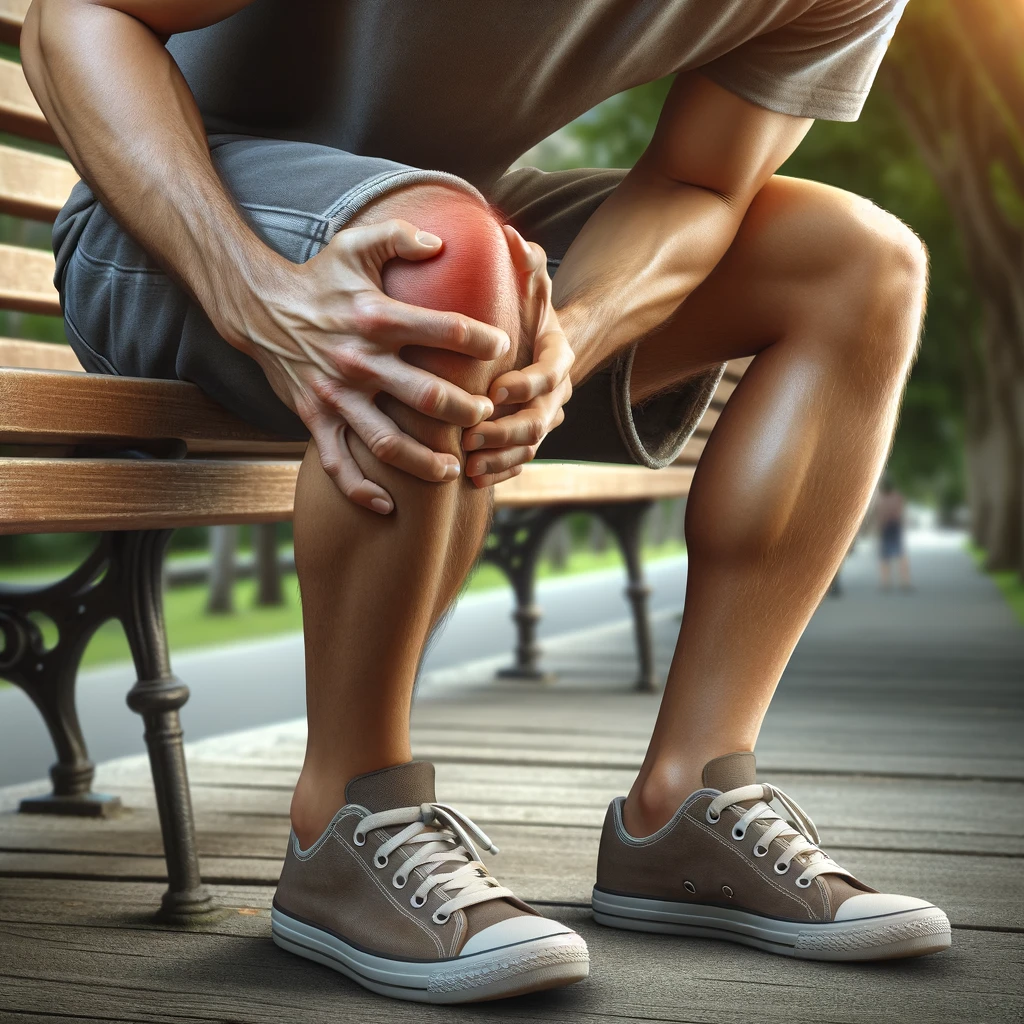
Knee pain is a common ailment that can significantly impact mobility and quality of life. Understanding the underlying causes of knee pain is crucial for effective treatment and prevention.

In this comprehensive guide, we will delve into the various causes of knee pain, exploring the biomechanics of the knee joint and the role of surrounding muscles and ligaments. We will discuss common knee pain conditions, diagnostic tests, and treatment options for specific knee pain causes.

Biomechanics of the Knee Joint

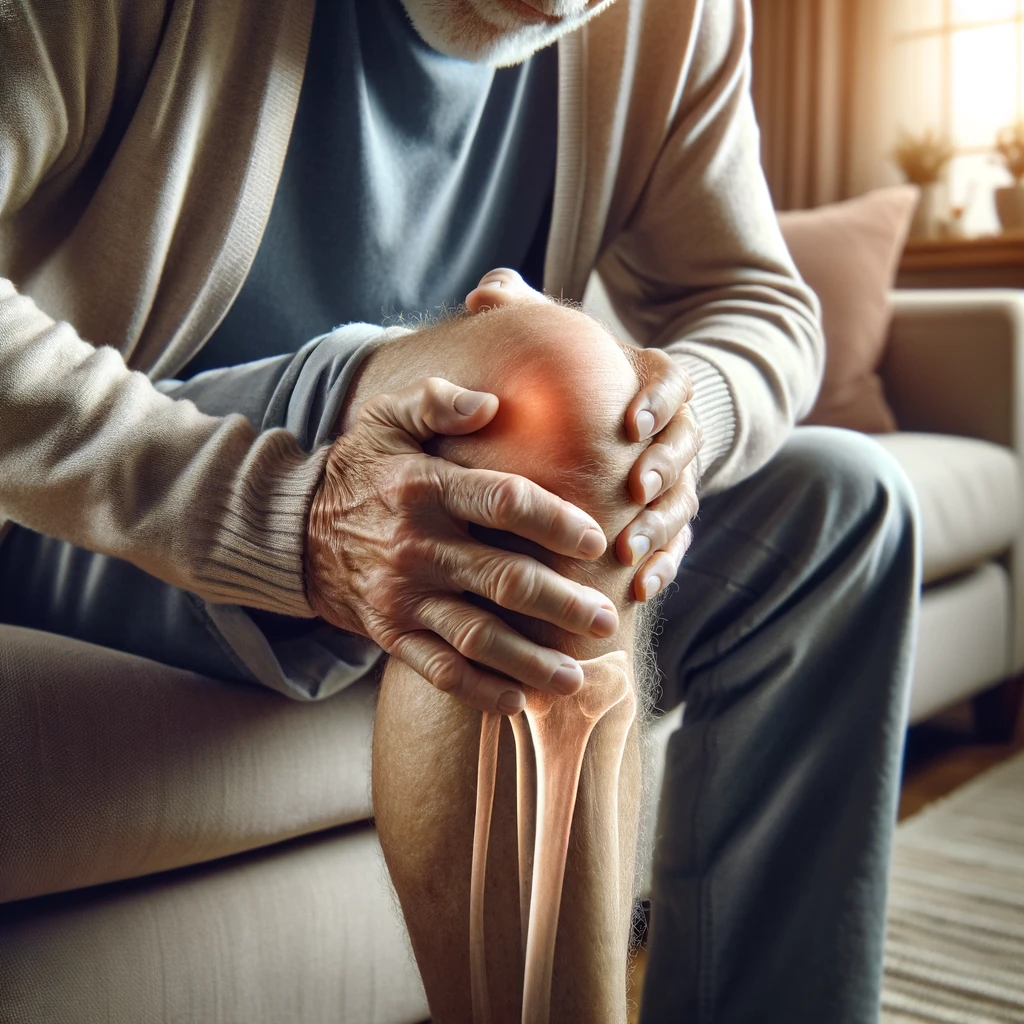
The knee joint is a complex structure that bears significant weight and facilitates movement. It consists of the thigh bone (femur), shinbone (tibia), kneecap (patella), and various ligaments, tendons, and cartilage.

  • Ligaments: Strong bands of connective tissue that connect bones and provide stability to the joint.
  • Tendons: Connect muscles to bones and transmit the force generated by muscle contraction.
  • Cartilage: Cushions the bones and prevents friction within the joint.

Common Knee Pain Conditions

  • Patellofemoral pain syndrome (PFPS): Pain caused by misalignment of the kneecap in the groove of the thigh bone.
  • Anterior cruciate ligament (ACL) tear: Injury to the ACL, a key stabilizer of the knee joint.
  • Meniscal tear: Damage to the cartilage discs that cushion
  • Osteoarthritis: Degeneration of the cartilage in the knee joint, causing pain, stiffness, and reduced mobility.
  • Rheumatoid arthritis: An autoimmune disease that causes inflammation in the joints, including the knees.
  • Gout: A condition characterized by sudden and severe attacks of joint pain, often affecting the knees.

Diagnostic Tests for Knee Pain

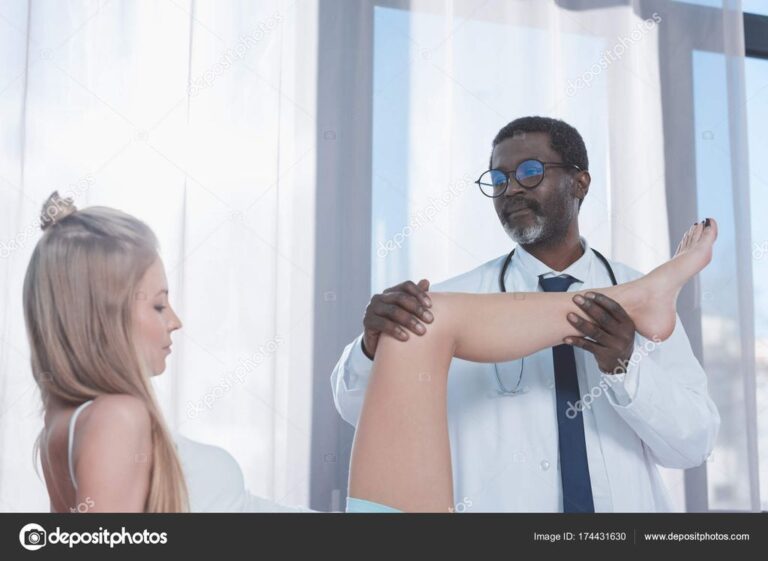
  • Physical examination: A doctor will examine your knee for tenderness, swelling, and range of motion.
  • X-rays: Can reveal bone abnormalities, fractures, or arthritis.
  • MRI: Detailed images of the soft tissues, including ligaments, tendons, and cartilage.

Treatment Options for Specific Knee Pain Causes

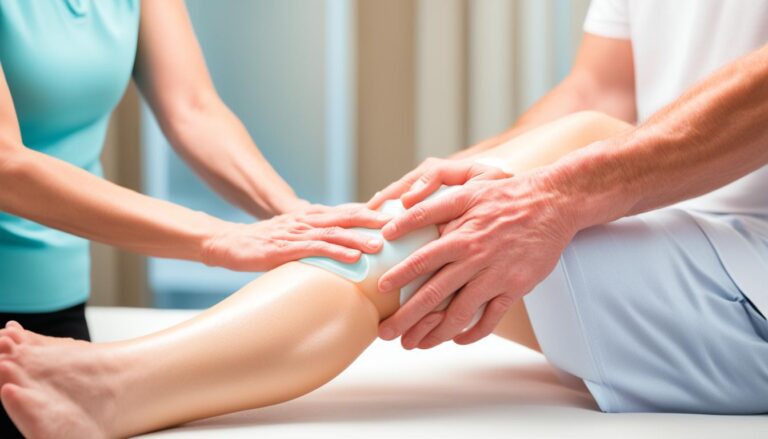
  • Patellofemoral pain syndrome (PFPS): Rest, ice, compression, elevation (RICE), strengthening exercises, and physical therapy.
  • Anterior cruciate ligament (ACL) tear: Often requires surgical reconstruction of the ACL.
  • Meniscal tear: Treatment depends on the severity of the tear, ranging from rest and pain management to surgical repair.
  • Osteoarthritis: Weight management, exercise, pain relievers, and joint injections.
  • Rheumatoid arthritis: Medication to manage inflammation and slow joint damage.
  • Gout: Medication to reduce inflammation and prevent gout attacks.

Conclusion

Knee pain can arise from various causes, affecting individuals of all ages and activity levels. Understanding the underlying causes of knee pain is essential for proper diagnosis, treatment, and prevention. By consulting a healthcare professional and following their recommendations, you can effectively manage knee pain, improve mobility, and maintain overall joint health.

Common Knee Pain Conditions and Treatment Options

ConditionTreatment
Patellofemoral pain syndrome (PFPS)Rest, ice, compression, elevation (RICE), strengthening exercises, and physical therapy.
Anterior cruciate ligament (ACL) tearSurgical reconstruction of the ACL.
Meniscal tearRest, pain management, or surgical repair, depending on severity.
OsteoarthritisWeight management, exercise, pain relievers, and joint injections.
Rheumatoid arthritisMedication to manage inflammation and slow joint damage.
GoutMedication to reduce inflammation and prevent gout attacks.

Similar Posts

  • |

    Manage your sugar cravings with strategies from scientific studies

    Overconsumption of sugar is bad for your bones and your health. So why does your body crave it? In this article, you’ll learn about the science behind sugar cravings and the many ways they develop and persist. We’ll also examine a major systematic review of studies on the relationship between sugary drink consumption and bone…

  • Top Walking Shoes for Knee Pain 2024 Picks

    When dealing with knee pain, finding the right pair of walking shoes can make a significant difference. We have researched and compiled a list of the best walking shoes for knee pain in 2024, taking into account factors such as comfort, support, and relief. These shoes have been highly recommended by experts and have received…

  • |

    Knee pain after sex

    What if a common physical sensation is quietly shaping the quality of our most private moments? This discomfort can feel isolating. It may make us pull back from our partner. The American Osteopathic Association notes that about one-third of Americans live with joint issues that hinder daily activities. knee pain after sex This statistic reflects a wider reality. When our bodies signal distress, it often echoes in our shared life. The ache isn’t just physical. It can create an invisible barrier to intimacy. We believe understanding is the first step toward change. By exploring the reasons behind this discomfort, we can make smart adjustments. Small changes to our routine can have a big impact. Our goal is to help you move from frustration to solution. Let’s look at how to protect your physical connection and ensure your experiences remain fulfilling and joyful. Key Takeaways Joint discomfort during intimate moments is a common issue that affects emotional and physical connection. Nearly one-third of adults in the U.S. report joint-related problems that impact their daily quality of life. This physical barrier can lead to avoiding closeness, which may strain a relationship. Identifying the root cause of the discomfort is a crucial proactive step toward improvement. Simple adjustments to routines and positions can help maintain a healthy and satisfying sex life. Open communication with your partner about physical limits is essential for mutual comfort. Seeking professional guidance can provide tailored strategies for long-term relief and enjoyment. Understanding Knee Pain After Sex It’s a reality for many: seeking closeness, only to be met with a sharp, distracting sensation. This discomfort has specific roots. Knowing them helps us adapt and find relief. Common Causes and Triggers Physical intimacy involves movement and pressure. These actions can strain the joint if it’s already sensitive. A sudden twist or prolonged kneeling might be the direct trigger. Interestingly, gentle motion can be helpful. Maiken Jacobs, an orthopedic patient educator, notes that moving a joint through its range of motion can release endorphins. This is good for your condition. Acute vs. Chronic Pain Explained We must distinguish between two main types. Acute discomfort often results from sudden injuries, like a sprain. It comes on quickly and usually fades with time and care. Chronic issues stem from long-term conditions. Osteoarthritis is a common example. This ongoing pain affects mobility and daily comfort for many people. Identifying which type you’re experiencing is the first step toward smart management. It guides our approach to maintaining a fulfilling connection. Preparing for Intimacy with Knee Sensitivity A little preparation can transform our intimate moments from a source of worry into a space of comfort and connection. We focus on simple, proactive steps that address physical sensitivity head-on. The Role of Warm Baths and Epsom Salts Starting with a warm bath is a powerful ritual. Adding Epsom salt helps soothe muscles and promotes deep relaxation. Taking a warm Epsom salt bath before intimacy can proactively ease joint discomfort and help you relax. Maiken Jacobs, Orthopedic Patient Educator This practice isn’t just solitary self-care. Turning it into a shared, sensual experience with our partner helps us both unwind and set the right mood. preparing for intimacy with knee sensitivity Pre-medicating and Managing Stress Stress tightens our bodies and can heighten our perception of discomfort. Managing tension is therefore a vital part of our preparation. If we’re concerned about potential aches, seeking information from a doctor is wise. They can advise on the ideal timing for taking an anti-inflammatory to maintain comfort. Proactive planning, like using a heating pad beforehand, ensures our focus stays on connection. Preparation Method Primary Benefit Key Consideration Warm Epsom Salt Bath Soothes muscles & promotes relaxation Can be a shared ritual with a partner Consulting a Doctor Personalized timing for medication Provides expert guidance for safety Stress Management Reduces tension that worsens discomfort Includes deep breathing or meditation…

  • |

    What Causes Knee Pain: Understanding Your Symptoms

    Your knees work hard every single day. They support your weight when you walk, run, climb stairs, and even sit down. When knee pain strikes, it affects everything from simple daily activities to your quality of life. Understanding what causes knee pain helps you make informed decisions about treatment and care. Knee pain affects millions…

  • Knee Pain Climbing Stairs? Find Relief Now.

    If you’re experiencing knee pain, especially under the kneecap, when climbing stairs, you’re not alone. Knee pain is a common issue that can be caused by various factors such as chondromalacia patella, osteoarthritis, ligament injuries, or cartilage damage. Understanding the underlying causes of your knee pain when climbing stairs is key to finding relief and…

One Comment

Leave a Reply

Your email address will not be published. Required fields are marked *