Say Goodbye to Knee Pain: Expert Tips and Tricks
Knee pain is a common ailment that affects people of all ages, from young athletes to seniors. Whether it’s due to an injury, arthritis, or simply wear and tear, knee pain can significantly impact your quality of life, limiting your mobility and preventing you from enjoying your favorite activities. In this comprehensive guide, we’ll provide you with expert tips and tricks to help you say goodbye to knee pain and regain your active lifestyle.
Understanding Knee Pain
Before we dive into solutions, it’s crucial to understand the root causes of knee pain and recognize its symptoms.
Common Causes
[Image suggestion: An anatomical diagram of the knee, highlighting common problem areas]
- Osteoarthritis: This degenerative joint disease is a leading cause of knee pain, especially in older adults. It occurs when the cartilage that cushions your knee joint wears away over time, causing pain, swelling, and stiffness.
- Injuries: Knee injuries are particularly common among athletes and active individuals. These can include:
- Ligament tears (such as ACL, MCL, or PCL tears)
- Meniscus tears
- Fractures
- Tendon injuries (like patellar tendinitis)
- Inflammatory Conditions: Various conditions can cause inflammation in and around the knee joint, leading to pain and discomfort. These include:
- Bursitis: Inflammation of the small fluid-filled sacs (bursae) that cushion the knee joint
- Tendinitis: Inflammation of the tendons connecting muscles to bones
- Rheumatoid arthritis: An autoimmune disorder that can affect knee joints
- Overuse: Repetitive stress on the knee joint from activities like running, cycling, or certain occupational tasks can lead to chronic knee pain.
- Obesity: Excess weight puts additional stress on knee joints, increasing the risk of osteoarthritis and other knee problems.
Symptoms to Watch For
[Image suggestion: A visual representation of common knee pain symptoms]
Be aware of these common symptoms that may indicate underlying knee issues:
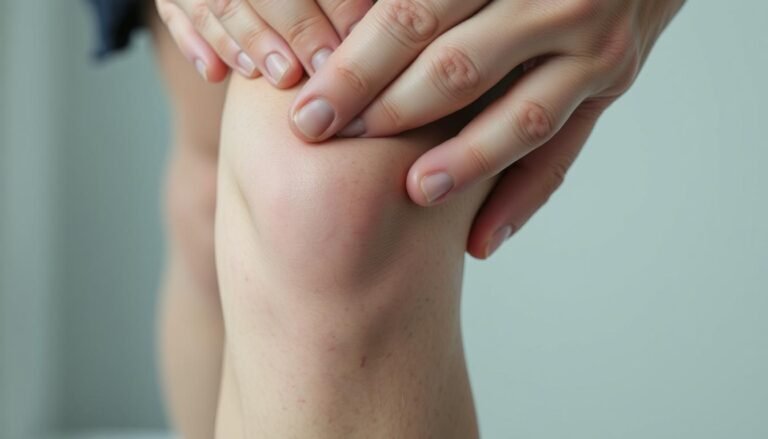
- Pain and Swelling: Persistent pain and swelling, especially after physical activity or long periods of inactivity, can be signs of various knee problems.
- Stiffness and Reduced Range of Motion: Difficulty in bending or straightening your knee, particularly in the morning or after sitting for extended periods.
- Clicking or Popping Sounds: These sounds, especially when accompanied by pain, may indicate cartilage damage or other knee problems.
- Instability: A feeling that your knee might “give out” or inability to bear weight on the affected leg.
- Warmth and Redness: These symptoms, particularly when combined with swelling, can indicate inflammation or infection.
Preventative Measures
Prevention is always better than cure. Here are some proactive steps you can take to maintain healthy knees and prevent pain.
Exercise and Physical Activity
[Image suggestion: A collage of people doing low-impact exercises like swimming, cycling, and walking]
Regular exercise is crucial for maintaining knee health, but it’s important to choose the right types of activities:
- Low-Impact Exercises:
- Swimming: The water’s buoyancy reduces stress on your joints while providing resistance for muscle strengthening.
- Cycling: Whether on a stationary bike or outdoors, cycling is an excellent way to improve knee strength and flexibility without high impact.
- Walking: A simple yet effective exercise that can be easily incorporated into your daily routine.
- Elliptical machines: These provide a good cardiovascular workout without the impact of running.
- Strength Training:
- Quadriceps exercises: Strong quads help support and stabilize the knee joint.
- Hamstring exercises: Balanced strength between quads and hamstrings is crucial for knee health.
- Core strengthening: A strong core helps maintain proper alignment and reduces stress on knees during activities.
- Stretching:
- Regular stretching exercises can help maintain flexibility and prevent stiffness.
- Focus on stretches for quadriceps, hamstrings, calves, and IT bands.
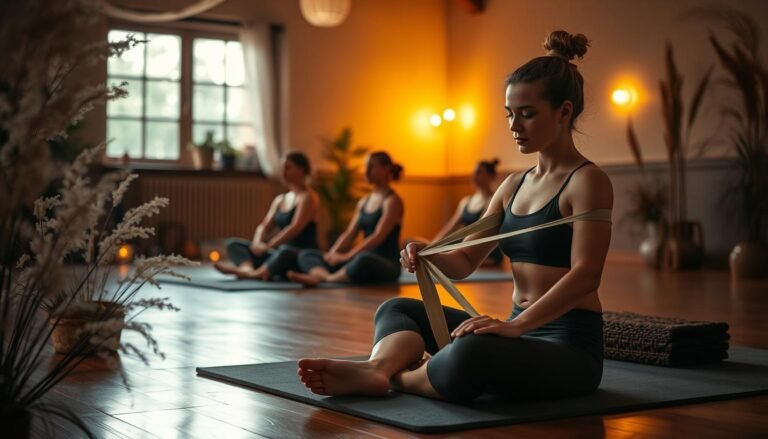
- Consider incorporating yoga or Pilates into your routine for overall flexibility and body awareness.
Diet and Nutrition
[Image suggestion: A colorful plate filled with anti-inflammatory foods]
What you eat can have a significant impact on joint health and inflammation levels in your body:
- Anti-Inflammatory Foods:
- Fatty fish (salmon, mackerel, sardines) rich in omega-3 fatty acids
- Nuts and seeds (walnuts, chia seeds, flaxseeds)
- Leafy greens (spinach, kale, collard greens)
- Berries (strawberries, blueberries, raspberries)
- Olive oil
- Turmeric and ginger
- Supplements:
- Glucosamine and chondroitin: These supplements are known to support joint health and may help reduce knee pain, especially in cases of osteoarthritis.
- Omega-3 fatty acids: If you don’t eat fish regularly, consider a high-quality fish oil supplement.
- Vitamin D and calcium: These nutrients are crucial for bone health, which indirectly affects joint health.
- Hydration:
- Staying well-hydrated is essential for maintaining the synovial fluid that lubricates your joints.
- Aim for at least 8 glasses of water per day, more if you’re active or in hot weather.
Lifestyle Adjustments
[Image suggestion: A before/after image showing proper posture and ergonomics]
Small changes in your daily habits can make a big difference in knee health:
- Weight Management:
- Maintaining a healthy weight reduces the strain on your knees. Every pound lost takes 4 pounds of pressure off your knees.
- Combine a balanced diet with regular exercise for sustainable weight management.
- Proper Footwear:
- Choose shoes with good arch support and cushioning.
- Replace running shoes regularly (every 300-500 miles).
- Consider custom orthotics if you have foot alignment issues that affect your knees.
- Posture and Ergonomics:
- Practice good posture when standing and sitting to reduce strain on your knees.
- Use ergonomic chairs and desks if you sit for long periods.
- When lifting heavy objects, bend at the knees and hips, not at the waist.
- Rest and Recovery:
- Allow adequate time for rest between workouts to prevent overuse injuries.
- Listen to your body and don’t push through pain.
Expert Treatment Options
When preventative measures aren’t enough, it’s time to explore treatment options under the guidance of healthcare professionals.
Physical Therapy
[Image suggestion: A physical therapist working with a patient on knee exercises]
Physical therapy can be incredibly effective in treating knee pain and improving function:
- Personalized Exercise Programs:
- A physical therapist can create a tailored exercise program to strengthen the knee and improve mobility.
- These programs often include a combination of strength training, flexibility exercises, and balance training.
- Manual Therapy:
- Techniques such as massage, joint mobilization, and soft tissue manipulation can help reduce pain and improve function.
- These hands-on approaches can be particularly effective for improving range of motion and reducing muscle tension.
- Modalities:
- Physical therapists may use various modalities to manage pain and promote healing, such as:
- Ultrasound therapy
- Electrical stimulation
- Heat and cold therapy
- Physical therapists may use various modalities to manage pain and promote healing, such as:
- Education:
- Learning proper body mechanics and movement patterns can help prevent future injuries and manage current pain.
Medical Interventions
In some cases, medical interventions may be necessary to manage knee pain effectively:
- Medications:
- Over-the-counter pain relievers like ibuprofen and naproxen can help manage pain and reduce inflammation.
- Prescription medications, such as stronger NSAIDs or pain relievers, may be recommended for more severe cases.
- Injections:
- Corticosteroid injections can provide powerful anti-inflammatory effects, offering relief for several months.
- Hyaluronic acid injections can help lubricate the knee joint, improving mobility and reducing pain.
- Platelet-rich plasma (PRP) injections are a newer treatment that uses the patient’s own blood components to promote healing.
- Bracing or Taping:
- Custom knee braces can provide support and stability to the joint.
- Kinesiology taping techniques can help support the knee and reduce pain during activities.
Surgical Options
[Image suggestion: A simple diagram showing different types of knee surgeries]
In severe cases or when conservative treatments fail, surgical intervention may be necessary:
- Arthroscopy:
- This minimally invasive surgery allows surgeons to diagnose and treat various knee problems through small incisions.
- It can be used to repair or remove damaged cartilage, reconstruct torn ligaments, or remove loose bodies in the joint.
- Knee Osteotomy:
- This procedure involves cutting and reshaping the bone to shift weight from a damaged area of the knee to a healthier area.
- It’s often used for younger, active patients with early-stage arthritis on one side of the knee.
- Partial Knee Replacement:
- In cases where only one part of the knee is damaged, a partial replacement can be performed.
- This procedure preserves more of the natural knee and often results in a quicker recovery than total knee replacement.
- Total Knee Replacement:
- In severe cases of arthritis or extensive damage, total knee replacement may be necessary.
- This procedure involves replacing the entire knee joint with artificial components.
- While it’s a major surgery, it can provide significant pain relief and improved function for many patients.
At-Home Remedies and Self-Care
In addition to professional treatments, there are many things you can do at home to manage knee pain and promote healing.
Cold and Heat Therapy
[Image suggestion: A side-by-side comparison of cold and heat therapy applications]
Understanding when to use cold or heat can make a big difference in managing knee pain:
- When to Use Ice:
- Ice packs can be used to reduce swelling and numb pain immediately after an injury or during acute flare-ups.
- Apply ice for 15-20 minutes at a time, several times a day.
- Always wrap the ice pack in a thin towel to protect your skin.
- Benefits of Heat:
- Heat therapy can help relax muscles, increase blood flow, and alleviate stiffness in the knee.
- Use heat before activities to loosen up the joint, or for chronic, nagging pain.
- Apply heat for 15-20 minutes at a time.
- Be cautious with heat if there’s swelling or inflammation present.
- Contrast Therapy:
- Alternating between cold and heat can be beneficial for some types of knee pain.
- Start with heat for 3-5 minutes, then switch to cold for 1 minute. Repeat this cycle 3 times, ending with cold.
Over-the-Counter Solutions
There are several OTC options that can help manage knee pain:
- Pain Relievers:
- Acetaminophen (Tylenol) can help relieve pain without reducing inflammation.
- Nonsteroidal anti-inflammatory drugs (NSAIDs) like ibuprofen (Advil, Motrin) or naproxen (Aleve) can help reduce both pain and inflammation.
- Topical Treatments:
- Creams and ointments containing ingredients like capsaicin, menthol, or salicylates can provide localized relief.
- These can be particularly helpful for mild to moderate knee pain and can be used alongside oral medications.
Supportive Devices
[Image suggestion: Various types of knee braces and compression sleeves]
Using supportive devices can help stabilize the knee and reduce pain during activities:
- Knee Braces:
- Compression braces can provide general support and warmth to the knee.
- Hinged braces offer more stability and are often used for ligament injuries.
- Patellofemoral braces help align the kneecap and are useful for conditions like runner’s knee.
- Compression Sleeves:
- These can help reduce swelling and improve circulation in the knee.
- They’re often more comfortable for all-day wear than structured braces.
- Kinesiology Tape:
- When applied correctly, kinesiology tape can help support the knee and reduce pain during activities.
- It’s less restrictive than braces and can be worn for longer periods.
Conclusion
Knee pain can be debilitating, but with the right knowledge and strategies, you can manage it effectively. By incorporating these expert tips and tricks into your routine, you can say goodbye to knee pain and enjoy a more active, pain-free life.
Recap of Key Points
- Understand the common causes and symptoms of knee pain to identify issues early.
- Engage in preventative measures like low-impact exercise, proper diet, and lifestyle adjustments.
- Explore expert treatment options such as physical therapy, medical interventions, and surgical solutions when necessary.
- Utilize at-home remedies and self-care techniques to manage pain and support healing.
Encouragement
Remember, overcoming knee pain is a journey that requires patience and consistency. Take proactive steps today to address your knee pain. With persistent effort and the right approach, you can achieve significant relief and improve your quality of life.
Call to Action
We’d love to hear from you! Have you experienced knee pain? What strategies have worked best for you? Share your tips and experiences in the comments below, and don’t hesitate to seek professional advice if you’re struggling with persistent knee pain.
Additional Resources
For more information on knee health and pain management, check out these resources:
- [Link to reputable orthopedic association website]
- [Link to physical therapy exercises video series]
- [Link to nutrition guide for joint health]
Remember, your journey to healthier knees starts with a single step. By following these expert tips and tricks, you can take control of your knee health and enjoy a more comfortable, active lifestyle.
[Image suggestion: A motivational image of someone successfully engaging in an activity they previously couldn’t due to knee pain]