heartbeat 163709 1280

Safe return after positive test

Long-term cardiac monitoring of athletes infected with SARS-CoV-2 after resumption of top-level sport

Heart. 2023 Sep 7:heartjnl-2023-323058. doi: 10.1136/heartjnl-2023-323058. Epub ahead of print. PMID: 37678891.

Full text available for free

Take home message

Elite athletes with a history of COVID-19 had heart measurements comparable to those of unexposed elite athletes. Therefore, return to sports participation is safe for athletes after COVID-19.

Background

The COVID-19 pandemic created an unprecedented event that continues to have a dramatic impact on sports at all levels. Although some researchers have suggested that SARS-CoV-2 infection is associated with myocarditis, we do not fully understand the impact of SARS-CoV-2 on cardiac abnormalities in athletes.

Study Objective

The researchers used a prospective cohort study to evaluate whether SARS-CoV-2 infection can be detrimental to cardiac function and anatomy in elite athletes.

Methods

A total of 259 elite athletes participated in the Evaluation of Lifetime participation in Intensive Top-level sports and Exercise (ELITE) cohort. All included athletes were at least 16 years old, trained more than 10 hours per week, and underwent periodic cardiovascular screenings. Of the 259 included athletes, 123 athletes had a confirmed SARS-CoV-2 infection. Those with a confirmed SARS-CoV-2 infection underwent additional cardiovascular testing, including ECG, metabolic laboratory assessment, and cardiovascular MRI. This assessment was repeated at 3, 6, and 9 months post-infection. The athletes without infection provided data from before the pandemic or self-reported no infection, which researchers confirmed with blood tests for antibodies.

Results

The authors found no differences between elite athletes with or without exposure in cardiac function or ventricular volume.

Positions

Although there are concerns about myocarditis in people exposed to SARS-CoV-2, the current study suggests that, at least in the medium term, infection is not related to persistent concerns about cardiac function or anatomy. However, more research is needed into how SARS-CoV-2 may affect cardiac function, as it remains unclear whether we can safely apply these findings to non-elite athletes.

Clinical implications

Clinicians should counsel patients that among elite athletes, it appears safe, at least in the medium term, to return to sport from a cardiac perspective. It may be helpful for patients who are not elite athletes to discuss that these findings may not apply to them. Therefore, clinicians should follow appropriate return to participation guidelines and monitor the literature.

Questions for discussion

What were your return-to-participation practices following this study? SARS-CoV-2 infection? What other considerations would you like to see in future research regarding SARS-CoV-2?

Written by: Kyle Harris
Reviewed by: Jeffrey Driban

related posts

Tested Positive for COVID? Be Careful Out There
We need a better understanding of how COVID-19 has impacted our athletes
Use of cardiovascular magnetic resonance (CMR) imaging for return to sports activities after COVID-19 infection: an expert consensus document on behalf of the American Heart Association Council on Cardiovascular Radiology and Intervention (CVRI) Leadership and endorsed by the Society for Cardiovascular Magnetic Resonance (SCMR)
Adapted physical activity in subjects and athletes recovering from COVID-19: a position statement by the Società Italiana Scienze Motorie e Sportive

Source link

Similar Posts

  • Inadequate energy intake affects female athletes

      A new study from Aarhus University shows that when female athletes decrease their energy intake and increase their training, their health and the ability of their muscles to respond to training are negatively affected. Diet and training go hand in hand if you want to achieve the best results. Most athletes know this, and…

  • |

    Unlocking the Connection Between Stress and Bone Health: Live Your Life More Powerfully with Dr. Tricia Pingel + BoneCoach™ – BoneCoach™

      Are you one of the 80% of adults suffer from adrenal fatigue? Worried about how stress can silently sabotage your bones and contribute to osteoporosis? Ready to discover one groundbreaking, cost-free strategy that would revolutionize your bone health? Then you shouldn’t miss this episode! Come with me as I sit down Dr. Tricia Pingel,…

  • |

    Are you at risk of vulnerability? New study offers hope for older adults

    A meta-analysis published in 2021 provides compelling evidence that physical activity interventions positively impact the health and well-being of frail and pre-frail older adults. Frailty is a somewhat loosely defined condition, which complicates research into effective interventions. In general, it describes a state of increased fragility that can accompany aging. Today we delve into these…

  • Best ice machine for knee surgery (Game Ready, Polar Care)

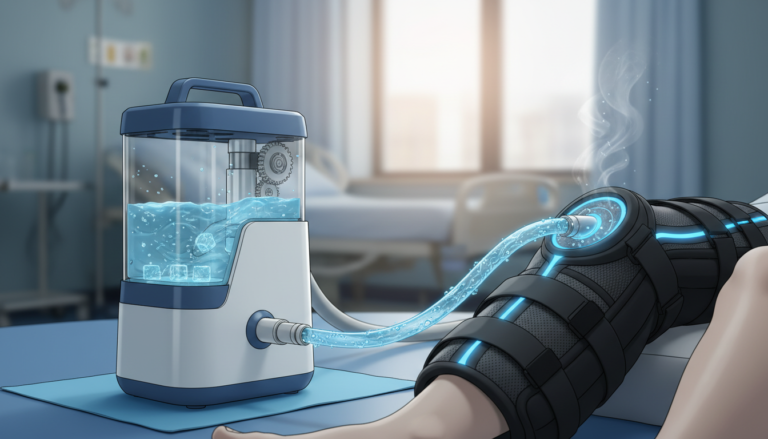
    What if you could recover from knee surgery with less pain and fewer medications? This question is at the heart of modern post-operative care. Managing discomfort and swelling is a major challenge after an orthopedic procedure. cold therapy system Cold therapy offers a powerful, drug-free solution. It is a non-invasive method to control inflammation and pain directly at the source. Specialized units deliver consistent cooling to the affected area. This can significantly reduce the need for strong painkillers during the critical healing phase. We have thoroughly examined the market of recovery tools. Our guide focuses on leading systems, including various Breg Polar Care models and the Game Ready unit. Our goal is to help you navigate your options. You can find a system that fits your needs and supports a smoother, more comfortable recovery at home. Key Takeaways Cold therapy is a proven, drug-free method to manage pain and swelling after surgery. Using a dedicated cooling unit can help reduce reliance on narcotic pain medication. Popular systems like the Breg Polar Care line come in several models, such as the Cube, Kodiak, Glacier, and Wave. Game Ready is a leading unit that combines cold therapy with adjustable compression. Always consult your healthcare provider to ensure this therapy is right for your specific procedure. Selecting the right device involves considering your budget and recovery goals. Effective, consistent cooling can greatly improve comfort and outcomes during the healing process. Introduction to Knee Surgery Recovery and Cold Therapy Successfully navigating the first weeks post-surgery hinges on a structured recovery strategy. This plan must prioritize managing two key issues: discomfort and inflammation. This is where cold therapy, also called cryotherapy, becomes essential. It involves applying controlled cooling to the surgical area to reduce inflammation. After a procedure, fluid often accumulates in the joint. This swelling, known as edema, increases pressure and causes significant pain. The therapy works by constricting blood vessels. This action helps limit the amount of fluid and blood pooling at the injury site. Many surgeons now recommend a dedicated cooling device. These units provide consistent, targeted cold therapy that is far more effective than basic ice packs. Reducing swelling early is crucial. It directly supports efforts to regain a full range of motion in the knee during rehabilitation. Healthcare providers often prescribe this therapy as a safe alternative to stronger pain medications. Patients should always combine its use with specific exercise advice from a physiotherapist. This promotes healthy blood flow and ensures optimal healing. How Cold Therapy Works in Reducing Swelling and Pain Cold therapy targets the root causes of post-operative discomfort through a simple yet powerful process. It directly addresses the inflammation and pain that hinder healing. Mechanism of Action in Cold Therapy The primary mechanism involves using cold water to constrict blood vessels. This reduces blood flow and inflammation in the affected area. A dedicated unit provides a continuous, even distribution of this chilled liquid. It maintains a steady cold temperature for many hours. cold therapy mechanism Advantages Over Traditional Ice Packs Basic ice packs warm up quickly due to body heat. Their effectiveness diminishes within minutes. In contrast, a motorized therapy system eliminates frequent trips to the freezer. Its large, insulated reservoir ensures prolonged cooling. Specialized pads are designed for specific body parts. They deliver targeted cold therapy exactly where needed. This approach prevents the condensation issues of melting ice packs. It keeps the surgical site clean and dry, enhancing comfort and hygiene. Overview of Cold Therapy Devices for Post-Surgical Recovery The market offers two primary types of cold therapy units, each with distinct mechanisms and benefits. Selecting the right one depends on your mobility, budget, and recovery goals. We categorize these devices into gravity-fed and motorized systems. This helps you understand which technology best suits your specific needs. Types of Devices: Motorized and Gravity-Fed Systems Gravity-fed devices, like the Aircast Cryo/Cuff, use elevation to circulate water without a motor. They are cost-effective and portable. The simple physics of elevation moves chilled liquid through the pad. Motorized systems provide constant recirculation of cold water between a cooler and the pad. This is ideal for patients with limited mobility after a procedure. Brands like Breg Polar Care circulate water directly for efficient cooling. The DonJoy IceMan series uses dual pump technology for a comfortable temperature. Some advanced therapy units, such as the Ossur Cold Rush, feature an adjustable flow dial. This allows patients to customize their experience. Understanding these mechanical differences is key before making a purchase. Both types deliver effective cold therapy, but their operation varies. Key Features to Consider When Purchasing an Ice Machine Several practical factors determine how well a cold therapy machine will serve you at home. The right features enhance both effectiveness and convenience during your healing period. Consistency, Coverage, and Temperature Control Look for a unit that maintains a steady cold temperature. Consistent cooling is vital for safe, prolonged sessions. Good coverage means the pad fits your joint properly. This ensures the therapy reaches all affected areas. Adjustable controls let you fine-tune the intensity. This prevents skin irritation while maximizing comfort. cold therapy…

One Comment

Leave a Reply

Your email address will not be published. Required fields are marked *