Iliotibial Band Syndrome: Causes, Symptoms, and Prevention
Introduction
If you’re an athlete or someone who leads an active lifestyle, you’ve likely heard of various sports injuries that can sideline even the most dedicated fitness enthusiasts. One such condition that often flies under the radar until it becomes a significant problem is Iliotibial Band Syndrome (ITBS). This common overuse injury can cause considerable discomfort and hinder your performance, whether you’re a runner, cyclist, or hiker.
In this comprehensive guide, we’ll dive deep into the world of Iliotibial Band Syndrome, exploring its causes, symptoms, and most importantly, how to prevent it. By the end of this article, you’ll have a thorough understanding of ITBS and be equipped with the knowledge to keep your iliotibial band healthy and your activities pain-free.
I. What is Iliotibial Band Syndrome?
Iliotibial Band Syndrome is a common overuse injury that primarily affects the lateral (outer) part of the knee. To understand ITBS, we first need to familiarize ourselves with the iliotibial band itself.
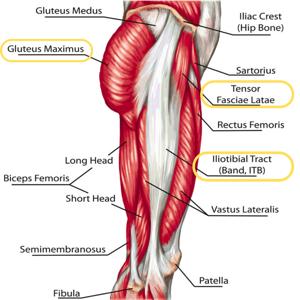
The iliotibial band, often abbreviated as IT band, is a thick band of fibrous tissue that runs along the outside of the thigh, extending from the hip to the shin. This band plays a crucial role in stabilizing the knee during running and other activities that involve repetitive knee flexion and extension.
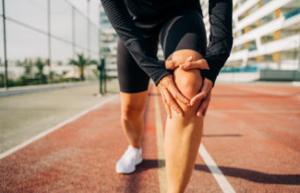
When the IT band becomes irritated or inflamed, typically due to repetitive friction, it can lead to ITBS. This condition is characterized by pain on the outer part of the knee, which can range from a dull ache to a sharp, burning sensation.
ITBS can significantly impact an individual’s ability to perform physical activities, especially those that involve repetitive knee movements. It’s not just a nuisance; left untreated, it can lead to chronic pain and long-term mobility issues.
II. Who is at Risk for ITBS?
While anyone can develop Iliotibial Band Syndrome, certain groups of people are at a higher risk due to the nature of their activities or physical characteristics. Understanding these risk factors can help you assess your own susceptibility to ITBS and take appropriate preventive measures.
High-Risk Activities
- Runners: Distance runners are particularly prone to ITBS due to the repetitive nature of their sport. The constant knee flexion and extension during running can lead to increased friction between the IT band and the lateral femoral epicondyle (a bony prominence on the outer part of the knee).
- Cyclists: Cycling, especially long-distance or intense cycling, can also put stress on the IT band. The repetitive pedaling motion and the slightly bent knee position maintained throughout the activity can contribute to the development of ITBS.
- Hikers: Hikers, especially those tackling long trails or steep terrains, are at risk due to the combination of repetitive movement and uneven surfaces.
- Weight Lifters: Certain weightlifting exercises, particularly those involving deep knee bends like squats, can stress the IT band and potentially lead to ITBS.
Other Risk Factors
- Anatomical Issues: Some people may be more susceptible to ITBS due to their physical structure. For example, individuals with leg length discrepancies, excessive pronation (inward rolling of the foot), or bowed legs may have a higher risk.
- Improper Training: Rapidly increasing mileage or intensity in running or cycling without proper conditioning can lead to ITBS.
- Poor Biomechanics: Inefficient running or cycling form can put extra stress on the IT band.
- Inadequate Warm-up: Failing to properly warm up before intense physical activity can increase the risk of developing ITBS.
- Worn-out Footwear: Running or exercising in shoes that no longer provide adequate support can contribute to the development of ITBS.
Understanding these risk factors is the first step in preventing ITBS. By identifying which factors apply to you, you can take targeted steps to protect your IT band and maintain your active lifestyle.
III. What are the Symptoms of ITBS?
Recognizing the symptoms of Iliotibial Band Syndrome early can help you address the issue before it becomes a chronic problem. While the primary symptom is pain on the outer side of the knee, ITBS can manifest in various ways and may progress if left untreated.
Common Symptoms of ITBS
- Lateral Knee Pain: The hallmark symptom of ITBS is pain on the outside of the knee. This pain typically:
- Begins as a mild ache and can progress to a sharp, burning sensation
- Often starts after a certain time or distance during activity (e.g., after running for 2 miles)
- May be more noticeable when going downhill or downstairs
- Swelling: Some individuals may experience swelling on the outer part of the knee.
- Warmth: The affected area may feel warm to the touch due to inflammation.
- Clicking or Popping Sensation: You might feel or hear a clicking or popping sensation when bending the knee, caused by the IT band moving over the lateral femoral epicondyle.
- Pain that Worsens with Activity: The discomfort typically intensifies with continued activity and may subside with rest.
- Tightness: You might feel tightness along the outer thigh, from the hip to the knee.
- Referred Pain: In some cases, the pain may radiate up the thigh or down the calf.
Progression of Symptoms
ITBS symptoms often follow a predictable pattern:
- Early Stage: Pain occurs toward the end of a run or workout.
- Intermediate Stage: Pain starts earlier in the activity and persists longer after stopping.
- Advanced Stage: Pain is present during daily activities and may interfere with sleep.
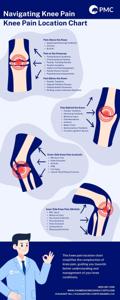
Show Image Image: Diagram showing the typical location of ITBS pain on the lateral knee
Differentiating ITBS from Other Knee Injuries
Here’s the comparison table for ITBS and other common knee injuries:
| Symptom | ITBS | Patellofemoral Pain Syndrome | Meniscus Tear |
|---|---|---|---|
| Pain Location | Outer side of knee | Front of knee, around or behind kneecap | Inside or outside of knee joint |
| Pain Onset | Gradually during activity | After prolonged sitting or stair climbing | Sudden, often with a popping sensation |
| Swelling | Minimal to none | Minimal to none | Often present |
| Range of Motion | Usually not affected | Usually not affected | May be limited |
| Pain with Squatting | Sometimes | Often | Often |
While this table can provide some guidance, it’s crucial to consult a healthcare professional for an accurate diagnosis. Self-diagnosis can lead to improper treatment and prolonged recovery times.
IV. What Causes ITBS?
Understanding the underlying causes of Iliotibial Band Syndrome is crucial for both prevention and treatment. ITBS is primarily an overuse injury, but several factors can contribute to its development.
Primary Causes of ITBS
- Repetitive Friction: The most common cause of ITBS is repetitive friction between the iliotibial band and the lateral femoral epicondyle. This friction occurs when the knee flexes and extends, particularly during activities like running or cycling.
- Biomechanical Issues:
- Overpronation of the foot
- Leg length discrepancies
- Weak hip abductor muscles
- Tight IT band or hip flexors
- Training Errors:
- Sudden increase in training intensity or duration
- Inadequate rest between workouts
- Overtraining
- Environmental Factors:
- Running on banked or uneven surfaces
- Worn-out shoes that no longer provide proper support
- Anatomical Factors:
- Bowed legs
- Unequal leg lengths
- Excessive internal rotation of the lower leg
The Biomechanics of ITBS
To better understand how ITBS develops, let’s look at the biomechanics involved:
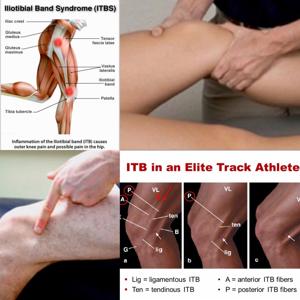
- Normal Function: The IT band helps stabilize the knee during running and walking. It moves back and forth over the lateral femoral epicondyle as the knee flexes and extends.
- ITBS Development: When the IT band becomes tight or inflamed, this movement can cause friction and irritation. Over time, this leads to inflammation and pain.
- Gait Cycle Impact: ITBS pain is often most noticeable when the knee is flexed at about 30 degrees. This typically occurs during the stance phase of running, particularly when the foot strikes the ground.
Factors Contributing to IT Band Tightness
Several factors can contribute to IT band tightness, increasing the risk of ITBS:
- Muscle Imbalances: Weakness in hip abductors (particularly the gluteus medius) can lead to increased stress on the IT band.
- Poor Flexibility: Tight muscles in the hips and legs can increase tension on the IT band.
- Overtraining: Excessive exercise without proper recovery can lead to muscle fatigue and altered biomechanics.
- Improper Form: Poor running or cycling technique can put unnecessary stress on the IT band.
- Inadequate Warm-up: Failing to properly warm up before exercise can leave muscles tight and more prone to injury.
Understanding these causes and contributing factors is essential for developing an effective prevention and treatment strategy for ITBS.
V. How is ITBS Diagnosed?
Accurate diagnosis of Iliotibial Band Syndrome is crucial for proper treatment and recovery. While the symptoms of ITBS can be quite distinctive, a healthcare professional should always be consulted to rule out other potential knee injuries.
Diagnostic Process
- Medical History: Your doctor will likely begin by asking about your symptoms, when they started, and what activities seem to aggravate them. They’ll also inquire about your exercise habits and any recent changes in your routine.
- Physical Examination: This typically involves:
- Palpation of the knee and IT band to check for tenderness
- Assessment of knee range of motion
- Strength testing of the hip and knee muscles
- Observation of your gait and running form (if applicable)
- Special Tests: Specific tests can help diagnose ITBS:
- Noble Compression Test: Applying pressure to the lateral femoral epicondyle while flexing and extending the knee
- Ober Test: Assessing IT band tightness
- Imaging Tests: While not always necessary, imaging tests may be used to rule out other conditions:
- X-rays: To check for bone abnormalities or arthritis
- MRI: To visualize soft tissues and rule out other knee injuries
Differential Diagnosis
| Condition | Key Symptoms | Diagnostic Tests |
|---|---|---|
| ITBS | Lateral knee pain, pain with repetitive knee flexion | Noble Compression Test, Ober Test |
| Lateral Meniscus Tear | Sharp pain, possible locking or catching sensation | McMurray Test, MRI |
| Patellofemoral Pain Syndrome | Pain around or behind kneecap, aggravated by stairs | Clarke’s Sign, Patellar Grind Test |
| Lateral Collateral Ligament Injury | Pain on outer knee, instability | Varus Stress Test |
Importance of Professional Diagnosis
While it might be tempting to self-diagnose based on symptoms, seeking professional medical advice is crucial for several reasons:
- Accurate Diagnosis: A healthcare professional can differentiate ITBS from other knee conditions that may present similar symptoms.
- Underlying Causes: A thorough examination can reveal biomechanical issues or muscle imbalances contributing to your ITBS.
- Personalized Treatment Plan: Based on the severity of your condition and your activity level, a professional can develop a tailored treatment plan.
- Prevention of Chronic Issues: Early and accurate diagnosis can prevent ITBS from becoming a chronic problem.
Remember, the sooner you seek professional help, the quicker you can begin appropriate treatment and return to your activities.
VI. Treatment Options for ITBS
Once diagnosed with Iliotibial Band Syndrome, a variety of treatment options are available. The appropriate treatment plan will depend on the severity of your condition, your activity level, and your overall health. Most cases of ITBS can be successfully treated with conservative methods, but in rare cases, more aggressive interventions may be necessary.
Conservative Treatments
- Rest, Ice, Compression, and Elevation (RICE):
- Rest: Avoid activities that exacerbate symptoms
- Ice: Apply ice to the affected area for 15-20 minutes every 2-3 hours
- Compression: Use a compression bandage to reduce swelling
- Elevation: Elevate the leg to minimize sw
Version 1 of 2
- Physical Therapy: A physical therapist can design a personalized treatment plan that may include:
- Stretching exercises for the IT band, hip flexors, and quadriceps
- Strengthening exercises for hip abductors and core muscles
- Manual therapy techniques to improve IT band mobility
- Gait analysis and retraining to correct biomechanical issues
- Foam Rolling: Self-myofascial release using a foam roller can help reduce tension in the IT band and surrounding muscles.
Show Image Image: Demonstration of proper foam rolling technique for the IT band
- Medications: Over-the-counter non-steroidal anti-inflammatory drugs (NSAIDs) like ibuprofen can help manage pain and reduce inflammation.
- Activity Modification: Temporarily switching to low-impact activities like swimming or cycling (if it doesn’t exacerbate symptoms) can maintain fitness while allowing the IT band to heal.
- Orthotics: Custom or over-the-counter orthotics may be recommended to correct biomechanical issues contributing to ITBS.
- Kinesiology Taping: Some individuals find relief with specialized taping techniques that support the IT band and knee.
Advanced Treatment Options
If conservative treatments don’t provide sufficient relief after several weeks to months, your healthcare provider might recommend more advanced options:
- Corticosteroid Injections: In some cases, a corticosteroid injection into the area of inflammation can provide temporary relief and reduce inflammation.
- Platelet-Rich Plasma (PRP) Therapy: This involves injecting a concentration of your own platelets to promote healing in the affected area.
- Extracorporeal Shockwave Therapy (ESWT): This non-invasive treatment uses shock waves to stimulate healing in the affected tissues.
Surgical Intervention
Surgery for ITBS is rare and only considered when all conservative treatments have failed over an extended period (usually at least 6 months to a year). Surgical options may include:
- IT Band Release: A procedure to release or lengthen the IT band to reduce tension.
- Arthroscopic Debridement: Removal of inflamed tissue around the IT band.
It’s important to note that surgery is a last resort and carries its own risks. The success rate of surgery for ITBS varies, and recovery can be lengthy.
Treatment Efficacy
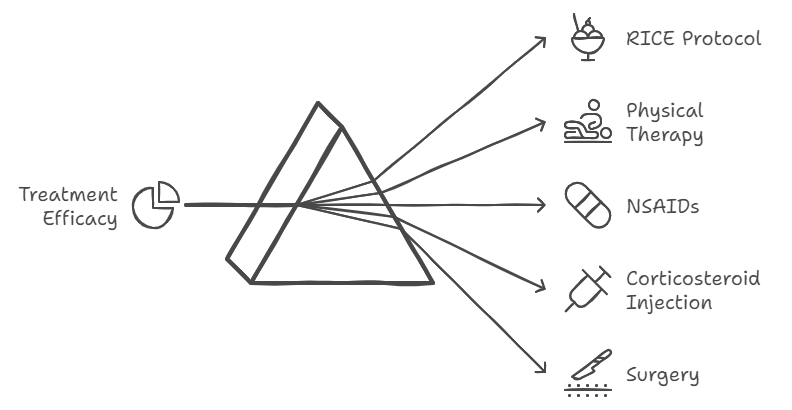
Remember, the key to successful treatment is early intervention and consistency in following your treatment plan.
VII. Prevention Tips for ITBS
Preventing Iliotibial Band Syndrome is often easier than treating it. By incorporating proper training techniques and maintaining good overall fitness, you can significantly reduce your risk of developing ITBS. Here are some essential prevention strategies:
1. Proper Warm-up and Cool-down Routines
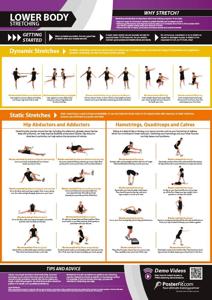
- Dynamic Warm-up: Before your workout, engage in dynamic stretching exercises that mimic the movements of your planned activity. This helps prepare your muscles and joints for the upcoming stress.
- Static Stretching: After your workout, perform static stretches focusing on the IT band, hip flexors, quadriceps, and hamstrings. Hold each stretch for 30 seconds to a minute.
2. Strengthening Exercises
Focus on exercises that target the hip abductors, glutes, and core muscles. Strong supporting muscles can help maintain proper form during activities and reduce stress on the IT band.
Key exercises include:
- Clamshells
- Side-lying leg lifts
- Glute bridges
- Planks and side planks
3. Flexibility Exercises
Maintain flexibility in the IT band and surrounding muscles with regular stretching:
- IT band stretches
- Quad stretches
- Hamstring stretches
- Hip flexor stretches
4. Gradual Training Progression
Follow the 10% rule: don’t increase your training volume (mileage, duration, or intensity) by more than 10% per week. This allows your body to adapt to the increased stress gradually.
5. Cross-training
Incorporate low-impact activities into your routine to reduce repetitive stress on the IT band:
- Swimming
- Cycling (if it doesn’t cause discomfort)
- Elliptical machine workouts
- Strength training
6. Proper Footwear and Equipment
- Replace running shoes every 300-500 miles or when they show signs of wear.
- Use shoes appropriate for your foot type and running style.
- Consider custom orthotics if you have biomechanical issues.
7. Running Surface and Terrain
- Avoid running on banked surfaces for extended periods.
- Mix up your running routes to vary the stress on your legs.
- Gradually introduce hill training and downhill running.
8. Proper Form and Technique
- Maintain good posture during running and cycling.
- Avoid overstriding while running.
- Keep your knees aligned with your feet during squats and lunges.
9. Listen to Your Body
- Pay attention to early warning signs of discomfort.
- Don’t push through pain – take rest days when needed.
- Gradually return to activity after any injury or extended break.
10. Regular Maintenance
- Use a foam roller regularly to maintain IT band flexibility.
- Consider regular massage therapy to address muscle tightness.
- Incorporate yoga or Pilates for overall flexibility and core strength.
Prevention Checklist
| Prevention Strategy | Frequency | Notes |
|---|---|---|
| Dynamic Warm-up | Before every workout | 5-10 minutes of activity-specific movements |
| Static Stretching | After every workout | Hold each stretch for 30 seconds to 1 minute |
| Strength Training | 2-3 times per week | Focus on hip abductors, glutes, and core |
| Foam Rolling | 3-4 times per week | Roll each area for 1-2 minutes |
| Cross-training | 1-2 times per week | Incorporate low-impact activities |
| Footwear Check | Every 300-500 miles | Replace shoes when showing signs of wear |
By incorporating these prevention strategies into your routine, you can significantly reduce your risk of developing ITBS and maintain an active, pain-free lifestyle.
VIII. Living with ITBS
While prevention is ideal, if you do develop Iliotibial Band Syndrome, it’s important to know how to manage the condition and maintain your quality of life. Living with ITBS doesn’t mean you have to give up your active lifestyle completely, but it does require some adjustments and ongoing care.
Managing Symptoms and Preventing Flare-ups
- Recognize Early Warning Signs: Learn to identify the early symptoms of an ITBS flare-up, such as mild discomfort on the outside of your knee during or after activity.
- Implement the RICE Protocol: At the first sign of discomfort, use the Rest, Ice, Compression, and Elevation (RICE) protocol to manage symptoms.
- Modify Activities: During a flare-up, switch to low-impact activities that don’t exacerbate your symptoms. This might include swimming, using an elliptical machine, or upper body strength training.
- Maintain Flexibility: Continue with your stretching routine, focusing on the IT band, hip flexors, and surrounding muscles.
- Use Self-Massage Techniques: Regular use of a foam roller or massage stick can help maintain IT band flexibility and prevent tightness.
- Wear Supportive Gear: Consider using a knee support or IT band strap during activities to provide additional support.
Gradual Return to Activity
After an ITBS flare-up, it’s crucial to return to your regular activities gradually:
- Start Slow: Begin with low-intensity, short-duration activities and gradually increase as tolerated.
- Follow the 10% Rule: Increase your activity level by no more than 10% per week.
- Monitor Pain Levels: Use a pain scale of 0-10. If pain exceeds 3/10 during activity, stop and rest.
- Incorporate Cross-training: Mix in low-impact activities to maintain fitness while reducing stress on the IT band.
- Continue Strengthening Exercises: Maintain your strength training routine, focusing on hip abductors and core muscles.
Long-term Management Strategies
- Regular Check-ins: Schedule periodic check-ins with your healthcare provider or physical therapist to assess your progress and adjust your management plan as needed.
- Maintain Good Biomechanics: Regularly assess and correct your form during activities. Consider periodic gait analysis if you’re a runner.
- Stress Management: Chronic stress can contribute to muscle tension. Incorporate stress-reduction techniques like meditation or yoga into your routine.
- Nutrition: Maintain a balanced diet rich in anti-inflammatory foods to support overall joint health.
- Sleep: Ensure you’re getting adequate sleep to support recovery and overall health.
Support Resources and Communities
Living with ITBS can be challenging, but you’re not alone. Consider connecting with support resources and communities:
- Online Forums: Websites like Reddit’s r/running or r/fitness have communities where you can share experiences and get advice.
- Local Running or Cycling Clubs: Many clubs have members who have dealt with ITBS and can offer support and advice.
- Physical Therapy Support Groups: Some physical therapy clinics offer support groups for individuals dealing with common sports injuries.
- Sports Medicine Clinics: These specialized clinics often offer resources and educational materials for managing conditions like ITBS.
Remember, everyone’s experience with ITBS is unique. What works for one person may not work for another, so it’s important to work closely with your healthcare provider to develop a management plan that’s tailored to your specific needs and goals.
Conclusion
Iliotibial Band Syndrome can be a frustrating condition for active individuals, but with proper understanding, prevention, and management, it doesn’t have to sideline you permanently. Let’s recap the key points we’ve covered:
- ITBS is an overuse injury affecting the thick band of tissue that runs from the hip to the knee on the outside of the thigh.
- Common symptoms include pain on the outside of the knee, which typically worsens with repetitive activities like running or cycling.
- Risk factors include biomechanical issues, training errors, and certain anatomical predispositions.
- Diagnosis typically involves a physical examination and may include imaging tests to rule out other conditions.
- Treatment options range from conservative measures like rest and physical therapy to more advanced interventions in severe cases.
- Prevention strategies include proper warm-up and cool-down routines, strengthening exercises, and gradual training progression.
- Living with ITBS involves ongoing management, including recognizing early warning signs and implementing long-term strategies to prevent flare-ups.
Remember, the key to managing ITBS is being proactive. Don’t ignore early signs of discomfort, and don’t be afraid to seek professional help. With patience, consistency, and the right approach, you can overcome ITBS and return to the activities you love.
We encourage you to share your own experiences with ITBS in the comments below. What strategies have worked for you? What challenges have you faced? Your insights could be invaluable to others dealing with this condition.
Stay active, stay healthy, and listen to your body. Here’s to pain-free movement and achieving your fitness goals!