NFL Knee Injuries in the 2026 Season: Causes, Trends, and What Fans Need to Know
NFL knee injuries in the 2026 season continue to shape rosters, playoff races, and player careers in ways that demand serious attention from every fan, coach, and medical professional. Did you know that players are 3.7 times more likely to suffer a knee extensor mechanism tear during a short rest week (fewer than seven days) compared to a long rest week? This staggering figure, tied directly to the punishing Thursday Night Football schedule, tells us just how vulnerable the knee remains in professional football, even with today’s advanced sports medicine.
Key Takeaways
| Question | Answer |
|---|---|
| What is the most common NFL knee injury in 2026? | ACL (anterior cruciate ligament) tears remain the most frequently reported serious knee injury among NFL players this season. |
| Does playing surface affect knee injury risk? | Yes. Non-contact knee injuries occur at a 32% higher rate on artificial turf than on natural grass fields. |
| How long does it take to recover from an NFL ACL tear? | The average recovery time has extended to 12 months, as teams now prioritize full healing over rushing players back at nine months. |
| What percentage of NFL injuries involve the knee? | Knee injuries account for 29.3% of all lower-body injuries recorded in the NFL’s electronic health record system. |
| Can NFL players fully recover from a torn meniscus? | Many players return after a torn meniscus, but outcomes depend on tear severity, surgical intervention, and rehabilitation quality. |
| Are knee braces used to prevent NFL knee injuries? | Yes. Prophylactic and functional knee braces are widely used. Read more about ACL injury knee brace options for support and prevention. |
| Do NFL knee injuries affect fantasy football rosters in 2026? | Absolutely. Skill-position players returning from ACL tears see a median production dip of 10-12% in their first season back. |
Understanding NFL Knee Injuries in the 2026 Season
The knee is one of the most complex and load-bearing joints in the human body, making it uniquely vulnerable to the explosive forces generated during NFL gameplay. In the 2026 season, the volume and severity of knee injuries have reinforced what medical professionals have known for years: professional football places extraordinary stress on this joint.
Every cut, tackle, plant-and-pivot, and direct-impact collision sends tremendous force through the knee. The ligaments, cartilage, and tendons that hold the joint together are constantly working at or near their limits during a 60-minute game.
Understanding how to manage and overcome knee pain is just as important off the field as it is on it. For NFL athletes, that education begins at the earliest stages of their career.
Knee pain among players is not limited to game situations. Training camp, practice reps, and preseason games all contribute to the cumulative wear that eventually results in injury. In 2026, teams are investing heavily in load management strategies to reduce unnecessary exposure.
The Most Common Knee Injuries Seen in NFL 2026 Season Play
Several distinct injury types dominate NFL medical reports during the 2026 season. Each affects the knee differently and carries its own recovery timeline and career implications.
- ACL Tears (Anterior Cruciate Ligament): The most feared injury in football, typically caused by non-contact pivoting or direct collision.
- PCL Tears (Posterior Cruciate Ligament): Often resulting from a direct blow to the shin or a hyperextension of the knee joint.
- Meniscus Tears: Cartilage damage that can range from minor fraying to complete ruptures requiring surgery.
- MCL Sprains: Medial collateral ligament damage, commonly caused by lateral impacts to the outer knee.
- Chondromalacia Patella: Softening of the cartilage beneath the kneecap, leading to chronic knee pain and discomfort.
- Traumatic Knee Injuries: Acute injuries from high-force collisions, including fractures and dislocations.
Each of these conditions can leave a player dealing with significant knee pain that disrupts not only their game performance but their daily quality of life. Understanding the differences between these injury types helps fans and analysts better assess player timelines and team roster decisions.
ACL Tears: The Most Career-Altering NFL Knee Injury in 2026
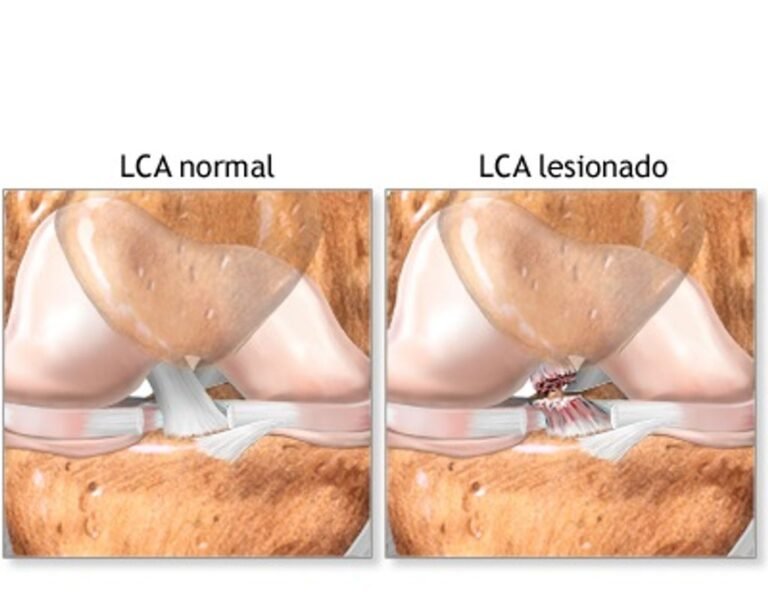
Among all NFL knee injuries tracked in the 2026 season, the ACL tear stands out as the most career-defining. The anterior cruciate ligament provides rotational stability to the knee, and when it ruptures, players lose the ability to cut, accelerate, or decelerate safely.
Learning about ligament knee injuries in depth can help players, coaches, and fans understand why these injuries carry such long recovery windows. The ACL cannot heal on its own and almost always requires surgical reconstruction.
The average recovery time for an ACL tear has now extended to 12 months in 2026. Teams have learned that pushing players back at the traditional nine-month mark frequently leads to re-injury or performance setbacks. This shift in thinking reflects a broader, more patient approach to reconstructive knee surgery rehabilitation.
For players dealing with knee hurt from an ACL injury, returning to peak athleticism requires a disciplined, phased recovery that includes strength rebuilding, proprioceptive training, and sport-specific movement work. We explore more about proper support during this process in our guide to ACL injury knee braces.
PCL and Posterior Knee Injuries in the 2026 NFL Season
While the ACL dominates headlines, the posterior cruciate ligament (PCL) is increasingly recognized as a significant source of knee pain and lost playing time in 2026.
PCL injuries often occur when a player falls on a bent knee or receives a direct blow to the front of the shin, forcing the tibia backward. These injuries are common in offensive linemen and running backs who absorb direct contact at the knee joint.
Unlike ACL tears, some PCL injuries can be managed conservatively without surgery. However, players still experience significant knee hurt and require weeks to months of rehabilitation before returning to full contact. In 2026, teams are increasingly using advanced imaging to grade PCL injuries more precisely before making return-to-play decisions.
How Playing Surface Drives NFL Knee Injuries in the 2026 Season
One of the most debated topics in NFL knee injury research entering the 2026 season is the role of artificial turf versus natural grass. The data is becoming increasingly difficult to ignore for league administrators and stadium operators.
The 32% higher non-contact knee injury rate on synthetic surfaces has mobilized the NFL Players Association to push for stadium surface reforms. Players frequently report that turf “grabs” their cleats, preventing the natural release that grass fields provide during planting and cutting movements.
This mechanical difference means the knee absorbs rotational forces that would otherwise dissipate through slight cleat slippage on natural grass. When the foot stays planted but the body continues to rotate, the structures inside the knee, including the ACL, meniscus, and collateral ligaments, bear the full load.
“The turf debate is no longer speculative. Players know when their knee hurt after a game on artificial surface feels different than after a natural grass game. The data in 2026 is now catching up with what athletes have been reporting for over a decade.”
In 2026, several NFL stadiums have announced plans to transition to hybrid or natural playing surfaces, citing injury data and player feedback as primary drivers of the decision.
Meniscus and Traumatic Knee Injuries in NFL Players
Beyond ligament damage, torn meniscus injuries represent one of the most common surgical procedures in NFL training rooms during the 2026 season.
The meniscus acts as a shock absorber and stabilizer within the knee joint. When torn, it can cause locking, swelling, and sharp knee pain that prevents any meaningful athletic movement. Depending on the location and severity of the tear, surgeons may choose to repair the meniscus or remove the damaged tissue entirely.
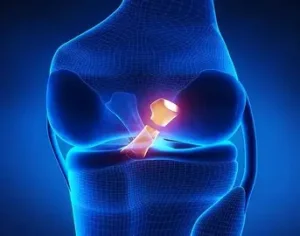
Traumatic knee injuries, including fractures and knee dislocations, also appear in NFL medical reports each season, though less frequently than soft-tissue damage. These high-energy injuries typically result from helmet-to-knee contact or pile-up situations and often require extensive surgical and rehabilitation intervention.
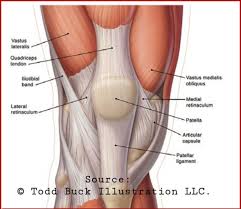
Additionally, chondromalacia patella is an underreported condition in the NFL that causes chronic knee pain behind the kneecap. While it rarely results in lost games, it can significantly affect a player’s comfort and movement quality over the course of a long season.
This infographic highlights five key knee injury statistics from the NFL’s 2026 season. It offers quick insights into injury trends and potential risk factors for players.
Knee Pain and Long-Term Career Impact for NFL Players in 2026
One of the most sobering realities of NFL knee injuries in the 2026 season is what they mean for long-term careers. Knee pain that begins with a single traumatic event can evolve into chronic conditions that follow players for the rest of their lives.
Chronic knee pain among former NFL players is a well-documented concern. Repeated cartilage damage, scar tissue buildup, and joint inflammation accumulate over seasons of play, often resulting in early-onset osteoarthritis.
This 28% figure illustrates why knee hurt from an ACL tear is not just a short-term performance issue but a potential career-ending event for many NFL players. Teams in 2026 are weighing this data carefully when making contract and roster decisions around players with recent ACL history.
For a thorough guide to understanding and addressing knee pain at every level, we recommend reading our comprehensive guide to understanding, managing, and overcoming knee pain.
Recovery Strategies and Prevention of NFL Knee Injuries in 2026
The 2026 NFL season has seen a notable increase in team investment toward knee injury prevention. From prehabilitation programs to advanced biomechanical screening, franchises are approaching knee health with greater scientific rigor than ever before.
Key prevention and recovery strategies used by NFL teams in 2026 include:
- Load Management Protocols: Reducing practice reps and contact during short-rest weeks to address the 3.7x elevated injury risk identified in Thursday Night Football scheduling research.
- Neuromuscular Training: Programs designed to improve single-leg stability, proprioception, and landing mechanics that protect the knee from ACL and meniscus stress.
- Knee Brace Utilization: Functional braces that provide ligament support during return-to-play phases, particularly for players recovering from ACL and PCL injuries.
- Surface Advocacy: Teams and players actively lobbying for natural grass installations at stadiums with high knee injury rates.
- Extended Recovery Windows: Moving away from the nine-month ACL return model toward a more individualized 12-month timeline that ensures biomechanical readiness.
- Imaging-Based Decision Making: Using MRI and advanced imaging to monitor cartilage health and guide return-to-play decisions rather than relying solely on symptom reporting.
Players dealing with any degree of knee hurt during the 2026 season are also increasingly turning to structured physical therapy and non-surgical interventions before considering surgical options. This conservative-first approach has shown promising results for lower-grade ligament sprains and meniscus irritations.
What NFL Knee Injuries in the 2026 Season Mean for Fantasy Football
For the millions of fantasy football managers tracking the 2026 season, NFL knee injuries represent the most significant roster management challenge. A single injury report involving an ACL or meniscus can erase a top draft pick’s value overnight.
The data shows that skill-position players (running backs and wide receivers) returning from ACL tears see a median production dip of 10-12% in their first season back. This is a critical figure for fantasy managers who assume a returning star will immediately perform at pre-injury levels.
Key fantasy football considerations related to NFL knee injuries in 2026 include:
- Avoid selecting returning ACL players in the first two rounds of your draft, regardless of their projected output.
- Monitor weekly injury reports closely for “knee” and “knee pain” designations, which often precede more significant damage if not managed properly.
- Understand the difference between a player listed as “knee hurt” from a minor bruise versus one managing a structural injury like a torn meniscus.
- Factor in playing surface matchups when predicting injury risk for already-compromised players.
- Identify handcuff players on rosters with star players managing chronic knee issues heading into the season.
Staying informed about the specific nature of NFL knee injuries, not just the injury designation, gives fantasy managers a meaningful competitive edge throughout the 2026 season.
Conclusion
NFL knee injuries in the 2026 season remain one of the most pressing medical and competitive issues in professional football. From ACL and PCL tears to meniscus damage and chronic knee pain, the knee continues to be the most vulnerable and consequential joint on the field.
The 2026 season has reinforced several important truths: playing surface matters enormously for non-contact knee injury rates, recovery timelines must be respected to prevent re-injury, and only a fraction of players who suffer major knee damage sustain their pre-injury career trajectory. For anyone who experiences knee hurt, whether as an NFL player or an everyday athlete, understanding the nature of these injuries is the first step toward better outcomes.
We encourage readers dealing with ongoing knee pain to explore our full range of educational resources, from knee pain guides to condition-specific pages covering ligament injuries and beyond. Knowledge is the most powerful tool in protecting and recovering your knee.
Frequently Asked Questions
What are the most common NFL knee injuries in the 2026 season?
The most common NFL knee injuries in the 2026 season include ACL tears, PCL sprains, torn meniscus injuries, MCL damage, and chondromalacia patella. ACL tears remain the most severe and career-impacting, accounting for a disproportionate share of placed-on-injured-reserve designations each week of the season.
How long does it take for an NFL player to recover from a knee injury in 2026?
Recovery timelines vary by injury type. Minor sprains may resolve within a few weeks, while a torn meniscus typically requires four to eight weeks post-surgery. ACL tears now carry an average recovery window of 12 months in 2026, as teams prioritize complete healing over faster returns that risk re-injury.
Is artificial turf making NFL knee injuries worse in 2026?
Yes, the data strongly supports this conclusion. Non-contact knee injuries occur at a 32% higher rate on artificial turf compared to natural grass. In 2026, this finding has renewed pressure on the NFL and stadium operators to transition to hybrid or natural grass surfaces to reduce player knee injury risk.
Can an NFL player’s career survive a serious knee injury in 2026?
Career survival after a serious knee injury depends heavily on the injury type, the player’s age, position, and commitment to rehabilitation. Only 28% of NFL players who suffer an ACL tear remain active in the league three years post-injury, which makes proper recovery and management critically important for long-term career continuation.
What is the best way to prevent knee injuries in NFL players?
Prevention in 2026 centers on neuromuscular training, load management during short-rest weeks, proper knee bracing during return-to-play phases, and surface advocacy for natural grass. Teams that implement structured prehabilitation programs have reported measurable reductions in the rate and severity of knee injuries among their rosters.
Why does knee pain often persist for NFL players even after surgery?
Persistent knee pain after surgery can result from cartilage loss, scar tissue formation, re-injury, or the onset of early osteoarthritis from repeated joint stress. NFL players often endure years of accumulated micro-damage to the knee before a singular event triggers the visible injury, meaning the underlying joint health may already be compromised at the time of surgery.
Is it worth starting an NFL player returning from a knee injury in fantasy football in 2026?
This depends on the injury type and how long ago it occurred. Players returning from ACL tears in 2026 typically show a 10-12% production dip in their first season back, making them risky early-round picks. A player returning from a simpler knee injury like a minor meniscus trim or a medial bruise may return close to full capacity within their first few weeks back on the field.