Genu Recurvatum Strengthening Exercises
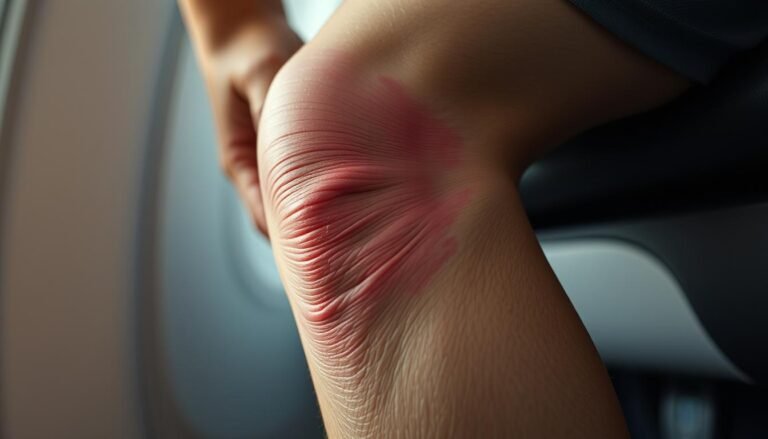
Are you experiencing knee instability or pain due to hyperextension? Knee hyperextension, also known as Genu recurvatum, can significantly impact daily activities. This condition occurs when the knee extends too far backward, often resulting in discomfort and reduced functionality.
Strengthening the muscles around the knee is crucial for managing this condition. Knee rehabilitation exercises can help alleviate symptoms and improve knee function. By focusing on preventing knee hyperextension, individuals can regain stability and reduce pain.
Key Takeaways
- Understanding Genu recurvatum and its effects on the knee
- The importance of strengthening exercises in managing the condition
- Role of knee rehabilitation exercises in alleviating symptoms
- Preventing knee hyperextension through targeted exercises
- Improving knee function and stability
Understanding Genu Recurvatum: What You Need to Know
Knee hyperextension, or genu recurvatum, is a condition that necessitates a thorough comprehension of its causes, symptoms, and treatment options. Genu recurvatum is characterized by an excessive backward bending of the knee, often resulting in instability and potentially leading to further injuries if not properly addressed.
Definition of Genu Recurvatum
Genu recurvatum refers to a condition where the knee extends too far backward, beyond the normal range of motion. This hyperextension can put strain on the knee joint and surrounding muscles, potentially leading to discomfort and decreased functionality.
The condition can be caused by various factors, including muscle imbalances, ligament laxity, and structural abnormalities. Understanding the underlying causes is crucial for developing effective treatment plans.
Common Causes and Risk Factors
Several factors contribute to the development of genu recurvatum, including:
- Muscle Imbalances: Weakness in the muscles around the knee, particularly the hamstrings, can lead to hyperextension.
- Ligament Laxity: Loose ligaments can fail to provide adequate support to the knee joint, resulting in excessive extension.
- Structural Abnormalities: Certain bone or joint deformities can predispose individuals to genu recurvatum.
- Previous Injuries: Trauma or injuries to the knee can lead to hyperextension if not properly rehabilitated.
Symptoms and Diagnosis
Symptoms of genu recurvatum may include knee pain, instability, and a visible hyperextension of the knee during standing or walking. Diagnosis typically involves a physical examination by a healthcare professional, potentially supplemented by imaging tests to assess the extent of the condition.
Accurate diagnosis is critical for determining the appropriate treatment, which may include physical therapy, strengthening exercises, and in some cases, orthotics or bracing to support the knee.
The Importance of Strengthening Exercises
The importance of strengthening exercises for genu recurvatum cannot be overstated. Strengthening exercises are crucial for improving joint stability, preventing further injuries, and enhancing mobility and function in individuals with genu recurvatum. By targeting the muscles around the knee, these exercises help to provide additional support to the joint, reducing the risk of further strain or damage.
Benefits for Joint Stability
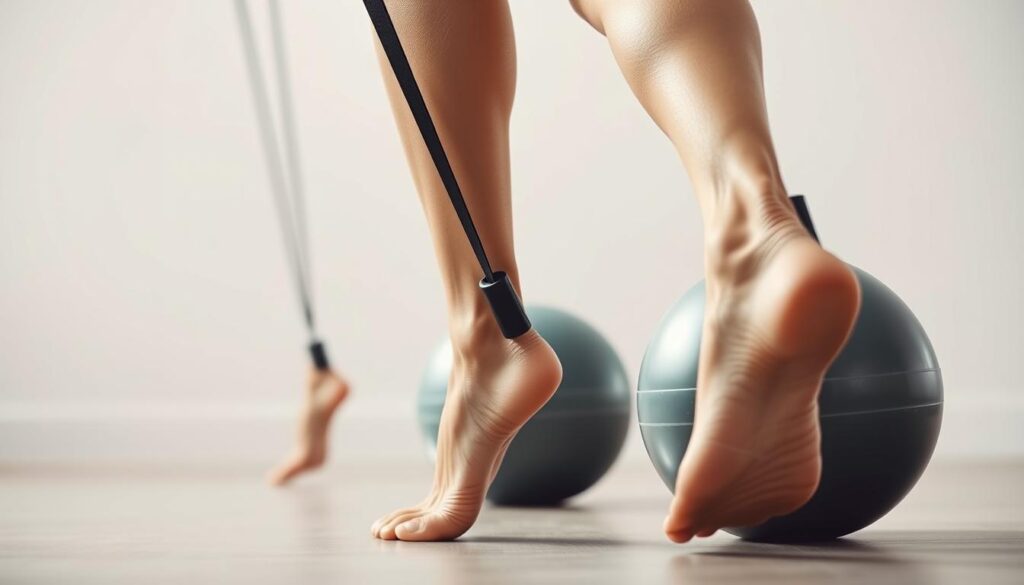
Strengthening the muscles around the knee, particularly through knee rehabilitation exercises, is vital for improving joint stability. When the muscles are strong, they can better support the knee joint, reducing the likelihood of hyperextension and other complications associated with genu recurvatum. Exercises that strengthen the quadriceps, hamstrings, and calf muscles are especially beneficial.
Prevention of Further Injuries
Engaging in genu recurvatum strengthening exercises can significantly reduce the risk of further injuries. By enhancing the strength and stability of the knee, individuals can better withstand stresses and strains, making it less likely for the condition to worsen or for new injuries to occur.
Enhanced Mobility and Function
Strengthening exercises also play a key role in improving mobility and function. As the muscles around the knee become stronger, individuals may find it easier to perform daily activities and maintain a more active lifestyle. This improvement in mobility and function can greatly enhance overall quality of life. Learning how to strengthen knee ligaments through appropriate exercises is a crucial step in this process.
Key Muscle Groups to Target
The effectiveness of genu recurvatum exercises largely depends on targeting the right muscle groups that contribute to knee function and stability. Strengthening these muscles can help improve knee alignment and reduce the risk of further injuries.
Several key muscle groups are crucial for addressing genu recurvatum. These include the quadriceps, hamstrings, calves, and core muscles, each playing a unique role in knee stability and overall lower limb function.
Quadriceps
The quadriceps muscles are essential for knee extension and stability. Strengthening the quadriceps through exercises like straight leg raises can help improve knee function and reduce the symptoms of genu recurvatum.
Hamstrings
The hamstrings are vital for knee flexion and controlling the knee joint during movements. Knee flexion exercises that target the hamstrings can help balance the strength around the knee, improving overall knee stability.
Calves
The calf muscles contribute to ankle stability and indirectly affect knee alignment. Strengthening the calves through calf raises can help improve lower limb alignment and reduce the strain on the knee.
Core Muscles
The core muscles play a significant role in overall lower limb stability, including the knee. A strong core can help maintain proper posture and alignment, reducing the risk of genu recurvatum and associated discomfort.
By targeting these key muscle groups, individuals with genu recurvatum can develop a comprehensive strengthening program that addresses the root causes of their condition, leading to improved knee stability and function.
Recommended Genu Recurvatum Strengthening Exercises
For individuals dealing with genu recurvatum, incorporating specific strengthening exercises into their routine can significantly improve knee stability. Strengthening the muscles around the knee is crucial for managing genu recurvatum. The following exercises are recommended:
Straight Leg Raises
Straight leg raises are an effective exercise for strengthening the quadriceps without putting excessive strain on the knee joint. To perform a straight leg raise:
- Lie on your back with one leg straight and the other bent.
- Lift the straight leg to about 12 inches off the ground.
- Hold for a few seconds, then lower it back down.
Regular practice of straight leg raises can enhance quadriceps strength, which is vital for knee stability.
Hamstring Curls
Hamstring curls target the hamstrings, which are essential for knee flexion and stability. To perform a hamstring curl:
- Stand or sit with your legs hanging off the edge of a surface.
- Curl your heels towards your buttocks, then return to the starting position.
Strengthening the hamstrings through curls can help balance the strength around the knee, reducing the risk of further injury.
Calf Raises
Calf raises strengthen the calf muscles, which play a role in ankle stability and, by extension, can affect knee alignment. To perform a calf raise:
- Stand on the edge of a step or curb with your heels hanging off.
- Raise up onto your tiptoes, then lower back down.
Calf raises are simple yet effective for improving lower leg strength.
Squats
Squats are a compound exercise that strengthens multiple muscle groups around the knee, including the quadriceps, hamstrings, and glutes. To perform a squat:
- Stand with your feet shoulder-width apart.
- Lower your body down into a squatting position, keeping your back straight.
- Push through your heels to return to standing.
For more detailed guides on knee strengthening exercises, you can visit knee strengthening exercise guides.

How to Create an Effective Routine
An effective exercise routine is key to preventing knee hyperextension and improving overall knee health. When dealing with genu recurvatum, it’s crucial to structure your exercises in a way that promotes strengthening without causing further strain.
To achieve this, consider the following aspects of your exercise routine: frequency, duration, and progression of intensity. Each of these elements plays a vital role in ensuring that your exercises are both effective and safe.
Frequency of Exercise
For genu recurvatum strengthening exercises to be effective, consistency is key. It’s generally recommended to perform these exercises 3 to 4 times a week, allowing for adequate recovery time between sessions. This frequency helps in gradually strengthening the muscles around the knee without overexertion.
Duration of Each Session
The duration of each exercise session should be long enough to be effective but not so long as to cause fatigue. Typically, sessions can last between 20 to 30 minutes, focusing on knee flexion exercises and other relevant strengthening activities. It’s essential to start with manageable durations and gradually increase as your strength and endurance improve.
Progression of Intensity
Progressing the intensity of your exercises is crucial for continuous improvement. This can be achieved by increasing the number of repetitions, adding resistance, or modifying exercises to make them more challenging. For instance, you can start with bodyweight exercises and move to resistance band exercises or light weights as you get stronger. For more information on exercises that can help with knee pain relief, you can visit this resource.
By carefully planning your exercise routine and paying attention to frequency, duration, and progression, you can effectively strengthen your knees and reduce the risk of further injuries.
Tips for Safe Exercise Practices
Safe exercise practices are essential for individuals with genu recurvatum to ensure effective strengthening and prevent injuries. When engaging in knee rehabilitation exercises, it’s crucial to be mindful of your body’s limitations and take necessary precautions.
Warming Up Properly
Before starting any exercise routine, warming up properly is vital. This can include light cardio activities such as jogging in place or cycling, followed by dynamic stretches that target the knee and surrounding muscles. A proper warm-up increases blood flow to the muscles, reducing the risk of strains and improving overall performance.
Listening to Your Body
Listening to your body is another critical aspect of safe exercise practices. If you experience any pain or discomfort during exercises for back of the knee, stop immediately. It’s essential to differentiate between the normal discomfort associated with exercising and pain that could indicate an injury.
Cool Down and Stretching
After completing your exercise routine, cooling down and stretching are essential. This helps in gradually bringing your heart rate back to normal and improving flexibility. Focus on static stretches that target the quadriceps, hamstrings, and calf muscles, all of which are crucial for how to strengthen knee ligaments.
The following table summarizes key points for safe exercise practices:
| Exercise Phase | Activity | Benefits |
|---|---|---|
| Warming Up | Light cardio and dynamic stretches | Increases blood flow, reduces injury risk |
| Exercise Routine | Knee rehabilitation exercises | Strengthens knee and surrounding muscles |
| Cool Down | Static stretches | Improves flexibility, reduces muscle soreness |

Modifications for Different Fitness Levels
Adapting genu recurvatum strengthening exercises for different fitness levels is key to preventing injuries and promoting progress. Individuals with knee hyperextension need to tailor their workout routines to their specific needs, ensuring they can strengthen their knees safely and effectively.
Modifying exercises according to fitness levels allows individuals to progress at their own pace. This personalized approach is crucial for physical therapy for hyperextended knee cases, where the goal is to strengthen the surrounding muscles without exacerbating the condition.
Beginner Adaptations
For beginners, it’s essential to start with low-intensity exercises that focus on building strength and stability around the knee. Straight leg raises and wall squats are excellent starting points, as they are low-impact and can be modified further based on individual comfort levels.
- Begin with bodyweight exercises to build initial strength.
- Use resistance bands for added resistance without heavy weights.
- Focus on slow, controlled movements to engage the correct muscles.
Intermediate Options
Once initial strength is built, intermediate exercises can be introduced to continue challenging the muscles around the knee. Squats and lunges are effective for strengthening the quadriceps, hamstrings, and glutes, all of which are crucial for knee stability.
- Incorporate weights or resistance bands to increase the intensity.
- Increase the depth of squats and lunges, ensuring proper form.
- Add variations like single-leg squats to challenge balance and stability.
Advanced Exercises
For advanced individuals, the focus shifts to high-intensity exercises that further challenge knee stability and strength. Plyometric exercises and agility drills can be incorporated to enhance knee function and overall lower body strength.
- Include plyometric squats and box jumps to improve power.
- Use agility ladder drills to enhance speed and coordination.
- Continue to increase the intensity of workouts, always maintaining proper form.
By modifying genu recurvatum strengthening exercises according to fitness levels, individuals can ensure a progressive and safe workout routine. This tailored approach is fundamental in managing knee hyperextension and enhancing overall knee health through physical therapy for hyperextended knee practices.
When to Consult a Professional
Understanding the limits of self-exercise and recognizing when to consult a professional is vital for safely managing genu recurvatum. While many genu recurvatum strengthening exercises can be performed at home, certain signs and symptoms may indicate the need for professional guidance to prevent further injury and ensure effective knee rehabilitation exercises.
Signs You Should Seek Help
If you experience persistent pain or discomfort that does not improve with exercise, it may be a sign that you need to consult a professional. Additionally, if you notice increased instability or knee hyperextension during activities, seeking help is advisable. Other signs include significant swelling, redness, or warmth around the knee joint.
It’s also important to seek professional advice if you’re unsure about the correct form or technique for genu recurvatum strengthening exercises, as improper form can lead to further injury.
Types of Professionals to Contact
For genu recurvatum, it’s beneficial to consult professionals who specialize in musculoskeletal health. This may include orthopedic specialists, physical therapists, or sports medicine physicians. These professionals can provide a thorough assessment and recommend knee rehabilitation exercises tailored to your specific needs.
A physical therapist, for instance, can help design a personalized exercise program focusing on preventing knee hyperextension and improving overall knee function.
Importance of Personalized Programs
A personalized exercise program is crucial for effectively managing genu recurvatum. Professionals can create a customized plan that addresses your specific condition, fitness level, and goals, ensuring that you’re performing the most effective genu recurvatum strengthening exercises.
By having a tailored program, you can improve your knee stability, reduce the risk of further injuries, and enhance your overall mobility and function. This personalized approach is key to achieving successful outcomes in knee rehabilitation exercises and preventing knee hyperextension.
Success Stories and Testimonials
The effectiveness of genu recurvatum strengthening exercises is best illustrated through the success stories of those who have benefited from them. Individuals who have incorporated these exercises into their daily routines have reported significant improvements in their condition.
Real Experiences from Individuals
Many people have shared their positive experiences with genu recurvatum strengthening exercises, highlighting the relief and improved mobility they’ve gained. For instance, one individual reported a significant reduction in knee pain after consistently performing knee flexion exercises.
| Exercise | Benefit | Testimonial |
|---|---|---|
| Straight Leg Raises | Improved quadriceps strength | “I’ve seen a huge difference in my knee stability since starting straight leg raises.” |
| Hamstring Curls | Enhanced hamstring strength | “Hamstring curls have helped me regain balance and reduce knee pain.” |
| Calf Raises | Better ankle mobility and strength | “Calf raises have improved my overall lower leg strength and reduced strain on my knee.” |
Impact on Daily Life
The impact of genu recurvatum strengthening exercises on daily life is profound. By improving knee stability and reducing pain, individuals can perform daily tasks with greater ease and confidence. Exercises for the back of the knee play a crucial role in this improvement.
Encouragement for New Practitioners
For those just starting out with genu recurvatum strengthening exercises, the success stories and testimonials serve as a powerful encouragement. Consistency and patience are key, as the benefits of these exercises are realized over time with regular practice.
Additional Resources
To manage genu recurvatum effectively, it’s essential to have access to a variety of resources that can provide guidance and support. The following resources can be invaluable in your journey to strengthen your knee and improve overall knee health through physical therapy for hyperextended knee and knee rehabilitation exercises.
Comprehensive Guides
Several books and guides offer in-depth information on knee health, including how to strengthen knee ligaments and manage genu recurvatum. These resources can provide detailed exercises and rehabilitation programs tailored to individual needs.
Support Networks
Online communities and forums can connect individuals with others who are experiencing similar challenges. These platforms offer a space to share experiences, ask questions, and gain support from people who understand the complexities of knee injuries and rehabilitation.
Visual Tutorials
Videos and tutorials can be particularly helpful for understanding the proper form and technique for knee rehabilitation exercises. These resources can be found on various health and fitness websites, providing visual guidance to complement written instructions.
FAQ
What is genu recurvatum and how does it affect the knee?
What are the benefits of strengthening exercises for genu recurvatum?
What exercises are recommended for genu recurvatum?
How often should I perform genu recurvatum strengthening exercises?
How can I modify genu recurvatum strengthening exercises for different fitness levels?
What are some tips for safe exercise practices with genu recurvatum?
When should I consult a professional for genu recurvatum?
Can knee hyperextension be prevented through strengthening exercises?
What role do physical therapy exercises play in managing genu recurvatum?
Are there any additional resources available for learning genu recurvatum strengthening exercises?