Patellofemoral Arthritis Non-Surgical Options
Are you experiencing persistent knee pain that worsens when climbing stairs or squatting? This discomfort could be a sign of patellofemoral arthritis, a condition affecting the cartilage under the kneecap.
Managing this condition doesn’t always require surgery. Various non-surgical treatments can help alleviate symptoms and improve knee function. This article will explore the best approaches for managing patellofemoral arthritis without surgery, including lifestyle changes, physical therapies, and other interventions.
Key Takeaways
- Understanding patellofemoral arthritis and its symptoms
- Exploring non-surgical management options
- Learning about the most effective treatments for symptom relief
- Discovering lifestyle adjustments to alleviate knee pain
- Understanding the role of physical therapy in treatment
Understanding Patellofemoral Arthritis
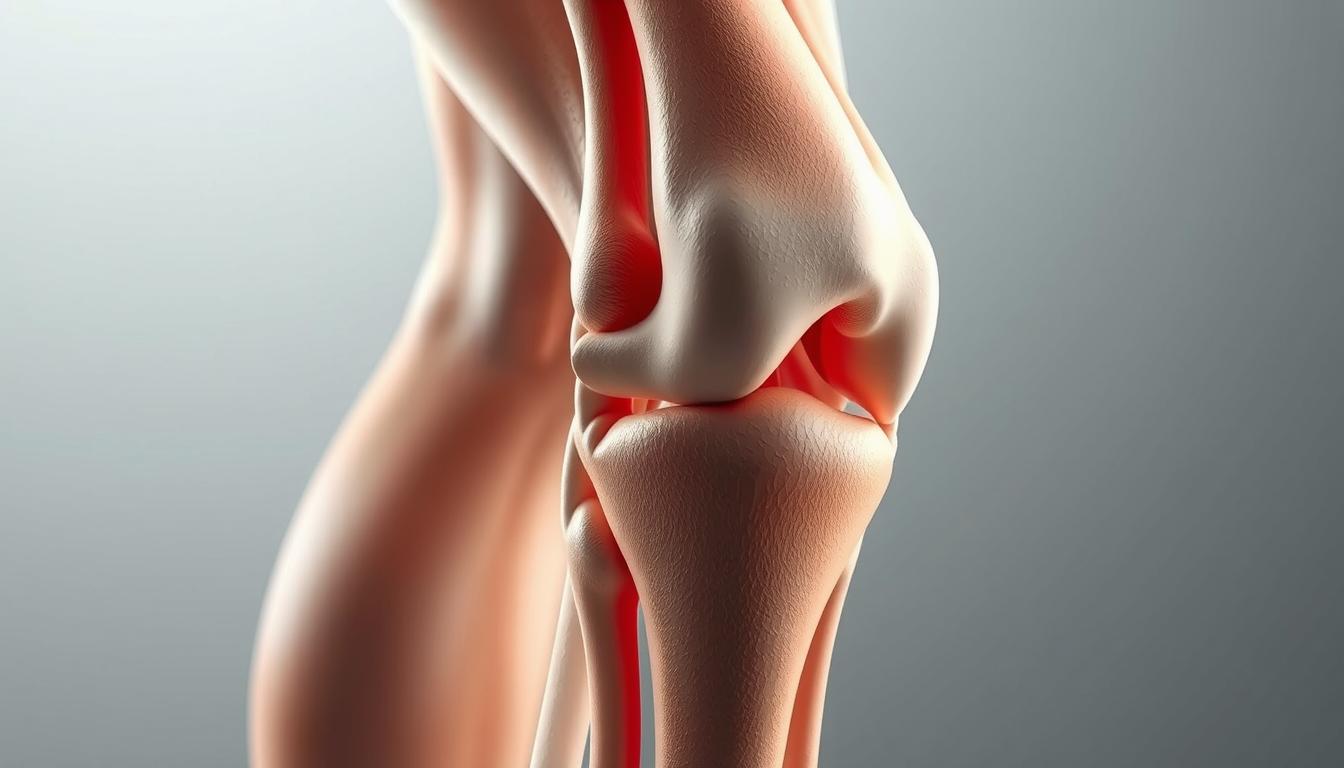
Understanding patellofemoral arthritis is crucial for exploring effective non-surgical treatment options. Patellofemoral arthritis refers to the wear and tear of the cartilage under the kneecap, leading to pain and stiffness, particularly in activities that involve knee bending.
What is Patellofemoral Arthritis?
Patellofemoral arthritis is a condition that affects the cartilage under the kneecap. This cartilage helps the kneecap glide smoothly over the knee joint. When this cartilage deteriorates, it can cause pain and discomfort. The condition is common among individuals who engage in activities that put repetitive stress on the knee.
Symptoms of Patellofemoral Arthritis
The symptoms of patellofemoral arthritis include pain when climbing stairs, squatting, or jumping. Some individuals may also experience:
- Pain when getting up from a seated position
- Swelling around the kneecap
- A grinding sensation when moving the knee
- Stiffness, especially after periods of rest
Early recognition of these symptoms can help in seeking appropriate treatment.
Causes and Risk Factors
Several factors contribute to the development of patellofemoral arthritis, including:
- Overuse or repetitive strain on the knee
- Misalignment of the kneecap
- Trauma or injury to the knee
- Age, as cartilage naturally deteriorates over time
- Obesity, which increases the load on the knee joint
Understanding these causes and risk factors is essential for managing and potentially preventing the progression of patellofemoral arthritis.
Importance of Non-Surgical Options
Exploring non-surgical options is a crucial step in treating patellofemoral arthritis. Non-surgical treatments can help manage pain and improve function without the risks associated with surgery. They are often considered first-line treatments.
Non-surgical approaches offer several benefits, including reduced recovery time and fewer complications compared to surgical interventions. These treatments can be particularly beneficial for individuals who are not good candidates for surgery or who prefer to avoid it.
Benefits of Non-Surgical Treatments
Non-surgical treatments for patellofemoral arthritis include a range of holistic approaches and natural remedies. These can provide significant relief and improve the quality of life for individuals suffering from this condition.
- Reduced pain and inflammation
- Improved knee function and mobility
- Avoidance of surgical risks and complications
- Potential for long-term management without surgery
Some of the key benefits of non-surgical treatments include their ability to be tailored to the individual’s specific needs and the fact that they can often be used in conjunction with other therapies.
When to Consider Non-Surgical Approaches
Non-surgical approaches should be considered when symptoms are manageable, and the condition is not severe. Early intervention with non-surgical treatments can prevent the progression of patellofemoral arthritis.
- When symptoms are mild to moderate
- If there’s a desire to avoid surgical intervention
- In cases where surgery is not immediately necessary
It’s essential to consult with healthcare professionals to determine the best course of treatment. They can help identify the most appropriate non-surgical options based on the individual’s condition and overall health.
Physical Therapy Approaches
Physical therapy is a cornerstone in the management of patellofemoral arthritis, offering a non-pharmaceutical approach to alleviate symptoms. This method focuses on enhancing the strength and flexibility of the knee, thereby reducing pain and improving function.
Strengthening Exercises for the Knee
Strengthening the muscles around the knee is crucial in managing patellofemoral arthritis. Exercises such as squats, lunges, and leg press are effective in strengthening the quadriceps and other supporting muscles.
These exercises not only help in reducing pain but also improve the overall stability of the knee joint. A well-structured exercise program can be tailored to meet the individual needs of patients, ensuring optimal benefits.
Flexibility and Range of Motion Exercises
In addition to strengthening exercises, flexibility and range of motion exercises play a vital role in maintaining knee mobility. These exercises help in reducing stiffness and improving the overall function of the knee joint.
Examples include knee bends and straight leg raises, which are simple yet effective in enhancing flexibility.
| Exercise Type | Examples | Benefits |
|---|---|---|
| Strengthening Exercises | Squats, Lunges, Leg Press | Strengthens quadriceps and supporting muscles, reduces pain |
| Flexibility Exercises | Knee bends, Straight leg raises | Improves knee mobility, reduces stiffness |
By incorporating both strengthening and flexibility exercises into a physical therapy regimen, individuals with patellofemoral arthritis can experience significant improvements in their symptoms and quality of life.
Lifestyle Modifications for Pain Relief
Embracing a healthier lifestyle is a key component in the non-surgical management of patellofemoral arthritis. By making informed choices about daily habits and activities, individuals can significantly reduce their pain and improve their quality of life.
Managing Weight for Reduced Knee Stress
Maintaining a healthy weight is crucial for alleviating stress on the knee joint, a key factor in managing patellofemoral arthritis. For every pound of body weight, the knee joint absorbs several times that amount in force with each step, making weight management a critical aspect of pain relief.
A healthy diet combined with regular exercise can help achieve and maintain a healthy weight. Nutritional counseling can provide personalized guidance on creating a balanced diet plan.
| Weight Management Strategy | Description | Benefits |
|---|---|---|
| Balanced Diet | Eating a variety of nutrient-rich foods. | Supports overall health and weight management. |
| Regular Exercise | Engaging in physical activities like walking or swimming. | Helps burn calories and strengthen muscles around the knee. |
| Nutritional Counseling | Seeking professional advice on diet planning. | Provides personalized dietary recommendations. |
Modifying Activities to Avoid Exacerbating Pain
Activity modification is another vital strategy for managing patellofemoral arthritis pain. This involves avoiding activities that put excessive stress on the knee, such as deep knee bends or high-impact exercises.
Instead, individuals can opt for low-impact activities like cycling or using an elliptical machine, which can help maintain fitness levels without aggravating the condition. 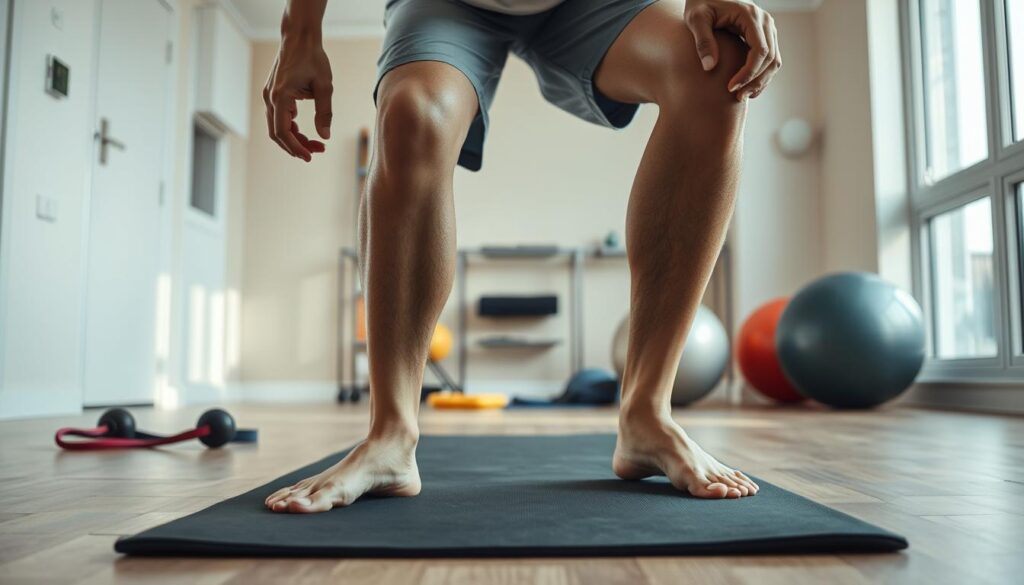
- Avoid deep knee bends and heavy impact activities.
- Opt for low-impact exercises like cycling or swimming.
- Consider using supportive devices like knee braces.
By incorporating these lifestyle modifications, individuals with patellofemoral arthritis can experience significant pain relief and improve their overall well-being.
Medications for Pain Management
Effective pain management is a cornerstone in the non-surgical treatment of patellofemoral arthritis. Medications play a crucial role in this aspect, offering relief and improving the quality of life for those affected.
When it comes to managing pain associated with patellofemoral arthritis, healthcare providers often recommend a stepped approach, starting with the least invasive options. Over-the-counter (OTC) pain relievers are typically the first line of defense.
Over-the-Counter Pain Relievers
OTC pain relievers, such as NSAIDs (Nonsteroidal Anti-Inflammatory Drugs), are commonly used to manage pain and inflammation. Examples include ibuprofen (found in Advil, Motrin) and naproxen (found in Aleve). These medications can help reduce pain and swelling, making it easier to perform daily activities.
- Ibuprofen: Helps with pain relief and inflammation reduction.
- Naproxen: Provides longer-lasting pain relief compared to ibuprofen.
It’s essential to follow the recommended dosage and consult with a healthcare provider before starting any new medication, especially for individuals with a history of stomach ulcers, kidney disease, or other health conditions.
Prescription Options and Usage
For more severe cases of patellofemoral arthritis, prescription medications may be necessary. These can include stronger NSAIDs, analgesics, or in some cases, medications that are specifically used for arthritis treatment.
Prescription options may offer more potent pain relief but also come with a higher risk of side effects. It’s crucial to discuss the potential benefits and risks with a healthcare provider.
“The goal of pain management is not just to alleviate symptoms but to improve function and quality of life. Medications are a valuable tool in achieving this goal.”
In conclusion, medications for pain management are a vital component of treating patellofemoral arthritis non-surgically. By understanding the available options and working closely with a healthcare provider, individuals can find effective relief and maintain an active lifestyle.
Injections as a Temporary Solution
For individuals suffering from patellofemoral arthritis, injections can serve as a temporary solution to alleviate pain and inflammation. Injections are a common non-surgical approach used to manage the symptoms of this condition. They can provide relief when other treatments are not sufficient or effective.
Corticosteroid Injections
Corticosteroid injections are used to reduce inflammation and swelling in the knee joint. They can provide quick relief from pain and are often used when the symptoms are severe. Knee injections are a common procedure, and corticosteroid injections are one of the types used to treat patellofemoral arthritis.
Hyaluronic Acid Injections
Hyaluronic acid injections help to lubricate the joint, improving its function and reducing pain. They are particularly useful for patients who have not responded well to corticosteroid injections or other treatments. Hyaluronic acid is a naturally occurring substance in the body, and these injections can help to supplement its presence in the knee joint.
The following table summarizes the key differences between corticosteroid and hyaluronic acid injections:
| Treatment | Purpose | Benefits |
|---|---|---|
| Corticosteroid Injections | Reduce inflammation | Quick pain relief, reduces swelling |
| Hyaluronic Acid Injections | Lubricate the joint | Improves joint function, reduces pain |
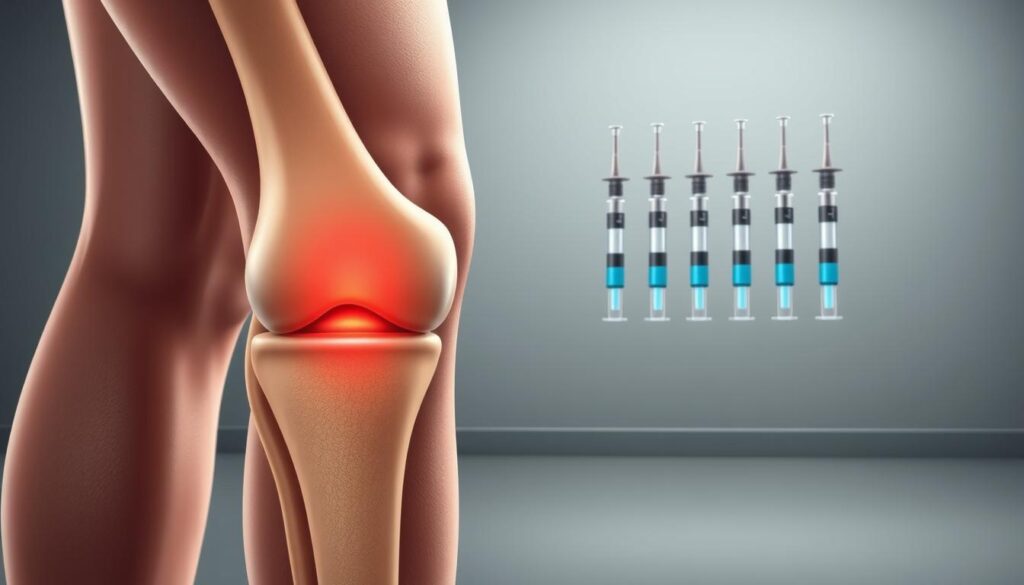
In conclusion, injections can be a valuable temporary solution for managing patellofemoral arthritis symptoms. Both corticosteroid and hyaluronic acid injections offer different benefits and can be considered based on the patient’s specific needs and response to treatment.
Orthotic Devices and Supports
Orthotic devices, including knee braces and shoe inserts, are alternative therapies for patellofemoral arthritis that can provide substantial benefits. These devices are designed to offer support, improve alignment, and reduce stress on the patellofemoral joint.
One of the primary orthotic devices used for managing patellofemoral arthritis is the knee brace. A knee brace can help in stabilizing the knee, thereby reducing pain and improving function. As noted by a healthcare professional, “Knee braces are a simple yet effective way to manage patellofemoral arthritis symptoms.”
“Knee braces are a simple yet effective way to manage patellofemoral arthritis symptoms.”
Use of Knee Braces
Knee braces come in various types, including patellar stabilizing braces and sleeves that provide compression. The choice of brace depends on the severity of the condition and the specific needs of the patient.
- Patellar stabilizing braces help in keeping the patella in its correct position.
- Compression sleeves provide support and reduce pain.
Shoe Inserts and Custom Orthotics
In addition to knee braces, shoe inserts and custom orthotics can also play a crucial role in managing patellofemoral arthritis. These devices help in realigning the foot and leg, thereby reducing the stress on the knee.
Shoe inserts and custom orthotics can be tailored to meet the specific needs of the individual, providing a personalized approach to pain management. As part of a holistic approach to managing patellofemoral arthritis, these devices can be particularly beneficial.
By incorporating orthotic devices and supports into their treatment plan, individuals with patellofemoral arthritis can experience significant improvements in their symptoms and quality of life.
Alternative Therapies
Alternative therapies are gaining recognition for their potential in alleviating the symptoms of patellofemoral arthritis. These non-pharmaceutical treatments can offer relief and improve the quality of life for individuals suffering from this condition.
Acupuncture for Pain Relief
Acupuncture involves the insertion of thin needles into specific points on the body to stimulate healing and pain relief. This ancient practice has been used for various types of chronic pain, including patellofemoral arthritis. By targeting specific pressure points, acupuncture can help reduce pain and inflammation, promoting better knee function.
The effectiveness of acupuncture for patellofemoral arthritis lies in its ability to stimulate the body’s natural pain-relieving chemicals. Some patients report significant pain reduction after undergoing a series of acupuncture sessions.
Key Benefits of Acupuncture:
- Reduces chronic pain
- Minimizes inflammation
- Improves knee function
Chiropractic Treatments
Chiropractic treatments focus on the diagnosis, treatment, and prevention of mechanical disorders of the musculoskeletal system, particularly the spine. For patellofemoral arthritis, chiropractic care can involve spinal manipulation and adjustments to improve joint mobility and reduce pain.
Chiropractors may also use techniques such as mobilization, soft tissue techniques, and exercise recommendations to help manage symptoms. By ensuring proper alignment and function of the musculoskeletal system, chiropractic care can contribute to overall pain reduction and improved mobility.

- Improved joint mobility
- Reduced pain through spinal manipulation
- Enhanced musculoskeletal function
Both acupuncture and chiropractic treatments offer promising alternatives for managing patellofemoral arthritis symptoms. While these therapies can be beneficial, it’s essential to consult with healthcare professionals before starting any new treatment regimen.
Heat and Cold Therapy Techniques
For individuals dealing with the discomfort of patellofemoral arthritis, heat and cold therapy techniques offer a simple yet effective pain management strategy. These methods are considered non-invasive and can be easily incorporated into daily routines to provide relief.
Heat therapy, in particular, has been found to be beneficial in relaxing the muscles around the knee, thereby reducing stiffness and improving mobility. The application of heat can be achieved through various means, such as warm baths, heating pads, or warm compresses.
Benefits of Heat Application
Applying heat to the affected area can have several benefits, including increased blood flow, reduced muscle spasms, and improved flexibility. Increased blood flow helps in healing by supplying oxygen and nutrients to the damaged tissues.
- Relaxation of the muscles surrounding the knee joint
- Reduction in pain and stiffness
- Enhanced flexibility and range of motion
Cold therapy, on the other hand, is primarily used to reduce inflammation and numb the pain. Cold therapy techniques include the use of ice packs or cold compresses applied to the affected area.
Cold Therapy for Inflammation
Cold therapy works by constricting the blood vessels, thereby reducing inflammation and swelling. It also numbs the nerve endings, providing temporary pain relief. For more information on managing knee pain and stiffness, you can visit https://kneehurt.com/finding-relief-for-knee-pain-and-stiffness/.
Both heat and cold therapy are valuable tools in the management of patellofemoral arthritis, offering patients a degree of control over their symptoms. By understanding how to apply these therapies effectively, individuals can better manage their condition and improve their quality of life.
Educational Resources and Support Groups
Educational resources and support groups play a vital role in helping individuals understand and manage patellofemoral arthritis. These resources not only provide valuable information but also offer a community for those dealing with the condition, helping to alleviate feelings of isolation.
Finding Local Support Groups
Finding local support groups can be an invaluable step in managing patellofemoral arthritis. These groups offer a platform for individuals to share their experiences, learn from others, and gain emotional support. To find a local support group, individuals can:
- Ask their healthcare provider for recommendations
- Check local arthritis organizations for support group listings
- Search online for support groups in their area
Online Resources for Patient Education
In addition to local support groups, online resources can provide a wealth of information on patellofemoral arthritis, including its management and treatment options, such as alternative therapies for patellofemoral arthritis and the best treatment for patellofemoral arthritis. Some reliable online resources include:
- Reputable health websites that offer detailed information on patellofemoral arthritis
- Online forums and communities dedicated to arthritis
- Educational websites run by healthcare professionals or organizations focused on arthritis
By leveraging these resources, individuals can make more informed decisions about their care and feel supported throughout their treatment journey.
Consulting with Healthcare Professionals
Consulting with healthcare professionals is crucial for determining the best treatment plan for patellofemoral arthritis. They can help you navigate through various non-pharmaceutical treatments for patellofemoral arthritis, including holistic approaches for patellofemoral arthritis.
Specialist Care
If you’re experiencing persistent knee pain, it’s essential to know when to see a specialist. An orthopedic specialist or a rheumatologist can provide a proper diagnosis and recommend suitable treatments. They can help you explore alternative therapies and lifestyle modifications to manage your condition effectively.
Preparing for Your Appointment
Before consulting with your doctor, prepare a list of questions to ask. You may want to inquire about the available non-pharmaceutical treatments for patellofemoral arthritis, such as physical therapy, orthotic devices, or alternative therapies. Understanding your treatment options and making informed decisions can significantly impact your quality of life.
FAQ
What is patellofemoral arthritis, and how is it diagnosed?
What are the best non-surgical treatments for patellofemoral arthritis?
How can physical therapy help manage patellofemoral arthritis?
What lifestyle modifications can help alleviate patellofemoral arthritis pain?
What medications are commonly used to manage patellofemoral arthritis pain?
Are injections a viable treatment option for patellofemoral arthritis?
How can orthotic devices and supports help manage patellofemoral arthritis?
Can alternative therapies like acupuncture or chiropractic treatments help?
How can heat and cold therapy techniques be used to manage patellofemoral arthritis pain?
Where can I find educational resources and support groups for patellofemoral arthritis?
When should I consult a specialist for patellofemoral arthritis?
What questions should I ask my doctor about patellofemoral arthritis treatment?
Are there any holistic approaches or natural remedies for managing patellofemoral arthritis?
Can non-pharmaceutical treatments provide long-term relief for patellofemoral arthritis?