GLP-1 Joint Offloading & Mobility Pathways 2026: What Actually Reduces Knee Pain Fast
GLP-1 therapies are reshaping how we approach knee pain in 2026, with usage for weight management expected to grow by about 25% this year alone. That shift matters because reducing body load directly changes how your knee absorbs stress with every step.

Key Takeaways
| Question | Answer |
|---|---|
| How does GLP-1 help knee pain? | It reduces body weight, lowering joint load and improving mobility pathways. |
| Can weight loss reduce knee hurt quickly? | Yes, even modest weight loss decreases knee joint stress significantly. |
| What conditions benefit most? | Meniscus injuries, arthritis, and overuse conditions. |
| Is exercise still needed? | Yes, strengthening stabilizes the knee and improves outcomes. |
| What if my knee pain is severe? | Review structured care like this comprehensive knee pain guide. |
| Do injuries change the pathway? | Yes, ligament or cartilage damage requires targeted rehab and offloading. |
1. What GLP-1 Means for Knee Joint Offloading in 2026
GLP-1 medications influence appetite, metabolism, and body weight. That combination reduces compressive forces across the knee.
Less load means less cartilage stress and fewer inflammatory triggers. This directly impacts how your knee feels during daily movement.
We now view GLP-1 as part of a broader mobility pathway. It works best when paired with strength and alignment strategies.
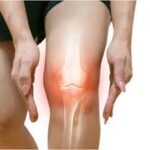

2. The Biomechanics of Knee Load and Weight Reduction
Your knee تحملs forces multiple times your body weight during walking. Even small weight reductions create measurable relief.
We often explain this simply:
-
1 pound lost reduces several pounds of pressure on the knee
-
Lower force means slower cartilage wear
-
Movement becomes more efficient
This is why GLP-1 pathways focus on mechanical offloading, not just metabolic change.

3. GLP-1 Mobility Pathways Explained
We break GLP-1 mobility into five pathways. Each targets a different driver of knee pain.
-
Weight reduction
-
Inflammation control
-
Muscle activation
-
Movement retraining
-
Load redistribution
When combined, these pathways reduce both pain and reinjury risk.
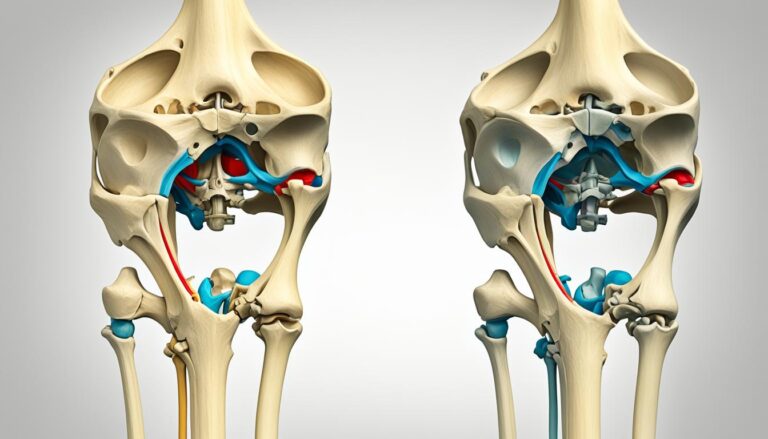
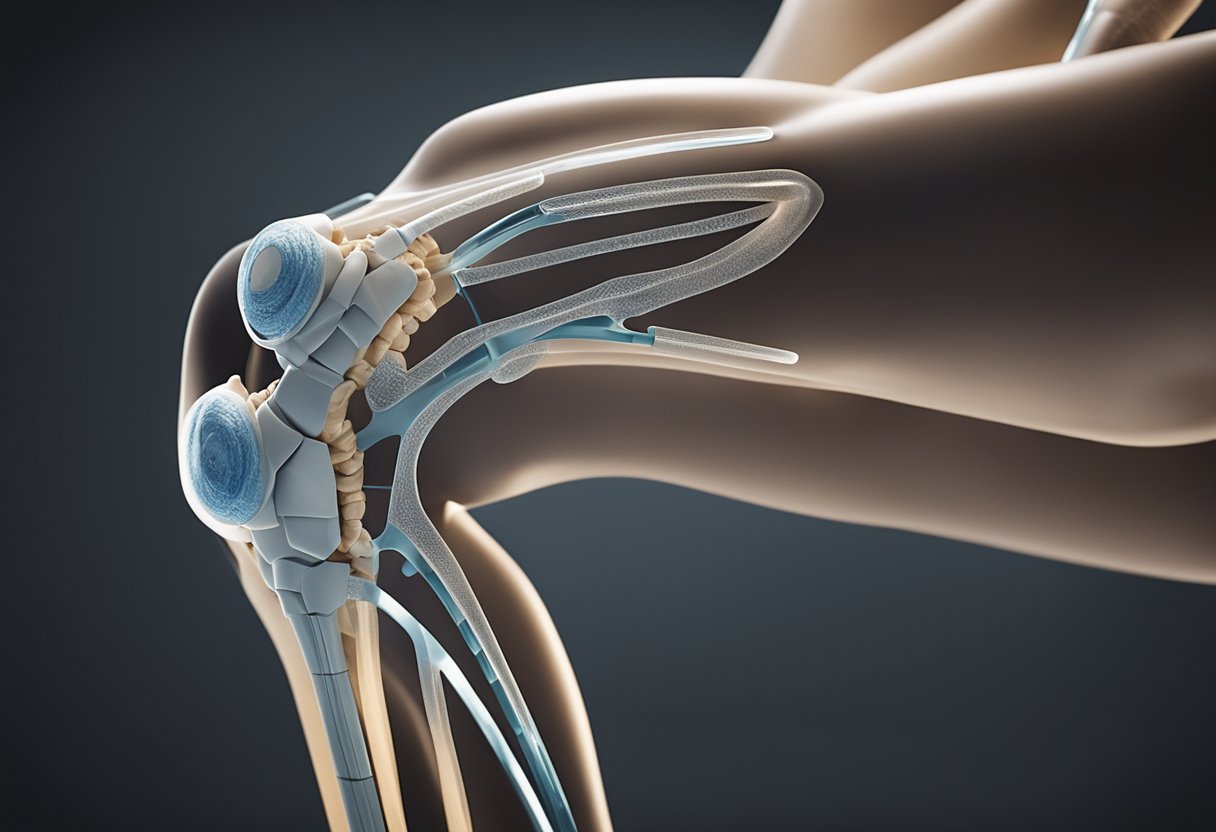
A visual overview of five GLP-1-driven mobility pathways aimed at improving joint offloading in 2026.
Did You Know?
Wegovy (7.2 mg) yields about 21% weight loss in clinical studies.
Source: CVS Caremark

4. Inflammation Control and Knee Pain Relief
GLP-1 therapies also influence inflammatory signaling. Lower inflammation helps reduce stiffness and swelling.
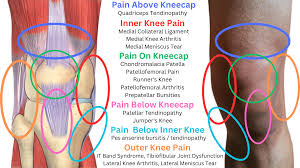
This matters for chronic conditions like chondromalacia patella. Less inflammation improves joint tracking and comfort.
We combine this with movement strategies to maintain progress.

5. Muscle Activation Pathways That Protect the Knee
Weight loss alone is not enough. Weak muscles still allow poor joint mechanics.
We focus on:
-
Quadriceps strength
-
Hip stability
-
Glute activation
These reduce joint shear and stabilize the knee during motion.
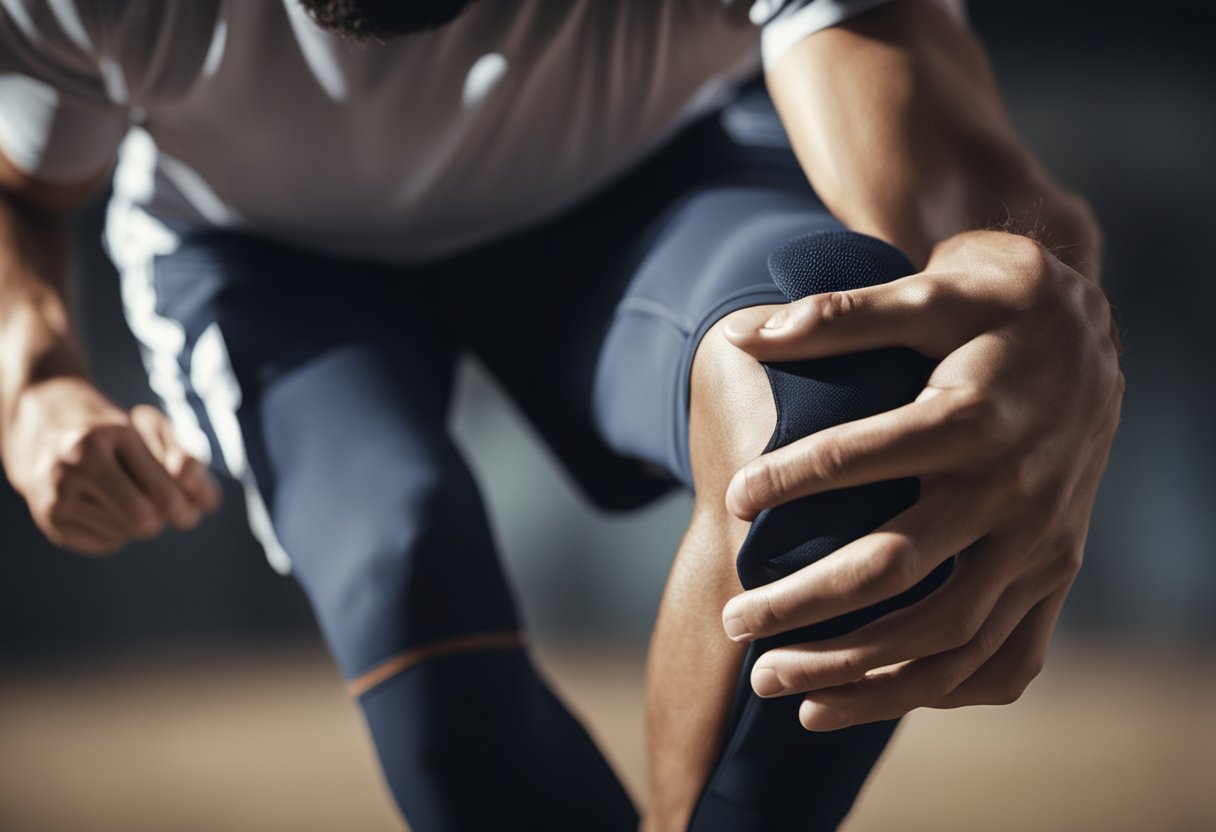

6. Injury-Specific Offloading Strategies
Different injuries require different mobility pathways. A one-size approach does not work.
Examples include:
-
PCL injuries need controlled loading
-
Ligament injuries require stability work
-
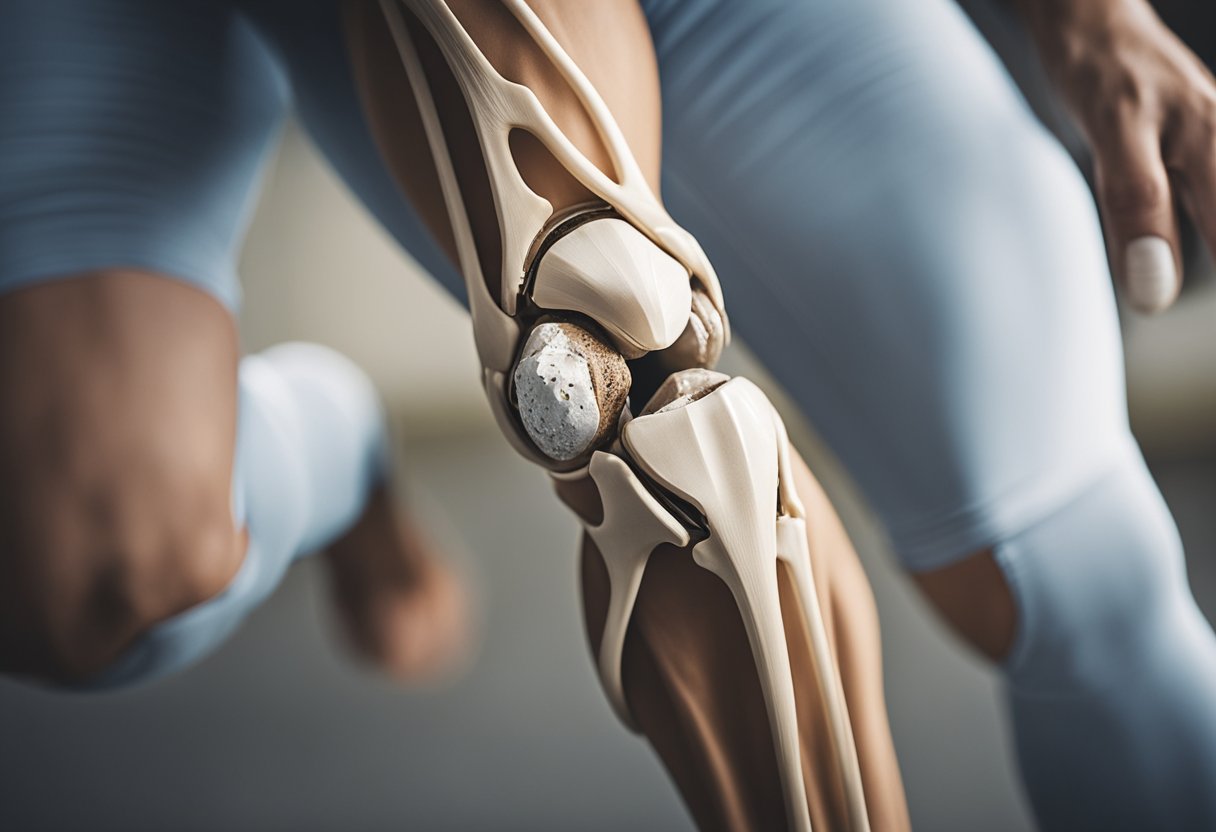
Cartilage issues need low-impact motion
GLP-1 supports all by reducing baseline joint stress.

7. Movement Retraining for Long-Term Knee Relief
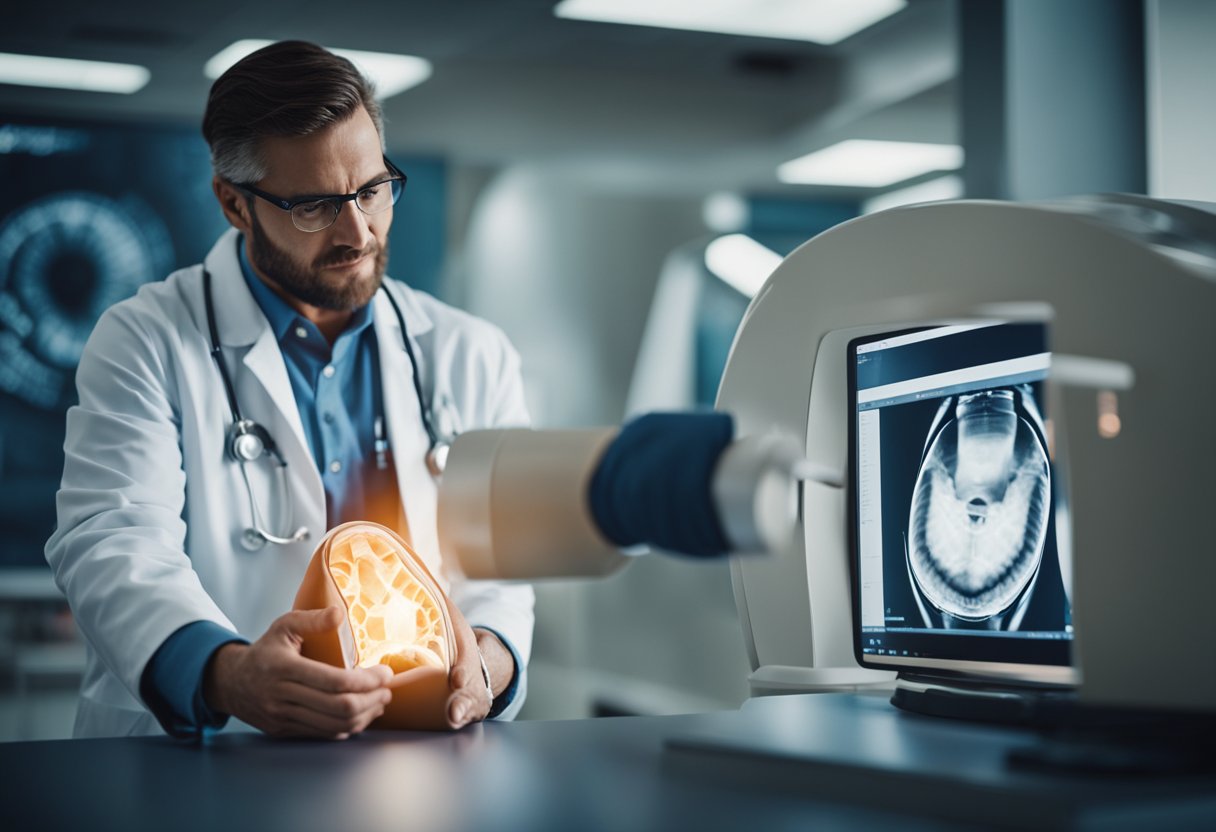
Movement patterns often cause recurring knee pain. We correct how you walk, squat, and climb stairs.
Key adjustments include:
-
Shorter stride length
-
Better knee alignment
-
Controlled eccentric loading
This prevents overload even after weight loss.
Did You Know?
90% of members maintain weight loss 10–12 months after ending GLP-1 therapy.
Source: CVS Caremark
8. Load Redistribution and Daily Activity Modifications
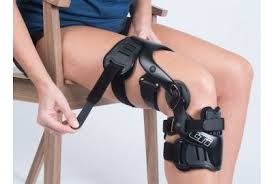
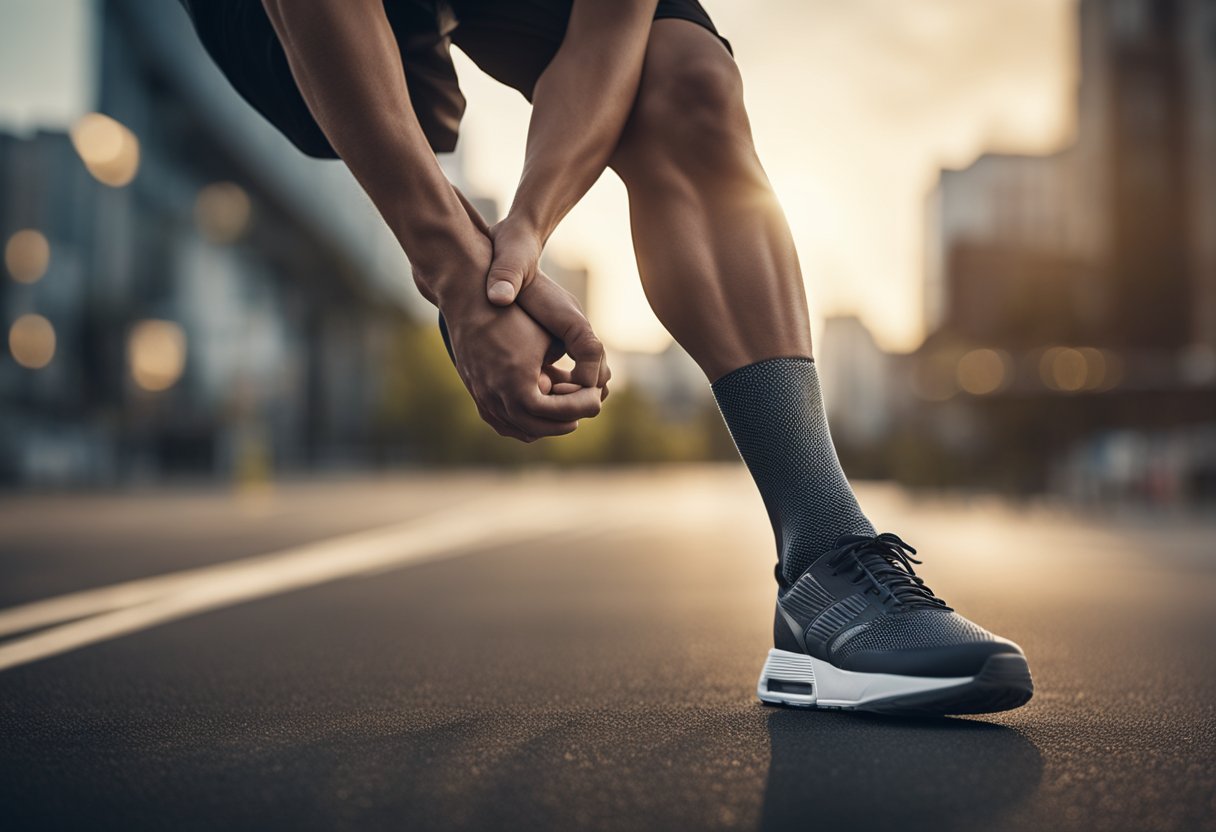
We guide patients to shift load away from painful zones. This includes footwear, posture, and surface selection.
Simple changes matter:
-
Use supportive shoes
-
Avoid deep knee angles early
-
Alternate activities
These reduce flare-ups while maintaining mobility.


9. Low-Impact Training That Supports GLP-1 Outcomes
Low-impact exercise helps maintain weight loss and joint health. It also improves circulation and tissue recovery.
We recommend:
-
Cycling
-
Swimming
-
Controlled strength work
These keep your knee active without excessive load.


10. Building a Sustainable Knee Mobility Plan in 2026
Consistency determines success. We structure plans that patients can follow long term.
A typical plan includes:
-
GLP-1 guided weight reduction
-
Strength training
-
Movement correction
-
Recovery strategies
This integrated approach keeps knee pain from returning.


Conclusion
GLP-1 Joint Offloading & Mobility Pathways 2026 represent a practical shift in how we treat knee pain. We focus on reducing load, improving movement, and building strength together.
If your knee hurt limits your daily life, this integrated approach offers a clear path forward. The key is consistency, proper guidance, and addressing both weight and biomechanics at the same time.