GLP-1 Joint Offloading & Mobility Pathways 2026: How Weight Loss Is Changing Knee Pain Relief

Did you know that structured programs using GLP-1 therapies are reporting an average of 18.5% weight loss within one year in 2026? This level of change directly affects joint loading, especially in the knee, where even small weight reductions can significantly reduce knee pain.

Blog illustration

Key Takeaways

What is GLP-1 joint offloading? It refers to reducing stress on the knee joint through medically supported weight loss and mobility strategies.
Can GLP-1 help knee pain? Yes, weight loss reduces pressure on joints, helping relieve knee pain.
Who benefits most? People with obesity, arthritis, or prior injuries like torn meniscus or ligament damage.
Is it better than surgery? In many cases, it delays or reduces the need for invasive procedures.
What conditions are linked? Includes chondromalacia patella and ligament knee injuries.
What about severe trauma? Integrated care supports recovery from traumatic knee injuries.
Where to start? Begin with a full plan like this comprehensive knee pain guide.

Understanding GLP-1 and Joint Offloading in 2026

GLP-1 therapies are reshaping how we approach knee pain by addressing one of the biggest drivers of joint stress, excess body weight.

When body weight decreases, the load on the knee joint drops significantly, often improving mobility and reducing discomfort.


 

Anterior Cruciate LigamentAnterior Cruciate Ligament injury illustration


Blog illustration

Why Weight Loss Directly Impacts Knee Pain

The knee absorbs forces multiple times your body weight during walking, climbing, or running.

This means even modest weight loss can lead to noticeable reductions in knee pain and improved daily function.

  • 1 pound lost can reduce knee load by up to 4 pounds

  • Less inflammation improves joint comfort

  • Mobility becomes easier and safer


ChondromalaciaChondromalacia knee condition


GLP-1 Mobility Pathways Explained

Mobility pathways combine medication, movement, and rehabilitation into a structured plan.

In 2026, these pathways focus on gradual progression to protect the knee while restoring strength.

  1. Weight reduction phase

  2. Controlled mobility and strengthening

  3. Long-term joint protection

GLP-1 Joint Offloading & Mobility Pathways 2026: 3-step process infographic showing GLP-1 mediated joint offloading.

An infographic illustrating a 3-step GLP-1 mediated joint offloading and mobility pathway for 2026.


 

Knee PainKnee pain illustration


Did You Know?

Wegovy (7.2 mg) is associated with about 21% weight loss in clinical studies.

Source: CVS Caremark GLP-1 Outlook 2026

Blog illustration

Injury-Specific Considerations in GLP-1 Pathways

Not all knee pain is the same, and prior injuries change how we approach mobility.

Conditions like PCL injuries or ACL tears require modified loading strategies.
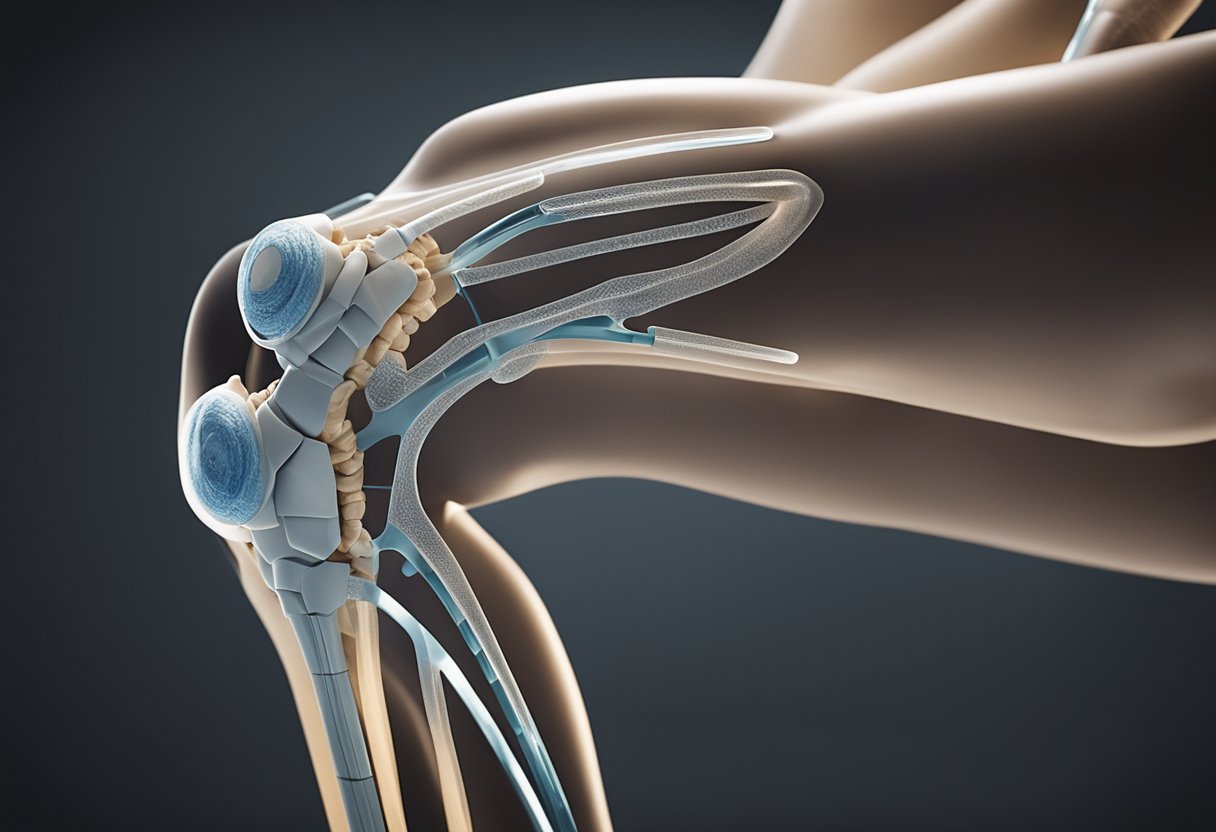
 

Ligament Knee InjuryLigament knee injury diagram


Role of Physical Therapy in Offloading the Knee

Physical therapy is often the missing link in GLP-1 mobility pathways.

It ensures that weight loss translates into better movement patterns, not instability.

 

Posterior Cruciate LigamentPCL injury illustration


Blog illustration

Meniscus and Cartilage Health During Weight Loss

Rapid improvements in mobility can stress vulnerable structures like the meniscus.

We recommend gradual loading to protect cartilage and avoid setbacks.
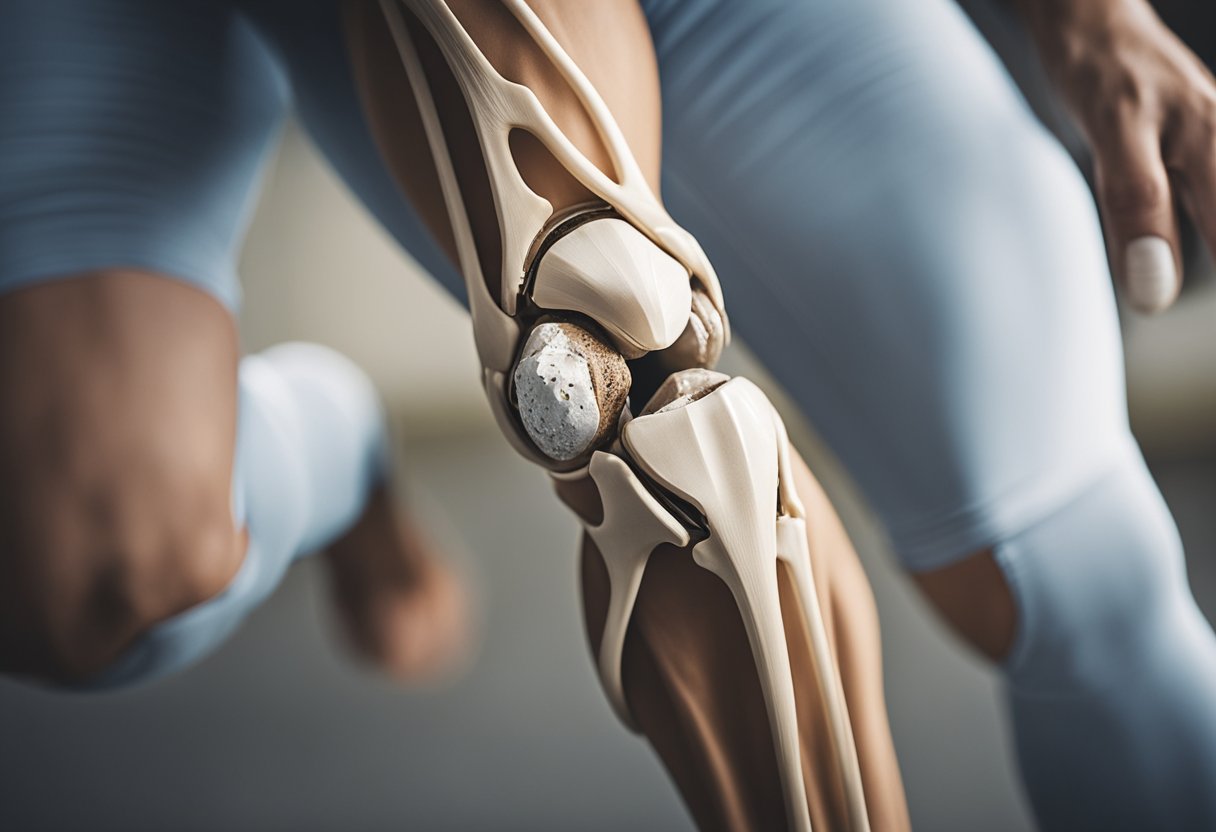
 

Torn MeniscusMeniscus injury illustration


Trauma Recovery and GLP-1 Integration

Patients recovering from acute injury benefit from reduced joint loading during healing.

GLP-1 pathways support safer return to activity after trauma.
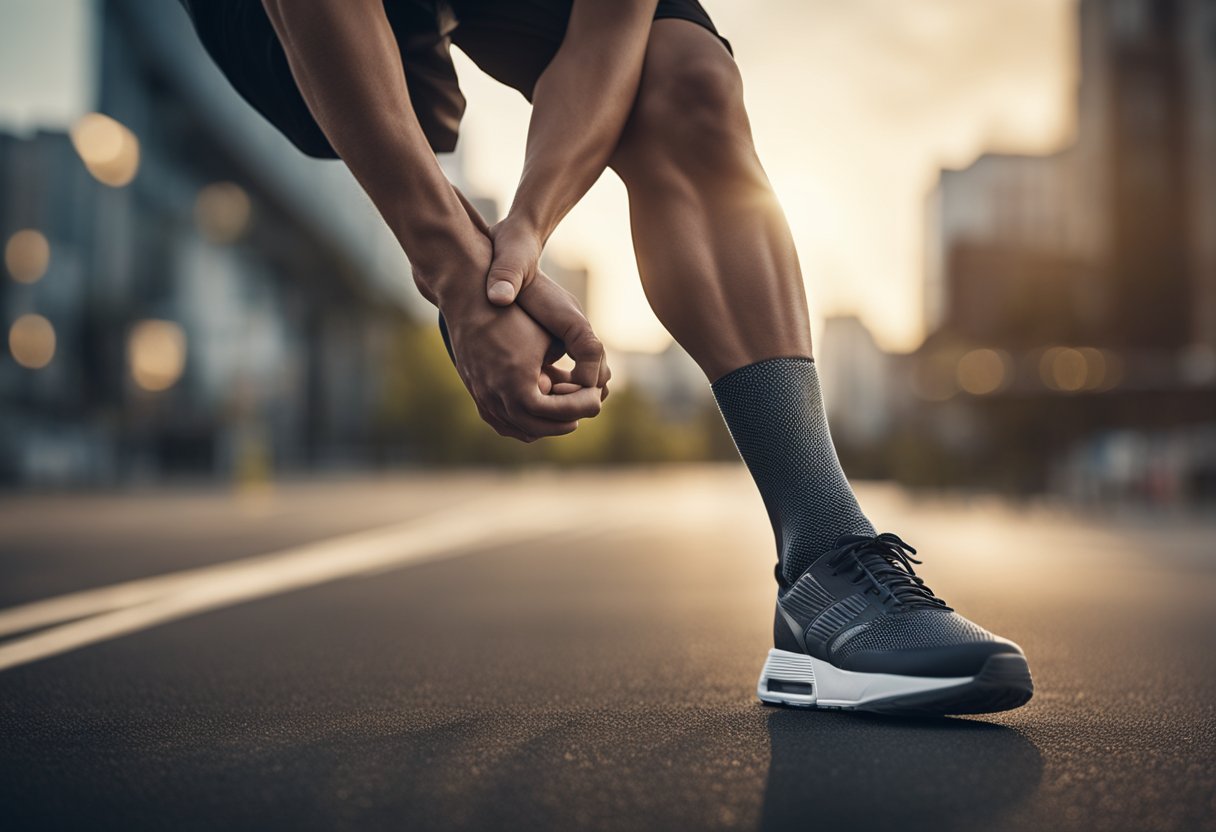
 

Traumatic KneeTraumatic knee recovery


Did You Know?

Projected GLP-1 utilization growth is حوالي 25% in 2026, expanding access to joint offloading strategies.

Source: CVS Caremark GLP-1 Outlook 2026

Blog illustration

Movement Strategies That Protect the Knee

Low-impact exercises are central to mobility pathways.

They build strength without overloading sensitive joints.

  • Walking on flat surfaces

  • Cycling

  • Swimming


Runner knee painFoam rolling incorrect technique


Strength Training and Stability Progressions

Strengthening the muscles around the knee improves joint stability.

Focus on controlled, guided movements to avoid strain.


Correct foam rollingStretching knee


Blog illustration

Long-Term Mobility and Maintenance in 2026

Sustaining results is just as important as achieving them.

Consistency in movement and weight management keeps knee pain under control.


Hip mobility exerciseHip strengthening exercise


Conclusion

GLP-1 joint offloading pathways in 2026 represent a practical shift in how we manage knee pain.

By combining weight loss, structured mobility, and targeted rehabilitation, we can reduce stress on the knee and improve long-term function without relying solely on surgery.

The key is consistency, personalization, and gradual progression to keep your knee strong, stable, and pain-free.


Similar Posts

  • Soccer Knee Strengthening for World Cup Prep: The Complete 2026 Guide

    With the 2026 FIFA World Cup approaching, soccer knee strengthening for World Cup prep has never been more important for players at every level. According to research published in Sports Medicine Open, return-to-play timelines for professional soccer players have become 40% slower between 2022 and 2025 compared to earlier periods, increasing from an average of…

  • |

    Best knee scooter post-surgery

    Is hopping around on one leg or battling clumsy crutches the only way to get through recovery after a foot or ankle procedure? For many, traditional crutches are a source of frustration and fatigue. They demand considerable arm strength and often lead to instability. This can make you feel trapped and dependent on others. best knee scooter post-surgery There is a more comfortable and popular solution. Studies show that 90 percent of patients prefer using a knee scooter over crutches during their healing period. Occupational therapists highlight a key benefit: these aids keep your injured foot correctly elevated and non-weight bearing. This proper positioning is vital for a smooth recovery. We’ve done the research for you. Our analysis of the current market identifies devices that provide superior mobility and comfort compared to old-fashioned methods. Selecting the right walker helps you maintain your independence. It allows for safer movement around your home and community. A sturdy, well-designed walker is a much more stable alternative to risky hopping. Our expert-driven guide reviews the leading models available. The goal is to help you find reliable equipment that protects your leg while letting you continue with daily life. Key Takeaways The vast majority of patients prefer knee scooters to traditional crutches for recovery. These devices properly elevate the leg, which is essential for non-weight bearing healing. They promote greater independence and reduce reliance on others during your recovery. Choosing a high-quality model significantly improves safety and overall comfort. Our guide provides an expert analysis of the top mobility aids on the market today. A stable walker minimizes the risk of falls and accidental weight-bearing. Informed selection helps you navigate your environment with confidence and ease. Understanding Knee Scooters in Post-Surgery Recovery Patients seeking a stable alternative to crutches frequently turn to rolling walkers with a knee platform. This device, often called a knee scooter or knee walker, has two to five wheels and a padded rest for your leg. It is designed to keep your injured foot correctly elevated. This positioning is completely non-weight bearing, which is vital for healing. Unlike traditional crutches, a knee walker does not demand much arm strength. You simply rest your leg on the cushioned platform and propel yourself forward. This reduces physical exertion dramatically during daily movement. Occupational therapists note an overwhelming patient preference for this mobility aid. We have found that nearly 90 percent of users prefer it over other options. The design helps prevent reinjury caused by balance struggles. Feature Knee Scooter/Walker Traditional Crutches Weight-Bearing Non-weight bearing, leg elevated Partial weight on arms and shoulders Upper Body Strain Minimal; uses leg for support High; requires arm strength Hands-Free Operation Yes; handlebars for steering No; hands occupied Stability on Flat Surfaces Very stable with multiple wheels Less stable; two points of contact Risk of Reinjury Low; proper leg positioning Higher; balance challenges These devices are essential for maintaining independence. They allow you to perform household tasks while your injury heals. By keeping your hands free, a knee scooter lets you carry items and engage in daily life more effectively. Benefits of Using Knee Scooters Over Crutches The journey to regain mobility after surgery doesn’t have to be a struggle against discomfort and instability. While traditional crutches are less expensive, they frequently cause pain and balance issues for active individuals. A knee walker provides a stable base for movement. It allows you to navigate both indoors and outdoors without the constant fatigue linked to crutches. benefits of knee scooter over crutches Occupational therapists emphasize that a knee scooter is a superior choice if you lack upper body strength. Using this device greatly lowers your chance of a fall compared to balancing on underarm crutches. These aids offer a level of freedom that lets you spend time outside. This activity is proven to speed up the healing process. Choosing the right knee walker ensures you can maintain your daily routine. You avoid the physical limits imposed by standard crutches. A quality knee scooter supports your injured leg correctly, promoting safer recovery….

  • |

    Ease Pain: Back of Knee Hurts Going Down Stairs

    Many individuals experience discomfort and pain in the back of their knee when they go down stairs. This can be a common issue that affects daily activities and can be debilitating for some. The causes of this knee pain can vary, including issues with the joint, ligaments, or muscles surrounding the knee. It’s important to…

  • |

    Medial Retinaculum Tear: Understanding, Treating, and Recovering from This Common Knee Injury

    Have you ever experienced a sudden twinge in your knee that left you feeling unstable and uncertain? If so, you might have encountered a medial retinaculum tear – a condition that, while not always in the spotlight, plays a crucial role in our knee health and stability. Today, we’re diving deep into this often-overlooked knee…

Leave a Reply

Your email address will not be published. Required fields are marked *