
Top 5 Hinged Knee Braces for ACL Support in 2026 (Expert Picks for Stability and Knee Pain Relief)
Did you know that recent 2025 research found pain reduction from knee bracing after ACL reconstruction was nearly negligible, with a difference of just 0.08 on the pain scale? This highlights an important truth in 2026, the right hinged knee brace is less about quick pain relief and more about stability, confidence, and proper knee support.

Key Takeaways
| Question | Answer |
|---|---|
| What is the best hinged knee brace for ACL support? | High-quality hinged braces like DonJoy Armor and Mueller Hinged Brace provide strong ligament stability for ACL injuries. |
| Do knee braces help knee pain? | They can reduce instability and support healing, especially when combined with proper care from guides like this knee pain resource. |
| When should you wear a hinged knee brace? | During activity, recovery, or when experiencing instability, especially after traumatic knee injuries. |
| Are hinged braces good for ligament injuries? | Yes, they are commonly recommended for knee ligament injuries including ACL and PCL tears. |
| Can a brace help meniscus or cartilage issues? | Yes, especially when combined with care strategies for torn meniscus or chondromalacia patella. |
| Do braces prevent reinjury? | They can reduce strain, but full prevention depends on rehab and strength training. |
Understanding ACL Injuries and Knee Stability
The ACL is one of the key ligaments that keeps your knee stable during movement. When it is injured, many people experience knee pain, instability, and a feeling that the knee might give out.
We often see that proper support during recovery can help people stay active safely. Hinged knee braces are designed to limit harmful motion while allowing controlled movement.

What Makes Hinged Knee Braces Effective for ACL Support
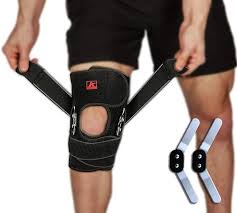
Hinged braces use metal or reinforced supports on each side of the knee. These hinges guide motion and prevent excessive twisting that can worsen injury.
In 2026, many designs focus on combining mobility with protection. This allows users to move naturally without increasing knee hurt or instability.
-
Side hinges for stability
-
Adjustable straps for compression
-
Open or closed patella design

Top 5 Hinged Knee Braces for ACL Support in 2026
We selected these braces based on support level, comfort, and suitability for ACL recovery. Each option addresses different needs, from mild instability to post-surgical recovery.
1. DonJoy Armor Knee Brace
A high-performance brace designed for athletes and active users. It features anti-rotation straps and rigid support.
2. Mueller Hinged Knee Brace
A more affordable option with strong support for everyday use. It is commonly used for moderate knee pain and ligament injuries.
3. DonJoy FullForce ACL Brace
Lightweight yet supportive, ideal for sports and movement. It balances stability and flexibility.
4. Ossur Hinged Knee Brace
Known for comfort and anatomical fit. Suitable for long-term wear during recovery.
5. Shock Doctor Hinged Knee Brace
Provides compression and support for mild to moderate instability. Often used during activity.
A quick visual guide comparing the top 5 hinged knee braces for ACL support in 2026, highlighting features and ideal uses.

Did You Know?
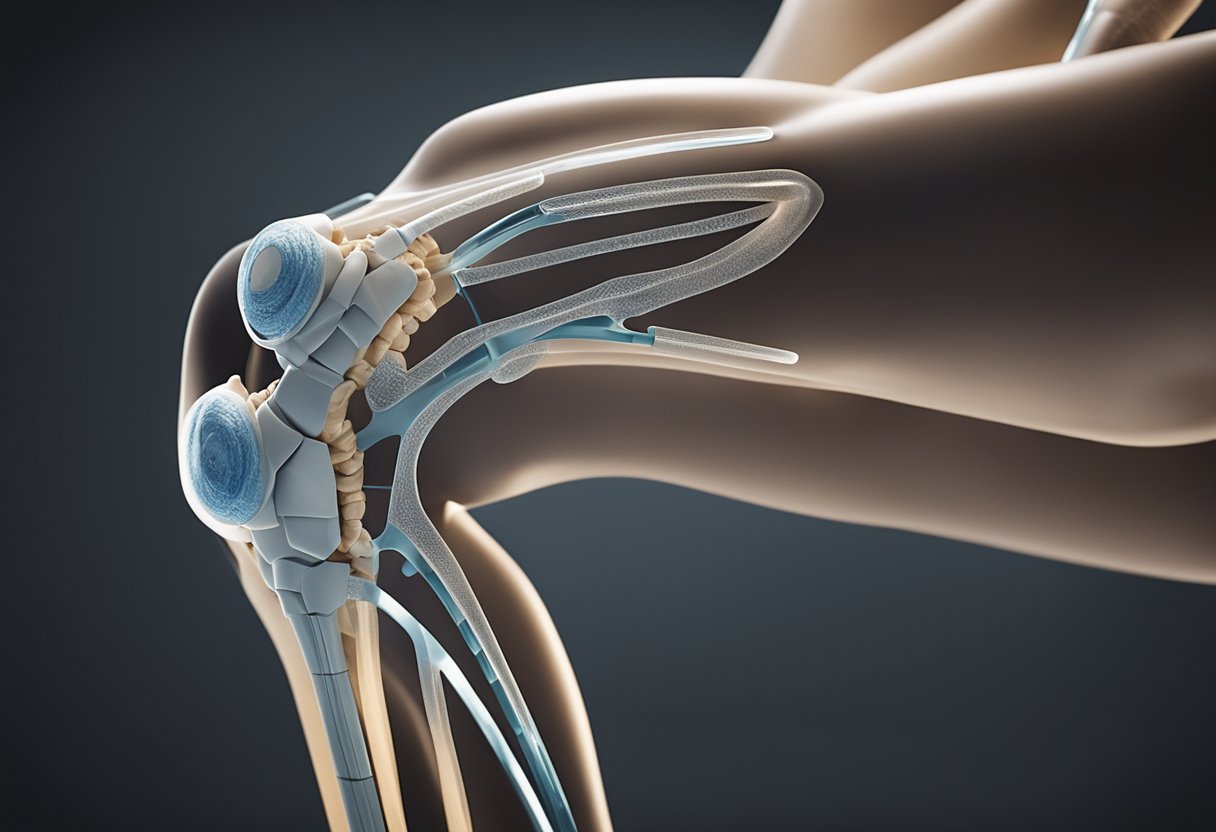
Biomechanical data shows hinged knee bracing can reduce rotatory loads and ACL strain under specific conditions.
Source: Polamalu et al. (2025)
How to Choose the Right Hinged Knee Brace
Choosing the right brace depends on your specific condition and activity level. Not every brace works the same for every knee.
We recommend considering the following:
-
Severity of ACL injury
-
Activity level
-
Comfort and fit
-
Doctor recommendations


When to Use a Hinged Knee Brace for Knee Pain
Hinged braces are most useful during movement and recovery phases. They are commonly used after ACL injuries or surgery.
They can also help when knee hurt occurs during walking, running, or sports. However, they should be part of a broader recovery plan.

Benefits and Limitations of Hinged Knee Braces
Hinged braces provide structure and support, but they are not a complete solution. Understanding both benefits and limits helps set realistic expectations.
-
Improved stability
-
Reduced risk of sudden movement
-
Support during activity
Limitations include limited impact on long-term strength or healing without proper rehab.


Did You Know?
Knee braces do not significantly affect thigh strength or range of motion up to 2 years after ACL reconstruction.
Source: Chen et al. (2025)
Common Knee Conditions That Benefit from Hinged Braces
Hinged braces are not limited to ACL injuries. They are also helpful in other knee conditions that affect stability.
-
Ligament injuries
-
Meniscus tears
-
Post-surgical recovery
Each condition may require a slightly different brace design and fit.


Tips for Wearing a Hinged Knee Brace Safely
Wearing your brace correctly is essential for getting the benefits. Poor fit or overuse can reduce effectiveness.
-
Ensure proper sizing
-
Avoid over-tightening
-
Follow medical advice
We always recommend consulting a healthcare professional if knee pain persists.


Hinged Knee Braces vs Other Knee Supports
Not all knee braces provide the same level of support. Hinged braces are typically used for more serious instability.
| Brace Type | Best For |
|---|---|
| Hinged Brace | ACL and ligament injuries |
| Sleeve | Mild knee pain |
| Patellar Brace | Kneecap alignment |


Conclusion
In 2026, hinged knee braces remain an important tool for managing ACL injuries and reducing knee pain during recovery. They provide stability and confidence, especially during movement.
At the same time, they work best when combined with proper rehabilitation and medical guidance. If your knee hurt persists or worsens, seeking professional advice is always the safest next step.
Our goal is to help you make informed decisions so you can support your knee health and return to daily activities with confidence.





One Comment