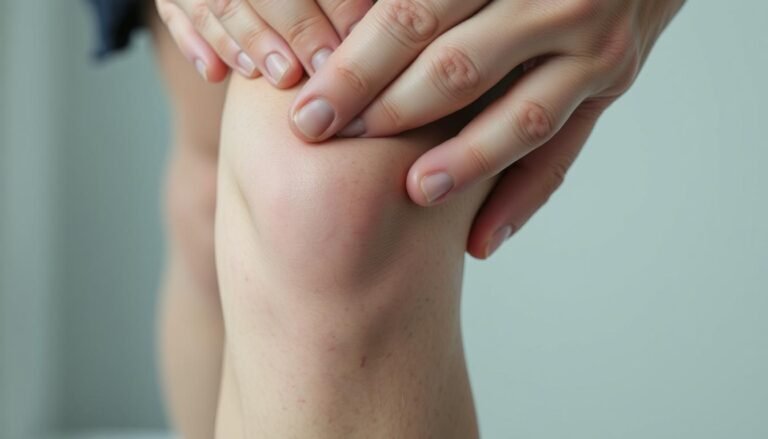
Knee Braces and Supports

Considerations for Selection

Intended Use

Consider how you plan to use the brace. For example, prophylactic braces simply provide general stabilization for vulnerable knees during activities. Functional braces offer more serious dynamic support following ACL/PCL injury. Unloader braces treat unicompartmental knee arthritis pain by reducing pressure on the damaged section. Your needs influence ideal brace properties.

Level of Support

Evaluate how much support the brace provides. Some offer light compression while others significantly reinforce joint stability by limiting certain motions. Reinforcement rings around patellar openings add support. Beware overly rigid braces can cause muscle atrophy over time. Discuss options with your doctor and brace provider.

Proper Brace Fit

It helps to visually inspect brace alignment after application. The hinge should center over the knee cap. Straps should lie flat without twisting. The brace should conform closely to the knee anatomy without cutting into the back of the leg. Movement should be comfortable through the full knee range of motion without the brace migrating out of position.

Other Knee Supports

Elastic Knee Sleeves

Stretchy neoprene knee sleeves provide light compression and warmth to calm knee pain from arthritis, tendinitis, and other conditions. Using them during activity helps support sore knees. Look for breathable sleeves sized appropriately for the circumference of your leg. Wash frequently to prevent odor.

Taping

Specialized sports knee taping techniques can help stabilize irritated or injured knees. Strategic patellar taping improves tracking and reduces pain. McConnell taping treats patellar misalignment. Other methods protect collateral ligaments. Taping requires proper training to be effective and avoid restricting circulation or motion.

Similar Posts

  • |

    Longitudinal changes in youth baseball batting based on body rotation and separation | BMC Sports sciences, medicine and rehabilitation

      Attendees We initially recruited 230 junior baseball players from six teams in Tokyo, Japan in April 2018. The inclusion criteria were males between 6 and 12 years old. The exclusion criteria were injury and illness that prevented the participant from taking measurements. Participants were divided into age groups during the baseball season according to…

  • Physical Therapy Management for Various Symptoms and Diagnostics

    Physical therapy management is a crucial aspect of healthcare that involves the diagnosis and treatment of a wide range of musculoskeletal and neurological conditions. Physical therapists work with patients of all ages and backgrounds to help them recover from injuries, manage chronic pain, and improve their overall quality of life. With their expertise in anatomy,…

  • Top Fitness Trackers for Joint Health Monitoring

    When it comes to monitoring joint health during various activities, fitness trackers can be a valuable tool. They can help you track your activity, provide insights into your training, and optimize your workouts. In this article, we will explore the top fitness trackers that are designed to support joint health. Key Takeaways: Best fitness trackers…

  • |

    What Causes Sharp Pain on the Knee When Bending?

    Knee pain when bending can be very uncomfortable and can stop you from doing everyday things. This article will look at why this happens, how to find out what’s wrong, and ways to feel better. We’ll also talk about how to keep your knees healthy and when it’s important to see a doctor. Key Takeaways…

  • |

    Best knee scooter post-surgery

    Is hopping around on one leg or battling clumsy crutches the only way to get through recovery after a foot or ankle procedure? For many, traditional crutches are a source of frustration and fatigue. They demand considerable arm strength and often lead to instability. This can make you feel trapped and dependent on others. best knee scooter post-surgery There is a more comfortable and popular solution. Studies show that 90 percent of patients prefer using a knee scooter over crutches during their healing period. Occupational therapists highlight a key benefit: these aids keep your injured foot correctly elevated and non-weight bearing. This proper positioning is vital for a smooth recovery. We’ve done the research for you. Our analysis of the current market identifies devices that provide superior mobility and comfort compared to old-fashioned methods. Selecting the right walker helps you maintain your independence. It allows for safer movement around your home and community. A sturdy, well-designed walker is a much more stable alternative to risky hopping. Our expert-driven guide reviews the leading models available. The goal is to help you find reliable equipment that protects your leg while letting you continue with daily life. Key Takeaways The vast majority of patients prefer knee scooters to traditional crutches for recovery. These devices properly elevate the leg, which is essential for non-weight bearing healing. They promote greater independence and reduce reliance on others during your recovery. Choosing a high-quality model significantly improves safety and overall comfort. Our guide provides an expert analysis of the top mobility aids on the market today. A stable walker minimizes the risk of falls and accidental weight-bearing. Informed selection helps you navigate your environment with confidence and ease. Understanding Knee Scooters in Post-Surgery Recovery Patients seeking a stable alternative to crutches frequently turn to rolling walkers with a knee platform. This device, often called a knee scooter or knee walker, has two to five wheels and a padded rest for your leg. It is designed to keep your injured foot correctly elevated. This positioning is completely non-weight bearing, which is vital for healing. Unlike traditional crutches, a knee walker does not demand much arm strength. You simply rest your leg on the cushioned platform and propel yourself forward. This reduces physical exertion dramatically during daily movement. Occupational therapists note an overwhelming patient preference for this mobility aid. We have found that nearly 90 percent of users prefer it over other options. The design helps prevent reinjury caused by balance struggles. Feature Knee Scooter/Walker Traditional Crutches Weight-Bearing Non-weight bearing, leg elevated Partial weight on arms and shoulders Upper Body Strain Minimal; uses leg for support High; requires arm strength Hands-Free Operation Yes; handlebars for steering No; hands occupied Stability on Flat Surfaces Very stable with multiple wheels Less stable; two points of contact Risk of Reinjury Low; proper leg positioning Higher; balance challenges These devices are essential for maintaining independence. They allow you to perform household tasks while your injury heals. By keeping your hands free, a knee scooter lets you carry items and engage in daily life more effectively. Benefits of Using Knee Scooters Over Crutches The journey to regain mobility after surgery doesn’t have to be a struggle against discomfort and instability. While traditional crutches are less expensive, they frequently cause pain and balance issues for active individuals. A knee walker provides a stable base for movement. It allows you to navigate both indoors and outdoors without the constant fatigue linked to crutches. benefits of knee scooter over crutches Occupational therapists emphasize that a knee scooter is a superior choice if you lack upper body strength. Using this device greatly lowers your chance of a fall compared to balancing on underarm crutches. These aids offer a level of freedom that lets you spend time outside. This activity is proven to speed up the healing process. Choosing the right knee walker ensures you can maintain your daily routine. You avoid the physical limits imposed by standard crutches. A quality knee scooter supports your injured leg correctly, promoting safer recovery….

  • |

    Can PRP help reduce the risk of rotator cuff re-injury?

      Platelet-rich plasma does not improve clinical outcomes in patients with rotator cuff disease, but reduces relapse rates. A systematic review and meta-analysis Feltri P, Gonalba GC, Boffa A, Candrian C, Menon A, Randelli PS, Filardo G. Knee Surgery Sports Traumatol Arthrosc. December 11, 2022. doi: 10.1007/s00167-022-07223-9. E-publishing prior to printing. PMID: 36496450. Full text…

Leave a Reply

Your email address will not be published. Required fields are marked *