Why Does My Knee Hurt When Driving an Automatic Car?

You settle into your car for your daily commute. Within minutes, a dull ache starts creeping into your knee. By the time you reach your destination, the pain has become impossible to ignore. This scenario plays out every day for countless drivers across the United States.
Knee pain while driving affects millions of people. It disrupts daily routines and makes even short trips uncomfortable. The problem often stems from factors you might not expect.
This guide explains why your knee hurts when driving an automatic car. You’ll discover the common causes behind this condition. We’ll show you practical solutions to reduce knee discomfort and improve your driving experience.
Your right leg does most of the work in automatic vehicles. It constantly moves between the gas pedal and brake. This repetitive stress can irritate the patellar tendon and surrounding muscles.
How Automatic Cars Differ from Manual Transmission
Automatic cars place unique demands on your right knee. Unlike manual vehicles, you don’t switch between feet. Your right leg maintains a semi-flexed position for extended periods.
The constant hovering over pedals creates sustained muscle tension. Your knee remains in an awkward angle for long periods. This position increases pressure on the kneecap and surrounding tissues.
Important Note: If your knee pain persists beyond two weeks or worsens with activity, schedule an appointment with a healthcare provider. Early intervention prevents chronic conditions from developing.
Common Causes of Knee Pain While Driving
Several factors contribute to knee pain driving automatic vehicles. Understanding these causes helps you identify the source of your discomfort.

Repetitive Stress Injuries
Your knee performs the same motion hundreds of times during each drive. This repetitive movement stresses the patellar tendon. Over time, small tears develop in the tissue.
The condition worsens with frequent driving. People who commute long distances face higher risk. The continuous pressure prevents your knee from healing properly.
Poor Seat Position and Posture
Incorrect seat adjustment ranks among the top causes of knee discomfort. When your seat sits too far back, your leg extends fully. This position strains your knee joint with each pedal press.
Sitting too close creates the opposite problem. Your knee bends at an extreme angle. This cramped position compresses the joint and restricts blood flow.
Signs of Poor Driving Posture
- Leg fully extended to reach gas pedal
- Knee higher than hip level
- Leaning forward to reach steering wheel
- Lower back not supported by seat

Medical Conditions That Cause Driver Knee Pain
Several underlying conditions make knee pain worse while driving. These medical issues require proper diagnosis and treatment from physical therapists or doctors.
Patellar Tendinitis
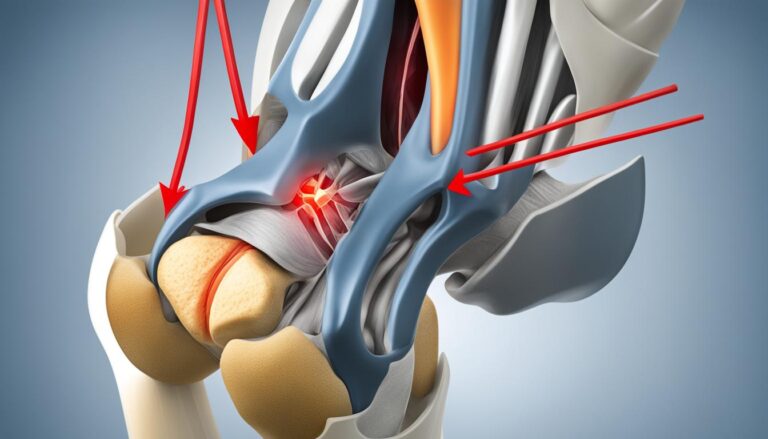
This condition involves inflammation of the patellar tendon. The tendon connects your kneecap to your shinbone. Repetitive jumping or kicking motions typically cause this injury.
Driving aggravates patellar tendinitis. The constant pedal pressing creates additional stress on the inflamed tendon. People with this condition often feel pain below the kneecap.
Patellofemoral Pain Syndrome
This syndrome causes pain around or behind the kneecap. The condition develops when your kneecap doesn’t track properly over the thigh bone. Weak thigh muscles often contribute to this problem.
Extended time in the car makes symptoms worse. The sustained bent position increases pressure on the knee joint. Many people describe a grinding sensation when moving their knee.
Arthritis and Joint Degeneration
Arthritis causes the cartilage in your knee to break down. This degeneration leads to bone-on-bone friction. The condition typically affects people over 50 but can occur earlier.
Driving with arthritis becomes increasingly painful. The lack of movement while sitting causes joints to stiffen. Getting out of the car often proves difficult after long drives.
Did You Know? According to physical therapy research, maintaining the same position for more than 30 minutes reduces blood flow to your legs by up to 50%. This reduction contributes significantly to knee discomfort during long drives.
Muscle Weakness and Imbalances
Weak leg muscles force your knee to work harder while driving. Your quadriceps and hamstrings normally share the workload. When these muscles lack strength, your knee joint compensates.
Muscle imbalances create additional problems. If your inner thigh muscles are weaker than outer muscles, your kneecap pulls to one side. This misalignment causes uneven wear on the joint.
Ergonomic Tips to Reduce Knee Strain While Driving
Proper car setup dramatically reduces knee pain driving. Small adjustments make a significant difference in your comfort level. These changes help distribute pressure evenly across your leg.

Optimal Seat Position for Knee Comfort
Your seat position forms the foundation of comfortable driving. Start by adjusting the distance from the pedals. You should reach the gas pedal easily while maintaining a slight bend in your knee.
The ideal position keeps your knee bent at approximately 120 degrees. This angle reduces stress on the joint. Your heel should rest comfortably on the floor when not pressing pedals.
Seat Distance Adjustment
Move your seat forward or backward until your knee bends naturally. Test the position by pressing the brake pedal fully. Your leg should not straighten completely during this motion.
Seat Height Matters
Raise or lower your seat so your hips sit level with your knees. This position improves circulation and reduces pressure on your leg. Make sure both feet can reach pedals without stretching.
Steering Wheel and Back Support
Your steering wheel position affects your entire body posture. Pull the wheel closer if you find yourself leaning forward. This adjustment helps you sit back properly in your seat.
Lumbar support prevents you from slouching. Many cars include adjustable back support. Position the support at the curve of your lower back. This alignment reduces strain on your legs and knees.
Pedal Positioning and Foot Placement
How you position your foot on the gas pedal impacts knee comfort. Place the ball of your foot on the pedal rather than your toes. This placement uses your ankle joint more and your knee less.
Keep your heel on the floor as a pivot point. Pivot your foot between pedals instead of lifting your entire leg. This technique reduces the work your knee must perform.
Experiencing Persistent Knee Pain?
Our physical therapists specialize in treating driver’s knee and repetitive stress injuries. We’ll assess your condition and create a personalized treatment plan to help reduce your pain and restore mobility.
Additional Ergonomic Accessories
Several products can improve your driving position. Seat cushions provide extra support and elevation. Lumbar pillows maintain proper spine alignment. Footrests help position your left foot comfortably.
Cruise control reduces repetitive gas pedal use on highways. This feature gives your right leg regular breaks during long drives. Your knee gets time to relax between acceleration periods.
Stretches and Exercises for Pain Relief
Regular stretching prevents knee pain from developing. These exercises strengthen supporting muscles and improve mobility. Practice them before and after driving to maximize relief.

Pre-Drive Stretching Routine
Warming up your muscles before driving prepares them for sustained activity. These stretches take just five minutes but significantly reduce your risk of knee discomfort.
Before Driving
- Quadriceps stretch – 30 seconds each leg
- Hamstring stretch – 30 seconds each leg
- Calf raises – 15 repetitions
- Knee circles – 10 rotations each direction
- Hip flexor stretch – 30 seconds each side
During Long Drives
- Ankle pumps at red lights
- Knee extensions when safe
- Calf squeezes every 30 minutes
- Hip rotations at rest stops
- Walk for 5 minutes every 2 hours
After Driving
- Standing quad stretch – 45 seconds
- Seated hamstring stretch – 1 minute
- IT band stretch – 30 seconds each leg
- Gentle knee bends – 20 repetitions
- Ice application if needed – 15 minutes
Strengthening Exercises for Long-Term Relief
Building leg strength provides lasting protection against knee pain. These exercises target the muscles that support your knee joint. Perform them three times per week for best results.
Quadriceps Strengthening
Strong quadriceps muscles stabilize your kneecap during movement. Wall sits and straight leg raises effectively build this muscle group. Start with 10 repetitions and gradually increase.
Leg extensions isolate your quadriceps. Sit in a chair and straighten one leg at a time. Hold the position for three seconds before lowering. This exercise directly improves your pedal control strength.

Hamstring and Calf Work
Balanced leg strength requires attention to all major muscle groups. Hamstring curls can be performed standing or lying down. These muscles work opposite your quadriceps to control knee movement.
Calf raises strengthen the muscles below your knee. Stand on a step and raise up on your toes. This exercise improves your foot’s ability to control the gas pedal smoothly.
Mobility Exercises for Joint Health
Maintaining knee mobility prevents stiffness and pain. Range of motion exercises keep your joint flexible. Practice these movements daily to maintain healthy knee function.
- Knee bends while standing – promotes full range of motion
- Heel slides – gently extends and flexes the knee
- Leg swings – improves hip and knee coordination
- Step-ups – builds functional strength for daily activity
Techniques to Reduce Pain During Your Drive
Even with proper setup, long drives can cause knee discomfort. These techniques provide relief while you’re on the road. They help you manage pain without compromising driving safety.

Taking Strategic Breaks
Regular stops give your knee essential recovery time. Plan to stop every 90 minutes during long trips. Exit your car and walk around for at least five minutes.
Use rest stops to perform gentle stretches. Focus on your quadriceps and hamstrings. These brief activity breaks restore blood flow to your legs and reduce joint stiffness.
Adjusting Driving Style
Smooth acceleration reduces knee strain. Avoid sudden gas pedal movements. Gradual speed changes require less force from your leg muscles.
Anticipate traffic flow to minimize brake use. Coast when possible instead of maintaining constant pressure on the gas pedal. This technique gives your right leg more rest periods.
Using Cruise Control Effectively
Cruise control provides significant relief on highways. Activate it whenever traffic conditions allow. This feature lets you rest your right foot in a neutral position.
Position your foot flat on the floor when cruise control is active. Flex your ankle and rotate your foot periodically. These small movements maintain circulation without affecting your driving.
Pain Management While Driving
- Keep over-the-counter pain relief medication in your car
- Apply a cold pack during breaks if inflammation occurs
- Adjust your seat position if discomfort increases
- Use compression sleeves for additional knee support
- Switch to your left foot briefly in safe, empty parking lots

When Knee Pain Requires Medical Attention
Some knee pain indicates serious underlying conditions. Recognizing warning signs helps you seek timely medical care. Early treatment prevents minor issues from becoming chronic problems.

Warning Signs That Need Professional Evaluation
Certain symptoms require immediate medical attention. Severe pain that doesn’t improve with rest needs evaluation. Swelling that persists for more than 48 hours also warrants concern.
Seek Immediate Medical Care If You Experience:
- Sudden, sharp pain that prevents weight bearing
- Visible deformity or unusual knee appearance
- Fever accompanied by knee pain and swelling
- Inability to straighten or bend your knee
- Knee feels unstable or gives way frequently
Diagnostic Procedures for Driver’s Knee
Medical professionals use several methods to diagnose knee conditions. Physical examination reveals tenderness and range of motion limitations. Your doctor will ask about your symptoms and driving habits.
Imaging tests provide detailed views of your knee structure. X-rays show bone alignment and detect arthritis. MRI scans reveal soft tissue injuries like tendon tears or cartilage damage.
Treatment Options from Physical Therapy
Physical therapy offers effective treatment for most driving-related knee pain. Your physical therapist creates a customized plan based on your specific condition. Treatment typically includes exercises, manual therapy, and education.
Therapists teach proper body mechanics for driving. They identify muscle imbalances contributing to your pain. Sessions focus on strengthening weak areas and improving flexibility.
| Treatment Type | Duration | Effectiveness | Best For |
| Physical Therapy | 6-12 weeks | 85% improvement rate | Repetitive stress, muscle weakness |
| Rest and Ice | 1-2 weeks | Temporary relief | Acute inflammation, minor injury |
| Medication | As needed | Symptom management | Pain relief, inflammation |
| Ergonomic Adjustment | Immediate | 70% improvement | Posture-related pain |
| Injection Therapy | 3-6 months | Variable results | Severe inflammation, arthritis |
Alternative Treatments and Therapies
Several complementary treatments support recovery from knee pain. Massage therapy reduces muscle tension in your legs. Acupuncture may provide relief for chronic conditions.
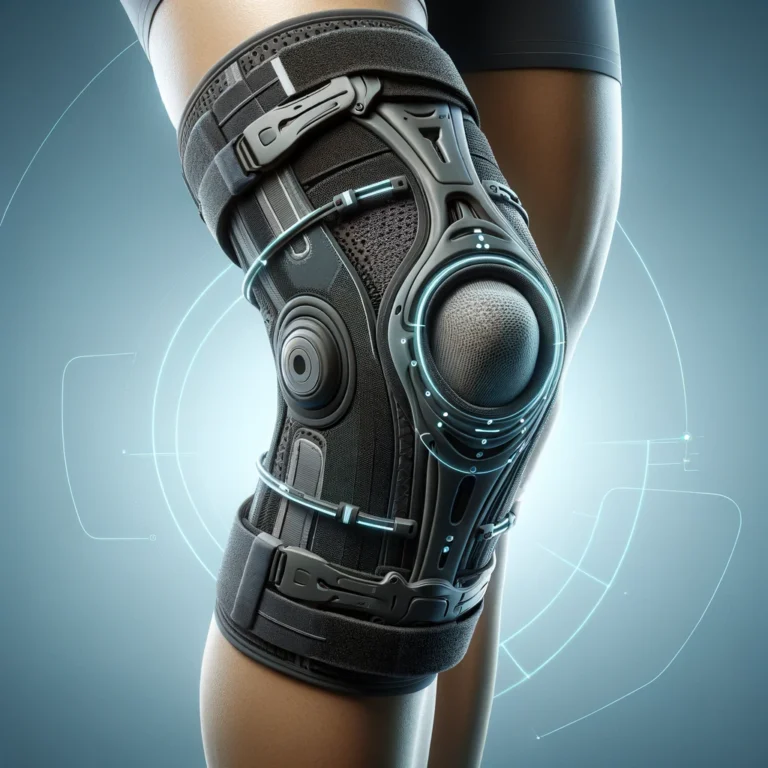
Knee braces offer additional support during healing. These devices stabilize your joint and reduce strain. Your physical therapist can recommend appropriate bracing options.
Long-Term Prevention Strategies
Preventing knee pain proves easier than treating it. These strategies protect your knee health for years to come. Consistency matters more than intensity with prevention efforts.

Maintaining Healthy Body Weight
Extra body weight increases stress on your knee joints. Each pound of excess weight adds four pounds of pressure to your knees. Maintaining a healthy weight significantly reduces your risk of knee problems.
Weight loss improves symptoms for people with existing knee pain. Even a modest reduction of 10 pounds decreases knee stress noticeably. Combine balanced nutrition with regular physical activity for best results.
Regular Exercise Beyond Driving
Staying active keeps your knees healthy and mobile. Low-impact exercises like swimming and cycling build strength without joint stress. These activities improve your overall leg fitness.
Walking remains one of the best exercises for knee health. Aim for 30 minutes of walking most days. This activity maintains joint mobility and strengthens supporting muscles.
Proper Footwear Selection
Your shoes affect your entire leg alignment while driving. Wear supportive shoes with good arch support. Avoid high heels or completely flat shoes during long drives.
Driving shoes with thin soles provide better pedal feel. Keep a pair of appropriate driving shoes in your car. Switch into them before starting your trip.
Good Driving Shoes
- Thin, flexible sole for pedal sensitivity
- Secure fit that won’t slip off
- Minimal heel height (under 1 inch)
- Adequate arch support
- Breathable materials
Avoid While Driving
- High heels or wedge shoes
- Flip-flops or loose sandals
- Platform shoes with thick soles
- New shoes not broken in
- Steel-toed work boots
Workplace and Lifestyle Modifications
Reduce total sitting time throughout your day. Take regular breaks if you work at a desk. Stand and move every hour to maintain leg circulation.
Consider carpooling or public transportation occasionally. Alternating your driving days gives your knee regular recovery periods. This schedule prevents cumulative stress from building up.
Vehicle Selection Considerations
Some vehicles better accommodate knee-friendly driving positions. Test different cars before purchasing. Pay attention to how easily you can adjust the seat and pedals.
Cars with adjustable pedals offer significant advantages. This feature lets you customize pedal position without compromising seat placement. Vehicles with more legroom also reduce knee cramping.
Special Considerations for Different Drivers
Different people face unique challenges with knee pain while driving. Age, occupation, and pre-existing conditions all influence your risk factors. Tailored approaches work best for specific situations.

Professional Drivers and Long-Haul Concerns
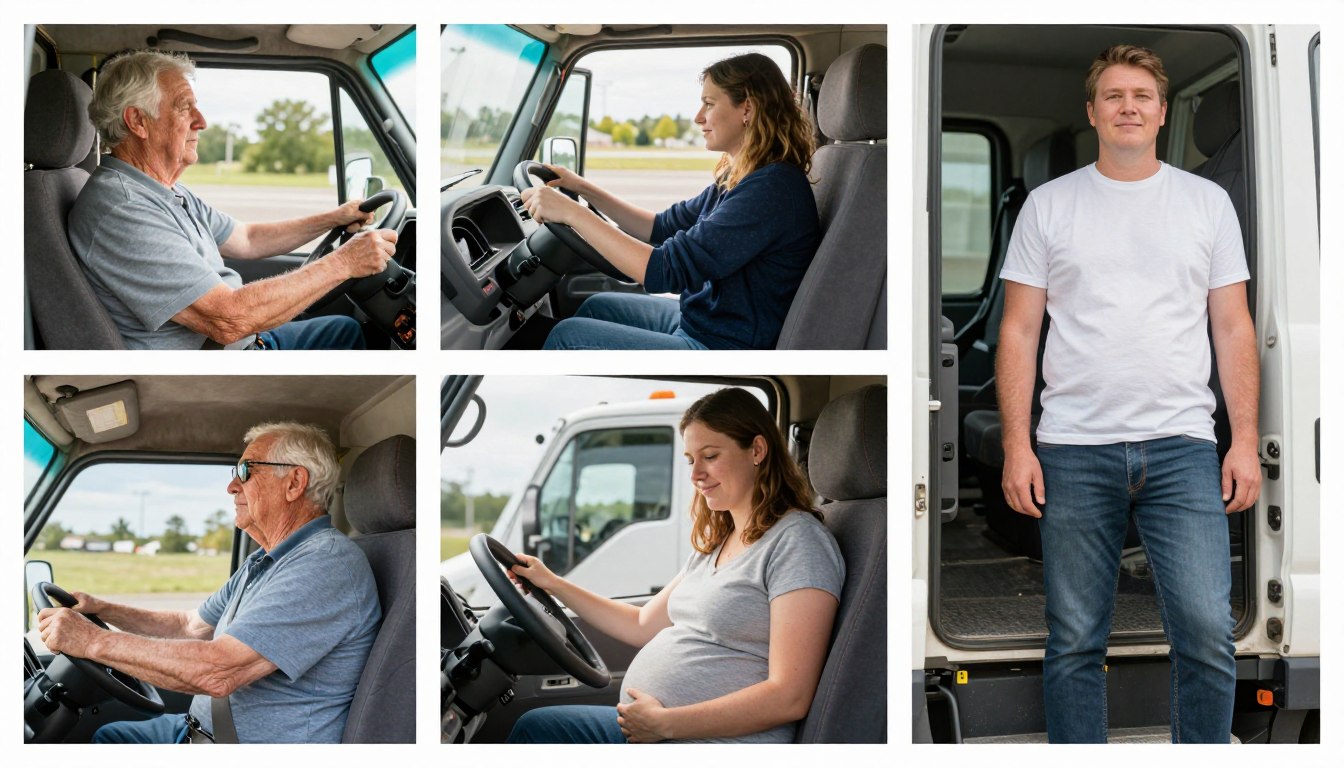
Professional drivers face elevated risk due to extended time behind the wheel. Truck drivers, delivery personnel, and taxi operators need proactive prevention strategies. Their livelihood depends on managing knee health effectively.
Invest in high-quality seat cushions and lumbar support. Schedule regular checkups with physical therapists. Consider your driving schedule a risk factor that requires active management.
Age-Related Knee Issues
Older drivers often deal with arthritis and reduced flexibility. These conditions make proper positioning more challenging. Extra attention to seat adjustment becomes crucial.
Younger drivers aren’t immune to knee problems. Athletic injuries from other activities can worsen with driving. Previous knee surgery requires special consideration when setting up your driving position.
Recovery After Knee Injury or Surgery
Returning to driving after knee treatment requires clearance from your doctor. Start with short trips in familiar areas. Gradually increase distance as your comfort improves.
Use caution when resuming driving after injury. Your knee may feel weaker than before. Physical therapy helps rebuild strength before returning to regular driving schedules.
Taking Control of Your Knee Health on the Road
Knee pain while driving doesn’t have to be inevitable. The combination of proper ergonomics, regular exercise, and smart driving habits prevents most problems. Small adjustments create significant improvements in your comfort.

Start implementing these strategies today. Adjust your seat position before your next drive. Practice the recommended stretches. Make sure your footwear supports healthy driving posture.
Remember that persistent knee pain deserves professional attention. Physical therapists specialize in treating conditions like driver’s knee. They provide personalized treatment plans that address your specific needs.
Your knee health directly impacts your quality of life. Don’t ignore warning signs or push through severe pain. Early intervention prevents temporary discomfort from becoming a chronic condition.
Take action to protect your knees. Schedule regular exercise into your routine. Practice good driving ergonomics consistently. These habits ensure comfortable, pain-free driving for years to come.
Schedule Your Knee Pain Assessment Today
Don’t let knee pain control your life. Our experienced physical therapy team specializes in treating driving-related knee conditions. We’ll evaluate your symptoms, identify the root cause, and create a comprehensive treatment plan tailored to your needs. Same-day appointments available for new patients.