Knee Injury Recovery Videos: Navigating DMCA
Did you know that knee injuries account for nearly 55% of all sports-related injuries in the United States? Whether you’re an athlete or an individual recovering from knee trauma, the road to rehabilitation can be challenging and overwhelming. That’s why knee injury recovery videos have become a valuable resource in promoting effective recovery techniques and exercises.
In this article, we will explore the importance of knee injury recovery videos and the potential consequences of copyright infringement. We’ll provide insights on how to navigate the DMCA takedown process to ensure that your rehabilitation knowledge stays within legal bounds.
Key Takeaways:
- Knee injuries make up a significant portion of sports-related injuries in the US.
- Knee injury recovery videos play a crucial role in guiding individuals through the rehabilitation process.
- Copyright infringement can have serious legal implications for those using knee injury recovery videos without authorization.
- The DMCA takedown process helps protect the intellectual property of content creators.
- By following the guidelines provided, you can navigate the DMCA process and safeguard your knee injury recovery videos.
Understanding Knee Injury Recovery
When it comes to knee injuries, proper recovery is essential for regaining strength and mobility. In this section, we will explore the various aspects of knee injury recovery, including exercises, rehabilitation techniques, preventive measures, and treatment options. Understanding the recovery timeline and incorporating targeted exercises and rehab techniques can significantly improve the healing process.
Recovery Timeline
The recovery timeline for knee injuries can vary depending on the severity of the injury and the individual’s overall health. It is important to follow a structured rehabilitation plan and be patient throughout the recovery process. While it may take weeks or even months to fully recover, consistent effort and adherence to the recovery plan can yield positive results.
Essential Exercises for Rehabilitation
To regain strength and stability in the knee, specific exercises are crucial during the recovery period. These exercises target the muscles surrounding the knee joint and help improve flexibility, balance, and overall function. Some examples of knee injury recovery exercises include:
- Quad Sets: Tightening the thigh muscles while in a seated position, holding for a few seconds, and then releasing.
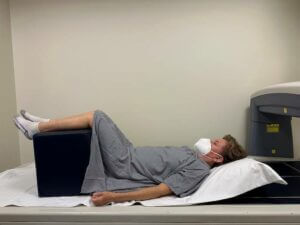
- Straight Leg Raises: Lying on the back, lifting the leg slowly, and maintaining a straight knee position.
- Hamstring Curls: Bending the knee while standing and bringing the heel towards the buttocks.
- Mini Squats: Partially bending the knees while standing, keeping the feet shoulder-width apart.
Consulting with a physical therapist or healthcare professional can provide personalized guidance on the most suitable exercises for your specific injury and recovery goals.
Treatment Options and Preventive Measures
In addition to exercises and rehabilitation techniques, various treatment options can aid in the healing process of knee injuries. These may include:
- Physical Therapy: Working with a physical therapist who can guide you through exercises, provide hands-on treatments, and monitor your progress.
- Bracing: Wearing a knee brace or support during activities can provide stability and protect the injured knee.
- Rest and Ice: Resting the knee and applying ice can reduce swelling and alleviate pain.
- Pain Management: Utilizing pain-relieving medications or alternative therapies under the guidance of a healthcare professional.
Prevention plays a vital role in avoiding knee injuries. Incorporating proper warm-up exercises, wearing appropriate footwear, and maintaining proper form and technique during physical activities can significantly reduce the risk of knee injuries.

The Importance of Knee Injury Recovery Videos
When it comes to recovering from a knee injury, incorporating videos into your rehabilitation journey can be incredibly valuable. There are several reasons why knee injury recovery videos have become an essential tool for individuals seeking to regain their strength and mobility.
Motivation and Engagement
One of the key advantages of knee injury recovery videos is that they provide a visual demonstration of proper exercises and techniques. Watching these videos can effectively motivate and engage individuals throughout their healing journey. Seeing someone perform the exercises correctly can instill confidence and inspire users to push through challenging moments. With each successful completion, motivation increases, creating a positive feedback loop that enhances overall recovery outcomes.
Guided Instructions
Following a video guide during knee injury recovery allows users to receive step-by-step instructions that can be easily understood and replicated. These guided instructions ensure that exercises are performed correctly, minimizing the risk of further injury and maximizing the effectiveness of the rehabilitation process. Visual cues provided in the videos help individuals maintain proper form and technique, ensuring they are targeting the specific areas that need attention.
Diverse Exercise Options
Knee injury recovery videos offer a wide range of exercise options that target different muscle groups and address various stages of the healing process. From mobility exercises to strengthening routines, these videos provide a comprehensive set of exercises tailored to meet the specific needs of individuals with knee injuries. Having access to a variety of exercises allows users to personalize their recovery program and focus on areas that require additional attention.
Expert Guidance
The videos often feature expert physical therapists and trainers who provide professional guidance and insights. These professionals have the knowledge and experience to develop effective rehabilitation programs that facilitate optimal recovery. By following their expert advice, users can feel confident that they are receiving top-quality guidance from trusted sources.
By incorporating knee injury recovery videos into your rehabilitation routine, you can enhance the recovery process, stay motivated, and ensure you are performing exercises correctly. The visual demonstrations, guided instructions, diverse exercise options, and expert guidance provided in these videos can make a significant difference in your journey towards regaining strength and mobility.
Remember to always consult with a healthcare professional before starting any new exercise program, especially if you have a knee injury.

DMCA Takedowns and Copyright Infringement
In today’s digital landscape, protecting your knee injury recovery videos from unauthorized use is vital. Understanding the DMCA (Digital Millennium Copyright Act) takedown process and the potential legal implications of copyright infringement is crucial for safeguarding your valuable content.
The DMCA provides a framework for copyright holders to protect their intellectual property and take action against infringing use. If you discover that your knee injury recovery videos have been posted without your permission, you can file a DMCA copyright infringement notice to have the content removed.
When handling a DMCA takedown, it’s essential to follow the proper procedures to ensure the best outcome. Here are the steps you can take to protect your knee injury recovery videos:
- Identify the websites or platforms where your content has been illegally shared.
- Gather evidence to prove that you hold the copyright to the videos. This can include timestamps, original creation files, or other supporting documentation.
- Construct a formal DMCA copyright infringement notice. This notice should include:
- The title and URL of the infringing content.
- A statement declaring that you hold the copyright to the videos.
- Contact information, including your name, address, phone number, and email.
- A statement acknowledging your good faith belief that the use of your videos is unauthorized.
- Your digital or physical signature.
By comprehending the DMCA takedown process and taking proactive steps to protect your knee injury recovery videos, you can maintain the integrity of your content and ensure that it remains exclusive to your authorized platforms.
Conclusion
In conclusion, knee injury recovery videos play a vital role in aiding individuals on their journey to recovery. By following the recommended knee injury rehab exercises and treatment options highlighted in this article, you can enhance your healing process and regain optimal functionality of your knee.
However, it is essential to be aware of potential copyright infringement issues surrounding knee injury recovery videos. Navigating the DMCA takedown process is crucial to protect your valuable content from unauthorized use. Stay proactive in monitoring and reporting any instances of DMCA copyright infringement to maintain the integrity of your knee injury recovery videos.
Remember, by prioritizing legal compliance and respecting copyright laws, you not only safeguard your content but also contribute to the well-being of individuals dealing with knee injuries. Let’s continue to support each other in our recovery journeys by providing accurate and protected knee injury recovery videos.
FAQ
What are knee injury recovery videos?
Knee injury recovery videos are instructional videos that provide guidance and demonstrations of exercises and techniques to aid in the rehabilitation and recovery of knee injuries.
Why are knee injury recovery videos important?
Knee injury recovery videos are important because they offer visual guidance, making it easier to understand and follow rehabilitation exercises. They can enhance recovery outcomes, help individuals stay motivated, and ensure proper form and technique during the healing process.
What exercises are recommended for knee injury recovery?
Recommended exercises for knee injury recovery may include range of motion exercises, strengthening exercises, balance exercises, and flexibility exercises. It is important to consult with a healthcare professional to create a personalized exercise plan based on your specific injury and recovery goals.
How long does knee injury recovery take?
The timeframe for knee injury recovery can vary depending on the severity of the injury, the individual’s overall health, and their adherence to the rehabilitation program. Generally, the recovery timeline can range from a few weeks to several months.
What can I do to prevent knee injuries?
To prevent knee injuries, it is important to maintain strong muscles around the knee, use proper technique during physical activities, warm up before exercising, wear appropriate footwear, and avoid overexertion. Also, listen to your body and avoid activities that cause pain or discomfort in the knees.
What should I do if I receive a DMCA copyright infringement notice for my knee injury recovery videos?
If you receive a DMCA copyright infringement notice for your knee injury recovery videos, it is important to take immediate action. Review the notice thoroughly, remove any infringing content, and respond to the notice as required by the DMCA guidelines. Seeking legal advice may be beneficial to ensure compliance with copyright laws.
How can I navigate the DMCA takedown process for my knee injury recovery videos?
To navigate the DMCA takedown process for your knee injury recovery videos, it is important to familiarize yourself with the DMCA guidelines and requirements. Respond promptly to any copyright infringement notices and take necessary actions, such as removing the infringing content or providing a counter-notice if you believe the claim is incorrect. It may be helpful to consult an attorney or legal expert for guidance.
Related Articles

About the author: Mokhtar Sahraoui
Mokhtar Sahraoui is the founder and editor of Knee Hurt. He researches and writes practical, easy-to-understand guides on knee pain, knee injuries, arthritis and recovery, based on trusted medical sources. Knee Hurt articles are general information and are not a substitute for advice from your doctor or physical therapist.