Growing pains in knees children: How to tell true knee hurt from knee pain that needs care (2026 guide)
Growing pains in knees children can sound reassuring at first, but knee hurt at night or after play often leaves parents wondering whether it is normal. In 2026, clinicians still emphasize one core idea: many cases are benign, yet a smaller group of children have knee pain that needs timely evaluation.
Key Takeaways
| What it usually is | Benign “growing pains” often cause changing discomfort, commonly in both legs, with normal activity the next day. |
| What to watch | Persistent knee hurt, swelling, fever, limping, redness, or pain that steadily worsens. |
| Where “knee pain” can come from | Conditions like patella cartilage irritation or meniscus/ligament injuries can mimic growing pains. |
| How we help you decide | Use a simple symptom log, check for red flags, and review whether the knee pain pattern fits growing pains. |
| When braces or specific care matter | If instability or specific injury is suspected, we point you to targeted guides like ligament knee injury and knee pain. |
| How to reduce discomfort | Comfort measures (gentle stretching, soothing warmth, appropriate rest) are often appropriate for typical growing pains. |
| Questions parents ask | “Does knee pain at night always mean growing pains in knees children?” and “When should we call our clinician?” |
Quick Q&A:
Q: “Is knee hurt at night normal for growing pains in knees children?”
A: It can be. Many children with growing pains report discomfort at night, but we still look for red flags like swelling, limping, and frequent worsening patterns.
What “growing pains in knees children” usually means (and what it does not)
When parents say “growing pains in knees children,” they usually mean recurring, temporary discomfort in the legs, often noticed in the evening or at night. The important part is that the child typically looks well, keeps using the knee normally during the day, and the discomfort comes and goes.
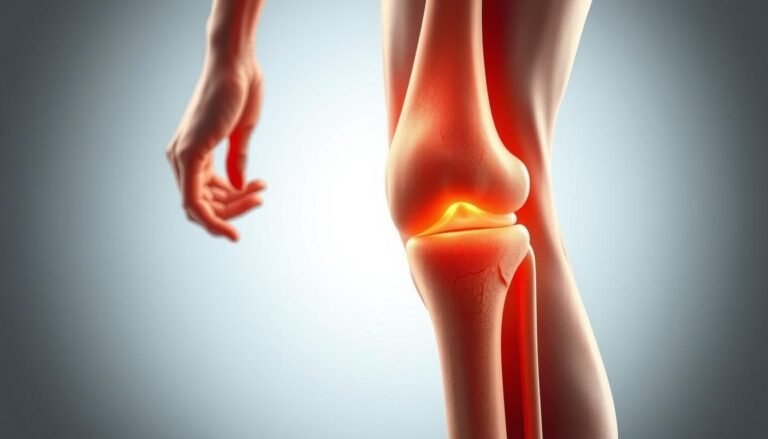
However, “knee” is specific. A child can have knee hurt that feels like growing pains but actually comes from the knee structures, such as the cartilage under the kneecap (patella), the meniscus, or supporting ligaments. Our goal in 2026 is to help you compare the pattern of knee pain to what usually fits benign growing pains.
- Typical growing pains: changing location, often in both legs, discomfort may wake the child, and next-day activity is usually normal.
- Less typical: one knee consistently, pain that steadily worsens, knee swelling, visible deformity, or limping.
- Common complaint phrasing: “My child’s knee hurts,” “it hurts after running,” or “knee pain at night,” even when the cause is not the same.
How common is knee pain in kids, and how that affects decisions in 2026?
In 2026, we still see parents weighing two worries at once: they do not want to miss a real knee injury, and they also do not want unnecessary tests. Large discussions of childhood limb pain show that “growing pains” are common enough that clinicians consider them early, especially when the exam is otherwise normal.
This is exactly why “growing pains in knees children” comes up so often. If your child has knee pain that resembles benign patterns, clinicians may start with comfort care and monitoring, rather than immediate imaging.
At the same time, not every night-time discomfort is the same. If the knee pain pattern suggests an injury, a cartilage irritation, or a problem that keeps progressing, it deserves prompt evaluation.
Typical vs. concerning knee hurt: a practical checklist for parents
To separate growing pains from other sources of knee hurt, we recommend a simple checklist you can use at home. It focuses on pattern, associated symptoms, and how the knee behaves during regular activities.
Signs that fit more with growing pains
- The child is active and moving the knee normally during the day.
- Discomfort comes and goes, often at night, and improves with soothing.
- Pain can change location, and usually there is no swelling or redness.
- There are no systemic symptoms like fever or weight loss.
Red flags that suggest it may not be growing pains in knees children
- One knee is consistently the problem, especially if it localizes to one spot.
- Swelling, warmth, redness, or a visible injury after activity.
- Limping, refusing to bear weight, or pain that limits play.
- Frequent worsening over time, or pain that keeps escalating rather than cycling.
- Associated symptoms such as fever or unexplained fatigue.
If you see any red flags, we recommend contacting your clinician promptly. If you want a broader overview of knee pain patterns, our guide on understanding, managing, and overcoming knee pain can help you organize what to report.
When knee pain might be cartilage, like chondromalacia patella
Some children describe knee pain that feels like “growing pains,” but the timing and triggers do not match. One common alternative is cartilage irritation behind the kneecap, often discussed as chondromalacia patella.
Cartilage-related knee hurt can flare with activity, stairs, squatting, or after a growth spurt when mechanics change. The key is that the discomfort pattern tends to be more linked to knee use rather than random night-time episodes.
If you want a clear starting point for how this condition can present, read our article on chondromalacia patella knees. It helps families think through what “knee” pain can look like when the kneecap tracking and surface irritation are involved.
Parent-friendly questions to ask during an evaluation
- Does my child’s knee pain come with activity, not just evening or night?
- Is the pain around the kneecap (front of knee) versus deeper inside?
- Are there triggers like stairs, running, or prolonged sitting?
Ligament and meniscus injuries that can be mistaken for growing pains
Another reason parents worry is that knee pain and knee hurt can follow a specific event, like a twist, fall, or sudden change in direction. In 2026, we continue to see that a clear mechanism matters because it can separate benign discomfort from injury-related knee pain.
When an injury is present, the knee may feel unstable, lock, or swell. Even if the symptoms improve at first, they can persist if the underlying structure was damaged.
For families trying to map symptoms to possibilities, we point you to our guides on ligament knee injury and torn meniscus. These resources can help you understand how knee pain can change based on the injured structure.
Common injury patterns that do not fit classic growing pains
- Twisting or falling followed by knee hurt that does not settle.
- Swelling within hours to a day.
- Locking or catching, which can happen with meniscus problems.
- Instability, like the knee “gives way.”
Tracking frequency and timing: when knee pain becomes more likely to need evaluation
Parents often ask us how often is “too often” for knee pain. In 2026, clinicians frequently use symptom frequency as one part of the decision-making process, because repetitive knee hurt patterns may warrant more than home monitoring.
How does this help with growing pains in knees children? If the knee pain pattern is happening several times per week, you have more evidence to share with your clinician. It does not automatically mean injury, but it does mean the story is strong enough to justify a closer look at the knee.
If you want a clinician-friendly approach, start a log. Note the time of day, which knee, pain severity, whether swelling is present, what activity preceded it, and what helped. This turns knee pain into a timeline that can guide decisions.
Braces and support: useful when injury is suspected, not as a default
Some families look for knee braces right away when a child complains of knee hurt. In 2026, our position is simple: braces can be appropriate when there is a specific concern (like suspected ligament injury), but they should not replace evaluation when red flags are present.
If you suspect instability or ligament-related symptoms, our resource on anterior cruciate ligament (ACL) injury knee brace can help you understand why certain supports are used. Likewise, if posterior cruciate ligament issues come up in your assessment, review posterior cruciate ligament (PCL) knee injury.
When a child has classic growing pains, comfort measures often matter more than devices. But when the knee is unstable, swollen, or injured, we focus on targeted care rather than guessing.
What you can do at home while you sort out growing pains vs knee pain
We recommend a cautious, comfort-first plan while you observe the pattern. The goal is to reduce knee pain without masking warning signs.
Safe steps many families use (when there are no red flags)
- Gentle soothing: warmth and relaxation can help with evening discomfort.
- Light stretching: focus on comfortable range of motion, avoid forcing through sharp pain.
- Adjust activity: if knee hurt appears after a specific sport session, reduce intensity temporarily.
- Track symptoms: document knee hurt and knee pain frequency so your clinician can interpret it.
- Review footwear and surfaces: sometimes running shoes or uneven ground contribute to knee pain.
If your child’s symptoms do not fit a typical growing pains picture, we suggest shifting from “home observation only” to medical guidance. Our guide on traumatic knee is also helpful if there was a clear event that preceded the knee pain.
When to call a clinician immediately
- Swelling, redness, warmth, or severe tenderness around the knee.
- Limping or refusing to bear weight.
- Fever, unexplained fatigue, or other systemic symptoms along with knee pain.
- Repeated episodes that keep increasing, especially one-sided knee pain.
Bringing it together: a clear way to think about growing pains in knees children
Growing pains in knees children are common, and many families handle them safely with monitoring and comfort care. But knee pain and knee hurt deserve careful interpretation because cartilage irritation, meniscus problems, and ligament injuries can look similar at first.
In 2026, we recommend using a structured approach: observe timing (often night), compare whether activity is normal the next day, and watch for red flags. If the knee pain pattern becomes frequent, localized, or accompanied by swelling or instability, we move toward evaluation rather than assuming benign growing pains.
If you want more symptom education, start with our broad overview at knee pain, then match your child’s story to the most relevant possibility (cartilage like chondromalacia patella knees, or injury pathways like ligament knee injury and torn meniscus).
Conclusion
Growing pains in knees children often cause knee hurt at night with normal daytime function, and they improve with simple comfort measures. Still, knee pain that is one-sided, worsening, swollen, or tied to an injury event may reflect something more than benign growing pains.
In 2026, our best advice is to track the knee pain pattern, use red-flag checks, and seek timely guidance when the story does not match typical growing pains in knees children. That approach helps you protect your child’s knee while reducing uncertainty for the family.
Frequently Asked Questions
How do I know if my child’s knee hurt is growing pains?
Growing pains in knees children often cause knee pain that comes and goes, commonly in the evening or at night, and the child is usually active the next day. If there is swelling, limping, redness, or steady worsening, we treat it as less likely to be growing pains and more likely to be another knee issue.
Can knee pain at night still be something other than growing pains in knees children?
Yes. Knee pain at night can be part of growing pains, but knee hurt can also come from conditions that flare with activity or mechanical stress. If the pattern becomes frequent, localized, or accompanied by instability, we recommend evaluation.
What knee pain symptoms mean we should see a doctor right away?
If your child has significant knee pain with swelling, warmth, redness, fever, or refusal to bear weight, it is not something to wait on. Persistent, one-sided knee pain or limping is also a key reason to seek care rather than assume typical growing pains in knees children.
Is a knee brace worth it in 2026 for a child with knee hurt?
A knee brace can be helpful when a specific injury is suspected, such as ligament-related instability, but it should not be the default solution for every case of knee pain. When injury is on the table, we reference targeted guidance like anterior cruciate ligament (ACL) injury knee brace to understand why support may be used.
How often does knee pain have to happen before it’s considered too frequent?
Clinicians often consider imaging or lab work when limb pain appears multiple times per week, such as 3–4 times per week, as discussed in clinical decision contexts. If your child’s knee hurt is that frequent or worsening, we recommend contacting a clinician to avoid missing a non-benign cause.
Can chondromalacia patella cause knee hurt that looks like growing pains?
It can. Chondromalacia patella can present as knee pain that affects the front of the knee and may be triggered by activity or stairs, which can feel similar to “growing” discomfort. Reviewing chondromalacia patella knees can help you compare patterns.
What should we track at home for knee pain in children?
Track when the knee hurts (time of day), which knee (left or right), pain severity, whether swelling is present, what activity preceded it, and what helped. This makes it easier for clinicians to interpret your child’s knee pain pattern and decide whether it matches typical growing pains in knees children.