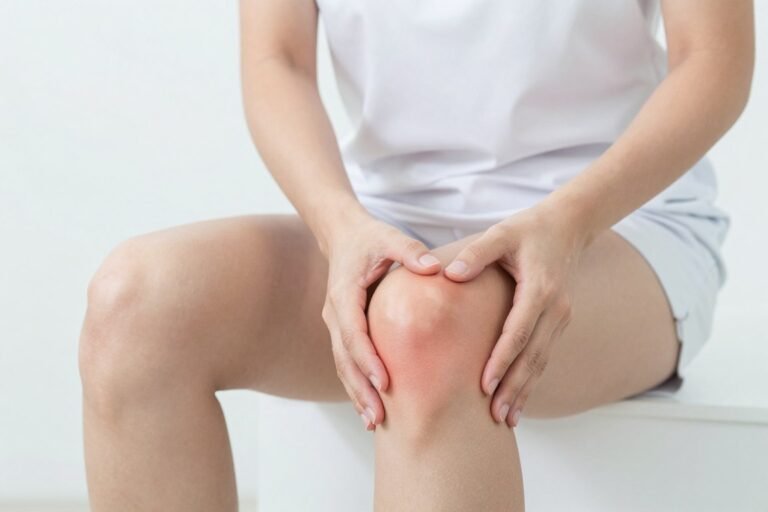
What not to do after knee replacement
Is your post surgery routine secretly working against your healing? Many believe the hardest part is over once they leave the hospital, but the real challenge often begins at home.
Your stay after a knee replacement surgery is brief, typically just one to four days. This quick transition home makes your daily choices incredibly powerful for your recovery process.

knee replacement recovery
We see a common thread: patients who understand which activities to avoid experience fewer setbacks. They enjoy a smoother path back to mobility. Protecting your new joint requires more than just patience.
It demands smart, informed action from the very start. Every person heals at their own pace. Setting realistic expectations is a cornerstone of a successful outcome.
Our guide focuses on the crucial missteps that can delay your progress. We provide clear insights to help you navigate this important time confidently.
Key Takeaways
- The initial weeks at home are critical for protecting your new knee joint.
- Knowing which specific actions to avoid is key to preventing pain and complications.
- Recovery speed varies; patience with your body’s timeline is essential.
- Informed choices during daily activities directly support a smoother rehabilitation.
- A successful outcome relies on more than just the surgery itself.
- Clear guidelines help you build confidence and regain mobility safely.
Understanding Knee Replacement Recovery
Recovering from joint surgery is as much a mental challenge as it is a physical one. The recovery process involves both your body’s healing and your emotional adjustment. This journey begins right after your procedure, often with a hospital stay of one to four days.

knee replacement recovery journey
Recognizing the Physical and Emotional Journey
It is normal to feel some pain and discomfort as your body adapts. This is part of the healing process. Your mobility will improve gradually with time and consistent effort.
Emotional ups and downs are common during this period. Staying positive and patient actively supports your rehabilitation. Every small step forward is a meaningful victory.
The Role of a Multidisciplinary Care Team
Your surgeon, physical therapist, and doctor form a dedicated care team. They work together to guide your joint health and overall recovery. Open communication with them is vital.
Your active participation in therapy and daily activities is crucial for success. This collaboration ensures a smoother healing journey. We encourage you to view this time as a holistic path toward long-term comfort and strength.
Common Mistakes: What not to do after knee replacement
Even with the best surgical outcome, your daily decisions in the weeks that follow determine the success of your healing journey. Avoiding specific errors protects your progress and helps you regain strength efficiently.

common knee replacement mistakes
Doing Too Much Too Soon
Pushing your limits early is a major setback. High-impact actions like running or jumping place excessive stress on the healing joint.
This strain can lead to damage or even dislocation. Your surgeon advises a gradual approach for a critical reason.
Skipping Physical Therapy and Rehabilitation
Consistent therapy is non-negotiable for a successful recovery. Missing sessions severely limits your range of motion and weakens the surrounding muscles.
Prescribed exercises are designed to reduce swelling and rebuild mobility. They are the blueprint for your rehabilitation.
If you experience persistent pain or increased swelling, consult your doctor immediately.
Proper care means balancing activity with rest. This balance prevents unnecessary strain on the surgical site and supports long-term joint health.
Following Post-Surgery Guidelines Effectively
The blueprint for a smooth rehabilitation is found in the details of your medication and wound care instructions. These post-operative guidelines form a precise roadmap, directing your daily activities toward a successful outcome.

post-surgery guidelines
Adhering to Medication and Wound Care Instructions
Your medication schedule is a critical tool. It manages pain and helps prevent serious issues like blood clots. Never adjust your dosage without consulting your doctor.
We recommend keeping a simple log of your doses and daily progress. This consistency supports the recovery process directly.
Wound care is equally vital. Your surgeon provides specific instructions to keep the site clean and dry. This simple step shields your knee from infection and promotes faster healing.
Following these guidelines meticulously is a cornerstone of healing. It ensures the surgery investment pays off with a strong, functional joint. For a comprehensive list of instructions, review these detailed post-operative guidelines.
This disciplined approach empowers patients and protects the new knee replacement. Your diligent follow-through turns medical advice into tangible recovery results.
Navigating Physical Therapy and Mobility
Mobility after a joint procedure isn’t just about moving; it’s about moving smart. This phase of your recovery applies your therapy guidelines to daily life. Your consistent effort directly rebuilds strength and confidence.
We see the best results when patients view their rehabilitation as a non-negotiable daily priority. It’s the engine for regaining full mobility.
Establishing a Safe Exercise Routine
Your exercises are designed to restore your leg and improve your range of motion. You must continue them for at least two months following your procedure.
This consistency reduces swelling and prevents stiffness. Avoid sitting in one position for over 45 minutes. Gentle movement throughout the day supports healing.
Using Assistive Devices and Proper Posture
Walkers or crutches provide crucial support in the first weeks. They help you maintain proper posture while walking at home.
This practice significantly lowers the risk of falls. Keeping your body aligned protects your new joint from unnecessary stress.
Avoiding High-Impact Movements and Overexertion
Steer clear of any activity that jars or twists the knee. Listen to your body’s signals closely.
If you feel a sharp increase in pain, stop immediately. Seek advice from your doctor to adjust your plan. A common precaution is to keep the knee straight while sleeping.
Following these key precautions ensures your recovery period remains smooth and on track.
Managing Pain, Medication, and Complications
Your vigilance during the initial weeks at home directly influences your comfort and long-term joint health. Managing pain effectively involves using prescribed medication and simple methods like ice therapy.
Apply a cold pack for 20 minutes a few times daily. This reduces swelling and helps control discomfort. Consistent use of your medication as directed maintains a steady recovery process.
Recognizing Warning Signs of Infection and Blood Clots
Spotting complications early is critical. A fever higher than 100 degrees signals a possible infection. This requires immediate consultation with your doctor.
Blood clots are a significant risk. Monitor your leg for unusual swelling or tenderness. Report these signs to your surgeon without delay.
The Importance of Timely Medical Consultations
Prompt medical advice ensures any issue with your knee replacement is addressed quickly. Do not ignore persistent pain or changes around the surgical site.
We advise patients to keep their environment safe to prevent falls. Timely action protects your healing and supports your long-term strength. Always follow your doctor‘s guidance after replacement surgery.
Lifestyle Adjustments and Home Recovery Tips
Smart lifestyle adjustments at home can significantly accelerate your rehabilitation journey. Your daily environment directly supports your healing and protects your new joint.
We focus on practical steps that integrate seamlessly into your routine. These tips help you build strength while minimizing risk.
Preparing Your Home for a Safe Return
Your living space needs a safety check before your procedure. Remove loose throw rugs and secure electrical cords.
This simple action prevents dangerous falls during your recovery process. We also suggest setting up a dedicated recovery center.
Keep items like medications, water, and reading materials within easy reach. This setup avoids unnecessary bending or reaching that strains your knee.
Balancing Rest, Nutrition, and Gradual Activity
Fatigue is common for the first six weeks after surgery. Your body uses immense energy for tissue repair.
Balancing rest with gentle movement is essential. A nutritious diet rich in protein and vitamins fuels this healing.
It provides the strength needed for your daily activities. Stay well-hydrated and avoid alcohol to help control swelling.
Returning to work requires your doctor’s clearance. Wait for their approval based on your specific recovery progress.
| Area of Adjustment | Key Action | Primary Benefit |
| Home Safety | Remove throw rugs, secure cords | Prevents falls during recovery |
| Daily Setup | Create a recovery center with frequent items | Reduces bending stress on the joint |
| Nutrition & Hydration | Maintain balanced diet, drink water, avoid alcohol | Supports tissue healing, reduces swelling |
These structured adjustments make your recovery period more manageable. They empower you to focus on regaining mobility with confidence.
Conclusion
Your journey toward renewed mobility and comfort is now well underway. The discipline you apply during these initial weeks is a powerful investment in your long-term well-being.
We encourage all patients to maintain patience and follow their surgeon‘s guidance closely. Consistent rehabilitation exercises rebuild essential strength and protect your new joint.
This supports a smooth recovery from surgery. Your care team remains a dedicated partner throughout this process.
Do not hesitate to contact them with any concerns about pain or your progress. Staying active with your approved daily activities is key.
This steady effort helps you return to the work and lifestyle you enjoy. We believe these insights empower you to take an active role in your healing.
Your commitment today builds a foundation for lasting mobility after your knee replacement.