Knee Pain When Waking Up

Common Causes of Morning Knee Discomfort
Morning knee pain arises when dormant joints must suddenly bear weight and bend after hours of relative stillness. Reduced synovial fluid circulation overnight causes arthritic surfaces and irritated tendons to rub together, producing tightness, tenderness, or sharp twinges when rising from bed.
Joint degeneration, tendon irritation, and mechanical pressure during rest each trigger distinct physical reactions in the knee structure. Identifying the specific source helps determine whether simple adjustments or clinical therapies are needed.
| Condition | Primary Tissue | Common Presentation | Contributing Factor |
| Osteoarthritis | Joint cartilage | Deep aching with brief stiffness | Cartilage wear leading to bone friction |
| Inflammatory Arthritis | Synovial lining | Prolonged morning tightness | Systemic immune-driven joint swelling |
| Tendinitis | Patellar tendon | Sharp pain below kneecap | Repetitive jumping or loading strain |
| Bursitis | Fluid sacs | Localized warmth and squishy swelling | Friction from prolonged kneeling or direct impact |
| Awkward Sleep Posture | Collateral ligaments | Stiffness along joint sides | Twisting strain without adequate leg support |
Overuse injuries from sports or repetitive work tasks also cause microtrauma in stabilizing ligaments and tendons. When fluid accumulates inside the joint capsule overnight in response to daytime strain, pressure builds within the knee capsule, intensifying pain upon standing.

Symptoms That Clarify Underlying Knee Conditions
Carefully observing how the knee feels upon waking provides important clues regarding the underlying pathology. Variations in stiffness duration, the presence of visible fluid, and joint sounds differentiate mechanical wear from systemic inflammation.
Stiffness Duration
Stiffness from osteoarthritis typically eases shortly after standing and moving. In contrast, inflammatory conditions like rheumatoid arthritis often present with prolonged rigidity that lingers well into the morning routine.
Mechanical Catching
Clicking, popping, or a sensation of the knee catching suggests structural issues such as meniscus tears or loose cartilage fragments. These mechanical symptoms frequently manifest when straightening the leg after prolonged flexion.
Localized Tenderness
Tenderness directly over the patellar tendon indicates tendinitis, whereas broad discomfort across the joint line suggests cartilage thinning. Fluid buildup creates a full, tight sensation that restricts full bending.
Tracking whether symptoms improve with warmth or worsen with weight-bearing clarifies the nature of the condition. Documenting these patterns aids healthcare providers in creating targeted, individualized management plans.
Morning Self-Care Measures and Gentle Exercises
Implementing a measured routine before rising helps ease transition stiffness and prepares leg muscles for daily movement. Gentle movement circulates joint fluid, while supportive body positioning reduces overnight stress on delicate ligaments.
- Warm the Joint Before Standing: Applying a warm towel or heating pad over the knee relaxes surrounding muscles and thins synovial fluid. Warmth increases local circulation to ease joint stiffness.
- Perform Bedside Ankle and Knee Pumps: Slowly slide the heel toward the hips while lying flat, gently bending and extending the joint. Rotating ankles and flexing calves stimulates blood flow before weight bearing.
- Engage in Gentle Seated Leg Extensions: Sit on the edge of the bed and slowly extend the lower leg forward until straight, pausing momentarily before lowering. This gently activates the quadriceps without placing body weight on the joint.
- Stretch the Hamstrings and Calves: Gently extend one leg straight out while seated, reaching toward the toes until a comfortable stretch develops along the back of the leg. Flexible posterior muscles reduce pulling forces across the kneecap.
- Adjust Nighttime Sleeping Posture: Side sleepers benefit from placing a supportive pillow between the knees to maintain neutral hip and leg alignment. Back sleepers can place a small pillow beneath the knees to ease tension on the lower back and knee joints.

Avoid sudden, forceful twists or rapid standing movements directly out of deep sleep. Consistent, gradual motion protects the articular cartilage and lowers the likelihood of daytime flare-ups.
Clinical Evaluation and Treatment Approaches
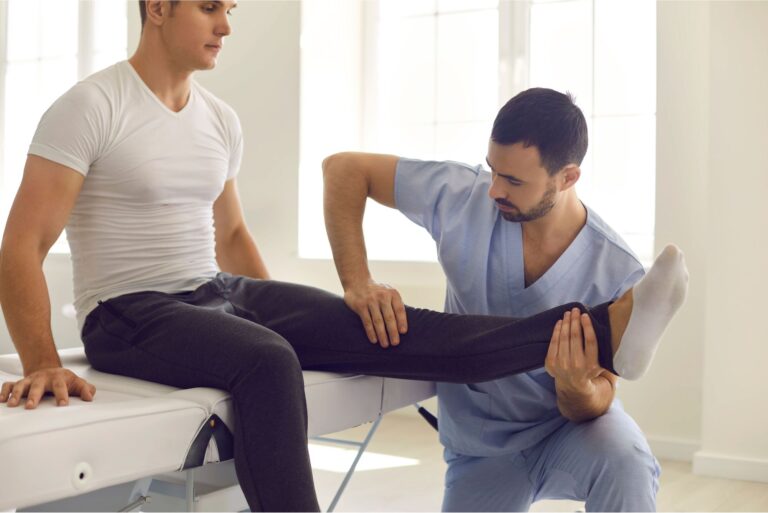
Persistent morning discomfort warrants a structured clinical evaluation by a physician or orthopedic specialist. A physical examination assesses joint stability, range of motion, tenderness points, and gait mechanics.
Diagnostic Assessment
Clinicians utilize X-rays to assess joint space narrowing and bone spurs associated with osteoarthritis. Magnetic resonance imaging provides detailed views of soft tissues, identifying meniscus tears, ligament strain, or bursal inflammation.
Therapeutic Rehabilitation
Physical therapy programs strengthen the quadriceps, hamstrings, and hip stabilizers to absorb impact forces. Targeted exercises improve joint tracking and reduce mechanical pressure across damaged cartilage surfaces.
Advanced Interventions
Corticosteroid or hyaluronic acid injections offer targeted relief for stubborn inflammation. In advanced joint degeneration where conservative measures prove insufficient, partial or total knee replacement restores joint alignment and functional mobility.

Clinical plans often combine physical therapy with activity modification and supportive footwear. Addressing both muscular imbalances and joint mechanics yields the most dependable long-term outcomes.
When to Seek Medical Care and Urgent Warning Signs
While occasional mild stiffness is common, certain symptoms indicate significant joint damage, severe infection, or acute injury requiring prompt clinical intervention. Immediate professional attention prevents secondary complications and protects joint integrity.
Seek immediate medical care if morning knee discomfort is accompanied by an inability to bear weight, visible joint deformity, significant sudden swelling, pronounced redness, localized heat, or an unexplained fever. These warning signs may indicate acute infection, ligament rupture, or severe inflammatory episodes.
Individuals experiencing pain that wakes them from sleep, discomfort following traumatic impact, or stiffness that fails to improve after resting should consult a doctor. Prompt clinical assessment ensures accurate diagnosis and protects overall mobility.
Educational resources provide general health context but do not substitute for personalized medical advice, diagnosis, or individualized treatment plans. Always consult a qualified healthcare professional regarding persistent or severe physical symptoms.
Frequently Asked Questions
Does sleep position affect knee pain when waking up?
Sleeping positions directly influence knee stress by altering hip and spinal alignment. Placing a pillow between the knees while side-sleeping or beneath the knees when sleeping on the back helps keep the joint in a neutral, low-pressure posture.
How does physical therapy help morning knee stiffness?
Physical therapy builds muscular strength in the quadriceps, hamstrings, and gluteal muscles to absorb daily impact forces. Strengthening these surrounding muscle groups stabilizes the joint and promotes smoother synovial fluid movement.
Can morning knee stiffness indicate arthritis?
Morning joint stiffness is one of the most common early indicators of both osteoarthritis and inflammatory joint disease. Osteoarthritis stiffness typically eases after initial movement, whereas inflammatory forms frequently last much longer into the morning.
When is knee replacement considered for morning joint pain?
Knee replacement surgery is evaluated when severe joint wear significantly impairs daily mobility and conservative treatments like physical therapy or injections no longer provide relief. An orthopedic surgeon evaluates joint imaging and functional limitations to determine surgical candidacy.
Supporting Long-Term Morning Mobility
Managing knee discomfort upon waking combines mindful nighttime sleeping habits, gentle morning warmups, and consistent muscular conditioning. By recognizing the difference between mild joint stiffness and urgent clinical warning signs, individuals can protect their long-term joint function. Partnering with a healthcare professional provides a clear diagnosis and a structured recovery pathway tailored to individual mobility goals.