Knee pain after sex
What if a common physical sensation is quietly shaping the quality of our most private moments?
This discomfort can feel isolating. It may make us pull back from our partner. The American Osteopathic Association notes that about one-third of Americans live with joint issues that hinder daily activities.

knee pain after sex
This statistic reflects a wider reality. When our bodies signal distress, it often echoes in our shared life. The ache isn’t just physical. It can create an invisible barrier to intimacy.
We believe understanding is the first step toward change. By exploring the reasons behind this discomfort, we can make smart adjustments. Small changes to our routine can have a big impact.
Our goal is to help you move from frustration to solution. Let’s look at how to protect your physical connection and ensure your experiences remain fulfilling and joyful.
Key Takeaways
- Joint discomfort during intimate moments is a common issue that affects emotional and physical connection.
- Nearly one-third of adults in the U.S. report joint-related problems that impact their daily quality of life.
- This physical barrier can lead to avoiding closeness, which may strain a relationship.
- Identifying the root cause of the discomfort is a crucial proactive step toward improvement.
- Simple adjustments to routines and positions can help maintain a healthy and satisfying sex life.
- Open communication with your partner about physical limits is essential for mutual comfort.
- Seeking professional guidance can provide tailored strategies for long-term relief and enjoyment.
Understanding Knee Pain After Sex
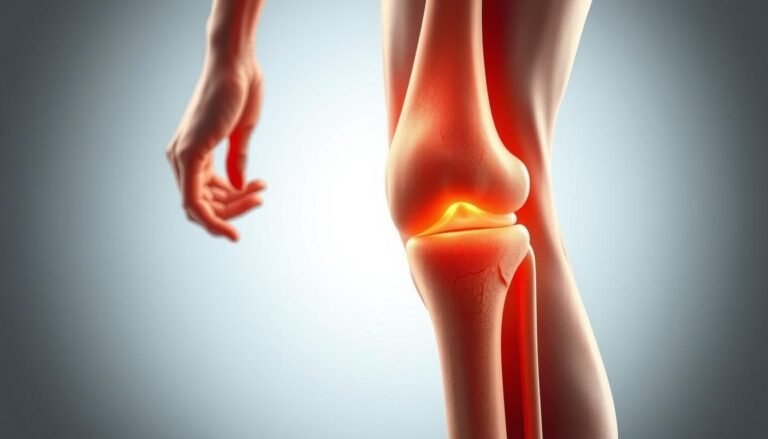
It’s a reality for many: seeking closeness, only to be met with a sharp, distracting sensation. This discomfort has specific roots. Knowing them helps us adapt and find relief.
Common Causes and Triggers
Physical intimacy involves movement and pressure. These actions can strain the joint if it’s already sensitive. A sudden twist or prolonged kneeling might be the direct trigger.
Interestingly, gentle motion can be helpful. Maiken Jacobs, an orthopedic patient educator, notes that moving a joint through its range of motion can release endorphins. This is good for your condition.
Acute vs. Chronic Pain Explained
We must distinguish between two main types. Acute discomfort often results from sudden injuries, like a sprain. It comes on quickly and usually fades with time and care.
Chronic issues stem from long-term conditions. Osteoarthritis is a common example. This ongoing pain affects mobility and daily comfort for many people.
Identifying which type you’re experiencing is the first step toward smart management. It guides our approach to maintaining a fulfilling connection.
Preparing for Intimacy with Knee Sensitivity
A little preparation can transform our intimate moments from a source of worry into a space of comfort and connection. We focus on simple, proactive steps that address physical sensitivity head-on.
The Role of Warm Baths and Epsom Salts
Starting with a warm bath is a powerful ritual. Adding Epsom salt helps soothe muscles and promotes deep relaxation.
Taking a warm Epsom salt bath before intimacy can proactively ease joint discomfort and help you relax.
This practice isn’t just solitary self-care. Turning it into a shared, sensual experience with our partner helps us both unwind and set the right mood.

preparing for intimacy with knee sensitivity
Pre-medicating and Managing Stress
Stress tightens our bodies and can heighten our perception of discomfort. Managing tension is therefore a vital part of our preparation.
If we’re concerned about potential aches, seeking information from a doctor is wise. They can advise on the ideal timing for taking an anti-inflammatory to maintain comfort.
Proactive planning, like using a heating pad beforehand, ensures our focus stays on connection.
| Preparation Method | Primary Benefit | Key Consideration |
| Warm Epsom Salt Bath | Soothes muscles & promotes relaxation | Can be a shared ritual with a partner |
| Consulting a Doctor | Personalized timing for medication | Provides expert guidance for safety |
| Stress Management | Reduces tension that worsens discomfort | Includes deep breathing or meditation |
Using Pillows and Props for Added Comfort
Often, the most effective solutions for physical comfort are already within our reach, like the humble pillow. We find that using these items strategically is one of the best ways to cushion our body and alleviate unnecessary stress on our joints.
Strategic Pillow Placement Under Knees and Back
Orthopedic patient educator Maiken Jacobs suggests placing pillows under the knees, back, or stomach. This simple act helps us maintain a sustainable and comfortable position.
These props allow us to support our weight effectively. They ensure we do not put undue strain on sensitive areas.
Once we have a supportive arrangement, it’s best to avoid readjusting too often. This stability keeps our joints secure and minimizes physical discomfort.
By incorporating these tools, we create a safe space that prioritizes our well-being. It lets us focus entirely on our partner and the shared moment.
Choosing the Right Sexual Positions
Choosing the right sexual positions represents a fundamental approach for maintaining pleasure while protecting our joints. The way we align our bodies can minimize strain and maximize comfort during sex.

choosing sexual positions
Keeping the Legs Extended to Reduce Pressure
As Dr. Jeffrey A. Geller notes, keeping the legs extended avoids extreme knee flexion. This straightforward modification significantly reduces pressure on sensitive areas.
We recommend choosing postures that maintain this extension. Bending the joints can often aggravate an injured or inflamed area.
Avoiding positions that require prolonged crouching or kneeling is essential. These actions place direct stress on the kneecaps.
Exploring Missionary and Spooning Variations
The missionary position or spooning variations are excellent choices. They naturally allow us to keep our legs straight and reduce joint strain.
If standing feels good, one partner can bend over the side of the bed. Their knees remain softly bent to avoid direct pressure.
By experimenting with these positions, we discover what works best for our specific needs. This approach helps preserve a fulfilling and intimate sex life.
Managing Chronic Conditions and Arthritis
Navigating intimacy with a long-term joint condition requires both practical strategies and emotional awareness. We must adapt our routines to protect our well-being and connection.
Living with arthritis or chronic pain means being honest with our partner. We discuss our physical limits and emotional needs openly.
Lifestyle Adjustments and Joint Care
Planning ahead is key. We schedule intimate moments when our mobility is best. This keeps joint care a priority.
During a flare-up, we communicate this quickly. We adjust expectations together to avoid strain.
Consulting Healthcare Professionals
Seeking expert information is crucial. Professionals can teach skills to manage the emotional toll of chronic pain.
The Australian Psychological Society offers support at 1800 333 497. Relationships Australia provides guidance for couples at 1300 364 277.
| Support Resource | Primary Focus | Contact Information |
| Australian Psychological Society | Emotional coping skills for chronic pain | 1800 333 497 |
| Relationships Australia | Maintaining connection despite arthritis | 1300 364 277 |
| Personal Healthcare Provider | Tailored medical and lifestyle plans | Your local doctor or specialist |
Incorporating Targeted Exercises for Knee Support
A strong foundation of supportive muscles can transform how we experience physical closeness. We focus on building this foundation through deliberate movement.
Targeted workouts are a proactive way to shield our joints. They prepare our bodies for the demands of intimacy.

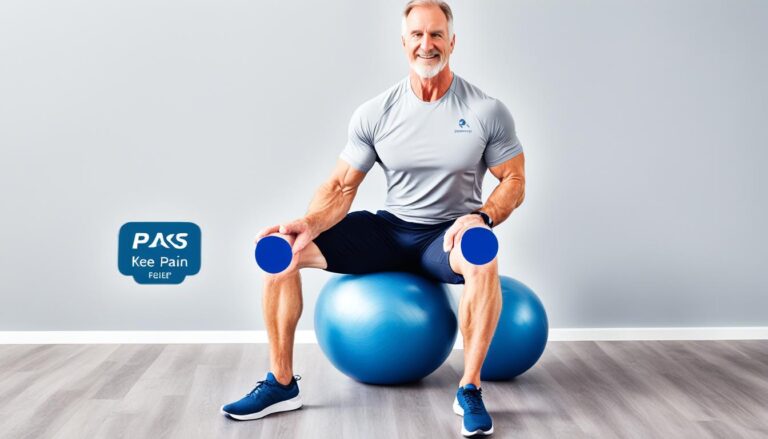
targeted exercises for knee support
Strengthening Quads and Hamstrings
Dr. Claudette Lajam of NYU Langone Medical Center emphasizes a key point. Strengthening the quadriceps and hamstrings helps stabilize and protect the joint during daily activities.
Regular routines like squats and straight-leg raises are effective. They build the muscles that surround and support the area.
When these muscles are strong, they absorb stress during various movements. This includes the motions involved in our intimate life.
Building this strength is vital for our long-term plan. It improves our quality of life and reduces persistent joint pain.
Consistent exercise ensures our muscles are ready. This significantly decreases the pain we might feel and boosts our overall resilience.
Self-Care Techniques and Pain Relief Strategies
Combining timed medication with soothing rituals creates a powerful shield against joint stress. These personal methods help us stay present and fully engaged during intimate moments.
Using Anti-Inflammatories at the Right Time
Strategic timing is everything. Dr. Claudette Lajam advises taking anti-inflammatories so they take effect exactly during intimacy.
This proactive step can significantly reduce the pain we might feel. It allows our focus to remain on connection, not discomfort.
Always consult a doctor for a personalized plan. They can provide the best information on dosage and timing for your body.
Benefits of Warm Baths and Massage
A warm bath before intimacy is a proven strategy. It eases joint stiffness and prepares our muscles for activity.
We can incorporate massage into our foreplay. Gentle touch helps relax tense muscles and soothes the entire system.
This makes the experience more comfortable and enjoyable. It addresses physical tension directly.
Together, these techniques form a complete approach. We manage internal factors with medication and external ones with relaxation.
| Self-Care Method | Primary Action | Ideal Timing |
| Timed Anti-Inflammatories | Reduces internal inflammation & pain | As directed by a doctor, before intimacy begins |
| Warm Bath | Relaxes muscles & eases joint stiffness | 20-30 minutes before being intimate |
| Partner Massage | Soothes the body & reduces discomfort | During foreplay to enhance connection |
| Mindful Awareness | Notices body signals for early adjustment | Continuously, during and after intimacy |
Communicating Openly with Our Partner
Navigating physical sensitivities with a partner requires more than just adjustments. It needs clear, compassionate communication. This honest dialogue transforms potential challenges into opportunities for a deeper connection.
Discussing Discomfort and Preferences
We believe talking openly is the foundation of a supportive relationship. Expressing our fears about physical limits creates a safe space. It allows our partner to offer the reassurance we need.
Working together, we can discover what brings pleasure while minimizing aches. Honesty about our preferences helps us avoid activities that cause unnecessary discomfort.
This process builds profound trust. For those managing a condition like osteoarthritis and sexual intimacy, such dialogue is especially vital. It ensures our shared experiences remain positive and fulfilling for everyone involved.
Knee pain after sex: Expert Tips for a Safe Experience
Expert guidance provides a roadmap for navigating intimacy with joint concerns. It ensures safety and pleasure remain priorities in our shared life.
Advice from Orthopedic Specialists and Therapists
We learn from orthopedic specialists that timing matters. Having sex in the morning is often better because our pain may increase throughout the day.
Dr. Claudette Lajam offers a crucial warning for those with a joint replacement. Direct pressure on it can wear out the plastic components.
It is best to avoid kneeling to protect this medical condition. The plastic parts are not designed for that weight.
Maiken Jacobs, a certified therapist, suggests we should not let fear stop us. We can still enjoy a fulfilling sex life with our partner.
Real-Life Insights and Adjustments
We must be mindful of our body‘s condition. Making necessary adjustments to our activities prevents further damage.
Expert advice emphasizes keeping our legs extended. Avoiding direct pressure helps us enjoy intimacy without compromising physical health.
| Expert Recommendation | Primary Reason | Action Step |
| Schedule intimacy for morning | Pain often increases with daily activities | Plan intimate moments early in the day |
| Avoid kneeling after replacement | Protects plastic components from wear | Use positions that keep legs straight |
| Address fear with a therapist | Prevents avoidance of a fulfilling sex life | Discuss concerns openly with a professional |
Applying these tips helps us manage discomfort effectively. They create a safer, more enjoyable experience for everyone involved.
Conclusion
Embracing adaptive techniques can transform how we experience closeness, turning potential obstacles into pathways for deeper bonding. We have seen that managing physical pain is entirely possible with careful planning and open dialogue.
By incorporating simple strategies like warm baths, supportive props, and targeted knee exercises, we significantly reduce pain. Our sex life does not have to end because of joint aches. With creativity and patience, we discover new ways to connect.
We strongly encourage consulting your healthcare team. They can develop a personalized plan for your specific needs. This professional guidance ensures safety and effectiveness, especially after intimate moments.
Ultimately, prioritizing our comfort and our relationship allows us to maintain a healthy, satisfying, and joyful life together. Every adjustment we make is a step toward preserving the intimacy and pleasure in our shared sex life.