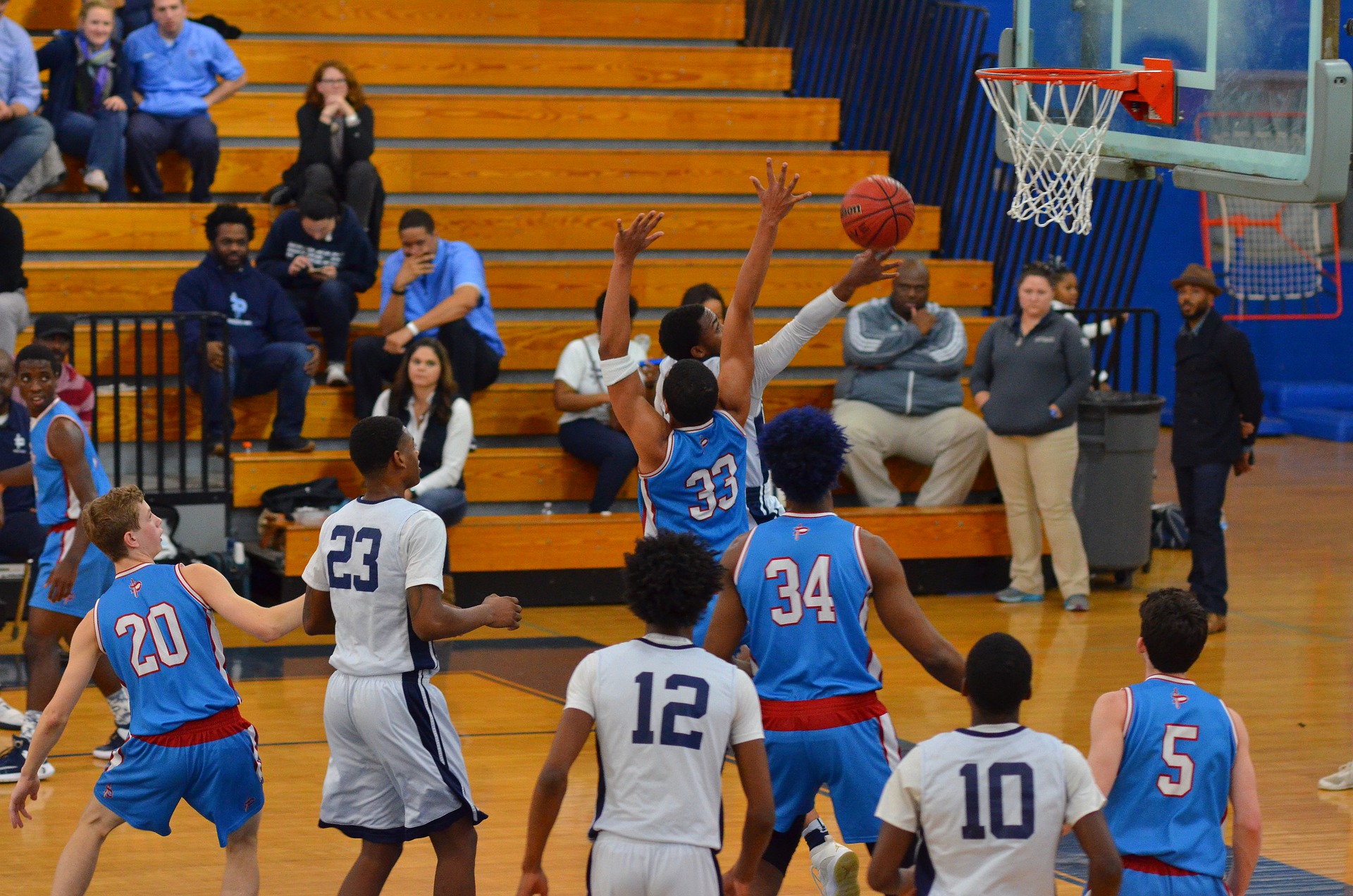
high school basketball 4969332 1920

Sports specialization in high schools may increase the risk of depression


The Association of Sports Specialization and Concussion History on self-reported depressive symptoms and quality of life among high school athletes.

Chou TY, Biese K, Leung W, Bell D, Kaminski T, McGuine T. [published online ahead of print, 2022 Nov 11]. Clin J Sport Med. 2022; doi:10.1097/JSM.0000000000001092

https://journals.lww.com/cjsportsmed/Abstract/9900/The_Association_of_Sport_Specialization_and.61.aspx

Take home message

Sports specialization in high school student-athletes may worsen depressive symptoms and decrease quality of life. History of concussions may not be related to mental health in this population.

Background

As sports participation increases, so do sports specialization and sports-related concussions. Adverse psychosocial outcomes associated with these factors include burnout, depression and reduced quality of life. Although published studies suggest that concussion and sport specialization may be associated with adverse mental health outcomes, no studies exist on student-athletes with either risk factor.

Study aim

The researchers wanted to determine whether sport specialization and concussion history are associated with depressive symptoms and quality of life in high school students.

Methods

The authors recruited student-athletes from 31 high schools in Wisconsin during the 2016-2018 school years. All participants met inclusion criteria by participating in interscholastic sports, enrolling in grades 9–12, and being medically eligible to participate in sports on the day of study recruitment. After meeting these criteria and consenting to participate, researchers collected participant demographic data, including concussion and sports history (participation in one or more sports). Athletic Trainers validate the information provided by the participant. Researchers used the Patient Health Questionnaire-9 to collect data regarding depressive symptoms and the Pediatric Quality of Life 4.0 Scale to assess the participants’ quality of life.

Results

Of the 2,453 athletes, 19% reported a previous concussion and 57% specialized in a sport. Athletes who participated in only one sport reported more depressive symptoms and lower quality of life than their counterparts who played multiple sports. Specifically, single-sport athletes were 50% more likely to report higher depression scores than athletes who played multiple sports in high school. The sports-related concussion was not related to depressive symptoms and quality of life.

Viewpoints

This research adds to the growing body of literature suggesting that sport specialization can lead to negative mental health outcomes for student-athletes. This relationship could explain increased concerns about athletes’ mental health in recent years. This study also adds to the literature that history of concussion is not associated with mental health problems in non-elite athletes. However, this is not intended to downplay the fact that some patients may experience depressive symptoms following a concussion and that we should carefully monitor all patients for mental well-being following an injury. This study is not without limitations. The authors relied on patients’ ability to recall a previous concussion history, raising concerns about the accuracy of one’s memory. The cross-sectional nature of this study also limits the authors’ ability to determine whether sport specialization (playing a single sport) has negative consequences for mental health and quality of life, or whether depressive symptoms make an athlete less often participates in multiple sports. .

Clinical implications

Sports medicine professionals must advocate for diverse sports experiences for youth, adolescent, and teen athletes while ensuring readiness to manage mental health issues in this population. Additionally, these professionals should avoid suggesting that sports-related concussions lead to mental health consequences, including depression.

Questions for discussion

What are your experiences with sports specialization athletics and mental health care? How do you deal with sports specialization in athletics? How does this study change your perspectives regarding sport specialization and concussions in athletics?

related posts

  1. We must break the stigma of seeking mental health care among student-athletes
  2. Mom and Dad say specialization is important
  3. Playing high school football should not lead to impaired cognition or depression

Written by: Cade Watts
Review by: Jeffrey Driban


Psychosocial Factors EBP CEU Course

Source link

Similar Posts

  • |

    Missing therapeutic exercises after an ankle sprain can lead to a bad year

      The influence of therapeutic exercises after an ankle sprain on the occurrence of subsequent knee, hip and lumbar spine injuries Foster KS, Greenlee TA, Fraser JJ, Young JL, Rhon DI. Medicine and science in sport and exercise. August 2022. doi: 10.1249/MSS.0000000000003035. https://pubmed.ncbi.nlm.nih.gov/36084225/ Take home message Performing therapeutic exercises after an ankle sprain reduces the…

  • Best ice machine for knee surgery (Game Ready, Polar Care)

    What if you could recover from knee surgery with less pain and fewer medications? This question is at the heart of modern post-operative care. Managing discomfort and swelling is a major challenge after an orthopedic procedure. cold therapy system Cold therapy offers a powerful, drug-free solution. It is a non-invasive method to control inflammation and pain directly at the source. Specialized units deliver consistent cooling to the affected area. This can significantly reduce the need for strong painkillers during the critical healing phase. We have thoroughly examined the market of recovery tools. Our guide focuses on leading systems, including various Breg Polar Care models and the Game Ready unit. Our goal is to help you navigate your options. You can find a system that fits your needs and supports a smoother, more comfortable recovery at home. Key Takeaways Cold therapy is a proven, drug-free method to manage pain and swelling after surgery. Using a dedicated cooling unit can help reduce reliance on narcotic pain medication. Popular systems like the Breg Polar Care line come in several models, such as the Cube, Kodiak, Glacier, and Wave. Game Ready is a leading unit that combines cold therapy with adjustable compression. Always consult your healthcare provider to ensure this therapy is right for your specific procedure. Selecting the right device involves considering your budget and recovery goals. Effective, consistent cooling can greatly improve comfort and outcomes during the healing process. Introduction to Knee Surgery Recovery and Cold Therapy Successfully navigating the first weeks post-surgery hinges on a structured recovery strategy. This plan must prioritize managing two key issues: discomfort and inflammation. This is where cold therapy, also called cryotherapy, becomes essential. It involves applying controlled cooling to the surgical area to reduce inflammation. After a procedure, fluid often accumulates in the joint. This swelling, known as edema, increases pressure and causes significant pain. The therapy works by constricting blood vessels. This action helps limit the amount of fluid and blood pooling at the injury site. Many surgeons now recommend a dedicated cooling device. These units provide consistent, targeted cold therapy that is far more effective than basic ice packs. Reducing swelling early is crucial. It directly supports efforts to regain a full range of motion in the knee during rehabilitation. Healthcare providers often prescribe this therapy as a safe alternative to stronger pain medications. Patients should always combine its use with specific exercise advice from a physiotherapist. This promotes healthy blood flow and ensures optimal healing. How Cold Therapy Works in Reducing Swelling and Pain Cold therapy targets the root causes of post-operative discomfort through a simple yet powerful process. It directly addresses the inflammation and pain that hinder healing. Mechanism of Action in Cold Therapy The primary mechanism involves using cold water to constrict blood vessels. This reduces blood flow and inflammation in the affected area. A dedicated unit provides a continuous, even distribution of this chilled liquid. It maintains a steady cold temperature for many hours. cold therapy mechanism Advantages Over Traditional Ice Packs Basic ice packs warm up quickly due to body heat. Their effectiveness diminishes within minutes. In contrast, a motorized therapy system eliminates frequent trips to the freezer. Its large, insulated reservoir ensures prolonged cooling. Specialized pads are designed for specific body parts. They deliver targeted cold therapy exactly where needed. This approach prevents the condensation issues of melting ice packs. It keeps the surgical site clean and dry, enhancing comfort and hygiene. Overview of Cold Therapy Devices for Post-Surgical Recovery The market offers two primary types of cold therapy units, each with distinct mechanisms and benefits. Selecting the right one depends on your mobility, budget, and recovery goals. We categorize these devices into gravity-fed and motorized systems. This helps you understand which technology best suits your specific needs. Types of Devices: Motorized and Gravity-Fed Systems Gravity-fed devices, like the Aircast Cryo/Cuff, use elevation to circulate water without a motor. They are cost-effective and portable. The simple physics of elevation moves chilled liquid through the pad. Motorized systems provide constant recirculation of cold water between a cooler and the pad. This is ideal for patients with limited mobility after a procedure. Brands like Breg Polar Care circulate water directly for efficient cooling. The DonJoy IceMan series uses dual pump technology for a comfortable temperature. Some advanced therapy units, such as the Ossur Cold Rush, feature an adjustable flow dial. This allows patients to customize their experience. Understanding these mechanical differences is key before making a purchase. Both types deliver effective cold therapy, but their operation varies. Key Features to Consider When Purchasing an Ice Machine Several practical factors determine how well a cold therapy machine will serve you at home. The right features enhance both effectiveness and convenience during your healing period. Consistency, Coverage, and Temperature Control Look for a unit that maintains a steady cold temperature. Consistent cooling is vital for safe, prolonged sessions. Good coverage means the pad fits your joint properly. This ensures the therapy reaches all affected areas. Adjustable controls let you fine-tune the intensity. This prevents skin irritation while maximizing comfort. cold therapy…

  • Stratus® Medical Adds Fifth US Patent and Two Canadian Patents to its 29-Patent Global IP Portfolio for the NIMBUS® Electrosurgical RF Multitined Expandable Electrode

      MAGNOLIA, Texas, Nov. 8, 2023 /PRNewswire/ — Stratus® Medical, a company focused on improving clinical outcomes for chronic pain patients by advancing radiofrequency (RF) technology for the treatment of pain, today announced the issuance of its fifth U.S. patent (U.S. Patent No. 11,806,070 ) and the first two Canadian patents (Canadian patent). Nos. 2,778,997…

  • |

    Understanding osteoarthritis: symptoms, causes and treatment options

      Osteoarthritis is painful for many people and affects their daily activities and quality of life. The progression of this degenerative joint disease can be slow and gradual, leading to discomfort and movement limitations. Despite its prevalence, there is still much to learn about osteoarthritis and how to treat it effectively. Our blog article explores…

  • | |

    What is a patient-reported outcome measure or PROM and the KOOS?

      Image by FatCamera from Canva Pro Are you recovering from a knee injury or knee surgery and are you asked to complete a questionnaire, the so-called Knee Injury and Osteoarthritis Outcome Score (KOOS)? This blog highlights the purpose of these questionnaires and explains what the KOOS is and how it is relevant to you…

Leave a Reply

Your email address will not be published. Required fields are marked *