Best ice machine for knee surgery (Game Ready, Polar Care)
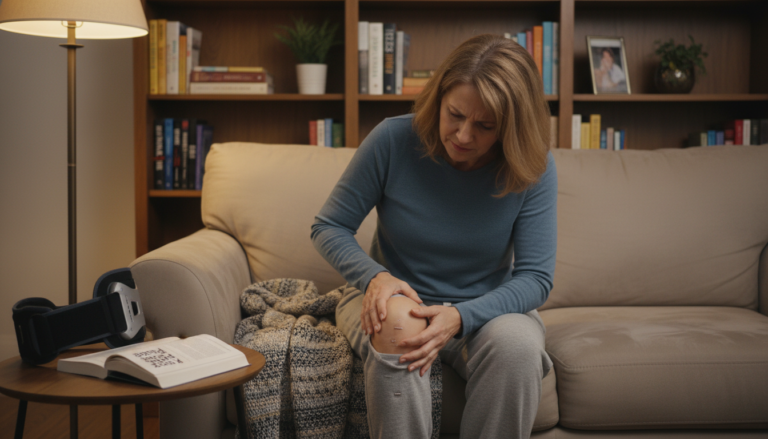
What if you could recover from knee surgery with less pain and fewer medications?
This question is at the heart of modern post-operative care. Managing discomfort and swelling is a major challenge after an orthopedic procedure.

cold therapy system
Cold therapy offers a powerful, drug-free solution. It is a non-invasive method to control inflammation and pain directly at the source.
Specialized units deliver consistent cooling to the affected area. This can significantly reduce the need for strong painkillers during the critical healing phase.
We have thoroughly examined the market of recovery tools. Our guide focuses on leading systems, including various Breg Polar Care models and the Game Ready unit.
Our goal is to help you navigate your options. You can find a system that fits your needs and supports a smoother, more comfortable recovery at home.
Key Takeaways
- Cold therapy is a proven, drug-free method to manage pain and swelling after surgery.
- Using a dedicated cooling unit can help reduce reliance on narcotic pain medication.
- Popular systems like the Breg Polar Care line come in several models, such as the Cube, Kodiak, Glacier, and Wave.
- Game Ready is a leading unit that combines cold therapy with adjustable compression.
- Always consult your healthcare provider to ensure this therapy is right for your specific procedure.
- Selecting the right device involves considering your budget and recovery goals.
- Effective, consistent cooling can greatly improve comfort and outcomes during the healing process.
Introduction to Knee Surgery Recovery and Cold Therapy
Successfully navigating the first weeks post-surgery hinges on a structured recovery strategy. This plan must prioritize managing two key issues: discomfort and inflammation.
This is where cold therapy, also called cryotherapy, becomes essential. It involves applying controlled cooling to the surgical area to reduce inflammation.
After a procedure, fluid often accumulates in the joint. This swelling, known as edema, increases pressure and causes significant pain.
The therapy works by constricting blood vessels. This action helps limit the amount of fluid and blood pooling at the injury site.
Many surgeons now recommend a dedicated cooling device. These units provide consistent, targeted cold therapy that is far more effective than basic ice packs.
Reducing swelling early is crucial. It directly supports efforts to regain a full range of motion in the knee during rehabilitation.
Healthcare providers often prescribe this therapy as a safe alternative to stronger pain medications. Patients should always combine its use with specific exercise advice from a physiotherapist. This promotes healthy blood flow and ensures optimal healing.
How Cold Therapy Works in Reducing Swelling and Pain
Cold therapy targets the root causes of post-operative discomfort through a simple yet powerful process. It directly addresses the inflammation and pain that hinder healing.
Mechanism of Action in Cold Therapy
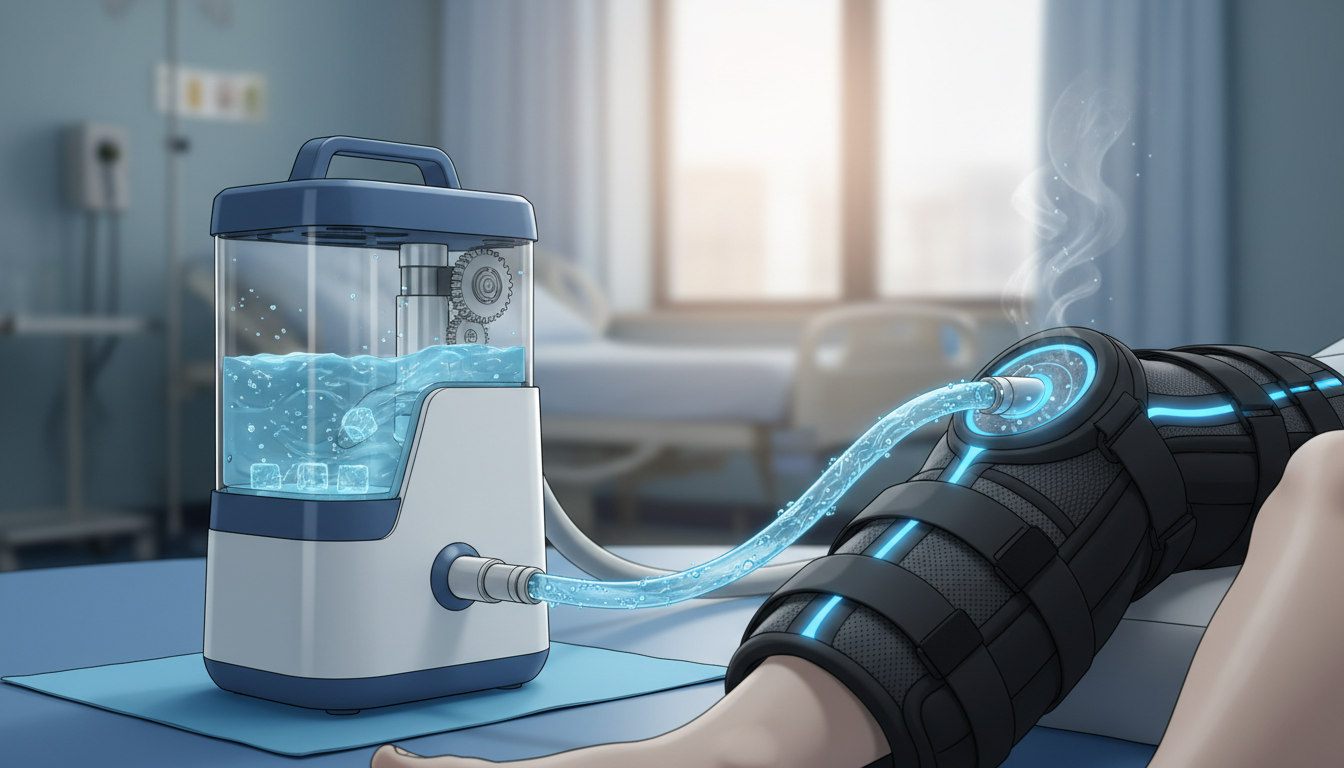
The primary mechanism involves using cold water to constrict blood vessels. This reduces blood flow and inflammation in the affected area.
A dedicated unit provides a continuous, even distribution of this chilled liquid. It maintains a steady cold temperature for many hours.

cold therapy mechanism
Advantages Over Traditional Ice Packs
Basic ice packs warm up quickly due to body heat. Their effectiveness diminishes within minutes.
In contrast, a motorized therapy system eliminates frequent trips to the freezer. Its large, insulated reservoir ensures prolonged cooling.
Specialized pads are designed for specific body parts. They deliver targeted cold therapy exactly where needed.
This approach prevents the condensation issues of melting ice packs. It keeps the surgical site clean and dry, enhancing comfort and hygiene.
Overview of Cold Therapy Devices for Post-Surgical Recovery
The market offers two primary types of cold therapy units, each with distinct mechanisms and benefits. Selecting the right one depends on your mobility, budget, and recovery goals.
We categorize these devices into gravity-fed and motorized systems. This helps you understand which technology best suits your specific needs.
Types of Devices: Motorized and Gravity-Fed Systems
Gravity-fed devices, like the Aircast Cryo/Cuff, use elevation to circulate water without a motor. They are cost-effective and portable. The simple physics of elevation moves chilled liquid through the pad.
Motorized systems provide constant recirculation of cold water between a cooler and the pad. This is ideal for patients with limited mobility after a procedure.
Brands like Breg Polar Care circulate water directly for efficient cooling. The DonJoy IceMan series uses dual pump technology for a comfortable temperature.
Some advanced therapy units, such as the Ossur Cold Rush, feature an adjustable flow dial. This allows patients to customize their experience.
Understanding these mechanical differences is key before making a purchase. Both types deliver effective cold therapy, but their operation varies.
Key Features to Consider When Purchasing an Ice Machine
Several practical factors determine how well a cold therapy machine will serve you at home. The right features enhance both effectiveness and convenience during your healing period.
Consistency, Coverage, and Temperature Control
Look for a unit that maintains a steady cold temperature. Consistent cooling is vital for safe, prolonged sessions.
Good coverage means the pad fits your joint properly. This ensures the therapy reaches all affected areas.
Adjustable controls let you fine-tune the intensity. This prevents skin irritation while maximizing comfort.

cold therapy features
Ease of Use, Portability, and Warranty Considerations
Check the unit’s weight if you need to move it. Most full systems weigh about 15 pounds.
A longer hose, like the 6-foot option on some products, offers more flexibility. You can place the cooler on the floor beside your bed.
Always review the warranty. Reputable brands typically offer a 6-month guarantee on the unit and 1-month on pads.
Using frozen water bottles instead of ice cubes can save money. It also reduces how often you refill the water reservoir.
Key points to remember:
- Prioritize models with reliable temperature control for safety.
- Consider portability if you’ll take the system to therapy appointments.
- Choose a device that is simple to operate without assistance.
Comparing Top Cold Therapy Brands: Game Ready, Breg, and Aircast
A side-by-side look at popular brands reveals distinct approaches to managing swelling and supporting joint healing. We examine their core technologies and construction to help you decide.
Innovative Cooling and Compression Technologies
Some units add compression to enhance the therapy. The Breg Polar Care Wave uses intermittent pulses. This action helps push fluid away from the joint.
The Aircast Cryo/Cuff IC Cooler provides motorized pressure. It improves pad contact for more effective cooling.
For those needing integrated care, Game Ready is a premium option. It combines controlled cold therapy compression in one system.
Build Quality and Durability Insights
Long-term reliability matters. The DonJoy IceMan Classic3 is praised for its durable wrap-on pads.
Its consistent dual-pump recirculation is a key strength. The Ossur Cold Rush operates at a whisper-quiet 30 decibels.
This makes it ideal for use during rest or sleep. Both brands build their products to withstand daily use.
| Brand/Model | Key Feature | Compression Tech | Noise Level | Durability Note |
| Breg Polar Care Wave | Intermittent Compression | Yes | Moderate | Standard build |
| Aircast Cryo Cuff | Motorized Pressure | Yes | Moderate | Reliable for budget |
| Game Ready | Integrated Cold & Compression | Medical-Grade | Low | Premium construction |
| DonJoy IceMan / Ossur | Dual Pump / Quiet Motor | Varies | Very Low (Ossur) | High (Pads & Pump) |
Your choice often depends on needing advanced therapy compression or a simple, quiet cooling system.
Best ice machine for knee surgery (Game Ready, Polar Care)
With several trusted brands available, focusing on specific features can guide your decision. Our review confirms these brands lead the market in reliability for post-operative cold therapy.
The Breg Polar Care Kodiak is a top-tier choice for patients who need portability. Its optional battery pack allows for use away from outlets, providing extended therapy sessions.

best ice machine for knee surgery
For consistent, straightforward cooling, the Polar Care Cube is a reliable standard. It offers excellent coverage and integrates easily into your daily rehabilitation routine.
The Aircast Cryo Cuff I/C is frequently recommended for lower extremity injuries. Its intermittent compression mode can be particularly beneficial for managing swelling after knee surgery.
Remember, a thin cloth barrier is essential with most units to prevent skin irritation. The Breg Polar Care Wave remains a popular system for combining cold and compression therapy.
Incorporating Compression Therapy for Enhanced Recovery
Effective edema management frequently requires a dual-pronged approach to fluid displacement. While cold therapy is excellent for constricting blood vessels, adding pressure can further enhance results.
This combination tackles swelling from the inside out. It creates a more complete recovery system for many patients.
Understanding the Benefits of Compression
Compression therapy works by applying gentle, intermittent pressure to the wound site. This mechanical action helps push excess fluid away from the joint.
Reducing this edema is crucial for regaining mobility and comfort. Improved circulation is another key benefit of this therapy.
It can be particularly helpful for patients at risk of deep vein thrombosis. A physician should always clear its use for safety.
Integration of Cold and Compression Modes
The real power lies in combining both modalities. Cold therapy compression provides a dual-action approach to managing pain and swelling.
Some advanced cold therapy units let you customize your session. For example, one popular model allows use of cooling and compression modes together or separately.
Portable devices also exist for targeted compression. Using these methods together can significantly increase blood flow.
Our analysis shows this integrated approach often supports a faster return to normal activities. It represents a smart evolution in home recovery therapy.
Safety Guidelines and Best Practices for Using Ice Machines
Proper use of your cooling system is just as important as choosing the right one. Following simple protocols ensures this therapy helps without causing harm.
We strongly advise you to never use cold therapy while sleeping. Health professionals highlight this rule to prevent frostbite risk.
Preventing Skin Damage and Frostbite
Always place a thin towel or T-shirt between the pad and your skin. This barrier is crucial for safe cold therapy.
Check the treatment area every 30 to 60 minutes. Look for any unusual discoloration or excessive cold sensation.
Condensation can form on the cooler unit. Placing a towel beneath the device manages moisture effectively.
Follow the manufacturer’s instructions for the correct water-to-ice ratio. This ensures your machine operates correctly.
By using cold therapy wisely, you can manage discomfort safely throughout recovery. Consistent, careful use makes all the difference.
Optimal Recovery Strategies: Tips from Healthcare Experts
To truly accelerate healing, you need to synchronize your tools with your actions. The most effective recovery plans combine targeted cold therapy with a structured physical therapy routine.
Integrating Physical Therapy with Cold Therapy
Healthcare experts strongly advise using cold therapy immediately after your daily rehabilitation exercises. This timing helps manage inflammation from the workout and can reduce discomfort. It allows you to maintain a better range of motion for your next session.
For the most effective cooling, keep your unit filled with a mix of ice and water. A pro tip is to use frozen plastic water bottles. They are a reusable, mess-free alternative to cubes and help maintain a steady temperature longer.
Consistency is key. Regular use of these products helps you perform prescribed exercises with less pain. Always discuss your cold therapy routine with your physical therapist. Proper hydration and nutrition complete this holistic strategy. For detailed guidance, learn more about how to use your cooling system.
Maintenance and Troubleshooting of Cold Therapy Systems
Simple upkeep steps can prevent common issues and extend the life of your therapy equipment. A well-maintained system provides reliable cooling throughout your recovery.
Regular care is straightforward. Clean the cooler reservoir with mild soap and water weekly. This prevents mold and keeps your therapy hygienic.
Check hoses often for kinks. A restricted flow stops the pad from cooling properly. Also, ensure the power cord is secure to the motor unit.
If the motor gets loud, check the water level. Low levels or trapped air often cause noise. Refill to the marked line with ice and water.
| Common Issue | Likely Cause | Quick Solution |
| Weak water flow | Kinked hose or blockage | Straighten hose, check for debris |
| Noisy motor unit | Low water or air in system | Refill reservoir, tilt unit to release air |
| Pad not cooling | Incorrect ice-to-water ratio | Follow manufacturer’s fill instructions |
| Power interruption | Loose cord connection | Secure plug into outlet and motor |
For persistent problems, contact the manufacturer. Your user manual is the best guide for these products. Proper care keeps your cold therapy units working well.
Conclusion
Making an informed choice about your post-operative care can significantly impact your comfort and healing timeline. Selecting the right cold therapy unit is a critical step for a smooth and efficient recovery.
We have reviewed leading systems from trusted brands to help guide your decision. Consistent use of these products, combined with your physical therapy routine, provides the best results for managing pain and swelling.
Always prioritize safety during your cooling sessions. Use a thin cloth barrier between your skin and the cooling pads. Never operate these units while you are asleep.
Investing in a high-quality machine is a proactive step toward regaining your mobility. Our team remains ready to support your recovery journey with expert advice on effective cold therapy solutions.