
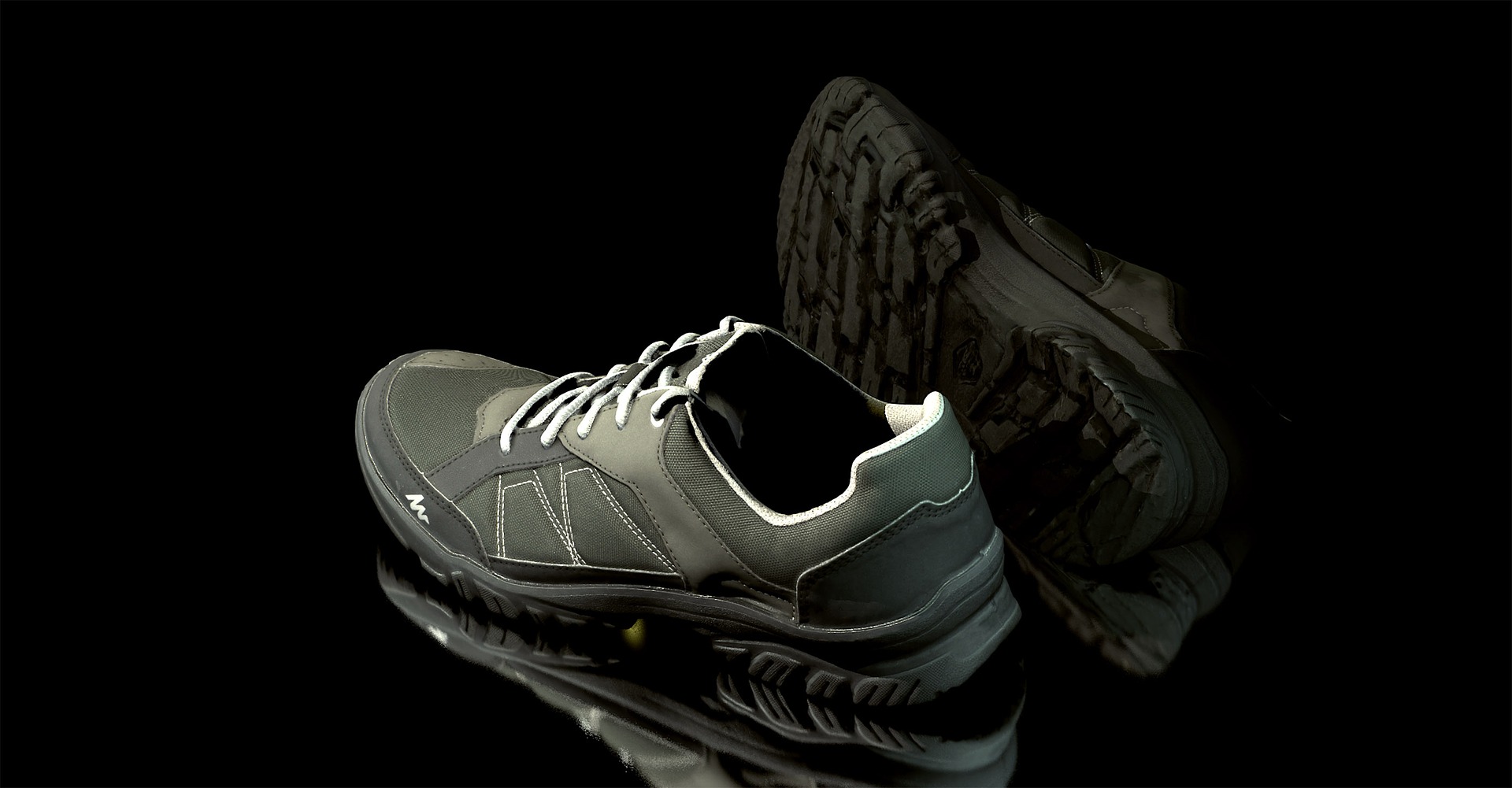
Freedom in shoes – Shoe types have little to no effect on the number of injuries
Running shoes to prevent running injuries to the lower extremities in adults
Relph N, Greaves H, Armstrong R, Prior TD, Spencer S, Griffiths IB, Dey P, Langley B. Cochrane Database of Systematic Reviews. August 2022. doi: 10.1002/14651858.CD013368.pub2.
https://www.cochranelibrary.com/cdsr/doi/10.1002/14651858.CD013368.pub2/full
Take home message
Prescribing running shoes based on foot type and general footwear type (e.g., motion control, neutral, stability, minimalist) does not reduce the number of lower extremity running injuries.
Background
Most running injuries occur in the lower extremities and 20-80% of runners sustain an injury. To reduce the risk of injury, runners are often prescribed specific shoes based on their foot type, based on the idea that the shoe can optimize foot position while running. However, it remains unclear whether running shoes prevent injuries.
Study aim
The authors conducted a systematic review to assess whether running shoes prevent lower extremity injuries in different adult runners.
Methods
Authors identified randomized (or quasi-randomized) controlled trials among runners (entry to elite level) or military personnel that compared running shoes or studied prescription running shoes based on foot type versus non-prescription shoes. The main outcomes were the number of runners who sustained a lower extremity running injury and the number of lower extremity running injuries. Secondary outcomes included satisfaction with the footwear, side effects (such as blisters) and anyone requiring hospitalization or surgery. The authors found twelve studies that met the inclusion criteria, leading to a total analysis of 11,240 runners.
Results
The types of shoes used were 1) neutral/cushioned (intended to reduce footfall stress), 2) motion control (intended to reduce foot movement during stance), 3) stability (provides motion control and cushioning), and 4) minimalist (intended to simulate barefoot running with small aids). The authors found no clear differences in injuries between 1) neutral/cushioned and minimalist shoes (5 studies, 766 participants), 2) motion control and neutral/cushioned shoes (2 studies, 421 participants), and 3) soft and hard shoes (2). studies, 1,095 participants). However, the authors found evidence that runners with a body weight of more than 71.4 kg had a greater risk of injury when wearing minimalist shoes instead of neutral/cushioned shoes. Runners wearing prescription (based on foot structure) or non-prescription shoes had similar injury rates, with moderate certainty (3 studies, 7,203 participants). Runners had similar shoe satisfaction between neutral and minimalist shoes.
Viewpoints
Overall, running shoes may not change runners’ risk for lower extremity running injuries. However, pronators reported pain when wearing motion control shoes compared to neutral or stability shoes, and runners with neutral feet reported more pain in motion control shoes than in neutral shoes. These findings were based on a low level of evidence and may be due to the fact that each study used different definitions of shoe types. However, we must interpret all results with caution due to the small sample size. Furthermore, the participants were recreational runners and military personnel. Running shoe researchers should have standard definitions for types of shoes, and large-scale studies are needed to understand whether prescribing running shoes based on foot structure and type can reduce running injuries to the lower extremities.
Clinical implicationS
Despite common advertising and beliefs, doctors should explain to runners that specific running shoes cannot reduce injuries. It may be more helpful to advocate that runners purchase comfortable running shoes.
Questions for discussion
What kind of advice have you given athletes looking for running shoes? Have you familiarized yourself with shoe types in order to provide advice?
related posts
- Dampen the blow: Softer midsole shoes reduce the risk of injury for recreational runners
- What shoes protect those who protect us?
- Pronated and Neutral wins the race… or at least keeps the runners in it
Written by Jennifer Xu
Reviewed by Jeffrey Driban





One Comment