shoes 1899327 1920
|

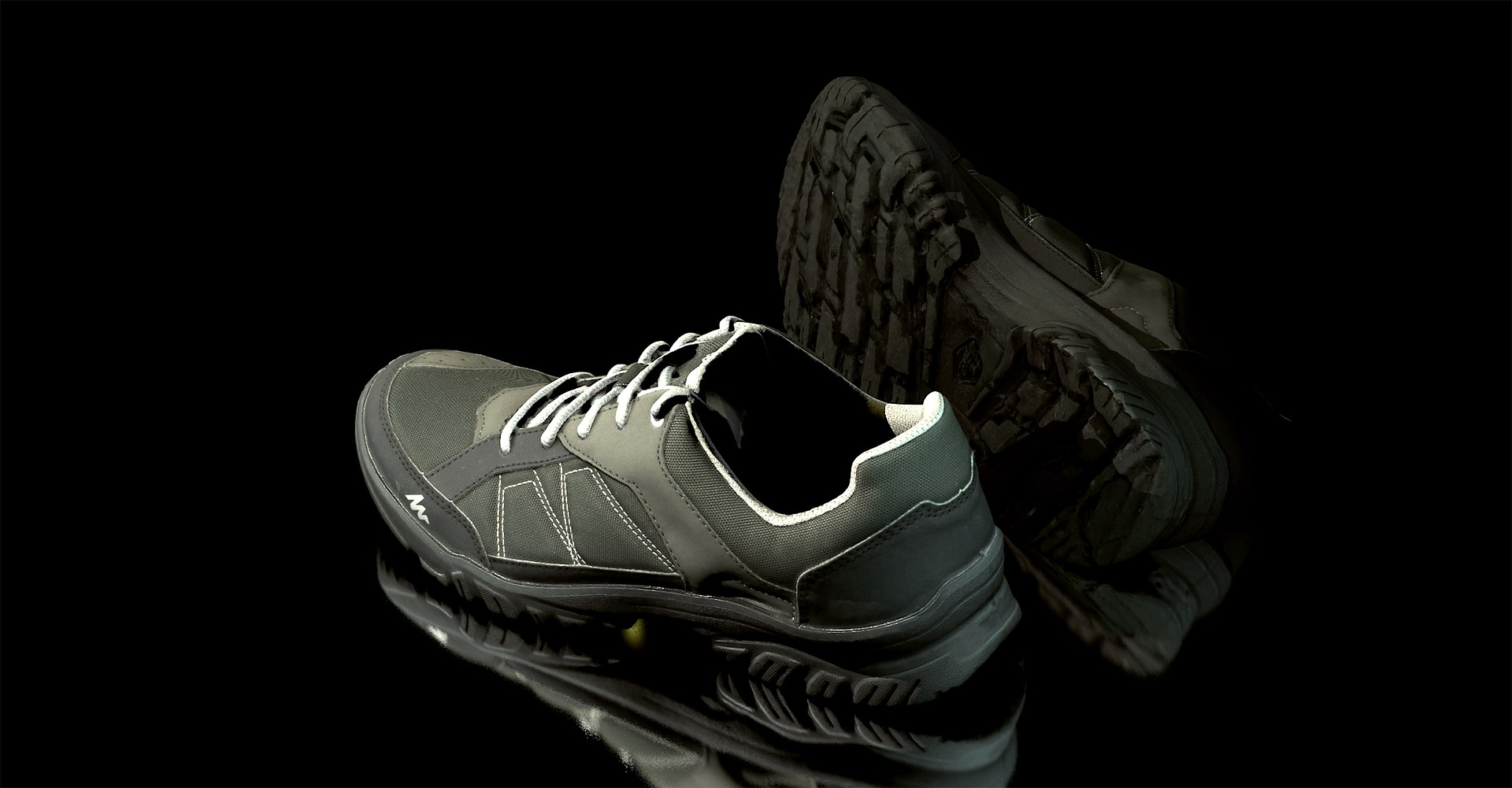
Freedom in shoes – Shoe types have little to no effect on the number of injuries


Running shoes to prevent running injuries to the lower extremities in adults

Relph N, Greaves H, Armstrong R, Prior TD, Spencer S, Griffiths IB, Dey P, Langley B. Cochrane Database of Systematic Reviews. August 2022. doi: 10.1002/14651858.CD013368.pub2.
https://www.cochranelibrary.com/cdsr/doi/10.1002/14651858.CD013368.pub2/full

Take home message

Prescribing running shoes based on foot type and general footwear type (e.g., motion control, neutral, stability, minimalist) does not reduce the number of lower extremity running injuries.

Background

Most running injuries occur in the lower extremities and 20-80% of runners sustain an injury. To reduce the risk of injury, runners are often prescribed specific shoes based on their foot type, based on the idea that the shoe can optimize foot position while running. However, it remains unclear whether running shoes prevent injuries.

Study aim

The authors conducted a systematic review to assess whether running shoes prevent lower extremity injuries in different adult runners.

Methods

Authors identified randomized (or quasi-randomized) controlled trials among runners (entry to elite level) or military personnel that compared running shoes or studied prescription running shoes based on foot type versus non-prescription shoes. The main outcomes were the number of runners who sustained a lower extremity running injury and the number of lower extremity running injuries. Secondary outcomes included satisfaction with the footwear, side effects (such as blisters) and anyone requiring hospitalization or surgery. The authors found twelve studies that met the inclusion criteria, leading to a total analysis of 11,240 runners.

Results

The types of shoes used were 1) neutral/cushioned (intended to reduce footfall stress), 2) motion control (intended to reduce foot movement during stance), 3) stability (provides motion control and cushioning), and 4) minimalist (intended to simulate barefoot running with small aids). The authors found no clear differences in injuries between 1) neutral/cushioned and minimalist shoes (5 studies, 766 participants), 2) motion control and neutral/cushioned shoes (2 studies, 421 participants), and 3) soft and hard shoes (2). studies, 1,095 participants). However, the authors found evidence that runners with a body weight of more than 71.4 kg had a greater risk of injury when wearing minimalist shoes instead of neutral/cushioned shoes. Runners wearing prescription (based on foot structure) or non-prescription shoes had similar injury rates, with moderate certainty (3 studies, 7,203 participants). Runners had similar shoe satisfaction between neutral and minimalist shoes.

Viewpoints

Overall, running shoes may not change runners’ risk for lower extremity running injuries. However, pronators reported pain when wearing motion control shoes compared to neutral or stability shoes, and runners with neutral feet reported more pain in motion control shoes than in neutral shoes. These findings were based on a low level of evidence and may be due to the fact that each study used different definitions of shoe types. However, we must interpret all results with caution due to the small sample size. Furthermore, the participants were recreational runners and military personnel. Running shoe researchers should have standard definitions for types of shoes, and large-scale studies are needed to understand whether prescribing running shoes based on foot structure and type can reduce running injuries to the lower extremities.

Clinical implicationS

Despite common advertising and beliefs, doctors should explain to runners that specific running shoes cannot reduce injuries. It may be more helpful to advocate that runners purchase comfortable running shoes.

Questions for discussion

What kind of advice have you given athletes looking for running shoes? Have you familiarized yourself with shoe types in order to provide advice?

related posts

  1. Dampen the blow: Softer midsole shoes reduce the risk of injury for recreational runners
  2. What shoes protect those who protect us?
  3. Pronated and Neutral wins the race… or at least keeps the runners in it

Written by Jennifer Xu
Reviewed by Jeffrey Driban

Source link

Similar Posts

  • |

    Why Do I Feel Pain When I Straighten My Knee?

    Knee pain when straightening your leg can be really frustrating. It can stop you from doing the things you love, like playing sports or even just walking around. This article will help you understand why your knee might hurt, how doctors figure out what’s wrong, and what you can do to feel better. Key Takeaways…

  • 1… 2… 3… Previous concussions predict persistent symptoms after concussion in youth

      Association for Concussion History and Long-Term Recovery in Youth. Chizuk HM, Cunningham A, Horn EC, Thapar RS, Willer BS, Leddy JJ, Haider MN. Clin J Sport Med. 2022;32(6):e573-e579. doi:10.1097/JSM.0000000000001044 https://journals.lww.com/cjsportsmed/Abstract/2022/11000/Association_of_Concussion_History_and_Prolonged.19.aspx Take home message Athletes with three or more previous concussions were more likely to develop persistent postconcussive symptoms and take longer to recover than…

  • |

    Best knee scooter post-surgery

    Is hopping around on one leg or battling clumsy crutches the only way to get through recovery after a foot or ankle procedure? For many, traditional crutches are a source of frustration and fatigue. They demand considerable arm strength and often lead to instability. This can make you feel trapped and dependent on others. best knee scooter post-surgery There is a more comfortable and popular solution. Studies show that 90 percent of patients prefer using a knee scooter over crutches during their healing period. Occupational therapists highlight a key benefit: these aids keep your injured foot correctly elevated and non-weight bearing. This proper positioning is vital for a smooth recovery. We’ve done the research for you. Our analysis of the current market identifies devices that provide superior mobility and comfort compared to old-fashioned methods. Selecting the right walker helps you maintain your independence. It allows for safer movement around your home and community. A sturdy, well-designed walker is a much more stable alternative to risky hopping. Our expert-driven guide reviews the leading models available. The goal is to help you find reliable equipment that protects your leg while letting you continue with daily life. Key Takeaways The vast majority of patients prefer knee scooters to traditional crutches for recovery. These devices properly elevate the leg, which is essential for non-weight bearing healing. They promote greater independence and reduce reliance on others during your recovery. Choosing a high-quality model significantly improves safety and overall comfort. Our guide provides an expert analysis of the top mobility aids on the market today. A stable walker minimizes the risk of falls and accidental weight-bearing. Informed selection helps you navigate your environment with confidence and ease. Understanding Knee Scooters in Post-Surgery Recovery Patients seeking a stable alternative to crutches frequently turn to rolling walkers with a knee platform. This device, often called a knee scooter or knee walker, has two to five wheels and a padded rest for your leg. It is designed to keep your injured foot correctly elevated. This positioning is completely non-weight bearing, which is vital for healing. Unlike traditional crutches, a knee walker does not demand much arm strength. You simply rest your leg on the cushioned platform and propel yourself forward. This reduces physical exertion dramatically during daily movement. Occupational therapists note an overwhelming patient preference for this mobility aid. We have found that nearly 90 percent of users prefer it over other options. The design helps prevent reinjury caused by balance struggles. Feature Knee Scooter/Walker Traditional Crutches Weight-Bearing Non-weight bearing, leg elevated Partial weight on arms and shoulders Upper Body Strain Minimal; uses leg for support High; requires arm strength Hands-Free Operation Yes; handlebars for steering No; hands occupied Stability on Flat Surfaces Very stable with multiple wheels Less stable; two points of contact Risk of Reinjury Low; proper leg positioning Higher; balance challenges These devices are essential for maintaining independence. They allow you to perform household tasks while your injury heals. By keeping your hands free, a knee scooter lets you carry items and engage in daily life more effectively. Benefits of Using Knee Scooters Over Crutches The journey to regain mobility after surgery doesn’t have to be a struggle against discomfort and instability. While traditional crutches are less expensive, they frequently cause pain and balance issues for active individuals. A knee walker provides a stable base for movement. It allows you to navigate both indoors and outdoors without the constant fatigue linked to crutches. benefits of knee scooter over crutches Occupational therapists emphasize that a knee scooter is a superior choice if you lack upper body strength. Using this device greatly lowers your chance of a fall compared to balancing on underarm crutches. These aids offer a level of freedom that lets you spend time outside. This activity is proven to speed up the healing process. Choosing the right knee walker ensures you can maintain your daily routine. You avoid the physical limits imposed by standard crutches. A quality knee scooter supports your injured leg correctly, promoting safer recovery….

  • Finding Knee Pain Exercises Near You

    Knee pain can be a debilitating condition that affects people of all ages. Whether you’re an athlete or someone who leads a sedentary lifestyle, finding exercises to relieve knee pain is essential for maintaining mobility and reducing discomfort. In this article, we will explore different types of knee pain, exercises for knee pain relief, how…

One Comment

Leave a Reply

Your email address will not be published. Required fields are marked *