move c 2a

First implantation of the MOVE®-C cervical artificial disc prosthesis from NGMedical GmbH in Taiwan


MOVE®-C cervical artificial disc replacement

NONNWEILER, SAARLAND, GERMANY, November 14, 2023 /OrthoSpineNews/ — NGMedical GmbH, a medical device manufacturer focused exclusively on creating innovative technologies for spinal applications, announces the first implantation of its MOVE®-C cervical artificial disc replacement in Taiwan.

MOVEMENT®-C combines the features of a second-generation viscoelastic disc prosthesis with the simple implantation technique of a cervical cage. The prosthesis provides physiological movement in all six planes, including axial damping with progressive movement resistance. MOVEMENT®-C is the first prosthesis with additively manufactured titanium end plates and avoids the use of PE.

“The first implantation of our MOVE®-C cervical artificial disc replacement in Taiwan marks another important milestone for NGMedical. The market launch in Taiwan is the next step in the global commercialization of our MOVE®-C artificial disc prosthesis. Taiwan is a very active spine market and we are proud to see how MOVE®-C is even more widely used and accepted by experienced spine surgeons in many countries.” says Peter Weiland, CEO of NGMedical.

About NGMedical
We are an owner-managed company specializing in the development of innovative spinal implants. Many years of experience, combined with a high degree of creativity, give us the impetus to significantly advance the development of spine surgery.

The NGMedical team has been developing innovative product systems since 2001. NGMedical emerged from the company Advanced Medical Technologies AG, which was acquired by Medtronic Inc. in 2012. NGMedical exploits this many years of experience combined with a high degree of creativity and know-how for the development of further innovative product concepts. Both in the past and now, collaboration with a team of experienced surgeons and scientists forms the basis for the market-driven orientation. Many product solutions, which are accepted as standard and widely used today, come from our team.

Peter Weiland
NGMedical GmbH
+49 6873 999970
email us here
Visit us on social media:
Facebook
LinkedIn
Instagram


Source link

Similar Posts

  • | |

    How are corticosteroids administered? – Bone and joint specialists

      Do you suffer from joint pain? Corticosteroids may be helpful if you have joint pain. These medications reduce inflammation in the body and come in different forms. You can take them orally, nasally, topically or by injection. Specifically for joint pain relief, injections are the most successful approach. Injection administration method The drug is…

  • |

    A deep learning system accurately identifies joint space narrowing and erosions on hand X-rays

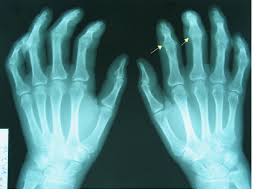
    New research at ACR Convergence 2023, the annual meeting of the American College of Rheumatology (ACR), shows that a deep learning system can accurately identify and predict joint space narrowing and erosions in hand x-rays of patients with rheumatoid arthritis (RA) (Abstract #0745) . X-rays are the most commonly used imaging technique for detecting and…

  • | |

    What is a patient-reported outcome measure or PROM and the KOOS?

      Image by FatCamera from Canva Pro Are you recovering from a knee injury or knee surgery and are you asked to complete a questionnaire, the so-called Knee Injury and Osteoarthritis Outcome Score (KOOS)? This blog highlights the purpose of these questionnaires and explains what the KOOS is and how it is relevant to you…

  • |

    Failed knee replacement symptoms

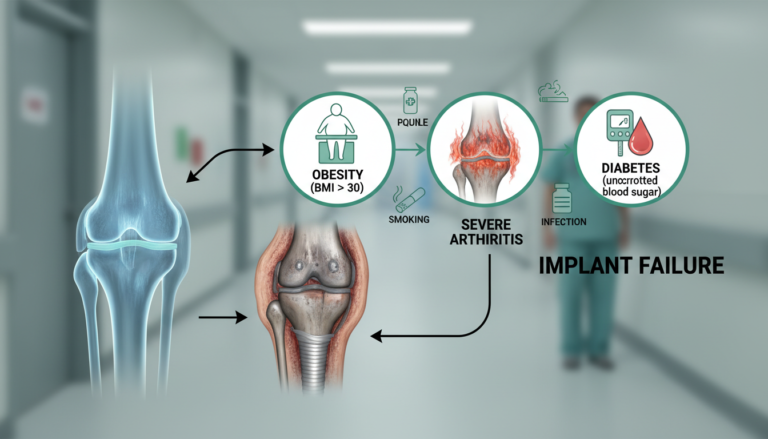
    What if the relief you expected after your joint procedure never arrives? This unsettling question faces a small percentage of individuals each year. While statistics show that 85% to 90% of patients enjoy successful outcomes for 15 to 20 years after their initial knee replacement surgery, some do not. failed knee replacement symptoms We understand that persistent discomfort following this major operation can be a source of deep frustration. It can severely limit your mobility and daily life. Our guide is here to shed light on the various signs that may indicate your implant is not performing as designed. Identifying these indicators early is critically important. It ensures you get the right medical attention and potential intervention from a qualified specialist. If you experience persistent pain and stiffness, understanding the next steps is vital. We will walk you through common warning signs, the diagnostic process, and the treatment paths available to restore your comfort and movement. Key Takeaways Most knee replacement procedures are highly successful for many years. Recognizing early warning signs of a problem is crucial for your health. Specialized care models, like the one at University of Utah Hospital, combine expert teams for complex cases. Persistent pain, swelling, or instability after recovery should not be ignored. Several effective treatment options exist to address implant issues. Early consultation with an orthopedic surgeon can lead to better outcomes. Your long-term mobility and quality of life are the ultimate goals. Understanding Knee Replacement Surgery Modern orthopedic medicine offers a reliable solution for severe joint damage through artificial joint implantation. This procedure aims to restore comfortable movement when natural cartilage wears down. knee replacement surgery components How Knee Replacements Work During this operation, surgeons remove damaged joint surfaces. They replace them with precisely engineered metal and plastic components. These artificial parts are designed to glide smoothly. They mimic your joint’s natural motion, reducing discomfort. Fixation Method How It Works Key Consideration Cemented Fixation Special bone cement bonds the implant directly to your bone. Provides immediate, strong stability after the operation. Biologic Fixation The bone grows into a porous coating on the device over time. Creates a durable, long-term bond without cement. Surgeon’s Choice The method is selected based on your bone quality and age. Each technique has specific advantages for different situations. Long-Term Expectations and Implant Lifespan Most modern devices are engineered for durability. A typical lifespan ranges from 15 to 20 years. “The longevity of a joint implant depends on multiple factors, including the patient’s activity level and overall bone health.” We emphasize that these components are not indestructible. They experience natural wear from daily use over time. Regular monitoring helps ensure your artificial joint functions well for as long as possible. Your activity choices and general health play significant roles. Recognizing Failed Knee Replacement Symptoms When an artificial joint doesn’t function as intended, your body sends distinct signals that demand attention. Learning to identify these signs is crucial for your long-term health and mobility. Persistent Pain and Swelling Persistent pain in the knee joint that lingers long after the typical recovery period is a primary indicator. This pain isn’t normal soreness. It often presents as a deep, constant ache. Swelling around the knee joint that refuses to fade with rest is another red flag. Persistent pain and swelling are common companions. They can suggest underlying issues like inflammation or component loosening. Instability and Changes in Joint Function A feeling of instability, where your leg might buckle, is alarming. This instability often feels like the joint is giving way when you put weight on it. You might also notice a noticeable decline in how well it moves. Stiffness, developing a limp, or hearing odd popping noises are critical functional changes. We encourage you to monitor these signs closely. They are the primary indicators that your implant may require further clinical assessment. Common Causes of Knee Replacement Failure…

  • Part 2 (Alignment) — Bone Talk

    Training Your Bones: Part 2 (Alignment) By Rebekah Rotstein, NCPT Last month we went exploring how exercise benefits your bones, noting the importance of consistency, progression, and enjoyment in your routine. We identified the three methods of building bone tissue: weight-bearing movement, resistance exercise and impact activities. But focusing only on these elements overlooks an…

Leave a Reply

Your email address will not be published. Required fields are marked *