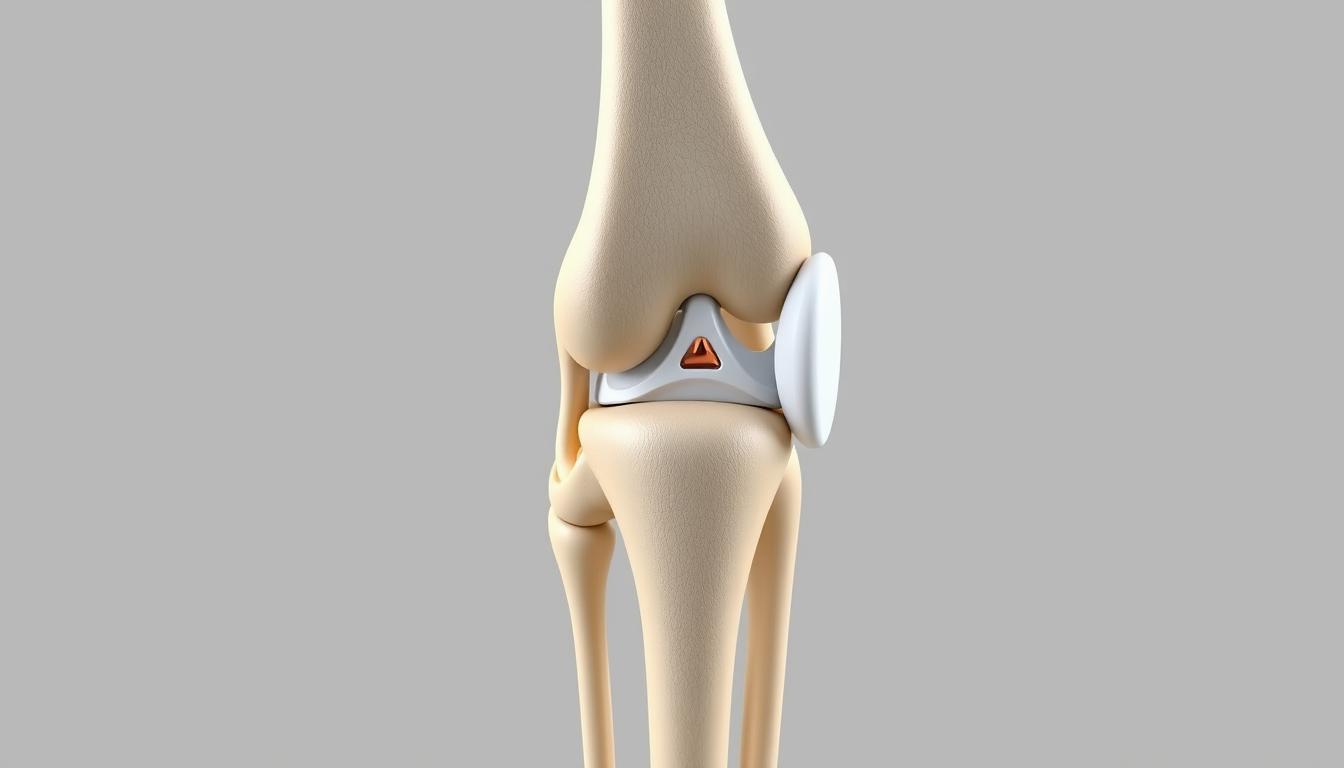
Artificial Knee Implants: Types and Advancements
Artificial knee implants have undergone significant advancements over the years, revolutionizing the field of orthopedic surgery. From the historical development of knee implants to the impact of technological innovations, the evolution of artificial knee implants has transformed the way patients receive treatment for knee-related conditions. In this article, we will explore the types of artificial knee implants, surgical techniques for knee implantation, and the rehabilitation and recovery process following knee implant surgery.
Key Takeaways
- Advancements in knee implant materials have significantly improved the durability and longevity of artificial knee implants.
- Minimally invasive knee replacement surgery offers reduced recovery time and less post-operative pain for patients.
- Patient-specific knee implantation allows for personalized treatment, leading to better outcomes and improved patient satisfaction.
- Physical therapy plays a crucial role in the rehabilitation of knee implant patients, aiding in recovery and restoring mobility.
- Long-term outcomes and success rates of knee implant surgery are influenced by various factors, including patient compliance with post-operative care and rehabilitation plans.
Evolution of Artificial Knee Implants
Historical Development of Knee Implants
We have witnessed a remarkable journey in the evolution of artificial knee implants. The first successful total knee replacement was performed in the early 1970s, marking a significant milestone in orthopedic surgery. Since then, the design and functionality of knee implants have undergone substantial changes, reflecting our deepening understanding of biomechanics and material science.
Initially, knee implants were rudimentary hinges, but today’s designs mimic the knee’s natural movement more closely. We categorize these advancements into several generations, each characterized by improvements in durability, flexibility, and patient outcomes. For instance:
- First Generation: Simple hinge designs made of stainless steel
- Second Generation: Introduction of polyethylene components for better wear resistance
- Third Generation: Use of high-density polyethylene and improved fixation techniques
- Fourth Generation: Development of modular components and gender-specific options
It is essential to appreciate the historical context of these developments to fully understand the current state of knee implant technology and anticipate future innovations.
Advancements in Knee Implant Materials
We have witnessed significant advancements in the materials used for artificial knee implants, which have greatly enhanced their durability and functionality. The introduction of superior polymers and composites has been a game-changer in the field. For instance, materials like polyethylene have been improved to increase wear resistance, reducing the likelihood of implant degradation over time.
One notable development is the release of Magnolia Trinity PEEK, a medical-grade composite that integrates carbon fiber, hydroxyapatite, and polyether-ether ketone (PEEK). This material offers improved strength and compatibility with human tissue, which is crucial for the success of an implant.
Biocompatibility is a key factor in the selection of materials for knee implants. Advances in surface treatments and coatings have also contributed to this, enhancing the osseointegration process where the bone and implant bond effectively. The table below summarizes some of the key materials used in modern knee implants and their properties:
| Material | Properties | Advantages |
|---|---|---|
| Metal Alloys | High strength, corrosion-resistant | Durability, longevity |
| High-density Polyethylene | Wear-resistant | Reduced implant degradation |
| Ceramic | Biocompatible, low wear | Minimized particle release |
It’s important to note that while these materials have improved the outcomes of knee implants, the choice of material must be tailored to the individual needs of the patient for optimal results.
Impact of Technological Innovations on Knee Implants
We have witnessed a remarkable transformation in knee implant technology, driven by both incremental improvements and groundbreaking innovations. The integration of advanced materials and sophisticated design principles has led to the development of more durable and biocompatible implants. These advancements have not only extended the lifespan of knee implants but also improved the quality of life for patients.
One significant leap forward has been the adoption of computer-aided design (CAD) and manufacturing, which allows for precise customization of implants to fit the unique anatomy of each patient. Coupled with this, the use of computer navigation and intraoperative sensors has enhanced the accuracy of implant positioning, a critical factor in the success of the surgery.
It is essential to recognize the role of patient-specific factors in determining the optimal implant and surgical approach. Tailoring the procedure to the individual’s needs can significantly impact recovery and long-term outcomes.
The table below summarizes the key technological advancements and their contributions to knee implant surgery:
| Advancement | Contribution |
|---|---|
| CAD/CAM | Customized implants |
| 3D Printing | Complex geometries |
| Robotics | Precision surgery |
| New Biomaterials | Enhanced durability |
These innovations have paved the way for more effective and personalized knee replacement surgeries, setting a new standard in orthopedic care.
Types of Artificial Knee Implants
Fixed-Bearing Knee Implants
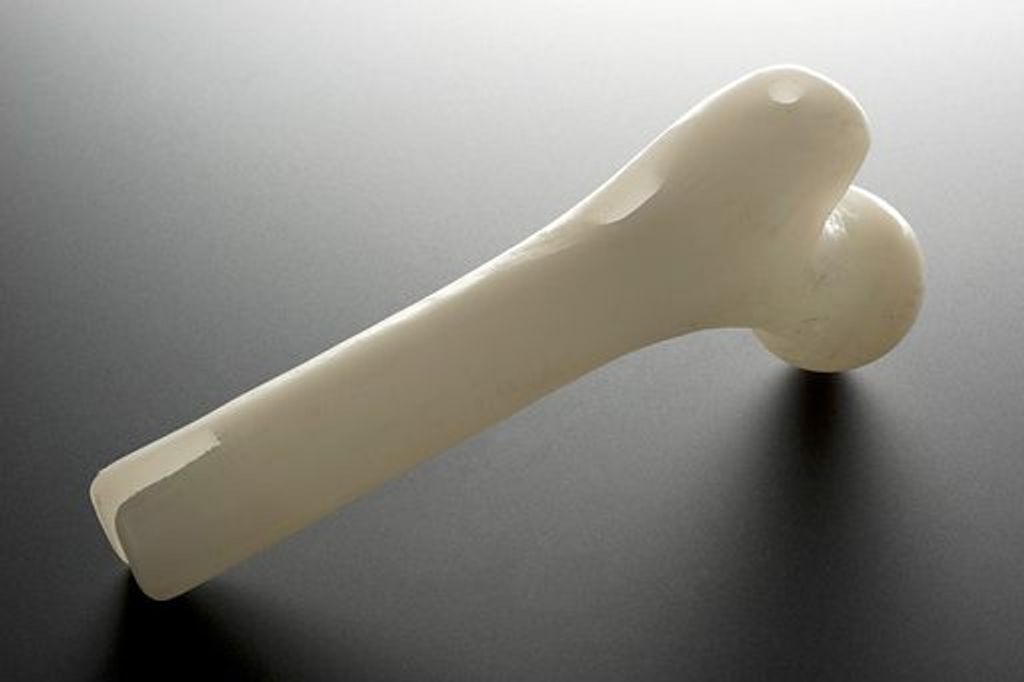
In our exploration of artificial knee implants, we recognize fixed-bearing knee implants as a traditional choice for many patients. These implants are designed with a bearing surface that is firmly attached to the metal components of the implant, providing a stable and durable solution for those suffering from knee arthritis.
The primary advantage of fixed-bearing implants lies in their proven track record of success and reliability. However, they may not be suitable for all patients, particularly those with high activity levels or those who are younger and may outlive the lifespan of the implant.
It is essential to consider the patient’s lifestyle and expectations when selecting the appropriate type of knee implant. Here are some key points to consider:
- The patient’s age and activity level
- The severity of knee arthritis
- The expected longevity of the implant
Tip: Always discuss the potential risks and benefits of fixed-bearing knee implants with your healthcare provider to ensure the best outcome for your individual needs.
Mobile-Bearing Knee Implants
Following the discussion of fixed-bearing knee implants, we turn our attention to mobile-bearing knee implants. These devices are designed to offer greater mobility by allowing the polyethylene insert to move slightly within the implant itself. This design aims to more closely mimic the natural movement of the knee joint, potentially reducing wear on the implant over time.
Mobile-bearing knee implants are particularly beneficial for patients who are younger and more active, as they accommodate a wider range of motion. However, it’s important to note that not all patients are suitable candidates for this type of implant. The decision must be made in consultation with an orthopedic surgeon, taking into account the patient’s anatomy, activity level, and overall health.
Key considerations when choosing a mobile-bearing knee implant include:
- The patient’s weight and activity level
- The alignment and condition of the knee joint
- The potential for reduced wear and tear
Tip: Always discuss the risks and benefits of different implant types with your healthcare provider to determine the most appropriate option for your individual needs.
Unicompartmental Knee Implants
Unicompartmental knee implants, also known as partial knee replacements, are designed to replace only the damaged part of the knee joint. This targeted approach allows for preservation of healthy tissue and bone, resulting in faster recovery and improved range of motion. Patients undergoing unicompartmental knee implantation may experience reduced post-operative pain and shorter hospital stays compared to total knee replacement.
| Benefits of Unicompartmental Knee Implants |
|---|
| – Preservation of healthy tissue and bone |
| – Faster recovery |
| – Improved range of motion |
Tip: Patients should follow a personalized rehabilitation plan to optimize the benefits of unicompartmental knee implants and achieve long-term success.
Surgical Techniques for Knee Implantation
Minimally Invasive Knee Replacement Surgery
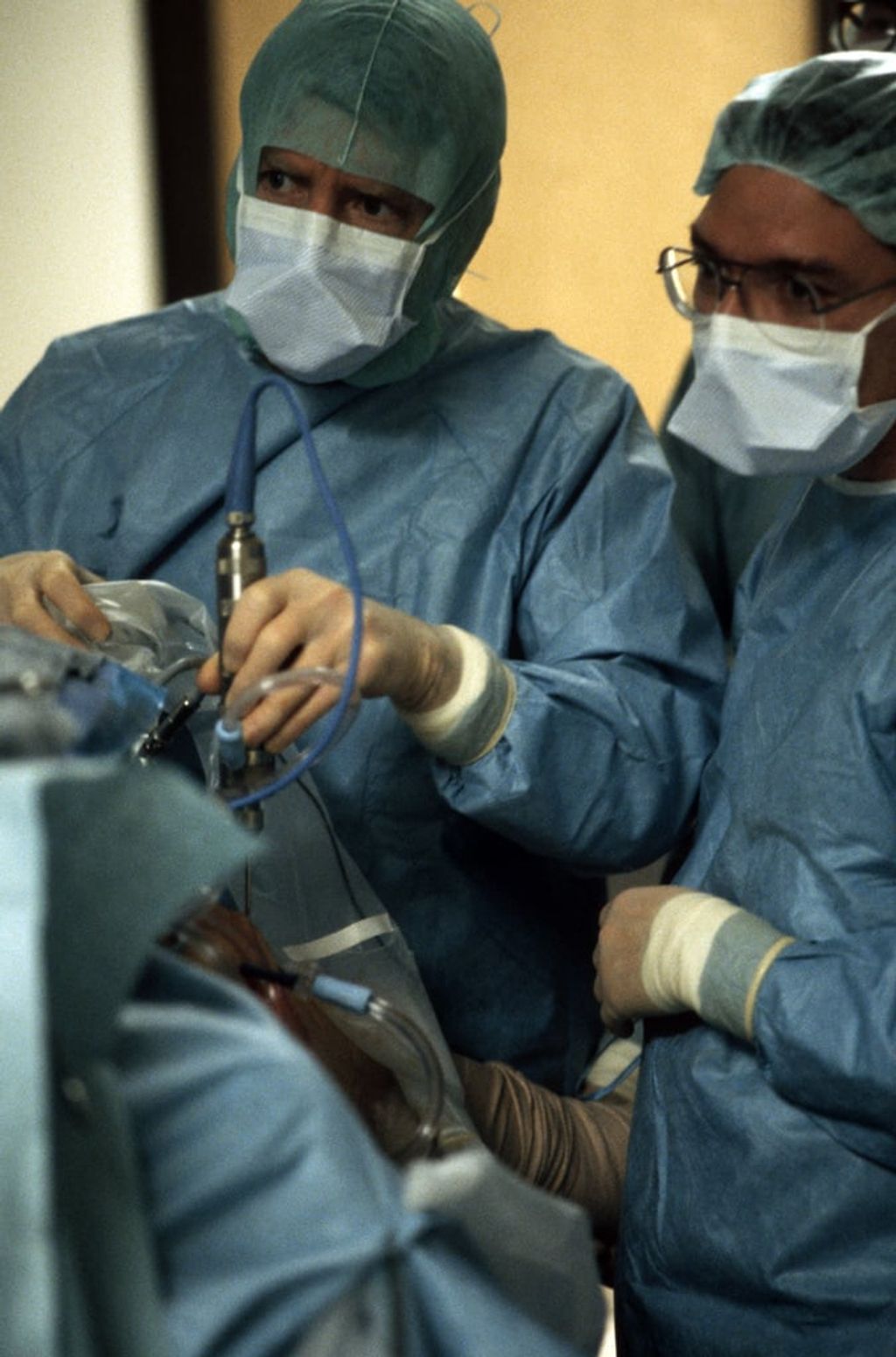
After undergoing minimally invasive knee replacement surgery, our team emphasizes the importance of following a structured rehabilitation program. This program typically includes a combination of physical therapy, low-impact exercises, and gradual mobility training. Additionally, patients are encouraged to maintain a healthy diet and lifestyle to support the recovery process. It’s crucial to remain patient and persistent throughout the rehabilitation period, as it plays a significant role in achieving successful long-term outcomes. Our experience shows that adherence to the rehabilitation program leads to improved mobility, reduced discomfort, and enhanced overall quality of life for knee implant patients.
Robotic-Assisted Knee Implantation
Robotic-assisted knee implantation has revolutionized the precision and accuracy of knee replacement surgeries. The integration of advanced robotics allows for enhanced visualization and precise alignment, resulting in improved implant positioning and stability. This technology has shown promising outcomes in terms of reduced post-operative pain and faster recovery times for patients. Additionally, the use of robotics enables us to achieve sub-millimeter accuracy in implant placement, leading to better long-term functionality and patient satisfaction.
- Implementing a table to present the structured, quantitative data related to the success rates and precision of robotic-assisted knee implantation would be beneficial.
- It is important to note that the use of robotics in knee implantation requires specialized training and expertise to ensure optimal outcomes.
Our experience has shown that patients undergoing robotic-assisted knee implantation often experience improved range of motion and quicker return to daily activities, contributing to overall satisfaction and positive long-term results.
Patient-Specific Knee Implantation
Patient-specific knee implantation is a personalized approach to knee replacement surgery. Our team utilizes advanced imaging techniques to create a custom-fit implant tailored to the patient’s unique anatomy. This technique aims to improve the overall alignment and function of the artificial knee, leading to better outcomes and patient satisfaction.
In addition to the customized implant, patient-specific knee implantation often involves a comprehensive preoperative planning process. This includes detailed analysis of the patient’s joint structure and alignment, allowing for precise surgical execution and optimal implant positioning.
Below is a table summarizing the key benefits of patient-specific knee implantation:
| Benefits of Patient-Specific Knee Implantation |
|---|
| Enhanced Alignment and Fit |
| Improved Function and Range of Motion |
| Reduced Risk of Complications |
| Personalized Approach to Knee Replacement |
We recommend thorough consultation with a qualified orthopedic surgeon to determine the suitability of patient-specific knee implantation for individual cases. This tailored approach holds promise for enhancing the success of knee replacement surgeries and improving patient outcomes.
Rehabilitation and Recovery After Knee Implant Surgery

Physical Therapy for Knee Implant Patients
After undergoing knee implant surgery, physical therapy plays a crucial role in our recovery process. It is essential for improving our strength, flexibility, and range of motion, regardless of our age or activity level. Through tailored exercises and rehabilitation programs, we can achieve optimal outcomes and regain functionality in our daily activities. Additionally, physical therapy is not limited to post-surgery recovery but also benefits individuals in various stages of their lives, promoting overall well-being and mobility.
Challenges and Considerations in Recovery
After undergoing knee implant surgery, recovery is a crucial phase that requires patience and dedication. It is important to follow the prescribed physical therapy regimen to regain strength and mobility. Additionally, understanding the potential challenges and considerations during recovery can help us prepare for the journey ahead. Long-term outcomes and success rates are also important factors to consider, as they provide insight into the effectiveness of the implant and the overall recovery process. Here’s a brief overview of the success rates for knee implant surgery:
Long-Term Outcomes and Success Rates
After undergoing knee implant surgery, it is crucial to understand the long-term outcomes and success rates associated with the procedure. Our team emphasizes the importance of regular physical therapy sessions to aid in the recovery process. Additionally, patients should be aware of the potential challenges and considerations they may encounter during the rehabilitation period. It is essential to remain patient and committed to the recovery journey, as setbacks may occur but can be overcome with the right strategies. To provide a comprehensive overview, we have compiled the following data on long-term outcomes and success rates for knee implant surgery:
Conclusion
In conclusion, artificial knee implants have undergone significant advancements in recent years, offering a wide range of options for patients in need of knee replacement. The development of innovative materials and technologies has led to improved durability and functionality of these implants, providing patients with enhanced mobility and quality of life. As research and development in this field continue to progress, the future holds promising prospects for further enhancements in artificial knee implant technology.
Frequently Asked Questions
What are the different types of artificial knee implants?
The different types of artificial knee implants include fixed-bearing knee implants, mobile-bearing knee implants, and unicompartmental knee implants.
How long do artificial knee implants last?
The lifespan of artificial knee implants varies, but they can last for 15-20 years or more with proper care and maintenance.
What is the recovery process like after knee implant surgery?
The recovery process after knee implant surgery involves physical therapy, challenges, and considerations, and long-term outcomes and success rates.
Are there any risks associated with knee implant surgery?
Like any surgical procedure, knee implant surgery carries certain risks such as infection, blood clots, and allergic reactions to anesthesia or implant materials.
Can knee implant surgery be customized for individual patients?
Yes, knee implant surgery can be customized for individual patients through patient-specific knee implantation, which takes into account the patient’s unique anatomy and needs.
What advancements have been made in knee implant materials?
Advancements in knee implant materials have led to improved durability, reduced wear and tear, and better biocompatibility, resulting in longer-lasting and more successful knee implants.