4789c7acthumbnail

Understanding the Anatomy of Knee Joint Bones

The knee joint is a complex structure that plays a crucial role in supporting the body and facilitating movement. Understanding the anatomy of the knee joint, including its bones and surrounding structures, is essential for both medical professionals and individuals seeking to maintain optimal joint health. In this article, we will explore the structure of the knee joint, focusing on the femur and tibia bones, the patella bone, the ligaments and tendons, and the articular cartilage.

Key Takeaways

  • The femur and tibia bones form the major weight-bearing components of the knee joint.
  • The patella bone acts as a protective shield for the knee joint and assists in the extension of the leg.
  • Ligaments and tendons provide stability and support to the knee joint, enabling various movements and preventing excessive strain.
  • Articular cartilage helps in reducing friction and providing smooth movement within the knee joint.
  • Understanding the anatomy of the knee joint is crucial for diagnosing and treating knee-related injuries and conditions.

The Structure of the Knee Joint

thumbnail

The Femur and Tibia Bones

The femur and tibia bones are the primary bones that form the knee joint. These bones play a crucial role in supporting the body’s weight and facilitating movement. The femur is the longest and strongest bone in the body, while the tibia is the second longest and provides stability to the knee joint. The interaction between these two bones is essential for the proper functioning of the knee joint.

  • The femur and tibia bones form the major weight-bearing structure of the knee joint.
  • The alignment and articulation of these bones are critical for stability and mobility.
  • Proper care and attention to these bones are essential for maintaining overall knee health.

The Patella Bone

Moving beyond the femur and tibia, we encounter the patella, or kneecap, which plays a crucial role in the knee joint’s function. The patella is a small, triangular bone that protects the knee joint and improves the leverage of the thigh muscles, which are essential for walking, running, and jumping.

The patella’s posterior surface is lined with articular cartilage, which aids in smooth movement against the femur. This cartilage is vital for absorbing stress and reducing friction during knee motion.

  • The patella increases the leverage of the thigh muscles.
  • It serves as a protective shield for the knee joint.
  • Articular cartilage on the patella’s surface helps in smooth knee movements.

Remember, the health of the patella’s articular cartilage is key to maintaining knee mobility and reducing the risk of injury.

The Ligaments and Tendons

After discussing the ligaments and tendons, we must emphasize the importance of proper treatment for common knee injuries. Common knee injuries requiring surgery include ACL tears, fractures in the kneecap, torn meniscus, and patellar tendonitis. Proper treatment is crucial to avoid chronic pain and complications. It is essential to consult a healthcare professional for accurate diagnosis and personalized treatment plans. Additionally, rehabilitation and physical therapy play a vital role in the recovery process. We cannot stress enough the significance of early intervention and adherence to the prescribed treatment regimen. We must prioritize the long-term health and functionality of the knee joint.

The Articular Cartilage

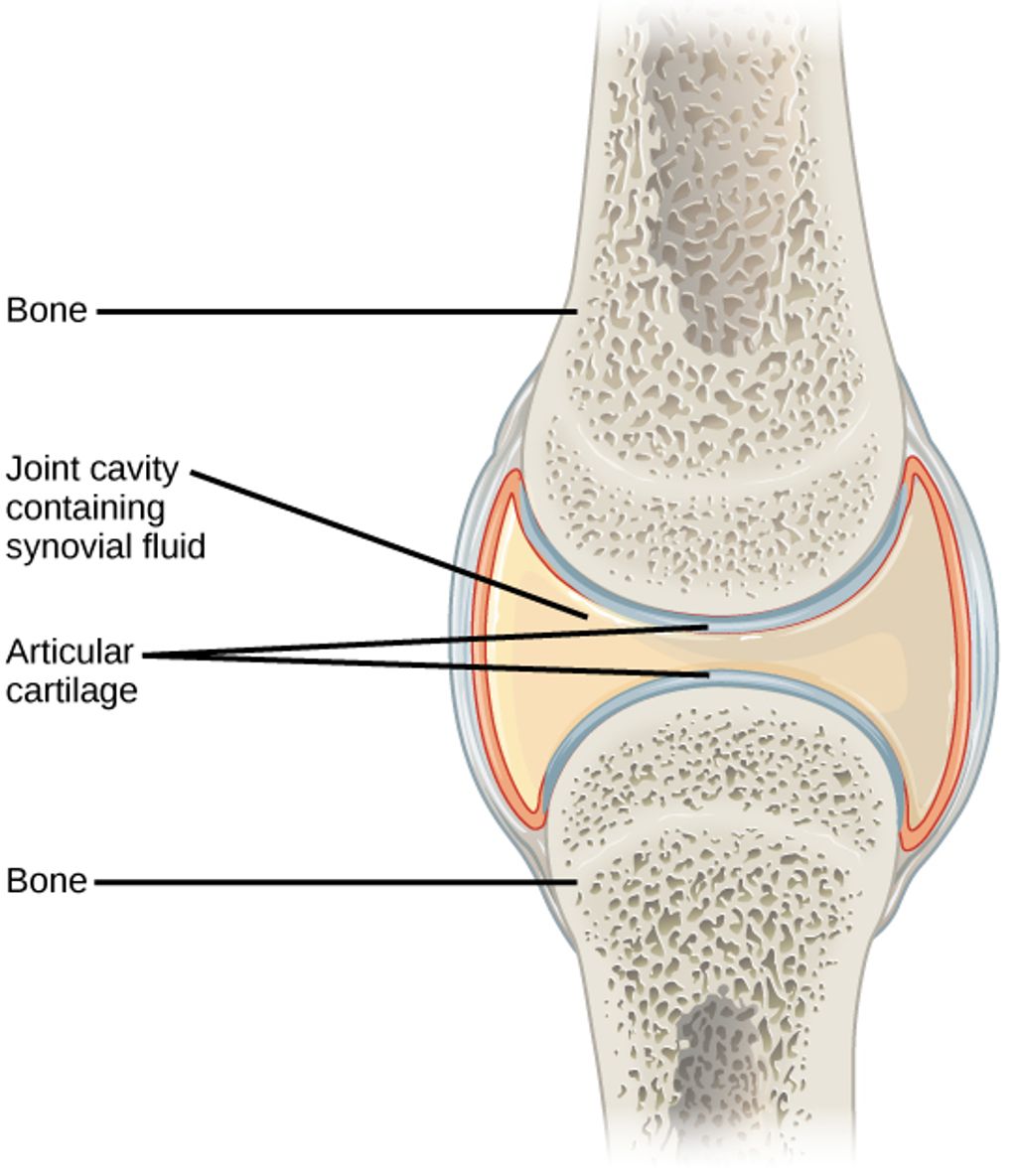
As we delve deeper into the knee joint’s anatomy, we encounter the articular cartilage, a pivotal element in facilitating smooth joint movement. This specialized structure coats the surfaces of the bones within the joint, notably the femur, tibia, and patella, providing a slick, frictionless interface that aids in the effortless bending and extending of the knee.

The health of the articular cartilage is crucial for maintaining knee function. Over time, it can wear down or become damaged, leading to conditions such as osteoarthritis. To preserve the integrity of this cartilage, it is essential to understand its composition and the factors that affect its well-being.

  • Hyaline cartilage, the most common type found in the knee
  • Collagen fibers, providing tensile strength
  • Proteoglycans, contributing to elasticity
  • Water content, which is high in healthy cartilage

Tip: Regular exercise and maintaining a healthy weight can help reduce the stress on knee cartilage, potentially slowing the progression of degenerative conditions.

In our comprehensive guide to knee anatomy, we also explore the morphology and function of the knee joint, as well as common issues that can arise. Effective management of knee health includes understanding over-the-counter solutions for knee pain and adopting strategies for managing discomfort during activities such as running and walking.

Conclusion

In conclusion, the anatomy of the knee joint bones is a complex and intricate system that plays a crucial role in human mobility and stability. Understanding the structure and function of these bones is essential for medical professionals, researchers, and individuals seeking to maintain optimal joint health. Further exploration of the interplay between the various components of the knee joint bones holds promise for advancements in orthopedic medicine and the treatment of musculoskeletal conditions.

Frequently Asked Questions

What is the function of the femur and tibia bones in the knee joint?

The femur and tibia bones form the major weight-bearing structure of the knee joint and are responsible for stability and movement.

What is the purpose of the patella bone in the knee joint?

The patella bone acts as a protective covering for the knee joint and provides leverage for the quadriceps muscles.

What are ligaments and tendons in the context of the knee joint?

Ligaments are tough bands of tissue that connect bones to each other, providing stability to the knee joint. Tendons are fibrous cords that attach muscles to bones, allowing movement of the joint.

What is the role of articular cartilage in the knee joint?

Articular cartilage covers the ends of the bones in the knee joint, providing a smooth and low-friction surface for movement and absorbing shock during weight-bearing activities.

How does the knee joint support the body during various activities?

The knee joint supports the body by distributing the weight and forces from activities such as walking, running, jumping, and standing.

What are common injuries or conditions associated with the knee joint?

Common knee joint injuries and conditions include ligament tears (such as ACL or MCL tears), meniscus tears, arthritis, and patellar dislocation.
Similar Posts

  • |

    Knee replacement rehab timeline

    What if the most critical part of your joint procedure happens after you leave the operating room? We understand that navigating the path to healing can feel overwhelming. Our guide is here to provide the clarity you need for a successful journey. knee replacement rehab timeline Data shows that movement often starts very quickly. Physical therapy typically begins within 24 hours after your procedure. This early step is vital for promoting faster healing and restoring mobility. For most people, the complete process of regaining strength spans several months. It’s a journey from the initial post-operative phase to full recovery, often taking between six and twelve months. We aim to help you manage expectations about the time required to return to the activities you love. While every patient’s experience is unique, understanding the general phases can significantly reduce anxiety. By following a structured plan, you can improve function and regain the independence you enjoyed before joint pain began. Your commitment to rehabilitation directly influences the long-term success of your new joint and overall health. Key Takeaways Physical activity often starts within a day of your procedure to aid healing. The full recovery process generally takes between six months and a year. Your personal journey is unique, but knowing common stages reduces worry. A structured plan is crucial for regaining function and independence. Your dedication to the process directly impacts your long-term results. This guide provides clarity to navigate each stage with confidence. Understanding Knee Replacement Surgery We believe informed patients are empowered patients, starting with the details of the operation itself. Knowing which procedure is right for you is a crucial first step in preparing for your healing journey. Differences Between Total and Partial Knee Replacement A total knee replacement involves resurfacing the entire joint with an artificial structure. Surgeons cut away worn cartilage and bone to create a new surface. In contrast, a partial knee replacement focuses only on the damaged compartment. This targeted approach often leads to a quicker recovery process with less discomfort. What to Expect During Surgery and Initial Recovery During your replacement surgery, the medical team precisely aligns the new components. This careful work is done to restore smooth movement and function. Your personal recovery timeline is influenced by factors like your age and general health. Understanding these differences helps you set realistic goals for after your knee surgery. The ultimate goal of this joint procedure is to provide lasting relief from chronic pain and improve your mobility. Immediate Post-Surgery Recovery The journey to regain your mobility starts the moment you wake from anesthesia. Your active participation is vital from these first hours. immediate post surgery recovery We emphasize that structured support begins almost immediately. This early phase sets the foundation for your entire healing process. Day 1: Initiating Rehabilitation and Mobility Physical therapy often starts within 24 hours of your procedure. Your physical therapist will help you take those first, crucial steps. They guide you in standing and walking with a walker or crutches. These initial sessions focus on basic, safe movements. You’ll practice sitting at the bedside and transferring your weight. This early activity promotes circulation and helps prevent complications. Transitioning from Hospital to Home Your medical team must see you meet specific safety criteria before discharge. You need to manage pain well and demonstrate independent movement. Key goals include standing from a chair and using the bathroom alone. Navigating a short flight of stairs is also a common requirement. Some individuals may leave the hospital on the same day as their operation. This is possible if all safety boxes are checked. Your care team will provide clear instructions for protecting your new joint. They will also give you simple exercises to continue at home. The First Week: Early Rehabilitation Steps Navigating the initial week after your operation requires a clear focus on gentle movement and symptom management. We guide you through this period where your routine prioritizes restoring a natural walking pattern and improving joint flexibility. early rehabilitation steps Guided Physical Therapy Exercises for Range of Motion During the first 48 hours, the primary goal is achieving full extension and increasing flexion. Your physical therapist will recommend specific movements to help. These early exercises are designed to prevent stiffness and promote circulation. Your daily routine is crucial for maintaining flexibility in this joint. Managing Pain, Swelling, and Initial Activity Controlling discomfort is a priority. Your doctor may advise using ice packs, elevating your leg, and taking medication as directed. You must monitor your incision site closely. The American Association of Hip and Knee Surgeons suggests waiting 5 to 7 days before showering if non-waterproof dressings are used. We encourage gentle activity, like using a stationary bike. This helps the area regain strength without overexertion. If you experience severe pain or excessive swelling, stop and consult your physical therapist or surgeon immediately. Following a structured rehabilitation timeline is key for a successful recovery….

  • Knee Pain After Running Downstairs: Causes And Relief

    Knee pain after running can be a common issue, particularly when walking down stairs. This type of pain can be caused by various factors, including overuse, malalignment of the bones, problems with the feet, weak thigh muscles, chondromalacia patella, and direct hits to the knee. The pain is typically felt in the front of the…

  • The Benefits of Titanium Knee Replacement

    Titanium knee replacement surgery has revolutionized the field of orthopedics, offering numerous benefits to patients in need of knee joint replacement. From its historical development to its biomechanical properties and clinical efficacy, titanium knee implants have significantly improved patient outcomes and satisfaction. This article explores the key benefits of titanium knee replacement and its impact…

  • Knee Pain and Arthritis – Managing the Condition

    Osteoarthritis Symptoms Joint Stiffness A key feature of knee osteoarthritis is morning joint stiffness lasting over 30 minutes as cartilage loses elasticity. Stiffness and mild swelling also occurs after prolonged periods of inactivity. Light activity can help loosen stiffness, but excessive activity stresses damaged joint surfaces. Finding an optimal balance helps minimize osteoarthritis knee symptoms….

  • How a Knee Pillow can Relieve Discomfort

    Knee discomfort can be a common issue that affects many individuals, causing pain and discomfort in daily activities. Fortunately, using a knee pillow can provide relief and support to alleviate knee discomfort. In this article, we will explore the causes and symptoms of knee discomfort, the benefits of using a knee pillow, how to choose…

One Comment

Leave a Reply

Your email address will not be published. Required fields are marked *