Knee Pain After Running Downstairs: Causes And Relief
Knee pain after running can be a common issue, particularly when walking down stairs. This type of pain can be caused by various factors, including overuse, malalignment of the bones, problems with the feet, weak thigh muscles, chondromalacia patella, and direct hits to the knee. The pain is typically felt in the front of the kneecap and can worsen when walking downstairs or downhill.
To find relief, rest is recommended, along with ice therapy, knee support, elevation, over-the-counter pain medications, stretching and strengthening exercises, and proper footwear. In severe cases, surgery may be necessary, but most people can find improvement with conservative treatments.
Key Takeaways:
- Knee pain after running can be caused by overuse, malalignment, weak muscles, and other factors.
- Pain is often felt in the front of the kneecap and worsens when walking downstairs.
- Treatments for knee pain after running include rest, ice therapy, knee support, medication, exercises, and proper footwear.
- In severe cases, surgery may be necessary, but most cases can be managed with conservative treatments.
- Consult with a healthcare professional for an accurate diagnosis and personalized treatment plan.
Common Causes of Knee Pain After Running
Knee pain after running can stem from various common causes. One primary cause is patellofemoral pain syndrome, also known as runner’s knee. This condition occurs when the kneecap does not track properly in the trochlea, irritating the cartilage underneath (WebMD). Another potential cause is patellar tendinitis, also referred to as jumper’s knee. This condition is characterized by pain below the kneecap and at the top of the shin (Mayo Clinic). IT band syndrome, muscle strain, ligament injuries, or compensation injuries resulting from foot or ankle problems can also contribute to knee pain after running. By identifying the specific cause, healthcare professionals can develop an appropriate treatment plan to alleviate discomfort and promote recovery.
Common Causes of Knee Pain After Running:
| Cause | Description |
|---|---|
| Patellofemoral pain syndrome (runner’s knee) | The kneecap does not track properly, causing irritation to the cartilage underneath |
| Patellar tendinitis (jumper’s knee) | Pain below the kneecap and at the top of the shin |
| IT band syndrome | Pain along the outside of the knee caused by inflammation of the IT band |
| Muscle strain | Overuse or excessive stress on the muscles surrounding the knee |
| Ligament injuries | Damage to the ligaments supporting the knee |
| Compensation injuries | Injuries resulting from foot or ankle problems, leading to altered gait and knee pain |
By pinpointing the specific cause of knee pain after running, individuals can take appropriate steps in managing their condition and preventing further discomfort. Seeking professional advice is crucial for an accurate diagnosis and personalized treatment plan.
Knee Osteoarthritis and Knee Pain
Knee osteoarthritis is a common condition that can lead to knee pain, especially after running. It occurs when the cartilage in the knee deteriorates, causing bones to move irregularly and resulting in pain, inflammation, and stiffness.
While there is no cure for knee osteoarthritis, there are various treatment options available to manage pain and improve function. Non-invasive treatments such as rest, ice therapy, and weight management can provide relief. Exercise and physical therapy are also beneficial in strengthening muscles and improving joint flexibility.
Supportive aids, such as knee braces and orthotics, can help alleviate stress on the knee and reduce pain. Biomechanical devices, such as shoe inserts, can correct misalignment and improve joint mechanics.
In severe cases, when conservative treatments are ineffective, prescription medication or surgical intervention may be necessary. Medications like non-steroidal anti-inflammatory drugs (NSAIDs) can help reduce pain and inflammation. Surgery, such as joint replacement or arthroscopy, may be recommended to repair or replace damaged joint tissues.
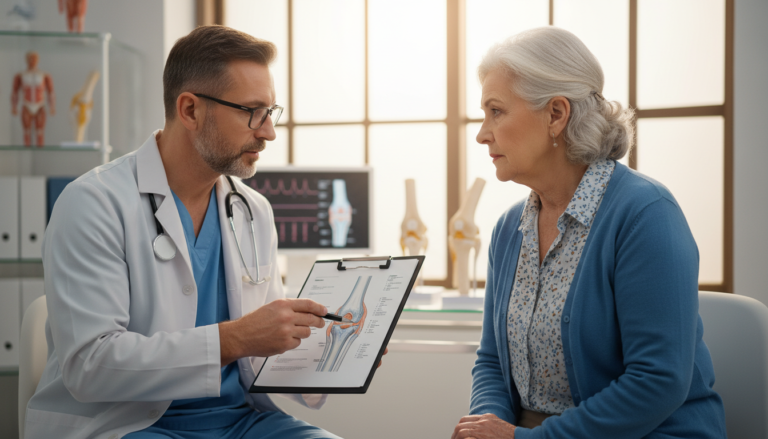
Managing knee pain after running requires personalized treatment plans that address individual needs. A healthcare professional can guide patients in choosing the most suitable treatment options and provide ongoing support for knee pain relief and management.
| Treatment | Description |
|---|---|
| Rest | Avoid activities that exacerbate pain and allow the knee to rest and heal. |
| Ice Therapy | Apply ice or cold packs to reduce inflammation and numb the area. |
| Weight Management | Maintain a healthy weight to reduce stress on the knee joint. |
| Exercise and Physical Therapy | Strengthen muscles around the knee and improve joint mobility. |
| Supportive Aids | Use knee braces or orthotics to provide additional support and stability. |
| Biomechanical Devices | Wear shoe inserts or orthotics to correct misalignment and improve joint mechanics. |
| Prescription Medication | In severe cases, medication like NSAIDs may be prescribed to manage pain and inflammation. |
| Surgical Intervention | When conservative treatments fail, surgery may be necessary to repair or replace damaged joint tissues. |
By combining these treatments, individuals can effectively manage knee pain after running and improve their quality of life. It is important to work closely with healthcare professionals to develop a comprehensive treatment plan and make necessary adjustments based on the individual’s progress and needs.
Impact of Knee Pain on Stairs
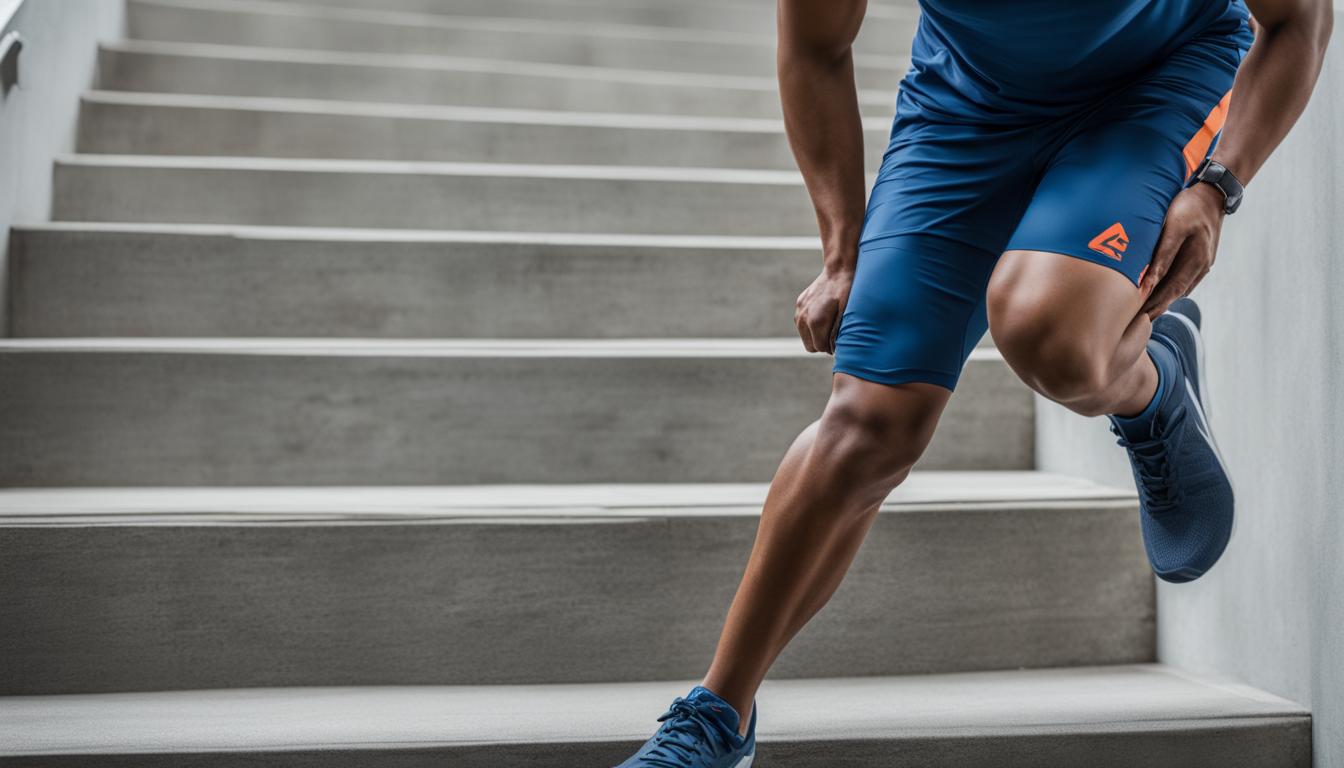
Walking down stairs can be a painful and challenging task for individuals experiencing knee pain. The act of descending stairs puts significant stress on the knees, which can exacerbate discomfort and potentially worsen underlying knee conditions. When walking downstairs, the force exerted on the kneecap can be up to 3.5 times a person’s body weight, leading to increased pain and inflammation.
It is crucial to address knee pain promptly to ensure that stairs do not become a hindrance in daily activities. By understanding the causes of knee pain when walking downstairs and implementing appropriate treatment strategies, individuals can navigate stairs with less pain and discomfort.
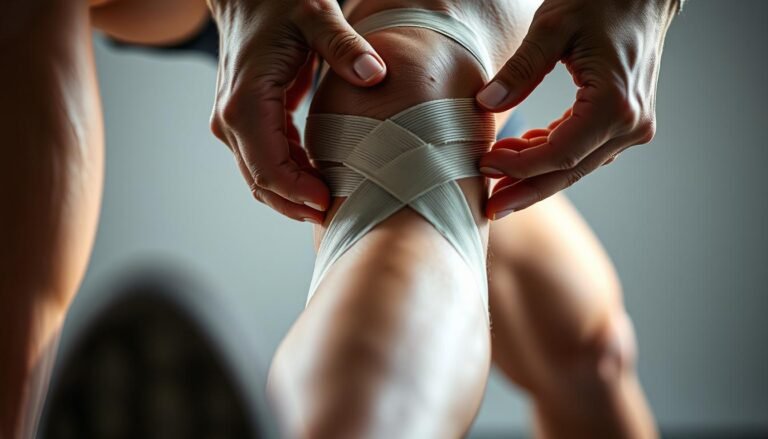
One effective relief strategy is rest, allowing the knees time to recover and heal. Applying ice therapy to the affected area can help reduce swelling and alleviate pain. Utilizing knee support, such as wraps or braces, can provide stability and reduce strain on the knee joints.
‘Walking downstairs can be especially challenging for individuals experiencing knee pain. Taking preventative measures and undergoing appropriate treatment are key to managing knee pain and ensuring the ability to navigate stairs comfortably.’
Stretching and strengthening exercises targeted at the muscles surrounding the knee can improve stability and support the joint. It is also essential to choose proper footwear that provides adequate cushioning and support to minimize the impact on the knees when walking downstairs.
A comprehensive approach to managing knee pain includes a combination of rest, targeted exercises, supportive aids, and appropriate medical intervention if necessary. By addressing knee pain effectively, individuals can confidently tackle stairs without the hindrance of discomfort and continue with their daily activities.
Strategies to Relieve Knee Pain on Stairs
| Strategies | Benefits |
|---|---|
| Rest and allow the knees time to recover | Reduces inflammation and promotes healing |
| Apply ice therapy to reduce swelling | Alleviates pain and discomfort |
| Use knee support such as wraps or braces | Provides stability and reduces strain on the knee joints |
| Perform stretching and strengthening exercises for knee muscles | Improves stability and supports the joint |
| Choose proper footwear with cushioning and support | Minimizes impact on the knees when walking downstairs |
Strategies for Relief and Management
When it comes to managing knee pain after running, particularly when walking downstairs, there are several strategies that can provide relief and improve your overall condition.
- Rest and activity modification: It is important to give your knees proper rest and avoid activities that exacerbate the pain. This may mean reducing your running or choosing low-impact exercises instead.
- Icing the knee: Applying ice to the affected knee can help reduce swelling and inflammation. Use a cold pack or wrap ice cubes in a towel and apply it to the knee for about 15-20 minutes at a time, several times a day.
- Using knee support: Wraps or braces can provide additional support to the knee joint, helping to alleviate pain and stabilize the knee while running or walking downstairs.
- Elevating the leg: Elevating your leg can help reduce inflammation and swelling in the knee. Whenever possible, prop your leg up on a pillow or cushion to keep it elevated, especially after running.
- Taking non-steroidal anti-inflammatory drugs (NSAIDs): Over-the-counter NSAIDs, such as ibuprofen or naproxen, can help relieve pain and reduce inflammation in the knee. However, it is important to follow the recommended dosage and consult with a healthcare professional if the pain persists.
- Stretching and strengthening exercises: Engaging in specific exercises, like range of motion exercises and quadriceps strengthening exercises, can help improve the strength and flexibility of the knee joint, reducing pain and preventing future injuries.
- Using arch supports or orthotics: Proper foot alignment is essential in managing knee pain. Arch supports or orthotics can provide the necessary support and stability, reducing stress on the knee joint.
- Ensuring proper footwear: Wearing shoes that provide adequate cushioning and support is crucial in preventing and managing knee pain. Look for running shoes specifically designed for your foot type and activity level.
Remember, it is important to consult with a healthcare professional if your knee pain persists or worsens. They can provide an accurate diagnosis and develop a personalized treatment plan tailored to your specific needs.
Prevention Tips for Knee Pain After Running Downstairs
Taking preventive measures can help reduce the likelihood of experiencing knee pain after running, particularly when walking downstairs. By following these tips, you can minimize the risk of knee strain and find relief from joint pain while walking downstairs.
Maintain Strong and Limber Thigh Muscles
Regular exercise is key to maintaining strong and limber thigh muscles, which provide essential support to the knees. Include exercises that target the quadriceps and hamstrings in your fitness routine. Options include squats, lunges, leg presses, and leg curls. Consult with a fitness professional or physical therapist for personalized exercise recommendations.
Use Shoe Inserts or Orthotics
If needed, consider using shoe inserts or orthotics to provide additional support and alignment for your feet. These devices can help distribute the impact evenly and reduce strain on the knees. Consult with a podiatrist or orthopedic specialist to determine the best option for your specific needs.
Choose Shoes with Proper Support
Invest in a pair of running shoes that provide proper cushioning and support for your feet and knees. Look for shoes specifically designed for running and consider getting fitted at a specialty running shoe store. Replace your shoes regularly as they wear out to ensure optimal support and shock absorption.
Avoid Running on Hard Surfaces
Running on hard surfaces, such as concrete or asphalt, can increase the impact and strain on your knees. Whenever possible, choose softer surfaces like grass, dirt trails, or running tracks. If you have no other options, consider using a treadmill with shock-absorbing features.
Maintain a Healthy Weight
Excess body weight puts additional stress on the knees, increasing the risk of knee strain and pain. Maintain a healthy weight through a balanced diet and regular exercise. Losing weight can significantly reduce the strain on your knees and improve overall joint health.
Warming Up and Gradually Increasing Intensity
Before starting your running or exercise routine, always warm up properly to prepare your muscles and joints for activity. Incorporate dynamic stretches and light cardiovascular exercises to increase blood flow and flexibility. Additionally, gradually increase the intensity, duration, and frequency of your workouts to give your body time to adapt and avoid sudden stress on the knees.
Listen to Your Body and Avoid Pushing Through Pain
Pay attention to any discomfort or pain in your knees while running or walking downstairs. If you experience pain, modify your activities, and give your knees time to rest and heal. Pushing through pain can worsen the condition and lead to more significant problems. Consult with a healthcare professional if the pain persists or worsens.
By implementing these prevention tips, you can minimize the risk of knee strain from running and find relief from knee pain while walking downstairs.
Conclusion
Knee pain while walking down stairs after running is a common issue that can affect individuals who are physically active. However, there are various treatment and preventive measures that can help manage and alleviate this pain, allowing individuals to continue their exercise routines without significant discomfort.
By understanding the underlying causes of knee pain after running, such as overuse, malalignment of the bones, and weak thigh muscles, individuals can take appropriate steps to address the root cause of their pain. Rest and ice therapy can provide initial relief, while knee support, elevation, and over-the-counter pain medications can help manage the symptoms.
Furthermore, implementing preventive measures is crucial in preventing knee pain while walking down stairs after running. This includes maintaining strong thigh muscles through regular exercise, wearing proper footwear, and gradually increasing the intensity of workouts. Consulting with a healthcare professional can provide valuable guidance in developing a personalized treatment and preventive plan.
With the right approach, individuals can effectively manage knee pain and continue to lead an active and healthy lifestyle. By understanding the importance of proper treatment and preventive measures, we can overcome the challenges of knee pain after running and confidently tackle stairs with ease.
FAQ
What causes knee pain after running downstairs?
Knee pain after running downstairs can be caused by various factors, including overuse, malalignment of the bones, problems with the feet, weak thigh muscles, chondromalacia patella, and direct hits to the knee.
Why does knee pain worsen when walking downstairs or downhill?
Knee pain can worsen when walking downstairs or downhill due to the increased force exerted on the kneecap during these activities.
How can I find relief from knee pain after running?
To find relief from knee pain after running, it is recommended to rest, use ice therapy, wear knee support, elevate the leg, take over-the-counter pain medications, do stretching and strengthening exercises, and wear proper footwear.
When should I consider surgery for knee pain after running?
Surgery for knee pain after running may be necessary in severe cases. However, most people can find improvement with conservative treatments such as rest, physical therapy, and pain management.
How can knee osteoarthritis contribute to knee pain after running?
Knee osteoarthritis can lead to knee pain after running due to the deterioration of cartilage in the knee, causing bones to move irregularly and resulting in pain, inflammation, and stiffness.
How can I manage knee pain when walking downstairs after running?
To manage knee pain when walking downstairs after running, it is important to rest, ice the knee, use knee support, elevate the leg, take over-the-counter pain medications, and do stretching and strengthening exercises.
What can I do to prevent knee pain after running downstairs?
To prevent knee pain after running downstairs, it is recommended to maintain strong thigh muscles, use proper footwear and shoe inserts, avoid running on hard surfaces, stay in shape and maintain a healthy weight, warm up before workouts, and listen to the body.
Can knee pain after running be effectively managed?
Yes, knee pain after running can be effectively managed through appropriate treatment and preventive measures. It is important to consult with a healthcare professional for an accurate diagnosis and personalized treatment plan.
Related Articles

About the author: Mokhtar Sahraoui
Mokhtar Sahraoui is the founder and editor of Knee Hurt. He researches and writes practical, easy-to-understand guides on knee pain, knee injuries, arthritis and recovery, based on trusted medical sources. Knee Hurt articles are general information and are not a substitute for advice from your doctor or physical therapist.