Easing Knee Pain When Climbing Stairs
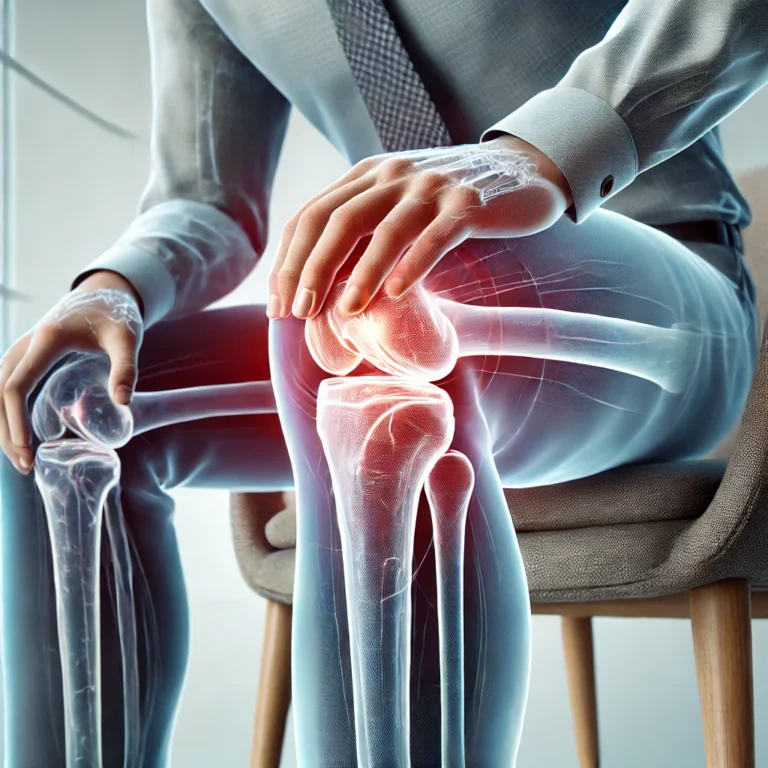
Are you experiencing knee pain when climbing stairs? You’re not alone. Many individuals struggle with discomfort and limitations due to knee pain when taking the stairs. Whether it’s a sharp twinge or a dull ache, knee pain can significantly impact your daily activities and mobility.
There are several factors that can contribute to knee pain when climbing stairs. Increased pressure on the knees and the angle of movement can strain the joints, exacerbating underlying conditions such as patellofemoral pain syndrome, meniscus tears, chondromalacia patella, and IT band syndrome.
The good news is that there are strategies to alleviate knee pain and improve mobility while climbing stairs. By incorporating targeted exercises, body awareness techniques, and modifications to your walking technique, you can find relief and regain your freedom of movement. Let’s explore these options in more detail.
Key Takeaways:
- Increased pressure and angle of movement can contribute to knee pain when climbing stairs.
- Underlying conditions such as patellofemoral pain syndrome and meniscus tears can cause knee pain.
- Strengthening exercises, body awareness techniques, and modifications to your walking technique can help alleviate knee pain when climbing stairs.
- Consult with healthcare professionals to develop a personalized plan for managing knee pain.
- Incorporating targeted exercises and modifications into your routine can prevent knee pain and improve knee strength.
Understanding Knee Anatomy and Function
When it comes to knee pain, understanding the anatomy and function of the knee joint is crucial. The knee joint is a complex structure that consists of several components, including bones, ligaments, tendons, cartilage, menisci, bursae, muscles, and nerves. Each of these plays a vital role in supporting and stabilizing the knee during movement.
Bones: The knee joint is formed by three bones: the patella (kneecap), femur (thighbone), and tibia (shinbone). These bones work together to facilitate smooth movement and bear the weight of the body.
Ligaments: The knee joint is supported by several ligaments, including the collateral ligaments (medial and lateral) and the cruciate ligaments (anterior and posterior). These ligaments provide stability to the knee and prevent excessive movement.
Tendons: Tendons are connective tissues that attach muscles to bones. In the knee joint, the quadriceps tendon connects the quadriceps muscle to the patella, while the patellar tendon connects the patella to the tibia. These tendons allow for the extension of the knee.
Cartilage: The knee joint is lined with articular cartilage, a smooth and slippery tissue that allows for frictionless movement of the bones. Cartilage also acts as a shock absorber, reducing stress on the knee joint.
Menisci: The menisci are C-shaped pieces of cartilage located between the femur and tibia. They help distribute weight and absorb shock, improving the stability and cushioning of the knee joint.
Bursae: Bursae are fluid-filled sacs located around the knee joint. They act as cushions to reduce friction between tendons, ligaments, and bones, enabling smooth movement.
Muscles: The muscles surrounding the knee joint are essential for providing strength and stability. The quadriceps muscles are located in the front of the thigh and help with knee extension, while the hamstrings are located in the back of the thigh and aid in knee flexion.
Nerves: Nerves carry signals between the brain and the knee, allowing for coordination and control of movements. They also provide sensory information, allowing us to perceive pain, heat, and pressure.
By understanding the intricate anatomy and function of the knee joint, we can better identify the underlying causes of knee pain when climbing stairs. This knowledge enables us to develop targeted treatment approaches that address the specific structures involved and promote optimal knee health and function.
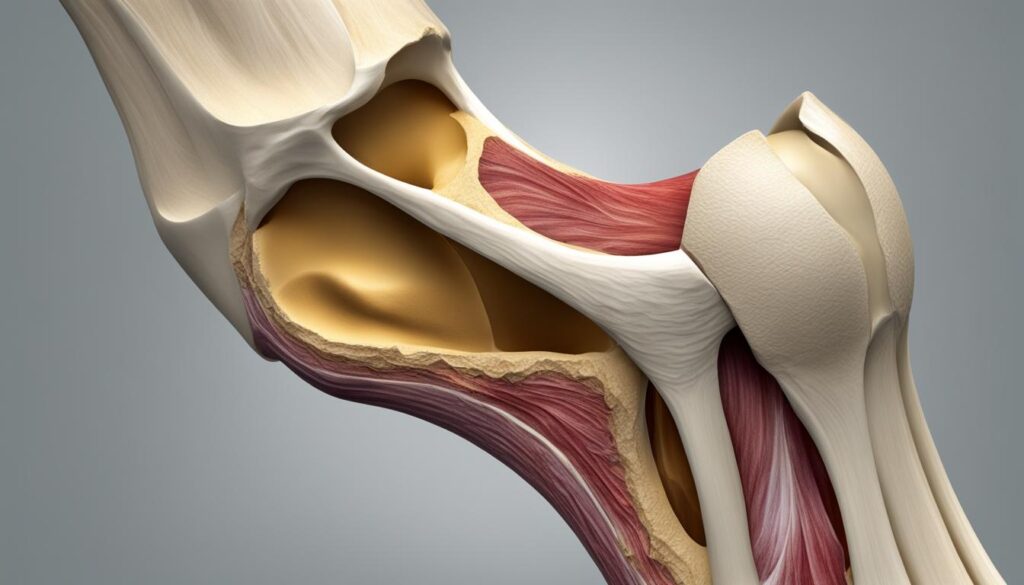
Knee Anatomy Overview
| Component | Function |
|---|---|
| Bones | Form the knee joint and provide structural support |
| Ligaments | Stabilize the knee joint and prevent excessive movement |
| Tendons | Connect muscles to bones and allow for movement |
| Cartilage | Provide smooth and frictionless movement, absorb shock |
| Menisci | Distribute weight and enhance stability and cushioning |
| Bursae | Act as cushions and reduce friction between structures |
| Muscles | Provide strength and stability to the knee joint |
| Nerves | Facilitate coordination, control, and sensory perception |
Common Causes of Knee Pain When Climbing Stairs
Knee pain when climbing stairs can be a result of several conditions, including:
- Patellofemoral Pain Syndrome (runner’s knee) – a condition characterized by pain in the front of the knee, usually caused by overuse or muscular imbalances.
- Meniscus tear – a tear in the cartilage that cushions the knee joint, often caused by sudden twists or impacts.
- Chondromalacia Patella – a condition where the cartilage on the back of the patella (kneecap) softens and deteriorates, leading to pain and discomfort.
- IT Band Syndrome – inflammation and irritation of the iliotibial (IT) band, a thick band of tissue that runs along the outside of the thigh, leading to knee pain during flexion.
- Muscle imbalance – an imbalance between the muscles around the knee, leading to altered movement patterns and increased stress on the joint.
These conditions can occur due to a variety of factors, such as overuse, traumatic injuries, wear and tear, or muscular imbalances. Identifying the underlying cause is crucial for effective treatment and pain management.
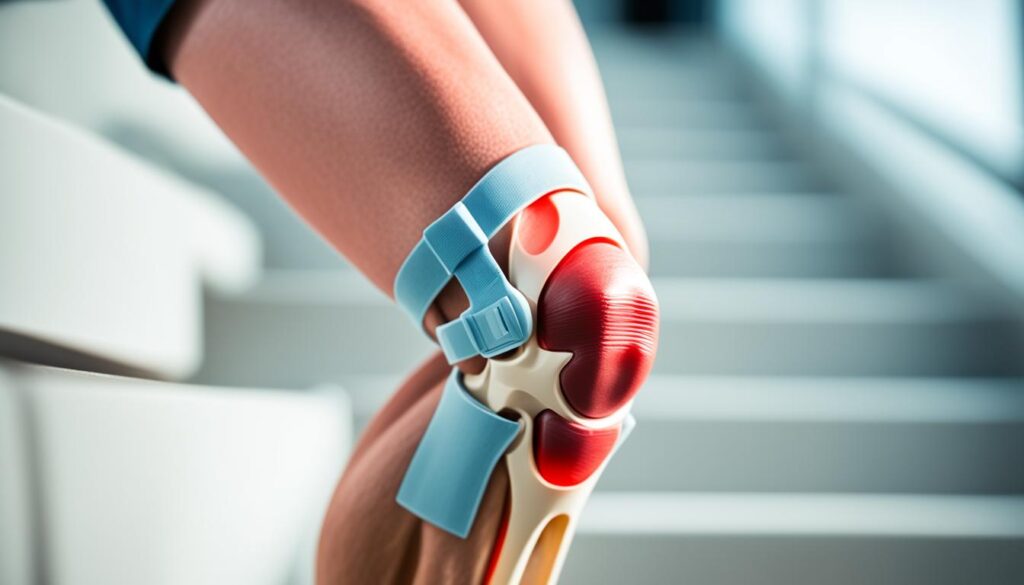
Image: Knee pain when climbing stairs can be caused by various conditions.
Treating and Managing Knee Pain when Climbing Stairs
Treating and managing knee pain when climbing stairs requires a comprehensive approach that addresses the underlying causes and provides effective relief. By incorporating targeted exercises, body awareness techniques, and modifications to your walking technique, you can improve your knee’s condition and enhance your stair-climbing experience. In some cases, medical intervention may be necessary to achieve optimal results.
Targeted Exercises
To strengthen the knee and the surrounding muscles, incorporating targeted exercises into your routine is essential. Consider the following exercises:
- Hip flexor stretches: Stretching the hip flexors helps alleviate tension and improve knee function. To perform this exercise, kneel on one knee while keeping the other foot flat on the ground. Gradually lean forward, feeling the stretch in the front of your hip. Hold for 30 seconds on each side and repeat several times.
- Single-leg lifts: This exercise targets the quadriceps and hamstrings, providing stability to the knee. Stand beside a chair or a wall for support. Lift one leg forward while keeping your knee straight. Hold for a few seconds, then lower it back down. Repeat on the other leg, aiming for 10 to 15 repetitions on each side.
- Hamstring stretches: Tight hamstrings can contribute to knee pain when climbing stairs. To stretch the hamstrings, sit on the edge of a chair and extend one leg in front of you with your heel on the ground. Gently lean forward from the hips, feeling the stretch in the back of your thigh. Hold for 30 seconds on each leg, repeating several times.
Body Awareness Techniques
Improving body awareness can help correct movement patterns and address muscle imbalances that contribute to knee pain. Focus on exercises that promote stability, balance, and coordination, such as:
- Bosu ball exercises: Using a Bosu ball challenges your balance and engages the muscles responsible for knee stability. Try standing on the dome side of the ball, maintaining your balance for 30 seconds. Gradually increase the duration as your stability improves.
- Pilates: Pilates exercises emphasize core strength and proper alignment, helping to improve overall body awareness. Incorporating Pilates movements into your routine can enhance your functional movement patterns and reduce knee pain.
Modifying Walking Technique
Small adjustments to your walking technique can significantly reduce knee pain when climbing stairs. Consider the following modifications:
- Holding a railing: When climbing stairs, hold onto a railing for added stability and support. This can reduce the strain on your knees and provide relief.
- Engaging the glutes and hamstrings: Focus on activating the gluteal muscles and hamstrings while walking upstairs. This helps distribute the workload more evenly and reduces stress on the knee joints.
- Keeping weight in your heels: By shifting your weight towards your heels when climbing stairs, you align your body in a way that promotes proper knee function and reduces pain.
Implementing these modifications to your walking technique can make a noticeable difference in your knee pain when tackling stairs.
| Treatment Options | Description |
|---|---|
| Physical Therapy | A professional physical therapist can create a personalized exercise plan to address your specific knee pain and guide you through proper form and technique. |
| Medications | In some cases, nonsteroidal anti-inflammatory drugs (NSAIDs) or topical creams can help alleviate knee pain and reduce inflammation. |
| Injections | Corticosteroid injections or hyaluronic acid injections may be recommended to reduce pain and inflammation in the knee. |
| Surgery | In severe cases, surgical intervention may be necessary to repair damaged structures or correct underlying issues contributing to knee pain. |
Treatment Options
In some cases, conservative methods may not provide sufficient relief. Here are some treatment options that you may consider:
- Physical Therapy: Consulting a physical therapist can be immensely beneficial in identifying the root cause of your knee pain and developing a tailored treatment plan.
- Medications: Over-the-counter pain relievers and anti-inflammatory medications may provide temporary relief. However, it’s important to consult with a healthcare professional before using them.
- Injections: Corticosteroid injections or hyaluronic acid injections can help reduce inflammation and alleviate knee pain. However, the efficacy of these injections varies from person to person.
- Surgery: In severe cases, when conservative treatments have failed, surgery may be considered. Discuss the potential benefits and risks with your orthopedic surgeon.
It’s crucial to consult with healthcare professionals and specialists to determine the most appropriate treatment options for your specific condition.
By implementing targeted exercises, body awareness techniques, and modifications to your walking technique, you can effectively treat and manage knee pain when climbing stairs. It’s important to remember that each individual is unique, and finding the right combination of techniques may take time. Consult with healthcare professionals to receive personalized guidance and develop a plan that suits your needs.
Conclusion
Knee pain when climbing stairs can be effectively managed and prevented through a combination of targeted exercises, modifications to your walking technique, and strengthening the muscles supporting the knee. By incorporating these strategies into your daily routine, you can experience relief from knee pain, improve knee strength, and enhance overall mobility when navigating stairs.
To address knee pain, it is essential to consult with healthcare professionals, such as physical therapists, who can provide personalized guidance and create a customized plan tailored to your specific needs and conditions. They can recommend specific exercises that target the muscles surrounding the knee, helping to alleviate pain and prevent future discomfort.
Additionally, modifying your walking technique can offer significant benefits. Engaging the glutes and hamstrings, distributing weight evenly, or using a handrail for support are all viable strategies for reducing stress on the knees while ascending or descending stairs. Small adjustments in posture and movement can go a long way in preventing knee pain and promoting knee-friendly stairs.
Remember, preventing knee pain is just as important as managing it. Incorporating exercises for knee strengthening into your routine will help maintain your knee’s stability and mobility over time. By adopting a proactive approach and working closely with healthcare professionals, you can pave the way for a healthier, pain-free future.
FAQ
Can climbing stairs cause knee pain?
Yes, climbing stairs can cause knee pain due to the increased pressure and angle of movement on the knee joint.
What are the common causes of knee pain when climbing stairs?
Knee pain when climbing stairs can be caused by conditions such as patellofemoral pain syndrome, meniscus tears, chondromalacia patella, IT band syndrome, and muscle imbalance.
How can I alleviate knee pain when climbing stairs?
You can alleviate knee pain by incorporating targeted exercises, modifying your walking technique, and strengthening the muscles supporting the knee.
Are there any exercises specifically for knee pain when climbing stairs?
Yes, exercises such as hip flexor stretches, single-leg lifts, and hamstring stretches can help strengthen the knee and surrounding muscles.
What are some modifications I can make to my walking technique to reduce knee pain when climbing stairs?
Modifying your walking technique, such as holding a railing, engaging the glutes and hamstrings, or keeping weight in your heels, can provide relief.
When should I seek medical intervention for knee pain when climbing stairs?
If your knee pain persists or worsens, it is recommended to consult with healthcare professionals, such as physical therapists, to develop a personalized treatment plan.