Understanding Luxating Patella: What Is It?
Did you know that luxating patella, also known as patella dislocation, is a common knee joint disorder that affects up to 7% of dogs?
This condition, characterized by the displacement of the knee cap, can cause significant pain, lameness, and limited mobility in affected animals. Luxating patella is more commonly seen in toy and small breed dogs, and it can be caused by genetic predisposition, abnormalities in the knee joint structure, or trauma.
Causes of Luxating Patella
Luxating patella, also known as patella dislocation, can occur due to various causes. Understanding these causes is essential in diagnosing and managing the condition effectively.
1. Genetic Predisposition:
One of the primary causes of luxating patella is genetic predisposition, particularly in toy and small breed dogs. Breeds like Pomeranians, Chihuahuas, Yorkshire Terriers, and Shih Tzus are more prone to this condition. Genetic factors play a significant role in the development of knee joint abnormalities, which can lead to the dislocation of the patella.
2. Knee Joint Abnormalities:
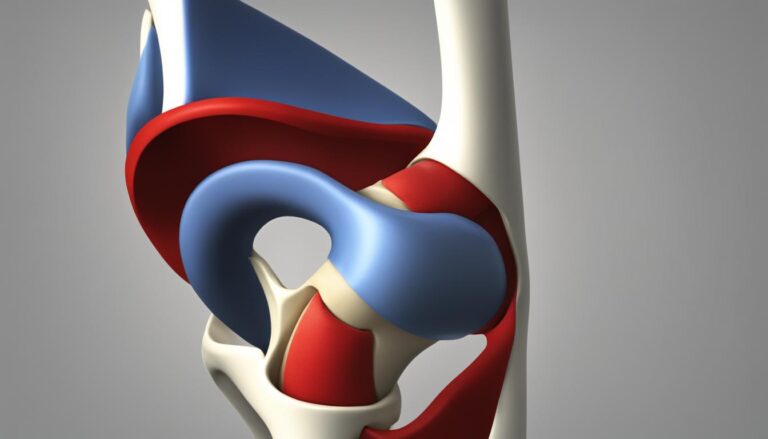
Dogs with luxating patella often have structural abnormalities in their knee joints. These abnormalities can include a shallow femoral groove or malalignments of the bones in the limb. The combination of these factors disrupts the normal alignment of the patella, causing it to move out of its designated position.
3. Trauma:
While less common than genetic factors, trauma can also contribute to patella dislocation. Acute injuries or accidents involving the knee joint can disrupt the stability of the patella and lead to its displacement.
Genetic Predisposition and Luxating Patella
“Genetic factors significantly influence the development of luxating patella in certain breeds. Breeding practices that prioritize the selection of dogs without a history of this condition can help reduce its incidence.”
It’s important to note that luxating patella can have a combination of these causes, with genetic predisposition often playing a significant role. Understanding the underlying causes enables veterinarians to formulate appropriate treatment plans tailored to each individual dog’s needs.

While luxating patella can be a challenging condition for dogs and their owners, proper diagnosis and management can improve the quality of life for affected pets. In the following section, we will explore the symptoms of luxating patella, helping you identify the condition early for timely intervention and treatment.
Symptoms of Luxating Patella
The symptoms of luxating patella can vary depending on the severity of the condition. Some dogs may experience intermittent lameness, especially during periods of increased activity. A skipping gait, where the dog lifts and skips one of their hind legs, may be observed. This lameness usually resolves quickly, but can become more frequent as the condition progresses. Dogs with luxating patella may also show signs of knee pain and discomfort, often exhibited as reluctance to bear weight on the affected leg.
| Luxating Patella Symptoms | Description |
|---|---|
| Lameness | Intermittent limp or favoring of one leg, especially during increased activity |
| Skipping Gait | Lifting and skipping of one hind leg while walking or running |
| Knee Pain | Reluctance to bear weight on the affected leg and signs of discomfort |
In more severe cases, dogs may exhibit more pronounced symptoms such as acute pain, persistent lameness, and difficulty in moving or jumping. It’s important to recognize these signs and seek veterinary care for an accurate diagnosis and appropriate treatment.
Treatment Options for Luxating Patella
The treatment for luxating patella depends on the severity of the condition and the presence of associated symptoms. In mild cases with no or minimal lameness, conservative management may be sufficient, which includes weight management, joint supplements, pain medications, and exercise restriction. However, for more severe cases or persistent lameness, surgical correction is usually recommended.
Surgery aims to realign the patella and stabilize the knee joint. The procedure may involve moving the point of attachment of the patellar ligament, deepening the femoral groove, and tightening the joint capsule. Following surgery, a period of recovery, pain management, and physical therapy is necessary to optimize the outcome.
Physical therapy plays a crucial role in the rehabilitation process for dogs undergoing surgery for luxating patella. It helps improve muscle strength, joint flexibility, and overall range of motion. Physical therapy techniques such as therapeutic exercises, hydrotherapy, and massage can provide significant benefits in recovering from the surgery and regaining normal function in the affected leg.
In the words of Dr. Emily Parker, a veterinary surgeon specializing in orthopedics, “Physical therapy plays a vital role in the successful treatment of luxating patella. It not only helps in the immediate postoperative recovery but also ensures long-term joint health and prevents future knee issues.”
Pain management is an essential part of the treatment plan for luxating patella. Pain medications, prescribed by a veterinarian, help alleviate discomfort and improve the dog’s overall well-being. These medications may include non-steroidal anti-inflammatory drugs (NSAIDs) or other pain relievers specifically tailored for the dog’s condition.
It’s important for pet owners to closely follow the veterinarian’s instructions for pain management and post-surgical care. This includes administering medications as directed, attending physical therapy sessions, and adhering to any recommended lifestyle modifications, such as avoiding excessive jumping or strenuous activities.

By providing a comprehensive approach to luxating patella treatment, including surgical intervention, physical therapy, and pain management, we can significantly improve the quality of life for dogs affected by this condition. The combination of these treatment options aims to restore patella stability, alleviate pain, and promote optimal joint function.
Prevention and Prognosis of Luxating Patella
While luxating patella cannot always be prevented, there are measures that can reduce the risk or severity of the condition. Responsible breeding practices, including avoiding mating dogs with a history of luxating patella, can help reduce its incidence in certain breeds. Maintaining a healthy weight and providing regular exercise can also contribute to overall joint health.
Regarding the prognosis of luxating patella, it varies depending on the grade and the presence of other knee injuries or arthritis. With proper treatment and early intervention, the prognosis is generally good, and dogs can regain full use of their legs.
However, it’s important to note that if arthritis develops, it cannot be reversed, and long-term joint management may be necessary.
https://www.youtube.com/watch?v=tPqvsPlqLag
Prevention Tips for Luxating Patella:
- Engage in responsible breeding practices, avoiding mating dogs with a history of luxating patella.
- Maintain a healthy weight for your dog through proper diet and exercise.
- Provide regular exercise to promote overall joint health and mobility.
Prognosis Factors for Luxating Patella:
The prognosis for luxating patella depends on various factors, including:
- The grade of luxating patella
- The presence of other knee injuries
- The development of arthritis
With proper treatment and early intervention, dogs with luxating patella have a good prognosis and can regain full use of their legs. However, if arthritis develops, long-term joint management may be necessary.
Conclusion
Luxating patella is a common knee joint disorder that primarily affects toy and small breed dogs. This condition occurs when the kneecap dislocates or moves from its normal position, leading to pain, lameness, and reduced mobility. Genetic factors, knee joint abnormalities, and trauma can all contribute to the development of luxating patella.
Fortunately, there are treatment options available to improve the well-being and mobility of dogs with luxating patella. For mild cases, conservative management such as weight management, joint supplements, pain medications, and exercise restriction may be sufficient. However, more severe or persistent cases often require surgical correction to realign the patella and stabilize the knee joint.
The prognosis for dogs with luxating patella is generally good, especially when the condition is detected early and appropriate treatment is initiated. By understanding the causes, symptoms, and treatment options for luxating patella, pet owners can take proactive steps to ensure the knee health and patella stability of their furry companions. Regular veterinary check-ups, responsible breeding practices, and maintaining a healthy lifestyle can also contribute to the prevention and management of this condition.
FAQ
What is luxating patella?
Luxating patella is a knee joint disorder where the kneecap moves out of its normal position in the knee joint, causing pain, lameness, and limited mobility.
What causes luxating patella?
Luxating patella can be caused by genetic predisposition, knee joint abnormalities, or trauma.
What are the symptoms of luxating patella?
Symptoms of luxating patella include lameness, a skipping gait, and knee pain.
What are the treatment options for luxating patella?
Treatment options for luxating patella include surgical correction and physical therapy.
Can luxating patella be prevented?
Luxating patella cannot always be prevented, but maintaining a healthy weight and exercising regularly can reduce the risk or severity of the condition.
What is the prognosis for luxating patella?
The prognosis for luxating patella varies, but with proper treatment and early intervention, the prognosis is generally good.
Source Links
- https://www.vet.cornell.edu/departments/riney-canine-health-center/canine-health-information/patellar-luxation
- https://www.fitzpatrickreferrals.co.uk/orthopaedic/patellar-luxation/
- https://vcahospitals.com/know-your-pet/luxating-patella-in-dogs