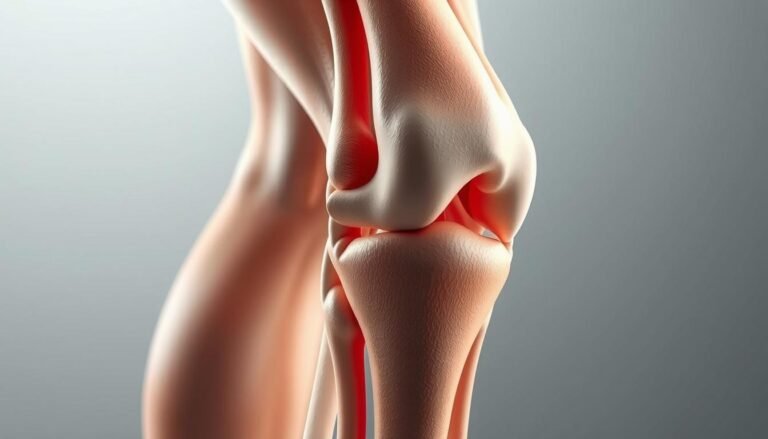
Safe Exercises for Knee Injury Recovery
Did you know that knee injuries are one of the most common sports-related injuries, affecting millions of people each year?
Whether you’ve suffered a strain, sprain, or more serious damage to the knee, proper exercise is crucial for a successful recovery. In this article, we will guide you through a series of safe and effective exercises specifically designed to help you rehabilitate your knee and regain your strength.
Range of Motion Exercises for Knee Injury Recovery
Range of motion exercises are crucial in the recovery process for knee injuries. These exercises focus on restoring flexibility and mobility in the knee joint, helping to improve overall function and reduce pain.
Here are some effective range of motion exercises that can aid in knee injury recovery:
- Wall slides: Stand with your back against a wall and slowly slide down into a squatting position. Hold for a few seconds, then push yourself back up. Repeat this movement several times.
- Passive knee flexion and extension: Sit on a chair with your feet flat on the ground. Using your hands, gently bend and straighten your knee, aiming to increase the range of motion with each repetition.
- Prone leg hang: Lie on your stomach on a bed or raised surface, allowing your injured leg to hang off the edge. Relax your leg and let it naturally extend towards the ground, gently stretching the knee joint.
It is important to perform these exercises slowly and with proper form, as rushing through the movements may lead to further injury. Start with gentle movements and gradually increase the intensity and range of motion as your knee becomes stronger and more flexible.
Remember to listen to your body and avoid any exercises that cause pain or discomfort. If you have any concerns or questions, consult with your doctor or physical therapist for personalized guidance during your knee injury recovery journey.

Adding resistance to these exercises can further enhance their effectiveness. Consider using exercise straps or weights to increase the challenge and promote muscle strength and stability.
By incorporating range of motion exercises into your knee injury recovery regimen, you can improve flexibility, reduce pain, and enhance overall knee function. Remember to consult with a healthcare professional for personalized advice and guidance throughout your recovery process.
Strengthening Exercises for Knee Injury Recovery
Strengthening the muscles that support the knee is crucial for reducing stress on the knee joint and promoting stability. By incorporating targeted knee strengthening exercises into your rehabilitation routine, you can enhance the healing process and prevent future injuries. Here are some effective exercises to help you strengthen your quadriceps, hamstrings, and calf muscles:
Quad Sets
Quad sets are simple exercises that target the quadriceps muscles. Start by sitting on the floor or a flat surface with your legs extended in front of you. Contract your thigh muscle by pushing the back of your knee down into the floor. Hold the contraction for about 5 seconds, then release. Repeat this exercise for 10-15 repetitions, gradually increasing the duration of each contraction.
Straight Leg Raises
Straight leg raises specifically target the quadriceps muscles and can be performed in different variations. Lie on your back with one leg straight and the other bent. Lift the straight leg off the ground, making sure to keep it in line with your bent knee. Hold for a few seconds, then slowly lower the leg back down. Aim for 10-15 repetitions on each leg, gradually increasing the number of sets.
Calf Raises
Calf raises are effective for strengthening the calf muscles, which play a key role in knee stability. Stand with your feet shoulder-width apart, then rise up onto your toes, lifting your heels off the ground. Hold the position for a few seconds, then lower your heels back down. Repeat this exercise for 10-15 repetitions, gradually increasing the number of sets.
Hamstring Curls
Hamstring curls target the muscles at the back of the thigh and are important for overall knee stability. You can perform this exercise using resistance bands, a leg curl machine, or even just your body weight. Start by lying face down on a flat surface with your legs extended. Bend your knees, bringing your heels towards your glutes, then slowly lower them back down. Aim for 10-15 repetitions, gradually increasing the difficulty as you progress.
The key to successful knee rehabilitation is performing these exercises regularly and with proper form. Start with lighter weights or resistance and gradually increase the intensity as your muscles become stronger. If you are new to these exercises or have any concerns, it is always best to consult with a healthcare professional or a physical therapist who can guide you through the process. Remember to listen to your body and only perform exercises that are comfortable and pain-free.
By including these knee strengthening exercises in your rehabilitation routine, you can speed up your recovery, improve joint stability, and reduce the risk of future knee injuries.
| Exercise | Description |
|---|---|
| Quad Sets | Sit with legs extended. Contract thigh muscle by pushing the back of your knee down. Hold for 5 seconds. |
| Straight Leg Raises | Lie on your back. Lift one straight leg off the ground, keeping it in line with the bent knee. Hold for a few seconds. |
| Calf Raises | Stand with feet shoulder-width apart. Rise up onto your toes, lifting the heels off the ground. Hold for a few seconds. |
| Hamstring Curls | Lie face down. Bend the knees, bringing the heels towards the glutes. Slowly lower the legs back down. |
Rehabilitation and Prevention of Future Knee Injuries
Once the initial injury has healed, it is crucial to continue exercising to prevent future knee injuries. Incorporating knee injury recovery exercises into your regular workout routine is essential for maintaining strength, stability, and overall joint health.
Focus on performing single-leg exercises to ensure balanced strength and stability in both knees. This includes exercises such as single-leg squats, lunges, and step-ups. These exercises not only target the muscles around the knees but also improve balance and coordination.
In addition to targeted knee exercises, engaging in safe but strenuous activities can help maintain overall fitness without putting excessive stress on the knee joint. Activities such as walking, swimming, and cycling are low-impact options that provide cardiovascular benefits without compromising the knees. Remember to listen to your body and consult with a healthcare professional before starting any new exercise program.
It is important to take precautions and avoid high-impact activities that could potentially strain the knees. These may include jumping, running on hard surfaces, or participating in contact sports. By being mindful of your activities and following a knee injury exercise guide, you can protect your knees and minimize the risk of future injuries.
FAQ
What are some safe exercises for knee injury recovery?
Safe exercises for knee injury recovery include range of motion exercises, strengthening exercises, and functional exercises. These exercises should be performed under the supervision of a doctor or physical therapist to ensure safety and effectiveness.
What are some range of motion exercises for knee injury recovery?
Range of motion exercises for knee injury recovery include wall slides, passive knee flexion and extension, and prone leg hangs. These exercises help restore flexibility and mobility in the knee joint. It is important to perform these exercises slowly and with proper form.
What are some strengthening exercises for knee injury recovery?
Strengthening exercises for knee injury recovery include quad sets, straight leg raises, calf raises, and hamstring curls. These exercises target the muscles that support the knee, such as the quadriceps, hamstrings, and calf muscles. It is important to start with light weights or resistance and gradually increase as tolerated.
How can I prevent future knee injuries during rehabilitation?
To prevent future knee injuries during rehabilitation, it is important to continue exercising. This includes incorporating strengthening exercises into your workout routine and focusing on single-leg exercises to ensure balanced strength and stability. Engaging in safe but strenuous activities such as walking, swimming, and cycling can also help maintain overall fitness without putting excessive stress on the knee joint.
Source Links
- https://www.campbellclinic.com/active-knee-injury/
- https://www.donjoystore.com/injury-info-center/knee-injury-guide/knee-exercises
- https://orthoinfo.aaos.org/en/recovery/knee-conditioning-program/