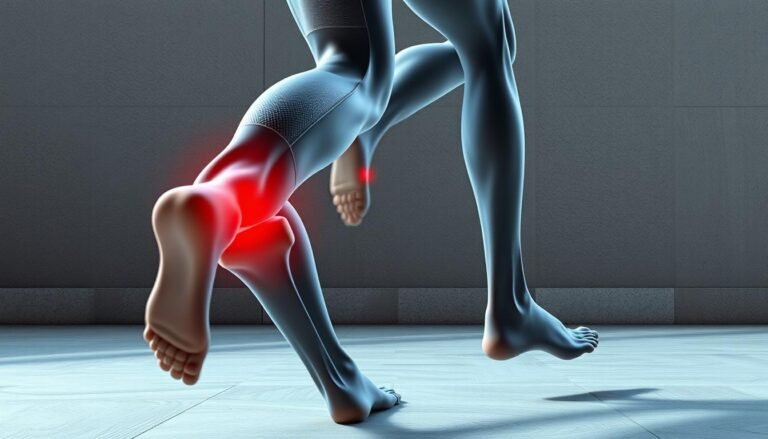
Knee Pain Explained: Causes, Relief And Prevention
Did you know that knee pain affects approximately 25% of adults at some point in their lives? Whether you’re a young athlete, an active adult, or an elderly individual, knee pain can significantly impact your daily life. Understanding the causes, symptoms, and treatment options for knee pain is crucial for finding relief and restoring your mobility.
In this comprehensive guide, we will dive into the world of knee pain, exploring its various causes, and providing you with effective strategies for prevention and management. From common injuries to medical conditions, we’ll uncover the factors that contribute to knee pain. We’ll also share expert tips on seeking medical help and finding relief through treatments, exercises, and remedies.
Whether you’re dealing with occasional knee discomfort or chronic pain, we’ve got you covered. Let’s embark on this journey to understand knee pain better and discover practical solutions for a healthier and more active life!
Common Causes and Risk Factors of Knee Pain
Knee pain can be caused by various factors and understanding the common causes and risk factors can help in its prevention and management. Here are some key factors that contribute to knee pain:
- Injuries: Injuries such as ACL tears, torn meniscus, fractures, and knee bursitis can lead to knee pain. These injuries can occur due to sports activities, accidents, or overuse of the knee joint.
- Medical Conditions: Several medical conditions can cause knee pain, including:
- Osteoarthritis, a degenerative joint disease that affects the cartilage in the knee.
- Rheumatoid arthritis, an autoimmune disease that causes inflammation and pain in the knee joint.
- Gout, a form of arthritis caused by the buildup of uric acid crystals in the joint.
- Pseudogout, a similar condition to gout, but caused by calcium pyrophosphate crystals.
- Mechanical Problems: Mechanical issues in the knee joint can also contribute to knee pain. These include:
- Loose bodies, which are fragments of broken cartilage or bone that float in the joint space.
- Iliotibial band syndrome, a common overuse injury that causes pain on the outer side of the knee.
- Dislocated kneecap, where the patella (kneecap) slips out of its normal position.
- Foot or hip pain, which can alter the biomechanics of the knee joint and cause pain.
- Risk Factors: Certain risk factors increase the likelihood of developing knee problems, including:
- Excess weight, as it puts additional strain on the knee joint.
- Lack of muscle flexibility or strength, which can affect the stability and support of the knee.
- Participation in certain sports or occupations that involve repetitive knee movements, pivoting motions, or kneeling.
- Previous knee injuries, which can weaken the knee joint and increase the risk of future problems.
By understanding these causes and risk factors, we can take steps to prevent knee pain and maintain optimal knee health. Taking preventative measures such as maintaining a healthy weight, exercising regularly, using proper techniques during physical activities, and ensuring muscle strength and flexibility can help reduce the risk of knee pain and keep our knees strong and pain-free.
Common Causes and Risk Factors of Knee Pain
| Causes | Risk Factors |
|---|---|
| Injuries | Excess weight |
| Medical Conditions | Lack of muscle flexibility or strength |
| Mechanical Problems | Participation in certain sports or occupations |
| Previous knee injuries |
Managing Knee Pain and Seeking Medical Help
When it comes to knee pain, effective management and timely medical intervention are crucial. There are various strategies you can employ to alleviate knee pain and find relief. One of the initial steps is self-care, which involves rest and the application of PRICE (Protection, Rest, Ice, Compression, Elevation) principles. These measures can help reduce pain and swelling, promoting the healing process.
In addition to self-care, over-the-counter pain medications like nonsteroidal anti-inflammatory drugs (NSAIDs) can provide relief from pain and reduce inflammation. It is important to follow the recommended dosage and consult a healthcare professional if you have any underlying medical conditions or concerns.
Physical therapy is another effective approach for managing knee pain. A qualified physical therapist can design a tailored exercise program to improve joint mobility, strengthen muscles, and enhance overall knee function. Knee braces can also provide additional support and stability, reducing discomfort and helping with pain management.
While many cases of knee pain can be effectively managed with self-care measures and conservative treatments, there are instances where surgical intervention may be necessary. If you experience severe knee pain, are unable to bear weight on your knee, notice visible deformity or swelling, or have accompanying symptoms like fever or redness, it is imperative to seek medical help promptly. A healthcare professional can accurately diagnose the underlying cause of your knee pain and recommend appropriate treatment options, including surgical interventions if required.
FAQ
What causes knee pain?
Knee pain can be caused by various factors, including injuries, medical conditions, and mechanical problems. Some common causes of knee pain include ruptured ligaments, torn cartilage, arthritis, gout, infections, and mechanical issues like loose bodies or iliotibial band syndrome.
What are the symptoms of knee pain?
Symptoms of knee pain can vary, but they may include swelling, stiffness, redness, weakness, and instability.
When should I see a doctor for knee pain?
It is important to see a doctor if you experience severe knee pain, inability to bear weight on your knee, marked swelling, or any obvious deformity.
How is knee pain treated?
Treatment options for knee pain can range from self-care measures and physical therapy to surgical repair in some cases.
How can I prevent knee pain?
To prevent knee pain, it is important to maintain a healthy weight, stay active, practice proper exercise techniques, and ensure muscle strength and flexibility.
What are some self-care measures for knee pain relief?
Self-care measures like rest, ice, compression, and elevation (PRICE) can help reduce pain and swelling.
Can over-the-counter medications help with knee pain?
Over-the-counter pain medications like nonsteroidal anti-inflammatory drugs (NSAIDs) can be used for pain and inflammation relief.
How can physical therapy and knee braces help manage knee pain?
Physical therapy and knee braces can provide additional support and aid in pain management.
When is surgery needed for knee pain?
In some cases, surgical interventions may be necessary to repair the knee. Your doctor can assess your condition and determine if surgery is the right option for you.
What should I do if I have severe knee pain?
If you experience severe knee pain, are unable to bear weight on your knee, have visible deformity or swelling, or have accompanying symptoms like fever or redness, it is important to seek medical help promptly.
Source Links
- https://www.webmd.com/pain-management/knee-pain/knee-pain-overview
- https://medlineplus.gov/ency/article/003187.htm
- https://www.mayoclinic.org/diseases-conditions/knee-pain/symptoms-causes/syc-20350849