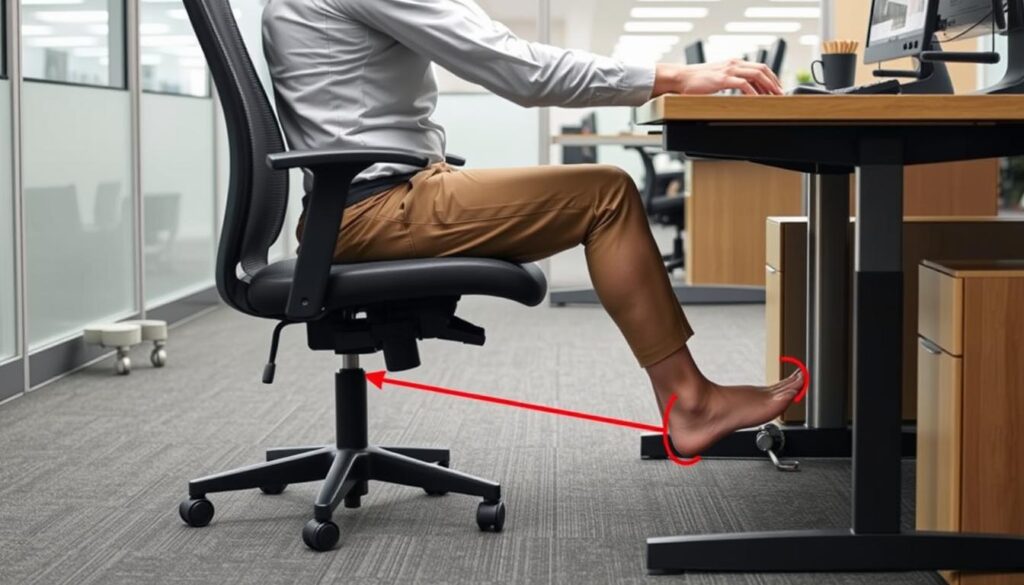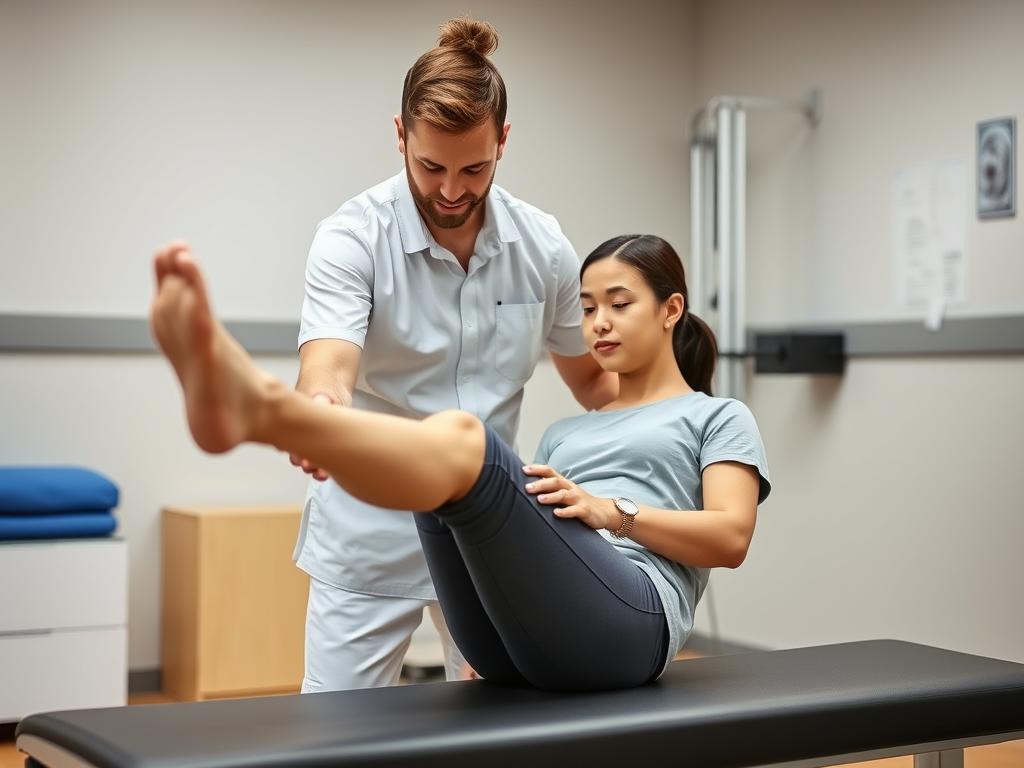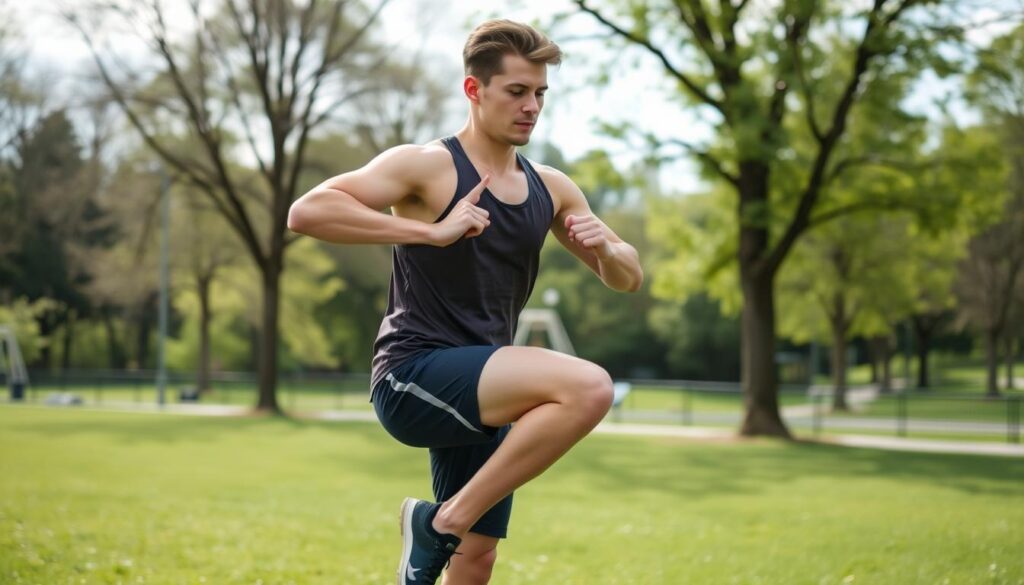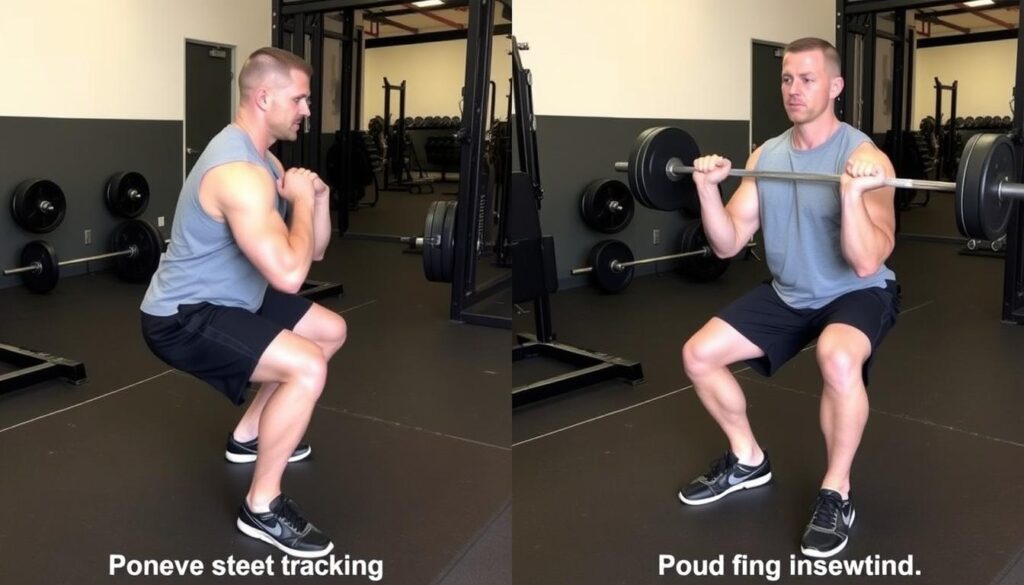
Author: Mokhtar

  • knee exercises for seniors

    knee exercises for seniors

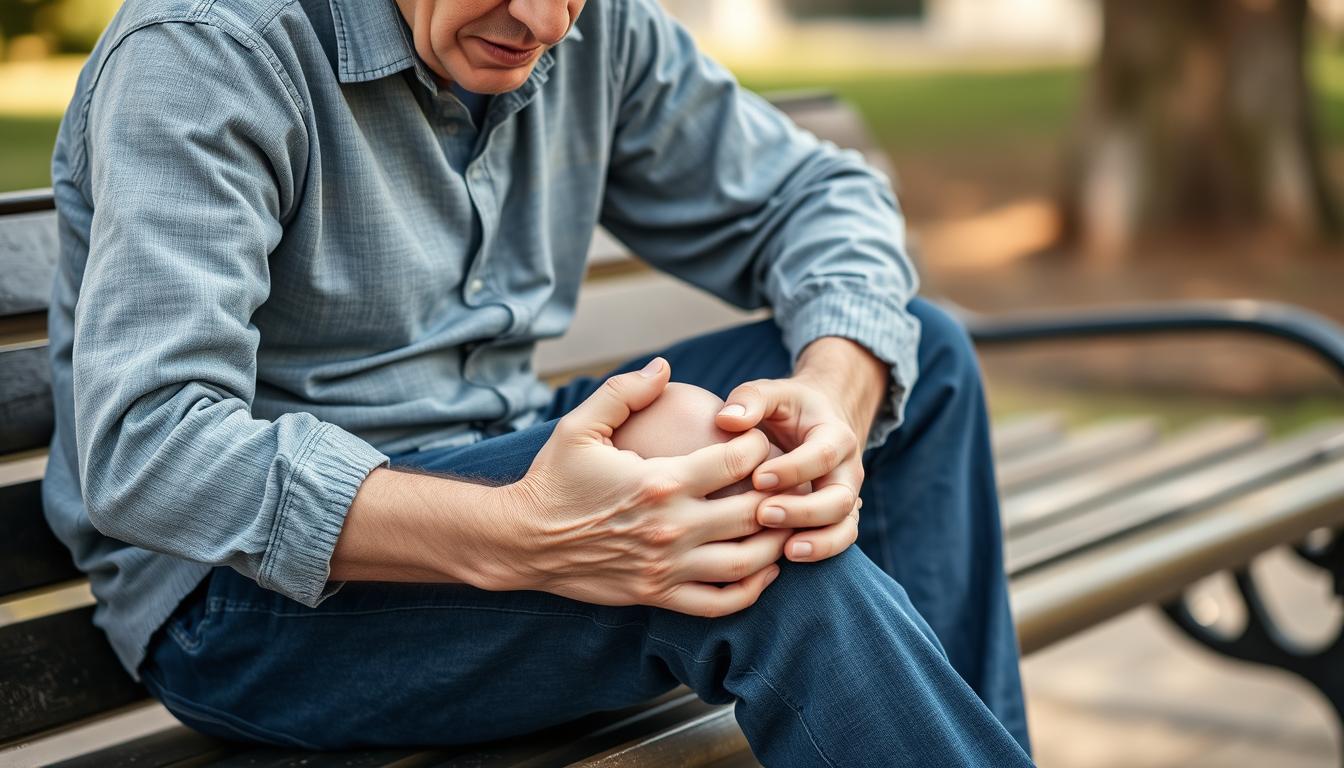
    What if the key to staying active in your golden years isn’t about pushing harder—but moving smarter? For many older adults, joint discomfort creates a frustrating barrier to fitness. We’ve discovered that strategic, low-impact routines often deliver better results than traditional workouts, especially for improving mobility.

    Research from experts like Karen Blum at AARP highlights how tailored movement plans reduce strain while building strength. Take Nancy Volkers, who transformed her daily routine by blending yoga with light cardio. Her story proves that small adjustments can lead to lasting comfort and flexibility.

    This guide focuses on sustainable methods backed by physical therapists. You’ll learn how to strengthen supporting muscles, protect cartilage, and avoid common mistakes. Whether you’re gardening or climbing stairs, the right approach makes every motion smoother.

    Key Takeaways

    • Low-impact workouts minimize stress while improving joint health.
    • Combining strength, flexibility, and balance activities yields the best results.
    • Personalized routines adapt to individual needs and fitness levels.
    • Expert guidance reduces injury risks and enhances progress.
    • Consistency matters more than intensity for long-term benefits.

    Understanding Knee Pain and Its Causes

    Joint discomfort often stems from multiple factors working together. Orthopedic surgeon Dr. Bruce Stewart notes that muscle weakness and poor alignment create a domino effect, stressing vulnerable areas over time. Let’s explore why this happens—and how to break the cycle.

    leg joint health

    Common Causes and Contributing Factors

    Injuries from falls or repetitive motions frequently trigger initial discomfort. Osteoarthritis—a natural wearing down of cartilage—affects 1 in 3 adults over 60. Physical therapist Kari Orlandi explains: “Improper joint position during daily tasks accelerates wear. Think of movement as lubrication—motion is lotion.”

    Weak leg muscles fail to absorb shock effectively. This forces joints to compensate, leading to stiffness. Simple fixes like adjusting posture while standing or sitting can redistribute pressure.

    Impact of Aging on Joint Health

    Muscle mass declines by 3-8% per decade after 30, reducing support for joints. Cartilage also thins naturally, making bones more susceptible to friction. Regular walking maintains circulation, which delivers nutrients to these tissues.

    Maintaining proper alignment during activities like climbing stairs protects vulnerable areas. As Dr. Stewart emphasizes: “Strong muscles act like shock absorbers—they’re your first line of defense.” Targeted routines that address root causes offer the most sustainable relief.

    Effective Knee Exercises for Seniors

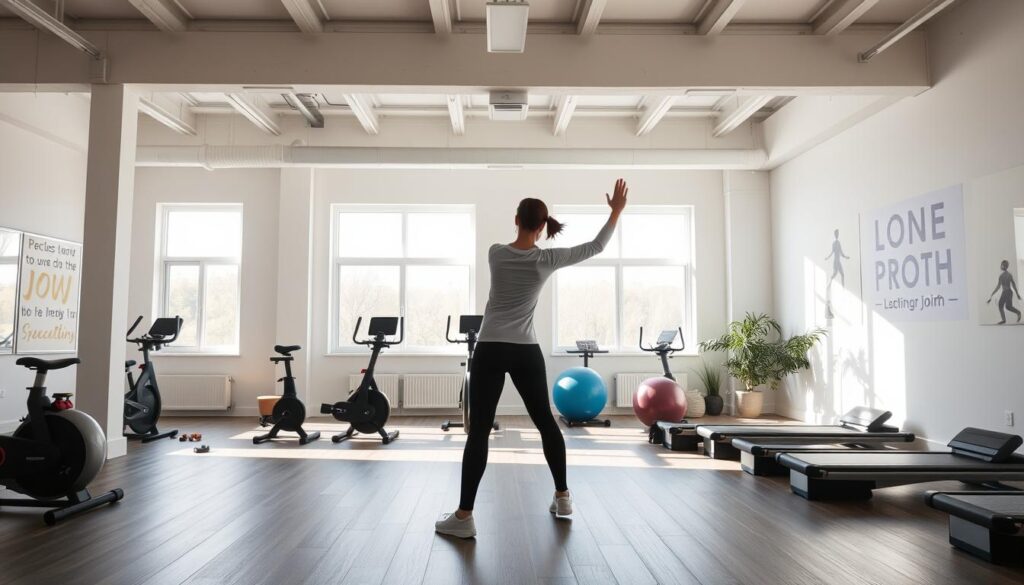
    Maintaining joint health requires smart movement strategies that prioritize safety and adaptability. We’ve designed routines focusing on three pillars: strength-building, flexibility enhancement, and injury prevention. These methods work together to create a balanced approach for daily comfort.

    senior home leg exercises

    Strengthening and Stability Routines

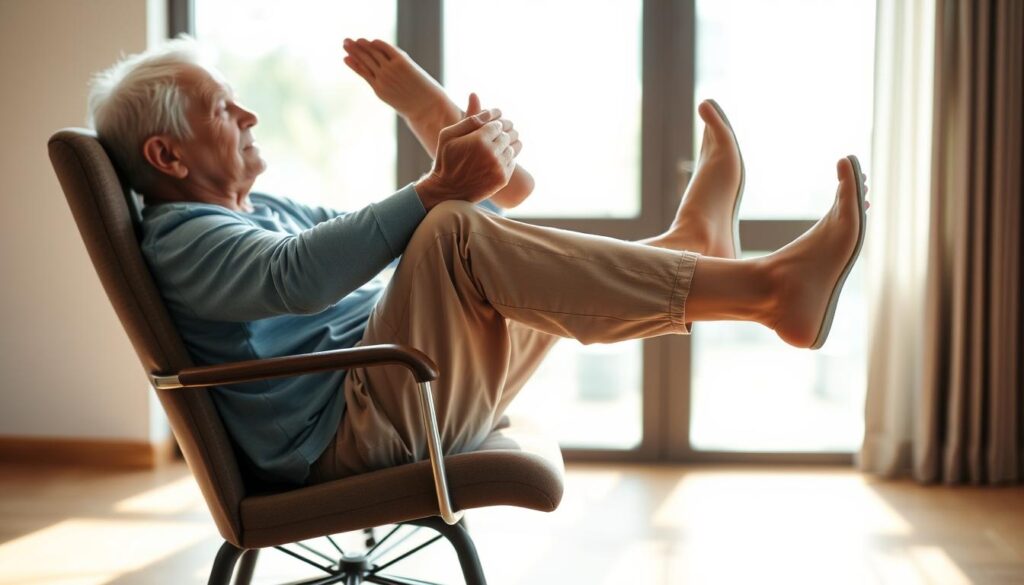
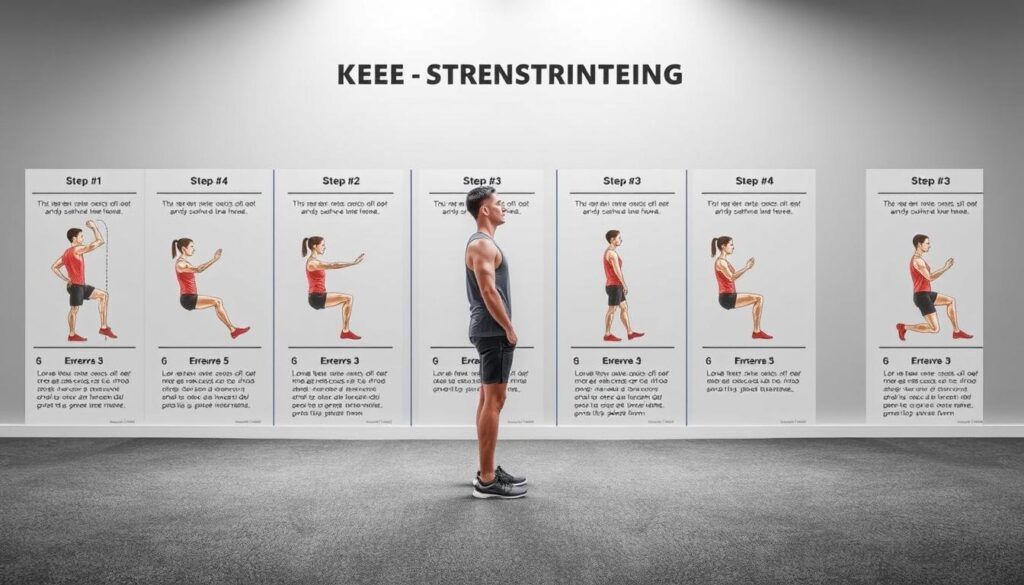
    Building leg muscles reduces strain on joints by distributing weight more evenly. The quad set is ideal for beginners: Sit with legs extended, tighten thigh muscles for 5 seconds, then relax. Repeat 10 times. For added support, use a sturdy chair during seated squats—lower halfway, hold 3 seconds, then rise slowly.
    Flexibility and Range-of-Motion Movements

    Gentle motion maintains joint lubrication and prevents stiffness. Try heel slides: Lie on your back, slide one heel toward hips until a mild stretch occurs. Hold 8 seconds, then return to start. Pair with ankle pumps (pointing toes up/down) to improve circulation.
    Home-Based Modifications and Safety Tips

    Always position furniture or walls within reach for balance support. Reduce injury risks by avoiding sudden twists and locking joints. Physical therapist Lori Zucker advises: “Focus on controlled movements rather than speed. Quality trumps quantity every time.” Incorporate these routines into daily life—practice while watching TV or waiting for coffee to brew.

    Consistent, low-impact activity strengthens legs while managing body weight naturally. This lifestyle adjustment not only supports joints but enhances overall life quality through pain-free movement.

    Incorporating a Balanced Knee Health Routine

    Building lasting joint health requires more than isolated movements—it demands a holistic strategy. Research from Hinge Health shows that blending different activity types improves stability and reduces discomfort better than single-focus approaches. Dr. Caleb Wolters notes: “Variety prevents overuse injuries while addressing multiple aspects of mobility.”

    Integrating Cardio, Resistance, and Balance Workouts

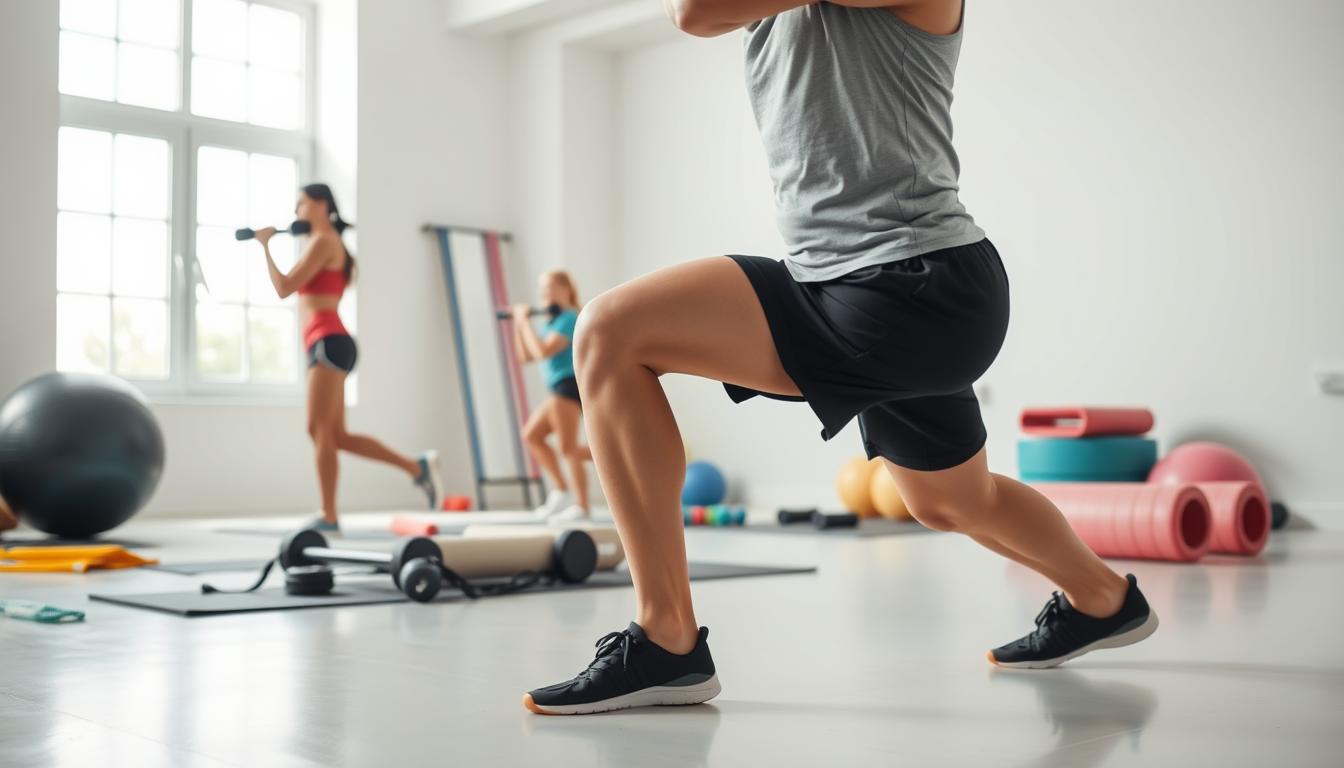
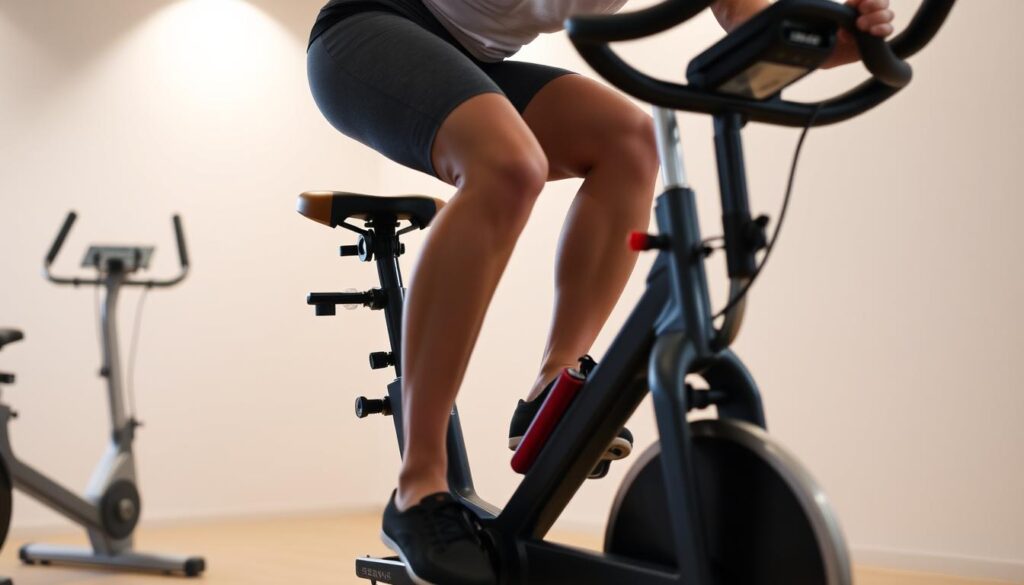
    Low-impact cardio like seated marching boosts circulation without strain. Pair this with resistance bands or bodyweight moves—such as wall-assisted squats—to strengthen muscles around joints. A sturdy back chair or wall provides stability during side leg lifts or single-leg stands.

    Balance drills matter too. Try shifting weight from heels to toes while holding a counter’s edge. These small challenges build coordination, reducing fall risks. For step-by-step guidance, explore our guide on safe movement patterns tailored for older adults.

    Lifestyle Adjustments to Minimize Knee Pain

    Daily habits amplify exercise benefits. Anti-inflammatory foods like berries and fatty fish support tissue repair. Staying hydrated keeps cartilage supple—aim for 6-8 glasses daily.

    Modify home setups to reduce joint stress. Place frequently used items at waist height to avoid excessive bending. When sitting, use a firm cushion to maintain proper alignment. As Dr. Wolters advises: “Consistency in these tweaks creates compounding benefits over time.”

    Real-Life Success Stories and Expert Advice

    Transformative results often emerge when professional guidance meets lived experience. We’ve gathered insights from therapists and older adults who’ve reshaped their mobility journeys through simple, sustainable strategies.

    Physical Therapy Insights and Expert Recommendations

    Physical therapist Kari Orlandi stresses proper form: “Keeping knees bent at safe angles during movements protects joints while building strength.” Her clients use chairs for support during seated marches, maintaining 30-degree bends to reduce strain.

    Focus Area Expert Tip Community Tip
    Proper Form Align hips over ankles during squats Use mirrors to check posture
    Consistency 3x weekly 15-minute sessions Pair exercises with daily habits
    Progression Add resistance bands gradually Track improvements in a journal

    Community Experiences and Practical Tips

    Margaret, 68, regained stair-climbing ability through seated leg extensions. “Starting with knees bent at 90 degrees made all the difference,” she shares. AARP contributors echo this—short daily sessions often outperform intense workouts.

    Hinge Health members highlight lifestyle tweaks: placing exercise bands near reading chairs or doing heel slides during TV ads. Dr. Bruce Stewart notes: “Strong muscles don’t just support joints—they unlock fuller participation in life.” These small wins collectively elevate quality of life.

    Conclusion

    Maintaining mobility as we age hinges on smart choices that prioritize joint care. Strengthening muscles around knee joints and managing body weight transforms daily comfort. Research from Hinge Health shows consistent movement habits reduce arthritis symptoms while boosting balance and strength.

    Proper form ensures safety. Always begin from a secure starting position and slowly lower into movements to protect vulnerable areas. This approach builds resilience without strain.

    Our program offers exercise help tailored to aging bodies, focusing on progress over intensity. Small adjustments—like using chairs for support—make routines accessible yet effective.

    Regular activity preserves independence and enhances well-being. By integrating these strategies, you’ll invest in long-term joint health and a more vibrant lifestyle.

    FAQ

    What causes joint discomfort as we age?

    Over time, cartilage naturally wears down, reducing cushioning between bones. Conditions like arthritis, reduced muscle strength, and past injuries can also contribute. Maintaining mobility through gentle activity helps slow this process.

    How can we strengthen muscles around joints safely?

    Low-impact routines like seated leg lifts, wall sits, or resistance band workouts build stability without straining sensitive areas. Focus on controlled motions and proper form to avoid overloading the body.

    Are home-based workouts effective for improving flexibility?

    Yes! Chair yoga, calf stretches, and slow heel slides can enhance range of motion. Always use stable surfaces like a countertop or sturdy chair for balance support during movements.

    Can daily habits reduce strain on our lower body?

    Simple adjustments like wearing supportive footwear, avoiding prolonged sitting, and managing body weight ease pressure. Incorporating short walks or swimming also promotes circulation and joint lubrication.

    Why include balance training in a fitness plan?

    Activities like standing on one leg or tai chi improve coordination, preventing falls. Stronger stabilizing muscles help distribute weight evenly, reducing wear on vulnerable areas.

    How does physical therapy support long-term joint health?

    Experts design personalized programs to address stiffness, weakness, or alignment issues. Techniques like manual therapy or guided strengthening restore function while minimizing re-injury risks.

  • Nanotechnology Steroids NSAIDs Safety: Revolutionizing Drug Delivery for Chronic Conditions

    Nanotechnology Steroids NSAIDs Safety: Revolutionizing Drug Delivery for Chronic Conditions

    For millions of patients with chronic inflammatory conditions, long-term use of steroids and nonsteroidal anti-inflammatory drugs (NSAIDs) presents a significant dilemma. While these medications effectively manage symptoms, their extended use often leads to serious side effects that can sometimes outweigh their benefits. Nanotechnology has emerged as a promising solution to this challenge, offering innovative approaches to drug delivery that could fundamentally transform how we manage chronic inflammation.

    Recent advances in pharmaceutical nanotechnology are creating pathways to safer, more targeted treatments that maintain therapeutic efficacy while minimizing systemic exposure. This article explores how nanoscale drug delivery systems are being engineered to improve the safety profiles of steroids and NSAIDs, potentially revolutionizing treatment options for patients with arthritis, autoimmune disorders, and chronic pain conditions.

    Current Risks of Long-Term Steroid and NSAID Use

    Traditional delivery methods for steroids and NSAIDs present significant challenges for patients requiring ongoing treatment. These medications, while effective at controlling inflammation, come with substantial risks when used chronically.

    Systemic Side Effects of Traditional Steroids

    Corticosteroids, commonly prescribed for autoimmune conditions and severe inflammatory disorders, can cause widespread effects throughout the body. Long-term use often leads to bone density loss, increased susceptibility to infections, metabolic disturbances, and adrenal suppression. Patients may develop cushingoid features, hypertension, and glucose intolerance, significantly impacting quality of life.

    Dr. Elena Mikhailov, rheumatologist at Northwestern University Medical Center, explains: “The therapeutic window for steroids is quite narrow. We’re constantly balancing inflammation control against potentially serious side effects. Many patients eventually develop complications that force us to discontinue treatment, even when the medication is effectively managing their primary condition.”

    NSAID-Related Complications

    NSAIDs present their own set of challenges with extended use. Gastrointestinal complications, including ulceration and bleeding, affect up to 25% of chronic NSAID users. Cardiovascular risks increase with duration of use, particularly in older patients and those with pre-existing conditions. Renal function can also become compromised, leading to fluid retention and potentially permanent kidney damage.

    Benefits of Traditional NSAIDs/Steroids

    • Effective inflammation control
    • Well-established clinical protocols
    • Relatively low cost
    • Widely available
    • Predictable pharmacokinetics

    Risks of Long-Term Use

    • Gastrointestinal bleeding and ulceration
    • Increased cardiovascular events
    • Renal function impairment
    • Bone density loss (steroids)
    • Metabolic disturbances
    • Immunosuppression (steroids)

    These limitations have driven the search for alternative delivery systems that can maintain therapeutic efficacy while reducing systemic exposure and associated risks. Nanotechnology offers promising approaches to address these challenges through targeted, controlled release of medications.

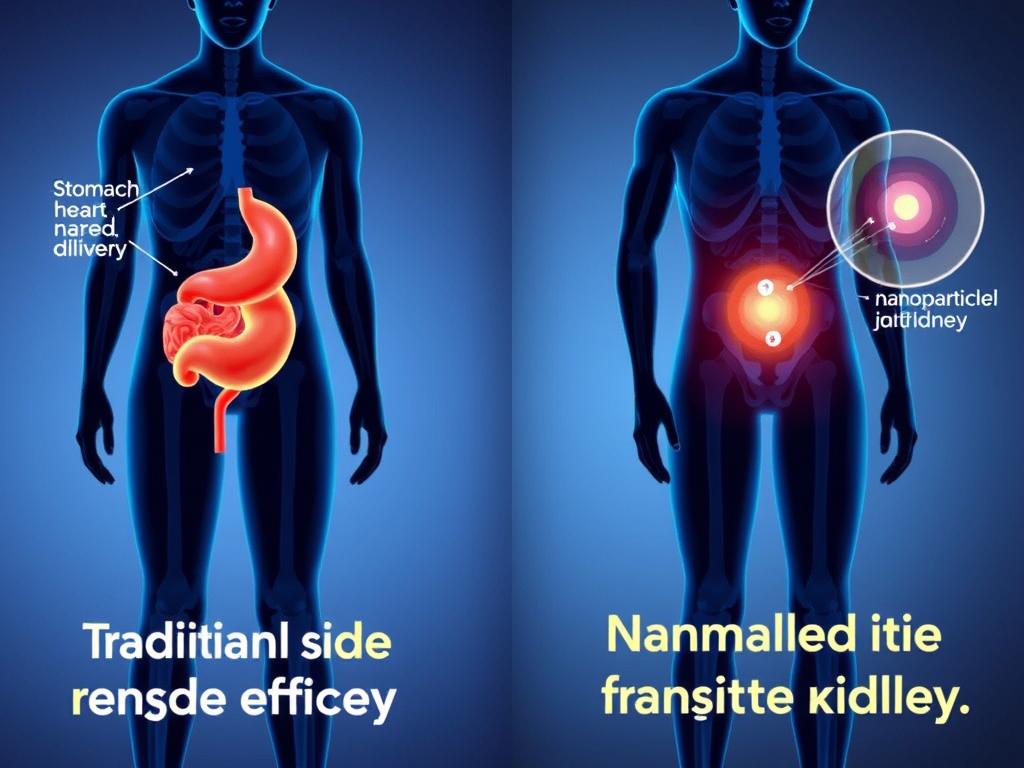
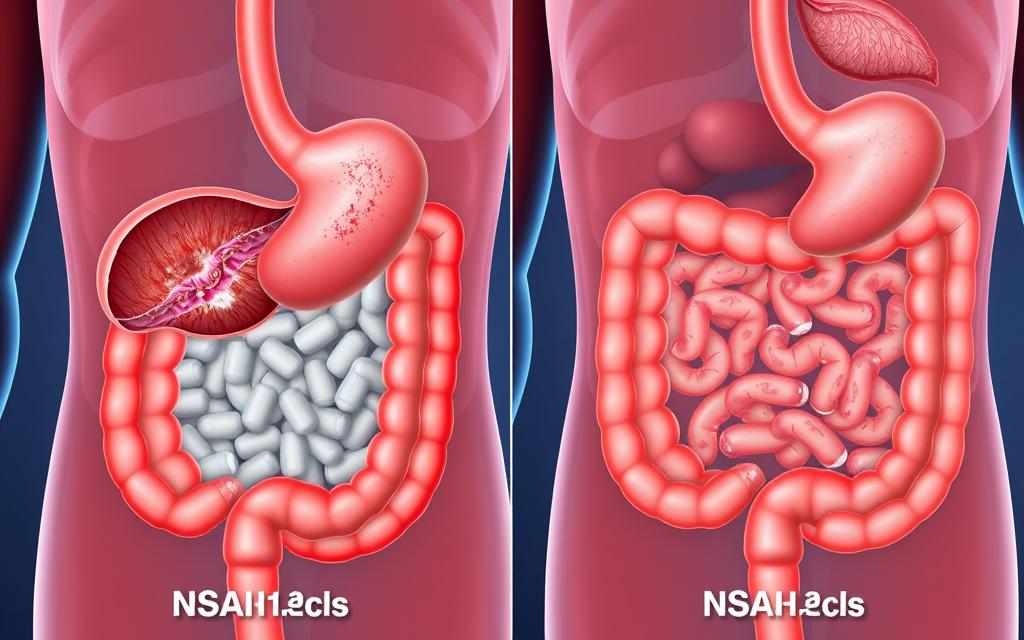
    Comparison of traditional NSAID side effects versus nanotechnology-based delivery

    Fundamentals of Nanotechnology in Drug Delivery

    Nanotechnology in pharmaceutical applications involves engineering structures and systems at the nanoscale (typically 1-100 nanometers) to enhance drug delivery. These tiny carriers can fundamentally change how medications interact with the body, offering unprecedented control over pharmacokinetics and biodistribution.

    Key Principles of Nanopharmaceuticals

    Nanocarriers leverage unique physical properties that emerge at the nanoscale. Their high surface-area-to-volume ratio allows for efficient drug loading, while their size enables them to penetrate biological barriers that larger particles cannot. Most importantly, they can be engineered with specific surface properties to control their interaction with biological systems.

    “The revolutionary aspect of nanocarriers is their versatility,” notes Dr. James Chen, Professor of Nanomedicine at MIT. “We can design these systems to respond to specific biological triggers, releasing their payload only under predetermined conditions. This level of control was simply not possible with conventional formulations.”

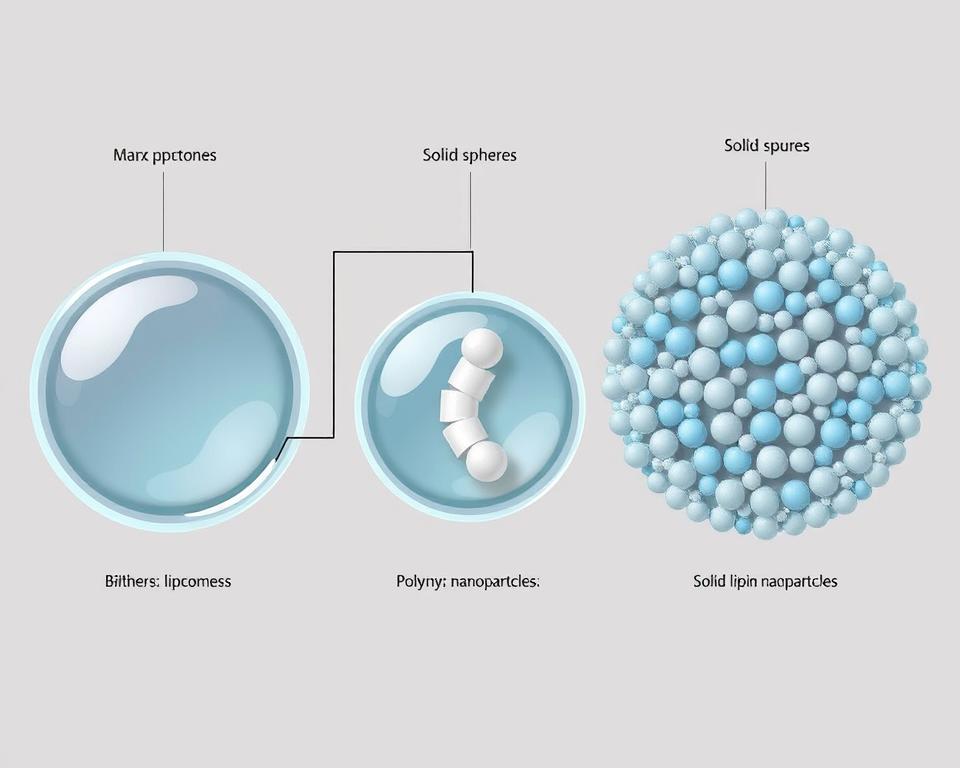
    Common Nanocarrier Types for Anti-Inflammatory Drugs

    Liposomes

    Spherical vesicles composed of phospholipid bilayers that can encapsulate both hydrophilic and hydrophobic drugs. Their structure mimics cell membranes, enhancing biocompatibility and reducing immunogenicity.

    Polymeric Nanoparticles

    Biodegradable polymer-based carriers that provide sustained drug release through matrix degradation. Their composition can be tailored to control release kinetics and target specific tissues.

    Solid Lipid Nanoparticles

    Lipid-based carriers with solid cores that enhance stability of encapsulated drugs. They offer excellent biocompatibility and can significantly improve drug solubility and bioavailability.

    These nanocarriers can be further functionalized with targeting ligands that recognize specific cell types or tissues, enabling precise delivery to sites of inflammation while minimizing exposure to healthy tissues. This targeted approach represents a paradigm shift in how we administer anti-inflammatory medications.

    Want to learn more about nanocarrier technologies?

    Download our comprehensive guide to pharmaceutical nanotechnology applications and discover how these innovations are transforming drug delivery.

    Download Free Guide

    Different types of nanocarriers used for drug delivery of steroids and NSAIDs

    Nano-Engineered Solutions for Safer Steroid Delivery

    Steroids present particular challenges for long-term use due to their potent systemic effects. Nanotechnology approaches offer promising solutions by enabling targeted delivery and controlled release, potentially transforming how these medications are administered for chronic conditions.

    Liposomal Steroid Formulations

    Liposomal encapsulation represents one of the most advanced approaches for steroid delivery. These phospholipid vesicles can encapsulate steroid molecules within their aqueous core or lipid bilayer, depending on the drug’s properties. The resulting formulations demonstrate remarkable improvements in pharmacokinetics.

    A landmark study by Avanti Biosciences demonstrated that liposomal dexamethasone maintained therapeutic concentrations in inflamed joints for up to 72 hours, compared to just 4-6 hours with conventional formulations. This extended residence time allowed for 80% dose reduction while maintaining equivalent anti-inflammatory effects.

    Nanocarrier Type Steroid Example Key Advantages Clinical Status
    Liposomes Dexamethasone Extended joint residence time, reduced systemic exposure Phase II trials
    PLGA Nanoparticles Prednisolone Sustained release over 2 weeks, biodegradable Preclinical
    Solid Lipid Nanoparticles Betamethasone Enhanced stability, improved skin penetration Phase I trials

    Case Study: NanoCore Betamethasone for Rheumatoid Arthritis

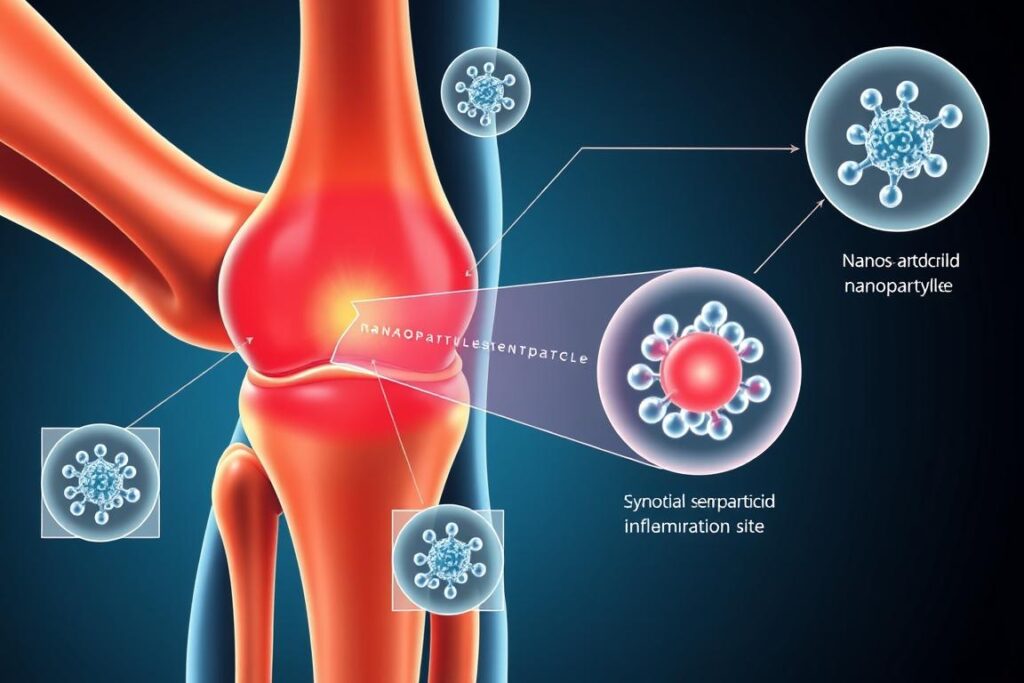
    NanoCore Pharmaceuticals has developed a polymeric nanoparticle formulation of betamethasone that demonstrates remarkable targeting efficiency for inflamed synovial tissue. In preclinical models, these nanoparticles accumulated in arthritic joints at concentrations 8-fold higher than in healthy joints, leveraging the enhanced permeability and retention (EPR) effect characteristic of inflamed tissues.

    “What’s particularly exciting about this approach is the potential to completely reshape the side effect profile,” explains Dr. Sarah Johnson, lead researcher on the NanoCore project. “In our animal models, we’ve observed virtually no evidence of systemic steroid exposure, even after repeated administration. Blood glucose levels remained stable, and there was no evidence of bone density loss or immune suppression.”

    This targeted approach could potentially allow patients to receive effective steroid therapy without the debilitating side effects that often force discontinuation of treatment. Phase I clinical trials are currently underway, with preliminary results expected by early next year.

    Nano-engineered steroid delivery system targeting inflamed joint tissue

    Nano-Formulations for NSAIDs: Enhancing Safety and Efficacy

    NSAIDs represent one of the most widely used classes of anti-inflammatory medications, but their long-term use is limited by gastrointestinal, cardiovascular, and renal toxicity. Nano-formulations offer innovative approaches to mitigate these risks while maintaining or even enhancing therapeutic efficacy.

    Solid Lipid Nanoparticles for NSAID Delivery

    Solid lipid nanoparticles (SLNs) and nanostructured lipid carriers (NLCs) have shown particular promise for NSAID delivery. These carriers consist of biocompatible lipids that form solid matrices at body temperature, providing excellent stability and controlled release properties.

    A groundbreaking study published in Scientific Reports demonstrated that naproxen-loaded NLCs administered directly to the temporomandibular joint in rats maintained therapeutic effects for over a week, compared to just hours with conventional formulations. The researchers observed “significant reduction in leukocyte migration and levels of pro-inflammatory cytokines (IL-1β and TNF-α)” throughout this extended period.

    “The toxicity of nonsteroidal anti-inflammatory drugs is one of the major limitations to their long-term use in the treatment of chronic inflammatory conditions. Nanomedicine products can reduce toxicity and enhance the efficacy of certain encapsulated therapeutics.”

    Journal of Pharmaceutical Sciences

    Case Study: Polymeric Ibuprofen Nanoparticles

    Researchers at the University of Michigan have developed PLGA (poly(lactic-co-glycolic acid)) nanoparticles encapsulating ibuprofen that demonstrate remarkable improvements in the drug’s safety profile. These biodegradable nanoparticles provide sustained release over 72 hours, maintaining therapeutic concentrations while significantly reducing peak plasma levels associated with side effects.

    In animal models, these formulations showed 70% reduction in gastric ulceration compared to standard ibuprofen at equivalent doses. More remarkably, markers of renal stress remained at baseline levels, suggesting potential elimination of kidney-related complications.

    Cyclodextrin Complexes for Enhanced Bioavailability

    Another innovative approach involves cyclodextrin inclusion complexes, which can enhance the solubility and bioavailability of poorly water-soluble NSAIDs. These ring-shaped oligosaccharides form host-guest complexes with drug molecules, protecting them from degradation and improving their pharmacokinetic properties.

    Researchers at Pharma Nano Inc. have developed β-cyclodextrin complexes with diclofenac that demonstrate 3-fold higher bioavailability compared to conventional formulations. This enhanced efficiency allows for significant dose reduction while maintaining therapeutic efficacy, directly addressing the dose-dependent toxicity that limits traditional NSAID use.

    Nano-formulated NSAIDs showing reduced gastrointestinal side effects compared to traditional formulations

    Safety Improvements Demonstrated in Clinical and Preclinical Studies

    The theoretical advantages of nano-formulated anti-inflammatory drugs are increasingly being validated through rigorous scientific investigation. Both animal studies and early human trials demonstrate significant improvements in safety profiles while maintaining or enhancing therapeutic efficacy.

    Reduced Gastrointestinal Toxicity

    Gastrointestinal complications represent one of the most common and serious side effects of traditional NSAIDs. Multiple studies have demonstrated that nano-encapsulation can dramatically reduce these risks through several mechanisms:

    • Physical protection of gastric mucosa from direct drug contact
    • Bypass of upper GI absorption in favor of lymphatic uptake
    • Targeted delivery to inflamed tissues, reducing required doses
    • Modified release profiles that avoid concentration spikes

    A comparative study in the Journal of Controlled Release demonstrated that rats receiving nano-encapsulated indomethacin showed 85% less gastric ulceration than those receiving standard formulations at equivalent doses. Histological examination revealed intact mucosal architecture in the nano-treatment group, while conventional treatment caused significant epithelial disruption.

    Cardiovascular and Renal Safety Improvements

    The cardiovascular and renal risks associated with long-term NSAID use represent serious concerns, particularly in elderly patients. Nano-formulations show promise in mitigating these risks through more favorable pharmacokinetic profiles.

    Dr. Robert Langer of MIT explains: “By controlling the release kinetics and tissue distribution of these drugs, we can potentially eliminate the sustained COX-2 inhibition that contributes to cardiovascular risk, while maintaining effective tissue concentrations at inflammatory sites.”

    A preclinical study with celecoxib-loaded polymeric nanoparticles demonstrated preservation of renal function in a 30-day administration protocol, while conventional celecoxib caused significant increases in serum creatinine and blood urea nitrogen, indicating kidney stress.

    Case Study: NanoNSAID Clinical Trial Results

    One of the most promising clinical validations comes from a Phase II trial of NanoNSAID, a proprietary naproxen formulation using lipid nanocarriers. This 12-week study in patients with osteoarthritis compared the nano-formulation against standard naproxen and placebo.

    78%
    Reduction in GI Events

    Gastric Ulceration

    82%

    Dyspepsia

    75%

    Renal Function Markers

    68%

    Pain Relief Efficacy

    95%

    The results showed comparable pain relief between nano-formulated and standard naproxen, but the nano-formulation demonstrated a 78% reduction in gastrointestinal adverse events. Endoscopic evaluation revealed significantly less mucosal damage in the nano-treatment group, and markers of renal function remained stable throughout the treatment period.

    Clinical trial results showing safety improvements with nano-formulated anti-inflammatory drugs

    Remaining Challenges in Nano-Pharmaceutical Development

    Despite the promising advances in nano-formulated anti-inflammatory drugs, several significant challenges must be addressed before these technologies can achieve widespread clinical adoption. These hurdles span scientific, regulatory, and manufacturing domains.

    Potential Nanotoxicity Concerns

    While nanocarriers are designed to reduce drug toxicity, the carriers themselves may introduce new safety considerations. The unique properties that make nanomaterials effective delivery vehicles can also lead to unexpected biological interactions.

    “We’re still developing our understanding of how these materials interact with biological systems over extended periods,” cautions Dr. Maria Rodriguez, toxicologist at the FDA’s Center for Drug Evaluation and Research. “Particularly for chronic conditions requiring long-term treatment, we need comprehensive data on the fate of these nanocarriers after they deliver their payload.”

    Key concerns include potential accumulation in tissues, interaction with the immune system, and long-term biodegradation pathways. These issues are being actively investigated through advanced imaging techniques and biomarker studies.

    Manufacturing and Scale-Up Challenges

    Transitioning from laboratory-scale production to commercial manufacturing represents a significant hurdle for many nano-pharmaceutical technologies. The precise control required to maintain consistent particle size, drug loading, and surface properties becomes increasingly challenging at larger scales.

    Industry experts estimate that manufacturing costs for nano-formulated drugs currently run 3-5 times higher than conventional formulations, though this gap is expected to narrow as technologies mature and economies of scale develop.

    Regulatory Pathways and Approval Processes

    Regulatory agencies worldwide are still developing frameworks to evaluate the safety and efficacy of nanomedicines. The complex nature of these formulations often requires specialized testing protocols beyond those used for conventional drugs.

    Key Regulatory Considerations for Nanopharmaceuticals:

    • Physicochemical characterization requirements
    • Specialized pharmacokinetic and biodistribution studies
    • Immunogenicity and hypersensitivity assessments
    • Long-term stability under various storage conditions
    • Manufacturing consistency and quality control metrics

    The FDA has established the Nanotechnology Task Force to address these challenges, while the European Medicines Agency has published reflection papers on nanomedicine development. These initiatives aim to create clear pathways for bringing these innovative therapies to patients while ensuring appropriate safety standards.

    Regulatory and manufacturing challenges in nano-pharmaceutical development

    Future Outlook for Nano-Pharmaceuticals in Chronic Pain Management

    The field of nano-pharmaceuticals for anti-inflammatory applications stands at an exciting inflection point. With several formulations in advanced clinical trials and growing investment from major pharmaceutical companies, we are likely approaching a new era in how chronic inflammatory conditions are treated.

    Emerging Technologies and Next-Generation Approaches

    Beyond the current generation of nanocarriers, several cutting-edge technologies are showing promise for even more sophisticated drug delivery:

    Stimuli-Responsive Nanocarriers

    These “smart” delivery systems release their payload only in response to specific triggers such as pH changes, enzyme activity, or externally applied stimuli like ultrasound or magnetic fields. This approach could enable unprecedented precision in drug delivery, activating only at sites of active inflammation.

    Biomimetic Nanoparticles

    By coating nanoparticles with cell membranes derived from natural cells (such as red blood cells or leukocytes), researchers are creating delivery systems that can evade immune clearance and target specific tissues with remarkable precision. These “cloaked” nanoparticles demonstrate significantly longer circulation times and enhanced targeting efficiency.

    Combination Nanotherapeutics

    Next-generation formulations are exploring co-delivery of multiple therapeutic agents within a single nanocarrier. For example, combining an NSAID with an antioxidant or tissue-regenerative factor could simultaneously address inflammation while promoting healing of damaged tissues.

    mRNA and Gene Therapy Approaches

    Building on recent advances in mRNA delivery, researchers are exploring nanomedicine approaches to temporarily modulate the expression of inflammatory mediators at their source, potentially offering more fundamental control of inflammatory processes than conventional drugs.

    Timeline for Clinical Implementation

    Industry analysts project that the first wave of nano-formulated anti-inflammatory drugs will receive regulatory approval within the next 2-3 years, with several products currently in Phase III trials. These initial offerings will likely focus on well-established drugs reformulated with nanocarrier technology, leveraging the 505(b)(2) regulatory pathway in the US for expedited approval.

    More innovative approaches incorporating targeting ligands or stimuli-responsive features are expected to reach the market in the 5-7 year timeframe, while truly disruptive technologies like mRNA-based anti-inflammatory approaches may require 8-10 years for full clinical implementation.

    Will nano-formulated anti-inflammatory drugs be more expensive than conventional medications?

    Initially, these advanced formulations will likely command premium pricing due to higher manufacturing costs and development investments. However, their improved safety profiles may reduce overall healthcare costs by preventing complications and reducing hospitalization rates. As manufacturing scales and patents expire, more affordable options should become available.

    How will patients receive these nano-formulated medications?

    Administration routes will vary by formulation. Some will be available as oral preparations with enhanced bioavailability, while others may require less frequent injections directly into affected joints. Transdermal and topical nano-formulations are also in development for localized treatment of accessible inflammation sites.

    Will these technologies completely replace conventional anti-inflammatory drugs?

    Rather than complete replacement, we’re likely to see stratified treatment approaches. Conventional formulations may remain appropriate for acute, short-term use, while nano-formulations become the standard of care for chronic conditions requiring long-term management where safety profiles are particularly important.

    Future outlook for nanotechnology applications in chronic pain management

    Stay Informed About Nanomedicine Advances

    Subscribe to our quarterly research digest to receive updates on the latest developments in nano-pharmaceutical technologies for chronic inflammatory conditions.

    Subscribe to Research Updates

    Practical Implications for Patients with Chronic Inflammatory Conditions

    The emergence of nano-formulated anti-inflammatory medications holds particular significance for patients living with chronic conditions such as rheumatoid arthritis, ankylosing spondylitis, inflammatory bowel disease, and other autoimmune disorders. These innovations could fundamentally change treatment approaches and quality of life outcomes.

    Potential Benefits for Arthritis Patients

    For the millions of patients with osteoarthritis and rheumatoid arthritis, nano-formulated medications offer several potential advantages:

    • Reduced need for systemic steroids, minimizing metabolic and bone density complications
    • Lower effective doses of NSAIDs, decreasing gastrointestinal and cardiovascular risks
    • Less frequent administration, improving treatment adherence and quality of life
    • Potential for earlier intervention with safer medications, possibly slowing disease progression
    • Combination with disease-modifying agents in targeted delivery systems

    Janet Miller, a 58-year-old rheumatoid arthritis patient participating in a clinical trial of nano-formulated methotrexate, shares her experience: “After years of stomach problems with traditional medications, this new approach has been transformative. I’m getting the same relief without the constant worry about what the medication is doing to my stomach and liver.”

    Implications for Chronic Pain Management

    Beyond specific inflammatory conditions, nano-formulated medications could reshape approaches to chronic pain management more broadly. With growing concerns about opioid dependence, safer anti-inflammatory options could provide alternative pathways for long-term pain control.

    Dr. William Thompson, pain management specialist at Cleveland Clinic, notes: “One of our greatest challenges is providing effective long-term pain relief without creating new health problems. Nano-formulated anti-inflammatories could help bridge this gap, particularly for patients with inflammatory components to their pain who currently rely on opioids because they can’t tolerate traditional NSAIDs.”

    Patient Education and Shared Decision Making

    As these new technologies enter clinical practice, patient education will be essential. Understanding the differences between conventional and nano-formulated medications—including potential benefits, limitations, and appropriate expectations—will be crucial for informed decision-making.

    Healthcare providers will need resources to explain these complex technologies in accessible terms, while patients may benefit from support groups and educational materials specific to nanomedicine approaches for their conditions.

    Patient discussing nano-formulated medication options with healthcare provider

    Conclusion: A New Horizon in Anti-Inflammatory Treatment

    Nanotechnology applications in steroid and NSAID delivery represent one of the most promising frontiers in pharmaceutical science. By fundamentally reimagining how these medications interact with the body, researchers are creating pathways to overcome the limitations that have long constrained their use in chronic conditions.

    The evidence from preclinical studies and early clinical trials suggests that these approaches can significantly improve safety profiles while maintaining or enhancing therapeutic efficacy. For patients who have struggled with the side effects of conventional anti-inflammatory medications, these innovations offer new hope for effective symptom management without the same risk of complications.

    While challenges remain in manufacturing, regulation, and long-term safety assessment, the trajectory of development suggests that nano-formulated anti-inflammatory medications will become increasingly available in clinical practice over the coming years. As these technologies mature, they promise to expand treatment options and improve outcomes for millions of patients worldwide.

    The convergence of nanotechnology and pharmaceutical science demonstrates how interdisciplinary approaches can address longstanding medical challenges. By continuing to invest in these innovative technologies and carefully evaluating their performance in clinical settings, we can work toward a future where chronic inflammatory conditions can be effectively managed without compromising patient safety.

    Download Our Comprehensive Guide

    Get our detailed report on nanotechnology applications in anti-inflammatory drug delivery, including case studies, comparison charts, and future developments.

    Download Free Guide

    Future of nanotechnology in safer steroid and NSAID delivery for chronic conditions

  • Best Shoes for Knee Pain: How Footwear Impacts Joint Health

    Best Shoes for Knee Pain: How Footwear Impacts Joint Health

    If you’ve ever experienced the sharp twinge of knee pain after a long walk or the persistent ache that makes climbing stairs a challenge, you know how debilitating joint discomfort can be. What many people don’t realize is that the shoes on your feet can significantly impact the stress placed on your knees. The right footwear acts like a sophisticated shock absorption system for your entire body, potentially reducing knee pain by up to 30% according to recent biomechanical studies.

    In this comprehensive guide, we’ll explore the critical connection between your shoes and knee health, identify the key features to look for when shopping, and recommend the best shoes for knee pain across various categories. Whether you’re dealing with osteoarthritis, runner’s knee, or general joint discomfort, finding the proper footwear could be your first step toward significant relief.

    The right footwear can significantly reduce knee pain and improve mobility.

    The Connection Between Footwear and Knee Pain

    Your knees experience forces equal to 1.5 times your body weight when walking and up to 4-5 times your body weight when running or jumping. Proper footwear works as a buffer between these forces and your joints, potentially reducing stress on your knees by 15-30% according to research published in the Journal of Biomechanics.

    How Shoes Affect Your Biomechanics

    Every step you take creates a chain reaction through your body. When your foot strikes the ground, the impact travels upward through your ankles, knees, hips, and spine. Shoes with proper cushioning, arch support, and stability features can help:

    • Absorb shock that would otherwise travel to your knees
    • Promote proper alignment of your feet, ankles, and legs
    • Distribute pressure evenly across your foot
    • Reduce excessive pronation or supination (inward or outward rolling of the foot)
    • Provide stability that reduces lateral knee stress
    Diagram showing how impact forces travel through the leg

    Common Shoe-Related Issues That Worsen Knee Pain

    • Worn-out cushioning: Shoes lose 30-50% of their shock-absorbing ability after 300-500 miles of use
    • Improper arch support: Can lead to overpronation or supination, creating misalignment that stresses the knees
    • Excessive heel-to-toe drop: High drops (>10mm) can increase pressure on the patellofemoral joint by up to 15%
    • Inadequate stability: Allows excessive foot movement that can translate to knee strain
    • Poor fit: Too tight or too loose shoes alter your natural gait, creating compensatory movements
    Comparison of worn-out vs. new shoe cushioning

    Worn-out shoes (left) provide significantly less cushioning than new shoes (right).

    Ready to Find Relief?

    Don’t let knee pain limit your mobility. The right shoes can make a significant difference in your comfort and joint health.

    Explore Top-Rated Shoes

    Key Features to Look for in Shoes for Knee Pain

    Cushioning

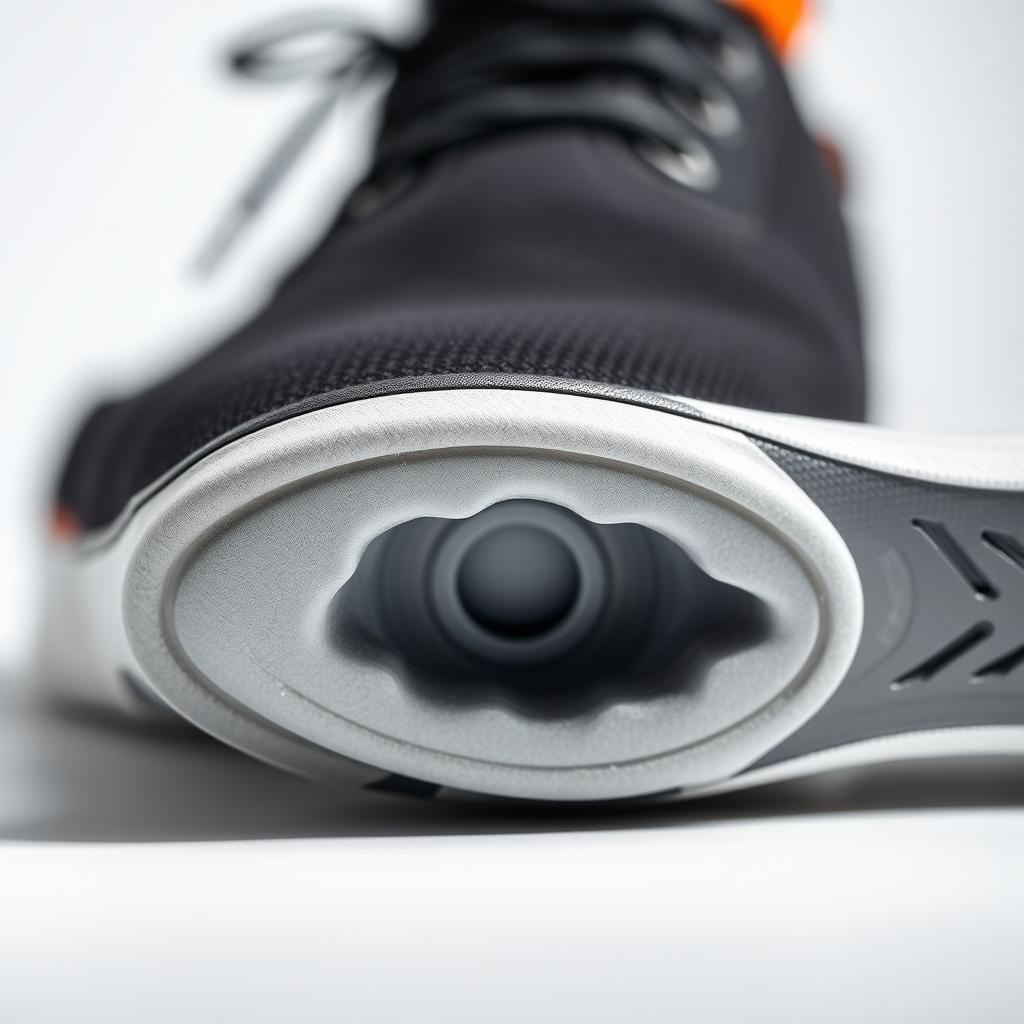
    Close-up of shoe cushioning technology

    Adequate cushioning absorbs impact forces that would otherwise travel to your knees. Look for EVA foam, polyurethane, or proprietary cushioning technologies like Hoka’s compression-molded EVA or Brooks’ DNA LOFT.

    Arch Support

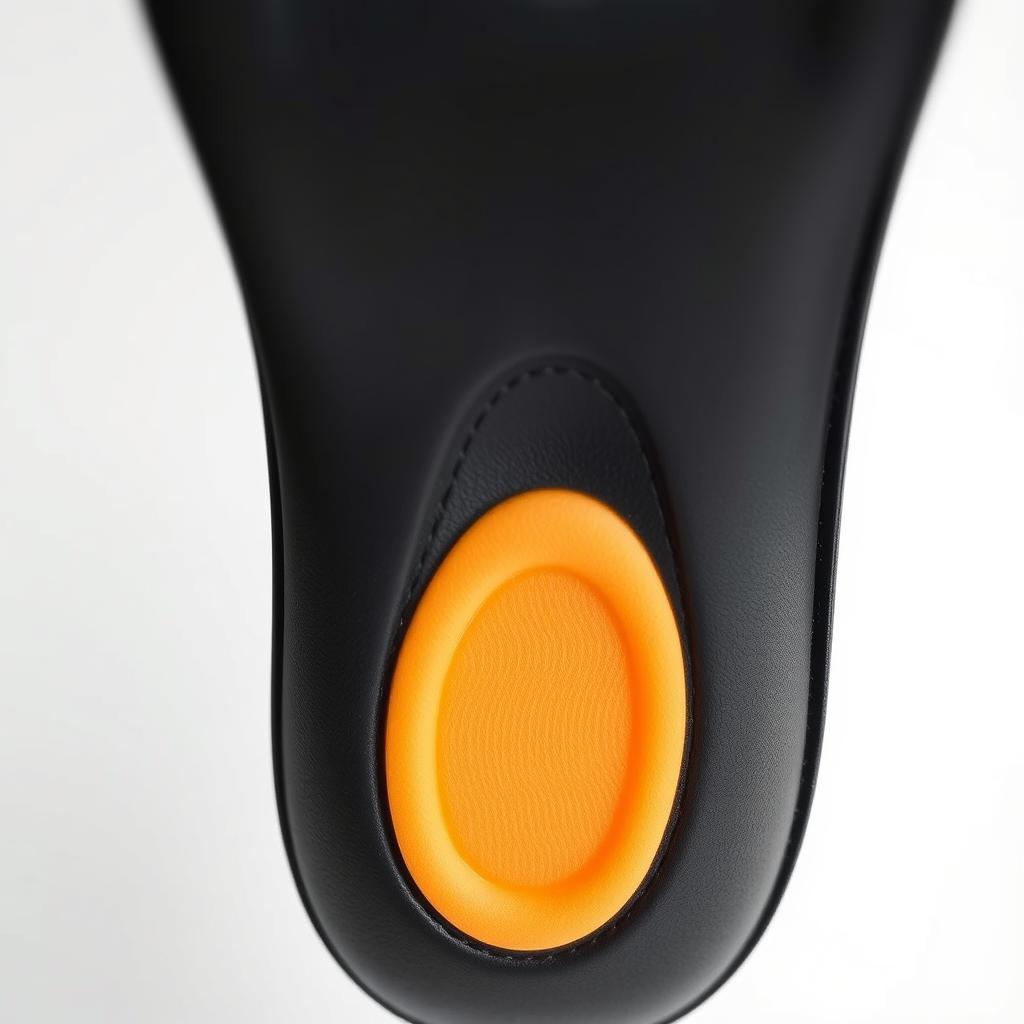
    Shoe insole showing arch support contour

    Proper arch support maintains correct foot alignment and prevents excessive pronation or supination. The support should match your arch type (high, neutral, or flat).

    Stability Features

    Stability features in athletic shoe design

    Stability features like medial posts, guide rails, or structured heel counters help control excessive foot motion that can stress the knees.

    Understanding Heel-to-Toe Drop

    Heel-to-toe drop refers to the height difference between the heel and forefoot of a shoe. Research suggests that a lower drop (0-8mm) may reduce knee stress for many people by promoting a more natural gait pattern and midfoot strike.

    • High drop (8-12mm): Traditional design, may increase knee stress for some
    • Medium drop (4-8mm): Good balance for most people with knee pain
    • Low drop (0-4mm): May reduce knee stress but requires adaptation period

    Note: If you’re used to high-drop shoes, transition gradually to lower drops to avoid calf strain or Achilles tendon issues.

    Illustration of different heel-to-toe drop measurements

    Different heel-to-toe drop measurements and their impact on gait.

    Outsole Design and Flexibility

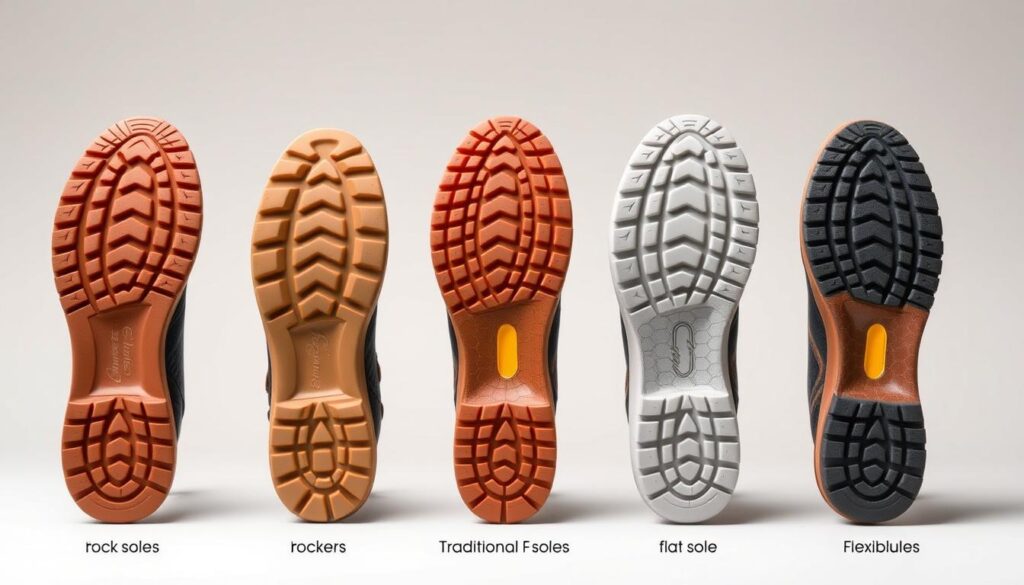
    The outsole (bottom of the shoe) should provide adequate traction while allowing natural foot movement. A rocker sole design can reduce knee stress by promoting smoother transitions from heel to toe. The shoe should flex primarily at the ball of the foot, not in the middle.

    Different outsole designs for knee pain relief

    Different outsole designs can significantly impact knee stress during walking and running.

    8 Best Shoes for Knee Pain in 2025

    After consulting with orthopedic specialists, podiatrists, and analyzing feedback from thousands of users with knee pain, we’ve identified the top shoes across different categories that provide exceptional joint relief.

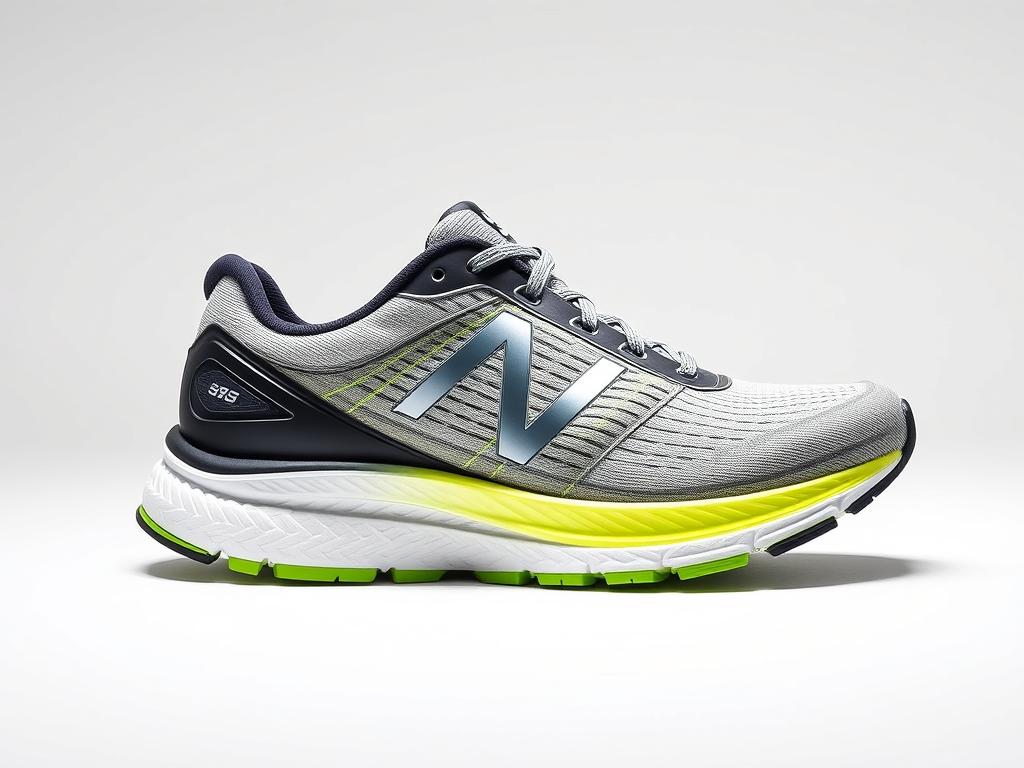
    1. New Balance Fresh Foam X 1080v14

    Best Overall
    New Balance Fresh Foam X 1080v14 running shoes
    4.8
    Excellent
    Cushioning
    4.8/5
    Stability
    4.5/5
    Durability
    4.7/5

    Key Features:

    • Fresh Foam X midsole provides exceptional cushioning
    • 6mm heel-to-toe drop balances comfort and natural gait
    • Engineered knit upper offers breathable support
    • Ultra-plush footbed with targeted pressure relief
    • Available in multiple widths for proper fit

    Pros

    • Superior impact absorption
    • Excellent for long walks and daily use
    • Wide toe box prevents pressure points
    • APMA (American Podiatric Medical Association) approved

    Cons

    • Premium price point
    • May feel too plush for some users
    • Slightly heavier than minimalist options

    Best for: All-day comfort, walking, light running, and people with moderate to severe knee pain who need maximum cushioning.

    User feedback: “After years of knee pain from osteoarthritis, these shoes have been life-changing. I can now walk for 30+ minutes without pain.” – Margaret T., verified purchaser

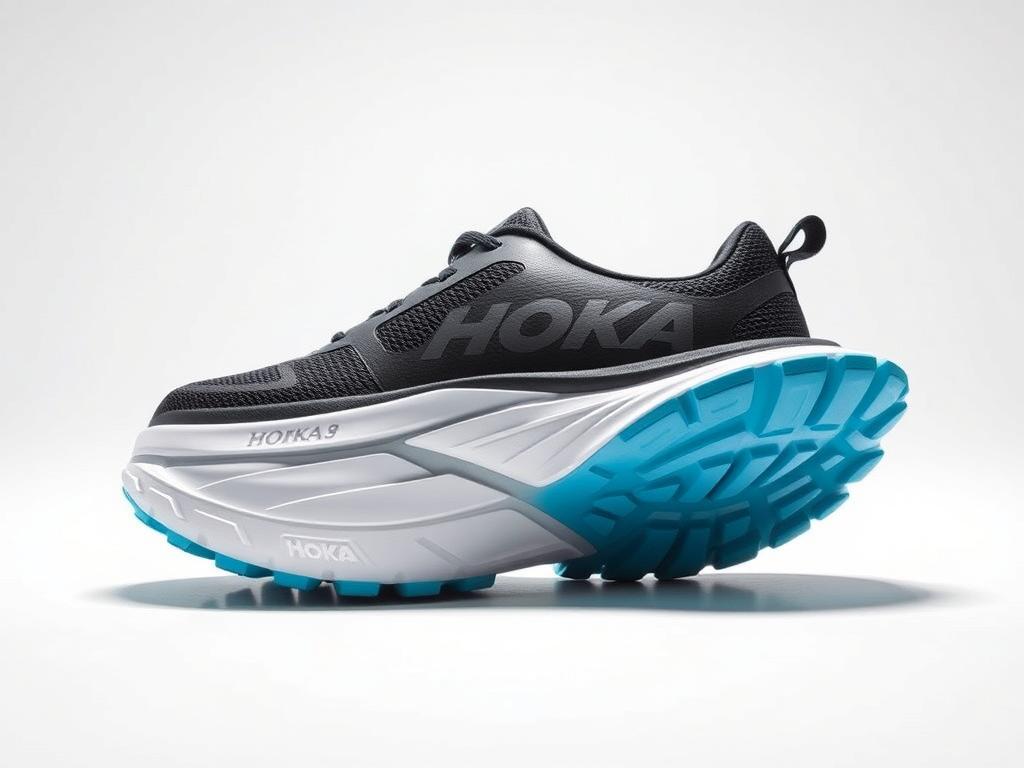
    2. Hoka Bondi 9

    Best Maximum Cushioning
    Hoka Bondi 9 maximum cushioning shoes
    4.7
    Excellent
    Cushioning
    4.9/5
    Stability
    4.4/5
    Durability
    4.5/5

    Key Features:

    • Maximum cushioning with 31mm stack height
    • Low 4mm heel-to-toe drop reduces knee stress
    • Memory foam collar for secure heel fit
    • Meta-Rocker technology promotes natural gait cycle
    • Breathable engineered mesh upper

    Pros

    • Exceptional shock absorption
    • Promotes midfoot strike that reduces knee impact
    • Wide platform for stability
    • APMA Seal of Acceptance

    Cons

    • Bulky appearance
    • May feel unstable for some users
    • Higher price point

    Best for: Maximum cushioning needs, severe knee pain, long walks, and standing for extended periods.

    User feedback: “These shoes have been a godsend for my arthritic knees. The cushioning is incredible, and I can now walk without wincing in pain.” – James R., verified purchaser

    3. Brooks Adrenaline GTS 24

    Best Stability
    Brooks Adrenaline GTS 24 stability running shoes
    4.6
    Excellent
    Cushioning
    4.5/5
    Stability
    4.8/5
    Durability
    4.6/5

    Key Features:

    • GuideRails® holistic support system limits excess movement
    • DNA LOFT cushioning provides soft feel without sacrificing durability
    • Engineered mesh upper with 3D Fit Print for structure
    • 12mm heel-to-toe drop supports heel strikers
    • Available in multiple widths (narrow to extra-wide)

    Pros

    • Excellent motion control for overpronators
    • Prevents knee rotation during stride
    • Durable construction lasts 400-500 miles
    • Accommodates custom orthotics

    Cons

    • Higher heel drop may not suit all knee conditions
    • Slightly firmer feel than max-cushioned options
    • Heavier than some alternatives

    Best for: Overpronators, runners and walkers who need stability, and those with knee pain related to alignment issues.

    User feedback: “The stability features in these shoes have dramatically reduced my knee pain. The GuideRails system keeps my feet from rolling inward, which has made all the difference.” – Robert M., verified purchaser

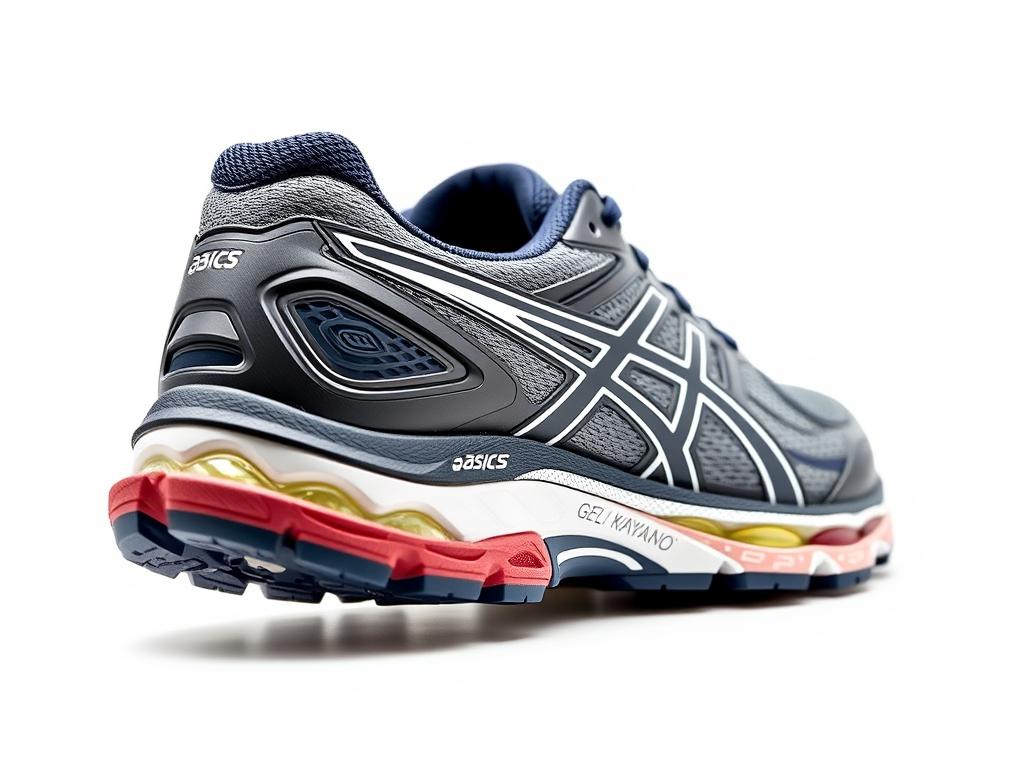
    4. Asics Gel-Kayano 31

    Best for Running
    Asics Gel-Kayano 31 running shoes
    4.7
    Excellent
    Cushioning
    4.6/5
    Stability
    4.7/5
    Durability
    4.7/5

    Key Features:

    • GEL® technology cushioning in forefoot and rearfoot
    • Dynamic DuoMax® Support System enhances stability
    • FlyteFoam® Propel technology for enhanced bounce
    • AHAR® (Asics High Abrasion Rubber) outsole for durability
    • Gender-specific 3D SPACE CONSTRUCTION™ addresses different pressure patterns

    Pros

    • Superior impact absorption for runners
    • Excellent stability for overpronators
    • Responsive cushioning maintains energy return
    • Durable construction for high mileage

    Cons

    • Premium price point
    • Heavier than some running shoes
    • May feel too structured for some users

    Best for: Runners with knee pain, especially those who overpronate, and athletes who need a balance of cushioning and stability.

    User feedback: “As a runner with patellofemoral pain syndrome, these shoes have allowed me to continue training without pain. The gel cushioning and stability features work together perfectly.” – Sarah K., verified purchaser

    5. Skechers Max Cushioning Elite

    Best Budget Option
    Skechers Max Cushioning Elite shoes
    4.5
    Very Good
    Cushioning
    4.7/5
    Stability
    4.2/5
    Durability
    4.3/5

    Key Features:

    • ULTRA GO® cushioning provides exceptional comfort
    • Air-Cooled Goga Mat™ insole for added cushioning
    • Lightweight, responsive design
    • 6mm heel-to-toe drop balances comfort and natural gait
    • Breathable athletic mesh upper

    Pros

    • Excellent value for the price
    • Plush cushioning rivals premium brands
    • Lightweight despite maximum cushioning
    • Roomy toe box prevents pressure points

    Cons

    • Less stability than some options
    • May not be as durable as premium models
    • Limited color options

    Best for: Budget-conscious shoppers who need maximum cushioning for knee pain relief during walking and daily activities.

    User feedback: “I was skeptical about a less expensive shoe helping my knee arthritis, but these have been amazing. The cushioning is comparable to shoes twice the price.” – Thomas L., verified purchaser

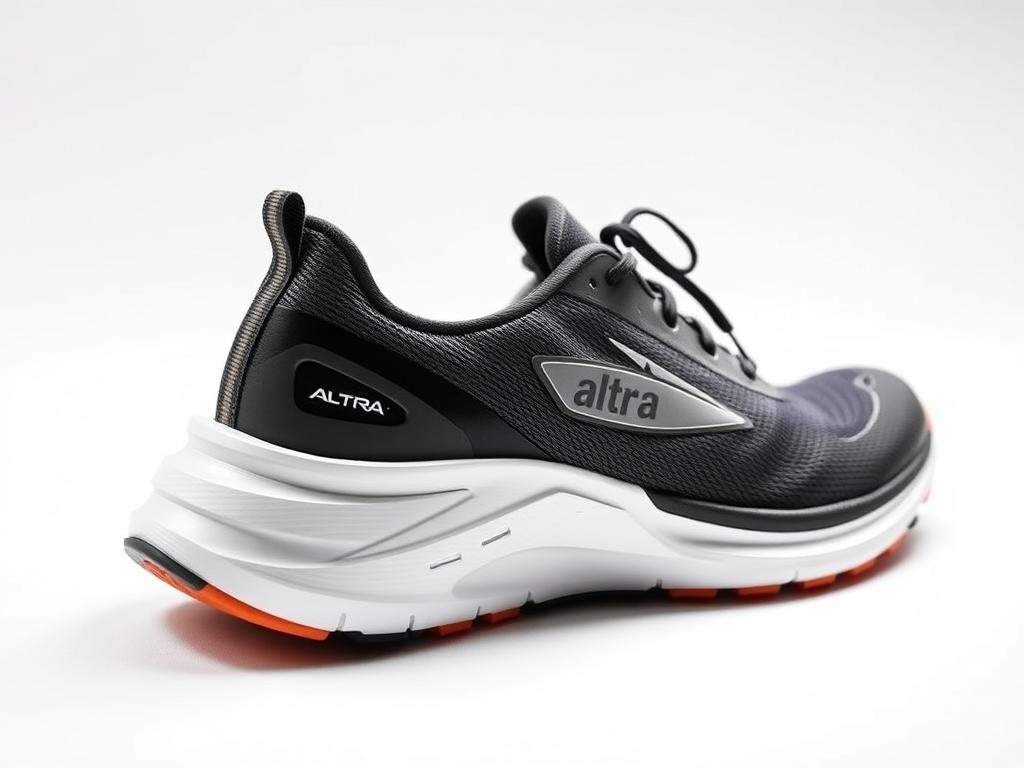
    6. Altra Provision 8

    Best Zero-Drop
    Altra Provision 8 zero-drop running shoes
    4.4
    Very Good
    Cushioning
    4.3/5
    Stability
    4.5/5
    Durability
    4.4/5

    Key Features:

    • Zero-drop platform (equal heel and forefoot height)
    • FootShape™ toe box allows natural toe splay
    • Innovative Guide Rail system for stability
    • Balanced cushioning (28mm stack height)
    • InnovArch™ technology connects to the laces for customized fit

    Pros

    • Promotes natural foot position and midfoot strike
    • Wide toe box reduces pressure points
    • Good balance of cushioning and ground feel
    • Excellent for forefoot and midfoot strikers

    Cons

    • Requires adaptation period for those used to higher drops
    • May increase calf strain initially
    • Not ideal for severe overpronators

    Best for: Those seeking a more natural running or walking experience who want to strengthen foot muscles while reducing knee stress.

    User feedback: “After transitioning slowly to these zero-drop shoes, my knee pain has decreased significantly. The natural foot position has improved my overall alignment.” – Michelle T., verified purchaser

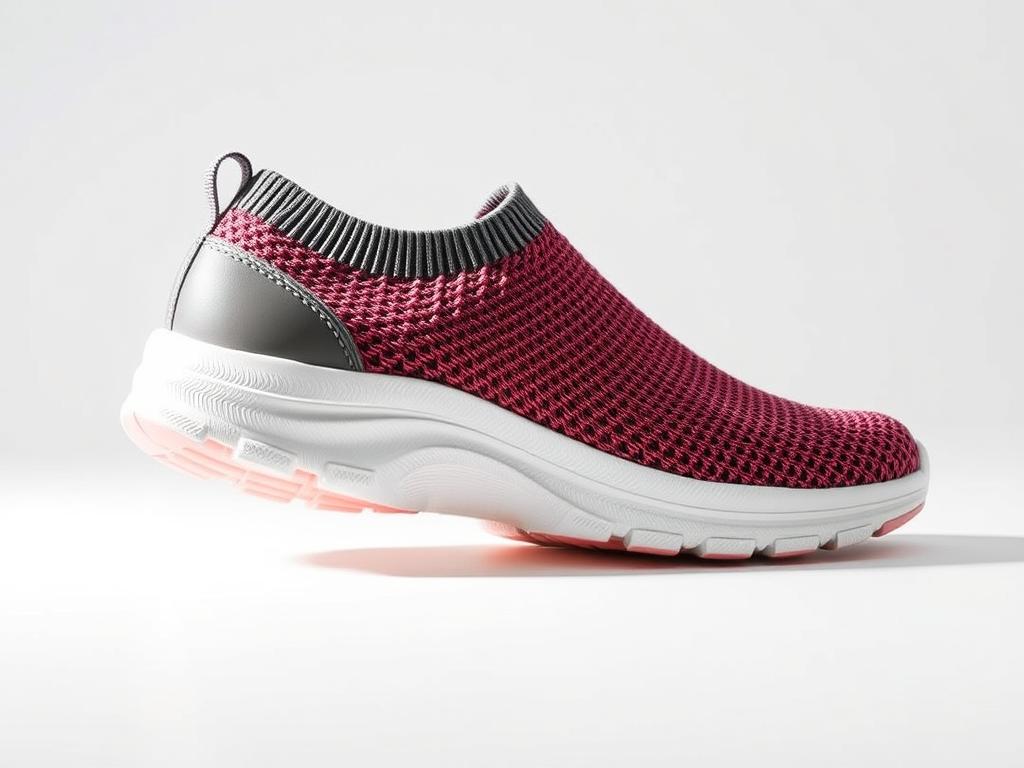
    7. Orthofeet Coral Stretch Knit

    Best Orthopedic
    Orthofeet Coral Stretch Knit orthopedic shoes
    4.6
    Excellent
    Cushioning
    4.7/5
    Stability
    4.6/5
    Durability
    4.4/5

    Key Features:

    • Orthotic insoles with anatomical arch support
    • Multiple cushioning layers with air pockets
    • Ergonomic sole with mild rocker design
    • Extra-depth design accommodates custom orthotics
    • Seam-free interior lining eliminates pressure points

    Pros

    • Specifically designed for joint pain relief
    • Excellent for arthritis and neuropathy
    • Wide toe box prevents pressure points
    • Adjustable fit with multiple width options

    Cons

    • Less stylish than mainstream options
    • Heavier than athletic shoes
    • Higher price point

    Best for: Those with severe knee pain, arthritis, or who need therapeutic footwear with maximum support and cushioning.

    User feedback: “These shoes have been a game-changer for my severe knee osteoarthritis. The orthotic support and cushioning have allowed me to walk without pain for the first time in years.” – Patricia G., verified purchaser

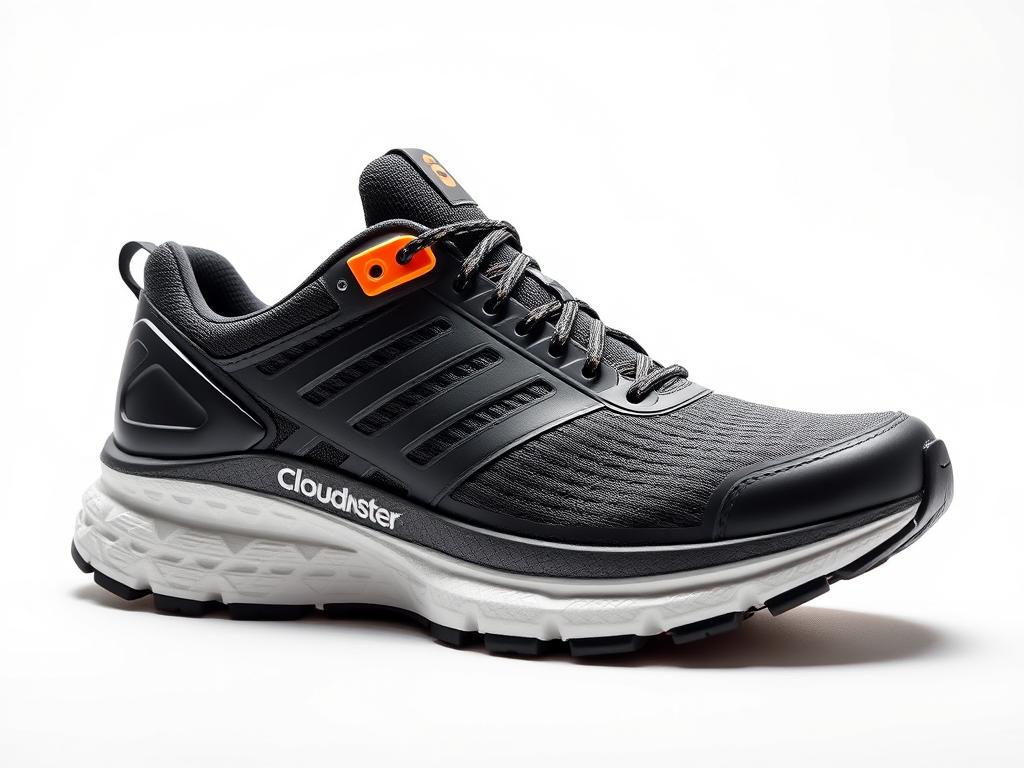
    8. On Cloudmonster

    Best for Active Lifestyle
    On Cloudmonster running shoes
    4.5
    Very Good
    Cushioning
    4.6/5
    Stability
    4.3/5
    Durability
    4.5/5

    Key Features:

    • CloudTec® cushioning pods provide targeted impact protection
    • Helion™ superfoam for responsive cushioning
    • 6mm heel-to-toe drop balances comfort and natural gait
    • Speedboard® for energy return and propulsion
    • Engineered mesh upper with strategic support

    Pros

    • Unique cushioning system absorbs impact
    • Responsive feel for active individuals
    • Lightweight design (8.8 oz)
    • Stylish appearance for everyday wear

    Cons

    • Premium price point
    • CloudTec pods can collect small stones
    • Less stability than some options

    Best for: Active individuals with knee pain who want a responsive, cushioned shoe that doesn’t sacrifice performance.

    User feedback: “These shoes provide the perfect balance of cushioning and responsiveness. My knees feel protected, but I can still maintain my active lifestyle without feeling weighed down.” – Michael J., verified purchaser

    Find Your Perfect Pair Today

    Don’t let knee pain limit your mobility. The right shoes can make a significant difference in your comfort and joint health.

    Shop Top-Rated Shoes Now

    How to Choose the Right Shoes for Your Knee Pain

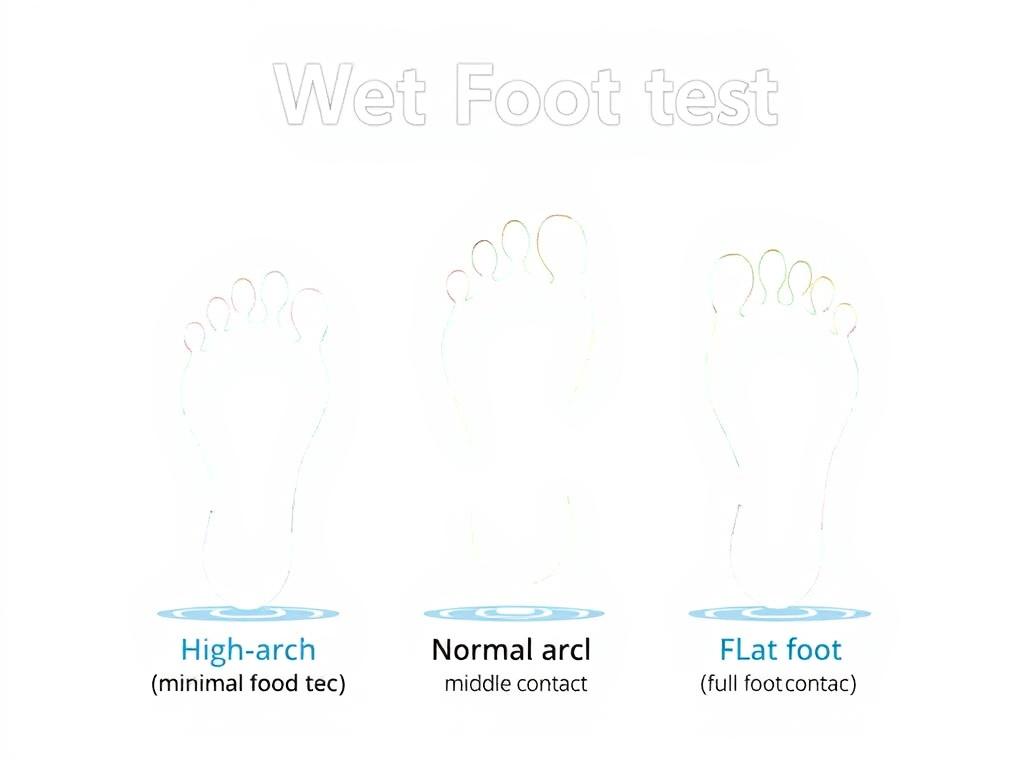
    Understand Your Foot Type

    Different foot arches require different types of support:

    • High arches: Look for neutral shoes with extra cushioning
    • Normal arches: Neutral shoes with moderate cushioning work well
    • Flat feet/low arches: Stability shoes with motion control features

    You can determine your arch type with a simple “wet test” – wet your foot and step on a piece of paper. The imprint will show if you have high, normal, or flat arches.

    Wet foot test showing different arch types

    The “wet test” can help determine your arch type.

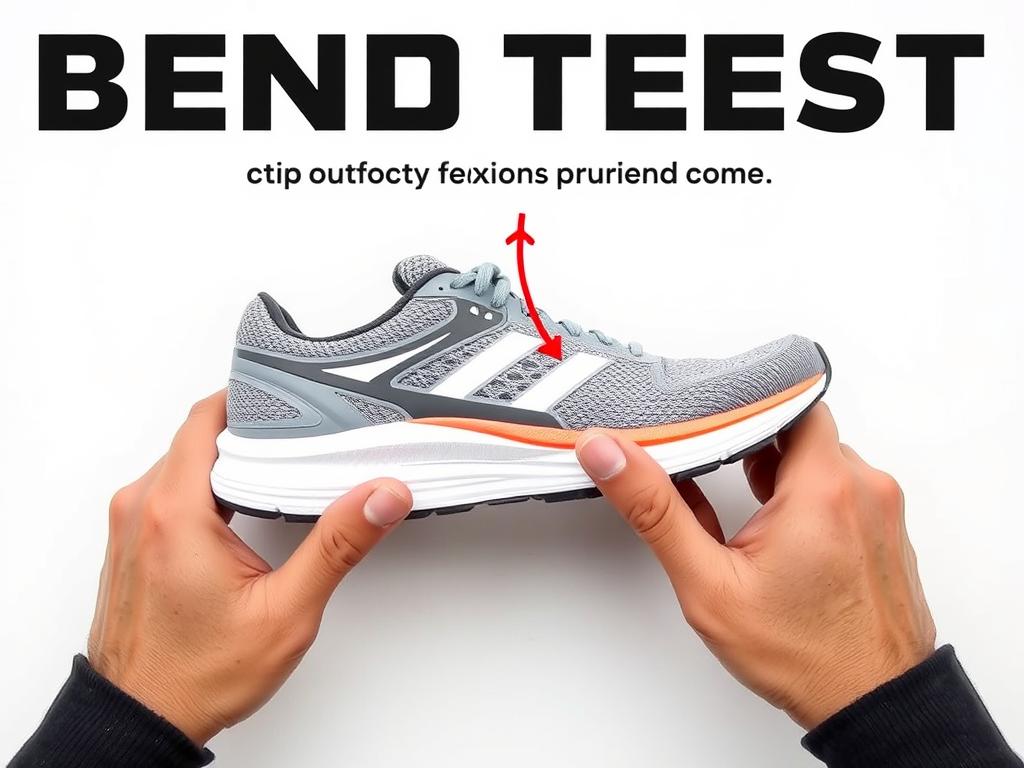
    Try the Bend Test

    A simple test to check if a shoe provides adequate support:

    1. Hold the shoe at both ends
    2. Try to bend it in half
    3. The shoe should bend primarily at the ball of the foot (where your toes bend naturally)
    4. If it bends in the middle or is too rigid to bend at all, it may not be ideal for knee pain
    Demonstration of the shoe bend test

    A proper shoe should bend at the ball of the foot, not in the middle.

    Consider Your Activity Level

    Activity Type Recommended Features Examples from Our List
    Daily Walking Balanced cushioning, arch support, wide toe box New Balance Fresh Foam X 1080v14, Orthofeet Coral
    Running Impact protection, stability features, responsive cushioning Asics Gel-Kayano 31, Brooks Adrenaline GTS 24
    Standing All Day Maximum cushioning, arch support, rocker sole Hoka Bondi 9, Skechers Max Cushioning Elite
    Fitness/Cross-Training Lateral stability, moderate cushioning, flexible forefoot On Cloudmonster, Altra Provision 8

    Lifestyle Tips for Knee Pain Management

    • Replace shoes regularly: Most shoes lose 30-50% of their cushioning after 300-500 miles (about 6 months of regular use)
    • Consider custom orthotics: For severe knee pain, custom insoles can provide targeted support
    • Rotate between multiple pairs: This extends shoe life and provides different support patterns
    • Gradually transition to new shoes: Alternate between old and new pairs for 1-2 weeks
    • Wear appropriate shoes for each activity: Don’t use walking shoes for running or vice versa

    “Shoes are like tires for your body. Just as you wouldn’t drive on worn-out tires, you shouldn’t walk on worn-out shoes – especially when your knees are at stake.”

    — Dr. Mark Johnson, Orthopedic Specialist
    Pro Tip: When shopping for shoes, try them on in the afternoon or evening when your feet are naturally more swollen. This ensures you get a comfortable fit throughout the day.

    Frequently Asked Questions About Shoes for Knee Pain

    Can shoes really reduce knee pain?

    Yes, research shows that proper footwear can reduce knee stress by 15-30%. Shoes with adequate cushioning, appropriate arch support, and stability features help absorb impact forces that would otherwise travel to your knees. A 2018 study in the Journal of Orthopaedic Research found that participants with knee osteoarthritis experienced significant pain reduction when wearing shoes with proper cushioning and support compared to their regular footwear.

    How often should I replace my shoes for optimal joint health?

    Most athletic and walking shoes should be replaced every 300-500 miles or every 6 months with regular use. Cushioning materials compress over time and lose 30-50% of their shock-absorbing ability, even if the shoes still look good externally. If you have knee pain, consider replacing shoes more frequently (every 300-400 miles) to ensure maximum support and cushioning.

    Are sandals or flip-flops ever okay for people with knee pain?

    Most standard flip-flops and fashion sandals provide inadequate support and can worsen knee pain. However, some orthopedic sandal brands (like Vionic, Birkenstock, or OOFOS) offer models with arch support, cushioning, and stability features that can be suitable for short periods. For extended walking or standing, closed shoes with proper support are still recommended.

    What’s more important for knee pain: cushioning or stability?

    Both are important, but their relative importance depends on your specific condition. For impact-related knee pain (like runner’s knee or osteoarthritis), cushioning is crucial to absorb shock. For alignment-related knee pain (caused by overpronation or supination), stability features are more important. Ideally, look for shoes that provide both adequate cushioning and appropriate stability for your foot type.

    Should I use insoles or orthotics with my shoes for knee pain?

    Over-the-counter insoles can enhance cushioning and support, potentially benefiting mild knee pain. For moderate to severe knee pain, custom orthotics prescribed by a podiatrist or orthopedic specialist may provide more targeted support. If using inserts, ensure your shoes have removable insoles and adequate depth to accommodate them without creating a tight fit.

    Are zero-drop shoes good for knee pain?

    Zero-drop shoes (where heel and forefoot are at equal height) can benefit some people with knee pain by promoting a more natural gait pattern and midfoot strike, which may reduce impact forces on the knees. However, they require a transition period and may initially increase calf and Achilles tendon strain. They’re not ideal for everyone, particularly those with Achilles issues or severe overpronation.

    Conclusion: Taking Steps Toward Pain-Free Movement

    Finding the right shoes for knee pain isn’t just about comfort—it’s about creating a foundation for healthier joint function and improved mobility. The proper footwear acts as your body’s first line of defense against the impact forces that can aggravate knee pain and accelerate joint wear.

    Remember that while shoes are an important part of managing knee pain, they work best as part of a comprehensive approach that may include proper exercise, maintaining a healthy weight, and appropriate medical care. If you’re experiencing severe or persistent knee pain, consult with a healthcare professional for a proper diagnosis and treatment plan.

    By investing in quality footwear with the right features for your specific needs—whether that’s maximum cushioning, stability control, or a more natural foot position—you’re taking a significant step toward more comfortable, pain-free movement. Your knees support you through countless steps each day; supporting them with the right shoes is one of the simplest yet most effective ways to maintain your mobility and quality of life.

    Ready to Walk Without Pain?

    Don’t let knee pain hold you back from the activities you love. The right shoes can make all the difference.

    Explore Top-Rated Shoes Now

  • Natural Remedies for Knee Inflammation: Evidence-Based Home Treatments

    Natural Remedies for Knee Inflammation: Evidence-Based Home Treatments

    Knee inflammation can significantly impact your daily activities, whether caused by osteoarthritis, injury, or overuse. While conventional treatments like medications and surgery are options, many people prefer exploring natural remedies first. This article examines evidence-backed home treatments that can help reduce knee inflammation and improve your quality of life without relying solely on pharmaceuticals.

    Natural remedies can help manage knee inflammation when used correctly

    Understanding Knee Inflammation

    Knee inflammation occurs when tissues around the knee joint become swollen, often accompanied by pain, stiffness, and reduced mobility. Common causes include:

    • Osteoarthritis – wear and tear of joint cartilage over time
    • Rheumatoid arthritis – an autoimmune condition affecting joints
    • Injuries – sprains, strains, or trauma to the knee
    • Overuse – repetitive movements stressing the joint
    • Gout – buildup of uric acid crystals in the joint

    While conventional treatments have their place, natural remedies can offer relief with fewer side effects when used appropriately. The following evidence-based treatments can help manage symptoms and improve knee function.

    1. Turmeric and Curcumin

    Turmeric contains curcumin, a compound with powerful anti-inflammatory properties. A 2016 systematic review published in the Journal of Medicinal Food found that turmeric extract was as effective as ibuprofen for treating knee osteoarthritis pain.

    How to Use:

    • Take 500-1000mg of curcumin supplements daily (with black pepper extract for better absorption)
    • Add 1 teaspoon of turmeric powder to warm milk with a pinch of black pepper
    • Create a paste with turmeric powder and warm water to apply topically to the affected area

    Safety Precautions:

    Turmeric may interact with blood thinners and diabetes medications. High doses can cause digestive discomfort. Consult your doctor before starting, especially if you’re on medication or pregnant.

    2. Ginger

    Fresh ginger root and ginger tea for treating knee inflammation

    Ginger contains gingerols and shogaols, compounds that inhibit inflammatory pathways in the body. A 2015 study in Osteoarthritis and Cartilage found that ginger extract reduced inflammatory markers in people with osteoarthritis.

    How to Use:

    • Take 1000mg of ginger extract daily (divided into 2-3 doses)
    • Drink 2-3 cups of ginger tea daily
    • Add fresh ginger to meals or smoothies
    • Create a warm ginger compress by soaking a cloth in ginger-infused water

    Safety Precautions:

    Ginger may increase bleeding risk when taken with blood thinners. It can also cause heartburn in some people. Start with smaller amounts to test your tolerance.

    3. Cold and Heat Therapy

    Cold pack and heating pad for knee inflammation treatment

    Alternating between cold and heat can effectively reduce inflammation and pain. Cold therapy reduces blood flow and swelling, while heat therapy increases circulation and relaxes muscles.

    How to Use:

    • Cold therapy: Apply a cold pack for 15-20 minutes every 2-3 hours during the first 48 hours after injury or during flare-ups
    • Heat therapy: Apply a heating pad or warm towel for 15-20 minutes to relieve stiffness and improve mobility
    • Contrast therapy: Alternate between cold (1 minute) and heat (3 minutes), repeating 3 times and ending with cold

    Safety Precautions:

    Never apply ice directly to skin; always wrap in a thin towel. Check that heat isn’t too hot before applying. Don’t use heat during acute inflammation or if the area is already warm and red.

    4. Omega-3 Fatty Acids

    Sources of omega-3 fatty acids for knee inflammation

    Omega-3 fatty acids have natural anti-inflammatory properties. A 2016 study in Clinical Rheumatology found that omega-3 supplementation reduced joint pain and stiffness in patients with inflammatory joint conditions.

    How to Use:

    • Take 2-3 grams of fish oil supplements daily
    • Eat fatty fish like salmon, mackerel, or sardines 2-3 times weekly
    • Add plant sources like flaxseeds, chia seeds, and walnuts to your diet

    Safety Precautions:

    High doses may increase bleeding risk, especially if taking blood thinners. Some people experience fishy aftertaste or digestive discomfort. Start with lower doses and increase gradually.

    5. Gentle Exercise and Physical Activity

    Person doing gentle knee exercises for inflammation

    Regular, gentle exercise strengthens the muscles supporting the knee joint and improves flexibility. The American College of Rheumatology and Arthritis Foundation strongly recommend exercise for managing knee osteoarthritis.

    Recommended Activities:

    • Low-impact activities like swimming, cycling, or walking
    • Tai chi or yoga for improved balance and flexibility
    • Specific knee-strengthening exercises like straight leg raises
    • Range-of-motion exercises to maintain joint mobility

    Safety Precautions:

    Start slowly and increase intensity gradually. Stop if you experience sharp pain (mild discomfort is normal). Consider working with a physical therapist to develop a safe, personalized program.

    6. Weight Management

    Healthy meal preparation for weight management to reduce knee inflammation

    Excess weight puts additional pressure on knee joints. According to the Arthritis Foundation, every extra pound adds 2-4 pounds of pressure on your knees when walking. Weight loss can significantly reduce inflammation and pain.

    Effective Strategies:

    • Focus on an anti-inflammatory diet rich in fruits, vegetables, and whole grains
    • Reduce processed foods, sugars, and refined carbohydrates
    • Practice portion control and mindful eating
    • Combine dietary changes with regular physical activity

    Safety Precautions:

    Avoid crash diets or extreme calorie restriction. Aim for gradual, sustainable weight loss of 1-2 pounds per week. Consult a healthcare provider before starting any weight loss program.

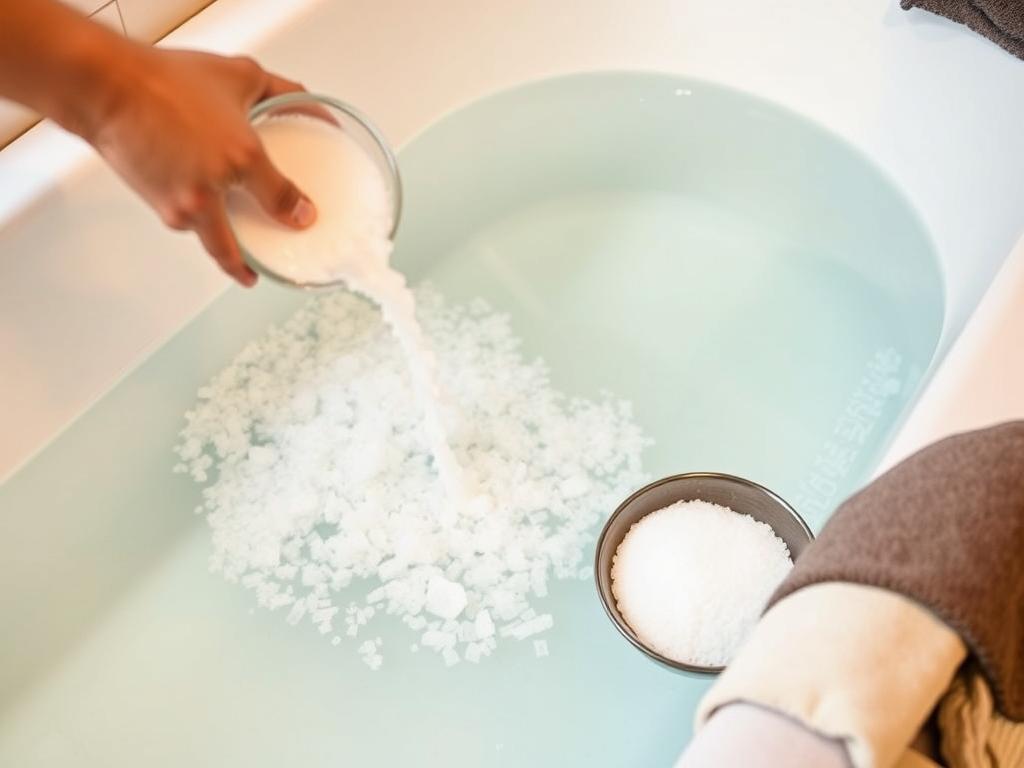
    7. Epsom Salt Baths

    Epsom salt bath preparation for knee inflammation relief

    Epsom salt (magnesium sulfate) may help reduce inflammation and ease pain when absorbed through the skin. While scientific evidence is limited, many people report relief from soaking inflamed joints.

    How to Use:

    • Add 2 cups of Epsom salt to a warm bath
    • Soak for 15-20 minutes, 2-3 times per week
    • For a targeted approach, create a warm Epsom salt compress for the knee

    Safety Precautions:

    Not recommended for people with severe skin conditions, infections, or open wounds. Those with diabetes should consult a doctor before using Epsom salt baths due to potential circulation issues.

    8. Essential Oils

    Essential oils being applied to knee for inflammation relief

    Certain essential oils have anti-inflammatory properties that may help reduce knee pain and swelling. A small 2016 study in the Journal of Alternative and Complementary Medicine found that topical application of ginger and orange essential oils reduced pain in patients with moderate to severe knee pain.

    Recommended Oils:

    • Eucalyptus oil – cooling and anti-inflammatory
    • Peppermint oil – provides cooling sensation and pain relief
    • Lavender oil – may reduce inflammation and promote relaxation
    • Frankincense oil – traditional anti-inflammatory properties

    How to Use:

    Always dilute essential oils with a carrier oil like coconut or olive oil (15 drops essential oil per ounce of carrier oil). Apply to the affected area 2-3 times daily with gentle massage.

    Safety Precautions:

    Always perform a patch test before widespread use. Avoid using on broken skin. Some oils may cause sensitivity or allergic reactions. Never ingest essential oils.

    Comparison of Natural Remedies for Knee Inflammation

    Remedy Effectiveness Rating Ease of Use Cost Time to Results
    Turmeric/Curcumin ★★★★☆ Medium Low-Medium 2-4 weeks
    Ginger ★★★☆☆ High Low 1-3 weeks
    Cold/Heat Therapy ★★★★☆ High Low Immediate
    Omega-3 Fatty Acids ★★★☆☆ High Medium 2-3 months
    Exercise ★★★★★ Medium Low 4-8 weeks
    Weight Management ★★★★☆ Low Varies 1-3 months
    Epsom Salt ★★☆☆☆ Medium Low Temporary relief
    Essential Oils ★★☆☆☆ Medium Medium Temporary relief

    When to See a Doctor

    Doctor examining patient's knee inflammation

    While natural remedies can be effective for mild to moderate knee inflammation, certain symptoms warrant medical attention. Contact your healthcare provider if you experience:

    Red Flag Symptoms

    • Severe pain that doesn’t improve with rest or home remedies
    • Significant swelling, redness, or warmth around the joint
    • Inability to bear weight on the affected leg
    • Visible deformity or severe bruising
    • Fever accompanying knee pain
    • Symptoms that persist longer than 2 weeks despite home treatment
    • History of previous knee injury with new symptoms

    Early medical intervention can prevent further damage and help determine the underlying cause of your knee inflammation. Your doctor may recommend additional treatments such as physical therapy, prescription medications, or in some cases, surgical options.

    Conclusion

    Natural remedies for knee inflammation can provide effective relief when used appropriately and consistently. The evidence-based treatments discussed in this article offer alternatives or complements to conventional medical approaches. Remember that what works best varies from person to person, and combining multiple approaches often yields the best results.

    Always consult with a healthcare provider before starting any new treatment regimen, especially if you have existing health conditions or take medications. By taking an evidence-based approach to natural remedies, you can make informed decisions about managing your knee inflammation and improving your quality of life.

    Person enjoying improved mobility after treating knee inflammation naturally

    With proper treatment, many people can find relief from knee inflammation and return to their normal activities
  • Knee Pain in Young Adults: Surprising Causes and How to Fix Them

    Knee Pain in Young Adults: Surprising Causes and How to Fix Them

    Knee pain in young adults is becoming increasingly common, challenging the misconception that joint problems only affect older populations. According to recent studies, nearly 25% of adults experience knee pain, with a concerning 65% increase over the past two decades. This trend is particularly alarming among those in their 20s and 30s who should be in their physical prime. Whether you’re an athlete, office worker, or somewhere in between, understanding the unexpected causes of knee discomfort can be the first step toward effective relief.

    Knee pain affects nearly 1 in 4 young adults, often disrupting daily activities and exercise routines.

    Surprising Causes of Knee Pain in Young Adults

    While traumatic injuries are obvious culprits, many young adults develop knee pain without any memorable incident. Let’s explore the unexpected factors that might be behind your discomfort.

    Sedentary Lifestyle & Poor Posture

    Person with poor sitting posture at desk showing knee strain

    Extended periods of sitting with poor posture can lead to muscle imbalances affecting knee stability.

    The modern lifestyle has us sitting more than ever before. Remote work, binge-watching, and endless scrolling create the perfect storm for knee problems. When we sit for extended periods, especially with poor posture, our hip flexors tighten while glute and core muscles weaken. This creates a chain reaction that places abnormal stress on the knee joint.

    • Prolonged sitting causes muscle imbalances between quadriceps and hamstrings
    • Forward head posture leads to compensatory changes down the kinetic chain
    • Crossed-leg sitting places asymmetrical pressure on knee structures
    • Lack of movement reduces synovial fluid circulation in the joint
    • Weakened stabilizing muscles fail to properly support the knee during activity

    Overuse Injuries from Fitness Trends

    The explosion of high-intensity workout programs has led to a parallel increase in overuse injuries. Many young adults jump into intense exercise routines without proper progression or technique, placing excessive strain on unprepared knee joints.

    Person performing high-impact exercise with improper form

    High-impact exercises performed with improper form significantly increase knee injury risk.

    • Repetitive jumping exercises without proper landing mechanics
    • Sudden increases in running mileage without gradual adaptation
    • Heavy weightlifting with improper form, especially squats and lunges
    • Inadequate recovery between intense training sessions
    • Wearing improper footwear that doesn’t provide adequate support

    Not Sure What’s Causing Your Knee Pain?

    Our specialists can help identify the root cause of your discomfort and create a personalized treatment plan.

    Speak With a Specialist

    Early-Onset Arthritis

    While arthritis is typically associated with aging, certain forms can affect younger populations. Post-traumatic arthritis can develop years after a knee injury, while rheumatoid arthritis is an autoimmune condition that can strike at any age.

    • Previous injuries that weren’t properly rehabilitated
    • Genetic predisposition to arthritic conditions
    • Autoimmune factors triggering inflammatory responses
    • Anatomical abnormalities affecting joint alignment
    • Repetitive microtrauma from sports or occupational activities

    Lesser-Known Triggers

    Nutritional Factors

    • Vitamin D deficiency affecting bone health
    • Insufficient calcium intake
    • Dehydration reducing joint lubrication
    • Inflammatory diet high in processed foods
    • Inadequate protein for tissue repair

    Biomechanical Issues

    • Tight hip flexors altering pelvic alignment
    • Foot pronation changing knee tracking
    • Leg length discrepancies
    • Poor core stability affecting lower limb mechanics
    • Muscle imbalances between inner and outer thigh
    Common Perception Surprising Reality
    Knee pain only affects older adults 25% of young adults experience significant knee pain
    Only high-impact sports cause knee problems Sedentary behavior can be equally damaging to knee health
    Knee pain always follows an obvious injury Many cases develop gradually from subtle factors like posture and alignment
    Rest is always the best treatment Appropriate movement and strengthening are often essential for recovery
    Arthritis only affects people over 50 Early-onset arthritis can affect adults in their 20s and 30s

    Common Conditions Causing Knee Pain in Young Adults

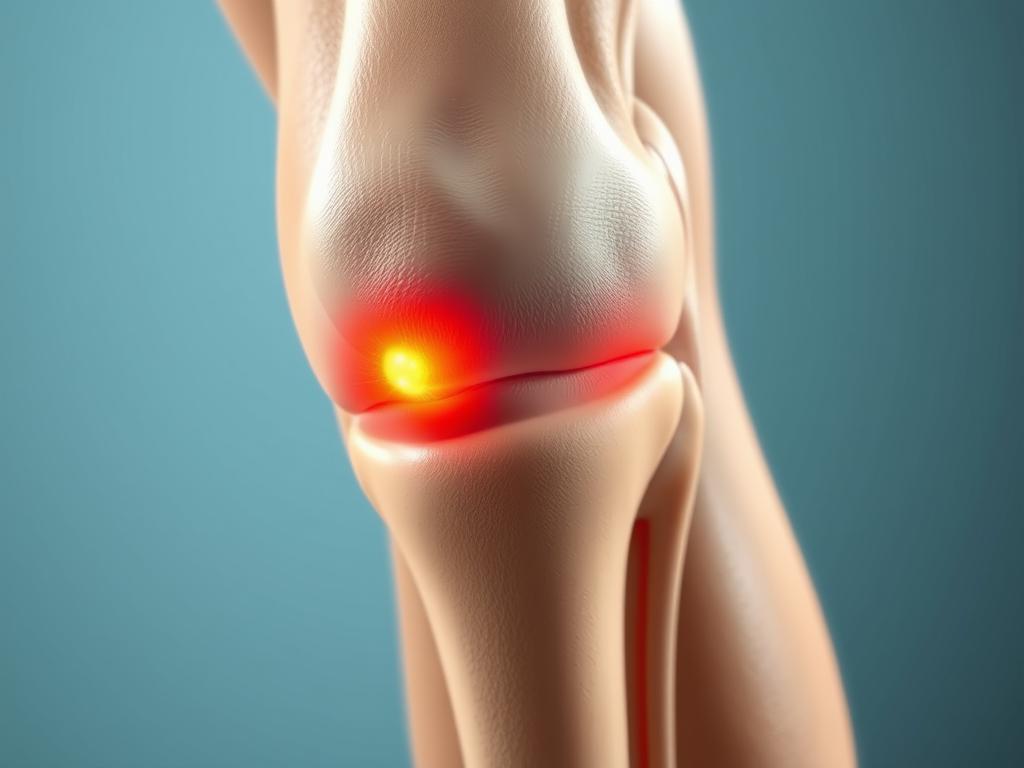
    Anatomical illustration of common knee conditions in young adults

    Understanding the specific condition affecting your knee is crucial for effective treatment.

    Patellofemoral Pain Syndrome

    Often called “runner’s knee,” this condition causes pain around or behind the kneecap. It’s particularly common in young adults who run, jump, or squat frequently.

    Key symptoms: Pain when climbing stairs, squatting, or sitting for long periods with bent knees.

    IT Band Syndrome

    The iliotibial band is a thick tissue that runs from your hip to your knee. When it becomes tight or inflamed, it can cause sharp pain on the outside of the knee.

    Key symptoms: Lateral knee pain that worsens during running or cycling, especially on hills or uneven surfaces.

    Patellar Tendinitis

    Also known as “jumper’s knee,” this condition involves inflammation of the tendon connecting your kneecap to your shinbone.

    Key symptoms: Pain below the kneecap that worsens with jumping, running, or climbing stairs.

    Osgood-Schlatter Disease

    Though typically associated with adolescents, this condition can persist into early adulthood. It causes pain and swelling just below the knee at the tibial tuberosity (the bump on your shin bone).

    Young adult with Osgood-Schlatter Disease showing knee inflammation

    Osgood-Schlatter Disease causes distinctive swelling at the tibial tuberosity.

    WARNING: When to Seek Immediate Medical Attention

    • Severe swelling that develops within hours of an injury
    • Visible deformity or inability to bear weight
    • Popping or cracking sound at the time of injury
    • Knee “giving way” or inability to straighten
    • Fever accompanied by knee pain and redness

    These symptoms may indicate a serious injury requiring prompt medical evaluation.

    Actionable Fixes for Knee Pain

    The good news is that many cases of knee pain in young adults respond well to conservative treatment approaches. Here are evidence-based strategies to address your discomfort.

    Mobility Exercises

    Young adult performing knee mobility exercises

    Regular mobility exercises help maintain proper joint function and reduce pain.

    Restoring proper movement patterns is often the first step in addressing knee pain. These exercises focus on improving range of motion without aggravating symptoms.

    Heel Slides

    1. Lie on your back with legs straight
    2. Slowly slide one heel toward your buttocks, bending your knee
    3. Hold for 5 seconds at maximum comfortable bend
    4. Slowly return to starting position
    5. Repeat 10 times per leg, 3 sets daily

    Seated Knee Extensions

    1. Sit in a chair with feet flat on the floor
    2. Slowly extend one knee until leg is straight
    3. Hold for 5 seconds, focusing on engaging the quadriceps
    4. Lower slowly back to starting position
    5. Repeat 10 times per leg, 2-3 sets daily

    Strengthening Protocols

    Weak muscles around the knee joint often contribute to pain and instability. These targeted exercises help build strength in key supporting muscles.

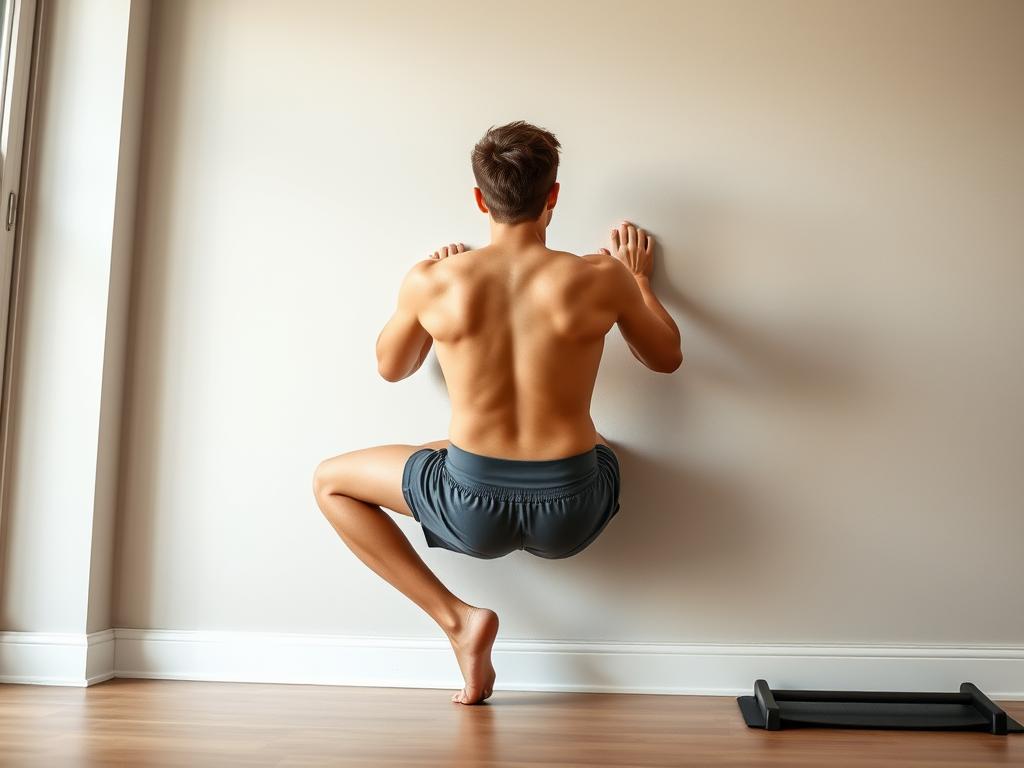
    Person demonstrating proper form for wall sits to strengthen knees

    Wall sits are an effective, equipment-free way to build knee stability and quadriceps strength.

    Quadriceps Strengthening

    • Wall sits: 30-60 seconds, 3 sets
    • Step-ups: 10-15 reps per leg, 3 sets
    • Straight leg raises: 12-15 reps per leg, 3 sets

    Hamstring & Glute Strengthening

    • Glute bridges: 12-15 reps, 3 sets
    • Hamstring curls: 10-12 reps per leg, 3 sets
    • Clamshells: 15-20 reps per side, 2 sets

    Get Your Free Knee Pain Relief Exercises

    Download our comprehensive guide with step-by-step instructions for effective knee pain relief exercises.

    Download Exercise Guide

    Ergonomic Adjustments

    For many young adults, workplace habits contribute significantly to knee pain. Making these adjustments can reduce daily strain on your knees:

    Proper ergonomic desk setup to prevent knee strain

    Proper ergonomics can significantly reduce knee strain during long workdays.

    • Adjust chair height so feet rest flat on the floor with knees at 90 degrees
    • Use a footrest if needed to maintain proper alignment
    • Take standing breaks every 30 minutes
    • Consider a sit-stand desk to vary positions throughout the day
    • Ensure proper monitor height to prevent slouching

    Dietary Approaches

    What you eat can significantly impact joint health and inflammation levels. Consider these nutritional strategies:

    Nutrient Benefits Food Sources
    Omega-3 Fatty Acids Reduces inflammation in joints Fatty fish, walnuts, flaxseeds, chia seeds
    Vitamin D Supports bone health and immune function Sunlight exposure, fortified milk, egg yolks
    Collagen Supports cartilage structure Bone broth, chicken skin, fish
    Antioxidants Combats oxidative stress in joints Colorful fruits and vegetables, green tea
    Calcium Maintains bone density Dairy products, leafy greens, fortified foods

    Professional Interventions

    When self-care measures aren’t enough, these professional treatments can help:

    Physical therapist working with young adult on knee rehabilitation

    Professional physical therapy can provide targeted interventions for complex knee issues.

    • Physical Therapy: Customized exercise programs and manual techniques
    • Massage Therapy: Releases tight muscles and fascia contributing to knee pain
    • Acupuncture: May help reduce pain and inflammation
    • Orthotics: Custom insoles can correct alignment issues affecting the knees
    • Bracing: Provides support and stability during healing

    “The most effective approach to knee pain in young adults is a comprehensive one that addresses movement patterns, strength imbalances, and lifestyle factors rather than just treating symptoms.”

    — Dr. Sarah Johnson, Sports Medicine Specialist

    Prevention: Protecting Your Knees for the Long Run

    Preventing knee pain is always preferable to treating it. Incorporate these habits into your daily routine to maintain healthy knees.

    Young adult performing proper warm-up before exercise

    Proper warm-up routines significantly reduce the risk of knee injuries during exercise.

    5 Daily Habits to Protect Your Knees

    1. Maintain a healthy weight – Every extra pound adds 4 pounds of pressure to your knees during walking activities
    2. Strengthen your core – A strong core improves overall body mechanics and reduces strain on knees
    3. Wear appropriate footwear – Shoes with proper support reduce impact forces transmitted to your knees
    4. Practice proper movement mechanics – Learn to squat, lift, and move with knee-friendly form
    5. Stay hydrated – Proper hydration maintains the cushioning properties of cartilage
    Comparison of proper vs. improper squat form for knee health

    Proper form during exercises like squats is crucial for preventing knee injuries.

    Pro Tip: The 10% rule can help prevent overuse injuries. Never increase your exercise intensity, duration, or frequency by more than 10% per week.

    Need Help With Persistent Knee Pain?

    Our specialists can develop a personalized treatment plan to address your specific knee condition.

    Schedule a Consultation

    Frequently Asked Questions About Knee Pain in Young Adults

    Can knee pain in your 20s lead to arthritis later in life?

    Untreated knee injuries or chronic pain patterns can increase the risk of developing arthritis earlier than expected. This is why proper diagnosis and treatment of knee pain in young adults is crucial. Early intervention can help prevent long-term joint damage and reduce the likelihood of developing arthritis prematurely.

    How long should I rest a painful knee?

    Complete rest is rarely the best approach for most knee conditions. While you should avoid activities that cause sharp pain, gentle movement helps maintain strength and promotes healing. For acute injuries, follow the RICE protocol (Rest, Ice, Compression, Elevation) for 48-72 hours, then gradually reintroduce movement as tolerated. If pain persists beyond a week, consult a healthcare professional.

    Can emotional stress cause knee pain?

    While emotional stress doesn’t directly cause knee pain, it can contribute to it in several ways. Stress often leads to muscle tension, which can alter movement patterns and place additional strain on the knees. Stress may also lower pain thresholds, making existing discomfort feel more intense. Additionally, stress can interfere with sleep and recovery, potentially prolonging healing times for knee issues.

    Taking Control of Your Knee Health

    Knee pain in young adults is not something to ignore or push through. By understanding the surprising causes behind your discomfort and implementing the targeted solutions outlined in this guide, you can take meaningful steps toward relief and prevention.

    Remember that your knees support you through countless movements every day. Investing in their health now will pay dividends for decades to come. Whether you’re dealing with occasional discomfort or chronic pain, the right approach can help you return to the activities you love without limitations.

    Don’t wait until knee pain becomes debilitating. Start implementing these strategies today, and consult with a healthcare professional if your symptoms persist or worsen. Your future self will thank you for taking action now.

    Ready to Overcome Your Knee Pain?

    Our team of specialists is here to help you get back to pain-free movement.

    Get Started Today

  • Preventing Knee Injuries in Soccer: A Step-by-Step Guide for Players

    Preventing Knee Injuries in Soccer: A Step-by-Step Guide for Players

    Soccer demands quick pivots, sudden stops, and explosive directional changes that put tremendous stress on your knees. With knee injuries sidelining players at all levels, understanding how to protect these crucial joints isn’t just about staying in the game—it’s about preserving your long-term health and athletic career. This comprehensive guide provides actionable strategies to help you minimize risk and maximize performance on the pitch.

    Common Knee Injuries in Soccer Players

    Understanding what you’re up against is the first step in prevention. Soccer players commonly face these knee injuries:

    Anterior Cruciate Ligament (ACL) Tears

    ACL tears are among the most devastating knee injuries in soccer. They typically occur during non-contact situations like sudden deceleration, landing awkwardly, or changing direction rapidly. Recovery often requires surgery and 6-9 months of rehabilitation.

    Meniscus Tears

    The meniscus is cartilage that cushions your knee joint. These tears commonly happen when players twist their knee while the foot is planted, often during quick turns or tackles. About 25-30% of soccer knee injuries involve meniscus damage.

    Collateral Ligament Sprains

    These account for approximately one-third of all knee injuries in soccer. The medial collateral ligament (MCL) and lateral collateral ligament (LCL) can be damaged during tackles or when the knee is forced sideways.

    Patellofemoral Pain Syndrome

    Often called “runner’s knee,” this condition causes pain around the kneecap and is common in sports requiring running and jumping. It develops gradually from overuse rather than from a single incident.

    Why Soccer Players Are Vulnerable to Knee Injuries

    Soccer player performing quick directional change on field

    Soccer places unique demands on your knees that increase injury risk:

    • Rapid pivoting and directional changes that stress ligaments
    • Sudden deceleration that creates shearing forces in the knee
    • Improper landing technique after jumps or headers
    • Player-to-player contact during tackles and challenges
    • Overtraining without adequate recovery time
    • Playing on uneven or hard surfaces
    • Muscle imbalances between quadriceps and hamstrings

    Dr. James Andrews, renowned sports medicine surgeon, notes: “The majority of soccer knee injuries occur not from contact but from the player’s own movement patterns and biomechanical issues that can be addressed through proper training.”

    Step-by-Step Prevention Strategies

    1. Strengthen Key Muscle Groups

    Soccer player performing squat exercise for knee strength

    Building strength in the muscles that support your knees is crucial for injury prevention. Focus on these exercises:

    Quadriceps Strengthening

    1. Bulgarian Split Squats: Place one foot on a bench behind you, bend your front leg until your thigh is parallel to the ground, then push back up. Do 3 sets of 10-12 reps per leg.
    2. Forward Lunges: Step forward into a lunge position, ensuring your knee doesn’t extend past your toes. Return to starting position and alternate legs. Complete 3 sets of 12 reps.
    3. Wall Sits: With your back against a wall, slide down until your thighs are parallel to the floor. Hold for 30-60 seconds, rest, and repeat 3 times.

    Hamstring Development

    1. Nordic Hamstring Curls: Kneel with someone holding your ankles. Lower your upper body toward the ground as slowly as possible, using your hamstrings to control the descent. Do 3 sets of 5-8 reps.
    2. Stability Ball Leg Curls: Lie on your back with heels on a stability ball. Lift your hips and pull the ball toward you by bending your knees. Do 3 sets of 12-15 reps.

    Hip Abductor Training

    Weak hip abductors can cause the thigh to rotate inward during running, placing stress on the knee joint. Try these exercises:

    1. Lateral Band Walks: Place a resistance band around your ankles. In a half-squat position, step sideways while maintaining tension in the band. Do 3 sets of 12-15 steps in each direction.
    2. Clamshells: Lie on your side with knees bent and a resistance band around your thighs. Keep feet together while opening your knees like a clamshell. Complete 3 sets of 15-20 reps on each side.

    2. Develop Proper Movement Patterns

    Soccer player demonstrating proper landing technique

    How you move is just as important as how strong you are. Train your body to move safely with these techniques:

    Proprioceptive Training

    Proprioception is your body’s awareness of position and movement. Improving it helps prevent awkward movements that lead to injuries.

    1. Single-Leg Balance: Stand on one leg for 30 seconds. Progress by closing your eyes or standing on an unstable surface like a foam pad. Do 3 sets on each leg.
    2. Balance Board Exercises: Use a balance board to perform squats or passes with a soccer ball. Start with 30-second intervals and gradually increase duration.

    Landing Mechanics

    Many ACL tears occur during landing. Practice these techniques:

    1. Squat Jumps with Proper Landing: Jump vertically, focus on landing softly with knees bent and aligned with your toes. Do 3 sets of 10 jumps.
    2. Single-Leg Landings: Jump and land on one foot, focusing on knee stability and alignment. Perform 3 sets of 8 reps per leg.

    Deceleration Training

    Learning to slow down properly reduces knee strain:

    1. Three-Step Stops: Instead of stopping abruptly, practice decelerating over three steps with bent knees. Perform 10 repetitions at increasing speeds.
    2. Change-of-Direction Drills: Set up cones in a zigzag pattern. Practice cutting with proper technique: plant outside foot, bend knees, and pivot without letting knees collapse inward.

    3. Implement Effective Warm-Up and Cool-Down Routines

    Soccer team performing dynamic warm-up exercises

    A proper warm-up prepares your body for the demands of soccer while reducing injury risk:

    Dynamic Warm-Up (10-15 minutes)

    • Light jogging or skipping for 3-5 minutes to increase blood flow
    • Dynamic stretches: leg swings, walking lunges, high knees, butt kicks (8-10 reps each)
    • Sport-specific movements: side shuffles, carioca, acceleration/deceleration drills
    • Jumping exercises: small hops progressing to more explosive movements

    According to FIFA’s 11+ injury prevention program, teams that regularly perform structured warm-ups experience 30-50% fewer injuries.

    Post-Game Cool-Down (5-10 minutes)

    • Light jogging or walking to gradually reduce heart rate
    • Static stretching for major muscle groups (hold each stretch 20-30 seconds)
    • Focus on quadriceps, hamstrings, calves, and hip flexors
    • Self-myofascial release with foam rollers for tight areas

    4. Choose Proper Equipment and Playing Surfaces

    Soccer cleats and protective knee gear on field

    Your gear and playing environment significantly impact knee safety:

    Footwear Selection

    • Choose cleats appropriate for your playing surface (firm ground, soft ground, artificial turf)
    • Ensure proper fit with adequate toe room and heel support
    • Replace worn cleats that no longer provide proper traction
    • Consider custom insoles if you have flat feet or high arches

    Protective Equipment

    • Knee braces can provide additional support for players with previous injuries
    • Compression sleeves improve proprioception and provide mild support
    • Proper shin guards that cover the lower leg adequately

    Surface Considerations

    Be mindful of playing surfaces and adjust accordingly:

    • Hard or uneven surfaces increase injury risk—modify play intensity when necessary
    • Artificial turf may increase friction and resistance during cuts and turns
    • Wet or muddy fields require adjusted footwear and more cautious movement

    Nutrition and Recovery for Knee Health

    Healthy meal prepared for athlete recovery

    What you put in your body and how you recover impacts knee resilience:

    Hydration and Diet

    • Stay well-hydrated—dehydrated muscles don’t function optimally
    • Consume anti-inflammatory foods like fatty fish, berries, and leafy greens
    • Ensure adequate protein intake for muscle repair (1.2-1.7g per kg of body weight)
    • Consider collagen supplements, which may support ligament and tendon health
    • Maintain adequate vitamin D and calcium levels for bone health

    Recovery Protocols

    • Follow the R.I.C.E. protocol (Rest, Ice, Compression, Elevation) for minor knee discomfort
    • Schedule adequate rest days between intense training sessions
    • Consider contrast therapy (alternating hot and cold) for recovery
    • Get 7-9 hours of quality sleep for optimal tissue repair
    • Gradually return to play after any injury, even minor ones

    Early Warning Signs and Injury Management

    Soccer player receiving knee assessment from physiotherapist

    Knowing when to seek help can prevent minor issues from becoming serious injuries:

    Warning Signs That Shouldn’t Be Ignored

    • Persistent pain that lasts more than 48 hours after playing
    • Swelling around the knee joint
    • Clicking, popping, or grinding sensations
    • Instability or feeling that the knee might “give way”
    • Limited range of motion or difficulty bearing weight

    When to Seek Professional Help

    Don’t hesitate to consult a healthcare provider if you experience:

    • Inability to complete a full training session due to knee discomfort
    • Pain that interferes with daily activities
    • Visible deformity or severe swelling
    • Symptoms that don’t improve with rest and basic care

    Physical therapist Sarah Johnson emphasizes: “Early intervention for knee issues can mean the difference between a quick return to play and a season-ending injury. Don’t try to push through significant pain.”

    Developing a Long-Term Prevention Plan

    Soccer player reviewing training plan with coach

    Injury prevention isn’t a one-time effort but a consistent approach:

    Periodization and Training Load

    • Gradually increase training intensity and volume (no more than 10% per week)
    • Schedule deload weeks to allow for recovery
    • Balance high-intensity sessions with adequate recovery
    • Monitor for signs of overtraining like persistent fatigue or decreased performance

    Seasonal Considerations

    • Pre-season: Focus on building strength and proper movement patterns
    • In-season: Maintain strength with less volume but consistent frequency
    • Off-season: Address imbalances and work on areas of weakness
    • Transition periods: Gradually ramp up intensity when returning after breaks

    Regular Assessments

    Consider scheduling:

    • Pre-season movement screenings to identify risk factors
    • Mid-season check-ins to address emerging issues
    • Post-season evaluations to guide off-season training

    Your Commitment to Knee Health

    Soccer player confidently training on field

    Preventing knee injuries in soccer requires consistent effort and awareness, but the rewards are substantial: longer playing careers, better performance, and fewer painful setbacks. By implementing the strategies in this guide, you’re taking control of your athletic future.

    Remember that small, consistent actions make the biggest difference. Start with one or two exercises from each section and gradually build your prevention routine. Your knees will thank you for years to come.

    As professional goalkeeper Hope Solo once said: “Taking care of your body isn’t just about being able to perform at your best today—it’s about being able to play the sport you love for as long as possible.”

    Protect Your Soccer Career

    Download our free 15-minute pre-game knee protection warm-up routine designed by professional sports physiotherapists.

    Get Your Free Warm-Up Guide

    Need Personalized Guidance?

    Book a free 15-minute consultation with a sports physical therapist specializing in soccer injuries. Get customized prevention strategies for your specific needs.

    Schedule Your Free Consultation

    Protect Your Soccer Future

    Download our complete knee injury prevention package including warm-up routines, strength training programs, and recovery protocols designed specifically for soccer players.

    Get Your Free Prevention Package

  • Office Chair Knee Pain: Ergonomic Fixes for Sedentary Workers

    Office Chair Knee Pain: Ergonomic Fixes for Sedentary Workers

    If you’re experiencing knee pain while sitting at your desk, you’re not alone. The modern workplace often requires long hours of sitting, which can lead to significant discomfort in your knees. This pain isn’t just an annoyance—it can impact your productivity, focus, and overall well-being. In this guide, we’ll explore why office chairs cause knee pain and provide practical, ergonomic solutions to help you work comfortably and protect your joint health.

    Why Office Chairs Cause Knee Pain

    Understanding the root causes of knee pain when sitting is the first step toward finding effective solutions. Several factors contribute to this common problem among office workers:

    Poor sitting posture places excessive pressure on knee joints

    Prolonged Static Sitting

    When you sit for extended periods without movement, blood circulation to your lower extremities becomes restricted. This reduced blood flow can cause stiffness and pain in your knee joints. According to health experts, sitting for more than 6-8 hours daily can significantly impact your joint health and mobility.

    Incorrect Seat Height

    A chair that’s too high or too low forces your knees into unnatural positions. When your chair is too high, your feet may dangle, creating pressure on the underside of your thighs. Conversely, a chair that’s too low causes your knees to bend at an angle greater than 90 degrees, increasing pressure on your knee joints.

    Poor Posture and Alignment

    Slouching or sitting with crossed legs disrupts the natural alignment of your spine and places uneven pressure on your knees. This misalignment can lead to patellofemoral pain syndrome, commonly known as “runner’s knee,” which causes pain around or behind the kneecap.

    Inadequate Chair Support

    Office chairs lacking proper ergonomic features fail to distribute your body weight evenly. Hard seat edges can press against the back of your knees, restricting blood flow and causing discomfort. Without proper lumbar support, your entire sitting position is compromised, affecting your knees.

    Did You Know? According to research, maintaining a static sitting position for more than 30 minutes can begin to cause discomfort in your joints, including your knees. Taking brief movement breaks every half hour can significantly reduce this risk.

    5 Actionable Ergonomic Adjustments to Prevent Knee Pain

    Making proper ergonomic adjustments to your workspace can dramatically reduce knee pain. Here are five practical changes you can implement today:

    Proper ergonomic sitting position showing correct knee angle and posture

    Proper ergonomic sitting position with optimal knee angle

    1. Optimize Your Seat Height

    Adjusting your chair to the proper height is crucial for knee health. Your feet should rest flat on the floor with your knees bent at approximately 90 degrees. This position minimizes pressure on your knee joints and promotes better circulation.

  • How to adjust: While seated, your thighs should be parallel to the floor. If your chair is too high and non-adjustable, use a footrest to support your feet.
  • Ideal measurement: Measure the distance from your heel to the back of your knee when seated. Your chair height should allow this measurement to form a 90-degree angle.
  • Check regularly: Different shoes can change your effective height, so readjust as needed.
  • 2. Implement Proper Lumbar Support

    Though it may seem unrelated, proper lumbar support directly affects knee positioning. When your lower back is properly supported, your entire sitting posture improves, reducing strain on your knees.

  • Chair adjustment: If your chair has built-in lumbar support, adjust it to fit the natural curve of your lower back.
  • External support: Consider adding a lumbar cushion if your chair lacks adequate support.
  • Position check: The support should fit into the natural curve of your spine, not push your lower back forward.
  • 3. Use a Footrest for Optimal Leg Positioning

    A footrest can dramatically improve knee comfort by ensuring proper leg alignment and reducing pressure on your knee joints.

    Ergonomic Footrest Recommendation

    The ErgoFoam Adjustable Footrest provides optimal support for proper knee alignment, helping reduce pressure and pain while sitting for long periods.

    Shop Footrest Options

    4. Adjust Your Seat Depth

    Proper seat depth ensures that pressure is distributed evenly across your thighs, preventing compression at the back of your knees.

  • Ideal position: Leave 2-3 finger widths of space between the edge of your chair and the back of your knees.
  • Adjustment method: If your chair has a sliding seat, adjust it forward or backward to achieve the proper depth.
  • Alternative solution: If your chair doesn’t adjust, consider using a back cushion to effectively reduce the seat depth.
  • 5. Maintain Neutral Leg Position

    How you position your legs while sitting significantly impacts knee health. Avoid positions that place uneven pressure on your knee joints.

  • Avoid crossing legs: This position restricts blood flow and places uneven pressure on your knees.
  • Keep feet flat: Maintain both feet flat on the floor or footrest.
  • Regular repositioning: Slightly change your leg position every 15-20 minutes to promote circulation.
  • Comparison of poor vs. correct leg positioning while sitting in an office chair

    Comparison of harmful versus ergonomic leg positions

    3 Essential Chair Features That Reduce Knee Strain

    When shopping for an ergonomic office chair, look for these specific features that can significantly reduce knee pain:

    Office chair with labeled ergonomic features that reduce knee pain

    Key ergonomic chair features that prevent knee pain

    1. Waterfall Seat Edge

    A waterfall seat edge features a gentle downward curve at the front of the seat. This design reduces pressure on the back of your thighs and knees, promoting better circulation and reducing discomfort.

  • Pressure reduction: Minimizes compression of blood vessels and nerves behind the knees.
  • Improved circulation: Allows better blood flow to your lower legs and feet.
  • Comfort benefit: Reduces the feeling of “pins and needles” or numbness in your legs during long sitting periods.
  • 2. Multi-Adjustment Mechanisms

    Chairs with multiple adjustment points allow you to customize the sitting experience to your body’s unique needs, significantly reducing knee strain.

  • Height adjustment: Essential for achieving the proper 90-degree knee angle.
  • Seat depth adjustment: Allows you to position the seat edge properly relative to your knees.
  • Armrest adjustment: Helps maintain proper upper body posture, which indirectly affects knee positioning.
  • 3. Synchronized Tilt Mechanism

    A quality tilt mechanism allows your chair to move with your body, reducing static pressure on your knees and promoting healthy movement throughout the day.

  • Dynamic sitting: Encourages subtle movements that improve circulation to your knees.
  • Weight distribution: Properly distributes body weight to reduce pressure points.
  • Adjustable tension: Allows you to control the resistance of the tilt based on your body weight and preferences.
  • Recommended Ergonomic Chair

    The Steelcase Gesture Chair features all three knee-friendly elements: waterfall seat edge, multi-adjustment capabilities, and a responsive tilt mechanism to minimize knee pain.

    View Chair Options

    3 Quick Desk Exercises to Relieve Knee Tension

    Even with the perfect ergonomic setup, your knees benefit from regular movement. These simple exercises can be performed right at your desk to relieve knee tension and improve circulation:

    Person demonstrating seated knee extension exercise at desk

    Seated knee extension exercise can be performed discreetly at your desk

    1. Seated Knee Extensions

    This exercise strengthens the quadriceps muscles that support your knees while improving circulation to the joint.

  • Starting position: Sit with good posture, back against your chair, feet flat on the floor.
  • Movement: Slowly extend one leg until it’s straight and parallel to the floor.
  • Hold: Maintain the extended position for 5-10 seconds, focusing on tightening your thigh muscle.
  • Return: Slowly lower your foot back to the floor.
  • Repetition: Complete 10 extensions per leg, alternating between legs.
  • 2. Ankle Pumps and Circles

    These subtle movements improve blood flow to your lower legs and knees without requiring you to leave your chair.

  • Ankle pumps: With feet flat on the floor, lift your heels while keeping toes on the ground, then lower heels and lift toes.
  • Ankle circles: Lift one foot slightly off the floor and rotate your ankle in a circular motion, 10 circles clockwise and 10 counterclockwise.
  • Frequency: Perform these movements for 30 seconds every hour to maintain good circulation.
  • Illustration of ankle pump and circle exercises for knee pain relief

    Ankle pumps and circles improve circulation to reduce knee pain

    3. Seated Hamstring Stretch

    Tight hamstrings can contribute to knee pain. This stretch helps maintain flexibility in the muscles supporting your knee joint.

  • Position: Sit at the edge of your chair with one leg extended, heel on the floor, toes pointing up.
  • Action: Keeping your back straight, hinge forward at the hips until you feel a stretch in the back of your extended leg.
  • Hold: Maintain the stretch for 20-30 seconds without bouncing.
  • Switch: Repeat with the other leg.
  • Frequency: Perform this stretch 2-3 times per leg, twice daily.
  • Pro Tip: Set a timer to remind yourself to perform these exercises every 60-90 minutes. Consistent movement throughout the day is more effective than a single longer session of exercises.

    Affordable Ergonomic Chairs with Knee-Friendly Designs

    Investing in the right chair can make a significant difference in preventing and alleviating knee pain. Here are three affordable options with features specifically beneficial for knee health:

    SIHOO Ergonomic Office Chair with knee-friendly features highlighted

    SIHOO Ergonomic Office Chair

    4.5
    Overall Rating
    Knee Support
    4.5/5
    Adjustability
    4.7/5
    Value
    4.4/5

    The SIHOO Ergonomic Office Chair features a waterfall seat edge that reduces pressure on the back of your knees. Its multiple adjustment points allow for personalized positioning to maintain proper knee alignment.

    Pros

    • Breathable mesh back prevents overheating
    • Adjustable lumbar support for proper posture
    • Waterfall seat edge reduces knee pressure
    • 90°-120° tilt range for movement

    Cons

    • Assembly can be challenging
    • Armrests have limited adjustment
    • May not suit very tall individuals
    HON Ignition 2.0 Ergonomic Chair with knee-friendly design elements

    HON Ignition 2.0 Ergonomic Chair

    4.3
    Overall Rating
    Knee Support
    4.3/5
    Adjustability
    4.4/5
    Value
    4.2/5

    The HON Ignition 2.0 features a contoured seat cushion that distributes weight evenly, reducing pressure points that can cause knee pain. Its synchro-tilt mechanism encourages movement throughout the day.

    Pros

    • Contoured seat reduces pressure points
    • Synchro-tilt mechanism for dynamic sitting
    • Adjustable seat depth for proper knee positioning
    • Durable construction with 5-year warranty

    Cons

    • Firmer seat cushion may not suit everyone
    • Higher price point than basic models
    • Limited color options
    Person using an ergonomic chair with proper knee positioning at a desk

    Proper ergonomic chair setup significantly reduces knee strain during long workdays

    Additional Knee Support Accessories

    For immediate relief while you research chair options, consider these affordable accessories that can improve your current setup:

    Long-Term Prevention Strategies for Office Chair Knee Pain

    Beyond immediate fixes, these strategies can help prevent knee pain from returning:

    Person alternating between sitting and standing at an adjustable desk

    Alternating between sitting and standing positions reduces knee strain

    Implement the 30-30-30 Rule

    This simple rule can dramatically reduce knee strain throughout your workday:

  • Every 30 minutes: Stand up and move for at least 30 seconds
  • Every 30 minutes: Look away from your screen and focus on something 30 feet away (benefits eye health and encourages posture shifts)
  • Every 3 hours: Take a longer 5-minute break to walk around and perform simple stretches
  • Consider a Sit-Stand Desk

    Alternating between sitting and standing positions throughout the day reduces continuous pressure on your knees and improves overall circulation.

    Affordable Sit-Stand Solution

    The FLEXISPOT Height Adjustable Desk Converter allows you to transform your existing desk into a sit-stand workstation without a complete replacement.

    View Sit-Stand Options

    Strengthen Supporting Muscles

    Strong quadriceps, hamstrings, and core muscles provide better support for your knees. Consider these simple strengthening exercises you can do at home:

  • Wall sits: Build quadriceps strength by sitting against a wall with knees at 90 degrees
  • Straight leg raises: Strengthen the muscles that stabilize your knees
  • Hamstring curls: Balance muscle strength around the knee joint
  • Core exercises: Improve overall posture, which reduces knee strain
  • Simple knee-strengthening exercises that can be done at home

    Regular strengthening exercises improve knee stability and reduce pain

    Taking Action Against Office Chair Knee Pain

    Knee pain from sitting doesn’t have to be an inevitable part of office work. By implementing the ergonomic adjustments, exercises, and product recommendations in this guide, you can significantly reduce discomfort and prevent future issues.

    Remember that small changes can make a big difference. Start with optimizing your current setup through proper height adjustments and regular movement breaks. Then consider investing in ergonomic accessories or a new chair designed to support healthy knee positioning.

    Your knees support you throughout your life—taking steps to protect them now will pay dividends in your long-term comfort, mobility, and productivity.

    Start Your Ergonomic Journey Today

    Begin with one simple change from this guide, then gradually implement more solutions as you notice improvement. Your knees will thank you!

    Browse Ergonomic Chair Options

  • Top 10 Best Shoes for Knee Pain Relief in 2023: Expert-Approved Picks

    Top 10 Best Shoes for Knee Pain Relief in 2023: Expert-Approved Picks

    Finding the best shoes for knee pain relief can be life-changing for those suffering from chronic discomfort. Every step you take puts pressure on your knees, and wearing improper footwear can exacerbate existing issues or even create new ones. The right shoes, however, can significantly reduce pain by providing essential cushioning, proper arch support, and effective shock absorption that takes pressure off your knee joints.

    Whether you’re dealing with arthritis, runner’s knee, or general knee discomfort, investing in appropriate footwear is one of the most effective non-invasive approaches to managing pain. In this comprehensive guide, we’ll explore expert-recommended shoes specifically designed to alleviate knee pain and help you return to your daily activities with greater comfort and confidence.

    Proper footwear with adequate cushioning and support can significantly reduce knee pain by improving alignment and absorbing impact.

    Key Features to Look for in Shoes for Knee Pain Relief

    Before diving into our top recommendations, it’s important to understand what makes a shoe effective for knee pain relief. Orthopedic specialists and podiatrists agree that certain features are crucial when selecting footwear to minimize stress on your knees.

  • Shock-absorbing soles: Cushioning that absorbs impact with each step, reducing the force transmitted to your knees
  • Proper arch support: Maintains correct foot alignment and prevents overpronation or supination that can stress knees
  • Motion control: Stability features that prevent excessive foot movement and maintain proper alignment
  • Cushioned midsole: Provides additional padding and comfort, especially important for those with arthritis
  • Rocker soles: Curved bottoms that help with forward motion and reduce pressure on the knee joint
  • Heel support: Stabilizes the rear foot and prevents unnecessary movement that can strain knees
  • Lightweight design: Reduces the effort needed to lift your feet, decreasing stress on knee joints
  • Flexible forefoot: Allows natural foot movement while maintaining support
  • Wide toe box: Provides room for toes to spread naturally, improving balance and stability
  • Important: The right shoes for knee pain depend on your specific condition, foot type, and activity level. What works perfectly for one person may not be ideal for another. Consider consulting with a podiatrist or orthopedic specialist for personalized recommendations.

    Our Top 10 Best Shoes for Knee Pain Relief

    After extensive research and consultation with orthopedic specialists, we’ve compiled this list of the best shoes for knee pain relief. Each recommendation includes detailed information about key features, benefits, and ideal use cases to help you find the perfect match for your needs.

    New Balance Fresh Foam X 1080v14 shoes showing cushioning technology and supportive design for knee pain relief

    1. New Balance Fresh Foam X 1080v14

    The New Balance Fresh Foam X 1080v14 stands out as our top overall pick for knee pain relief thanks to its exceptional cushioning and stability features. The plush Fresh Foam X midsole provides cloud-like comfort while effectively absorbing impact with each step.

    With a low 4.2mm heel-to-toe drop, these shoes encourage a more natural forefoot strike that reduces stress on the knees. The generous 32.8mm of cushioning at the forefoot (21% higher than average) creates an excellent buffer between your feet and the ground.

    4.8
    Excellent
    Cushioning
    4.8/5
    Stability
    4.5/5
    Arch Support
    4.7/5
    Durability
    4.6/5

    Pros

    • Exceptional cushioning for impact absorption
    • Low heel drop reduces knee stress
    • Excellent stability features
    • Breathable upper material
    • Wide width options available

    Cons

    • Premium price point
    • Slightly heavier than some alternatives
    • May feel too soft for some users

    Best for: Daily walking, recovery runs, and all-day wear for those with moderate to severe knee pain, especially arthritis and patellofemoral pain syndrome.

    Hoka Bondi 8 shoes with maximum cushioning for knee pain relief

    2. Hoka Bondi 8

    The Hoka Bondi 8 has earned the American Podiatric Medical Association (APMA) Seal of Acceptance and is widely recommended by podiatrists for knee pain relief. These shoes feature maximum cushioning with a thick, oversized sole that provides exceptional shock absorption.

    With a moderate 4mm heel-to-toe drop and a wide, stable base, the Bondi 8 offers excellent stability while reducing impact forces that can aggravate knee pain. The Meta-Rocker technology promotes a smooth transition from heel to toe, further reducing stress on the knees.

    4.7
    Excellent
    Cushioning
    4.9/5
    Stability
    4.6/5
    Arch Support
    4.5/5
    Durability
    4.5/5

    Pros

    • Maximum cushioning for superior shock absorption
    • APMA Seal of Acceptance
    • Wide, stable base for improved balance
    • Meta-Rocker technology for smooth transitions
    • Memory foam collar for secure fit

    Cons

    • May feel bulky for some users
    • Premium price point
    • Limited color options

    Best for: Those with severe knee pain, arthritis, or recovering from knee surgery who need maximum cushioning and impact protection.

    Brooks Adrenaline GTS 23 stability shoes for knee pain relief

    3. Brooks Adrenaline GTS 23

    The Brooks Adrenaline GTS 23 is a standout stability shoe that excels at knee pain relief through its innovative GuideRails® support system. This technology helps keep excess movement in check, preventing the knee from moving into positions that can cause pain and discomfort.

    With DNA LOFT cushioning throughout the midsole, these shoes provide soft yet responsive padding that absorbs impact effectively. Available in four width options (narrow to extra-wide), the Adrenaline GTS 23 accommodates various foot shapes while maintaining excellent support.

    4.6
    Excellent
    Cushioning
    4.5/5
    Stability
    4.8/5
    Arch Support
    4.7/5
    Durability
    4.6/5

    Pros

    • GuideRails® technology for knee alignment
    • Excellent stability for overpronators
    • Multiple width options available
    • Balanced cushioning for comfort
    • Durable construction

    Cons

    • Higher heel-to-toe drop (12mm)
    • Slightly firm for those wanting maximum softness
    • Heavier than some alternatives

    Best for: Overpronators and those with knee pain related to alignment issues or instability. Ideal for walking, everyday use, and moderate running.

    Asics Gel-Kayano 31 shoes with gel cushioning technology for knee pain relief

    4. Asics Gel-Kayano 31

    The Asics Gel-Kayano 31 combines advanced stability features with exceptional cushioning to create a shoe that excels at knee pain relief. The signature GEL® technology in both the forefoot and rearfoot effectively absorbs shock during impact and toe-off phases.

    The Dynamic DuoMax® Support System enhances stability and support, while the FlyteFoam Propel technology provides lightweight cushioning with excellent bounce-back. Despite its structured support, the Gel-Kayano 31 maintains a surprisingly lightweight feel.

    4.5
    Excellent
    Cushioning
    4.6/5
    Stability
    4.7/5
    Arch Support
    4.5/5
    Durability
    4.4/5

    Pros

    • GEL® technology for superior shock absorption
    • Excellent stability for overpronators
    • Lightweight despite substantial support
    • Available in multiple width options
    • Durable construction

    Cons

    • Higher heel-to-toe drop (10mm)
    • Premium price point
    • May feel firm for some users

    Best for: Runners and walkers with moderate overpronation who need reliable stability and impact protection for knee pain relief.

    Skechers Max Cushioning Elite 2.0 shoes with thick cushioning for knee pain relief

    5. Skechers Max Cushioning Elite 2.0

    The Skechers Max Cushioning Elite 2.0 offers exceptional value for those seeking knee pain relief without breaking the bank. These shoes feature Skechers’ ULTRA GO® cushioning technology that provides plush comfort and excellent shock absorption.

    With a moderate 6mm heel-to-toe drop and a roomy toe box, these shoes promote natural foot movement while maintaining stability. The Air-Cooled Goga Mat insole adds additional cushioning and breathability for all-day comfort.

    4.4
    Very Good
    Cushioning
    4.7/5
    Stability
    4.2/5
    Arch Support
    4.3/5
    Durability
    4.1/5

    Pros

    • Excellent value for money
    • Maximum cushioning for impact absorption
    • Lightweight design
    • Roomy toe box
    • Breathable upper material

    Cons

    • Less stability than some competitors
    • Some durability concerns with heavy use
    • Limited color options

    Best for: Budget-conscious shoppers seeking maximum cushioning for knee pain relief during walking and everyday activities.

    New Balance Fresh Foam X More v4 shoes with maximum cushioning for knee pain relief

    6. New Balance Fresh Foam X More v4

    The New Balance Fresh Foam X More v4 takes cushioning to the extreme with the highest stack height in our recommendations. This maximalist shoe features an incredibly plush Fresh Foam X midsole that excels at absorbing impact and reducing stress on the knees.

    With a low 4.6mm heel-to-toe drop and substantial sidewalls for stability, these shoes provide a secure yet cushioned platform. The 27.9mm of midsole at the forefoot ensures excellent protection during the push-off phase of your stride.

    4.7
    Excellent
    Cushioning
    4.9/5
    Stability
    4.5/5
    Arch Support
    4.6/5
    Durability
    4.7/5

    Pros

    • Maximum cushioning for superior impact protection
    • Excellent stability despite high stack height
    • Low heel drop reduces knee stress
    • Durable construction
    • Wide width options available

    Cons

    • Runs warm in hot weather
    • Bulky appearance
    • Premium price point

    Best for: Those with severe knee pain who need maximum cushioning for long walks, standing all day, or recovery from knee injuries.

    Hoka Gaviota 5 stability shoes for knee pain relief

    7. Hoka Gaviota 5

    The Hoka Gaviota 5 combines maximum stability with plush cushioning to create an excellent option for knee pain sufferers who overpronate. The innovative J-Frame™ technology provides support by using firmer foam in a J-shape pattern to prevent excessive inward foot rolling.

    With an ultra-low 2.2mm heel-to-toe drop and 32.7mm of cushioning at the forefoot, these shoes encourage a more natural stride while providing exceptional impact protection. The wide platform (125.1mm at the forefoot) further enhances stability.

    4.5
    Excellent
    Cushioning
    4.7/5
    Stability
    4.8/5
    Arch Support
    4.6/5
    Durability
    4.0/5

    Pros

    • Superior stability for overpronators
    • Plush cushioning for impact absorption
    • Ultra-low heel drop reduces knee stress
    • Extra-wide platform for balance
    • Breathable upper material

    Cons

    • Toebox durability concerns
    • Premium price point
    • May feel too wide for narrow feet

    Best for: Overpronators with knee pain who need maximum stability and cushioning for walking, standing, and everyday activities.

    Nike Invincible 3 shoes with reactive cushioning for knee pain relief

    8. Nike Invincible 3

    The Nike Invincible 3 offers a unique combination of plush cushioning and energy return that makes it excellent for knee pain relief during active use. The ZoomX foam provides the highest energy return of any Nike foam, helping to reduce fatigue while absorbing impact.

    With a wide, stable base and a moderate 9mm heel-to-toe drop, these shoes balance cushioning with stability. The rocker geometry promotes smooth transitions and reduces stress on the knees during the push-off phase.

    4.4
    Very Good
    Cushioning
    4.7/5
    Stability
    4.3/5
    Arch Support
    4.2/5
    Durability
    4.4/5

    Pros

    • Exceptional energy return
    • Plush cushioning for impact absorption
    • Wide, stable platform
    • Rocker geometry for smooth transitions
    • Breathable upper material

    Cons

    • Runs narrow (consider sizing up)
    • Higher heel drop than some options
    • Premium price point

    Best for: Active individuals with knee pain who need cushioning that doesn’t sacrifice energy return for walking, jogging, and fitness activities.

    Altra Experience Wild trail shoes with zero drop design for knee pain relief

    9. Altra Experience Wild

    The Altra Experience Wild offers excellent knee pain relief for those who enjoy hiking and trail walking. With a low 4.3mm heel-to-toe drop and generous 30.2mm cushioning at the forefoot, these shoes encourage a natural stride while providing ample impact protection.

    Altra’s signature FootShape™ toe box allows toes to spread naturally for improved balance and stability on uneven terrain. The moderate 3.6mm lugs provide reliable traction without being aggressive, making these shoes versatile for both light trails and everyday use.

    4.3
    Very Good
    Cushioning
    4.5/5
    Stability
    4.4/5
    Arch Support
    4.2/5
    Durability
    4.3/5

    Pros

    • Excellent for hiking and trail walking
    • Low heel drop reduces knee stress
    • Wide toe box for natural foot splay
    • Versatile for mixed terrain
    • Durable construction

    Cons

    • May be too wide for narrow feet
    • Limited energy return
    • Low heel collar allows debris entry

    Best for: Hikers and outdoor enthusiasts with knee pain who need cushioning and stability on varied terrain.

    Nike Waffle Debut stylish casual shoes for knee pain relief

    10. Nike Waffle Debut

    The Nike Waffle Debut proves that shoes for knee pain relief don’t have to sacrifice style for function. These retro-inspired sneakers feature a cushioned footbed and shock-absorbing midsole that effectively reduces impact forces transmitted to the knees.

    With a comfortable fit and versatile design, these shoes transition seamlessly from casual outings to light exercise. The waffle-pattern outsole provides reliable traction on various surfaces while adding an additional layer of impact absorption.

    4.2
    Very Good
    Cushioning
    4.2/5
    Stability
    4.1/5
    Arch Support
    4.0/5
    Durability
    4.3/5

    Pros

    • Stylish retro design
    • Good cushioning for casual wear
    • Affordable price point
    • Versatile for various activities
    • Lightweight construction

    Cons

    • Less cushioning than specialized options
    • Runs small (consider sizing up)
    • Limited arch support

    Best for: Style-conscious individuals with mild knee pain who need comfortable shoes for everyday wear and light activities.

    Expert Recommendations for Choosing Shoes for Knee Pain Relief

    “When patients come to me with knee pain, I often start by examining their footwear. The right shoes can make a tremendous difference in reducing pain and improving mobility. I typically recommend shoes with adequate cushioning, proper arch support, and stability features that match the individual’s foot mechanics.”

    Dr. Elizabeth Daughtry, DPM, FACFAS, Podiatrist

    Orthopedic specialists emphasize that the best shoes for knee pain relief should address your specific condition and foot type. According to experts, several factors are particularly important:

  • Foot strike pattern: Research shows that forefoot striking can reduce stress on the knees compared to heel striking. Shoes with a lower heel-to-toe drop (under 5mm) encourage a more natural forefoot or midfoot strike.
  • Cushioning location: For those who tend to land on their forefoot, adequate cushioning in that area is crucial. Look for shoes with at least 20mm of stack height in the forefoot.
  • Stability needs: Overpronation (excessive inward rolling of the foot) can contribute to knee pain. If you overpronate, stability shoes with supportive features can help maintain proper alignment.
  • Activity type: Different activities place different demands on your knees. Running shoes, walking shoes, and hiking shoes are designed with specific movement patterns in mind.
  • “Many patients don’t realize that worn-out shoes can contribute significantly to knee pain. I recommend replacing athletic shoes every 300-500 miles or every 6-12 months, depending on use. The cushioning and support materials break down over time, even if the shoes still look good externally.”

    Dr. Jacob Smith, PT, DPT, COMT, Orthopedic Physical Therapy Specialist

    Orthopedic specialist examining a patient's gait while wearing supportive shoes for knee pain relief

    Orthopedic specialists often analyze gait patterns to recommend the most appropriate footwear for individual knee conditions.

    Buying Guide: Finding the Best Shoes for Knee Pain Relief

    Selecting the right shoes for your specific knee condition requires understanding the different types available and how they address various causes of knee pain. Here’s a comprehensive comparison to help guide your decision:

    Types of Shoes for Knee Pain Relief

    Shoe Type Best For Key Features Limitations
    Walking Shoes Everyday use, moderate activity Balanced cushioning, arch support, flexible forefoot Less suitable for high-impact activities
    Running Shoes Jogging, running, high-impact exercise Enhanced shock absorption, responsive cushioning May be overbuilt for casual use
    Stability Shoes Overpronation, alignment issues Motion control elements, structured support Can feel restrictive for neutral feet
    Maximalist Shoes Severe knee pain, arthritis Maximum cushioning, rocker soles Bulky appearance, less ground feel
    Hiking/Trail Shoes Outdoor activities, uneven terrain Rugged outsole, ankle support, cushioning Heavier, less suitable for everyday use

    Midsole Materials and Their Impact on Knee Pain

    EVA (Ethylene Vinyl Acetate)

    A lightweight foam that provides good cushioning and shock absorption. It’s commonly used in many athletic shoes and offers a good balance of comfort and support. However, EVA can compress over time, reducing its effectiveness.

    PU (Polyurethane)

    More durable than EVA and maintains its cushioning properties longer. PU provides excellent stability and support but tends to be heavier. It’s often used in shoes designed for long-term wear and support.

    TPU (Thermoplastic Polyurethane)

    Offers a good balance of cushioning, durability, and energy return. TPU maintains its properties across a wide temperature range and is resistant to compression. It’s becoming increasingly popular in performance shoes.

    Proprietary Foams

    Many brands have developed their own cushioning technologies (like New Balance’s Fresh Foam, Hoka’s CMEVA, or Nike’s ZoomX). These often combine the benefits of traditional materials with enhanced properties like energy return or targeted cushioning.

    Finding Your Perfect Fit

  • Shop later in the day when feet are naturally more swollen, similar to how they might be after activity.
  • Wear the socks you plan to use with the shoes when trying them on.
  • Allow a thumb’s width of space between your longest toe and the end of the shoe.
  • Test the shoes by walking or jogging in the store if possible.
  • Consider your foot width – many knee-friendly shoes come in multiple width options.
  • Check for pressure points or areas of discomfort that could become problematic with extended wear.
  • Evaluate arch support by ensuring it matches your foot’s natural arch.
  • Pro Tip: If you have custom orthotics or inserts, bring them with you when trying on new shoes. Remove the shoe’s original insole and insert your orthotic to ensure proper fit and function.

    Frequently Asked Questions About Shoes for Knee Pain Relief

    Can shoes really help with knee pain?

    Yes, proper footwear can significantly help reduce knee pain. Research has shown that shoes with appropriate cushioning, support, and stability features can reduce the impact forces transmitted to the knees by up to 25%. For many people with conditions like osteoarthritis, patellofemoral pain syndrome (runner’s knee), or general knee discomfort, wearing the right shoes is an effective non-invasive intervention.

    Shoes work by improving alignment, absorbing shock, and promoting proper biomechanics during walking and other activities. However, it’s important to note that while shoes can help manage symptoms, they should be part of a comprehensive approach that might include physical therapy, appropriate exercise, and medical treatment when necessary.

    How often should I replace my shoes to maintain knee pain relief?

    Even the best shoes for knee pain relief will eventually lose their cushioning and support properties. Most experts recommend replacing athletic shoes every 300-500 miles of use or every 6-12 months, depending on your activity level and body weight. For everyday walking shoes, replacement is typically recommended every 8-12 months with regular use.

    Signs that it’s time to replace your shoes include:

    • Visible compression or creasing in the midsole
    • Uneven wear patterns on the outsole
    • Reduced cushioning or “flat” feeling when walking
    • Return or worsening of knee pain that was previously managed
    • Breakdown of the upper material or heel counter

    If you’re using shoes specifically for knee pain relief, it’s especially important not to wait until they’re visibly worn out, as the internal supportive structures may deteriorate before external signs appear.

    Are expensive shoes always better for knee pain?

    Not necessarily. While premium shoes often incorporate advanced technologies and materials that can benefit those with knee pain, price isn’t always an indicator of how well a shoe will work for your specific condition. Some moderately priced options, like the Skechers Max Cushioning Elite 2.0 in our list, provide excellent cushioning and support at a more accessible price point.

    The most important factors are finding shoes with features that address your specific needs and ensuring proper fit. Sometimes, a mid-range shoe that fits your foot perfectly will provide better relief than a more expensive option that doesn’t match your foot shape or gait pattern.

    Should I choose different shoes for different activities if I have knee pain?

    Yes, activity-specific shoes are recommended for those with knee pain. Different activities create different movement patterns and impact forces on your knees. For example:

    • Walking shoes are designed for the heel-to-toe motion of walking and moderate impact
    • Running shoes provide enhanced shock absorption for the higher impact of running
    • Cross-training shoes offer multi-directional support for varied movements
    • Hiking shoes provide stability and protection on uneven terrain

    Using the appropriate shoe for each activity ensures your knees receive the right kind of support and protection for those specific movements, potentially reducing pain and preventing further injury.

    What’s the relationship between heel-to-toe drop and knee pain?

    Heel-to-toe drop (the height difference between the heel and forefoot of a shoe) can significantly impact knee stress. Research suggests that shoes with lower drops (under 5mm) may help reduce knee pain for many people by encouraging a more natural forefoot or midfoot strike pattern that decreases impact forces on the knees.

    However, if you’ve been wearing traditional higher-drop shoes (8-12mm) for years, switching suddenly to a low-drop shoe could cause calf and Achilles strain. It’s best to transition gradually, starting with moderate activities in your new shoes and slowly increasing duration as your body adapts.

    Conclusion: Finding Your Ideal Shoes for Knee Pain Relief

    Selecting the best shoes for knee pain relief is a personal journey that depends on your specific condition, foot mechanics, and activity needs. The recommendations in this guide provide excellent starting points based on expert input and proven features that help alleviate knee discomfort.

    Remember that proper footwear is just one component of knee pain management. For comprehensive relief, consider combining supportive shoes with appropriate exercise, proper body mechanics, and professional medical advice when needed.

    By investing in quality footwear with features like adequate cushioning, proper arch support, and stability elements that match your needs, you can take significant steps toward reducing knee pain and improving your mobility and quality of life.

    Ready to find relief for your knee pain?
    Explore our top recommendations and experience the difference proper footwear can make

    View Top Recommendations

  • How to Reduce Knee Pain Without Surgery: Effective Non-Invasive Strategies

    How to Reduce Knee Pain Without Surgery: Effective Non-Invasive Strategies

    Knee pain affects millions of Americans, limiting mobility and reducing quality of life. While knee replacement surgery is often presented as the ultimate solution, many people are seeking effective ways to reduce knee pain without surgery. The good news is that numerous non-invasive approaches can provide significant relief and improve function, potentially delaying or even eliminating the need for surgical intervention.

    Understanding the Causes of Knee Pain

    Before exploring treatment options, it’s important to understand what might be causing your knee pain. Knee discomfort can stem from various sources, and identifying the root cause helps determine the most effective non-surgical approaches.

    Common Causes of Knee Pain

    • Osteoarthritis – Wear and tear of joint cartilage over time
    • Rheumatoid arthritis – Autoimmune condition affecting joint lining
    • Injuries – Torn ligaments, meniscus tears, or tendon damage
    • Overuse – Repetitive stress from activities like running
    • Gout – Crystal buildup in the joint causing inflammation
    • Excess weight – Added pressure on knee joints

    Not Sure What’s Causing Your Knee Pain?

    Proper diagnosis is the first step toward effective treatment. Consult with a specialist to identify the exact cause of your knee pain.

    Schedule a Consultation

    Physical Therapy: A Cornerstone of Non-Surgical Treatment

    Physical therapy is one of the most effective ways to reduce knee pain without surgery. A trained physical therapist can develop a customized program that strengthens the muscles supporting your knee, improves flexibility, and enhances overall joint function.

    Benefits of Physical Therapy for Knee Pain

    • Strengthens muscles that support and stabilize the knee
    • Improves range of motion and flexibility
    • Reduces inflammation and pain
    • Teaches proper movement patterns to prevent further damage
    • Provides techniques for self-management of symptoms

    {expert quote 1} “Physical therapy is often the missing link in knee pain treatment. By strengthening the muscles around the knee and improving biomechanics, we can significantly reduce pain and improve function without resorting to surgery,” explains Dr. Jennifer Martinez, orthopedic specialist.

    Physical therapist helping patient with knee exercises to reduce pain without surgery

    Low-Impact Exercises to Reduce Knee Pain

    Regular, appropriate exercise is crucial for managing knee pain. Low-impact activities strengthen the muscles around the knee without putting excessive stress on the joint itself. These exercises can help reduce knee pain without surgery while improving overall mobility.

    Person swimming laps in pool as low-impact exercise to reduce knee pain without surgery

    Swimming

    Water provides natural resistance while eliminating impact on joints. Swimming and water aerobics strengthen muscles without stressing painful knees.

    Person cycling on stationary bike to strengthen knees without surgery

    Cycling

    Stationary or regular biking builds quadriceps strength with minimal joint stress. Start with low resistance and gradually increase as strength improves.

    Person practicing yoga poses that help reduce knee pain without surgery

    Yoga

    Gentle yoga improves flexibility, strength, and balance. Choose knee-friendly poses and always inform your instructor about your knee concerns.

    Important: Always start slowly with any new exercise program. Stop if you experience increased pain, swelling, or discomfort. Consult with a physical therapist for exercises tailored to your specific condition.

    Specific Strengthening Exercises for Knee Pain Relief

    These targeted exercises can help strengthen the muscles supporting your knee joint, providing stability and reducing pain. Perform these exercises 3-4 times per week for best results in your journey to reduce knee pain without surgery.

    1. Straight Leg Raises

    1. Lie on your back with one leg bent and the other straight
    2. Tighten the quadriceps muscle of the straight leg
    3. Slowly raise the straight leg to the height of the opposite knee
    4. Hold for 5 seconds, then slowly lower
    5. Repeat 10-15 times, then switch legs

    Demonstration of straight leg raise exercise to reduce knee pain without surgery

    2. Wall Squats

    1. Stand with your back against a wall, feet shoulder-width apart
    2. Slowly slide down until knees are bent at about 45 degrees
    3. Hold this position for 5-10 seconds
    4. Gradually work up to holding for 30-60 seconds
    5. Slide back up to starting position
    6. Repeat 5-10 times

    Person performing wall squat exercise to strengthen knees without surgery

    3. Hamstring Stretches

    1. Sit on the floor with one leg extended and the other bent
    2. Reach toward your toes on the extended leg
    3. Hold the stretch for 30 seconds without bouncing
    4. Repeat 3 times for each leg

    Person demonstrating proper hamstring stretch to reduce knee pain

    Need Personalized Exercise Guidance?

    A physical therapist can create a customized exercise plan specifically for your knee condition and fitness level.

    Find a Physical Therapist

    Weight Management and Dietary Approaches

    Maintaining a healthy weight is crucial for reducing knee pain without surgery. Every pound of excess weight puts approximately four pounds of additional pressure on your knees when walking. Even modest weight loss can significantly reduce knee pain and improve mobility.

    Anti-Inflammatory Diet

    Certain foods can help reduce inflammation throughout the body, including in your knee joints. An anti-inflammatory diet focuses on whole, unprocessed foods rich in nutrients that combat inflammation.

    Foods to Include:

    • Fatty fish (salmon, mackerel) rich in omega-3 fatty acids
    • Colorful fruits and vegetables high in antioxidants
    • Nuts and seeds containing healthy fats
    • Olive oil with its anti-inflammatory properties
    • Whole grains for fiber and nutrients

    Foods to Limit:

    • Processed foods high in trans fats
    • Refined carbohydrates and sugars
    • Red meat and processed meats
    • Alcohol and tobacco products
    Healthy anti-inflammatory foods that help reduce knee pain without surgery

    {expert quote 2} “Many of my patients see significant improvement in their knee pain symptoms when they adopt an anti-inflammatory diet and achieve even modest weight loss. The combination of reduced joint loading and decreased inflammation can be powerful.”

    – Dr. Michael Chen, Rheumatologist

    Immediate Pain Relief Techniques

    While addressing the underlying causes of knee pain is essential for long-term improvement, these techniques can provide immediate relief when you’re experiencing a painful flare-up.

    R.I.C.E. Method

    • Rest – Avoid activities that worsen pain
    • Ice – Apply cold packs for 15-20 minutes several times daily
    • Compression – Use an elastic bandage to reduce swelling
    • Elevation – Keep your knee raised above heart level when possible

    Medications

    • NSAIDs – Ibuprofen or naproxen reduce inflammation and pain
    • Acetaminophen – Helps with pain but not inflammation
    • Topical creams – Menthol, capsaicin, or NSAIDs applied directly

    Always consult with your doctor before starting any medication regimen, especially if you have other health conditions.

    Heat and Cold Therapy

    • Cold therapy – Best for acute pain and swelling
    • Heat therapy – Improves circulation and relaxes muscles
    • Alternating – Switch between heat and cold for chronic pain

    Person applying ice pack to knee for pain relief without surgery

    Alternative Therapies for Knee Pain

    Several alternative and complementary approaches have shown promise in helping reduce knee pain without surgery. While scientific evidence varies for these methods, many people report significant relief when using them alongside conventional treatments.

    Acupuncture

    This traditional Chinese medicine practice involves inserting thin needles into specific points on the body. Research suggests acupuncture may help reduce knee pain and improve function in people with osteoarthritis.

    Massage Therapy

    Regular massage can help reduce muscle tension around the knee, improve circulation, and decrease pain. Look for a massage therapist experienced in treating knee conditions.

    CBD Products

    Some people find relief using CBD oil or creams for knee pain. While research is still emerging, CBD may help reduce inflammation and pain when applied topically or taken orally.

    Supplements

    Certain supplements are popular for joint health, though scientific evidence varies:

    • Glucosamine and Chondroitin – May help with cartilage health
    • Turmeric/Curcumin – Natural anti-inflammatory properties
    • Omega-3 Fatty Acids – May reduce joint inflammation
    • Vitamin D – Important for bone health and muscle function

    Always consult with your healthcare provider before starting any supplement regimen, as they may interact with medications or have side effects.

    Acupuncture treatment being performed on knee to reduce pain without surgery

    Advanced Non-Surgical Treatments

    If conservative measures aren’t providing adequate relief, these medical interventions may help reduce knee pain without surgery.

    Injections

    Corticosteroid Injections

    These powerful anti-inflammatory medications are injected directly into the knee joint to reduce inflammation and pain. Relief typically lasts several weeks to months.

    Hyaluronic Acid Injections

    Also known as viscosupplementation, these injections supplement the natural joint fluid, improving lubrication and shock absorption in the knee.

    Platelet-Rich Plasma (PRP)

    This regenerative treatment uses components from your own blood to potentially stimulate healing. While still considered somewhat experimental, many patients report significant improvement.

    Braces and Orthotics

    Specialized knee braces can help redistribute weight away from the damaged portion of your knee. Custom orthotics in your shoes can improve alignment and reduce pressure on the knee joint.

    Considering Advanced Treatment Options?

    Speak with a specialist about which non-surgical treatments might be right for your specific knee condition.

    Request a Consultation

    Prevention and Long-Term Management

    Preventing knee pain is always easier than treating it. These strategies can help maintain knee health and prevent future problems.

    Proper Footwear

    Wear supportive shoes appropriate for your activities. Replace athletic shoes regularly before they lose cushioning and support.

    Supportive athletic shoes that help reduce knee pain during exercise

    Posture and Mechanics

    Maintain good posture and proper body mechanics during daily activities. Learn proper techniques for lifting, squatting, and other movements that affect the knees.

    Gradual Progression

    Increase exercise intensity gradually. Follow the 10% rule: don’t increase your activity level by more than 10% per week.

    Success Story: Managing Knee Pain Without Surgery

    “After years of knee pain from osteoarthritis, I was told knee replacement was inevitable. Instead, I worked with a physical therapist who designed a specific exercise program for me. I also lost 15 pounds and started swimming regularly. It’s been two years, and I’m still pain-free most days. When I do have flare-ups, I know exactly how to manage them without reaching for pain medication.”

    – Maria, 58, Teacher

    Active senior person enjoying hiking after reducing knee pain without surgery

    Frequently Asked Questions

    Can knee pain go away naturally without treatment?

    Minor knee pain from overuse or mild injury may resolve on its own with rest and self-care measures like the RICE protocol (Rest, Ice, Compression, Elevation). However, chronic or severe knee pain typically requires proper treatment to improve. Without addressing the underlying cause, knee pain often persists or worsens over time.

    When should I see a doctor about my knee pain?

    You should consult a healthcare professional if:

    • You cannot bear weight on your knee
    • You have significant swelling
    • You cannot fully extend or flex your knee
    • Your knee looks deformed
    • You have a fever in addition to redness and warmth around the knee
    • You experienced a popping sound at the time of injury
    • Your pain doesn’t improve after 2-3 weeks of home treatment

    How long does it take to see results from non-surgical treatments?

    Timeline varies depending on the treatment and individual factors. Some approaches like pain medication or RICE provide immediate relief. Physical therapy and exercise typically show gradual improvement over 4-8 weeks. Weight loss and dietary changes may take several months to significantly impact knee pain. Consistency is key for most non-surgical approaches.

    Conclusion: A Multi-Faceted Approach to Knee Pain

    Reducing knee pain without surgery is possible for many people through a comprehensive approach that addresses the underlying causes of discomfort. By combining appropriate exercise, weight management, pain relief techniques, and professional guidance, you can significantly improve knee function and quality of life.

    Remember that what works best varies from person to person. Be patient with your progress and willing to try different combinations of treatments to find what works for your specific situation. While surgery may eventually be necessary for some conditions, these non-surgical approaches can provide significant relief and potentially delay or even eliminate the need for surgical intervention.

    Ready to Take Control of Your Knee Pain?

    Our specialists can help you develop a personalized plan to reduce knee pain without surgery and get back to the activities you love.

    Schedule Your Consultation Today

  • 7 Effective Solutions for Knee Pain After Hiking

    7 Effective Solutions for Knee Pain After Hiking

    Hiking is one of life’s great pleasures, but knee pain can quickly turn your mountain adventure into an uncomfortable experience. Whether you’re dealing with a dull ache or sharp pain after hitting the trails, you’re not alone. The good news is that with the right approach, you can prevent and treat knee pain after hiking without giving up the outdoor activities you love.

    In this comprehensive guide, we’ll explore why knee pain occurs after hiking and provide you with seven effective solutions to keep you on the trails comfortably. From prevention strategies to immediate relief methods and long-term solutions, you’ll discover expert-backed techniques that work for hikers of all experience levels.

    Why Knee Pain Occurs After Hiking

    Before diving into solutions, it’s important to understand why your knees hurt after a hike. This knowledge will help you target the right solutions for your specific situation.

    Downhill hiking puts up to 8 times your body weight of pressure on your knee joints

    Common Causes of Knee Pain When Hiking

    • Downhill Stress: Walking downhill creates significant pressure on your knees as they work to control your descent and prevent you from falling forward.
    • Muscle Imbalances: Weak quadriceps, hamstrings, or glutes can lead to improper knee alignment and increased stress on the joint.
    • Improper Footwear: Hiking boots without proper support can alter your gait and increase knee strain.
    • Overuse: Hiking longer distances than your body is conditioned for can lead to inflammation and pain.
    • Terrain Challenges: Uneven trails, rocks, and roots force your knees to work harder to maintain stability.
    • Pre-existing Conditions: Conditions like patellofemoral pain syndrome (runner’s knee) or arthritis can be aggravated by hiking.

    The most common type of knee pain after hiking is patellofemoral pain syndrome, which causes discomfort in the front of the knee or behind the kneecap. This is often referred to as “hiker’s knee.”

    Solution #1: Prevention Strategies Before You Hike

    The best way to deal with knee pain is to prevent it from occurring in the first place. These preventative measures can significantly reduce your risk of developing knee pain during and after your hike.

    Proper hiking footwear with good ankle and arch support

    Choose the Right Footwear

    Your hiking boots or shoes are your foundation on the trail. Proper footwear provides the support and stability your feet and knees need to handle varying terrain.

    • Adequate Support: Look for boots with good ankle support for stability on uneven terrain.
    • Cushioning: Sufficient cushioning helps absorb impact, especially on downhill sections.
    • Proper Fit: Shoes that are too tight or too loose can alter your gait and increase knee strain.
    • Consider Insoles: Custom or over-the-counter orthotic insoles can provide additional arch support and improve alignment.

    Start Slow and Build Gradually

    One of the most common mistakes hikers make is taking on too much too soon. Your body needs time to adapt to the demands of hiking.

    • Begin with shorter, flatter hikes and gradually increase distance and elevation.
    • Allow adequate recovery time between hikes, especially when you’re just starting out.
    • Focus on one challenging factor at a time: distance, elevation change, or terrain difficulty.

    Pre-Hike Checklist

    Use this checklist before every hike to minimize your risk of knee pain:

    • Proper footwear with good support
    • Trekking poles for stability
    • Pre-hike warm-up exercises
    • Appropriate hike selection for your fitness level
    • Adequate water and nutrition
    • Knowledge of proper downhill hiking technique

    Solution #2: Use Trekking Poles

    Trekking poles are one of the most effective tools for preventing knee pain while hiking. They help distribute the impact forces that would otherwise be absorbed entirely by your knees, especially on descents.

    Hiker using trekking poles on a downhill trail

    Benefits of Trekking Poles for Knee Health

    • Reduced Impact: Poles can reduce the force on your knees by up to 25% when walking downhill.
    • Improved Balance: Additional points of contact with the ground enhance stability on uneven terrain.
    • Better Weight Distribution: Poles allow your upper body to share the workload with your legs.
    • Improved Posture: Proper pole use encourages better hiking posture, reducing strain on your knees.

    How to Use Trekking Poles Correctly

    To get the maximum benefit from trekking poles, proper technique is essential:

    • Adjust pole length shorter for uphill sections and longer for downhill sections.
    • Place poles ahead of you when descending to brake your momentum.
    • Use both poles for balanced support rather than just one.
    • Maintain a 90-degree bend in your elbows when on flat terrain.

    Recommended Trekking Poles

    Quality trekking poles with shock absorption features can significantly reduce impact on your knees. Look for adjustable poles with comfortable grips and wrist straps.

    • Lightweight aluminum or carbon fiber construction
    • Adjustable length for different terrain
    • Shock-absorbing features
    • Comfortable grip material
    • Durable tips for various surfaces

    Solution #3: Master Proper Hiking Technique

    How you walk, especially on descents, can significantly impact the stress on your knees. Learning and practicing proper hiking technique is a free and effective way to prevent knee pain.

    Proper downhill hiking technique demonstration

    Downhill Hiking Techniques

    Descending is when most hikers experience knee pain. These techniques can help reduce the impact:

    • Take Smaller Steps: Shorter strides reduce the impact on your knees with each step.
    • Zigzag Down Steep Sections: Walking in a switchback pattern reduces the direct downhill force.
    • Keep Knees Slightly Bent: Avoid locking your knees, which transfers all impact directly to the joint.
    • Engage Your Core: A strong, engaged core helps maintain proper posture and reduces strain on your knees.
    • Land Heel-to-Toe: Control your descent by landing with your heel first, then rolling to your toe.
    • Slow Down: Resist the urge to pick up speed on descents, which increases impact forces.

    Pro Tip: When descending steep terrain, turn your feet slightly outward (like a duck) to improve stability and reduce direct pressure on your kneecaps.

    Solution #4: Immediate Relief Methods

    If you’re already experiencing knee pain after hiking, these immediate relief methods can help reduce inflammation and discomfort.

    The RICE Protocol

    The RICE method is a proven approach for managing acute knee pain:

    • Rest: Take a break from hiking and other activities that stress your knees.
    • Ice: Apply ice to the painful area for 15-20 minutes every 2-3 hours to reduce inflammation.
    • Compression: Use a compression bandage or sleeve to provide support and reduce swelling.
    • Elevation: Keep your leg elevated above heart level when possible to minimize swelling.
    RICE protocol demonstration for knee pain

    KT Tape Application

    Kinesiology tape (KT tape) can provide support and pain relief for hikers with knee pain. It works by providing gentle support while allowing full range of motion.

    KT tape application for knee support

    Basic KT tape application for knee support:

    1. Clean and dry the skin around your knee.
    2. Cut two strips of tape, each about 10 inches long.
    3. Bend your knee at a 90-degree angle.
    4. Apply the first strip from below the knee, around the kneecap, to above the knee with light tension.
    5. Apply the second strip perpendicular to the first, across the kneecap.
    6. Rub the tape to activate the adhesive.

    Recommended Pain Relief Products

    These products can provide immediate relief for knee pain after hiking:

    • Quality kinesiology tape designed for joint support
    • Reusable ice/heat packs specifically shaped for knee application
    • Compression sleeves that provide gentle support
    • Anti-inflammatory topical creams with menthol or arnica

    Solution #5: Strengthening Exercises

    Building strength in the muscles that support your knees is one of the most effective long-term solutions for preventing hiking-related knee pain. Focus on strengthening your quadriceps, hamstrings, glutes, and calves.

    Key strengthening exercises for hikers

    Essential Exercises for Hikers

    1. Squats

    Squats strengthen your quadriceps, which help stabilize your knees during hiking.

    • Stand with feet shoulder-width apart.
    • Lower your body as if sitting in a chair, keeping knees behind toes.
    • Return to standing position.
    • Perform 2-3 sets of 10-15 repetitions.

    2. Step-Ups

    This exercise mimics the motion of hiking uphill and strengthens your quads and glutes.

    • Stand in front of a step or sturdy elevated surface.
    • Step up with one foot, bringing the other foot up to join it.
    • Step back down and repeat with the opposite foot.
    • Perform 2-3 sets of 10 repetitions per leg.

    3. Glute Bridges

    Strong glutes help maintain proper knee alignment during hiking.

    • Lie on your back with knees bent and feet flat on the floor.
    • Lift your hips toward the ceiling, squeezing your glutes.
    • Hold for 2-3 seconds, then lower back down.
    • Perform 2-3 sets of 12-15 repetitions.

    4. Calf Raises

    Strong calves provide stability and support for your knees on uneven terrain.

    • Stand with feet hip-width apart, holding onto something for balance if needed.
    • Rise up onto your toes, then slowly lower back down.
    • For an added challenge, perform on one leg at a time.
    • Perform 2-3 sets of 15-20 repetitions.

    Need a Personalized Exercise Plan?

    A physical therapist can create a customized strengthening program based on your specific needs and hiking goals.

    Find a Physical Therapist Near You

    Solution #6: Essential Stretches for Hikers

    Regular stretching improves flexibility and range of motion, which can significantly reduce your risk of knee pain when hiking. Incorporate these stretches into your routine before and after hiking.

    Key stretches for hikers to prevent knee pain

    Pre-Hike Stretches

    Perform these dynamic stretches to warm up your muscles before hitting the trail:

    • Walking Lunges: Take a large step forward, lowering your back knee toward the ground. Push off your front foot to bring your back foot forward into the next lunge.
    • Leg Swings: Hold onto a stable object and swing one leg forward and backward, then side to side. Repeat with the other leg.
    • Ankle Circles: Rotate each ankle in both directions to prepare your ankles for uneven terrain.

    Post-Hike Stretches

    These static stretches help your muscles recover after a hike:

    • Quad Stretch: Standing on one leg, bring your heel toward your buttocks and hold your foot with your hand. Feel the stretch in the front of your thigh.
    • Hamstring Stretch: Sit with one leg extended and the other bent. Reach toward your extended foot, feeling the stretch in the back of your thigh.
    • Calf Stretch: Place the ball of your foot against a wall or step, keeping your heel on the ground. Lean forward to feel the stretch in your calf.

    The IT Band Stretch helps prevent a common cause of lateral knee pain in hikers

    IT Band Stretch

    The iliotibial (IT) band is a thick band of tissue that runs along the outside of your thigh from your hip to your knee. Tightness in this area is a common cause of knee pain in hikers.

    1. Stand upright and cross your right leg behind your left leg.
    2. Lean to your left side, extending your right arm overhead.
    3. Hold for 20-30 seconds, feeling the stretch along the outside of your right thigh.
    4. Repeat on the opposite side.

    Solution #7: Supportive Gear for Knee Protection

    The right gear can make a significant difference in preventing anPd managing knee pain while hiking. These supportive products are worth considering if you regularly experience discomfort.

    Various knee support options for hikers

    Knee Braces and Sleeves

    Knee braces provide external support to the knee joint, which can be particularly helpful when hiking on challenging terrain.

    When to Use a Knee Brace

    • When recovering from a minor knee injury
    • For long-distance hikes with significant elevation changes
    • If you have a history of knee pain or instability
    • On particularly challenging terrain

    Types of Knee Support

    • Compression Sleeves: Provide mild support and improve circulation
    • Strap-Style Braces: Target specific areas like the patellar tendon
    • Hinged Braces: Offer maximum support for more serious conditions

    Recommended Knee Support Products

    These knee support options are popular among hikers:

    • Lightweight compression sleeves for mild support
    • Dual-strap patella stabilizers for targeted support
    • Breathable, moisture-wicking materials for comfort during activity
    • Adjustable options to customize the level of compression

    Supportive Insoles

    Quality insoles can improve foot alignment, which in turn reduces stress on your knees.

    Supportive hiking insoles

    Look for insoles with these features:

    • Arch support appropriate for your foot type
    • Deep heel cups for stability
    • Shock-absorbing materials
    • Durable construction for long-lasting support

    When to Consult a Doctor

    While many cases of hiking-related knee pain can be managed with the solutions above, some situations warrant professional medical attention.

    Seek medical attention if you experience:

    • Severe pain that doesn’t improve with rest and home treatment
    • Significant swelling, redness, or warmth around the knee
    • Inability to bear weight on the affected leg
    • A popping or clicking sound at the time of injury
    • Knee instability or feeling that your knee is “giving way”
    • Pain that persists for more than 1-2 weeks despite self-care
    Physical therapist examining hiker's knee

    A healthcare provider can:

    • Diagnose the specific cause of your knee pain
    • Rule out serious conditions like ligament tears or fractures
    • Provide personalized treatment recommendations
    • Refer you to a specialist if needed
    • Prescribe physical therapy for targeted strengthening

    Need Professional Help for Your Knee Pain?

    Don’t let knee pain keep you off the trails. A physical therapist can help diagnose the cause of your pain and create a personalized treatment plan.

    Find a Hiking-Friendly Physical Therapist

    Frequently Asked Questions About Hiking and Knee Pain

    Is hiking bad for your knees?

    Hiking is not inherently bad for your knees. In fact, the moderate, low-impact exercise hiking provides can strengthen the muscles that support your knees. However, factors like improper technique, inadequate preparation, or pre-existing conditions can lead to knee pain. With proper preparation, technique, and equipment, most people can hike without knee problems.

    Why do my knees hurt only when hiking downhill?

    Downhill hiking places significantly more stress on your knees than flat or uphill hiking. When descending, your quadriceps work eccentrically (lengthening while contracting) to control your descent and prevent you from falling forward. This creates up to 8 times your body weight in force through your knee joints. Using trekking poles, taking smaller steps, and strengthening your quad muscles can help reduce this pain.

    How long should I rest after experiencing knee pain from hiking?

    For mild knee pain, 1-3 days of rest is often sufficient. During this time, you can apply ice, use compression, and elevate your leg to reduce inflammation. If pain persists beyond a week or is severe, consult a healthcare provider. Once the acute pain subsides, gentle movement and appropriate exercises can actually help speed recovery by promoting blood flow and strengthening supporting muscles.

    Can I hike with arthritis in my knees?

    Many people with knee arthritis can continue to enjoy hiking with proper modifications. Start with shorter, flatter hikes and gradually build up. Use trekking poles to reduce impact, wear supportive footwear, and consider a lightweight knee brace for additional support. Consult with your healthcare provider for personalized recommendations based on the severity of your arthritis.

    Keep Hiking Without Knee Pain

    Knee pain doesn’t have to be the price you pay for enjoying the great outdoors. By implementing the seven solutions outlined in this guide—prevention strategies, proper technique, immediate relief methods, strengthening exercises, stretching routines, supportive gear, and knowing when to seek professional help—you can significantly reduce your risk of knee pain after hiking.

    Remember that consistency is key. Incorporate these practices into your regular hiking routine, and you’ll build stronger, more resilient knees that can take you wherever the trail leads. Happy hiking!

    Happy hiker on mountain summit with healthy knees

    Ready to Hit the Trails Pain-Free?

    Download our complete guide to preventing and treating knee pain for hikers, including a printable pre-hike checklist and exercise program.

    Get Your Free Hiking Knee Pain Prevention Guide