Preventing Traumatic Knee Injuries

Preventing Traumatic Knee Injuries: Tips from a Professional

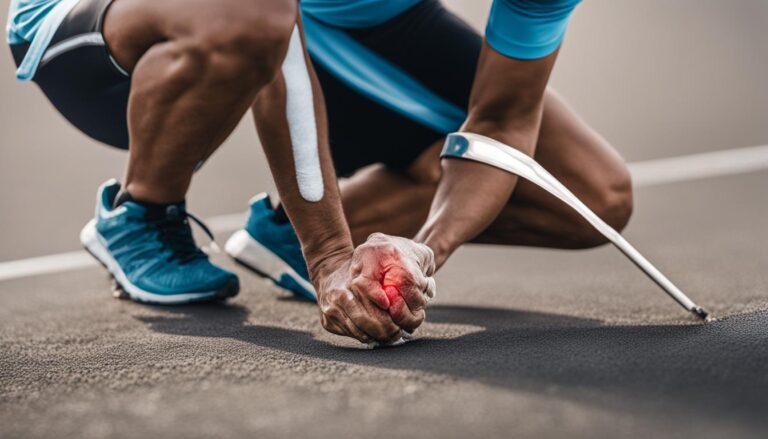
Knee injuries are common and can be caused by various factors such as sports, accidents, and repetitive motion. Traumatic knee injuries can be devastating and can lead to long-term complications. Therefore, it is essential to take preventive measures to avoid such injuries. In this article, we will discuss some effective ways to prevent traumatic knee injuries.
v2 3hh3x znuda

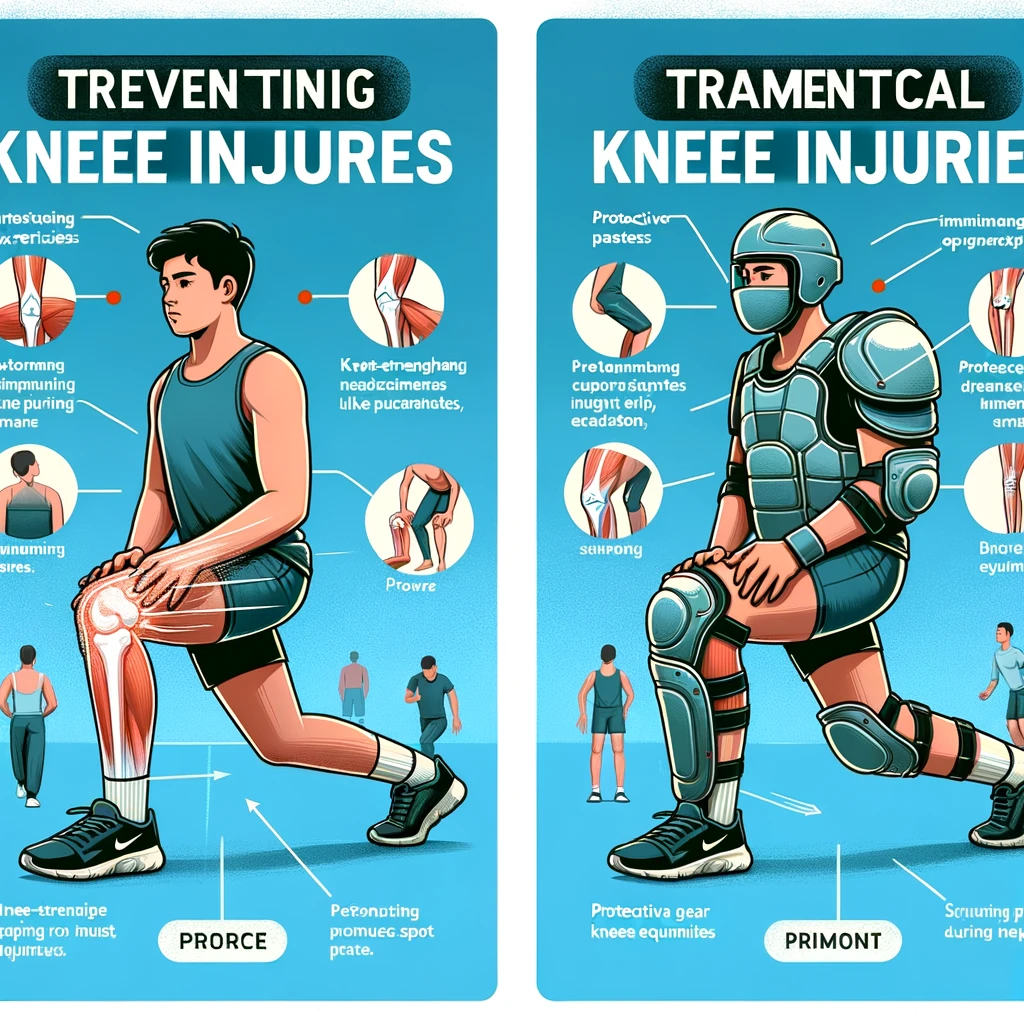
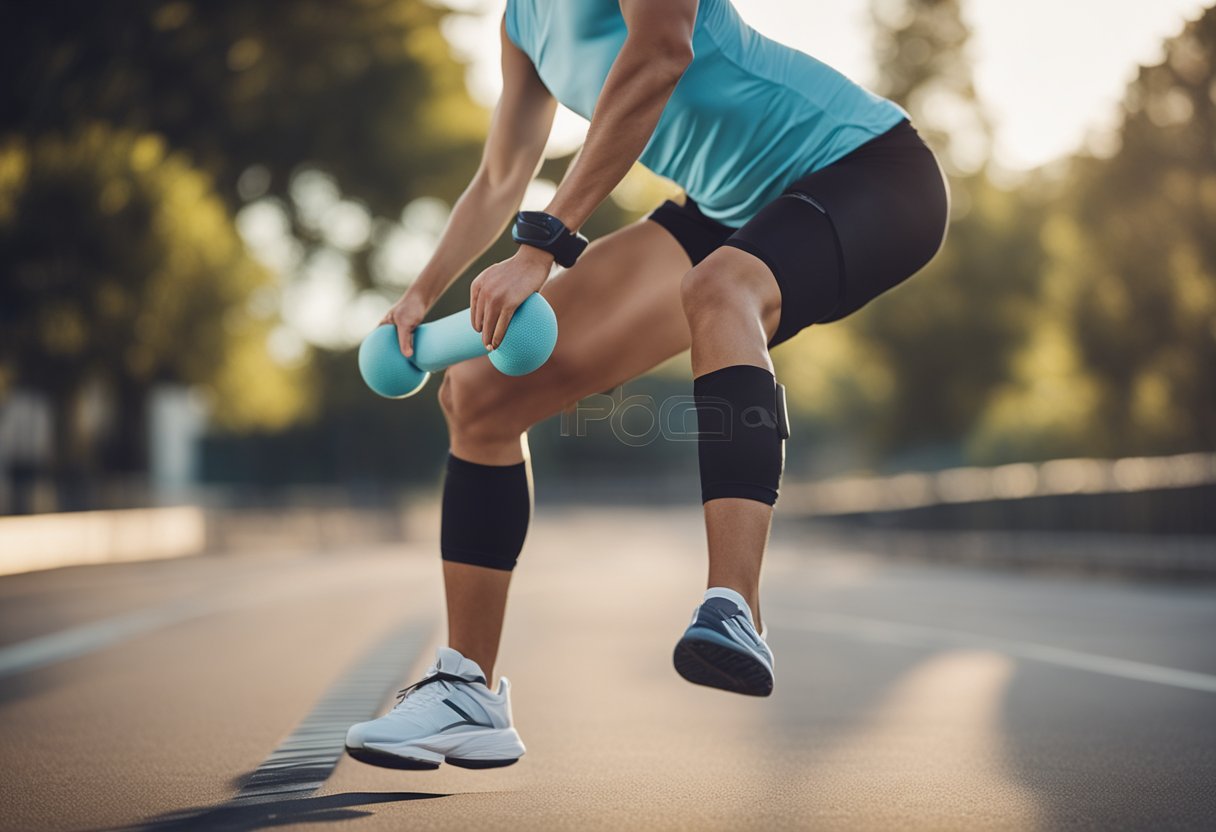
One of the most effective ways to prevent knee injuries is by strengthening the muscles around the knee. Strong muscles can help support the knee joint and reduce the risk of injury. Exercises such as lunges, squats, and leg presses can help strengthen the muscles around the knee. Additionally, stretching can help improve flexibility and reduce the risk of muscle strains.

Another way to prevent knee injuries is by wearing protective gear during sports or activities that involve jumping, running, or sudden changes in direction. Knee pads, braces, and proper footwear can help absorb shock and reduce the risk of injury. It is also essential to warm up before engaging in physical activities to prepare the muscles and joints for the stress they will endure.

775e9c8b 8af4 4bb2 8cc5 d0517fcd25b5 1

In summary, taking preventive measures can help reduce the risk of traumatic knee injuries. By strengthening the muscles around the knee, wearing protective gear, and warming up before physical activities, we can protect our knees and avoid long-term complications.

Understanding Knee Injuries

When it comes to knee injuries, prevention is key. Knee injuries can be caused by various factors, including trauma, overuse, and degenerative conditions. Understanding the anatomy of the knee, common causes and types of knee injuries, as well as their symptoms and diagnosis can help you take steps to prevent knee injuries.

Anatomy of the Knee

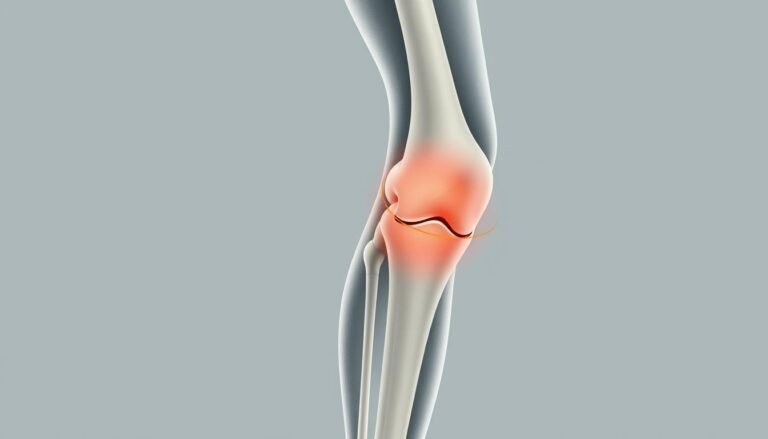
The knee is a complex joint that connects the thigh bone (femur) to the shin bone (tibia). The knee joint also includes the kneecap (patella) and other structures such as ligaments, tendons, cartilage, and meniscus. The ligaments provide stability to the knee, while the tendons connect the muscles to the bones. The cartilage and meniscus act as shock absorbers and help to distribute weight evenly across the joint.

Common Causes and Types of Knee Injuries

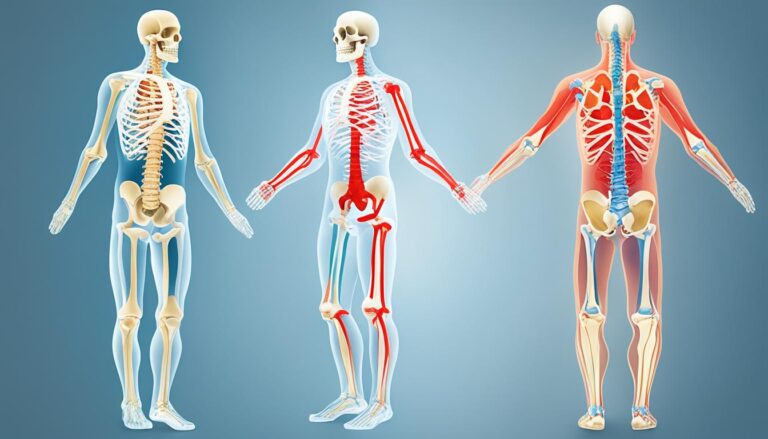
Knee injuries can be caused by a variety of factors, including trauma, overuse, and degenerative conditions such as osteoarthritis and rheumatoid arthritis. Common types of knee injuries include fractures, dislocations, ligament tears, meniscus tears, and torn cartilage.

Fractures occur when there is a break in the bone, while dislocations occur when the bones in the joint are forced out of position. Ligament tears can occur when the ligaments that connect the bones in the knee are stretched or torn, while meniscus tears can occur when the cartilage in the knee is torn. Torn cartilage can also occur as a result of overuse or degenerative conditions.

Symptoms and Diagnosis

Symptoms of knee injuries can include pain, swelling, stiffness, redness, warmth, and fever. Chronic pain can also be a symptom of knee injuries. Diagnosis of knee injuries typically involves a physical examination, imaging tests such as X-rays and MRI scans, and sometimes arthroscopy, a minimally invasive surgical procedure.

In conclusion, knee injuries can be caused by various factors, and understanding the anatomy of the knee, common causes and types of knee injuries, as well as their symptoms and diagnosis can help you take steps to prevent knee injuries.

Prevention and Management Strategies

Exercise and Physical Activity

Engaging in regular physical activity and exercise can help prevent traumatic knee injuries. It is important to incorporate exercises that focus on strengthening the muscles around the knee joint, such as the quadriceps, hamstrings, and calf muscles. These exercises can include lunges, squats, leg presses, and step-ups.

Stretching is also important in preventing knee injuries. It is recommended to stretch before and after exercise to improve flexibility and reduce the risk of injury. Proper technique and form during exercise is crucial in preventing knee injuries. Coaches and trainers can provide guidance on proper technique and form during exercise.

Protective Gear and Techniques

Wearing proper protective gear, such as knee braces, can help prevent knee injuries during sports and physical activity. Knee braces can help provide support and stability to the knee joint, reducing the risk of injury.

Techniques such as jumping and landing properly can also help prevent knee injuries. It is important to land softly and use proper technique when jumping, especially during sports such as basketball or volleyball.

Treatment and Recovery

If a knee injury does occur, it is important to seek medical attention from a doctor or physical therapist. Treatment may include rest, compression, elevation, and ice to reduce swelling and pain. Anti-inflammatory drugs such as ibuprofen may also be prescribed to reduce pain and inflammation.

In some cases, surgery may be necessary to repair a torn ligament or tendon. Physical therapy may also be recommended to help with recovery and prevent future injuries.

Overall, taking steps to prevent knee injuries through exercise, proper technique, and protective gear can help reduce the risk of injury and promote long-term knee health.

Similar Posts

  • Effective Knee Osteoarthritis Prescriptions Available

    Are you struggling with knee osteoarthritis and looking for effective treatment options? You’re in the right place. At [Your Brand Name], we understand the impact knee osteoarthritis can have on your daily life. That’s why we offer a range of prescription drugs and medications specifically designed to manage the pain and inflammation associated with this…

  • |

    Various Forms of Knee Arthritis

    What is Knee Arthritis? If you’ve been experiencing chronic knee pain and stiffness, you may be wondering if arthritis is to blame. There are various forms of knee arthritis, each with their own causes, symptoms, and treatments. Understanding the differences is key to obtaining an accurate diagnosis and effective relief. This comprehensive guide provides an…

  • Knee Decreased Range of Motion

    Knee Decreased Range of Motion: Causes and Treatment Options As we age, our bodies undergo various changes, including a decrease in joint mobility. Knee joint mobility, in particular, is crucial for performing daily activities such as walking, running, and climbing stairs. A decrease in knee range of motion can significantly impact our quality of life,…

  • knee pain in athletes

    Knee pain is a common issue for athletes at all levels. It can affect their performance and even stop them from playing sports1. Young athletes, especially girls, often face anterior knee pain, also known as patellofemoral pain syndrome1. This pain is not usually from a physical problem. Instead, it’s often due to overusing muscles or…

  • Young with Knee Osteoarthritis? Managing Early Onset

    Osteoarthritis is a degenerative condition that affects the joints, causing pain, stiffness, and reduced movement. While it is commonly associated with older individuals, it can also affect young people, leading to knee pain in young adults. In this article, we will discuss the challenges faced by young individuals with knee osteoarthritis and explore strategies for…

  • |

    Knee replacement infection signs

    What if the biggest threat to your new joint isn’t the surgery itself, but something that can surface weeks or even years later? Being aware of Knee replacement infection signs is crucial. Total hip and knee arthroplasties are among the most common elective operations. For most people, they are a resounding success. Yet, data shows about 1 in 100 patients will face a serious complication after their procedure. monitoring knee replacement healing We recognize that a successful outcome relies on two things: the surgical skill and your long-term vigilance. Our goal is to empower you with knowledge. By learning to monitor your recovery, you can protect your investment in a pain-free life. This guide helps you distinguish between normal healing and the early warning signals of a problem. Understanding these signs allows you to seek timely medical attention for a joint replacement. Understanding the Knee replacement infection signs can make a significant difference in your recovery journey. Key Takeaways While highly successful, about 1% of joint replacement patients develop an infection. Early detection of complications is critical for protecting your surgical results. Patient awareness during the recovery process is as important as the initial procedure. Knowing the difference between normal healing and potential warning signs is key. Common indicators include increased pain, new swelling, warmth, redness, or fever. Prompt action and communication with your healthcare team are essential. Long-term joint health requires ongoing attention and care. Overview of Knee Replacement Surgery and Infection Risks With millions of Americans opting for this surgery each year, understanding its scope and associated risks is fundamental. This procedure is a cornerstone of modern orthopedics, offering renewed mobility to those with severe joint conditions. knee replacement surgery overview Introduction to Knee Replacement Procedures Medical projections suggest that by 2030, the number of these operations performed annually in the United States will reach 3.48 million. This type of intervention is highly common and successful. It involves replacing damaged joint surfaces with artificial components. Why Infections Occur Around Implants Bacteria are abundant on our skin and in our bodies. They can enter during surgery or later through the bloodstream. Once they reach the artificial joint, they can form a sticky biofilm. This biofilm makes it extremely difficult for the body’s natural defenses to clear the germs. Implants are made of metal and plastic, which are non-organic materials. The immune system struggles to fight bacteria that colonize these surfaces. Such complications can occur in the surgical wound or deep around the implant itself. Understanding these underlying conditions is the first step in prevention. Knee Replacement Infection Signs: What to Watch For Your vigilance in the weeks and months following the procedure is your first line of defense against potential problems. We empower you to become an expert in your own recovery. Knowing what to expect makes it easier to spot when something is wrong. Common Symptoms and Warning Signals Certain symptoms should prompt immediate contact with your care team. A fever above 100°F (37.8°C) is a classic red flag. Chills or night sweats often accompany it. Pay close attention to the surgical wound. Any foul-smelling or grey liquid drainage is not normal. Increased pain or stiffness that doesn’t improve after several weeks is a concern. A deep joint infection might make walking painful long after your expected recovery period. We remind you that these issues can surface months or years later. knee replacement infection…

One Comment

Leave a Reply

Your email address will not be published. Required fields are marked *