How to Avoid Knee Pain: 6 Essential Exercise Tips
Knee health holds significant importance for maintaining overall mobility and quality of life. Approximately 25% of adults experience knee pain, which can lead to discomfort and disability. Engaging in regular exercise can help prevent knee hurt by strengthening muscles and improving flexibility. Follow these essential tips to ensure better knee health and reduce the risk of pain.
Understanding Knee Pain

Common Causes of Knee Pain
Overuse and Repetitive Strain
Overuse can lead to knee pain. Activities like running or jumping can cause repetitive strain. This strain stresses the knee joint. Over time, this can result in pain and discomfort.
Injuries and Accidents
Knee injuries often occur during sports or accidents. Ligament tears, fractures, and dislocations can damage the knee. These injuries can lead to long-term pain if not treated properly.
Age-related Wear and Tear
Aging affects the knees. Cartilage wears down over time. This wear and tear can cause osteoarthritis. Osteoarthritis leads to pain and stiffness in the knee joint.
Importance of Preventive Measures
Role of Exercise in Prevention
Exercise plays a crucial role in preventing knee pain. Strength training and flexibility exercises help maintain knee health. Regular physical activity can reduce the risk of developing knee problems.
Research from Mayo Clinic highlights that conditioning muscles and practicing correct techniques can prevent knee pain.
Benefits of Strengthening and Flexibility
Strengthening exercises build muscle around the knee. Strong muscles support the knee joint. Flexibility exercises improve the range of motion. Improved flexibility reduces the risk of injuries.
A study published in BJSM found that adding hip exercises to quadriceps exercises improves pain and function in people with knee osteoarthritis.
Regular exercise offers protection against knee pain. Walking regularly, according to research in Arthritis & Rheumatology, may protect against knee osteoarthritis pain.
Essential Exercise Tips to Avoid Knee Hurt
Tip 1: Warm-Up Properly
Importance of Warming Up
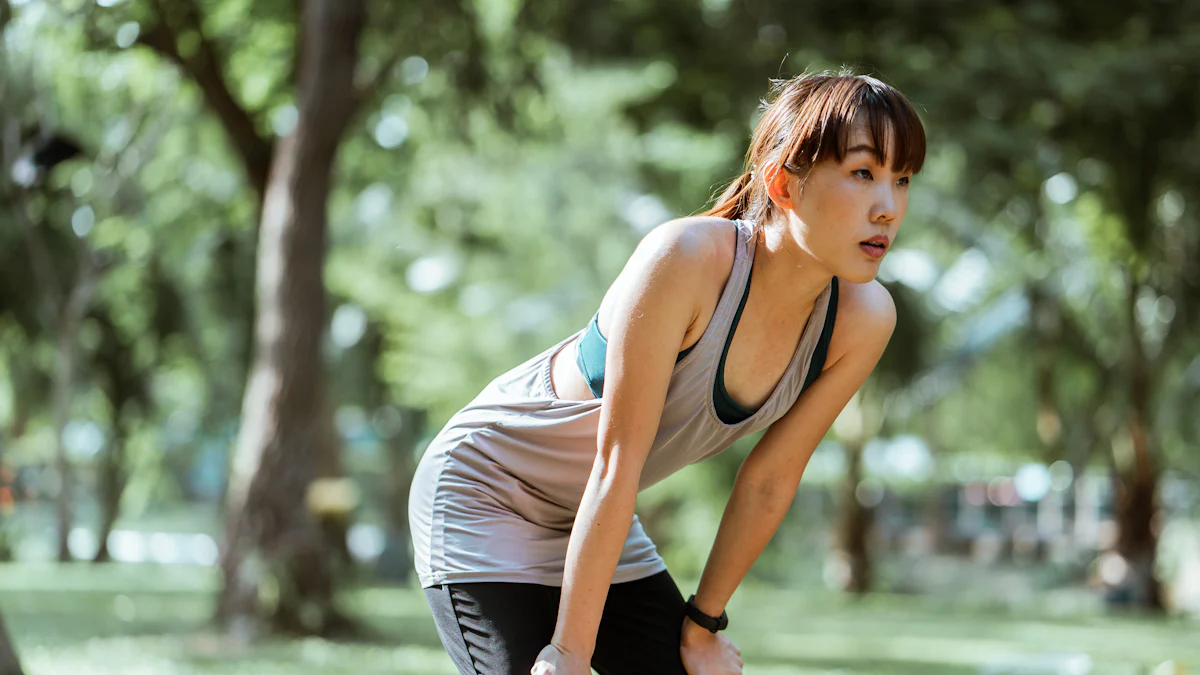
Warming up prepares your body for exercise. It increases blood flow to muscles and raises your heart rate. This process reduces the risk of injury. Grayson Wickham, PT, DPT, CSCS, states, “An effective warm-up will also work on improving your joint proprioception (also known as body awareness), prime your nervous system for your workout ahead and increase blood flow to the specific muscles you will be working in your workout.”
Effective Warm-Up Exercises
Effective warm-up exercises include low-impact activities. Walking, cycling on a stationary bike, or using an elliptical machine are good options. Athletes should do an easy jog or jump rope for about five minutes. This activity should continue until you break a light sweat. Warm muscles are less prone to injury.
Tip 2: Strengthen Your Quadriceps
Recommended Quadriceps Exercises
Strengthening your quadriceps supports the knee joint. Recommended exercises include squats, leg presses, and lunges. These exercises build muscle around the knee.
How to Perform Them Safely
Perform these exercises with proper form to avoid injury. Keep your knees aligned with your toes during squats and lunges. Avoid letting your knees extend past your toes. Use controlled movements and avoid sudden jerks. Start with lighter weights and gradually increase as you gain strength.
Tip 3: Focus on Hamstring Strength
Key Hamstring Exercises
Strong hamstrings balance the strength of your quadriceps. Key exercises include hamstring curls, deadlifts, and bridges. These exercises target the back of your thighs.
Tips for Proper Form
Maintain proper form to prevent knee hurt. During hamstring curls, keep your hips stable. Avoid arching your back during deadlifts. Engage your core muscles for stability. Perform each exercise slowly and with control.
Tip 4: Improve Hip Strength
Exercises for Hip Strengthening
Strengthening your hips can support your knees. Strong hip muscles help stabilize the knee joint. Recommended exercises include clamshells, side leg raises, and hip bridges. Clamshells target the gluteus medius, which helps with knee alignment. Side leg raises strengthen the outer hip muscles. Hip bridges work on the glutes and hamstrings.
Benefits for Knee Health
Strong hips reduce the risk of knee hurt. Proper hip strength ensures better knee alignment. This alignment decreases stress on the knee joint. Strong hip muscles also improve overall balance. Improved balance further protects the knees from injuries.
Tip 5: Enhance Flexibility
Stretching Exercises for Flexibility
Stretching exercises can enhance flexibility. Flexible muscles reduce the risk of knee hurt. Recommended stretches include hamstring stretches, quadriceps stretches, and calf stretches. Hamstring stretches involve bending forward to touch your toes. Quadriceps stretches require pulling your heel towards your buttocks. Calf stretches involve leaning against a wall and pushing your heel down.
How Flexibility Helps Prevent Knee Pain
Flexibility improves the range of motion in your joints. Better range of motion reduces the strain on your knees. Stretching before and after exercise can prevent knee hurt. Flexible muscles absorb shock better, protecting the knee joint. Regular stretching routines can keep your knees healthy and pain-free.
Tip 6: Practice Balance and Stability
Balance Exercises
Balance exercises can enhance knee stability. Good balance reduces the risk of knee hurt. Recommended exercises include single-leg stands, balance board exercises, and yoga poses like the tree pose. Single-leg stands involve standing on one leg for a few seconds. Balance board exercises challenge your stability. Yoga poses improve both balance and flexibility.
Importance of Stability for Knee Health
Stability plays a crucial role in knee health. Stable knees are less prone to injuries. Balance exercises strengthen the muscles around the knee. Strong muscles provide better support for the knee joint. Improved stability can prevent knee hurt during physical activities.
Additional Tips for Knee Health
Proper Footwear
Choosing the Right Shoes
Selecting the right shoes can prevent knee hurt. Look for shoes with good arch support and cushioning. Shoes should fit well and provide stability. Visit a specialty store to get a professional fitting. Replace worn-out shoes regularly to maintain support.
Impact on Knee Health
Proper footwear reduces stress on your knees. Good shoes absorb shock and distribute weight evenly. This can prevent knee hurt during physical activities. Poor footwear can lead to misalignment and increase the risk of injuries. Investing in quality shoes can protect your knees in the long run.
Maintaining a Healthy Weight
Weight Management Tips
Maintaining a healthy weight can reduce the risk of knee hurt. Incorporate a balanced diet with plenty of fruits and vegetables. Engage in regular physical activity like walking or swimming. Monitor your weight regularly to stay within a healthy range. Avoid crash diets and focus on sustainable lifestyle changes.
Benefits for Knee Health
Healthy weight management reduces pressure on your knees. Excess weight increases the load on your knee joints. This can lead to knee hurt and other complications. A healthy weight can improve mobility and reduce pain. Studies show that weight loss can significantly decrease knee pain in people with osteoarthritis.
Knee health remains crucial for maintaining an active lifestyle. Incorporate these exercise tips into your daily routine to prevent knee hurt. Regularly perform warm-up exercises, strengthen your quadriceps and hamstrings, and improve hip strength. Enhance flexibility with stretching exercises and practice balance for better stability. Choose proper footwear with good arch support and cushioning. Maintain a healthy weight to reduce pressure on your knees. Consistent efforts will help you avoid knee hurt and ensure overall joint health.