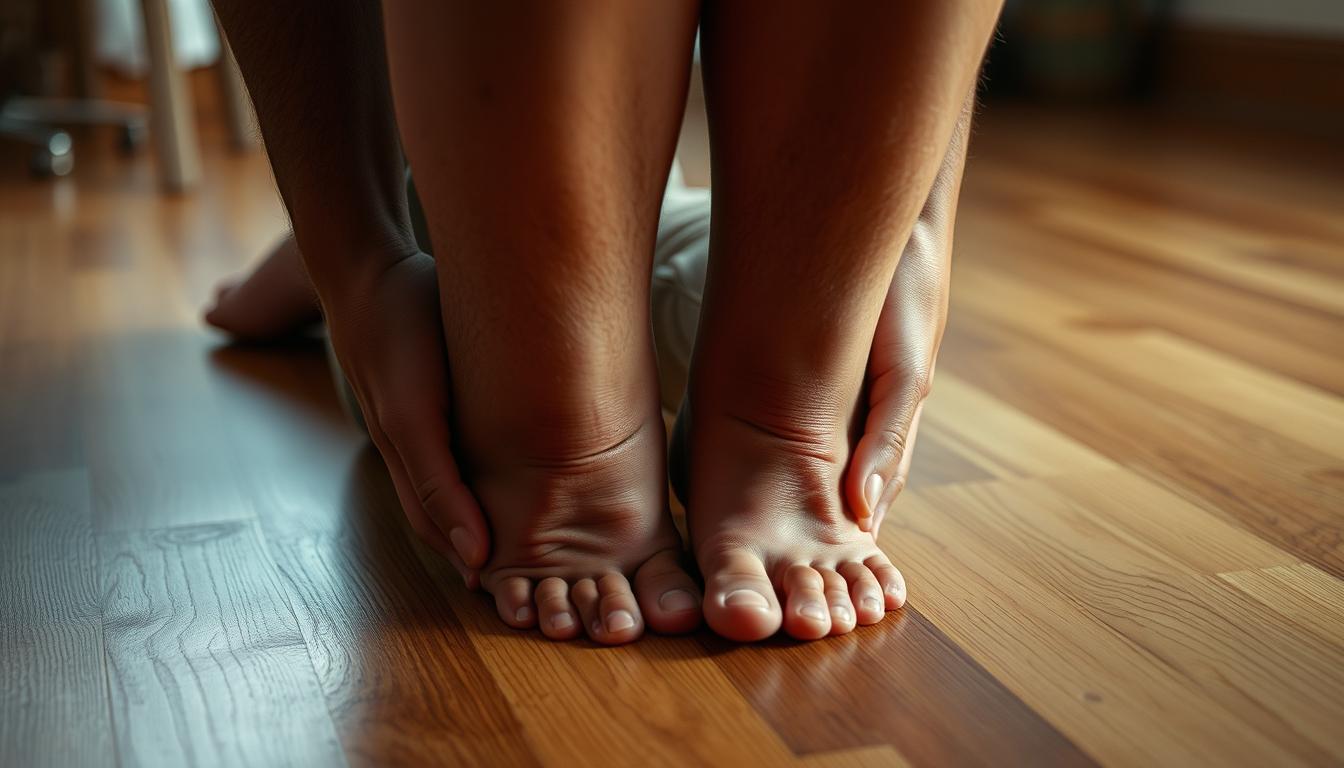
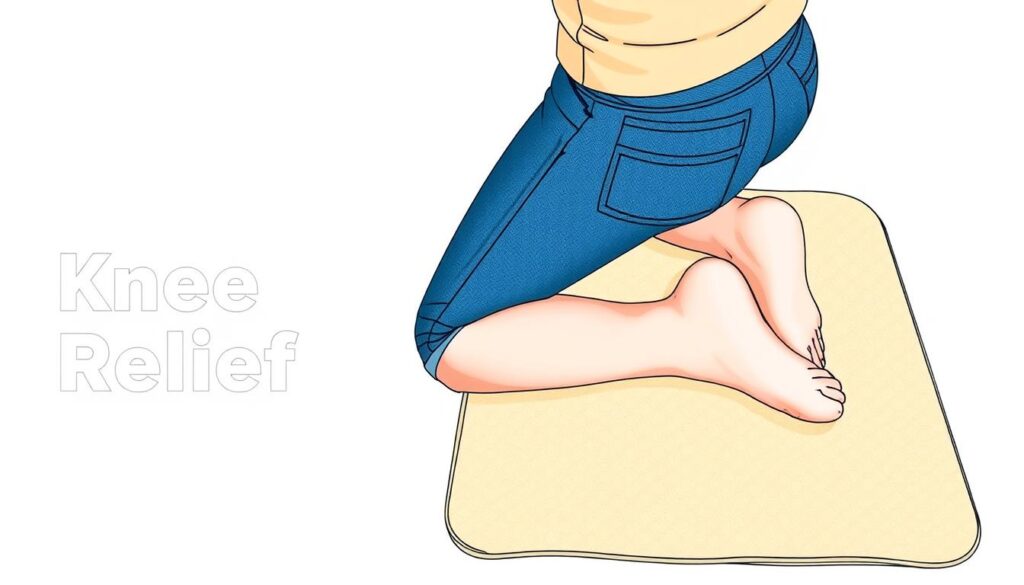
Kneeling on hardwood floors can be a painful experience for many, significantly impacting daily activities and overall quality of life. The discomfort is often due to the increased mechanical compression in the knee joint, which occurs when the kneecap pushes forcefully against the thigh bone.
We understand that this issue affects many individuals and can be a source of frustration. Throughout this article, we’ll explore the causes, symptoms, and effective treatment options for knee pain when kneeling on hardwood floors. Our goal is to provide practical advice for both immediate relief and long-term management strategies.
Key Takeaways
Understanding the causes of knee pain when kneeling on hardwood floors.
Identifying the symptoms associated with this condition.
Exploring effective treatment options for relief.
Learning strategies for long-term management of knee health.
Determining when to seek professional medical advice.
Understanding Why Hardwood Floors Cause Knee Pain
Understanding the causes of knee pain when kneeling on hardwood floors is crucial for prevention and treatment. We will explore the underlying factors that contribute to this issue.
The Biomechanics of Kneeling on Hard Surfaces
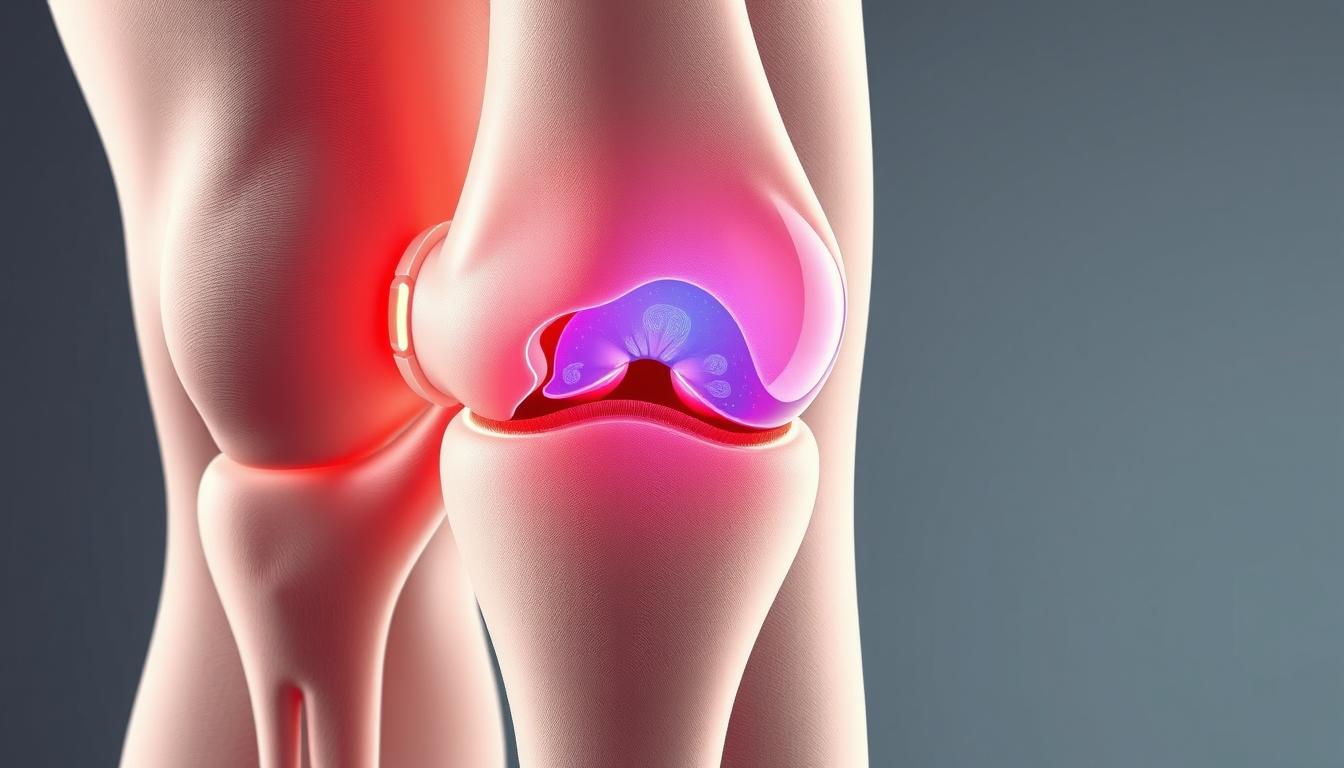
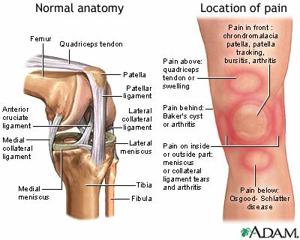
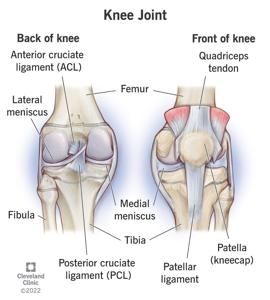
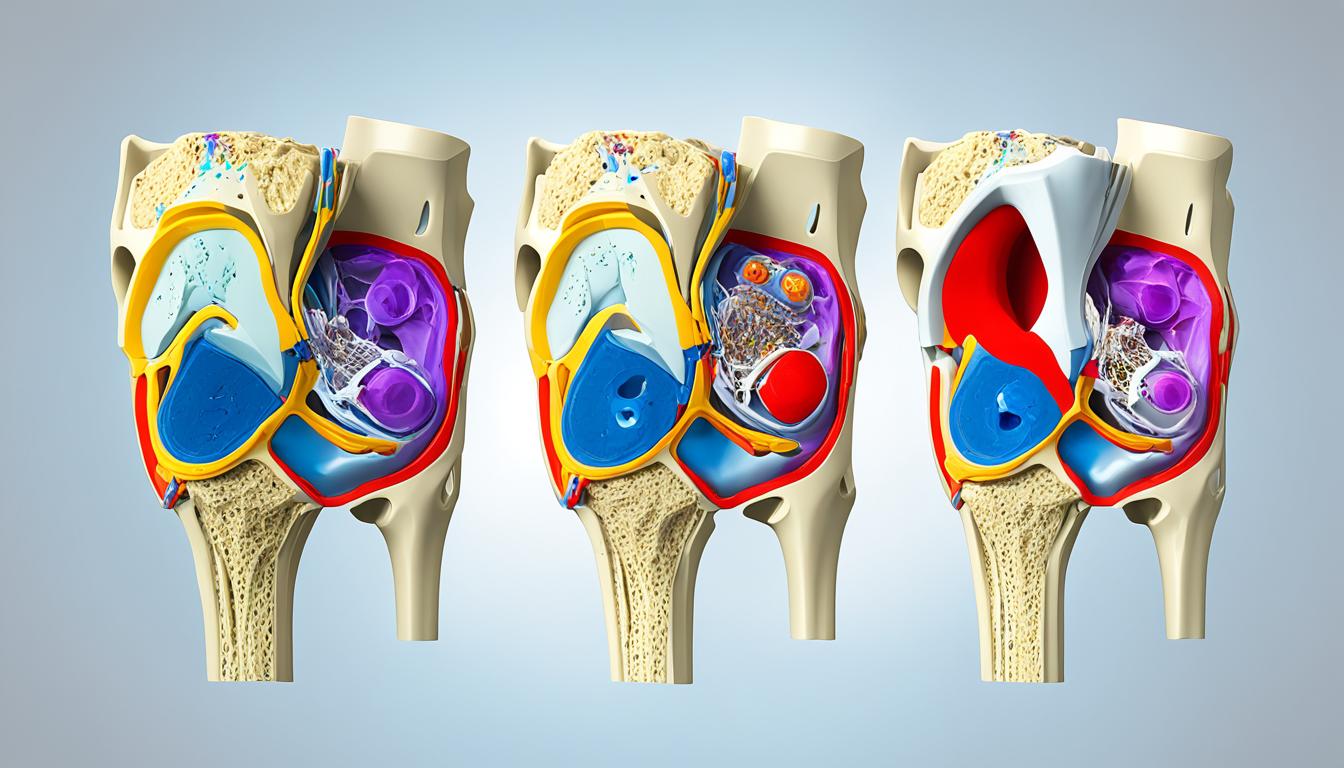
Kneeling on hard surfaces like hardwood floors creates significant pressure on the knee joint. The knee joint’s structure makes it vulnerable to compression forces when bearing weight in a kneeling position. When we kneel, the kneecap (patella) is pressed firmly against the thigh bone (femur), which can lead to discomfort and pain over time.
How Hardwood Floors Increase Joint Compression
Hardwood floors lack the natural shock absorption that softer surfaces provide. As a result, the full force of our body weight is transferred directly to the knee’s structures, including cartilage, tendons, and bursae. This direct transfer of pressure can cause tissue irritation and inflammation, leading to both acute pain and chronic conditions.
By understanding the relationship between body weight, kneeling technique, and surface hardness, we can better explain why some people experience more severe knee pain than others when kneeling on hardwood floors.
Common Conditions Causing Knee Pain When Kneeling
Several common conditions can cause knee pain when kneeling on hard surfaces like hardwood floors. Understanding these conditions is crucial for effective management and relief.
Prepatellar Bursitis: The “Housemaid’s Knee”
Prepatellar bursitis, often referred to as “Housemaid’s Knee,” is characterized by inflammation of the fluid-filled sac in front of the kneecap. This condition frequently affects individuals who kneel for extended periods, leading to swelling and discomfort.
Osteoarthritis and Its Impact
Osteoarthritis involves the deterioration of cartilage in the knee joint. As the protective cushioning between bones diminishes, kneeling on hard surfaces becomes particularly painful. Maintaining healthy cartilage is essential for preventing osteoarthritis.
Patellar Tendonitis or “Jumper’s Knee”
Patellar tendonitis, also known as “Jumper’s Knee,” creates inflammation in the tendon connecting the kneecap to the shinbone. This condition causes pain that worsens with kneeling activities. Proper diagnosis is key to treating patellar tendonitis effectively.
As noted by medical professionals, “Understanding the specific condition causing knee pain is vital for determining the most effective treatment approach.”
Each of these conditions presents with unique symptoms but shares the common factor of being aggravated by kneeling on unyielding surfaces. Identifying the underlying cause is essential for appropriate treatment and prevention.
Knee Pain When Kneeling on Hardwood Floors: Symptoms to Watch For
Identifying the symptoms associated with knee pain when kneeling on hardwood floors is crucial for early intervention. We will explore the various signs that may indicate knee pain and discuss their implications.
Immediate Pain Signals
When kneeling on hardwood floors, immediate pain signals can occur, including sharp pain, burning sensations, or feelings of pressure around the knee joint. These symptoms are often a direct response to the stress and pressure applied to the knee.
Delayed Symptoms That Develop Over Time
Many individuals experience delayed symptoms that develop hours after kneeling activities. These can include stiffness, swelling, or dull aching that worsens overnight. Recognizing these delayed symptoms is vital for understanding the full impact of kneeling on hardwood floors.
Warning Signs That Require Medical Attention
It’s essential to differentiate between normal discomfort and warning signs that indicate more serious conditions. Severe pain, significant swelling, or instability in the knee are indicators that require medical evaluation. For instance, a study highlighted that persistent knee pain can be a precursor to more severe conditions such as osteoarthritis.
Symptom
Description
Possible Implication
Sharp Pain
Sudden, intense pain when kneeling
Potential ligament or tendon strain
Stiffness
Increased stiffness after kneeling
Possible inflammation or bursitis
Swelling
Visible swelling around the knee
May indicate fluid accumulation or inflammation
“Understanding the progression of symptoms can help you identify problems early before they develop into chronic conditions.”
Diagnosing the Source of Your Knee Pain
Diagnosing the source of knee pain when kneeling on hardwood floors involves a multi-step process that includes self-assessment and medical evaluation. To effectively address knee pain, it’s crucial to understand the underlying causes and identify the specific condition affecting your knees.
Self-Assessment Questions
To help identify potential causes of knee pain, we recommend asking yourself a series of questions. Understanding the pattern, location, and triggers of your pain can provide valuable insights into the underlying condition. Consider the following: when did the pain start, is it constant or intermittent, and are there any specific activities that exacerbate the pain?
When did you first notice the knee pain?
Is the pain constant or does it occur only when kneeling?
Are there any other symptoms, such as swelling or stiffness?
What to Expect During a Medical Examination
During a standard knee exam, your doctor will ask about the particulars of your discomfort and perform a physical exam. According to Michael Fredericson, M.D., director of Physical Medicine and Rehabilitation Sports Medicine at Stanford University, the examination will include checking alignment and scanning for any issues with internal ligaments and cartilage.
Examination Component
Description
Physical Exam
Checking alignment and scanning for issues with internal ligaments and cartilage
Diagnostic Imaging
X-rays, MRIs, or ultrasounds to confirm the exact cause of knee pain
Range of Motion Assessment
Evaluating knee mobility and identifying potential limitations
Immediate Relief Strategies for Kneeling-Related Knee Pain
For individuals experiencing knee pain after kneeling on hardwood floors, there are effective methods to reduce the discomfort and inflammation. Immediate relief is crucial to prevent further irritation and to facilitate a return to normal activities.
The RICE Method Explained
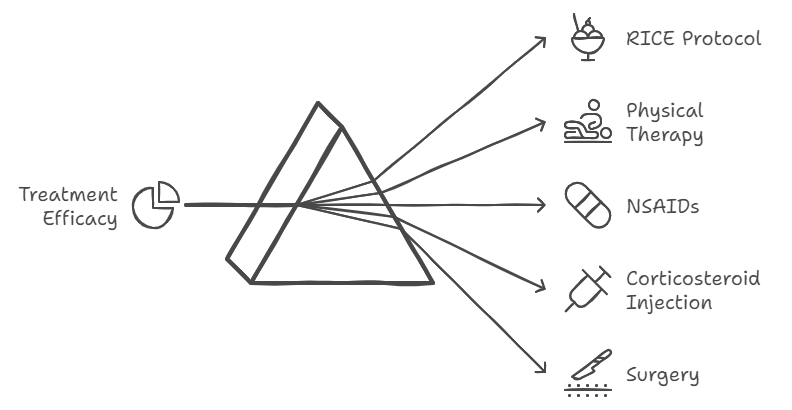
The RICE method, standing for Rest, Ice, Compression, and Elevation, is a first-line approach for immediate relief of knee pain. Resting the knee and avoiding activities that aggravate the condition is the first step. Applying ice helps reduce inflammation, while compression and elevation assist in minimizing swelling.
Over-the-Counter Pain Management Options
Pain management can be achieved through over-the-counter medications like NSAIDs, which help reduceinflammation and provide temporary relief. Understanding the proper usage and potential side effects of these medications is crucial for effective treatment.
Supportive Devices and Braces
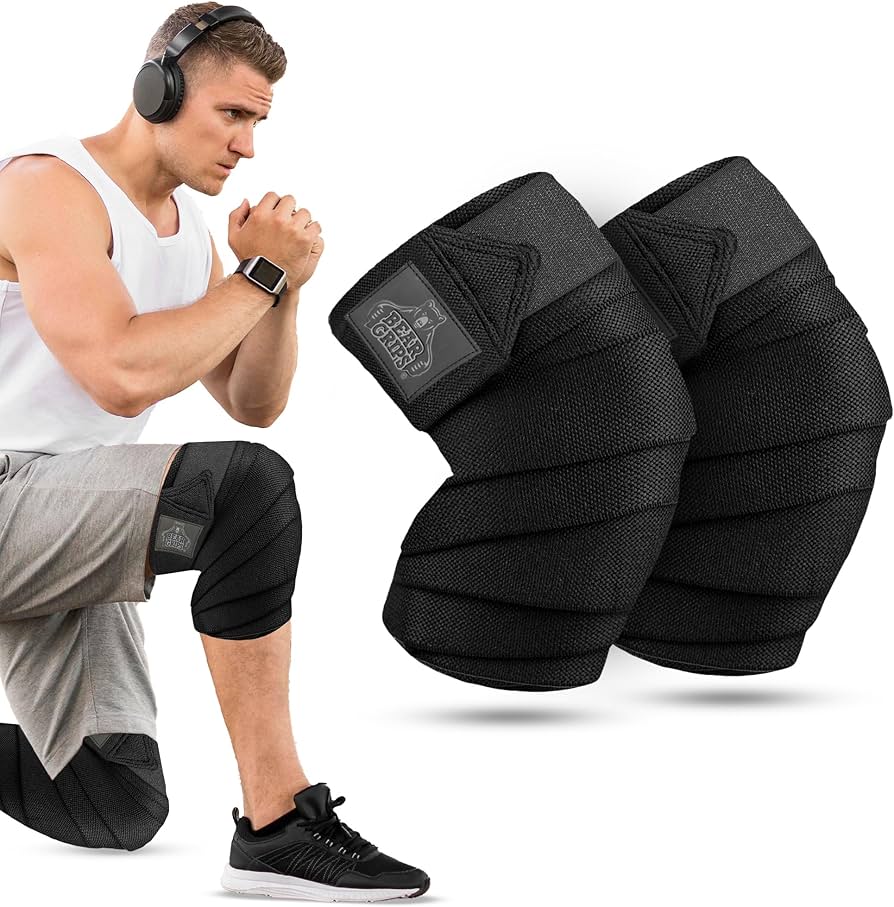
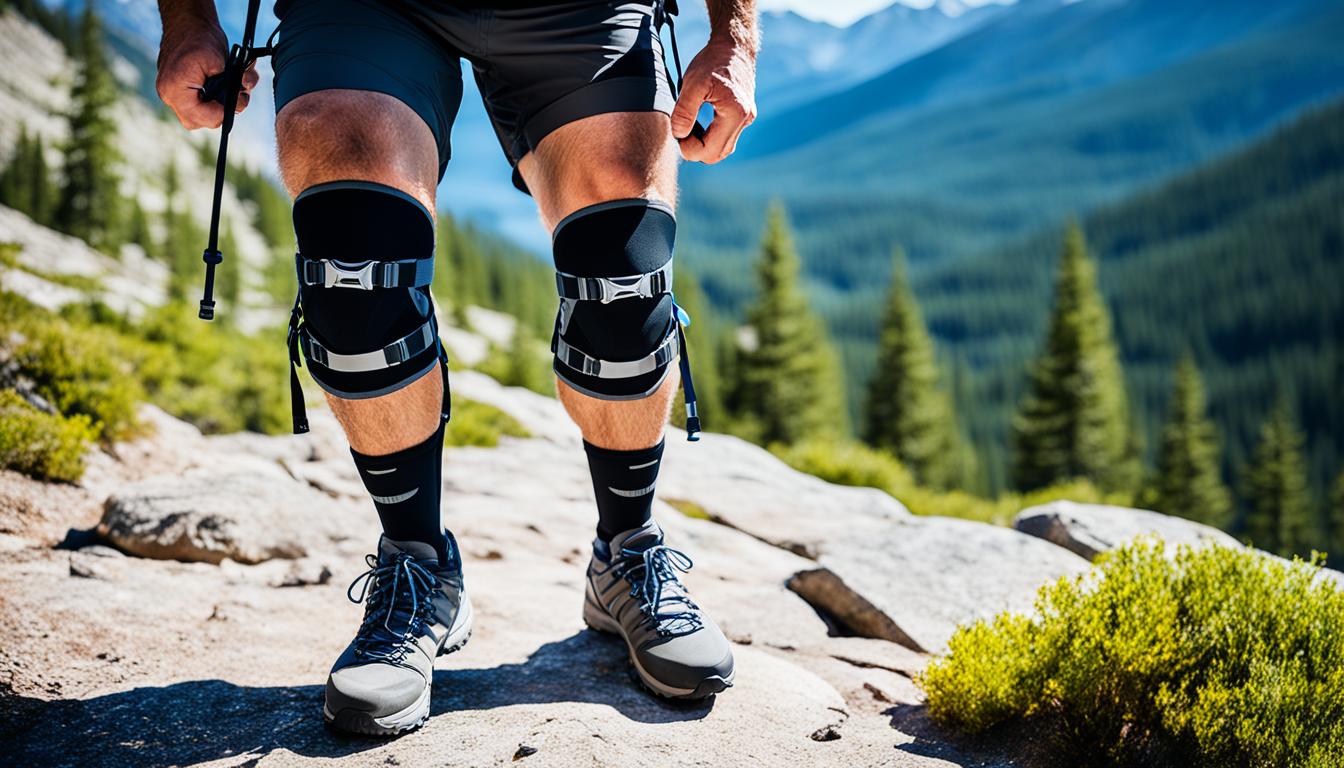
Various supportive devices such as knee braces, sleeves, and pads can provide stability and cushioning when kneeling is unavoidable. These devices can significantly reduce knee pain during necessary kneeling activities.
Managing chronic knee pain effectively often requires a multi-faceted approach that incorporates various long-term treatment options. We will explore comprehensive strategies to help alleviate knee pain and improve quality of life.
Physical Therapy Approaches
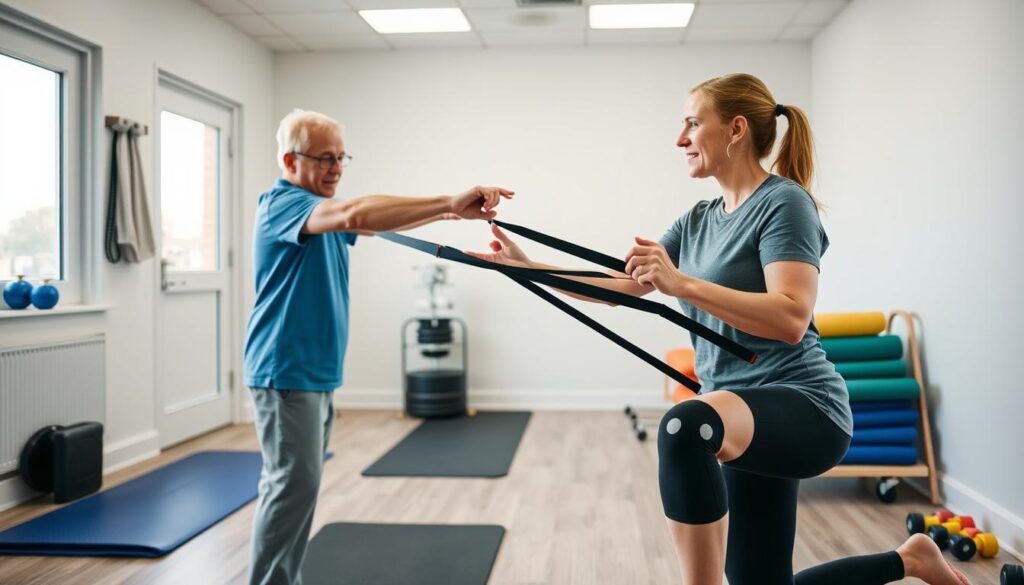
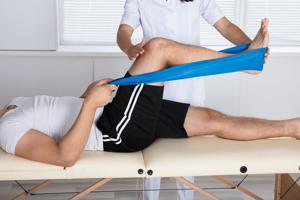
Physical therapy plays a crucial role in managing chronic knee pain by strengthening the muscles that support the knee joint, thereby reducing pressure when kneeling. Our physical therapy approaches include customized exercise programs designed to enhance knee stability and flexibility.
Prescription Medications and Injections
For some patients, prescription medications and injections are necessary to manage chronic knee pain. Corticosteroid injections have been shown to be effective for about 40% of patients with osteoarthritis of the knee by reducing inflammation. Viscosupplementation, another type of injection, lubricates the knee with hyaluronic acid, providing relief.
When to Consider Surgical Interventions
In cases where conservative treatments fail to provide adequate relief, surgical interventions may be considered. Options range from minimally invasive arthroscopic procedures to partial or total knee replacements. Understanding the progression of treatment options helps patients make informed decisions about their care path in consultation with healthcare providers.
Protective Measures When Kneeling on Hardwood Floors
To minimize the risk of knee pain, we must consider effective protective measures for kneeling on hardwood floors. Kneeling on hard surfaces can put significant pressure on the knee joint, leading to discomfort and potential injury.
We provide detailed guidance on selecting appropriate knee pads and cushioning solutions specifically designed for hardwood floor activities. Different types of knee protection, such as gel-filled pads and memory foam cushions, are available to help you choose the best option for your needs.
Proper Kneeling Techniques to Reduce Strain
Demonstrating proper kneeling techniques can help distribute weight more evenly and reduce concentrated stress on sensitive knee structures. This can significantly help reduce knee pain during kneeling activities.
Alternative Positions and Methods
Alternative positions and methods for completing tasks that typically require kneeling can help prevent pain while maintaining productivity. Simple modifications to your home or workspace can create more knee-friendly environments. Understanding how to transition between positions safely can prevent sudden movement that might trigger knee pain or injury.
Strengthening Exercises to Support Healthy Knees
Exercise plays a vital role in supporting knee health and alleviating pain. As noted by Fredericson, research on osteoarthritis of the knee highlights the importance of exercise beyond just weight loss. Often, orthopedic practices include physical therapists who can help patients find exercises that alleviate their knee pain, no matter the cause.
Low-Impact Exercises for Knee Stability
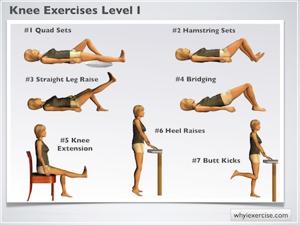
Low-impact exercises are specifically designed to improve knee stability without causing additional stress or pain to the joint. These exercises help in strengthening the muscles around the knee, thereby providing support and reducing the risk of injury. For instance, straight leg raises and knee bends are effective low-impact exercises.
Targeted Stretches for Knee Flexibility
Targeted stretching routines can improve flexibility around the knee, reducing tension and improving range of motion for more comfortable kneeling. Stretching exercises such as hamstring and quadriceps stretches are beneficial. For more information on stretches that can soothe knee aches, you can visit Knee Pain Relief: Best Stretches.
Building Supporting Muscles Around the Knee
Strengthening the quadriceps, hamstrings, and calf muscles creates a supportive structure that takes pressure off the knee joint during kneeling activities. Exercises like squats and lunges are effective in building these supporting muscles. It’s essential to focus on proper form during these exercises to ensure effectiveness and safety.
Lifestyle Modifications to Reduce Knee Pain
We can reduce knee pain when kneeling by making a few key lifestyle adjustments. These modifications not only alleviate the discomfort associated with kneeling on hardwood floors but also contribute to overall knee health.
Weight Management Strategies
Managing your weight is crucial for reducing knee pain. Every extra pound on your body means additional pressure on your knees. For every pound of body weight, there’s a corresponding 4-6 pounds of pressure on the knee joints during activities. By maintaining a healthy weight, you can significantly reduce the stress on your knees.
Dietary Approaches to Reduce Inflammation
Diet plays a significant role in managing inflammation, which is a key factor in knee pain. Incorporating anti-inflammatory foods and supplements into your diet can help. Foods rich in omega-3 fatty acids, such as salmon, and antioxidants, found in fruits and vegetables, can be beneficial. Adopting an anti-inflammatory diet, like the Mediterranean diet, can complement other treatments for knee pain.
Activity Adjustments for Daily Living
Adjusting your daily activities can also help reduce knee pain. Simple changes, such as using knee pads when kneeling, adopting alternative positions for tasks, and choosing proper footwear, can make a significant difference.
Using ergonomic tools and equipment
Alternating between tasks to avoid prolonged kneeling
Maintaining good posture
When to Seek Professional Help for Your Knee Pain
If you experience a new significant trauma, immediate swelling, or inability to bear weight on your knee, seek medical help. Symptoms like a misshapen knee, locking, or giving way also warrant immediate attention. A doctor can diagnose the cause through examinations and diagnostic tests like X-rays or MRIs. Understanding your condition helps in choosing the right treatment options, which may include physical therapy, medication, or in some cases, surgery. Early intervention can prevent further damage to the cartilage and joints, ensuring better knee health.
FAQ
What causes knee pain when kneeling on hardwood floors?
Knee pain when kneeling on hardwood floors can be caused by various factors, including prepatellar bursitis, also known as “housemaid’s knee,” which is an inflammation of the bursa in front of the kneecap. Other causes include osteoarthritis, patellar tendonitis, or “jumper’s knee,” and strain on the muscles and joints around the knee.
How can I alleviate knee pain caused by kneeling?
We can alleviate knee pain by using the RICE method (Rest, Ice, Compression, Elevation), taking over-the-counter pain management medications, and using supportive devices such as knee pads or braces. Additionally, practicing proper kneeling techniques and taking regular breaks can help reduce strain.
What are the symptoms of knee pain that require medical attention?
Symptoms that require medical attention include severe pain, swelling, stiffness, or limited range of motion in the knee. If we experience any of these symptoms, we should seek medical help to determine the underlying cause and receive proper treatment.
Can exercises help reduce knee pain when kneeling?
Yes, engaging in low-impact exercises that promote knee stability, flexibility, and strength can help reduce knee pain. We can also benefit from targeted stretches and building supporting muscles around the knee to improve overall knee health.
Are there any lifestyle modifications that can help reduce knee pain?
Yes, maintaining a healthy weight, following a diet that reduces inflammation, and making activity adjustments in our daily lives can all contribute to reducing knee pain. By making these modifications, we can alleviate pressure on our knees and promote overall joint health.
As we age, our joints undergo significant wear and tear, often leading to conditions like knee osteoarthritis and cartilage degeneration. The prospect of regrowing or repairing damaged cartilage has long been a topic of medical research. Recently, infrared therapy has emerged as a promising non-invasive treatment option for knee cartilage repair.
But how does it work? We will explore the mechanisms behind this innovative approach, which involves the use of specific wavelengths of light to stimulate cellular processes and promote tissue repair. By penetrating deep into the tissue, infrared light is believed to enhance healing in damaged cartilage.
This article will provide an overview of the current state of infrared therapy for knee cartilage damage, including its benefits and potential applications for arthritis sufferers.
Key Takeaways
Infrared therapy is a non-invasive treatment for knee cartilage repair.
It uses specific light wavelengths to stimulate cellular healing processes.
This therapy is believed to promote tissue repair in damaged cartilage.
It may offer benefits for individuals suffering from knee osteoarthritis.
Infrared therapy could be a potential treatment option for arthritis.
Understanding Knee Cartilage and Osteoarthritis
Knee cartilage plays a crucial role in maintaining joint health, and understanding its structure is essential for appreciating the impact of osteoarthritis. The knee joint, one of the body’s largest and most complex joints, is subjected to significant stress and strain throughout our lives.
Articular cartilage, which covers the ends of bones in the knee joint, is composed of highly specialized cells called chondrocytes. These cells are sparsely distributed within the cartilage tissue and have a low replicative ability, which limits the cartilage’s natural repair processes.
The Structure and Function of Knee Cartilage
The complex structure of knee cartilage consists of chondrocytes embedded in an extracellular matrix primarily composed of collagen and proteoglycans. This unique composition allows knee cartilage to provide a smooth, low-friction surface for joint movement while distributing mechanical loads across the joint.
Healthy knee cartilage maintains a delicate balance between the synthesis and degradation of cartilage components. This balance is crucial for maintaining joint integrity and function. However, knee cartilage lacks blood vessels and nerves, significantly limiting its natural ability to repair itself when damaged.
The synovial membrane surrounding the knee joint plays a vital role in nourishing the cartilage and providing lubrication for smooth joint movement through the production of synovial fluid.
Component
Function
Importance in Knee Cartilage
Chondrocytes
Specialized cells producing cartilage matrix
Essential for cartilage health and maintenance
Collagen
Provides tensile strength to cartilage
Critical for withstanding mechanical stress
Proteoglycans
Contributes to cartilage’s compressive stiffness
Vital for load distribution and absorption
Synovial Fluid
Lubricates the joint and nourishes cartilage
Essential for smooth joint movement and cartilage health
Understanding the normal structure and function of knee cartilage provides a foundation for comprehending how osteoarthritis develops and why certain treatments, such as infrared therapy, may be beneficial.
Osteoarthritis is characterized by the degeneration of knee cartilage, leading to joint pain and reduced mobility. Studies have shown that the condition involves a complex interplay of factors, including genetic predisposition, age, and mechanical stress on the joint.
As we explore the relationship between knee cartilage and osteoarthritis, it becomes clear that maintaining healthy cartilage is crucial for preventing or slowing the progression of this debilitating condition.
Understanding Knee Cartilage and Osteoarthritis
Learn Understanding how cartilage degeneration occurs is crucial for developing effective treatments for osteoarthritis and improving patient outcomes. Cartilage degeneration is a complex process influenced by various factors.
How Cartilage Degeneration Occurs
Cartilage degeneration is characterized by the disruption of the balance between cartilage synthesis and breakdown, leading to progressive joint damage. Osteoarthritis (OA), a degenerative joint disease, is multifactorial in etiology, with age, joint injury, trauma, and obesity being main predisposing risk factors.
The increased expression of inflammation mediators alters cartilage homeostasis by favoring the catabolic activity of chondrocytes, resulting in cartilage matrix disruption and loss. This process is not part of a chronic systemic inflammation but rather a joint-specific mechanism.
Key aspects of cartilage degeneration include:
The multifactorial nature of cartilage degeneration, including age-related changes and mechanical stress.
The role of inflammatory mediators in promoting catabolic activity in chondrocytes.
The process of cartilage matrix disruption and its consequences.
The progression to joint space narrowing and subchondral bone remodeling.
Understanding these mechanisms is essential for addressing the underlying tissue damage in osteoarthritis and for developing effective treatment strategies.
Understanding Knee Cartilage and Osteoarthritis
Cartilage repair is a complex process, hindered by the avascular nature of cartilage and the limited ability of chondrocytes to proliferate. Articular cartilage is composed of highly specialized cells, chondrocytes, that are sparsely distributed and have low replicative ability. This limited regenerative capacity is a significant challenge in the treatment of cartilage damage.
Challenges in Cartilage Repair
The absence of vascular and neural support in cartilage limits the repair process of damaged cartilage. Traditional healing mechanisms that work for other tissues often fail when it comes to cartilage repair. The complex structure of cartilage makes it difficult to replicate through current tissue engineering approaches.
Conventional treatments for cartilage damage have significant limitations. Medications often only address symptoms rather than promoting actual repair. The “wear and tear” model of osteoarthritis has evolved to include considerations of inflammation and metabolic factors, highlighting the complexity of cartilage degeneration.
Key Challenges in Cartilage Repair:
Limited proliferative capacity of chondrocytes
Avascular nature of cartilage
Complexity of cartilage structure
Limited effectiveness of conventional treatments
Evolving understanding of osteoarthritis pathology
Finding effective treatments for cartilage repair has been a persistent challenge in orthopedic medicine. The body’s limited natural response to cartilage damage creates a need for interventions that can stimulate and support the repair process.
Treatment Challenges
Description
Potential Solution
Limited Chondrocyte Proliferation
Chondrocytes have low replicative ability
Cellular therapy or growth factor application
Avascular Nature
Lack of blood supply hinders repair
Angiogenic therapy or tissue engineering
Complex Cartilage Structure
Difficulty in replicating cartilage architecture
Advanced tissue engineering techniques
The need for effective cartilage repair treatments has driven research into innovative therapies, including infrared therapy. By understanding the challenges in cartilage repair, we can better appreciate the potential benefits of emerging treatments.
What is Infrared Therapy for Knee Cartilage Repair
Infrared therapy has emerged as a promising treatment for knee cartilage repair, leveraging the benefits of photobiomodulation. This non-invasive approach has garnered significant attention in the medical community due to its potential in reducing inflammation and promoting healing.
As we explore the benefits of infrared therapy for knee cartilage, it’s essential to understand the underlying principles of photobiomodulation and how it differs from other light-based treatments. Photobiomodulation therapy involves the use of red or near-infrared light to stimulate cellular processes, reduce inflammation, and relieve pain without causing thermal damage to tissues.
Defining Photobiomodulation and Light Therapy
Photobiomodulation (PBM) is a form of light therapy that has been increasingly recognized for its therapeutic benefits. It encompasses both laser and LED light sources, making it a more inclusive term than the previously used “low-level laser therapy” (LLLT).
The evolution from LLLT to PBM reflects a broader understanding of how different light sources can be utilized for therapeutic purposes. PBM works at the cellular level, promoting beneficial biological responses without causing tissue heating. This is in contrast to other light-based treatments that rely on thermal effects.
One of the key advantages of PBM is its non-invasive nature, making it an attractive option for patients seeking alternatives to surgery or pharmaceutical interventions. As evidence of its efficacy continues to accumulate, PBM is gaining acceptance in mainstream medicine.
The therapeutic use of PBM involves the application of specific wavelengths of light to stimulate healing and reduce inflammation. The effects of PBM on cellular processes are multifaceted, influencing various aspects of tissue repair and regeneration.
Therapy Type
Light Source
Primary Effects
Photobiomodulation Therapy
Laser or LED
Reduces inflammation, promotes healing
Low-Level Laser Therapy
Laser
Stimulates cellular processes, relieves pain
Light Therapy
Various (including LED)
Enhances tissue repair, reduces pain
By understanding the mechanisms behind PBM and its application in infrared therapy, we can better appreciate its potential benefits for knee cartilage repair. The growing body of research supporting PBM underscores its promise as a valuable treatment option.
What is Infrared Therapy for Knee Cartilage Repair
Infrared therapy devices designed for knee cartilage repair are diverse, including both laser-based and LED-based technologies. This diversity allows for a range of treatment options tailored to specific needs and conditions.
Device Technologies and Form Factors
The devices available for infrared therapy can be broadly categorized into laser-based and LED-based systems. Laser-based devices, including diode lasers, offer precise control over the wavelength and intensity of the light emitted, which can be advantageous for targeting specific tissue depths and conditions.
LED-based systems, on the other hand, utilize light-emitting diodes to produce a broader beam of light, which can be beneficial for treating larger areas. The choice between these technologies depends on the specific requirements of the treatment and the condition being addressed.
Infrared therapy devices also vary significantly in their form factors. Stationary clinical units are typically used in professional settings and offer advanced features and higher power outputs. In contrast, portable handheld devices and wearable pads or wraps are designed for personal use at home, providing convenience and flexibility for ongoing treatment.
Wavelength Specificity and Device Design
The effectiveness of infrared therapy for knee cartilage repair is heavily influenced by the wavelength of the light used. Wavelengths between 632-910 nm are considered particularly effective for promoting cartilage repair. The design of the device, including factors such as power density, beam spot size, and depth of penetration, also plays a crucial role in determining the treatment’s efficacy.
When selecting an infrared therapy device, it’s essential to evaluate its specifications to ensure it meets the requirements for effective knee cartilage treatment. Advances in technology have made infrared therapy more accessible, with increasingly sophisticated yet user-friendly devices becoming available for both clinical and home use.
Laser-based devices offer precision and control over treatment parameters.
LED-based systems provide a broader beam of light, suitable for larger treatment areas.
Device form factors range from stationary clinical units to portable handheld devices and wearable pads or wraps.
Wavelength specificity is crucial, with 632-910 nm being particularly effective for cartilage repair.
Device design influences treatment efficacy through factors like power density and depth of penetration.
What is Infrared Therapy for Knee Cartilage Repair
To harness the full potential of infrared therapy for knee cartilage repair, it’s essential to understand the physics behind light penetration into tissue. Infrared therapy, also known as low-level laser therapy (LLLT) or photobiomodulation (PBM), involves the application of infrared light to stimulate cellular processes that can aid in tissue repair.
How Infrared Light Penetrates Tissue
The penetration of infrared light into human tissue is a complex process influenced by several factors, including the wavelength of the light, tissue type, pigmentation, hydration, and the presence of blood vessels. Research indicates that near-infrared light, with wavelengths between 700-1000 nm, generally penetrates deeper into tissue than visible red light.
Factors Affecting Light Penetration
Tissue type and composition
Pigmentation and melanin content
Hydration levels in the tissue
Presence and density of blood vessels
Understanding these factors is crucial for maximizing the effectiveness of infrared therapy. Proper positioning and application technique are vital to ensure that the infrared light reaches the knee joint effectively.
As infrared light travels through skin, subcutaneous fat, and the joint capsule to reach the cartilage, it interacts with various tissue components. The therapeutic effects of infrared light are not limited to the direct penetration depth, as systemic effects and cellular signaling cascades can extend its benefits beyond the targeted area.
Mechanisms of Action
According to research, photons emitted by PBM are primarily absorbed by cytochrome C oxidase (CCO) within the mitochondrial electron transport chain. This absorption leads to a series of complex cellular responses and altered redox states, which can be explained by two primary redox processes:
Process
Description
Effect
Photoexcitation
Photoexcitation of specific chromophores within CCO causes changes in their redox properties.
Speeds up electron transfer
Photo-dissociation
CCO releases NO upon photo-dissociation.
Increases oxygen binding and respiration rates
These mechanisms underscore the potential of infrared therapy to enhance cellular metabolism and promote tissue repair. By understanding how infrared light penetrates tissue and interacts with cellular components, we can better appreciate its therapeutic potential for knee cartilage repair.
The Science Behind Infrared Therapy
By delving into the cellular mechanisms of action, we can better understand how infrared therapy contributes to cartilage health. Infrared therapy, also known as low-level laser therapy (LLLT) or photobiomodulation (PBM), has been shown to have beneficial effects on cells involved in cartilage repair.
Cellular Mechanisms of Action
When cells are exposed to red or near-infrared light, cytochrome c oxidase (CCO) in the mitochondrial respiratory chain absorbs photon energy. This absorption causes an electronic transition, resulting in increased cellular respiration efficiency and ATP synthesis. As a result, PBM can improve cellular metabolism and increase cell membrane potential, contributing to better cellular states such as cell proliferation and normal functional cell activity.
The primary cellular mechanisms through which infrared therapy affects chondrocytes and other cells involved in cartilage repair are multifaceted:
Cytochrome c oxidase acts as the primary photoacceptor for infrared light, initiating a cascade of cellular responses that lead to increased ATP production.
The absorption of photons by cytochrome c oxidase enhances cellular energy levels, providing the necessary energy for cellular repair processes.
Infrared light modulates reactive oxygen species (ROS) levels, with controlled increases in ROS acting as signaling molecules to activate beneficial cellular pathways.
Infrared therapy influences gene expression in chondrocytes, promoting the synthesis of cartilage matrix components and reducing the expression of degradative enzymes.
Furthermore, infrared therapy affects cell membrane permeability and ion channel activity, influencing cellular signaling and function. These cellular mechanisms collectively contribute to enhanced chondrocyte survival, proliferation, and matrix production, which are essential for cartilage repair.
Studies have shown that the effects of infrared therapy on cells can lead to significant improvements in cartilage health. By understanding the cellular mechanisms of action, we can better appreciate the potential benefits of this therapy for knee cartilage repair.
The Science Behind Infrared Therapy
Infrared therapy has been shown to have a profound impact on cellular function, particularly in the context of mitochondrial activity. Mitochondria are the powerhouses of cells, responsible for producing the energy required for various cellular processes.
Effects on Mitochondria and ATP Production
When cells are exposed to red or near-infrared light, cytochrome c oxidase (CCO) absorbs photon energy, causing an electronic transition from a low-energy level to a high-energy level on the chromophore. This results in the release of an electron that participates in cell respiration and ATP synthesis. As a consequence, photobiomodulation (PBM) can improve cellular respiration efficiency by promoting cellular metabolism and increasing cell membrane potential.
We focus on how infrared therapy specifically targets mitochondria to enhance their function in chondrocytes and surrounding tissues. The process by which infrared light dissociates nitric oxide from cytochrome c oxidase allows for increased oxygen consumption and ATP production. Improved mitochondrial function leads to increased cellular energy availability, which is crucial for cartilage repair processes that require significant metabolic resources.
The relationship between mitochondrial dysfunction in osteoarthritic chondrocytes and the potential for infrared therapy to restore normal function is significant. Enhanced ATP production supports protein synthesis, cell proliferation, and extracellular matrix production in cartilage tissue. Research has demonstrated measurable increases in ATP levels following infrared light exposure, correlating with improved cellular function.
The mitochondrial effects of infrared therapy may help chondrocytes resist the metabolic stress associated with osteoarthritis, potentially slowing disease progression. By enhancing mitochondrial activity, infrared therapy can promote improved cellular function and overall tissue health.
Cellular Process
Effect of Infrared Therapy
Benefit for Cartilage Repair
Mitochondrial Function
Enhanced ATP Production
Increased Energy for Cellular Processes
Cell Proliferation
Promoted Cell Growth
Improved Tissue Repair
Extracellular Matrix Production
Increased Matrix Synthesis
Enhanced Cartilage Health
Studies have shown that infrared therapy can have a positive impact on various cellular processes, ultimately contributing to improved cartilage health and function. By understanding the effects of infrared therapy on mitochondria and ATP production, we can better appreciate its therapeutic potential for cartilage repair.
The Science Behind Infrared Therapy
Infrared therapy has emerged as a promising treatment for knee cartilage repair, leveraging its anti-inflammatory properties to promote healing. This non-invasive approach has garnered significant attention in recent years due to its potential to modulate the inflammatory response, a key factor in the progression of osteoarthritis and associated pain.
Reduction of Inflammatory Response
Numerous studies have demonstrated the anti-inflammatory effects of Photobiomodulation (PBM), the therapeutic mechanism behind infrared therapy, in the context of arthritis treatment. By regulating various cellular responses, PBM promotes cell activity and functional normalization. This includes enhancing mitochondrial ATP production, releasing intracellular nitric oxide (NO), and modulating the secretion of inflammatory cytokines such as TNFα, IL-6, and IL-β by immune cells.
We will explore how infrared therapy modulates the inflammatory response in osteoarthritic joints. The therapy has been shown to reduce the production of pro-inflammatory cytokines like IL-1β, TNF-α, and IL-6 by affected cells within the joint environment. This reduction is crucial as these cytokines play a significant role in disease progression and pain.
Key Effects of Infrared Therapy on Inflammation:
Reduces inflammatory cell recruitment and activation, limiting the inflammatory cascade in damaged cartilage.
Promotes the production of anti-inflammatory cytokines, shifting the balance toward a more regenerative environment.
Contributes to decreased pain and improved function in patients with knee cartilage damage.
Affects specific inflammatory signaling pathways, such as NF-κB, which are crucial in osteoarthritis progression.
Offers potential long-term benefits for cartilage preservation and repair beyond immediate symptomatic relief.
By understanding how infrared therapy impacts the inflammatory response, we can better appreciate its therapeutic potential for managing knee cartilage degeneration and associated conditions like osteoarthritis.
Benefits of Infrared Therapy for Knee Cartilage
Infrared therapy has emerged as a promising treatment for knee cartilage repair by stimulating the synthesis of extracellular matrix components. This non-invasive approach has shown significant potential in promoting the health and repair of knee cartilage.
Stimulation of Extracellular Matrix Synthesis
The extracellular matrix (ECM) is a crucial component of articular cartilage, providing its mechanical properties and playing a vital role in its function. Infrared therapy, particularly low-level laser therapy (LLLT) or photobiomodulation (PBM), has been shown to stimulate chondrocytes to increase their production of ECM components. This includes the synthesis of collagen type II, which is the predominant collagen in healthy articular cartilage, and proteoglycans like aggrecan, which give cartilage its compressive strength and resilience.
Studies have demonstrated that infrared light can activate growth factors that promote matrix synthesis, such as transforming growth factor-beta (TGF-β) and insulin-like growth factor-1 (IGF-1). These growth factors play a crucial role in regulating the metabolic activity of chondrocytes and enhancing the production of ECM components.
The increased matrix synthesis contributes to the structural integrity of damaged cartilage and may help fill in defects or areas of thinning. Research evidence from both laboratory and clinical studies has demonstrated enhanced matrix production in response to specific infrared therapy protocols.
Infrared therapy stimulates chondrocytes to produce more ECM components, essential for cartilage repair.
The therapy enhances the production of collagen type II and proteoglycans, critical for maintaining healthy articular cartilage.
Growth factors such as TGF-β and IGF-1 are activated by infrared light, promoting matrix synthesis.
Increased matrix synthesis helps restore the structural integrity of damaged cartilage.
Clinical and laboratory studies support the effectiveness of infrared therapy in enhancing matrix production.
By understanding how infrared therapy stimulates ECM synthesis, we can better appreciate its potential benefits for knee cartilage repair. As research continues to uncover the mechanisms behind this therapy, it is likely that infrared therapy will become an increasingly important tool in the treatment of cartilage-related disorders.
Benefits of Infrared Therapy for Knee Cartilage
Infrared therapy has emerged as a promising treatment for reducing cartilage degradation in knee osteoarthritis patients. This therapeutic approach leverages the benefits of infrared light to create a favorable environment for cartilage health.
Reduction of Cartilage Degradation
One of the key benefits of infrared therapy is its ability to reduce cartilage degradation. Cartilage degradation is a significant concern in osteoarthritis, as it leads to the loss of joint function and increased pain. Infrared therapy helps by inhibiting the activity of destructive enzymes in the joint environment. These enzymes, including matrix metalloproteinases (MMPs) and aggrecanases, play a crucial role in breaking down cartilage components.
Studies have shown that infrared light decreases the expression and activity of these enzymes, thereby reducing the rate of cartilage degradation. Additionally, infrared therapy has been found to reduce oxidative stress in the joint, which is a contributing factor to cartilage matrix degradation.
Preserving chondrocyte viability is essential for maintaining healthy cartilage. Infrared therapy has been shown to support the health of these cells, thereby preventing further cartilage loss. Furthermore, infrared therapy may help stabilize the cartilage matrix by promoting the cross-linking of collagen fibers and other structural components.
The combined effect of reduced cartilage degradation and enhanced matrix synthesis creates a net positive impact on cartilage health. Clinical and experimental evidence supports the notion that infrared therapy can lead to reduced rates of cartilage loss in subjects receiving treatment compared to control groups.
Infrared therapy inhibits destructive enzymes in the joint, reducing cartilage breakdown.
It decreases the expression and activity of MMPs and aggrecanases, key enzymes involved in cartilage degradation.
Infrared therapy reduces oxidative stress, a factor contributing to cartilage matrix degradation.
It preserves chondrocyte viability, essential for maintaining healthy cartilage.
Infrared therapy may stabilize the cartilage matrix by promoting cross-linking of collagen fibers.
By understanding the mechanisms through which infrared therapy acts, we can better appreciate its potential as a therapeutic option for individuals with knee osteoarthritis. The evidence suggests that infrared therapy can be a valuable adjunct in the management of cartilage health.
Benefits of Infrared Therapy for Knee Cartilage
Infrared therapy has emerged as a promising treatment for knee cartilage damage and osteoarthritis, offering significant pain relief and improved mobility. This non-invasive approach has garnered attention for its potential to address the underlying causes of pain and limited mobility in patients with knee osteoarthritis.
Pain Relief and Improved Mobility
One of the primary benefits of infrared therapy is its ability to provide pain relief for patients suffering from knee cartilage damage and osteoarthritis. We will explore the mechanisms through which infrared therapy achieves this, including its effects on nerve conduction and the release of pain mediators in the joint.
Studies have shown that infrared therapy can lead to significant reductions in pain-like behavior in animal models. While there were conflicting findings regarding some biochemical, histological, and behavioral outcomes, the overall trend suggests that infrared therapy can be an effective treatment for pain management.
The relationship between reduced inflammation and decreased pain is a crucial aspect of infrared therapy’s benefits. By mitigating inflammation, infrared therapy can lead to improved comfort and reduced pain for patients. This, in turn, contributes to improved mobility, creating a positive cycle where increased movement further benefits joint health.
Improved mobility following infrared therapy can also help patients engage more effectively in physical therapy and exercise programs. This is a critical component of comprehensive care for knee osteoarthritis, as increased mobility and strength can lead to better overall outcomes.
Clinical evidence supports the use of infrared therapy for pain reduction and functional improvement in patients with knee cartilage issues. Randomized controlled trials have demonstrated the efficacy of this treatment approach, providing a solid foundation for its inclusion in treatment protocols.
Infrared therapy provides pain relief by affecting nerve conduction and the release of pain mediators.
The anti-inflammatory effects of infrared therapy contribute to decreased pain and improved comfort.
Pain relief and improved mobility create a positive cycle, enhancing overall joint health.
Clinical Evidence Supporting Infrared Therapy
In vitro studies on chondrocytes provide valuable insights into the cellular mechanisms underlying infrared therapy’s effects on knee cartilage. These controlled laboratory experiments help us understand how infrared light interacts with the cells responsible for maintaining cartilage health.
In Vitro Studies on Chondrocytes
Several in vitro studies have investigated the effects of infrared therapy on chondrocytes, the specialized cells found in healthy cartilage. These studies used monocultures experiments, where chondrocytes were isolated and cultured in controlled laboratory conditions.
Two-thirds of the studies used chondrocytes isolated from the knee cartilage of New Zealand white rabbits, which were further expanded in vitro. The remaining study used human chondrocytes cell lines. This diversity in cell sources helps to establish the broader applicability of the findings.
One-third of the studies conducted experiments in an in vitro OA model, which involved administering recombinant human interleukin-1β (IL-1β) to stimulate the inflammatory environment characteristic of osteoarthritic knees. This approach allowed researchers to examine how infrared therapy modifies cellular responses under conditions that mimic osteoarthritis.
The studies examined various aspects of chondrocyte behavior, including proliferation, survival, and metabolic activity. They also investigated how infrared light affects chondrocyte gene expression, particularly genes related to matrix production and inflammatory mediators.
The results of these studies are summarized in the following table:
Study
Cell Source
Experimental Model
Key Findings
Study 1
Rabbit chondrocytes
Normal
Enhanced cell proliferation and matrix production
Study 2
Human chondrocytes
OA model (IL-1β)
Reduced inflammatory responses and increased cartilage-specific gene expression
Study 3
Rabbit chondrocytes
Normal
Improved cell survival and metabolic activity
These in vitro studies provide valuable insights into the potential benefits of infrared therapy for knee cartilage repair. While they have limitations, they contribute significantly to our understanding of the cellular mechanisms underlying the therapy’s effects.
Animal studies have played a crucial role in understanding how infrared therapy influences cartilage health in models of osteoarthritis and joint damage. These studies have provided valuable insights into the potential therapeutic benefits of infrared therapy for knee cartilage repair.
Animal Model Research Results
Various animal models have been used to study infrared therapy, including surgically-induced osteoarthritis, chemical induction models, and traumatic injury models. These models have allowed researchers to investigate the effects of infrared therapy on cartilage repair and regeneration in a controlled manner.
Histological Evidence
Histological examinations from animal studies have shown significant improvements in cartilage structure, thickness, and quality following infrared therapy. These improvements suggest that infrared therapy can stimulate cartilage repair and potentially slow down or halt the progression of osteoarthritis.
Biochemical Changes
The biochemical changes observed in animal cartilage after infrared treatment have been explored, including alterations in inflammatory markers and cartilage-specific molecules. These changes indicate a reduction in inflammation and an increase in cartilage health.
Behavioral Outcomes
Animal studies have also highlighted improvements in weight-bearing, mobility, and pain-related behaviors following infrared therapy. These outcomes suggest that infrared therapy can improve the quality of life for subjects with osteoarthritis or joint injuries.
The methodological quality of these animal studies was assessed using the Risk of Bias Assessment tool for Non-Randomized Studies (RoBANS), which evaluates the risk of bias across six domains. This assessment is crucial for understanding the reliability of the findings and their potential applicability to human patients.
By examining the results from animal model research, we can better understand the potential benefits and limitations of infrared therapy for knee cartilage repair. This knowledge can inform the development of effective treatment protocols for human patients.
Clinical Evidence Supporting Infrared Therapy
Infrared therapy has garnered significant attention in recent years due to its potential in treating knee osteoarthritis and promoting cartilage repair. Human clinical trials have been instrumental in understanding the efficacy of this treatment modality.
Outcomes from Human Clinical Trials
Numerous studies have investigated the effects of infrared therapy on knee cartilage repair and osteoarthritis treatment. These trials have employed various strategies and laser therapy (LT) parameters, resulting in positive effects on cartilage repair. The evidence suggests that LT may be an adequate therapy for osteoarthritis (OA) treatment.
We examined the results of human clinical trials that evaluated infrared therapy for knee cartilage repair and osteoarthritis treatment. Both randomized controlled trials and observational studies provided evidence for infrared therapy’s effectiveness in real-world clinical settings.
The studies measured objective outcomes such as changes in cartilage volume, joint space width, and inflammatory markers following infrared therapy. Patient-reported outcomes from clinical trials were also significant, highlighting improvements in pain scores, functional assessments, and quality of life measures.
Comparison of Treatment Outcomes
Treatment Modality
Pain Reduction
Cartilage Repair
Functional Improvement
Infrared Therapy
Significant
Moderate
Significant
Standard Treatment
Moderate
Minimal
Moderate
The durability of treatment effects observed in longer-term follow-up studies was also a crucial aspect. Improvements were generally maintained over time, indicating the potential long-term benefits of infrared therapy.
In conclusion, human clinical trials have provided substantial evidence supporting the use of infrared therapy for knee cartilage repair and osteoarthritis treatment. The positive outcomes observed in these studies underscore the potential of infrared therapy as a valuable treatment option.
Preparing for Infrared Therapy Treatment
When considering infrared therapy for knee cartilage repair, it’s crucial to assess whether you’re a suitable candidate for this treatment. Infrared therapy has shown promise in treating knee osteoarthritis and cartilage damage, but its effectiveness can vary based on several factors.
Candidacy Factors for Infrared Therapy
Several key factors determine whether a patient is a good candidate for infrared therapy. These include the severity and type of cartilage damage, the patient’s overall health status, and their previous treatments.
The severity of knee osteoarthritis or cartilage damage plays a significant role in determining the potential effectiveness of infrared therapy. Patients with mild to moderate cartilage damage tend to respond better to this treatment than those with severe degeneration.
Factor
Influence on Candidacy
Severity of Cartilage Damage
Mild to moderate damage responds better
Type of Cartilage Damage
Traumatic injuries may respond differently than degenerative conditions
Patient Age
Older patients may have reduced responsiveness
Overall Health Status
Presence of comorbidities can affect treatment outcomes
Patient factors such as age, overall health status, and activity level also play a crucial role in determining candidacy. Older patients or those with significant comorbidities may have a reduced response to infrared therapy.
Previous treatments and their outcomes can also influence candidacy for infrared therapy. Patients who have not responded to other conservative treatments may still benefit from infrared therapy.
It’s essential to understand that infrared therapy is not suitable for everyone. Certain medical conditions and medications may contraindicate this treatment. A thorough assessment by a healthcare provider is necessary to determine suitability.
Ultimately, determining candidacy for infrared therapy involves a shared decision-making process between patients and healthcare providers. By carefully evaluating individual factors and setting realistic expectations, patients can make informed decisions about whether infrared therapy is right for them.
Preparing for Infrared Therapy Treatment
Before starting infrared therapy, it’s essential for patients to understand what this treatment can achieve for their knee cartilage health. Infrared therapy has shown promise in reducing pain and improving cartilage health in patients with knee osteoarthritis.
Factors Influencing Treatment Outcomes
The effects of infrared therapy can vary among patients. Several factors influence the outcomes, including the severity of knee osteoarthritis, the patient’s overall health, and how well they adhere to the treatment plan. Studies have shown that patients with mild to moderate knee osteoarthritis tend to respond better to infrared therapy than those with severe cartilage degeneration.
When considering infrared therapy, patients should be aware of the typical timeline for experiencing benefits. Some may notice initial pain relief within a few sessions, while longer-term cartilage improvements may take several weeks to become apparent. It’s also important to understand that infrared therapy is often most effective as part of a multimodal treatment approach, combining it with other therapies such as physical therapy and nutritional support.
The limitations of infrared therapy should also be considered. Patients with severe cartilage damage or certain other health conditions may not respond as well to this treatment. We will help patients develop realistic expectations about what infrared therapy can achieve based on current scientific evidence and individual assessments.
To evaluate progress during treatment, patients should look for improvements in pain levels, mobility, and overall knee function. Regular assessments will help determine the effectiveness of the treatment and guide any necessary adjustments to the treatment plan.
In conclusion, setting realistic expectations is crucial for patients undergoing infrared therapy for knee cartilage repair. By understanding the potential benefits, limitations, and factors influencing treatment outcomes, patients can make informed decisions about their care.
Step-by-Step Infrared Therapy Protocol
Before starting infrared therapy for knee cartilage repair, several preparations are necessary to ensure effective treatment. Proper preparation can significantly impact the outcome of the therapy.
Pre-Treatment Preparations
To ensure the effectiveness of infrared therapy, several pre-treatment preparations are necessary. Proper skin preparation is crucial, involving thorough cleaning of the treatment area and removal of any substances that might block light penetration, such as lotions or oils.
Patients should also be aware of any activity restrictions or dietary considerations that may be recommended before infrared therapy sessions. For instance, avoiding strenuous activities or certain foods might be advised to optimize the treatment effects.
The attire worn during treatment sessions should provide easy access to the knee while maintaining comfort and dignity. Loose, comfortable clothing is typically recommended to facilitate the treatment process.
Hydration is another important factor; patients are usually advised to be well-hydrated before treatment as it may influence the effectiveness of infrared therapy. Adequate hydration can enhance the body’s response to the treatment.
Timing infrared therapy in relation to other treatments or medications is also critical. Patients should consult with their healthcare provider to determine the optimal schedule for their infrared therapy sessions.
A pre-treatment assessment should occur at each session, including baseline measurements of pain, range of motion, and other relevant parameters. This helps in tracking progress and adjusting the treatment protocol as necessary.
As noted in a study on the effects of low-level laser therapy, “The therapeutic effects of laser therapy are based on the absorption of light by cellular chromophores, leading to various biological responses.” This underscores the importance of proper preparation to ensure effective light absorption.
Step-by-Step Infrared Therapy Protocol
Infrared therapy has emerged as a promising treatment for knee cartilage repair, offering a non-invasive approach to stimulate healing and reduce pain. As we delve into the step-by-step protocol for this therapy, it’s essential to understand the critical role of proper positioning in ensuring the effectiveness of the treatment.
Positioning for Optimal Light Exposure
Achieving the right position during infrared therapy is essential for ensuring that the light penetrates effectively to the targeted knee cartilage area. The positioning can significantly affect the therapy’s efficacy, as it influences how deeply the infrared light can penetrate the tissue.
When using infrared laser therapy for knee cartilage repair, the position of the knee and the surrounding tissue can impact the treatment’s success. For instance, the angle of the joint and the compression of the tissue can either facilitate or hinder the penetration of the infrared light. Therefore, it’s crucial to position the knee in a way that maximizes exposure to the infrared light.
Positioning Options for Different Devices
Different infrared therapy devices may require different positioning strategies. For example, stationary clinical units might necessitate a more standardized positioning approach, whereas portable home devices offer more flexibility in terms of patient positioning.
For stationary clinical units, patients may need to adjust their position to align the affected area with the device’s applicator.
Portable devices allow patients to position themselves comfortably while ensuring the device is correctly aligned with the treatment area.
As noted by experts, “The effectiveness of low-level laser therapy (LLLT) or photobiomodulation (PBM) is highly dependent on the correct application technique, including proper positioning of the device relative to the target tissue.”
This emphasizes the need for clear guidance on positioning to achieve optimal results from infrared therapy.
To achieve optimal light exposure, patients should be aware of the following factors:
Factor
Description
Impact on Therapy
Joint Angle
The degree to which the knee is bent or straightened.
Affects the depth of light penetration.
Tissue Compression
The amount of pressure on the tissue surrounding the knee.
Influences the scattering of light within the tissue.
Device Alignment
The positioning of the infrared device relative to the knee.
Critical for ensuring the light is delivered to the targeted area.
By understanding and adjusting these factors, patients and practitioners can work together to achieve the most effective treatment outcomes. Studies have shown that when properly positioned, infrared therapy can lead to significant improvements in knee cartilage health and function.
Step-by-Step Infrared Therapy Protocol
To achieve the best results from infrared therapy for knee cartilage repair, it’s essential to carefully consider both the length and frequency of treatment sessions. The therapeutic effects of infrared therapy are well-documented, but optimal outcomes depend on a well-structured treatment plan.
Treatment Duration and Frequency
The duration and frequency of infrared therapy sessions can significantly impact their effectiveness. Studies have reported varying parameters for successful treatment outcomes.
All studies analyzed provided detailed information on treatment parameters, including wavelength, operating mode, power output, energy density, irradiation time, treatment duration, and irradiation area. The median laser wavelength used was 632.8 nm, with a range of 632.8-910.0 nm. The median power output was 7 mW, ranging from 2.5 to 10.0 mW, and the median energy density was 4.0 J/cm², with a range of 2.50-5.87 J/cm². Treatment durations varied, with a median of 390 seconds (range, 180-660 seconds) and a median irradiating area of 0.91 cm² (range, 0.785-9.6 cm²).
The light stimulus was administered in pulse mode in one study (33%) and in continuous mode in the remaining two studies (67%). These variations highlight the need for personalized treatment protocols.
Key Considerations for Treatment Duration and Frequency:
Typical session lengths can range from a few minutes to longer treatments, depending on the power density and wavelength of the infrared device.
The frequency of treatments can vary, with daily sessions often recommended during intensive treatment phases, tapering to maintenance protocols once improvements are established.
Treatment dosage, calculated as energy density (J/cm²), is critical for treatment planning and effectiveness.
Protocols may evolve over time as the patient responds to therapy, potentially transitioning from more frequent to less frequent sessions.
Clinical evidence suggests that the total number of treatment sessions required can vary, but there is a point at which additional treatments may no longer provide significant incremental benefits.
Understanding these factors is crucial for both practitioners and patients to make informed decisions about continuing therapy and to optimize treatment outcomes.
Step-by-Step Infrared Therapy Protocol
To achieve optimal results from infrared therapy, it’s essential to follow a recommended post-treatment care regimen. Proper care after treatment can significantly enhance the effectiveness of the therapy for knee cartilage repair.
Care After Treatment
After undergoing infrared therapy, patients should be aware of the necessary steps to maximize the benefits and minimize any potential adverse effects. This includes understanding any activity restrictions and how soon normal activities can be resumed.
Generally, patients can resume their normal activities shortly after treatment, but it’s advisable to avoid strenuous exercises or heavy lifting for a few hours. Gentle stretching and specific exercises can be beneficial when recommended by a healthcare professional.
Staying hydrated is also crucial following infrared therapy. Hydration supports the cellular processes activated by the treatment, aiding in the repair of knee cartilage. Drinking plenty of water is recommended.
Some patients may experience mild soreness or increased sensitivity in the treated area. Monitoring and managing these temporary responses is essential. Over-the-counter pain relievers or topical creams may be recommended, but always under the guidance of a healthcare provider.
Infrared therapy can be integrated with other treatment modalities, such as physical therapy or exercise programs. The timing and potential interactions should be discussed with a healthcare professional to ensure a cohesive treatment plan.
Tracking Progress
Patients can track their progress between sessions by assessing pain levels, knee function, and other relevant outcomes. Keeping a journal or using a mobile app can be helpful.
Assessment Criteria
Pre-Treatment
Post-Treatment
Pain Level (1-10)
8
4
Knee Flexibility (degrees)
90
120
Ability to Perform Daily Activities
Limited
Improved
By following these post-treatment care guidelines and working closely with a healthcare provider, patients can optimize the benefits of infrared therapy for knee cartilage repair.
Optimal Parameters for Knee Cartilage Repair
Infrared therapy has emerged as a promising treatment for knee cartilage repair, with wavelength selection being a critical factor in its success. The range of 632-910 nm has been identified as particularly effective for this application.
Wavelength Selection (632-910 nm)
The wavelength of infrared light used in therapy plays a pivotal role in determining its effectiveness for knee cartilage repair. Different wavelengths within the 632-910 nm range interact with biological tissues in distinct ways, influencing the therapeutic outcomes. Studies have shown that wavelengths between 632.8 nm and 910.0 nm can significantly impact cartilage repair.
When selecting a wavelength, it’s essential to consider how different wavelengths penetrate tissue and affect cellular processes. For instance, longer wavelengths (800-900 nm) are preferred for reaching deeper knee cartilage structures due to their deeper penetration depth.
The specific cellular responses to different wavelengths are also crucial. Various chromophores (light-absorbing molecules) are activated at different points in the spectrum, influencing the therapeutic effects. Research evidence comparing outcomes with different wavelengths helps guide the selection of the most appropriate light source for specific cartilage conditions.
For example, a median laser wavelength of 632.8 nm has been used in studies, with a range of 632.8-910.0 nm, alongside a median power output of 7 mW and a median energy density of 4.0 J/cm2. These parameters have been associated with positive outcomes in cartilage repair.
As we consider the practical implications of wavelength selection, it becomes clear that individual patient factors such as tissue thickness, skin pigmentation, and the specific location of cartilage damage must be taken into account. This personalized approach ensures that the chosen wavelength is optimal for the patient’s condition.
“The optimal wavelength for infrared therapy can vary based on the specific condition being treated and the individual patient’s characteristics,” as noted in recent studies. This underscores the importance of a tailored approach to wavelength selection.
In conclusion, the selection of the appropriate wavelength within the 632-910 nm range is a critical factor in the effectiveness of infrared therapy for knee cartilage repair. By understanding how different wavelengths interact with biological tissues and influence cellular processes, healthcare providers can optimize treatment outcomes for their patients.
Optimal Parameters for Knee Cartilage Repair
Effective infrared therapy for knee cartilage repair requires a deep understanding of the therapeutic window defined by power density and energy dosage. These parameters are crucial in ensuring that the treatment is both safe and effective.
Power Density and Energy Dosage
Power density, also known as irradiance, and energy dosage, or fluence, are fundamental parameters in low-level laser therapy. Power density refers to the intensity of the laser light applied to the treatment area, typically measured in milliwatts per square centimeter (mW/cm²). Energy dosage, on the other hand, represents the total energy delivered per unit area, usually expressed in joules per square centimeter (J/cm²).
The median laser wavelength used in studies was 632.8 nm, with a range of 632.8-910.0 nm. The median power output was 7 mW, ranging from 2.5 to 10.0 mW. The median energy density was 4.0 J/cm², with a range of 2.50-5.87 J/cm², applied for a median duration of 390 seconds (range, 180-660 seconds) over a median irradiating area of 0.91 cm² (range, 0.785-9.6 cm²).
Parameter
Median Value
Range
Laser Wavelength (nm)
632.8
632.8-910.0
Power Output (mW)
7
2.5-10.0
Energy Density (J/cm²)
4.0
2.50-5.87
Treatment Duration (seconds)
390
180-660
Irradiating Area (cm²)
0.91
0.785-9.6
The therapeutic window concept is critical in low-level laser therapy. Too little energy may result in ineffective treatment, while too much energy can inhibit beneficial responses or even cause tissue damage. The interaction between power density and treatment time is also significant; longer treatments with lower power may produce different effects than shorter treatments with higher power.
Adjusting power density and energy dosage based on specific treatment goals, such as pain relief versus cartilage regeneration, is essential. For pain relief, a different set of parameters might be more effective compared to promoting cartilage regeneration.
Ensuring consistent and appropriate dosing across treatment sessions is crucial for both practitioners and patients. This involves understanding device specifications and treatment protocols to achieve optimal outcomes.
In conclusion, the optimal parameters for knee cartilage repair using infrared therapy involve a careful balance of power density and energy dosage. By understanding these parameters and how they interact with treatment time and goals, practitioners can provide more effective treatments.
Optimal Parameters for Knee Cartilage Repair
The delivery method of infrared light, whether continuous or pulsed, plays a significant role in its efficacy for cartilage repair. Infrared therapy, also known as low-level laser therapy, has been explored for its potential in promoting knee cartilage health.
Delivery Modes for Infrared Light Therapy
Infrared light can be applied in two primary modes: continuous and pulsed. Continuous mode involves the constant emission of light, while pulsed mode delivers light in intermittent pulses. The choice between these modes can significantly affect treatment outcomes.
Research indicates that the light stimulus was used in pulse mode in 33% of studies and continuously in 67%. This variation in application methods suggests that both approaches have been explored for their therapeutic potential.
Theoretical advantages of pulsed mode include the potential for deeper tissue penetration and the prevention of thermal buildup. Different pulse frequencies may influence biological responses in cartilage and surrounding tissues, offering a nuanced approach to treatment.
Mode
Characteristics
Theoretical Advantages
Continuous
Constant emission of light
Simplified treatment protocol
Pulsed
Intermittent pulses of light
Deeper penetration, reduced thermal buildup
The duty cycle, or the proportion of time the light is on during pulsed treatments, affects overall energy delivery and treatment outcomes. Practitioners must consider these factors when selecting the appropriate mode based on individual patient needs and treatment goals.
By understanding the differences between continuous and pulsed mode applications, healthcare providers can optimize infrared therapy protocols for knee cartilage repair. Our analysis of various studies highlights the importance of tailoring treatment parameters to achieve the best possible outcomes.
Professional vs. At-Home Infrared Therapy
For those seeking infrared therapy for knee cartilage repair, understanding the distinctions between professional and at-home treatments is essential. The decision between these two options can significantly impact the effectiveness of the treatment.
Clinical-Grade Equipment Benefits
Professional infrared therapy utilizes clinical-grade equipment that offers several advantages over consumer devices available for at-home use.
The superior specifications of professional equipment include more precise wavelength control, higher power capabilities, and better beam quality. These factors contribute to more effective treatment outcomes.
One of the key benefits of professional equipment is the ability to customize treatment parameters. This allows healthcare providers to tailor the therapy to individual patient needs, potentially leading to more effective cartilage repair.
Key Features of Clinical-Grade Equipment:
Precise wavelength control (typically in the 632-910 nm range)
Higher power capabilities for deeper tissue penetration
Better beam quality for more accurate targeting
Multiple treatment parameter options for customized protocols
Professional administration by trained healthcare providers also plays a crucial role in the effectiveness of infrared therapy. Proper positioning, accurate targeting, and ongoing assessment are all critical components of successful treatment.
In a clinical setting, infrared therapy is often combined with complementary treatments and expert guidance, providing a comprehensive approach to addressing knee cartilage issues. This integrated approach can lead to more comprehensive care and potentially better outcomes for patients.
Feature
Professional Infrared Therapy
At-Home Infrared Therapy
Equipment Quality
Clinical-grade, high-precision devices
Consumer-grade devices with variable quality
Customization
Tailored treatment protocols based on individual patient needs
Limited customization options
Administration
Performed by trained healthcare professionals
Self-administered by patients
While at-home infrared therapy devices are available and may offer convenience and cost savings, the benefits of professional treatment should be carefully considered. The advanced equipment, expert administration, and comprehensive care provided in a clinical setting can potentially lead to more effective treatment outcomes.
As research in this field continues to evolve, it’s essential for patients to consult with healthcare professionals to determine the most appropriate treatment plan for their specific needs.
Professional vs. At-Home Infrared Therapy
When considering at-home infrared therapy for knee cartilage repair, it’s crucial to understand what makes a device effective. As we navigate the options available for home use, several factors come into play to ensure we’re using a device that can provide the desired therapeutic effects.
Consumer Devices: What to Look For
When evaluating consumer infrared therapy devices for home use in treating knee cartilage problems, there are several key specifications to consider. The wavelength range of the device is critical, as it determines the depth of penetration and the type of tissue that can be treated effectively. Devices emitting light in the 630-910 nm range are often considered optimal for various therapeutic applications, including knee cartilage repair.
Another important factor is the power output of the device, which affects the treatment duration and intensity. A device with adjustable power settings can be beneficial, allowing users to customize their treatment based on comfort and therapeutic needs. The treatment area coverage is also a significant consideration, as larger treatment areas may be more convenient but could potentially be less intense if the power is not adequately concentrated.
Infrared therapy devices for home use come in various form factors, each with its advantages and limitations. Handheld wands offer flexibility and precision, allowing users to target specific areas. Wearable wraps can provide consistent coverage over a larger area and may be more convenient for some users. Stationary units can offer a more controlled treatment environment but may be less portable.
The importance of FDA clearance or other regulatory approvals cannot be overstated, as these serve as indicators of the device’s safety and manufacturing quality. When evaluating devices, we should also consider the manufacturer’s reputation, warranty offerings, and customer support, as these factors can significantly impact the overall user experience and device reliability.
Pricing for effective home devices can vary widely, and it’s essential to be aware of reasonable price ranges while being cautious of products making exaggerated or unsupported claims. When comparing devices, factors such as ease of use, battery life or power requirements, and durability should be taken into account to ensure the device meets our needs and provides a satisfactory user experience.
Look for devices with adjustable power settings to customize treatment intensity and duration.
Consider the treatment area coverage and whether it meets your specific needs.
Check for FDA clearance or other regulatory approvals as a mark of safety and quality.
Evaluate the manufacturer’s reputation and customer support offerings.
Be cautious of devices making unsubstantiated claims about their therapeutic effects.
Professional vs. At-Home Infrared Therapy
As more patients turn to self-administered infrared therapy, understanding the safety considerations becomes crucial. While infrared therapy can be an effective treatment for knee cartilage repair, it’s essential to be aware of the potential risks and take necessary precautions.
Safety Considerations for Self-Administration
When using infrared therapy devices at home, eye protection is paramount. Devices emitting laser light, in particular, require careful handling to avoid accidental exposure to the eyes. We recommend always wearing appropriate eye protection when administering treatment.
To avoid potential skin reactions or burns, it’s crucial to follow the recommended treatment durations and keep the device in motion when appropriate. Static application of the device to a single area for too long can increase the risk of adverse effects.
Following the manufacturer’s instructions regarding treatment frequency and duration is vital to prevent overtreatment. Overuse of infrared therapy can lead to unwanted effects, negating the benefits of the treatment.
Certain individuals should exercise caution or avoid self-administered infrared therapy altogether. Contraindications include certain skin conditions, photosensitivity, and active cancer in the treatment area. It’s essential to consult with a healthcare professional before starting treatment if you have any underlying medical conditions.
Being able to recognize adverse reactions is crucial. If you experience any unusual symptoms such as increased pain, redness, or swelling, discontinue treatment and seek medical advice.
Proper maintenance of the infrared therapy device is also important. Regularly clean the device according to the manufacturer’s instructions and check for any damaged components that could affect safety or efficacy.
Safety Consideration
Precaution
Benefit
Eye Protection
Wear appropriate eye protection
Prevents eye damage from laser exposure
Skin Reactions
Follow treatment guidelines and keep device in motion
Reduces risk of burns or irritation
Treatment Frequency
Adhere to manufacturer’s instructions
Prevents overtreatment and adverse effects
By being aware of these safety considerations and taking the necessary precautions, patients can safely and effectively use infrared therapy at home for knee cartilage repair.
Combining Infrared Therapy with Other Treatments
Infrared therapy is most effective when combined with other evidence-based treatments for knee cartilage health. By integrating infrared therapy with other therapeutic approaches, healthcare providers can create a comprehensive treatment plan that addresses multiple aspects of knee cartilage repair.
Physical Therapy and Exercise Programs
One of the most effective ways to enhance the benefits of infrared therapy is by combining it with physical therapy and targeted exercise programs. Physical therapy can help improve joint mobility and strengthen the surrounding muscles, which in turn can enhance the effectiveness of infrared therapy. Studies have shown that patients who undergo a combination of infrared therapy and physical therapy experience significant improvements in pain reduction and functional ability.
Infrared therapy can prepare the joint for more effective physical therapy by reducing pain and inflammation before exercise. This can be particularly beneficial for patients with knee cartilage damage, as it allows them to participate more comfortably in physical therapy sessions. As noted by a study published in a reputable medical journal, “The application of infrared therapy prior to exercise can significantly reduce pain and improve functional outcomes in patients with knee osteoarthritis.”
“The combination of infrared therapy and exercise has been shown to promote cartilage health and improve joint function in patients with knee osteoarthritis.”
Specific exercise types that complement infrared therapy for cartilage health include low-impact aerobic activities, appropriate strength training, and range-of-motion exercises. For example, exercises such as cycling, swimming, and gentle stretching can help improve joint mobility without putting excessive stress on the knee joint.
The optimal timing and sequencing of infrared therapy in relation to exercise sessions can vary depending on the individual patient’s needs and response to treatment. However, research suggests that applying infrared therapy before exercise can be particularly effective in reducing pain and improving functional outcomes.
Physical therapists and other practitioners can collaborate to create comprehensive treatment plans that incorporate both infrared therapy and appropriate exercise. By working together, healthcare providers can ensure that patients receive a well-rounded treatment program that addresses their specific needs and promotes optimal outcomes.
Combining infrared therapy with physical therapy and exercise programs can create synergistic benefits for knee cartilage repair.
Infrared therapy can reduce pain and inflammation, making it easier for patients to participate in physical therapy and exercise.
A comprehensive treatment plan that includes infrared therapy, physical therapy, and exercise can lead to improved outcomes for patients with knee cartilage damage.
Combining Infrared Therapy with Other Treatments
As we explore the multifaceted approach to knee cartilage repair, it becomes evident that nutritional support plays a crucial role in complementing infrared therapy. The synergy between these two approaches can potentially enhance the overall effectiveness of the treatment.
Nutritional Support for Cartilage Health
Nutritional support is essential for maintaining healthy cartilage and facilitating its repair. Certain nutrients have been identified as particularly beneficial for cartilage health, including glucosamine and chondroitin, which are naturally occurring compounds found in the body.
Glucosamine and chondroitin are key components of the cartilage matrix, and supplementing with these nutrients may help support cartilage health and potentially slow down its degeneration. Collagen peptides are another important nutrient that can aid in cartilage repair by providing essential amino acids for collagen synthesis.
In addition to these specific supplements, a balanced diet rich in essential vitamins and minerals is crucial for overall cartilage health. Vitamin D and magnesium are examples of nutrients that play important roles in maintaining healthy joints.
Anti-inflammatory foods and supplements can also work synergistically with infrared therapy to reduce joint inflammation. Foods rich in omega-3 fatty acids, such as fatty fish, and certain spices like turmeric, which contains curcumin, have been shown to have anti-inflammatory properties.
Adequate protein intake is vital for cartilage repair, as it provides the necessary building blocks for tissue regeneration. Patients should ensure they consume sufficient protein from high-quality sources, such as lean meats, fish, eggs, and dairy products.
Proper hydration is also essential for cartilage health, as cartilage is composed of a significant amount of water. Ensuring adequate fluid intake during infrared therapy treatment periods can help maintain cartilage hydration and support its repair.
Various nutritional interventions have been studied for their potential benefits in osteoarthritis management. While some have shown promise, it’s essential to review the current evidence and identify those with the strongest scientific support.
By incorporating these nutritional recommendations into their regimen, patients can take a comprehensive approach to supporting their knee cartilage health alongside infrared therapy.
Combining Infrared Therapy with Other Treatments
Weight management plays a significant role in enhancing the effectiveness of infrared therapy for knee cartilage repair. For patients with knee osteoarthritis, excess weight can exacerbate the condition by increasing the mechanical load on the knee joint.
Weight Management Strategies
The relationship between body weight and knee joint stress is critical. Each pound of weight loss can reduce the load on the knee joint by approximately four pounds, thereby alleviating some of the pressure on the cartilage. This mechanical impact is significant, but it’s not the only way that weight affects knee health.
Adipose tissue, or fat cells, contribute to systemic inflammation, which can negatively impact cartilage health. Therefore, weight management is not just about reducing the mechanical load; it’s also about minimizing the inflammatory effects associated with excess body fat.
A sustainable weight management approach is essential. Gradual, healthy weight loss is more effective in the long term than rapid or extreme dieting. Therapy for knee cartilage repair, including infrared therapy, is more likely to be successful when combined with a healthy weight.
For individuals with knee cartilage damage, low-impact exercises are recommended for weight management. Activities such as swimming, cycling, or using an elliptical machine can help burn calories without putting excessive stress on the knee joint.
Behavioral strategies are also crucial for successful weight management. This includes setting realistic goals, monitoring progress, and maintaining a balanced diet. By combining these strategies with infrared treatment, patients can potentially enhance the benefits of their therapy.
Studies have shown that weight loss can improve outcomes in osteoarthritis treatment. By reducing pain and improving mobility, weight management can complement the effects of infrared therapy, leading to better overall health for individuals with knee osteoarthritis.
The importance of weight management in the context of knee osteoarthritis cannot be overstated. By addressing both the mechanical and inflammatory aspects of excess weight, patients can experience significant improvements in their condition. This comprehensive approach, combining weight management with infrared therapy, offers a promising pathway for managing knee osteoarthritis and improving quality of life.
Monitoring Progress and Adjusting Treatment
To ensure the best results from infrared therapy, we need to systematically monitor our treatment progress. This involves tracking various aspects of our condition to understand how well the therapy is working.
Tracking Pain and Mobility Improvements
One of the primary ways to monitor progress is by tracking pain levels and mobility improvements. Patients undergoing infrared therapy for knee cartilage repair can use various pain assessment tools to monitor their progress. These tools range from simple numeric rating scales to more comprehensive questionnaires specifically designed for knee pain.
Some common pain assessment tools include:
Numeric Rating Scales (NRS)
Visual Analog Scales (VAS)
Knee injury and Osteoarthritis Outcome Score (KOOS)
Western Ontario and McMaster Universities Osteoarthritis Index (WOMAC)
In addition to pain assessment, objective measures of mobility can be monitored, including range of motion, walking distance, and functional performance tests. It’s essential to maintain consistent assessment timing and conditions to ensure reliable tracking of progress over time.
Distinguishing between temporary fluctuations and meaningful trends in symptoms is crucial for accurate interpretation of progress. Patients should be aware that some days may be better than others, but overall trends are more important than daily variations.
Maintaining a treatment journal can be a practical tool for documenting infrared therapy sessions and corresponding changes in symptoms. By tracking multiple outcome measures, patients can gain a more comprehensive understanding of their treatment response, rather than focusing solely on pain reduction.
For instance, a patient might notice improvements in mobility and reductions in pain, indicating a positive response to the therapy. By systematically tracking these changes, healthcare providers can adjust the treatment protocol as needed to optimize results.
Monitoring Progress and Adjusting Treatment
As patients embark on infrared therapy for knee cartilage repair, knowing what to expect and when is vital. The journey to recovery involves understanding the timeline of effects, from immediate relief to long-term cartilage regeneration.
Timeline for Expected Results
Infrared therapy’s effects on knee cartilage repair manifest at different stages. Immediate effects may include temporary pain relief and improved joint mobility after initial treatments. These early benefits are often encouraging for patients and can be attributed to the therapy’s anti-inflammatory properties.
In the short term, typically after several weeks of consistent treatment, patients may experience more sustained pain reduction and functional improvements. This period is crucial as it indicates the therapy‘s effectiveness in addressing the underlying cartilage damage.
The long-term process of actual cartilage repair and regeneration is more gradual. Studies suggest that noticeable improvements in cartilage health can occur after several months of consistent therapy. However, this timeframe can vary significantly among patients, depending on factors such as the severity of arthritis, overall health, and adherence to the treatment protocol.
Variability in response times is a critical consideration. Factors influencing the rate of progress include the extent of cartilage damage, patient age, and the presence of other health conditions. Understanding these factors helps in setting realistic expectations.
Timeline
Expected Effects
Immediate (After 1-3 sessions)
Temporary pain relief, improved joint mobility
Short-term (6-12 weeks)
Sustained pain reduction, functional improvements
Long-term (Several months)
Cartilage repair and regeneration
It’s also important to recognize the concept of treatment plateaus, where progress may seem to slow or stall. This phenomenon can be due to various factors, including the body’s adaptation to the therapy or the natural progression of the underlying condition. Adjusting treatment parameters or combining therapy with other interventions can help overcome these plateaus.
Guidance on reasonable expectations is crucial. For patients with mild arthritis, the response to infrared therapy may be more rapid and pronounced. In contrast, those with more severe degenerative conditions may require longer treatment durations and may benefit from a multi-modal approach.
In conclusion, while the timeline for expected results from infrared therapy for knee cartilage repair can vary, understanding the different stages of effects and the factors influencing them can help patients and healthcare providers monitor progress effectively and make informed decisions about treatment adjustments.
Monitoring Progress and Adjusting Treatment
As we continue our journey with infrared therapy for knee cartilage repair, it’s essential to understand when to adjust treatment parameters to optimize the effectiveness of the therapy.
Modifying Treatment Parameters for Optimal Results
During a course of infrared therapy for knee cartilage repair, it’s crucial to recognize when treatment parameters should be modified to achieve the best possible outcomes for patients. Several signs may indicate that the current protocol is not optimal, including a lack of progress, plateauing of benefits, or adverse reactions.
When adjusting treatment parameters, it’s essential to adopt a systematic approach. This involves changing one variable at a time to identify the most effective adjustments. We must allow sufficient time between modifications to accurately assess their impact on the therapy‘s effectiveness.
Specific parameter adjustments that might be considered include changes to treatment duration, frequency, wavelength, or power density. For instance, if patients are not experiencing the desired effects, we might consider increasing the laser power density or adjusting the wavelength to better target the affected cartilage.
Assessing the need for adjustments based on patient progress and response to therapy
Systematically modifying treatment parameters to optimize outcomes
Considering complementary treatments if infrared therapy alone is not producing sufficient results
Consulting with healthcare providers about treatment modifications, particularly for patients using at-home devices
In some cases, we may need to consider adding complementary treatments to enhance the effectiveness of infrared therapy for knee cartilage repair, especially for patients with arthritis. This could include physical therapy, nutritional support, or other interventions that promote cartilage health.
By carefully monitoring progress and making informed adjustments to treatment parameters, we can maximize the benefits of infrared lasertherapy for patients undergoing knee cartilage repair.
Potential Side Effects and Contraindications
Infrared therapy, while generally safe, can cause some mild side effects in certain patients. As we explore the common mild side effects associated with infrared therapy for knee cartilage repair, it’s crucial to understand that these effects are typically temporary and manageable.
Common Mild Side Effects
Some patients may experience mild side effects during or after infrared therapy. These can include temporary sensations such as mild warmth, tingling, or increased sensitivity in the treatment area. Such effects are usually short-lived and resolve on their own without any need for intervention.
Temporary Sensations During Treatment
During the treatment, patients might feel a gentle warmth or tingling sensation. This is generally considered a normal response to the infrared light and typically subsides shortly after the treatment session.
Short-term Reactions
Following the treatment, some patients may notice temporary redness, mild soreness, or a brief increase in pain. These reactions are usually mild and short-term, resolving quickly without any specific treatment.
Side Effect
Duration
Management
Mild warmth or tingling
During treatment
No action required
Temporary redness
Few hours post-treatment
Cold compress if necessary
Mild soreness
1-2 days post-treatment
Over-the-counter pain relievers
To minimize the likelihood of experiencing side effects, proper treatment technique and appropriate parameter selection are crucial. Ensuring that the treatment is administered by a qualified professional can significantly reduce the risk of adverse reactions.
When side effects do occur, managing them effectively is key. For instance, applying a cold compress can help alleviate temporary redness or soreness. In cases where pain is a concern, over-the-counter pain relievers may be recommended, though always under the guidance of a healthcare provider.
Understanding the expected duration of various side effects is essential. Most mild side effects resolve within a few hours to a couple of days. However, if symptoms persist or become severe, it’s crucial to consult with a healthcare provider for further guidance.
Potential Side Effects and Contraindications
Infrared therapy, a promising treatment for knee cartilage repair, comes with specific contraindications that need to be considered to ensure patient safety. As we explore the potential side effects and contraindications of infrared therapy, it’s crucial to understand who should avoid this treatment.
Who Should Avoid Infrared Therapy
Certain individuals should not undergo infrared therapy due to various contraindications. These contraindications can be categorized into absolute and relative contraindications.
Absolute contraindications include conditions where infrared therapy could cause significant harm. These are:
Active cancer in the treatment area, as laser therapy might stimulate tumor growth.
Certain photosensitizing medications that could lead to adverse reactions when combined with light therapy.
Specific skin conditions, such as open wounds or active infections in the treatment area.
Relative contraindications are conditions where infrared therapy may be used with caution and under medical supervision. These include:
Pregnancy, particularly when treating the abdominal or lower back area.
Certain autoimmune conditions that might be exacerbated by the treatment.
It’s essential for patients to disclose their complete medical history before beginning infrared therapy to identify potential contraindications. This includes information about implanted medical devices, such as knee replacements or electronic implants, which require special consideration.
Skin pigmentation and sensitivity are also factors that might influence treatment decisions. Patients with darker skin tones or those who are particularly sensitive to light should be monitored closely during therapy.
Healthcare providers should carefully screen patients for contraindications and make appropriate risk-benefit assessments. This involves evaluating the patient’s overall health, the severity of their condition, and the potential benefits of infrared therapy.
Contraindication Type
Condition
Reason
Absolute
Active cancer in treatment area
Potential stimulation of tumor growth
Absolute
Photosensitizing medications
Risk of adverse reactions
Relative
Pregnancy
Potential effects on fetus or pregnancy
Relative
Autoimmune conditions
Possible exacerbation of condition
By understanding these contraindications and taking a cautious approach, healthcare providers can ensure that infraredtherapyis used safely and effectively for knee cartilage repair.
Potential Side Effects and Contraindications
When considering infrared therapy for knee cartilage repair, it’s crucial to understand how it interacts with other treatments patients may be undergoing. Infrared therapy, also known as low-level laser therapy (LLLT) or photobiomodulation (PBM), is increasingly used to promote healing and reduce pain in various conditions, including knee cartilage damage.
Medication Interactions
Infrared therapy may interact with various medications that patients are taking, potentially affecting its efficacy or safety. We need to consider these interactions to provide comprehensive care.
Some medications, known as photosensitizing agents, can increase sensitivity to light. When using infrared therapy, patients on these medications may require adjustments to the treatment parameters to avoid adverse effects. Examples include certain antibiotics, antihistamines, and non-steroidal anti-inflammatory drugs (NSAIDs).
Common pain medications and anti-inflammatory drugs might influence the effectiveness of infrared laser therapy. Some studies suggest that certain NSAIDs may interfere with the biological responses targeted by infrared therapy, such as inflammation reduction and tissue repair.
Topical medications applied to the knee area may also interact with infrared therapy. In some cases, these topical treatments should be removed before infrared therapy sessions to ensure optimal light penetration and effectiveness.
Certain medications can affect the biological responses targeted by infrared therapy. For instance, some drugs may influence cellular metabolism or inflammatory pathways, potentially altering the therapy’s effects.
To minimize potential interactions, patients should inform their healthcare providers about all medications they are taking, including topical treatments.
The timing of medication administration in relation to infrared therapy sessions may need to be adjusted based on the specific medications and treatment protocols.
Healthcare providers should monitor patients for potential interactions and adjust treatment plans accordingly.
By understanding and managing potential interactions between infrared therapy and other medications, healthcare providers can optimize treatment outcomes for patients with knee cartilage damage.
Case Studies: Successful Knee Cartilage Repair
Our examination of case studies reveals that patients with early-stage knee osteoarthritis can significantly benefit from infrared therapy. These cases demonstrate the potential of this treatment to improve symptoms and functional outcomes.
Early-Stage Osteoarthritis Outcomes
Patients with early-stage osteoarthritis typically present with mild to moderate pain and limited functional impairment. Before treatment, these patients often show signs of cartilage degeneration on imaging studies, such as X-rays or MRI.
The infrared therapy protocols used in these cases typically involve treatment sessions 2-3 times a week, with each session lasting between 10-20 minutes. The specific parameters, such as wavelength and power density, are tailored to the individual patient’s needs.
As treatment progresses, patients often report a reduction in pain and improvements in functional ability. These improvements can be attributed to the positive effects of infrared therapy on cartilage health.
Treatment Parameter
Typical Value
Range
Wavelength
810 nm
780-910 nm
Power Density
50 mW/cm²
20-100 mW/cm²
Treatment Duration
15 minutes
10-20 minutes
Early-stage cases often respond more rapidly and completely to infrared therapy than more advanced disease. Factors contributing to successful outcomes include consistency of treatment and complementary approaches such as physical therapy and nutritional support.
Follow-up data show that the results achieved with infrared therapy can be durable, with many patients maintaining their improvements over time. This suggests that infrared therapy may have a disease-modifying effect in some cases.
Case Studies: Successful Knee Cartilage Repair
Infrared therapy has emerged as a promising treatment for supporting cartilage regeneration in patients with acute knee injuries. This non-invasive approach is being increasingly used as part of comprehensive rehabilitation programs to enhance cartilage repair and improve patient outcomes.
Post-Injury Cartilage Regeneration
The use of infrared therapy in post-injury cartilage regeneration has been explored in various case studies. These studies have focused on patients who have suffered different types of knee trauma, including sports injuries and anterior cruciate ligament tears with associated cartilage damage.
When examining the effectiveness of infrared therapy, it’s crucial to consider how it is integrated into post-injury rehabilitation programs. The timing of initiation and coordination with other treatments play a significant role in determining the outcome.
Infrared therapy is often used in conjunction with other rehabilitation strategies to create a conducive environment for cartilage repair. The progression of cartilage healing is typically documented through imaging studies and functional assessments.
These diagnostic tools provide valuable insights into the effectiveness of infrared therapy in promoting cartilage regeneration. By modulating the inflammatory phase of injury, infrared therapy can potentially create a more favorable environment for cartilage repair.
A comparison of recovery trajectories between cases using infrared therapy and those without this intervention reveals promising results. Patients treated with infrared therapy often show improved cartilage regeneration and faster recovery times.
Key findings from case studies include:
Enhanced cartilage regeneration in patients treated with infrared therapy following acute knee injuries.
Improved outcomes in cases involving anterior cruciate ligament tears with associated cartilage damage.
Faster recovery times and better functional outcomes in patients receiving infrared therapy as part of their rehabilitation program.
By examining these case studies, we can gain a deeper understanding of the role infrared therapy plays in supporting cartilage regeneration and improving outcomes for patients with knee injuries.
Case Studies: Successful Knee Cartilage Repair
Our examination of case studies reveals that multi-modal treatment approaches can significantly enhance knee cartilage repair outcomes. By combining infrared therapy with other treatment modalities, patients have shown improved results in cartilage regeneration and overall knee health.
Enhanced Outcomes with Combination Therapy
We’ve identified several case studies that highlight the benefits of combining infrared therapy with other treatments for knee cartilage repair. These combination approaches have included physical therapy, nutritional interventions, and injections, among others.
The rationale behind these combination protocols is to target multiple aspects of the cartilage repair process. For instance, infrared therapy can stimulate cellular processes, while physical therapy can enhance mechanical stimulation and nutritional interventions can provide essential nutrients for cartilage health.
Synergistic effects have been observed when combining infrared therapy with other treatments. These effects often result in outcomes that are greater than the sum of the individual treatments, leading to more effective cartilage repair.
The sequencing and timing of multiple interventions are critical for optimizing their interaction. In some cases, infrared therapy is administered before or after other treatments to enhance their effectiveness.
Combination approaches may be particularly beneficial for challenging cases, such as advanced osteoarthritis or complex cartilage defects.
Cost-benefit considerations are also important when evaluating combination therapies compared to single-modality approaches.
Patients can make informed decisions about their treatment options by understanding the potential benefits and costs of combination therapies.
By examining these case studies and understanding the principles behind combination therapies, we can better appreciate the potential of infrared therapy to enhance knee cartilage repair when used as part of a comprehensive treatment plan.
Cost Considerations and Insurance Coverage
Infrared therapy, a promising treatment for knee osteoarthritis, comes with various price tags depending on the treatment setting. As patients explore this option for knee cartilage repair, understanding the costs involved is essential.
Average Treatment Costs
The cost of infrared therapy can vary significantly based on several factors, including the treatment environment and the technology used. In clinical settings, the price per session can range widely.
Treatment Setting
Average Cost per Session
Factors Influencing Cost
Physical Therapy Practices
$50-$150
Location, expertise, technology
Specialized Pain Clinics
$100-$250
Technology, staff qualifications
Home-use Devices
$200-$1,000 (one-time purchase)
Device quality, brand
For patients requiring multiple treatment sessions, package pricing and membership models can offer cost savings. It’s also worth comparing the costs of infrared therapy with other common treatments for knee osteoarthritis, such as injections, medications, and surgery.
To manage treatment costs effectively, patients should ask their providers about payment options and potential discounts. Understanding the full scope of costs and benefits is crucial for making informed decisions about infrared therapy for knee cartilage repair.
Cost Considerations and Insurance Coverage
As we explore the financial aspects of infrared therapy for knee cartilage repair, insurance coverage plays a significant role. The extent to which insurance covers this treatment can vary widely depending on several factors.
Insurance Reimbursement Possibilities
Insurance coverage for infrared therapy treatments targeting knee cartilage repair is not uniform across all insurance providers. Different types of insurance plans, including private insurance, Medicare, and Medicaid, may have varying policies regarding coverage for this treatment.
Private insurance plans often have specific guidelines for covering alternative therapies like infrared therapy. Some may cover it as part of a comprehensive physical therapy program, while others may not cover it at all. It’s essential for patients to check their policy details and consult with their insurance provider to determine the extent of their coverage.
For Medicare and Medicaid patients, coverage may be determined by federal and state regulations. Medicare, for instance, may cover certain aspects of physical therapy that include infrared therapy, but the specifics can vary. Medicaid coverage can differ significantly from state to state.
Coding and billing practices also play a crucial role in determining reimbursement for infrared therapy. Healthcare providers must use the correct CPT codes and ensure proper documentation to support the medical necessity of the treatment. Accurate coding can significantly impact the likelihood of successful reimbursement.
When infrared therapy is part of a comprehensive treatment plan, the chances of insurance coverage may increase. This is because it is often considered a supportive therapy rather than a standalone treatment. Working closely with healthcare providers to document the medical necessity of infrared therapy can help maximize the potential for insurance coverage.
For patients facing denied claims, there are strategies to appeal these decisions. Understanding the appeals process and providing additional documentation or justification can sometimes result in overturning the initial denial.
In cases where insurance coverage is not available, patients can explore alternative funding options. Health savings accounts (HSAs), flexible spending arrangements (FSAs), and medical financing programs can provide viable alternatives to help manage the costs of infrared therapy.
As noted by a recent study, “The integration of infrared therapy into treatment plans for knee osteoarthritis has shown promising results, and understanding insurance coverage is crucial for patients seeking this treatment.” This highlights the importance of navigating insurance options effectively.
Cost Considerations and Insurance Coverage
When evaluating infrared therapy for knee cartilage repair, a comprehensive cost-benefit analysis is crucial for making informed decisions. This assessment involves weighing the direct and indirect costs of the treatment against its potential benefits and savings.
Evaluating Long-Term Value
To conduct a thorough cost-benefit analysis, patients must consider several factors. Firstly, they should evaluate the direct costs of infrared therapy, including the cost of the device, maintenance, and any necessary accessories. Additionally, patients should consider the potential savings from reduced medication use, avoided procedures, and delayed or prevented surgery.
Infrared therapy may also yield indirect financial benefits, such as fewer missed workdays, increased productivity, and maintained independence. These factors can significantly impact a patient’s overall quality of life and financial situation.
The non-financial benefits of successful infrared therapy are equally important. Patients may experience improved quality of life, reduced pain, and a greater ability to participate in valued activities. These benefits can have a profound impact on a patient’s overall well-being and should be considered when evaluating the treatment’s value.
When assessing the overall value proposition of infrared therapy, patients must also factor in the time commitment required for treatment. The frequency and duration of treatment sessions can vary, and patients should consider how these demands will fit into their lifestyle.
Comparing the long-term costs of infrared therapy to other treatment approaches for chronic knee cartilage problems.
Viewing infrared therapy as an investment in joint health rather than simply an expense.
Considering the potential long-term benefits of infrared therapy for patients with knee osteoarthritis.
By carefully evaluating these factors, patients can make a more informed decision about whether infrared therapy is a suitable treatment option for their knee cartilage issues. It’s essential to weigh the potential benefits against the costs and consider how this therapy might impact their overall quality of life and financial situation.
For patients with arthritis, particularly those with knee osteoarthritis, infrared therapy offers a promising avenue for managing symptoms and potentially slowing disease progression. By understanding the cost-benefit dynamics of this treatment, patients can better navigate their treatment options and make choices that align with their health goals and financial circumstances.
Future Developments in Infrared Therapy
The future of infrared therapy for knee cartilage repair is being shaped by advancements in technology and our understanding of its biological effects. As we continue to explore the potential of this treatment modality, several emerging technologies and approaches are gaining attention for their potential to enhance treatment outcomes.
Advancements in Light Delivery Systems
One of the key areas of development in infrared therapy is the improvement of light delivery systems. New laser technologies are being designed to offer more precise targeting capabilities, allowing for more effective treatment of specific areas within the knee joint. Additionally, advancements in light penetration depth are enabling more efficient treatment of deeper tissue layers.
These advancements in light delivery systems are crucial for optimizing the effects of infrared therapy on knee cartilage. By improving the precision and depth of light penetration, these new technologies may lead to more significant improvements in cartilage health and function.
Emerging Combination Therapies
Another exciting development in the field of infrared therapy is the emergence of combination devices that integrate laser therapy with other treatment modalities. These may include electrical stimulation or therapeutic ultrasound, among others. The rationale behind these combination therapies is to create a synergistic effect that enhances the overall treatment outcomes for patients with knee cartilage damage.
Combination of infrared therapy with electrical stimulation to enhance cellular responses
Integration of therapeutic ultrasound to improve tissue penetration and healing
Potential for combining infrared therapy with other light-based treatments for enhanced effects
Wearable Infrared Therapy Devices
The development of wearable, continuous low-level infrared therapy devices represents a significant shift towards more convenient and prolonged treatment protocols. These devices allow patients to undergo extended treatment durations while maintaining their normal daily activities, potentially leading to improved outcomes.
Advances in materials science are playing a crucial role in the development of these wearable devices, enabling the creation of more effective, comfortable, and user-friendly infrared therapy systems.
Innovations in Treatment Protocols
Researchers are also exploring new treatment protocols that aim to optimize biological responses through novel timing, pulsing patterns, or wavelength combinations. These innovations are based on a deeper understanding of the effects of photobiomodulation on cellular processes and tissue repair mechanisms.
By tailoring treatment parameters to individual patient needs and responses, clinicians may be able to achieve more consistent and positive outcomes in the future.
As studies continue to elucidate the mechanisms and benefits of infrared therapy, we can expect to see further refinements in treatment approaches and technologies. The future of infrared therapy for knee cartilage repair looks promising, with potential for improved patient outcomes and enhanced quality of life.
Future Developments in Infrared Therapy
The field of infrared therapy is witnessing significant advancements, driven by ongoing clinical trials that are investigating its efficacy for knee cartilage repair and osteoarthritis treatment. These studies are crucial in establishing the therapeutic benefits of infrared therapy, particularly laser therapy, for patients suffering from knee osteoarthritis.
Current Clinical Trials
Several clinical trials are currently underway to assess the effectiveness of infrared laser therapy for knee cartilage repair. These trials are addressing various research questions, from basic efficacy to comparative effectiveness against standard treatments. The trials are also exploring the optimal treatment parameters for different knee cartilage conditions.
Recent trials have shown methodological advances, including more rigorous designs, larger sample sizes, and longer follow-up periods than earlier studies. These advances are helping to establish more reliable evidence for the effectiveness of infrared therapy in treating knee osteoarthritis.
Novel outcome measures are being used, including advanced imaging techniques to directly assess cartilage changes.
Multicenter trials are being conducted to establish more generalizable evidence for infrared therapy‘s effectiveness across diverse patient populations.
Trials are investigating optimal treatment parameters to establish more standardized protocols for specific knee cartilage conditions.
One of the significant aspects of these trials is the use of advanced imaging techniques to assess changes in cartilage health. This approach provides more objective measures of the effects of infrared laser therapy on knee osteoarthritis.
For patients interested in participating in clinical trials of infrared therapy, there are resources available to find appropriate studies. These resources include clinical trial registries and databases that list ongoing and completed trials related to knee osteoarthritis and arthritis treatment.
As these trials continue to produce results, they will provide valuable insights into the potential benefits and limitations of infrared laser therapy for knee cartilage repair. This information will be crucial in shaping future treatment protocols and guidelines for managing knee osteoarthritis.
Future Developments in Infrared Therapy
As infrared therapy continues to evolve, we’re seeing a significant shift towards personalized treatment protocols. This emerging trend is driven by the recognition that individual patient characteristics and specific cartilage conditions can significantly influence treatment outcomes.
Tailoring Treatment to Individual Needs
We’re exploring how genetic factors may influence a patient’s response to infrared therapy. Research suggests that genetic variations can affect the efficacy of laser treatment for knee cartilage repair. By understanding these genetic factors, we may be able to customize treatment protocols to maximize their effectiveness for each patient.
Advanced diagnostic technologies, including specialized imaging and biomarker testing, are also playing a crucial role in personalizing infrared therapy. These technologies help identify the optimal infrared therapy approach for each patient, taking into account the specific characteristics of their knee cartilage damage or arthritis.
Real-time monitoring of tissue response to adjust treatment parameters
Artificial intelligence and machine learning to analyze patterns in treatment responses
Responder phenotyping to identify patients most likely to benefit from specific infrared therapy approaches
The integration of laser therapy with personalized medicine principles is beginning to influence both research and clinical practice. By tailoring treatment protocols to individual patient needs, we can maximize outcomes and improve the overall effectiveness of infrared therapy for knee cartilage repair.
Studies are ongoing to further explore the potential of personalized infrared therapy protocols. These studies aim to provide more insight into the optimal treatment parameters and patient selection criteria for infrared laser therapy.
By embracing this personalized approach, we’re moving towards a future where infrared therapy can be tailored to address the unique needs of each patient, potentially leading to better treatment outcomes and improved quality of life for those suffering from knee cartilage damage or arthritis.
Taking the Next Step with Infrared Therapy
Infrared therapy has emerged as a valuable treatment modality for knee cartilage repair, and we’re here to guide you through the next steps. If you’re considering this treatment for knee pain or arthritis, it’s essential to understand the practical aspects of getting started.
First, finding a qualified provider is crucial. Look for professionals with experience in administering infrared therapy, particularly for knee cartilage repair. When evaluating potential providers, ask about their qualifications, the type of laser or light therapy equipment they use, and their treatment protocols.
A comprehensive assessment before beginning treatment is vital. This initial evaluation will help establish your baseline status and set realistic goals for your treatment. It’s an opportunity to discuss your medical history, the severity of your knee condition, and any previous treatments you’ve undergone.
Developing a personalized treatment plan is the next step. This involves determining the frequency and duration of your infrared therapy sessions, as well as how it will be integrated with other therapies you may be undergoing. Your provider should work with you to tailor a plan that addresses your specific needs and goals.
To prepare for your initial appointment, come informed about your condition and any relevant medical history. Be ready to discuss your symptoms, previous treatments, and what you hope to achieve with infrared therapy. This preparation will help your provider create a more effective treatment plan.
Tracking your progress and maintaining open communication with your healthcare provider are key to successful treatment. Keep a record of your symptoms, treatment sessions, and any changes you notice. This information will be invaluable in adjusting your treatment plan as needed.
Finally, commitment and consistency are crucial. Following through with the recommended treatment protocol will give you the best chance of achieving optimal results. Infrared therapy is not a one-time fix but rather a treatment that requires dedication to a plan.
By taking these steps and working with a qualified provider, you can harness the potential of infrared therapy to support your knee cartilage repair and improve your overall quality of life.
FAQ
What is low-level laser therapy, and how does it work for knee cartilage repair?
Low-level laser therapy, also known as photobiomodulation therapy, is a non-invasive treatment that uses low-intensity laser or light-emitting diodes to stimulate cellular processes, promoting tissue repair and reducing inflammation. We use it to enhance knee cartilage repair by increasing mitochondrial ATP production, reducing oxidative stress, and promoting the synthesis of extracellular matrix.
Is infrared therapy safe for treating knee osteoarthritis?
Yes, infrared therapy is generally considered safe for treating knee osteoarthritis. However, we must consider certain precautions and contraindications, such as avoiding its use over cancerous lesions or in patients with pacemakers. It’s essential to consult with a healthcare professional before starting treatment.
How often should I undergo infrared therapy for knee cartilage repair?
The frequency of infrared therapy sessions can vary depending on the severity of the condition and individual response. Typically, we recommend starting with 2-3 sessions per week and adjusting based on progress and tolerance.
Can I combine infrared therapy with other treatments for knee osteoarthritis?
Yes, we can combine infrared therapy with other treatments, such as physical exercise, nutritional support, and weight management strategies, to enhance its effectiveness. A comprehensive treatment plan can lead to better outcomes and improved overall health.
What are the expected outcomes of infrared therapy for knee cartilage repair?
The expected outcomes of infrared therapy include reduced pain and inflammation, improved mobility, and enhanced cartilage repair. We can monitor progress through regular assessments and adjust the treatment plan as needed.
Are there any potential side effects of infrared therapy for knee cartilage repair?
While generally safe, infrared therapy can cause mild side effects, such as temporary redness or warmth at the treatment site. We should be aware of these potential effects and report any concerns to our healthcare provider.
How long does it take to see results from infrared therapy for knee cartilage repair?
The timeline for expected results can vary depending on individual factors, such as the severity of the condition and treatment frequency. Typically, we can expect to see noticeable improvements within 6-12 weeks of regular treatment.
For many surfers, the thrill of riding the waves is unmatched, but it’s not uncommon to experience knee pain after a surfing session. This discomfort can be a sign of underlying issues, such as poor body mechanics or strength and mobility limitations, that are affecting your performance in the water.
As we explore in this article, knee pain while surfing can stem from various factors, including improper techniques, equipment considerations, and environmental influences. Understanding the root cause of your knee pain is crucial to preventing further injury and maintaining optimal performance.
If you’re experiencing persistent knee pain, it may be helpful to consult with a medical professional specializing in knee pain treatment. By addressing the underlying issues, you can enjoy longer, pain-free surfing sessions.
Key Takeaways
Common causes of knee pain among surfers
The importance of proper body mechanics in preventing knee pain
Exercises to strengthen supporting muscles and prevent injury
The relationship between hip, knee, and ankle function in surfing
Practical tips for preventing and treating knee pain
Understanding Surfer’s Knee
Knee pain is a common issue among surfers, often resulting from the unique demands of the sport. Surfing involves a combination of paddling, popping up, and balancing on the board, which can put significant stress on the knees.
Sometimes, surfers have to position their bodies in unnatural, awkward positions. If the body isn’t prepared to handle these positions, “surfer’s knee” might develop. This condition can be debilitating and affect a surfer’s performance and overall enjoyment of the sport.
What is Surfer’s Knee?
Surfer’s knee refers to the pain and discomfort experienced by surfers, typically on the inner side of the knee. It is often associated with the repetitive strain and stress that surfing places on the knee joint.
The condition is not limited to professional surfers; anyone who spends time in the water can be affected. Understanding the causes and symptoms is crucial for prevention and treatment.
Common Symptoms to Watch For
Identifying the symptoms of surfer’s knee early on can help prevent further injury. Some common signs include:
Persistent aching or sharp pain on the inner side of the knee that worsens during or after surfing sessions.
Swelling, tenderness, and warmth around the affected knee area, particularly after prolonged time in the water.
Difficulty performing certain surfing maneuvers, especially those requiring knee rotation or deep flexion.
A clicking or popping sensation in the knee joint during movement, which may indicate injury or other structural issues.
Morning stiffness that improves with movement but returns after surfing.
Decreased range of motion in the affected knee compared to the uninjured knee, indicating potential damage.
Symptom
Description
Pain
Aching or sharp pain on the inner side of the knee
Swelling
Swelling, tenderness, and warmth around the knee
Stiffness
Morning stiffness that improves with movement
Why Knee Pain Occurs After Surfing
Knee pain is a prevalent issue for many surfers, stemming from a combination of biomechanical, environmental, and equipment-related factors. As we explore the reasons behind this common complaint, it becomes clear that understanding these elements is key to mitigating and preventing knee pain.
Biomechanical Factors
Biomechanical factors play a significant role in the development of knee pain among surfers. The transition from paddling to popping up on the board involves explosive movements that can strain the knee joint. Surfers using shorter boards often experience more stress due to the increased frequency and intensity of pop-ups required. Moreover, improper body positioning and compensatory movements during paddling and turning can place undue stress on the knees.
The way a surfer’s body adapts to the demands of surfing also influences knee health. For instance, the repetitive strain from paddling and the torque involved in turning can lead to overuse injuries if not managed properly.
Environmental Influences
Surfing environments vary widely, and the conditions encountered can significantly impact knee stress. Surfing in rough or choppy waters may require more intense physical effort and can lead to increased impact on the knees upon landing after being tossed by waves. Additionally, the need to adapt to different wave types and sizes can force surfers to make compensatory movements that strain the knee.
Equipment Considerations
The design and characteristics of the surfboard, as well as other equipment like wetsuits, can significantly affect knee health. For example, the size and design of the board can impact knee stress; shortboards, with their reduced buoyancy, demand more explosive pop-ups, potentially straining the knee joint. The thickness and density of the deck pad on the surfboard influence shock absorption, with thicker, denser pads potentially reducing impact stress on the knees during landings. Furthermore, the fin setup can affect turning mechanics, with certain configurations requiring more knee torque and potentially leading to overuse injuries among surfers. Lastly, the thickness and flexibility of wetsuits can restrict natural movement, forcing the knee to compensate in ways that may lead to pain.
Anatomy of the Knee and Surfing Mechanics
Understanding the anatomy of the knee and its interaction with surfing mechanics is crucial for identifying the root causes of knee pain after surfing. The knee joint, a complex hinge joint, plays a vital role in supporting the body’s weight and facilitating movement during surfing.
How the Knee Functions During Surfing
During surfing, the knee functions primarily as a hinge, bending and straightening to absorb the impact of waves and to facilitate movements such as standing up from a prone position on the surfboard.The knee’s ability to handle stress is significantly influenced by its anatomical structure and the mechanics of the surrounding joints.The knee’s limited rotational capability means that it relies heavily on the mobility and strength of adjacent joints, particularly the hip, to manage twisting forces encountered while surfing.
The Relationship Between Hip, Knee, and Ankle
The kinetic chain connecting the hip, knee, and ankle functions as an integrated system during surfing movements.Dysfunction in one joint inevitably affects the others, leading to potential pain and injury. For instance, limited hip mobility forces the knee to compensate by absorbing rotational forces it wasn’t designed to handle, often resulting in pain and tissue damage. Similarly, ankle stability and mobility directly impact knee alignment during stance phases of surfing. Proper hip extension strength and mobility allow for efficient force transfer during pop-ups, reducing the load placed on the knee during this explosive movement. Moreover, core stability influences pelvic positioning, which in turn affects hip-knee-ankle alignment throughout all phases of surfing.
By understanding the intricate relationship between the hip, knee, and ankle, surfers can take proactive steps to maintain optimal joint mobility and strength, thereby reducing the risk of knee pain and injury.
Common Knee Injuries in Surfers
As surfers paddle out and catch waves, they’re exposing their knees to potential injury. Surfing involves a combination of repetitive movements and high-impact landings that can strain the knee joint and surrounding tissues. Understanding the common knee injuries in surfers is crucial for prevention, early detection, and effective treatment.
MCL Sprains
The Medial Collateral Ligament (MCL) is prone to sprains in surfers due to the valgus stress (inward stress) on the knee during certain maneuvers. MCL sprains can occur when surfers twist or land awkwardly on their boards. Symptoms include pain on the inner aspect of the knee, swelling, and instability. The severity of MCL sprains can vary, ranging from mild to severe, and typically requires rest, ice, compression, and elevation (RICE) as initial treatment.
Meniscal Injuries
Meniscal injuries are another common issue for surfers. The meniscus is a cartilage structure in the knee joint that can be damaged through twisting injuries or degeneration over time. Surfers may experience meniscal tears due to the rotational forces involved in turning on the board or from landing jumps. Symptoms can include pain, clicking, and locking of the knee. Treatment options vary depending on the severity and location of the tear.
Overuse Injuries
Overuse injuries are prevalent among surfers due to the repetitive nature of their sport. Long periods of prone paddling and repeated pop-ups can lead to conditions such as patellar tendinopathy, also known as jumper’s knee. Other overuse injuries include iliotibial band syndrome and patellofemoral pain syndrome. These conditions result from tissue adaptation lagging behind the demands of surfing activity. Gradual progression in surfing duration and intensity is key to preventing overuse injuries.
Surfers can mitigate the risk of knee injuries by understanding the mechanics of their sport and taking proactive measures. This includes proper warm-up routines, strengthening exercises for the muscles around the knee, and improving surfing techniques to reduce strain on the knee joint.
Surfing Positions and Knee Vulnerability
Understanding how different surfing positions and techniques affect the knee is essential for preventing injuries. Surfers need to be aware of how their stance, paddling position, and pop-up technique can impact their knee health.
Regular vs. Goofy Foot Stance
The stance a surfer adopts, whether regular or goofy foot, can influence knee stress. The dominant foot being at the back or front affects how the surfer’s body weight is distributed on the board, potentially leading to uneven stress on the knees. Surfers should be mindful of their natural stance and how it impacts their knee alignment during surfing.
Paddling Position Impact
The paddling position is critical as it sets the foundation for the rest of the surfing movement. An improper paddling technique can lead to strain on the knee due to the repetitive motion and pressure on the leg. Maintaining a streamlined position with the body aligned properly can help reduce unnecessary stress.
Pop-Up Technique and Knee Stress
The explosive nature of the pop-up movement places significant stress on the knee joint, particularly when performed with poor technique or insufficient lower body strength. Surfers need adequate hip and trunk mobility when popping up. Practicing pop-ups on land with proper form helps develop muscle memory that protects the knees when performing the movement under more challenging conditions in the water.
Surfers often encounter knee pain after a session in the water, but immediate relief is possible with the right methods. Knee pain can stem from various factors, including overuse, poor technique, or accidents. Understanding how to alleviate this discomfort is crucial for getting back to enjoying the waves.
R.I.C.E. Method Application
The R.I.C.E. method, standing for Rest, Ice, Compression, and Elevation, is a widely recognized approach for managing acute injuries, including those affecting the knee. By giving your knee a break and avoiding activities that exacerbate the pain, you initiate the healing process. Applying ice helps reduce inflammation and numbs the pain, while compression with a bandage can further help minimize swelling. Elevating your knee above the level of your heart reduces blood flow to the area, thereby decreasing tissue damage and swelling.
Implementing the R.I.C.E. method effectively requires consistency and patience. It’s most beneficial when started immediately after the injury occurs.
Appropriate Pain Management
Effective pain management is crucial for surfers dealing with knee pain. Over-the-counter pain relievers can be part of the treatment plan, helping to manage pain and reduce inflammation. However, it’s essential to follow the recommended dosage and consult with a healthcare professional if the pain persists.
When to Use Heat vs. Ice
The choice between heat and ice therapy depends on the nature and timing of the knee pain. For acute injuries, ice is generally recommended within the first 48-72 hours to reduce inflammation and pain. On the other hand, heat therapy is more beneficial for chronic pain as it increases blood flow and relaxes muscles. Understanding when to apply these methods can significantly impact their effectiveness.
Contrast therapy, which involves alternating between heat and ice, can be particularly effective for subacute injuries. The timing of application also matters; applying heat before surfing can prepare your tissues for activity, while ice after surfing helps manage inflammatory responses.
Maintaining adequate mobility in the hips and trunk is essential for surfers to control knee position and distribute force effectively. While it’s crucial to maintain adequate mobility, we also need to ensure stability at our glutes and core. That’s where strengthening comes in.
Hip 90/90 Stretch
The Hip 90/90 Stretch is a valuable exercise for surfers, as it targets the hip flexors and rotators. To perform this stretch, sit on the ground with your legs bent at a 90-degree angle. Rotate your hips to one side, keeping your back straight, and hold for 30 seconds before switching sides. This exercise helps improve range of motion and reduces tension in the hips.
World’s Greatest Stretch
The World’s Greatest Stretch is another effective exercise for enhancing hip mobility. Start in a lunge position with your back knee almost touching the ground. Rotate your torso towards the front leg, keeping your back straight, and hold for 30 seconds. This stretch not only improves hip mobility but also engages the core and lower back.
Image of a person performing the World’s Greatest Stretch
Incorporating Mobility Work Into Your Routine
To reap the benefits of mobility exercises, consistency is key. Incorporating 10-15 minutes of targeted mobility work daily yields better results than longer, infrequent sessions. Surfers should aim to perform these exercises both before and after surfing to prepare their body for the demands of the sport and release tension patterns that develop during activity.
By creating a progressive routine that gradually increases range of motion over time, surfers can prevent compensatory patterns that lead to knee pain. Combining mobility exercises with foam rolling or other self-myofascial release techniques enhances their effectiveness.
Strengthening Exercises to Prevent Knee Pain
Surfers can significantly reduce their risk of knee pain by incorporating specific strengthening exercises into their routine. A strong core and leg muscles are essential for maintaining stability and reducing the load on the knee joint during surfing movements.
The crossover lunge is an effective exercise for strengthening the legs and improving balance. To perform this exercise, stand with your feet together, take a large step forward with one foot, and lower your body until your back knee almost touches the ground. Push back to the starting position and repeat on the other side.
Plank Elbow-Knee Tap
The plank elbow-knee tap is a core strengthening exercise that also engages the legs. Start in a plank position, then bring one knee to the opposite elbow, holding for a brief moment before returning to the starting position. Alternate sides to challenge your core and improve coordination.
Single Leg Squat
The single leg squat is a valuable exercise for strengthening the muscles around the knee, improving balance, and enhancing overall leg strength. Stand on one leg, lower your body down into a squat, and then push back up to the starting position. Repeat on the other leg.
Core Strengthening for Knee Support
A strong core provides the foundation for proper force transfer throughout the kinetic chain, reducing excessive loads on the knee joint. Exercises like dead bugs and Pallof presses target the deep muscle groups, enhancing spinal stability and subsequent knee alignment.
Proper Surfing Technique to Protect Your Knees
Surfing with proper form not only enhances your performance but also safeguards your knees. Proper technique is vital for minimizing the risk of injury and ensuring a long, healthy surfing career. We will explore key aspects of surfing technique that can help protect your knees.
Optimal Paddling Form
Maintaining optimal paddling form is crucial for reducing unnecessary strain on your knees. This involves keeping your body aligned with the surfboard, engaging your core, and using your hips to help power your paddle strokes. By doing so, you distribute the effort across your body, minimizing the impact on your knees.
Correct Pop-Up Mechanics
The pop-up is a critical moment where knee stress can occur. Correct pop-up mechanics involve quickly transitioning from a prone position to standing, using your legs to explosively push you up. It’s essential to keep your knees slightly bent and aligned with your feet to absorb the impact and maintain balance.
Wave Riding Body Positioning
While riding a wave, maintaining the right body position is key to protecting your knees. This includes keeping your knees flexed to absorb wave impacts, distributing your weight evenly between your front and back foot, and using your core and hips to initiate turns rather than your knees. Surfers also need adequate hip and trunk mobility when popping up, going down the line, and cutting back and forth to change directions on the wave.
Some key strategies for protecting your knees while surfing include:
Maintaining a slightly flexed knee position while riding waves provides shock absorption and allows for quick adaptations to changing wave conditions.
Distributing weight properly between the front and back foot reduces excessive loading on either knee, particularly during turns and cutbacks.
Initiating turns from the core and hips rather than forcing them with the knees helps protect the knee joint from rotational stresses it’s not designed to handle.
Technique
Description
Benefit
Optimal Paddling Form
Engage core, align body with surfboard
Reduces strain on knees
Correct Pop-Up Mechanics
Quick transition to standing, knees bent
Absorbs impact, maintains balance
Wave Riding Body Positioning
Knees flexed, weight evenly distributed
Protects knees from excessive stress
Knee Pain After Surfing: Prevention Strategies
Surfers can significantly reduce their risk of knee pain by implementing effective prevention strategies. Proper form and body mechanics are crucial while paddling, popping up, and riding the waves, but these habits are often developed out of the water with specific mobility and strengthening exercises.
Pre-Surf Warm-Up Routine
A well-structured pre-surf warm-up routine can prepare the muscles and joints for the upcoming activity, reducing the risk of injury. This should include dynamic stretches and mobilization exercises targeting the lower limbs, particularly the knees.
Dynamic stretching can help increase blood flow and temperature in the muscles, making them more receptive to the demands of surfing.
Post-Surf Recovery Practices
After surfing, recovery practices are essential to reduce muscle soreness and prevent knee pain. This includes static stretching to improve flexibility, foam rolling to aid in muscle recovery, and adequate hydration to replenish lost fluids.
Static stretches for the hamstrings and quadriceps can help alleviate tension in the knee joint.
Foam rolling can assist in reducing muscle soreness.
Long-Term Preventative Measures
Long-term prevention involves a combination of strength and conditioning exercises, maintaining a healthy body composition, and being mindful of surfing within one’s limitations. A year-round strength and conditioning program can help build resilience in the tissues surrounding the knee joint.
Preventative Measure
Description
Benefit
Strength and Conditioning
Year-round program addressing surfing-specific demands
Surfing-related knee pain can be debilitating, and knowing when to seek help is crucial. While some minor discomfort may resolve on its own, certain symptoms warrant professional attention to prevent further injury and ensure proper treatment.
Warning Signs of Serious Injury
Certain symptoms indicate a more serious issue that requires immediate medical evaluation. These include severe pain, swelling, or instability in the knee, as well as an inability to bear weight or a feeling of the knee “giving way.” If you experience any of these symptoms after surfing, it’s essential to seek medical help to rule out significant trauma to your knee’s musculoskeletal system.
Types of Healthcare Professionals to Consult
For surfing-related knee pain, several types of healthcare professionals can provide valuable assistance.
Physical therapists specialize in movement analysis and rehabilitation, making them excellent first-line providers for most surfing-related knee injuries without acute trauma.
Sports medicine physicians have specialized training in activity-related injuries and can provide comprehensive medical evaluation and treatment recommendations.
Orthopedic surgeons specializing in sports medicine should be consulted for injuries that may require surgical intervention, such as complete ligament tears or complex meniscal injuries.
Athletic trainers with experience in water sports can provide guidance on return-to-surfing protocols.
Strength and conditioning specialists can develop targeted programs to address underlying movement deficits.
Finding healthcare providers who understand the specific demands of surfing ensures thatsurfersreceive contextually appropriate care.
Getting Back in the Water: A Safe Return to Surfing
A safe return to surfing requires a phased rehabilitation plan that considers the specific demands of the sport. When returning to the water, initial sessions should focus on paddling and simple pop-ups in controlled conditions. Wearing a neoprene knee sleeve can provide compression and proprioceptive feedback, helping maintain proper knee alignment. Surfers should monitor pain levels during and after sessions to guide their progression. Using a larger, more buoyant board can reduce the stress on the knees during surfing. For more information on managing knee pain in other activities, check out our tips for managing knee pain while. Patience is crucial to avoid re-injury and ensure a successful return to surfing for years to come.
FAQ
What is the most common cause of knee pain in surfers?
We find that knee pain in surfers is often caused by a combination of biomechanical factors, including poor paddling form, incorrect pop-up mechanics, and inadequate core strength, which put excessive stress on the knee joint.
How can I prevent knee injuries while surfing?
To minimize the risk of knee injuries, we recommend incorporating a pre-surf warm-up routine, maintaining proper surfing technique, and engaging in strengthening exercises that target the hip, knee, and ankle, such as the crossover lunge and single-leg squat.
What is the R.I.C.E. method, and how can it help with knee pain?
The R.I.C.E. method, which stands for Rest, Ice, Compression, and Elevation, is a treatment approach that can help alleviate knee pain and reduce inflammation. We suggest applying ice to the affected area, compressing it with a bandage, and elevating the leg above the level of the heart.
Can hip mobility exercises help reduce knee pain while surfing?
Yes, we believe that improving hip mobility through exercises like the hip 90/90 stretch and world’s greatest stretch can help reduce knee pain by enhancing overall lower-body flexibility and reducing the stress on the knee joint.
When should I seek professional help for knee pain after surfing?
If you experience severe knee pain, swelling, or instability, or if the pain persists or worsens over time, we recommend consulting a healthcare professional, such as an orthopedic specialist or physical therapist, to rule out any underlying serious injuries.
How can I safely return to surfing after experiencing knee pain?
To ensure a safe return to surfing, we advise gradually reintroducing surfing activities, starting with low-intensity sessions, and incorporating preventative measures, such as pre-surf warm-ups and strengthening exercises, to minimize the risk of re-injury.
If you’re an athlete or someone who leads an active lifestyle, you’ve likely heard of various sports injuries that can sideline even the most dedicated fitness enthusiasts. One such condition that often flies under the radar until it becomes a significant problem is Iliotibial Band Syndrome (ITBS). This common overuse injury can cause considerable discomfort and hinder your performance, whether you’re a runner, cyclist, or hiker.
In this comprehensive guide, we’ll dive deep into the world of Iliotibial Band Syndrome, exploring its causes, symptoms, and most importantly, how to prevent it. By the end of this article, you’ll have a thorough understanding of ITBS and be equipped with the knowledge to keep your iliotibial band healthy and your activities pain-free.
I. What is Iliotibial Band Syndrome?
Iliotibial Band Syndrome is a common overuse injury that primarily affects the lateral (outer) part of the knee. To understand ITBS, we first need to familiarize ourselves with the iliotibial band itself.
The iliotibial band, often abbreviated as IT band, is a thick band of fibrous tissue that runs along the outside of the thigh, extending from the hip to the shin. This band plays a crucial role in stabilizing the knee during running and other activities that involve repetitive knee flexion and extension.
When the IT band becomes irritated or inflamed, typically due to repetitive friction, it can lead to ITBS. This condition is characterized by pain on the outer part of the knee, which can range from a dull ache to a sharp, burning sensation.
ITBS can significantly impact an individual’s ability to perform physical activities, especially those that involve repetitive knee movements. It’s not just a nuisance; left untreated, it can lead to chronic pain and long-term mobility issues.
II. Who is at Risk for ITBS?
While anyone can develop Iliotibial Band Syndrome, certain groups of people are at a higher risk due to the nature of their activities or physical characteristics. Understanding these risk factors can help you assess your own susceptibility to ITBS and take appropriate preventive measures.
High-Risk Activities
Runners: Distance runners are particularly prone to ITBS due to the repetitive nature of their sport. The constant knee flexion and extension during running can lead to increased friction between the IT band and the lateral femoral epicondyle (a bony prominence on the outer part of the knee).
Cyclists: Cycling, especially long-distance or intense cycling, can also put stress on the IT band. The repetitive pedaling motion and the slightly bent knee position maintained throughout the activity can contribute to the development of ITBS.
Hikers: Hikers, especially those tackling long trails or steep terrains, are at risk due to the combination of repetitive movement and uneven surfaces.
Weight Lifters: Certain weightlifting exercises, particularly those involving deep knee bends like squats, can stress the IT band and potentially lead to ITBS.
Other Risk Factors
Anatomical Issues: Some people may be more susceptible to ITBS due to their physical structure. For example, individuals with leg length discrepancies, excessive pronation (inward rolling of the foot), or bowed legs may have a higher risk.
Improper Training: Rapidly increasing mileage or intensity in running or cycling without proper conditioning can lead to ITBS.
Poor Biomechanics: Inefficient running or cycling form can put extra stress on the IT band.
Inadequate Warm-up: Failing to properly warm up before intense physical activity can increase the risk of developing ITBS.
Worn-out Footwear: Running or exercising in shoes that no longer provide adequate support can contribute to the development of ITBS.
Understanding these risk factors is the first step in preventing ITBS. By identifying which factors apply to you, you can take targeted steps to protect your IT band and maintain your active lifestyle.
III. What are the Symptoms of ITBS?
Recognizing the symptoms of Iliotibial Band Syndrome early can help you address the issue before it becomes a chronic problem. While the primary symptom is pain on the outer side of the knee, ITBS can manifest in various ways and may progress if left untreated.
Common Symptoms of ITBS
Lateral Knee Pain: The hallmark symptom of ITBS is pain on the outside of the knee. This pain typically:
Begins as a mild ache and can progress to a sharp, burning sensation
Often starts after a certain time or distance during activity (e.g., after running for 2 miles)
May be more noticeable when going downhill or downstairs
Swelling: Some individuals may experience swelling on the outer part of the knee.
Warmth: The affected area may feel warm to the touch due to inflammation.
Clicking or Popping Sensation: You might feel or hear a clicking or popping sensation when bending the knee, caused by the IT band moving over the lateral femoral epicondyle.
Pain that Worsens with Activity: The discomfort typically intensifies with continued activity and may subside with rest.
Tightness: You might feel tightness along the outer thigh, from the hip to the knee.
Referred Pain: In some cases, the pain may radiate up the thigh or down the calf.
Progression of Symptoms
ITBS symptoms often follow a predictable pattern:
Early Stage: Pain occurs toward the end of a run or workout.
Intermediate Stage: Pain starts earlier in the activity and persists longer after stopping.
Advanced Stage: Pain is present during daily activities and may interfere with sleep.
Show Image Image: Diagram showing the typical location of ITBS pain on the lateral knee
Differentiating ITBS from Other Knee Injuries
Here’s the comparison table for ITBS and other common knee injuries:
Symptom
ITBS
Patellofemoral Pain Syndrome
Meniscus Tear
Pain Location
Outer side of knee
Front of knee, around or behind kneecap
Inside or outside of knee joint
Pain Onset
Gradually during activity
After prolonged sitting or stair climbing
Sudden, often with a popping sensation
Swelling
Minimal to none
Minimal to none
Often present
Range of Motion
Usually not affected
Usually not affected
May be limited
Pain with Squatting
Sometimes
Often
Often
While this table can provide some guidance, it’s crucial to consult a healthcare professional for an accurate diagnosis. Self-diagnosis can lead to improper treatment and prolonged recovery times.
IV. What Causes ITBS?
Understanding the underlying causes of Iliotibial Band Syndrome is crucial for both prevention and treatment. ITBS is primarily an overuse injury, but several factors can contribute to its development.
Primary Causes of ITBS
Repetitive Friction: The most common cause of ITBS is repetitive friction between the iliotibial band and the lateral femoral epicondyle. This friction occurs when the knee flexes and extends, particularly during activities like running or cycling.
Biomechanical Issues:
Overpronation of the foot
Leg length discrepancies
Weak hip abductor muscles
Tight IT band or hip flexors
Training Errors:
Sudden increase in training intensity or duration
Inadequate rest between workouts
Overtraining
Environmental Factors:
Running on banked or uneven surfaces
Worn-out shoes that no longer provide proper support
Normal Function: The IT band helps stabilize the knee during running and walking. It moves back and forth over the lateral femoral epicondyle as the knee flexes and extends.
ITBS Development: When the IT band becomes tight or inflamed, this movement can cause friction and irritation. Over time, this leads to inflammation and pain.
Gait Cycle Impact: ITBS pain is often most noticeable when the knee is flexed at about 30 degrees. This typically occurs during the stance phase of running, particularly when the foot strikes the ground.
Factors Contributing to IT Band Tightness
Several factors can contribute to IT band tightness, increasing the risk of ITBS:
Muscle Imbalances: Weakness in hip abductors (particularly the gluteus medius) can lead to increased stress on the IT band.
Poor Flexibility: Tight muscles in the hips and legs can increase tension on the IT band.
Overtraining: Excessive exercise without proper recovery can lead to muscle fatigue and altered biomechanics.
Improper Form: Poor running or cycling technique can put unnecessary stress on the IT band.
Inadequate Warm-up: Failing to properly warm up before exercise can leave muscles tight and more prone to injury.
Understanding these causes and contributing factors is essential for developing an effective prevention and treatment strategy for ITBS.
V. How is ITBS Diagnosed?
Accurate diagnosis of Iliotibial Band Syndrome is crucial for proper treatment and recovery. While the symptoms of ITBS can be quite distinctive, a healthcare professional should always be consulted to rule out other potential knee injuries.
Diagnostic Process
Medical History: Your doctor will likely begin by asking about your symptoms, when they started, and what activities seem to aggravate them. They’ll also inquire about your exercise habits and any recent changes in your routine.
Physical Examination: This typically involves:
Palpation of the knee and IT band to check for tenderness
Assessment of knee range of motion
Strength testing of the hip and knee muscles
Observation of your gait and running form (if applicable)
Special Tests: Specific tests can help diagnose ITBS:
Noble Compression Test: Applying pressure to the lateral femoral epicondyle while flexing and extending the knee
Ober Test: Assessing IT band tightness
Imaging Tests: While not always necessary, imaging tests may be used to rule out other conditions:
X-rays: To check for bone abnormalities or arthritis
MRI: To visualize soft tissues and rule out other knee injuries
Differential Diagnosis
Condition
Key Symptoms
Diagnostic Tests
ITBS
Lateral knee pain, pain with repetitive knee flexion
Noble Compression Test, Ober Test
Lateral Meniscus Tear
Sharp pain, possible locking or catching sensation
McMurray Test, MRI
Patellofemoral Pain Syndrome
Pain around or behind kneecap, aggravated by stairs
Clarke’s Sign, Patellar Grind Test
Lateral Collateral Ligament Injury
Pain on outer knee, instability
Varus Stress Test
Importance of Professional Diagnosis
While it might be tempting to self-diagnose based on symptoms, seeking professional medical advice is crucial for several reasons:
Accurate Diagnosis: A healthcare professional can differentiate ITBS from other knee conditions that may present similar symptoms.
Underlying Causes: A thorough examination can reveal biomechanical issues or muscle imbalances contributing to your ITBS.
Personalized Treatment Plan: Based on the severity of your condition and your activity level, a professional can develop a tailored treatment plan.
Prevention of Chronic Issues: Early and accurate diagnosis can prevent ITBS from becoming a chronic problem.
Remember, the sooner you seek professional help, the quicker you can begin appropriate treatment and return to your activities.
VI. Treatment Options for ITBS
Once diagnosed with Iliotibial Band Syndrome, a variety of treatment options are available. The appropriate treatment plan will depend on the severity of your condition, your activity level, and your overall health. Most cases of ITBS can be successfully treated with conservative methods, but in rare cases, more aggressive interventions may be necessary.
Conservative Treatments
Rest, Ice, Compression, and Elevation (RICE):
Rest: Avoid activities that exacerbate symptoms
Ice: Apply ice to the affected area for 15-20 minutes every 2-3 hours
Compression: Use a compression bandage to reduce swelling
Elevation: Elevate the leg to minimize sw
Version 1 of 2
Physical Therapy: A physical therapist can design a personalized treatment plan that may include:
Stretching exercises for the IT band, hip flexors, and quadriceps
Strengthening exercises for hip abductors and core muscles
Manual therapy techniques to improve IT band mobility
Gait analysis and retraining to correct biomechanical issues
Foam Rolling: Self-myofascial release using a foam roller can help reduce tension in the IT band and surrounding muscles.
Show Image Image: Demonstration of proper foam rolling technique for the IT band
Medications: Over-the-counter non-steroidal anti-inflammatory drugs (NSAIDs) like ibuprofen can help manage pain and reduce inflammation.
Activity Modification: Temporarily switching to low-impact activities like swimming or cycling (if it doesn’t exacerbate symptoms) can maintain fitness while allowing the IT band to heal.
Orthotics: Custom or over-the-counter orthotics may be recommended to correct biomechanical issues contributing to ITBS.
Kinesiology Taping: Some individuals find relief with specialized taping techniques that support the IT band and knee.
Advanced Treatment Options
If conservative treatments don’t provide sufficient relief after several weeks to months, your healthcare provider might recommend more advanced options:
Corticosteroid Injections: In some cases, a corticosteroid injection into the area of inflammation can provide temporary relief and reduce inflammation.
Platelet-Rich Plasma (PRP) Therapy: This involves injecting a concentration of your own platelets to promote healing in the affected area.
Extracorporeal Shockwave Therapy (ESWT): This non-invasive treatment uses shock waves to stimulate healing in the affected tissues.
Surgical Intervention
Surgery for ITBS is rare and only considered when all conservative treatments have failed over an extended period (usually at least 6 months to a year). Surgical options may include:
IT Band Release: A procedure to release or lengthen the IT band to reduce tension.
Arthroscopic Debridement: Removal of inflamed tissue around the IT band.
It’s important to note that surgery is a last resort and carries its own risks. The success rate of surgery for ITBS varies, and recovery can be lengthy.
Treatment Efficacy
Remember, the key to successful treatment is early intervention and consistency in following your treatment plan.
VII. Prevention Tips for ITBS
Preventing Iliotibial Band Syndrome is often easier than treating it. By incorporating proper training techniques and maintaining good overall fitness, you can significantly reduce your risk of developing ITBS. Here are some essential prevention strategies:
1. Proper Warm-up and Cool-down Routines
Dynamic Warm-up: Before your workout, engage in dynamic stretching exercises that mimic the movements of your planned activity. This helps prepare your muscles and joints for the upcoming stress.
Static Stretching: After your workout, perform static stretches focusing on the IT band, hip flexors, quadriceps, and hamstrings. Hold each stretch for 30 seconds to a minute.
2. Strengthening Exercises
Focus on exercises that target the hip abductors, glutes, and core muscles. Strong supporting muscles can help maintain proper form during activities and reduce stress on the IT band.
Key exercises include:
Clamshells
Side-lying leg lifts
Glute bridges
Planks and side planks
3. Flexibility Exercises
Maintain flexibility in the IT band and surrounding muscles with regular stretching:
IT band stretches
Quad stretches
Hamstring stretches
Hip flexor stretches
4. Gradual Training Progression
Follow the 10% rule: don’t increase your training volume (mileage, duration, or intensity) by more than 10% per week. This allows your body to adapt to the increased stress gradually.
5. Cross-training
Incorporate low-impact activities into your routine to reduce repetitive stress on the IT band:
Swimming
Cycling (if it doesn’t cause discomfort)
Elliptical machine workouts
Strength training
6. Proper Footwear and Equipment
Replace running shoes every 300-500 miles or when they show signs of wear.
Use shoes appropriate for your foot type and running style.
Consider custom orthotics if you have biomechanical issues.
7. Running Surface and Terrain
Avoid running on banked surfaces for extended periods.
Mix up your running routes to vary the stress on your legs.
Gradually introduce hill training and downhill running.
8. Proper Form and Technique
Maintain good posture during running and cycling.
Avoid overstriding while running.
Keep your knees aligned with your feet during squats and lunges.
9. Listen to Your Body
Pay attention to early warning signs of discomfort.
Don’t push through pain – take rest days when needed.
Gradually return to activity after any injury or extended break.
10. Regular Maintenance
Use a foam roller regularly to maintain IT band flexibility.
Consider regular massage therapy to address muscle tightness.
Incorporate yoga or Pilates for overall flexibility and core strength.
Prevention Checklist
Prevention Strategy
Frequency
Notes
Dynamic Warm-up
Before every workout
5-10 minutes of activity-specific movements
Static Stretching
After every workout
Hold each stretch for 30 seconds to 1 minute
Strength Training
2-3 times per week
Focus on hip abductors, glutes, and core
Foam Rolling
3-4 times per week
Roll each area for 1-2 minutes
Cross-training
1-2 times per week
Incorporate low-impact activities
Footwear Check
Every 300-500 miles
Replace shoes when showing signs of wear
By incorporating these prevention strategies into your routine, you can significantly reduce your risk of developing ITBS and maintain an active, pain-free lifestyle.
VIII. Living with ITBS
While prevention is ideal, if you do develop Iliotibial Band Syndrome, it’s important to know how to manage the condition and maintain your quality of life. Living with ITBS doesn’t mean you have to give up your active lifestyle completely, but it does require some adjustments and ongoing care.
Managing Symptoms and Preventing Flare-ups
Recognize Early Warning Signs: Learn to identify the early symptoms of an ITBS flare-up, such as mild discomfort on the outside of your knee during or after activity.
Implement the RICE Protocol: At the first sign of discomfort, use the Rest, Ice, Compression, and Elevation (RICE) protocol to manage symptoms.
Modify Activities: During a flare-up, switch to low-impact activities that don’t exacerbate your symptoms. This might include swimming, using an elliptical machine, or upper body strength training.
Maintain Flexibility: Continue with your stretching routine, focusing on the IT band, hip flexors, and surrounding muscles.
Use Self-Massage Techniques: Regular use of a foam roller or massage stick can help maintain IT band flexibility and prevent tightness.
Wear Supportive Gear: Consider using a knee support or IT band strap during activities to provide additional support.
Gradual Return to Activity
After an ITBS flare-up, it’s crucial to return to your regular activities gradually:
Start Slow: Begin with low-intensity, short-duration activities and gradually increase as tolerated.
Follow the 10% Rule: Increase your activity level by no more than 10% per week.
Monitor Pain Levels: Use a pain scale of 0-10. If pain exceeds 3/10 during activity, stop and rest.
Incorporate Cross-training: Mix in low-impact activities to maintain fitness while reducing stress on the IT band.
Continue Strengthening Exercises: Maintain your strength training routine, focusing on hip abductors and core muscles.
Long-term Management Strategies
Regular Check-ins: Schedule periodic check-ins with your healthcare provider or physical therapist to assess your progress and adjust your management plan as needed.
Maintain Good Biomechanics: Regularly assess and correct your form during activities. Consider periodic gait analysis if you’re a runner.
Stress Management: Chronic stress can contribute to muscle tension. Incorporate stress-reduction techniques like meditation or yoga into your routine.
Nutrition: Maintain a balanced diet rich in anti-inflammatory foods to support overall joint health.
Sleep: Ensure you’re getting adequate sleep to support recovery and overall health.
Support Resources and Communities
Living with ITBS can be challenging, but you’re not alone. Consider connecting with support resources and communities:
Online Forums: Websites like Reddit’s r/running or r/fitness have communities where you can share experiences and get advice.
Local Running or Cycling Clubs: Many clubs have members who have dealt with ITBS and can offer support and advice.
Physical Therapy Support Groups: Some physical therapy clinics offer support groups for individuals dealing with common sports injuries.
Sports Medicine Clinics: These specialized clinics often offer resources and educational materials for managing conditions like ITBS.
Remember, everyone’s experience with ITBS is unique. What works for one person may not work for another, so it’s important to work closely with your healthcare provider to develop a management plan that’s tailored to your specific needs and goals.
Conclusion
Iliotibial Band Syndrome can be a frustrating condition for active individuals, but with proper understanding, prevention, and management, it doesn’t have to sideline you permanently. Let’s recap the key points we’ve covered:
ITBS is an overuse injury affecting the thick band of tissue that runs from the hip to the knee on the outside of the thigh.
Common symptoms include pain on the outside of the knee, which typically worsens with repetitive activities like running or cycling.
Risk factors include biomechanical issues, training errors, and certain anatomical predispositions.
Diagnosis typically involves a physical examination and may include imaging tests to rule out other conditions.
Treatment options range from conservative measures like rest and physical therapy to more advanced interventions in severe cases.
Prevention strategies include proper warm-up and cool-down routines, strengthening exercises, and gradual training progression.
Living with ITBS involves ongoing management, including recognizing early warning signs and implementing long-term strategies to prevent flare-ups.
Remember, the key to managing ITBS is being proactive. Don’t ignore early signs of discomfort, and don’t be afraid to seek professional help. With patience, consistency, and the right approach, you can overcome ITBS and return to the activities you love.
We encourage you to share your own experiences with ITBS in the comments below. What strategies have worked for you? What challenges have you faced? Your insights could be invaluable to others dealing with this condition.
Stay active, stay healthy, and listen to your body. Here’s to pain-free movement and achieving your fitness goals!
Regular exercise and maintaining a healthy weight are crucial for knee health
Proper warm-up and technique can help prevent knee injuries
Seek prompt medical attention for knee pain or injuries
Physical therapy plays a vital role in knee injury recovery and prevention
Lifestyle modifications can significantly reduce knee pain and improve joint health
Understanding knee anatomy is essential for effective prevention and management
A balanced, anti-inflammatory diet can support knee health
Proper footwear and assistive devices can alleviate knee stress
As a Master Physical Therapist with 25 years of experience in injury management and pain relief, I’ve seen countless patients struggling with knee pain. Today, I’ll share some expert advice on preventing knee injuries and managing knee pain effectively. This comprehensive guide will provide you with in-depth knowledge and practical strategies to keep your knees healthy and pain-free.
Understanding Knee Anatomy
Show Image
The knee is a complex joint comprising bones, cartilage, ligaments, and tendons. Understanding its structure is crucial for preventing injuries and managing pain effectively. Let’s delve into the main components:
Bones
Femur (thighbone): The longest bone in the body, extending from the hip to the knee.
Tibia (shinbone): The larger of the two lower leg bones, bearing most of the body’s weight.
Patella (kneecap): A triangular bone that protects the front of the knee joint.
Cartilage
Meniscus: C-shaped pieces of cartilage that act as shock absorbers between the femur and tibia.
Articular cartilage: Smooth tissue covering the ends of the bones, allowing for frictionless movement.
Ligaments
Anterior Cruciate Ligament (ACL): Prevents the tibia from sliding forward relative to the femur.
Posterior Cruciate Ligament (PCL): Prevents the tibia from sliding backward relative to the femur.
Medial Collateral Ligament (MCL): Stabilizes the inner part of the knee.
Lateral Collateral Ligament (LCL): Stabilizes the outer part of the knee.
Tendons
Quadriceps tendon: Connects the quadriceps muscles to the patella.
Patellar tendon: Connects the patella to the tibia.
Understanding these components helps in recognizing potential areas of injury and the importance of maintaining overall knee health.
Common Causes of Knee Pain
Knee pain can result from various factors, and identifying the cause is crucial for effective treatment. Here are some common causes:
Overuse injuries: Repetitive stress on the knee joint can lead to conditions like patellar tendinitis or iliotibial band syndrome.
Traumatic injuries: Sudden impacts or twisting motions can cause acute injuries such as ligament tears (ACL, MCL) or meniscus tears.
Arthritis: Both osteoarthritis (wear-and-tear) and rheumatoid arthritis (autoimmune) can cause chronic knee pain and inflammation.
Obesity: Excess weight puts additional stress on the knee joints, accelerating wear and tear.
Poor biomechanics: Improper movement patterns or muscle imbalances can lead to uneven stress distribution in the knee.
Age-related degeneration: As we age, the cartilage in our knees naturally wears down, potentially leading to pain and stiffness.
Bursitis: Inflammation of the small fluid-filled sacs (bursae) that cushion the knee joint can cause pain and swelling.
Patellofemoral pain syndrome: Often called “runner’s knee,” this condition causes pain around the kneecap.
Referred pain: Sometimes, knee pain can originate from issues in the hip or lower back.
Infections: Although rare, infections in the knee joint can cause severe pain and require immediate medical attention.
Understanding these causes can help in prevention and early intervention, potentially saving you from chronic knee problems in the future.
Preventing Knee Injuries
Prevention is always better than cure, especially when it comes to knee health. Here are some expert tips to keep your knees in top condition:
Maintain a healthy weight: Every extra pound puts additional stress on your knees. Losing weight if you’re overweight can significantly reduce the load on your knee joints.
Engage in regular, low-impact exercises: Activities like swimming, cycling, or using an elliptical machine can help strengthen the muscles around your knees without putting excessive stress on the joints.
Strengthen supporting muscles: Focus on exercises that target the quadriceps, hamstrings, and calf muscles. Strong leg muscles help stabilize the knee joint and absorb shock.
Improve flexibility: Regular stretching can help maintain good range of motion in your knees and reduce the risk of injuries.
Always warm up: Before any physical activity, spend 5-10 minutes doing light cardio and dynamic stretches to prepare your muscles and joints.
Use proper technique: Whether you’re exercising, playing sports, or even performing daily activities, using correct form and technique can prevent undue stress on your knees.
Wear appropriate footwear: Choose shoes that provide good support and fit well. Consider using orthotics if you have flat feet or high arches.
Cross-train: Varying your activities can prevent overuse injuries and ensure balanced muscle development.
Listen to your body: If you experience pain during an activity, stop and rest. Pushing through pain can lead to more severe injuries.
Stay hydrated: Proper hydration helps maintain the elasticity of cartilage and reduces friction within the joint.
Consider supplements: Glucosamine and chondroitin supplements may help maintain cartilage health, although scientific evidence is mixed.
Practice good posture: Poor posture can misalign your entire lower body, putting extra stress on your knees.
Injury Type
Description
Common Causes
Severity
ACL Tear
Tear in the Anterior Cruciate Ligament
Sudden stops, changes in direction, landing incorrectly from a jump
High
MCL Tear
Tear in the Medial Collateral Ligament
Direct blow to the outer part of the knee, sudden twisting
Moderate
PCL Tear
Tear in the Posterior Cruciate Ligament
Direct impact to the front of the knee while bent
High
Meniscus Tear
Tear in the cartilage that cushions the knee joint
Twisting or rotating the knee, especially while bearing weight
Moderate
Patellar Tendinitis
Inflammation of the tendon connecting the kneecap to the shinbone
Repetitive jumping or running, overuse
Low
Osteoarthritis
Wear and tear of the knee joint cartilage
Aging, previous injuries, obesity
Moderate
Bursitis
Inflammation of the small fluid-filled sacs (bursae) in the knee
Repetitive motions, kneeling for extended periods
Low
Patellofemoral Pain Syndrome
Pain around or behind the kneecap
Overuse, muscle imbalances, poor alignment
Low
IT Band Syndrome
Inflammation of the iliotibial band
Repetitive knee flexion and extension, common in runners
Low
Patellar Dislocation
Kneecap moves out of its normal position
Direct impact, sudden change in direction
Moderate
Osgood-Schlatter Disease
Inflammation of the area below the knee where the tendon attaches to the shinbone
Growth spurts, overuse in young athletes
Low
Knee Fracture
Break in one or more of the bones in the knee
High-impact injuries, falls
High
Plica Syndrome
Irritation of the synovial tissue in the knee
Overuse, direct trauma
Low
Baker’s Cyst
Fluid-filled cyst behind the knee
Arthritis, cartilage tear
Low
Knee Sprain
Stretching or tearing of ligaments
Sudden twisting, direct impact
Moderate
Chondromalacia Patella
Softening of the cartilage under the kneecap
Overuse, misalignment of the kneecap
Moderate
Osteochondritis Dissecans
Joint damage due to lack of blood flow to the bone under the cartilage
Repetitive stress, genetic factors
Moderate
Quadriceps Tendon Tear
Tear in the tendon that connects the quadriceps muscle to the kneecap
Sudden force against a bent knee, falls
High
Synovial Chondromatosis
Formation of cartilage nodules within the joint lining
Unknown, possibly due to joint trauma or infection
Moderate
Pes Anserine Bursitis
Inflammation of the bursa on the inner side of the knee
Obesity, osteoarthritis, repetitive activities
Low
By incorporating these preventive measures into your daily routine, you can significantly reduce your risk of knee injuries and maintain healthy, pain-free knees for years to come.
Physical Therapy for Knee Pain
Physical therapy plays a crucial role in both preventing and treating knee injuries. As a physical therapist, I’ve seen firsthand how a tailored program can transform patients’ lives. Here’s how physical therapy can help:
Improve knee flexibility and strength: Targeted exercises can enhance the range of motion in your knee and strengthen the supporting muscles.
Correct biomechanical issues: A physical therapist can identify and correct movement patterns that may be contributing to your knee pain.
Reduce pain and inflammation: Various techniques like manual therapy, ice/heat treatment, and electrical stimulation can help manage pain and swelling.
Enhance overall knee function: A comprehensive program aims to improve not just the knee, but also the function of surrounding joints and muscles.
Prevent future injuries: By addressing underlying issues and teaching proper movement techniques, physical therapy can help prevent future knee problems.
Personalized approach: What works for one patient may not work for another. A good physical therapist will tailor the treatment plan to your specific needs and goals.
Gait analysis and retraining: For some patients, analyzing and correcting walking patterns can significantly reduce knee stress.
Proprioception training: Improving your body’s ability to sense the position of your knee can enhance stability and reduce injury risk.
Sport-specific rehabilitation: If you’re an athlete, your physical therapist can design a program to help you return to your sport safely.
Education: A crucial part of physical therapy is teaching you about your condition and how to manage it long-term.
Remember, the success of physical therapy largely depends on your commitment to the program, including any prescribed home exercises. Consistency is key to achieving optimal results.
When to Seek Medical Attention
While some knee pain can be managed at home, certain symptoms warrant immediate medical attention. Don’t hesitate to consult a healthcare professional if you experience:
Severe pain or swelling: Especially if it occurs suddenly or is accompanied by redness and warmth.
Inability to bear weight: If you can’t put weight on your affected leg or feel like your knee might give way.
Visible deformity: Any noticeable changes in the shape or alignment of your knee.
Fever accompanying knee pain: This could indicate an infection and requires prompt medical evaluation.
Inability to fully extend or flex the knee: Significant loss of range of motion can indicate a serious injury.
Persistent pain: If your knee pain doesn’t improve with rest and home remedies after a few days.
Popping or crunching sounds: Especially if accompanied by pain or swelling.
Instability: If your knee feels like it’s going to give out when you put weight on it.
Pain that disturbs sleep: Severe pain that wakes you up at night could indicate a more serious condition.
Numbness or tingling: These symptoms could indicate nerve involvement and should be evaluated.
Early intervention can prevent long-term complications and lead to more effective treatment. It’s always better to err on the side of caution when it comes to joint health.
Effectiveness of Treatment Options
To help you understand the potential benefits of various treatment approaches, we’ve compiled two tables comparing their effectiveness:
1: Conservative Treatment Options
Treatment
Pain Relief
Inflammation Reduction
Improved Function
Long-term Benefits
RICE
⭐⭐⭐
⭐⭐⭐⭐
⭐⭐
⭐
Physical Therapy
⭐⭐⭐
⭐⭐⭐⭐
⭐⭐⭐⭐
⭐⭐⭐⭐
OTC Medications
⭐⭐⭐
⭐⭐⭐
⭐⭐
⭐
Prescription Medications
⭐⭐⭐⭐
⭐⭐⭐⭐
⭐⭐⭐
⭐⭐⭐
2: Surgical Treatment Options
Surgery Type
Pain Relief
Functional Improvement
Recovery Time
Long-term Outcome
Arthroscopy
⭐⭐⭐
⭐⭐⭐
⭐⭐⭐⭐
⭐⭐⭐
Partial Knee Replacement
⭐⭐⭐⭐
⭐⭐⭐⭐
⭐⭐⭐
⭐⭐⭐⭐
Total Knee Replacement
⭐⭐⭐⭐⭐
⭐⭐⭐⭐⭐
⭐⭐
⭐⭐⭐⭐⭐
Ligament Reconstruction
⭐⭐⭐⭐
⭐⭐⭐⭐
⭐⭐⭐
⭐⭐⭐⭐
Lifestyle Modifications for Knee Health
Making certain lifestyle changes can significantly improve knee health and reduce pain. Here are some modifications to consider:
Adopt a balanced, anti-inflammatory diet: Include foods rich in omega-3 fatty acids, antioxidants, and vitamins. Some beneficial foods include:
Fatty fish (salmon, mackerel)
Berries (strawberries, blueberries)
Leafy greens (spinach, kale)
Nuts and seeds
Olive oil
Whole grains
Stay hydrated: Proper hydration helps maintain the elasticity of cartilage and reduces friction within the joint. Aim for at least 8 glasses of water a day.
Practice good posture: Poor posture can misalign your entire body, putting extra stress on your knees. Be mindful of your posture when sitting, standing, and walking.
Avoid prolonged periods of sitting or standing: Change positions frequently and take regular breaks to move around.
Use assistive devices when necessary: Don’t hesitate to use a cane, knee brace, or other supportive devices if recommended by your healthcare provider.
Modify your home environment: Consider making your living space more knee-friendly with modifications like:
Installing handrails in the bathroom
Using a raised toilet seat
Removing trip hazards like loose rugs
Choose knee-friendly activities: Opt for low-impact exercises like swimming, cycling, or using an elliptical machine instead of high-impact activities like running on hard surfaces.
Manage stress: Chronic stress can exacerbate inflammation in the body, potentially worsening knee pain. Practice stress-reduction techniques like meditation or deep breathing exercises.
Get adequate sleep: Good sleep is crucial for overall health and can help manage pain. Aim for 7-9 hours of quality sleep each night.
Quit smoking: Smoking can increase inflammation in the body and slow down healing processes. If you smoke, consider quitting or seeking help to do so.
Limit alcohol consumption: Excessive alcohol intake can contribute to inflammation and may interact with medications you’re taking for knee pain.
Maintain a consistent exercise routine: Regular, moderate exercise can help keep your knees healthy. Consistency is key – it’s better to do a little bit every day than to overdo it occasionally.
Remember, these lifestyle modifications work best when implemented consistently over time. Be patient with yourself as you make these changes, and don’t hesitate to seek support from friends, family, or healthcare professionals.
Conclusion
Knee pain can be debilitating, but with the right knowledge and care, it’s often preventable and manageable. This comprehensive guide has covered the essential aspects of knee health, from understanding anatomy to implementing lifestyle changes. Remember, every individual is unique, so what works best for you may differ from others. Always consult with a healthcare professional for personalized advice.
By taking proactive steps to maintain your knee health – through regular exercise, proper nutrition, mindful movement, and prompt attention to any issues – you can enjoy an active, pain-free lifestyle for years to come. Your knees carry you through life; take care of them, and they’ll continue to support you in all your endeavors.
For more in-depth information about knee health, injury prevention, and treatment options, visit kneehurt.com.
Frequently Asked Questions
Q: How often should I exercise to maintain healthy knees? A: Aim for at least 30 minutes of moderate exercise 5 days a week. Include a mix of cardiovascular activities and strength training. Remember to start slowly and gradually increase intensity if you’re new to exercise.
Q: Can knee pain be a sign of a serious condition? A: While many cases of knee pain are minor, persistent or severe pain can indicate serious conditions like arthritis or ligament tears. Always consult a doctor if you’re concerned, especially if the pain is accompanied by swelling, redness, or inability to bear weight.
Q: Is it normal to experience knee pain as I age? A: Some joint discomfort can occur with aging, but severe or persistent pain isn’t normal and should be evaluated by a healthcare professional. Many age-related knee issues can be managed effectively with proper care and treatment.
Q: How long does it typically take to recover from a knee injury? A: Recovery time varies greatly depending on the type and severity of the injury. Minor sprains may heal in a few weeks, while severe injuries might require months of rehabilitation. Following your healthcare provider’s instructions and being consistent with your rehab program can help optimize recovery time.
Q: Can being overweight really affect my knees that much? A: Yes, excess weight significantly increases stress on your knees. Each pound of body weight can put up to four pounds of pressure on your knee joints when you walk. Even a small weight loss can noticeably reduce knee pain and improve function.
Q: Are there any specific exercises I should avoid if I have knee pain? A: High-impact activities like running on hard surfaces or deep squats might exacerbate knee pain for some people. However, the best approach is to consult with a physical therapist or doctor who can assess your specific condition and provide personalized recommendations.
Q: How can I tell if I need knee surgery? A: The need for surgery depends on various factors, including the type and severity of your knee problem, your overall health, and how well you respond to conservative treatments. Your doctor will typically recommend surgery only after other treatments have failed to provide relief. Always discuss the pros and cons of surgery thoroughly with your healthcare provider.
For more expert advice on knee health and injury prevention, check out these trusted resources:
Remember, taking care of your knees now can prevent pain and problems in the future. Stay active, maintain a healthy weight, and don’t ignore pain or discomfort. Your knees will thank you!
Expert Advice on Preventing and Managing Knee Pain: A Comprehensive Guide
Key Takeaways
Regular exercise and maintaining a healthy weight are crucial for knee health
Proper warm-up and technique can help prevent knee injuries
Seek prompt medical attention for knee pain or injuries
Physical therapy plays a vital role in knee injury recovery and prevention
Lifestyle modifications can significantly reduce knee pain and improve joint health
Understanding knee anatomy is essential for effective prevention and management
A balanced, anti-inflammatory diet can support knee health
Proper footwear and assistive devices can alleviate knee stress
As a Master Physical Therapist with 25 years of experience in injury management and pain relief, I’ve seen countless patients struggling with knee pain. Today, I’ll share some expert advice on preventing knee injuries and managing knee pain effectively. This comprehensive guide will provide you with in-depth knowledge and practical strategies to keep your knees healthy and pain-free.
Understanding Knee Anatomy
The knee is a complex joint comprising bones, cartilage, ligaments, and tendons. Understanding its structure is crucial for preventing injuries and managing pain effectively. Let’s delve into the main components:
Bones
Femur (thighbone): The longest bone in the body, extending from the hip to the knee.
Tibia (shinbone): The larger of the two lower leg bones, bearing most of the body’s weight.
Patella (kneecap): A triangular bone that protects the front of the knee joint.
Cartilage
Meniscus: C-shaped pieces of cartilage that act as shock absorbers between the femur and tibia.
Articular cartilage: Smooth tissue covering the ends of the bones, allowing for frictionless movement.
Ligaments
Anterior Cruciate Ligament (ACL): Prevents the tibia from sliding forward relative to the femur.
Posterior Cruciate Ligament (PCL): Prevents the tibia from sliding backward relative to the femur.
Medial Collateral Ligament (MCL): Stabilizes the inner part of the knee.
Lateral Collateral Ligament (LCL): Stabilizes the outer part of the knee.
Tendons
Quadriceps tendon: Connects the quadriceps muscles to the patella.
Patellar tendon: Connects the patella to the tibia.
Understanding these components helps in recognizing potential areas of injury and the importance of maintaining overall knee health.
Common Causes of Knee Pain
Knee pain can result from various factors, and identifying the cause is crucial for effective treatment. Here are some common causes:
Overuse injuries: Repetitive stress on the knee joint can lead to conditions like patellar tendinitis or iliotibial band syndrome.
Traumatic injuries: Sudden impacts or twisting motions can cause acute injuries such as ligament tears (ACL, MCL) or meniscus tears.
Arthritis: Both osteoarthritis (wear-and-tear) and rheumatoid arthritis (autoimmune) can cause chronic knee pain and inflammation.
Obesity: Excess weight puts additional stress on the knee joints, accelerating wear and tear.
Poor biomechanics: Improper movement patterns or muscle imbalances can lead to uneven stress distribution in the knee.
Age-related degeneration: As we age, the cartilage in our knees naturally wears down, potentially leading to pain and stiffness.
Bursitis: Inflammation of the small fluid-filled sacs (bursae) that cushion the knee joint can cause pain and swelling.
Patellofemoral pain syndrome: Often called “runner’s knee,” this condition causes pain around the kneecap.
Referred pain: Sometimes, knee pain can originate from issues in the hip or lower back.
Infections: Although rare, infections in the knee joint can cause severe pain and require immediate medical attention.
Understanding these causes can help in prevention and early intervention, potentially saving you from chronic knee problems in the future.
Preventing Knee Injuries
Prevention is always better than cure, especially when it comes to knee health. Here are some expert tips to keep your knees in top condition:
Maintain a healthy weight: Every extra pound puts additional stress on your knees. Losing weight if you’re overweight can significantly reduce the load on your knee joints.
Engage in regular, low-impact exercises: Activities like swimming, cycling, or using an elliptical machine can help strengthen the muscles around your knees without putting excessive stress on the joints.
Strengthen supporting muscles: Focus on exercises that target the quadriceps, hamstrings, and calf muscles. Strong leg muscles help stabilize the knee joint and absorb shock.
Improve flexibility: Regular stretching can help maintain good range of motion in your knees and reduce the risk of injuries.
Always warm up: Before any physical activity, spend 5-10 minutes doing light cardio and dynamic stretches to prepare your muscles and joints.
Use proper technique: Whether you’re exercising, playing sports, or even performing daily activities, using correct form and technique can prevent undue stress on your knees.
Wear appropriate footwear: Choose shoes that provide good support and fit well. Consider using orthotics if you have flat feet or high arches.
Cross-train: Varying your activities can prevent overuse injuries and ensure balanced muscle development.
Listen to your body: If you experience pain during an activity, stop and rest. Pushing through pain can lead to more severe injuries.
Stay hydrated: Proper hydration helps maintain the elasticity of cartilage and reduces friction within the joint.
Consider supplements: Glucosamine and chondroitin supplements may help maintain cartilage health, although scientific evidence is mixed.
Practice good posture: Poor posture can misalign your entire lower body, putting extra stress on your knees.
By incorporating these preventive measures into your daily routine, you can significantly reduce your risk of knee injuries and maintain healthy, pain-free knees for years to come.
Physical Therapy for Knee Pain
Physical therapy plays a crucial role in both preventing and treating knee injuries. As a physical therapist, I’ve seen firsthand how a tailored program can transform patients’ lives. Here’s how physical therapy can help:
Improve knee flexibility and strength: Targeted exercises can enhance the range of motion in your knee and strengthen the supporting muscles.
Correct biomechanical issues: A physical therapist can identify and correct movement patterns that may be contributing to your knee pain.
Reduce pain and inflammation: Various techniques like manual therapy, ice/heat treatment, and electrical stimulation can help manage pain and swelling.
Enhance overall knee function: A comprehensive program aims to improve not just the knee, but also the function of surrounding joints and muscles.
Prevent future injuries: By addressing underlying issues and teaching proper movement techniques, physical therapy can help prevent future knee problems.
Personalized approach: What works for one patient may not work for another. A good physical therapist will tailor the treatment plan to your specific needs and goals.
Gait analysis and retraining: For some patients, analyzing and correcting walking patterns can significantly reduce knee stress.
Proprioception training: Improving your body’s ability to sense the position of your knee can enhance stability and reduce injury risk.
Sport-specific rehabilitation: If you’re an athlete, your physical therapist can design a program to help you return to your sport safely.
Education: A crucial part of physical therapy is teaching you about your condition and how to manage it long-term.
Remember, the success of physical therapy largely depends on your commitment to the program, including any prescribed home exercises. Consistency is key to achieving optimal results.
When to Seek Medical Attention
While some knee pain can be managed at home, certain symptoms warrant immediate medical attention. Don’t hesitate to consult a healthcare professional if you experience:
Severe pain or swelling: Especially if it occurs suddenly or is accompanied by redness and warmth.
Inability to bear weight: If you can’t put weight on your affected leg or feel like your knee might give way.
Visible deformity: Any noticeable changes in the shape or alignment of your knee.
Fever accompanying knee pain: This could indicate an infection and requires prompt medical evaluation.
Inability to fully extend or flex the knee: Significant loss of range of motion can indicate a serious injury.
Persistent pain: If your knee pain doesn’t improve with rest and home remedies after a few days.
Popping or crunching sounds: Especially if accompanied by pain or swelling.
Instability: If your knee feels like it’s going to give out when you put weight on it.
Pain that disturbs sleep: Severe pain that wakes you up at night could indicate a more serious condition.
Numbness or tingling: These symptoms could indicate nerve involvement and should be evaluated.
Early intervention can prevent long-term complications and lead to more effective treatment. It’s always better to err on the side of caution when it comes to joint health.
Lifestyle Modifications for Knee Health
Making certain lifestyle changes can significantly improve knee health and reduce pain. Here are some modifications to consider:
Adopt a balanced, anti-inflammatory diet: Include foods rich in omega-3 fatty acids, antioxidants, and vitamins. Some beneficial foods include:
Fatty fish (salmon, mackerel)
Berries (strawberries, blueberries)
Leafy greens (spinach, kale)
Nuts and seeds
Olive oil
Whole grains
Stay hydrated: Proper hydration helps maintain the elasticity of cartilage and reduces friction within the joint. Aim for at least 8 glasses of water a day.
Practice good posture: Poor posture can misalign your entire body, putting extra stress on your knees. Be mindful of your posture when sitting, standing, and walking.
Avoid prolonged periods of sitting or standing: Change positions frequently and take regular breaks to move around.
Use assistive devices when necessary: Don’t hesitate to use a cane, knee brace, or other supportive devices if recommended by your healthcare provider.
Modify your home environment: Consider making your living space more knee-friendly with modifications like:
Installing handrails in the bathroom
Using a raised toilet seat
Removing trip hazards like loose rugs
Choose knee-friendly activities: Opt for low-impact exercises like swimming, cycling, or using an elliptical machine instead of high-impact activities like running on hard surfaces.
Manage stress: Chronic stress can exacerbate inflammation in the body, potentially worsening knee pain. Practice stress-reduction techniques like meditation or deep breathing exercises.
Get adequate sleep: Good sleep is crucial for overall health and can help manage pain. Aim for 7-9 hours of quality sleep each night.
Quit smoking: Smoking can increase inflammation in the body and slow down healing processes. If you smoke, consider quitting or seeking help to do so.
Limit alcohol consumption: Excessive alcohol intake can contribute to inflammation and may interact with medications you’re taking for knee pain.
Maintain a consistent exercise routine: Regular, moderate exercise can help keep your knees healthy. Consistency is key – it’s better to do a little bit every day than to overdo it occasionally.
Remember, these lifestyle modifications work best when implemented consistently over time. Be patient with yourself as you make these changes, and don’t hesitate to seek support from friends, family, or healthcare professionals.
Conclusion
Knee pain can be debilitating, but with the right knowledge and care, it’s often preventable and manageable. This comprehensive guide has covered the essential aspects of knee health, from understanding anatomy to implementing lifestyle changes. Remember, every individual is unique, so what works best for you may differ from others. Always consult with a healthcare professional for personalized advice.
By taking proactive steps to maintain your knee health – through regular exercise, proper nutrition, mindful movement, and prompt attention to any issues – you can enjoy an active, pain-free lifestyle for years to come. Your knees carry you through life; take care of them, and they’ll continue to support you in all your endeavors.
For more in-depth information about knee health, injury prevention, and treatment options, visit kneehurt.com.
Frequently Asked Questions
Q: How often should I exercise to maintain healthy knees? A: Aim for at least 30 minutes of moderate exercise 5 days a week. Include a mix of cardiovascular activities and strength training. Remember to start slowly and gradually increase intensity if you’re new to exercise.
Q: Can knee pain be a sign of a serious condition? A: While many cases of knee pain are minor, persistent or severe pain can indicate serious conditions like arthritis or ligament tears. Always consult a doctor if you’re concerned, especially if the pain is accompanied by swelling, redness, or inability to bear weight.
Q: Is it normal to experience knee pain as I age? A: Some joint discomfort can occur with aging, but severe or persistent pain isn’t normal and should be evaluated by a healthcare professional. Many age-related knee issues can be managed effectively with proper care and treatment.
Q: How long does it typically take to recover from a knee injury? A: Recovery time varies greatly depending on the type and severity of the injury. Minor sprains may heal in a few weeks, while severe injuries might require months of rehabilitation. Following your healthcare provider’s instructions and being consistent with your rehab program can help optimize recovery time.
Q: Can being overweight really affect my knees that much? A: Yes, excess weight significantly increases stress on your knees. Each pound of body weight can put up to four pounds of pressure on your knee joints when you walk. Even a small weight loss can noticeably reduce knee pain and improve function.
Q: Are there any specific exercises I should avoid if I have knee pain? A: High-impact activities like running on hard surfaces or deep squats might exacerbate knee pain for some people. However, the best approach is to consult with a physical therapist or doctor who can assess your specific condition and provide personalized recommendations.
Q: How can I tell if I need knee surgery? A: The need for surgery depends on various factors, including the type and severity of your knee problem, your overall health, and how well you respond to conservative treatments. Your doctor will typically recommend surgery only after other treatments have failed to provide relief. Always discuss the pros and cons of surgery thoroughly with your healthcare provider.
For more expert advice on knee health and injury prevention, check out these trusted resources:
Remember, taking care of your knees now can prevent pain and problems in the future. Stay active, maintain a healthy weight, and don’t ignore pain or discomfort. Your knees will thank you!
Ever finished a run and felt your knee throbbing? You’re not alone. Many athletes face acute knee pain after running. But what causes it, and how can you recover?
In this guide, we’ll look at acute knee pain after running. We’ll cover runner’s knee and patellofemoral pain syndrome. We’ll find out the causes, discuss treatments, and share ways to keep your knees healthy.
Dealing with knee pain? Understanding what’s happening is key to getting better. Let’s explore runner’s knee health together. This way, you can stay in the race for a long time.
Key Takeaways
Acute knee pain after running can affect runners of all levels
Common conditions include runner’s knee and patellofemoral pain syndrome
Proper diagnosis is crucial for effective treatment
Prevention strategies can help maintain long-term knee health
Timely intervention can prevent acute pain from becoming chronic
Understanding Acute Knee Pain in Runners
Runners often face acute knee pain after running. This can be a sign of an overuse injury or early stages of knee osteoarthritis. Let’s explore the key aspects of this common issue that affects many athletes.
Common Symptoms of Acute Knee Pain
Acute knee pain after running is sharp and intense. Runners may see swelling, stiffness, and trouble bearing weight on the affected leg. Some feel a burning sensation or instability in the knee joint.
Differentiating Acute vs. Chronic Knee Pain
Acute knee pain comes on suddenly and lasts a short time, usually days to weeks. Chronic pain lasts months or years. Acute pain often comes from a specific incident or overuse injury. Chronic pain may show underlying conditions like knee osteoarthritis.
Impact on Running Performance and Daily Activities
Acute knee pain can really slow down running. It might make runners cut back on miles, change their gait, or stop training. In bad cases, it can even affect simple tasks like climbing stairs or walking long distances. It’s key to know these effects to get treatment early and avoid long-term damage.
Reduced running speed and distance
Altered running form
Difficulty with everyday movements
Potential for chronic conditions if left untreated
Understanding acute knee pain after running is key for managing and preventing future injuries. By spotting symptoms early and acting fast, runners can keep their knees healthy and enjoy their sport.
Common Causes of Acute Knee Pain After Running
Runners often face knee pain for many reasons. Knowing these can help prevent and treat it. Let’s look at some common causes of knee pain after running.
Iliotibial band syndrome is a big problem for runners. It happens when the iliotibial band, a thick tissue from hip to knee, gets inflamed. This leads to sharp pain on the outer knee, especially during long runs or downhill.
Patellar tendinitis, or “jumper’s knee,” is another common issue. It’s when the tendon connecting the kneecap to the shinbone gets inflamed. Runners with this feel pain just below the kneecap, which gets worse with activity.
Meniscus tears can also cause sudden knee pain in runners. The meniscus is cartilage that cushions the knee. Tears can happen from sudden twists or too much use, leading to pain, swelling, and trouble moving the knee.
Condition
Location of Pain
Common Triggers
Iliotibial Band Syndrome
Outer knee
Long runs, downhill running
Patellar Tendinitis
Below kneecap
Repetitive jumping, sudden increase in training
Meniscus Tear
Inside or outside of knee
Sudden twists, overuse
Spotting these issues early can help runners get the right treatment and avoid more harm. It’s key to listen to your body and deal with knee pain quickly to keep running healthy.
Diagnosing Acute Knee Pain: When to See a Doctor
Runners often face knee pain, including runner’s knee, patellofemoral pain syndrome, and knee osteoarthritis. Knowing when to seek medical help is crucial for proper diagnosis and treatment.
Self-assessment techniques
Start by evaluating your pain level and its impact on daily activities. Check for swelling, redness, or warmth around the knee. Try gentle range-of-motion exercises to assess flexibility and discomfort.
Red flags that require immediate medical attention
Seek immediate care if you experience severe pain, significant swelling, inability to bear weight, or hear a popping sound during injury. These symptoms could indicate serious conditions like ligament tears or fractures.
What to expect during a medical examination
A doctor will review your medical history, assess your symptoms, and perform a physical exam. They may order imaging tests like X-rays or MRI scans to diagnose conditions such as runner’s knee, patellofemoral pain syndrome, or knee osteoarthritis.
Examination Step
Purpose
Medical history review
Identify risk factors and injury patterns
Physical examination
Assess range of motion, stability, and pain points
Imaging tests
Diagnose specific conditions (e.g., osteoarthritis)
Strength testing
Evaluate muscle imbalances or weakness
Remember, early diagnosis can prevent minor issues from becoming chronic problems. Don’t hesitate to consult a healthcare professional if your knee pain persists or worsens.
Effective Treatment Options for Acute Knee Pain After Running
Runners with acute knee pain after running have many treatment options. We’ll look at some effective ways to tackle this common problem.
Rest is key when you have acute knee pain. Taking a break lets the area heal. Ice therapy can also help by reducing inflammation and easing pain. Use ice for 15-20 minutes every 2-3 hours in the first 48 hours after injury.
For patellar tendinitis, rest and specific exercises are helpful. Strengthening the muscles around the knee supports the joint and lessens stress on the patellar tendon.
Quadriceps strengthening exercises
Hamstring stretches
Calf raises
Meniscus tears need different treatments based on their severity. Minor tears often get better with conservative treatments. But, more serious cases might need surgery.
Condition
Conservative Treatment
Advanced Treatment
Acute knee pain
Rest, ice, compression, elevation
Physical therapy
Patellar tendinitis
Eccentric exercises, stretching
Platelet-rich plasma injections
Meniscus tear
Anti-inflammatory medication, rest
Arthroscopic surgery
Over-the-counter pain relievers can help with knee pain after running. Always talk to a healthcare professional before starting any new treatment. This is especially true if symptoms don’t get better or get worse.
Prevention Strategies and Long-Term Management
Keeping your knees safe is key for runners. We’ve got tips to help you avoid runner’s knee and iliotibial band syndrome. This way, you can keep running well and stay injury-free.
Good training habits are vital. Start with small increases in your runs, mix in other exercises, and take rest days. Also, doing leg and core strength training can help keep your knees stable.
Choosing the right gear is also important. Get running shoes that support and cushion your feet well. Change them every 400-500 miles to keep them effective.
Warm up well before each run
Cool down and stretch after running
Run on softer surfaces when possible
Maintain proper running form
Managing your knee health long-term means listening to your body. See a sports medicine doctor regularly. This way, you can catch problems early and avoid bigger issues.
“Consistency in prevention strategies is key to maintaining healthy knees and enjoying a long-lasting running career.”
By following these tips, you can lower your risk of knee pain and other injuries. Stay dedicated to your knee health. This way, you can keep running for many years.
Rehabilitation and Return to Running
Getting better from acute knee pain after running needs a careful plan. We’ll show you how to rehab, focusing on safe exercises and gradual steps to get you running again.
Begin with low-impact exercises to strengthen your knee muscles. These might include:
Straight leg raises
Wall squats
Hamstring curls
Calf raises
As you get better, add exercises that tackle common running problems like patellofemoral pain syndrome and patellar tendinitis. Slowly up the intensity and time of your workouts.
When you start running again, have a plan. Begin with short, slow jogs. Then, slowly increase your distance and speed. Always listen to your body and stop if you feel pain.
Week
Running Duration
Frequency
1
5-10 minutes
2-3 times/week
2
10-15 minutes
3-4 times/week
3
15-20 minutes
3-4 times/week
Keep an eye on how you’re doing and change your plan if needed. If you still have knee pain, talk to a healthcare expert for advice tailored to you.
Conclusion: Maintaining Healthy Knees for Runners
Acute knee pain after running can really hold athletes back. We’ve looked into the symptoms, causes, diagnosis, and treatment of this common issue. It’s important to know the difference between sudden pain and chronic conditions like knee osteoarthritis.
Acting fast is crucial for acute knee pain. Runners should pay attention to their bodies and get help when needed. Getting the right diagnosis helps figure out if it’s an overuse injury or something more serious.
Preventing knee problems is better than treating them. We’ve talked about ways to keep knees healthy, like doing warm-ups, strength training, and slowly increasing running intensity. These steps can lower the chance of knee pain and prevent long-term problems.
By focusing on knee health, runners can keep enjoying their sport without getting hurt. Remember, healthy knees are essential for a long and successful running career.
FAQ
What are the most common symptoms of acute knee pain in runners?
Runners often feel swelling, stiffness, and tenderness in their knees. They might also have trouble bending or straightening their knee. Sharp or throbbing pain during or after running is common too.
What is the difference between acute and chronic knee pain?
Acute knee pain comes on suddenly, often from injury or overuse. Chronic pain, on the other hand, lasts longer and might be due to conditions like osteoarthritis or overuse injuries.
How does acute knee pain impact running performance and daily activities?
Acute knee pain can really slow you down while running. It limits your movement and makes running uncomfortable. It also affects daily tasks like walking, climbing stairs, or sitting for long periods.
What are some common causes of acute knee pain after running?
Runner’s knee, iliotibial band syndrome, patellar tendinitis, and meniscus tears are common causes. These issues can lead to knee pain after running.
When should we seek medical attention for acute knee pain?
If you have severe pain, swelling, or can’t put weight on your knee, see a doctor. Also, if the pain lasts more than a few days or you feel your knee locking or unstable, get medical help.
What are some effective treatment options for acute knee pain after running?
Rest, ice, compression, and elevation (RICE) are good first steps. Anti-inflammatory meds, physical therapy, and sometimes surgery can also help. This depends on the injury’s severity.
How can we prevent acute knee pain while running?
Preventing knee pain involves proper warm-ups and cool-downs. Gradually increase your training and wear the right shoes. Strengthening your knee muscles and fixing any biomechanical issues also helps.
What is the rehabilitation process for returning to running after acute knee pain?
Rehabilitation starts with low-impact exercises to build strength and flexibility. Gradually increase your running intensity, distance, and duration. Always listen to your knee and adjust your training as needed.
As a weight lifter, you’re no stranger to pushing your body to its limits. The rush of adrenaline as you conquer a new personal record is unparalleled. However, one common issue that can derail your progress faster than a missed lift is knee pain. Whether you’re a seasoned powerlifter, an Olympic weightlifter, or a recreational gym-goer, knee health is crucial for your long-term success and enjoyment in the iron game.
In this comprehensive guide, we’ll dive deep into the world of knee health for weight lifters. We’ll explore the causes of knee pain, strategies to prevent injuries, and how to manage existing knee issues to keep you lifting strong and pain-free. By the end of this article, you’ll have a toolkit of knowledge and practical tips to protect your knees and enhance your lifting performance.
Understanding Knee Anatomy and Common Injuries
Before we delve into prevention and management strategies, it’s essential to understand the basic anatomy of the knee and the most common injuries weight lifters face.
Knee Anatomy 101
The knee is a complex joint that connects the thigh bone (femur) to the shin bone (tibia). It’s composed of several key structures:
Cartilage: Meniscus (medial and lateral) and articular cartilage
Muscles: Quadriceps, hamstrings, and calf muscles
Common Knee Injuries in Weight Lifting
Weight lifting places significant stress on your knees, particularly during exercises like squats and deadlifts. Some of the most common knee injuries among lifters include:
Patellar Tendonitis (Jumper’s Knee): Inflammation of the patellar tendon
Meniscus Tears: Damage to the cartilage that cushions the knee joint
Ligament Sprains: Overstretching or tearing of the knee ligaments (ACL, PCL, MCL, LCL)
Patellofemoral Pain Syndrome: Pain around or behind the kneecap
Iliotibial (IT) Band Syndrome: Inflammation of the IT band, causing pain on the outer knee
Understanding these common injuries will help you recognize potential issues early and take appropriate action to prevent further damage.
Causes of Knee Pain in Weight Lifting
Knee pain in weight lifting can result from various factors. Identifying these causes is crucial for developing effective prevention and management strategies. Some common causes include:
Poor Technique: Improper form during exercises like squats, deadlifts, and leg presses can place excessive stress on the knees.
Overtraining: Not allowing adequate recovery time between workouts can lead to chronic inflammation and overuse injuries.
Muscular Imbalances: Weakness or tightness in certain muscle groups can cause misalignment and uneven stress distribution on the knees.
Inadequate Warm-up: Failing to properly prepare your body for intense lifting can increase the risk of acute injuries.
Genetic Factors: Some individuals may be more prone to knee issues due to their anatomical structure or genetic predisposition.
Previous Injuries: A history of knee injuries can make you more susceptible to future problems if not properly rehabilitated.
Age-Related Changes: As we age, the cartilage in our joints naturally degenerates, making us more prone to knee pain and injuries.
Equipment Issues: Using improper footwear or lifting on unstable surfaces can contribute to knee problems.
Understanding these potential causes can help you identify areas of improvement in your training regimen and lifestyle to better protect your knees.
Preventing Knee Injuries: A Proactive Approach
Prevention is always better than cure, especially when it comes to knee injuries in weight lifting. Here are some key strategies to incorporate into your training routine:
1. Warm Up Thoroughly
A proper warm-up is crucial for preparing your body for the demands of heavy lifting. Include the following in your pre-workout routine:
Dynamic stretching: Focus on exercises that mimic the movements you’ll be performing in your workout.
Light cardio: 5-10 minutes of jogging, jump rope, or cycling to increase blood flow to your muscles and joints.
Joint mobilization: Perform knee circles, ankle rotations, and hip swings to improve joint mobility.
Activation exercises: Include bodyweight squats, lunges, and glute bridges to activate the muscles around your knees.
10 different sports, specifying warm-up duration, preventive measures to take before games or practice, and preparation time needed:
Proper form is paramount in preventing knee injuries. Here are some key points to remember:
Maintain proper alignment: Keep your knees in line with your toes during squats and lunges.
Engage your core: A strong, stable core helps maintain proper posture throughout your lifts.
Control the eccentric phase: Lower weights slowly and with control to reduce stress on your knees.
Use appropriate depth: In squats, aim to reach parallel or slightly below, unless you have the mobility and strength to go deeper safely.
Consider working with a qualified coach or trainer to assess and improve your lifting technique.
3. Gradual Progression
Avoid the temptation to increase weight or volume too quickly. Follow these guidelines for safe progression:
Implement the 10% rule: Increase your total training volume or intensity by no more than 10% per week.
Master bodyweight exercises before adding external loads.
Use periodization in your training to allow for proper recovery and adaptation.
4. Strengthen Supporting Muscles
A balanced strength training program is crucial for knee health. Focus on exercises that target:
Quadriceps: Squats, leg extensions, and step-ups
Hamstrings: Romanian deadlifts, leg curls, and Nordic hamstring curls
Glutes: Hip thrusts, glute bridges, and Bulgarian split squats
Calves: Calf raises (seated and standing)
Core: Planks, dead bugs, and Pallof presses
5. Mobility and Flexibility Work
Incorporate regular mobility and flexibility training to maintain healthy range of motion in your knees and surrounding joints:
Static stretching: Hold stretches for 30-60 seconds after your workouts.
Foam rolling: Use a foam roller to release tension in your quads, IT band, and calves.
Yoga or Pilates: Consider adding these practices to your routine for improved overall flexibility and body awareness.
Managing Knee Pain: When Your Knee Hurts
Despite our best prevention efforts, knee pain can still occur. When it does, it’s crucial to address it promptly and effectively. Here are some strategies to manage knee pain and prevent further injury:
1. Rest and Recovery
Implement the RICE protocol: Rest, Ice, Compression, and Elevation
Consider taking a break from high-impact exercises and focus on low-impact alternatives like swimming or cycling
Use active recovery techniques like light stretching and gentle mobility work
2. Seek Professional Help
Don’t hesitate to consult with healthcare professionals:
Physical therapist: Can provide targeted exercises and manual therapy
Sports medicine doctor: May offer advanced diagnostic tools and treatment options
Chiropractor or osteopath: Can address any alignment issues contributing to knee pain
3. Implement Rehab Exercises
Work with a professional to develop a rehabilitation program that may include:
Isometric exercises: Helps strengthen muscles without putting stress on the joint
Balance and proprioception training: Improves joint stability and control
Progressive loading: Gradually reintroduce weight-bearing exercises as pain subsides
4. Modify Your Training
Adapt your workouts to accommodate your knee issues:
Use alternative exercises that don’t aggravate your knee pain
Adjust your range of motion to stay within a pain-free zone
Reduce weight or volume temporarily to allow for healing
5. Address Underlying Issues
Look beyond the knee to identify and correct potential contributing factors:
Assess and improve your posture
Check for any leg length discrepancies
Address any muscular imbalances or weaknesses
Case Studies: Real-Life Experiences and Solutions
Case Study 1: The Long Femur Dilemma
A Reddit user transitioning from powerlifting to weightlifting reported persistent knee pain during squats. In powerlifting, they used low-bar squats with nearly vertical shins, which didn’t cause issues. However, the more knee-dominant squats in weightlifting led to discomfort.
Solution:
Gradually transition to high-bar squats, focusing on proper technique
Incorporate mobility work to improve ankle dorsiflexion
Use heel-elevated shoes or small plates under the heels to assist with knee tracking
Implement accessory exercises like split squats and step-ups to strengthen the quads in different movement patterns
Case Study 2: The Triathlete Turned Weightlifter
A lifter with a background in triathlon and combat sports successfully managed chronic knee pain through a combination of strategies:
Incorporated “knees over toes” exercises and followed Squat University recommendations
Paid attention to diet and hydration, recognizing the impact of inflammatory foods on joint health
Warmed up with glute activation exercises and hamstring curls before touching a barbell
Implemented a variety of leg exercises, including goblet squats, single-leg RDLs, and Nordic hamstring curls
Focused on quality over quantity in training, often ramping up to one heavy set followed by lighter back-off sets
These case studies highlight the importance of individualized approaches to knee health and the benefits of combining various strategies for optimal results.
The Role of Equipment in Knee Protection
While proper technique and training strategies are paramount, equipment can also play a role in protecting your knees:
1. Supportive Gear
Knee sleeves: Provide compression and warmth, enhancing proprioception
Knee wraps: Offer additional support during heavy lifts (use judiciously to avoid overreliance)
Compression gear: May help with blood flow and recovery
2. Appropriate Footwear
Weightlifting shoes: Provide a stable base and elevated heel for improved squat mechanics
Cross-training shoes: Offer stability for various movements in general strength training
3. Proper Lifting Surface
Use stable platforms for exercises like squats and deadlifts
Ensure proper shock absorption in your training area, especially for plyometric exercises
Remember, while equipment can be helpful, it should not be a substitute for proper technique and training practices.
Nutrition and Supplementation for Knee Health
A often overlooked aspect of knee health is nutrition. What you eat can significantly impact joint health and recovery. Consider the following nutritional strategies:
Anti-inflammatory Diet
Incorporate omega-3 fatty acids from sources like fatty fish, flaxseeds, and walnuts
Consume plenty of colorful fruits and vegetables rich in antioxidants
Limit processed foods, sugars, and excessive omega-6 fatty acids
Hydration
Maintain proper hydration to support joint lubrication and overall tissue health
Aim for at least 8-10 glasses of water per day, more if you’re very active
Supplements for Joint Health
While whole foods should be your primary source of nutrients, some supplements may be beneficial:
Glucosamine and Chondroitin: May help support cartilage health
Collagen: Can support joint tissue repair and maintenance
Vitamin D and Calcium: Essential for bone health, which indirectly supports joint health
Always consult with a healthcare professional before starting any new supplement regimen.
When to Seek Medical Attention
While many knee issues can be managed with self-care and preventive measures, some situations warrant immediate medical attention. Seek professional help if you experience:
Severe pain or swelling that doesn’t subside with rest and ice
Instability or the feeling that your knee might “give out”
Inability to bear weight on the affected leg
Visible deformity or misalignment of the knee
Fever accompanying knee pain (which could indicate infection)
Persistent pain that interferes with daily activities or sleep
Don’t ignore these warning signs – early intervention can prevent more serious long-term damage.
Long-Term Strategies for Knee Health
Maintaining healthy knees is a lifelong endeavor. Here are some strategies to incorporate into your lifestyle for long-term knee health:
Maintain a healthy body weight: Excess weight puts additional stress on your knees.
Cross-train: Incorporate low-impact activities like swimming or cycling to give your knees a break from high-impact exercises.
Stay consistent with prehab exercises: Regularly perform exercises that strengthen the muscles supporting your knees, even when you’re not experiencing pain.
Practice good posture: Proper alignment in daily activities can reduce unnecessary stress on your knees.
Listen to your body: Learn to distinguish between normal muscle soreness and potential injury signals.
Regular check-ups: Consider annual or bi-annual visits to a physical therapist or sports medicine doctor for preventive assessments.
Adapt your training as you age: Be willing to modify your routine to accommodate changes in your body over time.
Conclusion: Lifting for the Long Haul
Knee pain doesn’t have to be an inevitable part of your weight lifting journey. By implementing proper prevention strategies, addressing issues promptly, and listening to your body, you can protect your knees and continue making gains in the gym. Remember, consistency and longevity in training are key to achieving your strength goals.
To maintain healthy knees for the long haul:
Always warm up thoroughly before lifting, including dynamic stretches and light cardio.
Focus on proper form during exercises, especially squats and leg presses.
Gradually increase weight and intensity to allow your joints to adapt.
Strengthen the muscles supporting your knees, including quads, hamstrings, and glutes.
Incorporate low-impact exercises into your routine to give your knees a break.
Maintain a healthy weight to reduce stress on your knee joints.
Address any knee pain or discomfort promptly, seeking professional help when needed.
Pay attention to your nutrition and stay well-hydrated.
Use appropriate equipment and gear to support your knees during lifting.
Be willing to adapt your training as your body changes over time.
By following these guidelines and remaining mindful of your body’s signals, you can enjoy a long and successful lifting career without letting knee pain derail your progress. Remember, protecting your knees is not just about preserving your ability to lift weights – it’s about maintaining your overall quality of life and mobility as you age. With the right approach, you can continue to reap the benefits of weightlifting while keeping your knees healthy and strong for years to come.
Your knees carry you through life’s journey – in and out of the gym. Treat them with the care and respect they deserve, and they’ll support you in achieving your fitness goals for years to come. Happy lifting!
Ever wondered why some hikers seem to move easily on tough trails while others find it hard? The answer might be in their knees. Hiking is great but can be tough on our knees. That’s where knee braces come in, offering vital support for those who love the outdoors1.
Knee braces are more than just hiking gear; they’re key for avoiding injuries. They help keep the knee stable, lowering the chance of sprains and tears on tough hikes1. By stopping harmful movements and spreading out the weight, knee braces let hikers hike longer without pain.
When you’re facing rough terrain or steep hills, the right knee support is crucial. There are many options, from light compression sleeves to strong hinged braces, for every hiker and knee issue1. Let’s see how these important tools can make your outdoor adventures better and keep you going longer.
Key Takeaways
Knee braces provide essential joint protection for hikers
Various types of braces cater to different hiking needs
Proper knee support can prevent common hiking injuries
Choosing the right brace depends on individual needs and hiking intensity
Knee braces can significantly improve hiking comfort and endurance
Understanding the Importance of Knee Support for Hikers
Knee pain is common among hikers due to uneven terrains and long walks2. Hiking strains the knees with uneven ground and repetitive movements3. Without the right support, hikers risk knee injuries3.
Why Knee Protection Matters on the Trail
Knee pain in hiking comes from bending, bearing weight, rocky paths, and heavy backpacks2. Good knee support is key for hikers to stay comfortable and stable3. It helps keep the knee joint stable, eases pain, and lowers the chance of more harm3.
Benefits of Wearing Knee Braces While Hiking
Knee braces help hikers by easing knee and leg strain by 20%-30% with hiking poles3. Compression sleeves are great for osteoarthritic knees or recent injuries3. Wraparound braces offer adjustable support for different knee problems3.
Common Knee Issues Faced by Outdoor Enthusiasts
Hiking can lead to Patellar Tendonitis, ITBS, meniscus tears, and strains or sprains of knee ligaments like ACL and MCL2. Going downhill can cause knee pain, especially when coming back from the summit4. Weak muscles, knee hyperextension, tight hips, uneven walking, and bad shoes are to blame4. Knee support like sleeves or straps helps with arthritis and stabilizing ligaments for hikers4.
When picking knee braces for hiking, look for support level, breathability, adjustability, padding, and ease of use2. Choosing the right brace and slowly adding it to your hiking gear can make your adventures less painful and more stable.
The Best Knee Braces for Hiking and Outdoor Activities
Knee braces are key for hikers, offering crucial support and preventing injuries on tough trails. Hiking can cause knee pain due to rough grounds and long walks. So, having the right support is essential5.
Unloader Knee Braces: Maximum Support for Serious Hikers
Unloader knee braces give top support for hikers with knee injuries. They can take up to 40 pounds off the knee and are super light, perfect for long hikes1.
Compression Knee Sleeves: Lightweight Options for Mild Support
For light knee pain, compression knee sleeves are a great pick. They’re easy on the wallet and don’t limit your move too much1.
Hinged Knee Braces: Stability for Moderate to Severe Knee Pain
Hinged knee braces give strong support for knees with more pain. They might make moving a bit harder, but they keep you stable if you have serious knee problems1.
Patellar Stabilizing Braces: Targeted Support for Kneecap Issues
Patellar stabilizing braces focus on the kneecap. They’re great for issues like kneecap slipping or tendonitis, giving special protection to the kneecap area1.
Top Recommendations for Different Hiking Needs
When picking knee braces for hiking, think about your pain level, fit, material, and budget. Custom unloader braces, knee sleeves with kneecap pads, and hinged braces are top picks for hikers1.
Knee Brace Type
Best For
Key Features
Unloader Knee Brace
Serious hikers with knee injuries
High support, lightweight
Compression Knee Sleeve
Mild knee pain
Affordable, light compression
Hinged Knee Brace
Moderate to severe knee pain
Rigid support, stability
Patellar Stabilizing Brace
Kneecap issues
Targeted patellar support
For certain issues, like runner’s knee or patellar tendonitis, the Cho-Pat Dual Action Knee Strap is a good choice. The Pro-Tec Illiotibial Band Wrap is great for IT band syndrome6. Pick a brace that fits well and lets you adjust to the support slowly as you hike.
Conclusion
We’ve looked at the top knee braces for hiking and outdoor fun. They’re key for knee support and protecting joints. These braces help hikers by easing pain and preventing injuries. When hiking downhill, knees can face a lot of pressure, up to several times the hiker’s weight7.
When picking a knee brace, think about what you need. Unloader braces are great for serious hikers, while compression sleeves are lighter for mild support. Hinged braces help with moderate to severe pain, and patellar stabilizing braces focus on kneecap issues. Knee pain after hiking often comes from overusing it, inflammation, or sudden moves8.
New materials like germanium carbon fiber in knee braces are showing great promise. These braces lessen knee pain when exercising, improve blood flow, and fight bacteria. They’re also super light and strong, perfect for hiking9. By choosing the right knee brace and hiking safely, outdoor lovers can hike with more comfort and confidence. This lowers the chance of getting hurt and makes hiking better overall.
FAQ
Why is knee protection important for hikers?
Hiking can be tough on the knees because of rough paths and heavy packs. Knee braces help by giving support and stability. This reduces the chance of getting hurt and lets hikers hike longer without pain.
What are the benefits of wearing knee braces while hiking?
Wearing knee braces while hiking helps with stability and eases pain. It also boosts endurance, prevents injuries, aids in recovery, improves performance, and gives peace of mind.
What are some common knee issues faced by outdoor enthusiasts?
Outdoor lovers often face knee problems like sprains, strains, tears, and runner’s knee. Jumper’s knee, patellar tendonitis, and iliotibial band syndrome are also common issues.
What types of knee braces are available for hikers?
For hikers, there are various knee braces. These include unloader knee braces, compression knee sleeves, hinged knee braces, and patellar stabilizing braces.
What are unloader knee braces and why are they recommended for hikers?
Unloader knee braces are great for hikers, especially if you’ve had knee injuries before or want to prevent them. They’re adjustable, lightweight, and can be custom-made for the best support.
What are compression knee sleeves and when are they useful?
Compression knee sleeves offer gentle support and fit under hiking pants. They’re good for minor knee issues or to help prevent them.
What are hinged knee braces and who should consider them?
Hinged knee braces have metal or plastic hinges for more support. They’re best for those with serious knee pain or instability.
What are patellar stabilizing braces and when are they recommended?
Patellar stabilizing braces help with kneecap and muscle support. They’re great for patellar tendonitis or kneecap tracking problems.
What factors should be considered when choosing a knee brace for hiking?
When picking a knee brace for hiking, think about the support you need, how it fits and feels, the material, size and weight, and the cost.
Are you an active person dealing with knee pain that stops you from doing what you love? Knee cartilage damage can really change the game, but it doesn’t mean you have to stop living life. We’re here to look into new ways to fix cartilage that could help you get back to your active life.
At Rothman Orthopaedic Institute, we have advanced ways to fix knee cartilage for people in the Paramus area. Our team of top knee experts is always working hard at our Cartilage Restoration Center of Excellence. They offer the latest treatments1.
If you’re young and love doing sports, running, hiking, biking, or skiing, fixing your cartilage could change everything. These treatments help you get back to what you love without needing a joint replacement2.
We treat each patient differently because everyone’s needs are unique. We’ve been making custom treatment plans since 1970. Whether you need a simple check-up or a complex cartilage transplant, we can give you the best care for your situation1.
Key Takeaways
Knee cartilage repair options cater to active individuals aged 18-45
Rothman Orthopaedic Institute offers advanced treatments in Paramus
Personalized treatment plans are crucial for optimal results
Cartilage restoration aims to avoid joint replacement
Various procedures available, from arthroscopy to cartilage transplants
Understanding Cartilage Damage and Its Impact on Active Lifestyles
Knee cartilage is vital for our daily activities. For those who love to stay active, keeping this cartilage healthy is crucial. Let’s look at why cartilage matters and how damage can change our knees.
What is Cartilage and Why It’s Important
Articular cartilage, or hyaline cartilage, is a smooth tissue that covers the ends of bones in our joints. It helps absorb shock and lets us move smoothly. Since it doesn’t have blood supply, healing it can be tough.
Common Causes of Cartilage Damage in Active Individuals
Being active can put a lot of stress on our knee cartilage. Activities that involve a lot of jumping or running can increase the chance of damage. Yet, doing moderate exercises can actually help prevent cartilage loss in people with knee osteoarthritis3.
Signs and Symptoms of Knee Cartilage Injuries
It’s important to spot cartilage damage early. Look out for:
Damage to knee cartilage can really lower your quality of life, even more than severe osteoarthritis4. Catching it early and getting treatment is key to stopping it from getting worse and keeping up your active life.
Activity Level
Impact on Cartilage
Recommendation
High-impact sports
Increased risk of cartilage damage
Regular check-ups, proper warm-up
Moderate exercise
May help prevent cartilage loss
Maintain consistent routine
Sedentary lifestyle
Risk of cartilage degeneration
Gradually increase activity levels
It’s important to find a balance between staying active and protecting our knee cartilage. While intense workouts can affect cartilage, moderate exercise can keep our joints healthy. We should pay attention to our bodies and get advice from experts if we have ongoing knee pain.
Knee Cartilage Repair Options for Active Individuals
For active people with cartilage damage, there are several ways to fix it. These methods help restore knee function and ease pain. This lets patients get back to their active lives.
Microfracture Surgery
Microfracture surgery is a less invasive option for small cartilage issues. It makes tiny holes in the bone to help new cartilage grow. It’s usually for younger people with just one damaged area.
Autologous Chondrocyte Implantation (ACI) and MACI
ACI and MACI use the patient’s own cells to fix cartilage. MACI takes cells from the body through a biopsy5. These cells are grown and put back into the damaged area to help it heal naturally.
Osteochondral Autograft Transfer (OATS)
OATS, also known as mosaicplasty, is great for small cartilage problems. It moves healthy cartilage from other parts to the damaged area5. Since it uses the patient’s own tissue, there’s no risk of rejection5.
Osteochondral Allograft Transplantation
For bigger damage, osteochondral allograft transplantation uses tissue from a donor. It replaces both the cartilage and the bone underneath, offering a full fix for large damage5.
Cartilage Regeneration Therapies
New ways to fix cartilage include stem cell therapy and platelet-rich plasma injections. These methods help start the healing process. They’re good for active people under 555.
About 40% of people over 40 and 25% of athletes will have cartilage damage at some point6. Most people getting these repairs are between 16 and 45 years old, but some are up to 607.
Procedure
Best For
Recovery Time
Microfracture
Small defects
4-6 weeks for stationary biking
MACI
Larger defects
8-12 weeks for swimming
OATS
Small to medium defects
1 year for light jogging
Allograft Transplantation
Large defects
18 months for unrestricted activities
Recovery times vary, but you can start biking at 4-6 weeks after surgery. Swimming is possible at 8-12 weeks, light jogging at 1 year, and full activities after 18 months7. The best procedure depends on the damage size, location, and your age and activity level.
Conclusion
Cartilage restoration gives hope to those who want to keep up their active life and delay joint replacement. Direct trauma and sports injuries are common causes of ligament injuries8. We’ve looked at different treatments, like microfracture surgery and stem cell therapies, which help with joint preservation and cartilage recovery.
Recovery times differ based on the procedure and how severe the injury is. Minor knee cartilage injuries usually heal in 6-8 weeks with physical therapy8. But, more serious cases can take up to 18 months. Long-term studies show that microfracture techniques have good results, with some patients happy even after 11 years9. This shows the potential for staying active after treatment.
It’s important to remember that cartilage injuries are common in athletes. A study found many athletes have chondral defects in their knees, showing the need for early treatment10. Patients need to follow rehabilitation plans for the best results. These treatments may not stop knee replacement forever, but they can delay it, reducing the need for more surgeries.
In conclusion, the field of cartilage restoration is growing, offering new hope for active people. With many treatment options, it’s important to talk to experienced orthopedic specialists to find the best treatment. By focusing on joint preservation and personalized recovery plans, we can help people stay active and improve their quality of life.
FAQ
What is cartilage and why is it important?
Cartilage is a smooth tissue at the ends of bones. It helps joints move smoothly and absorbs shock. It’s key for keeping joints working right and reducing friction during activities.
What causes cartilage damage in active individuals?
Cartilage can get damaged from injuries like ACL tears or from wear and tear. Sports injuries, overusing joints, and degenerative conditions are common causes for active people.
What are the signs and symptoms of knee cartilage injuries?
Signs include pain, swelling, and trouble moving the joint. These symptoms mean it’s important to get treatment early to keep moving freely.
What is microfracture surgery?
Microfracture surgery helps fix small cartilage problems. It makes tiny bone fractures to release stem cells. These cells then help grow new cartilage.
What is Autologous Chondrocyte Implantation (ACI) and MACI?
ACI and MACI use the patient’s own cartilage cells to fix damaged areas. First, the cells are taken out, grown in a lab, and then put back into the damaged area to help it heal.
What is Osteochondral Autograft Transfer (OATS) or mosaicplasty?
OATS, or mosaicplasty, moves healthy cartilage from the patient’s knee to fix damaged parts. It’s for areas that bear weight.
What is Osteochondral Allograft Transplantation?
This method uses donor cartilage and bone to fix big cartilage problems in the knee. It’s for people with a lot of cartilage damage.
What are cartilage regeneration therapies?
These therapies, like stem cell and platelet-rich plasma injections, help heal and grow new cartilage. They use the patient’s own cells and substances.
Ever wondered why your knees ache after a long ride? Cycling is great for your heart health but can sometimes cause knee pain. But don’t worry, we’re here to help you ride without pain!
Cycling is a favorite way to exercise and get around, with about 872,000 people in the U.S. biking to work1. Knee pain is the top injury for cyclists, hitting both fun riders and pros1. A 2017 study found 27.6% of hobby cyclists and 15.9% of pro cyclists had knee pain1.
The good news is, most knee pain from cycling can be avoided with the right techniques, gear, and training. In this article, we’ll look at why knee pain happens in cycling and give you tips to keep your knees safe on and off the bike.
Key Takeaways
Knee pain is common among cyclists but often preventable
Proper bike fit is crucial for preventing knee injuries
Strengthening exercises can help stabilize the knee joint
Gradual training progression is key to avoiding overuse injuries
Cross-training and recovery strategies play a vital role in knee health
Seek medical attention if knee pain persists or worsens
Understanding Cycling-Related Knee Pain
Cycling is a popular sport, but it can lead to knee pain if not done correctly. Studies show that knee pain affects 15 to 33 percent of cyclists, making it a significant concern2. In fact, a UK study found that 48% of cyclists had experienced knee pain at some point, with 26.1% reporting it in the past month3.
Common Types of Knee Pain in Cyclists
Cyclists may experience various types of knee pain. Anterior knee pain, often called “runner’s knee,” is the most prevalent3. Pain behind the knee is less common but can occur from overextending or excessive use of fixed-gear bikes2. Lateral and medial knee pain are often linked to improper cleat positioning or stance width32.
Factors Contributing to Cycling Knee Injuries
Several cycling knee injury risk factors exist. Muscle imbalances, weakness, and tightness are primary contributors to cycling-related knee pain3. Improper bike fit, sudden increases in training intensity, and equipment changes can also lead to injuries. Using knee-friendly cycling gear and proper cycling technique to avoid knee strain is crucial.
Pain Location
Possible Causes
Front of Knee
Incorrect saddle height, fore/aft position, or crank length
Back of Knee
Over-extending knee, excessive fixed-gear bike use
Inside of Knee
Improper cleat placement, narrow Q-factor
Outside of Knee
IT band syndrome, misaligned cleats
Recognizing Warning Signs and Symptoms
Be alert for persistent pain, swelling, or instability in your knees. Difficulty walking or cycling are clear warning signs. Poor VMO activation or tightness in the outside quad muscle can alter patella tracking, increasing load on specific parts of the knee joint3. If you experience any of these symptoms, it’s essential to address them promptly to prevent further injury.
How to Prevent Knee Injuries in Cycling
Knee pain is the most common injury in cycling, leading many riders to seek physiotherapy services4. To keep our knees healthy and pain-free, we need to focus on several key areas. Let’s explore effective strategies for preventing knee injuries and enhancing our cycling experience.
Proper Bike Fit and Setup
A proper bike fit is crucial for knee health. Incorrect seat position, cleat positioning, and gear usage can contribute to knee injuries4. Investing in a professional bike fitting session can help address these issues and promote optimal riding posture.
Strengthening Exercises for Cyclists
Muscle imbalances often lead to knee problems. Physiotherapists play a vital role in identifying and correcting these imbalances throughout the body4. Focus on exercises that target your quads, hamstrings, glutes, and core muscles to improve knee stability and overall cycling performance.
Importance of Warm-Up and Cool-Down Routines
Implementing cycling knee warm-up routines is essential for injury prevention. Start with gentle pedaling and gradually increase intensity. After your ride, cool down with light spinning and stretching exercises to promote recovery and reduce muscle tightness.
Gradual Training Progression
Increasing training load too quickly can lead to knee injuries. For lower training ranges, aim for a maximum increase of 30% per week. For higher volume or intensity, limit increases to 10%4. This gradual progression allows your body to adapt and reduces the risk of overuse injuries.
Cross-Training and Recovery Strategies
Incorporating cross-training activities can help prevent knee injuries and enhance overall fitness. Consider activities like swimming or yoga to complement your cycling routine. Don’t forget to use cycling knee braces and supports when needed, especially during recovery periods or intense training sessions.
Prevention Strategy
Benefits
Implementation Tips
Proper Bike Fit
Reduces strain on knees
Seek professional bike fitting
Strengthening Exercises
Improves knee stability
Focus on leg and core muscles
Warm-Up Routines
Prepares muscles for activity
Start with gentle pedaling
Gradual Progression
Prevents overuse injuries
Increase training load slowly
Cross-Training
Enhances overall fitness
Include low-impact activities
Conclusion
Cycling knee injury prevention is key for everyone, from beginners to pros. Recent studies show that 25.8% of cyclists suffer from knee pain5. Surprisingly, amateurs face a higher risk (27.6%) than pros (15.9%)5.
Cycling affects knees differently. About 17.2% of knee pain comes from cycling, but other things like running (25%) also play a part5. Most pain is mild to moderate, with the front of the knee hurting the most5. This shows why doing exercises to strengthen the knees and having the right bike fit is crucial.
Many things can make knee pain more likely while cycling. Being overweight, the type of bike, why you cycle, and other sports you do all matter5. Research shows that those with knee pain often have certain issues with their knees and ankles6. By focusing on exercises and bike setup, we can prevent knee injuries.
In conclusion, knowing why knee pain happens in cycling is the first step to stop it. By training right, keeping your bike set up correctly, and listening to your body, you can keep cycling safely. If you have ongoing knee pain, see a doctor to keep your joints healthy.
FAQ
What are the common types of knee pain in cyclists?
Cyclists often face knee pain in the front, back, sides, or outside. This can be from “runner’s knee,” overextending, wrong cleat setup, or iliotibial band syndrome.
What factors contribute to cycling knee injuries?
Knee injuries in cycling can come from a bike that doesn’t fit right, sudden training increases, new gear, your body type, not enough arch support, or overdoing it.
What are the warning signs of a potential knee injury?
Look out for ongoing pain, swelling, feeling unstable, or trouble walking or biking.
How can proper bike fit help prevent knee injuries?
The right bike fit is key. It means the saddle is at the right height and cleats are in the correct spot. This keeps your knees aligned and reduces strain.
What strengthening exercises are recommended for cyclists?
Strengthening muscles like the quadriceps, hamstrings, glutes, and core helps keep the knee stable and prevents injuries.
Why are warm-up and cool-down routines important?
Warm-ups and cool-downs get muscles ready for exercise and help them recover. This lowers the chance of getting hurt, including knee injuries.
How can gradual training progression help prevent knee injuries?
Slowly upping your training intensity and amount helps avoid overloading your knees. Jumping into more training too fast can strain your knees and lead to injuries.
What role does cross-training play in knee injury prevention?
Cross-training with exercises like weight lifting, yoga, or swimming boosts fitness and lowers injury risk. It strengthens muscles and offers low-impact ways to stay active.