How to Prevent Knee Injuries in Cycling
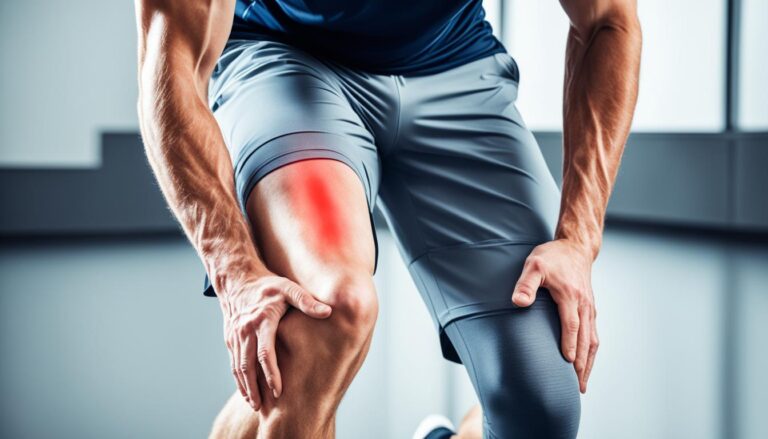
Ever wondered why your knees ache after a long ride? Cycling is great for your heart health but can sometimes cause knee pain. But don’t worry, we’re here to help you ride without pain!
Cycling is a favorite way to exercise and get around, with about 872,000 people in the U.S. biking to work1. Knee pain is the top injury for cyclists, hitting both fun riders and pros1. A 2017 study found 27.6% of hobby cyclists and 15.9% of pro cyclists had knee pain1.
The good news is, most knee pain from cycling can be avoided with the right techniques, gear, and training. In this article, we’ll look at why knee pain happens in cycling and give you tips to keep your knees safe on and off the bike.
Key Takeaways
- Knee pain is common among cyclists but often preventable
- Proper bike fit is crucial for preventing knee injuries
- Strengthening exercises can help stabilize the knee joint
- Gradual training progression is key to avoiding overuse injuries
- Cross-training and recovery strategies play a vital role in knee health
- Seek medical attention if knee pain persists or worsens
Understanding Cycling-Related Knee Pain
Cycling is a popular sport, but it can lead to knee pain if not done correctly. Studies show that knee pain affects 15 to 33 percent of cyclists, making it a significant concern2. In fact, a UK study found that 48% of cyclists had experienced knee pain at some point, with 26.1% reporting it in the past month3.
Common Types of Knee Pain in Cyclists
Cyclists may experience various types of knee pain. Anterior knee pain, often called “runner’s knee,” is the most prevalent3. Pain behind the knee is less common but can occur from overextending or excessive use of fixed-gear bikes2. Lateral and medial knee pain are often linked to improper cleat positioning or stance width32.
Factors Contributing to Cycling Knee Injuries
Several cycling knee injury risk factors exist. Muscle imbalances, weakness, and tightness are primary contributors to cycling-related knee pain3. Improper bike fit, sudden increases in training intensity, and equipment changes can also lead to injuries. Using knee-friendly cycling gear and proper cycling technique to avoid knee strain is crucial.
| Pain Location | Possible Causes |
|---|---|
| Front of Knee | Incorrect saddle height, fore/aft position, or crank length |
| Back of Knee | Over-extending knee, excessive fixed-gear bike use |
| Inside of Knee | Improper cleat placement, narrow Q-factor |
| Outside of Knee | IT band syndrome, misaligned cleats |
Recognizing Warning Signs and Symptoms
Be alert for persistent pain, swelling, or instability in your knees. Difficulty walking or cycling are clear warning signs. Poor VMO activation or tightness in the outside quad muscle can alter patella tracking, increasing load on specific parts of the knee joint3. If you experience any of these symptoms, it’s essential to address them promptly to prevent further injury.
How to Prevent Knee Injuries in Cycling
Knee pain is the most common injury in cycling, leading many riders to seek physiotherapy services4. To keep our knees healthy and pain-free, we need to focus on several key areas. Let’s explore effective strategies for preventing knee injuries and enhancing our cycling experience.
Proper Bike Fit and Setup
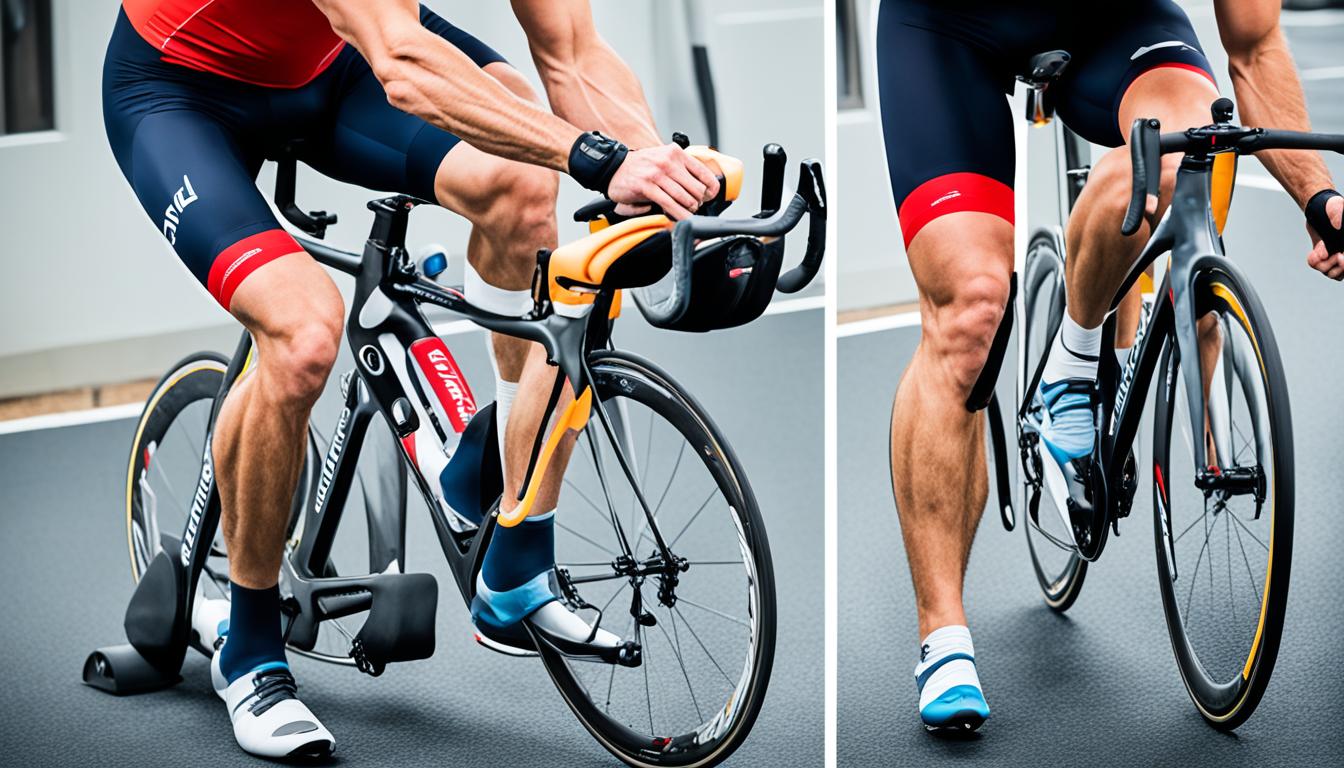
A proper bike fit is crucial for knee health. Incorrect seat position, cleat positioning, and gear usage can contribute to knee injuries4. Investing in a professional bike fitting session can help address these issues and promote optimal riding posture.
Strengthening Exercises for Cyclists
Muscle imbalances often lead to knee problems. Physiotherapists play a vital role in identifying and correcting these imbalances throughout the body4. Focus on exercises that target your quads, hamstrings, glutes, and core muscles to improve knee stability and overall cycling performance.
Importance of Warm-Up and Cool-Down Routines
Implementing cycling knee warm-up routines is essential for injury prevention. Start with gentle pedaling and gradually increase intensity. After your ride, cool down with light spinning and stretching exercises to promote recovery and reduce muscle tightness.
Gradual Training Progression
Increasing training load too quickly can lead to knee injuries. For lower training ranges, aim for a maximum increase of 30% per week. For higher volume or intensity, limit increases to 10%4. This gradual progression allows your body to adapt and reduces the risk of overuse injuries.
Cross-Training and Recovery Strategies
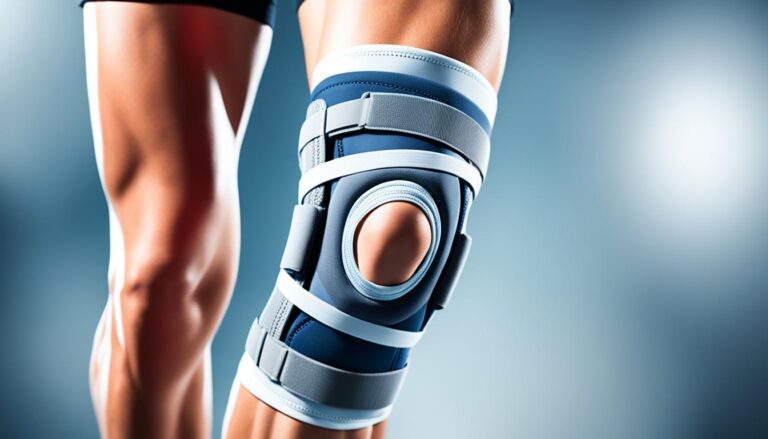
Incorporating cross-training activities can help prevent knee injuries and enhance overall fitness. Consider activities like swimming or yoga to complement your cycling routine. Don’t forget to use cycling knee braces and supports when needed, especially during recovery periods or intense training sessions.
| Prevention Strategy | Benefits | Implementation Tips |
|---|---|---|
| Proper Bike Fit | Reduces strain on knees | Seek professional bike fitting |
| Strengthening Exercises | Improves knee stability | Focus on leg and core muscles |
| Warm-Up Routines | Prepares muscles for activity | Start with gentle pedaling |
| Gradual Progression | Prevents overuse injuries | Increase training load slowly |
| Cross-Training | Enhances overall fitness | Include low-impact activities |
Conclusion
Cycling knee injury prevention is key for everyone, from beginners to pros. Recent studies show that 25.8% of cyclists suffer from knee pain5. Surprisingly, amateurs face a higher risk (27.6%) than pros (15.9%)5.
Cycling affects knees differently. About 17.2% of knee pain comes from cycling, but other things like running (25%) also play a part5. Most pain is mild to moderate, with the front of the knee hurting the most5. This shows why doing exercises to strengthen the knees and having the right bike fit is crucial.
Many things can make knee pain more likely while cycling. Being overweight, the type of bike, why you cycle, and other sports you do all matter5. Research shows that those with knee pain often have certain issues with their knees and ankles6. By focusing on exercises and bike setup, we can prevent knee injuries.
In conclusion, knowing why knee pain happens in cycling is the first step to stop it. By training right, keeping your bike set up correctly, and listening to your body, you can keep cycling safely. If you have ongoing knee pain, see a doctor to keep your joints healthy.
FAQ
What are the common types of knee pain in cyclists?
What factors contribute to cycling knee injuries?
What are the warning signs of a potential knee injury?
How can proper bike fit help prevent knee injuries?
What strengthening exercises are recommended for cyclists?
Why are warm-up and cool-down routines important?
How can gradual training progression help prevent knee injuries?
What role does cross-training play in knee injury prevention?
Source Links
- https://www.medicalnewstoday.com/articles/cycling-knee-pain – Cycling knee pain: Where pain occurs, causes, and more
- https://www.bicycling.com/training/a20020906/why-do-my-knees-hurt/ – Knees Hurt While Riding? Here Are Common Causes—and Solutions
- https://www.cyclingweekly.com/fitness/cycling-knee-pain-everything-you-need-to-know-329957 – I’m a physiotherapist, bike fitter and racer, and this is your definitive guide to knee pain and cycling
- https://vitalisphysiotherapy.com.au/blog/how-to-prevent-knee-pain-when-cycling/ – How to prevent knee pain when cycling | Vitalis Physiotherapy | Blog
- https://www.ncbi.nlm.nih.gov/pmc/articles/PMC5248430/ – Knee problems and its associated factors among active cyclists in Eastern Province, Saudi Arabia
- https://www.ncbi.nlm.nih.gov/pmc/articles/PMC5973630/ – Potential factors associated with knee pain in cyclists: a systematic review