Protecting Your Knees: A Weight Lifter’s Comprehensive Guide to Pain-Free Performance
Introduction
As a weight lifter, you’re no stranger to pushing your body to its limits. The rush of adrenaline as you conquer a new personal record is unparalleled. However, one common issue that can derail your progress faster than a missed lift is knee pain. Whether you’re a seasoned powerlifter, an Olympic weightlifter, or a recreational gym-goer, knee health is crucial for your long-term success and enjoyment in the iron game.
In this comprehensive guide, we’ll dive deep into the world of knee health for weight lifters. We’ll explore the causes of knee pain, strategies to prevent injuries, and how to manage existing knee issues to keep you lifting strong and pain-free. By the end of this article, you’ll have a toolkit of knowledge and practical tips to protect your knees and enhance your lifting performance.
Understanding Knee Anatomy and Common Injuries
Before we delve into prevention and management strategies, it’s essential to understand the basic anatomy of the knee and the most common injuries weight lifters face.
Knee Anatomy 101
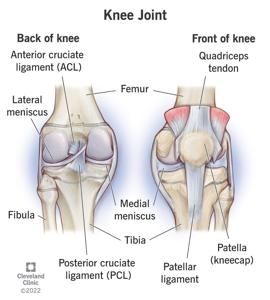
The knee is a complex joint that connects the thigh bone (femur) to the shin bone (tibia). It’s composed of several key structures:
- Bones: Femur, tibia, and patella (kneecap)
- Ligaments: Anterior cruciate ligament (ACL), posterior cruciate ligament (PCL), medial collateral ligament (MCL), and lateral collateral ligament (LCL)
- Tendons: Patellar tendon and quadriceps tendon
- Cartilage: Meniscus (medial and lateral) and articular cartilage
- Muscles: Quadriceps, hamstrings, and calf muscles
Common Knee Injuries in Weight Lifting
Weight lifting places significant stress on your knees, particularly during exercises like squats and deadlifts. Some of the most common knee injuries among lifters include:
- Patellar Tendonitis (Jumper’s Knee): Inflammation of the patellar tendon
- Meniscus Tears: Damage to the cartilage that cushions the knee joint
- Ligament Sprains: Overstretching or tearing of the knee ligaments (ACL, PCL, MCL, LCL)
- Patellofemoral Pain Syndrome: Pain around or behind the kneecap
- Iliotibial (IT) Band Syndrome: Inflammation of the IT band, causing pain on the outer knee
Understanding these common injuries will help you recognize potential issues early and take appropriate action to prevent further damage.
Causes of Knee Pain in Weight Lifting
Knee pain in weight lifting can result from various factors. Identifying these causes is crucial for developing effective prevention and management strategies. Some common causes include:
- Poor Technique: Improper form during exercises like squats, deadlifts, and leg presses can place excessive stress on the knees.
- Overtraining: Not allowing adequate recovery time between workouts can lead to chronic inflammation and overuse injuries.
- Muscular Imbalances: Weakness or tightness in certain muscle groups can cause misalignment and uneven stress distribution on the knees.
- Inadequate Warm-up: Failing to properly prepare your body for intense lifting can increase the risk of acute injuries.
- Genetic Factors: Some individuals may be more prone to knee issues due to their anatomical structure or genetic predisposition.
- Previous Injuries: A history of knee injuries can make you more susceptible to future problems if not properly rehabilitated.
- Age-Related Changes: As we age, the cartilage in our joints naturally degenerates, making us more prone to knee pain and injuries.
- Equipment Issues: Using improper footwear or lifting on unstable surfaces can contribute to knee problems.
Understanding these potential causes can help you identify areas of improvement in your training regimen and lifestyle to better protect your knees.
Preventing Knee Injuries: A Proactive Approach
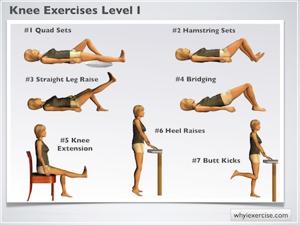
Prevention is always better than cure, especially when it comes to knee injuries in weight lifting. Here are some key strategies to incorporate into your training routine:
1. Warm Up Thoroughly
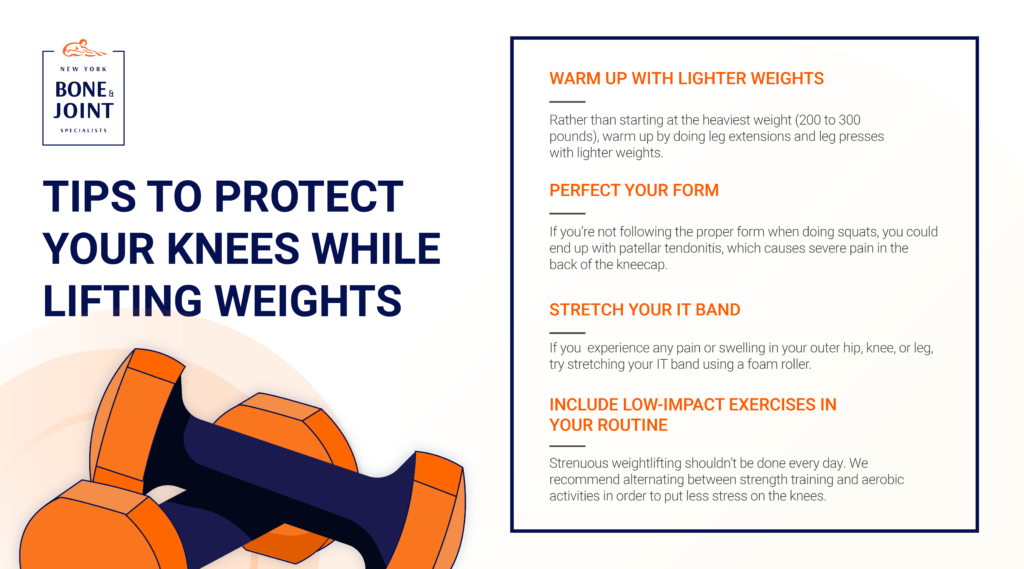
A proper warm-up is crucial for preparing your body for the demands of heavy lifting. Include the following in your pre-workout routine:
- Dynamic stretching: Focus on exercises that mimic the movements you’ll be performing in your workout.
- Light cardio: 5-10 minutes of jogging, jump rope, or cycling to increase blood flow to your muscles and joints.
- Joint mobilization: Perform knee circles, ankle rotations, and hip swings to improve joint mobility.
- Activation exercises: Include bodyweight squats, lunges, and glute bridges to activate the muscles around your knees.
10 different sports, specifying warm-up duration, preventive measures to take before games or practice, and preparation time needed:
| Sport | Warm-up Duration | Preventive Measures | Preparation Time |
|---|---|---|---|
| Weightlifting | 15-20 minutes | Dynamic stretching, joint mobilization, light cardio | 30-45 minutes |
| Soccer | 20-30 minutes | Dynamic stretching, ball drills, light sprints | 45-60 minutes |
| Swimming | 10-15 minutes | Arm swings, leg swings, light swimming | 30 minutes |
| Basketball | 15-20 minutes | Dynamic stretching, shooting drills, light scrimmage | 45 minutes |
| Tennis | 10-15 minutes | Dynamic stretching, light rallies, serve practice | 30-45 minutes |
| Running | 10-15 minutes | Dynamic stretching, light jogging, strides | 20-30 minutes |
| Gymnastics | 20-30 minutes | Dynamic stretching, flexibility work, skill-specific warm-up | 45-60 minutes |
| Cycling | 10-15 minutes | Light spinning, gradual increase in intensity | 30 minutes |
| Volleyball | 15-20 minutes | Dynamic stretching, passing drills, light spiking | 45 minutes |
| Boxing | 15-20 minutes | Jump rope, shadow boxing, light bag work | 45-60 minutes |
2. Perfect Your Technique
Proper form is paramount in preventing knee injuries. Here are some key points to remember:
- Maintain proper alignment: Keep your knees in line with your toes during squats and lunges.
- Engage your core: A strong, stable core helps maintain proper posture throughout your lifts.
- Control the eccentric phase: Lower weights slowly and with control to reduce stress on your knees.
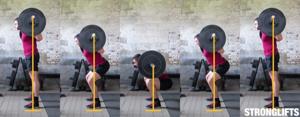
- Use appropriate depth: In squats, aim to reach parallel or slightly below, unless you have the mobility and strength to go deeper safely.
Consider working with a qualified coach or trainer to assess and improve your lifting technique.
3. Gradual Progression
Avoid the temptation to increase weight or volume too quickly. Follow these guidelines for safe progression:
- Implement the 10% rule: Increase your total training volume or intensity by no more than 10% per week.
- Master bodyweight exercises before adding external loads.
- Use periodization in your training to allow for proper recovery and adaptation.
4. Strengthen Supporting Muscles
A balanced strength training program is crucial for knee health. Focus on exercises that target:
- Quadriceps: Squats, leg extensions, and step-ups
- Hamstrings: Romanian deadlifts, leg curls, and Nordic hamstring curls
- Glutes: Hip thrusts, glute bridges, and Bulgarian split squats
- Calves: Calf raises (seated and standing)
- Core: Planks, dead bugs, and Pallof presses
5. Mobility and Flexibility Work
Incorporate regular mobility and flexibility training to maintain healthy range of motion in your knees and surrounding joints:
- Static stretching: Hold stretches for 30-60 seconds after your workouts.
- Foam rolling: Use a foam roller to release tension in your quads, IT band, and calves.
- Yoga or Pilates: Consider adding these practices to your routine for improved overall flexibility and body awareness.
Managing Knee Pain: When Your Knee Hurts
Despite our best prevention efforts, knee pain can still occur. When it does, it’s crucial to address it promptly and effectively. Here are some strategies to manage knee pain and prevent further injury:
1. Rest and Recovery
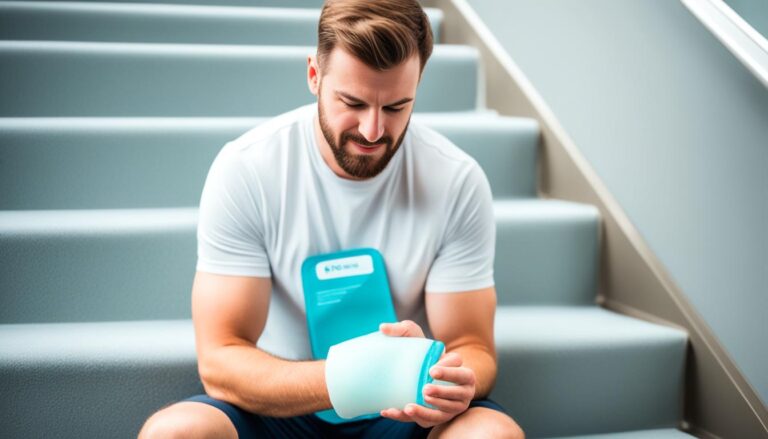
- Implement the RICE protocol: Rest, Ice, Compression, and Elevation
- Consider taking a break from high-impact exercises and focus on low-impact alternatives like swimming or cycling
- Use active recovery techniques like light stretching and gentle mobility work
2. Seek Professional Help
Don’t hesitate to consult with healthcare professionals:
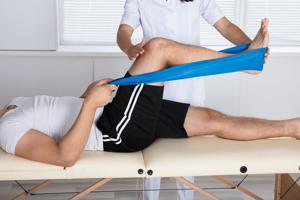
- Physical therapist: Can provide targeted exercises and manual therapy
- Sports medicine doctor: May offer advanced diagnostic tools and treatment options
- Chiropractor or osteopath: Can address any alignment issues contributing to knee pain
3. Implement Rehab Exercises
Work with a professional to develop a rehabilitation program that may include:
- Isometric exercises: Helps strengthen muscles without putting stress on the joint
- Balance and proprioception training: Improves joint stability and control
- Progressive loading: Gradually reintroduce weight-bearing exercises as pain subsides
4. Modify Your Training
Adapt your workouts to accommodate your knee issues:
- Use alternative exercises that don’t aggravate your knee pain
- Adjust your range of motion to stay within a pain-free zone
- Reduce weight or volume temporarily to allow for healing
5. Address Underlying Issues
Look beyond the knee to identify and correct potential contributing factors:
- Assess and improve your posture
- Check for any leg length discrepancies
- Address any muscular imbalances or weaknesses
Case Studies: Real-Life Experiences and Solutions
Case Study 1: The Long Femur Dilemma
A Reddit user transitioning from powerlifting to weightlifting reported persistent knee pain during squats. In powerlifting, they used low-bar squats with nearly vertical shins, which didn’t cause issues. However, the more knee-dominant squats in weightlifting led to discomfort.
Solution:
- Gradually transition to high-bar squats, focusing on proper technique
- Incorporate mobility work to improve ankle dorsiflexion
- Use heel-elevated shoes or small plates under the heels to assist with knee tracking
- Implement accessory exercises like split squats and step-ups to strengthen the quads in different movement patterns
Case Study 2: The Triathlete Turned Weightlifter
A lifter with a background in triathlon and combat sports successfully managed chronic knee pain through a combination of strategies:
- Incorporated “knees over toes” exercises and followed Squat University recommendations
- Paid attention to diet and hydration, recognizing the impact of inflammatory foods on joint health
- Warmed up with glute activation exercises and hamstring curls before touching a barbell
- Implemented a variety of leg exercises, including goblet squats, single-leg RDLs, and Nordic hamstring curls
- Focused on quality over quantity in training, often ramping up to one heavy set followed by lighter back-off sets
These case studies highlight the importance of individualized approaches to knee health and the benefits of combining various strategies for optimal results.
The Role of Equipment in Knee Protection
While proper technique and training strategies are paramount, equipment can also play a role in protecting your knees:
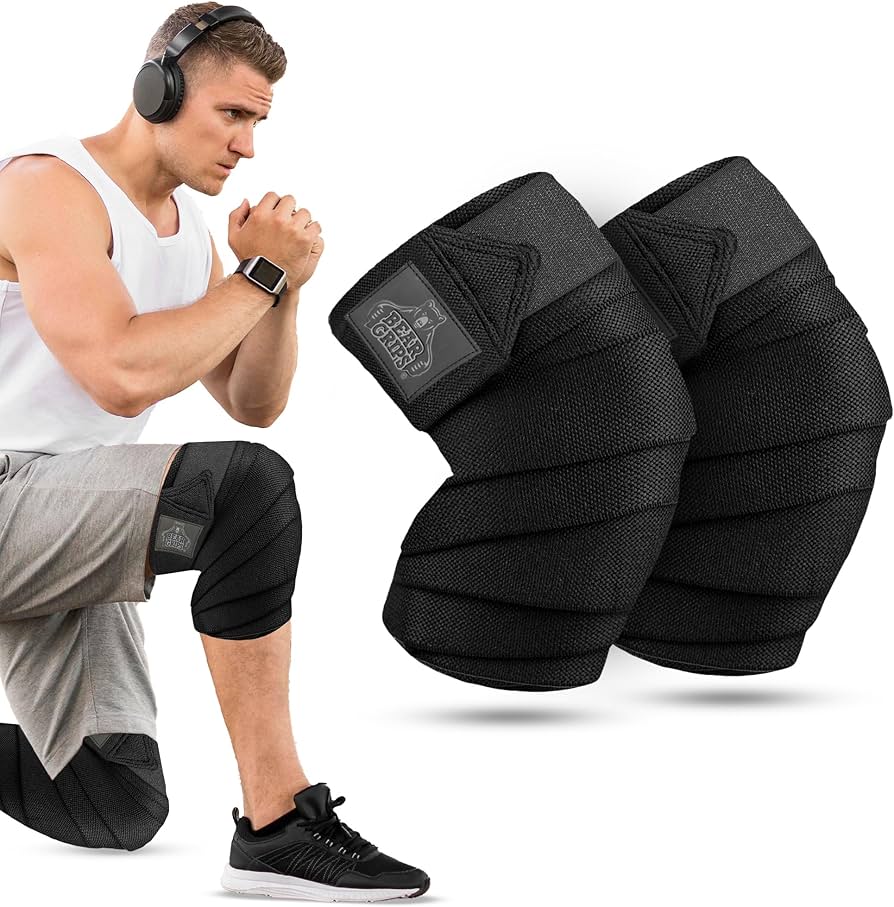
1. Supportive Gear
- Knee sleeves: Provide compression and warmth, enhancing proprioception
- Knee wraps: Offer additional support during heavy lifts (use judiciously to avoid overreliance)
- Compression gear: May help with blood flow and recovery
2. Appropriate Footwear
- Weightlifting shoes: Provide a stable base and elevated heel for improved squat mechanics
- Cross-training shoes: Offer stability for various movements in general strength training
3. Proper Lifting Surface
- Use stable platforms for exercises like squats and deadlifts
- Ensure proper shock absorption in your training area, especially for plyometric exercises
Remember, while equipment can be helpful, it should not be a substitute for proper technique and training practices.
Nutrition and Supplementation for Knee Health
A often overlooked aspect of knee health is nutrition. What you eat can significantly impact joint health and recovery. Consider the following nutritional strategies:
Anti-inflammatory Diet
- Incorporate omega-3 fatty acids from sources like fatty fish, flaxseeds, and walnuts
- Consume plenty of colorful fruits and vegetables rich in antioxidants
- Limit processed foods, sugars, and excessive omega-6 fatty acids
Hydration
- Maintain proper hydration to support joint lubrication and overall tissue health
- Aim for at least 8-10 glasses of water per day, more if you’re very active
Supplements for Joint Health
While whole foods should be your primary source of nutrients, some supplements may be beneficial:
- Glucosamine and Chondroitin: May help support cartilage health
- Collagen: Can support joint tissue repair and maintenance
- Turmeric/Curcumin: Natural anti-inflammatory properties
- Vitamin D and Calcium: Essential for bone health, which indirectly supports joint health
Always consult with a healthcare professional before starting any new supplement regimen.
When to Seek Medical Attention
While many knee issues can be managed with self-care and preventive measures, some situations warrant immediate medical attention. Seek professional help if you experience:
- Severe pain or swelling that doesn’t subside with rest and ice
- Instability or the feeling that your knee might “give out”
- Inability to bear weight on the affected leg
- Visible deformity or misalignment of the knee
- Fever accompanying knee pain (which could indicate infection)
- Persistent pain that interferes with daily activities or sleep
Don’t ignore these warning signs – early intervention can prevent more serious long-term damage.
Long-Term Strategies for Knee Health
Maintaining healthy knees is a lifelong endeavor. Here are some strategies to incorporate into your lifestyle for long-term knee health:
- Maintain a healthy body weight: Excess weight puts additional stress on your knees.
- Cross-train: Incorporate low-impact activities like swimming or cycling to give your knees a break from high-impact exercises.
- Stay consistent with prehab exercises: Regularly perform exercises that strengthen the muscles supporting your knees, even when you’re not experiencing pain.
- Practice good posture: Proper alignment in daily activities can reduce unnecessary stress on your knees.
- Listen to your body: Learn to distinguish between normal muscle soreness and potential injury signals.
- Regular check-ups: Consider annual or bi-annual visits to a physical therapist or sports medicine doctor for preventive assessments.
- Adapt your training as you age: Be willing to modify your routine to accommodate changes in your body over time.
Conclusion: Lifting for the Long Haul
Knee pain doesn’t have to be an inevitable part of your weight lifting journey. By implementing proper prevention strategies, addressing issues promptly, and listening to your body, you can protect your knees and continue making gains in the gym. Remember, consistency and longevity in training are key to achieving your strength goals.
To maintain healthy knees for the long haul:
- Always warm up thoroughly before lifting, including dynamic stretches and light cardio.
- Focus on proper form during exercises, especially squats and leg presses.
- Gradually increase weight and intensity to allow your joints to adapt.
- Strengthen the muscles supporting your knees, including quads, hamstrings, and glutes.
- Incorporate low-impact exercises into your routine to give your knees a break.
- Maintain a healthy weight to reduce stress on your knee joints.
- Address any knee pain or discomfort promptly, seeking professional help when needed.
- Pay attention to your nutrition and stay well-hydrated.
- Use appropriate equipment and gear to support your knees during lifting.
- Be willing to adapt your training as your body changes over time.
By following these guidelines and remaining mindful of your body’s signals, you can enjoy a long and successful lifting career without letting knee pain derail your progress. Remember, protecting your knees is not just about preserving your ability to lift weights – it’s about maintaining your overall quality of life and mobility as you age. With the right approach, you can continue to reap the benefits of weightlifting while keeping your knees healthy and strong for years to come.
Your knees carry you through life’s journey – in and out of the gym. Treat them with the care and respect they deserve, and they’ll support you in achieving your fitness goals for years to come. Happy lifting!