Author: Mokhtar

  • Soothing Sore Knees After Running Tips

    Soothing Sore Knees After Running Tips

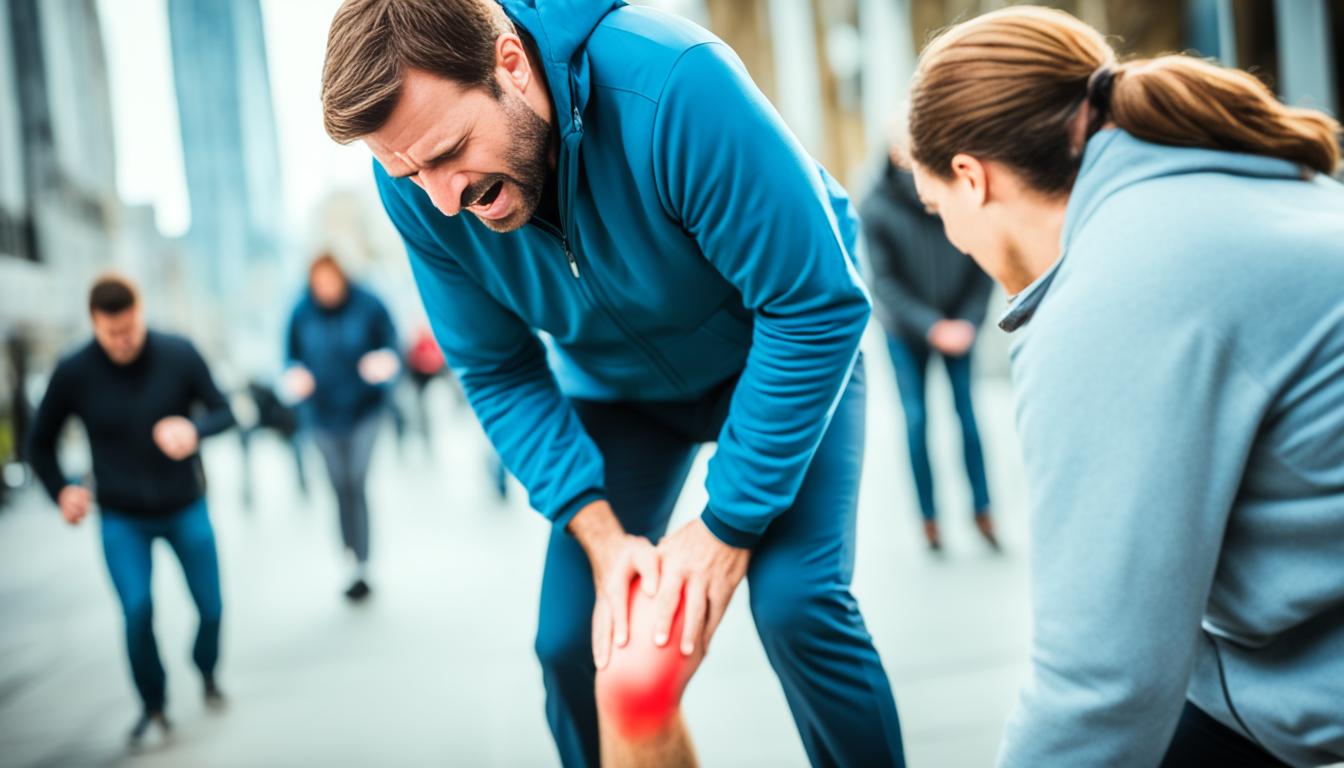
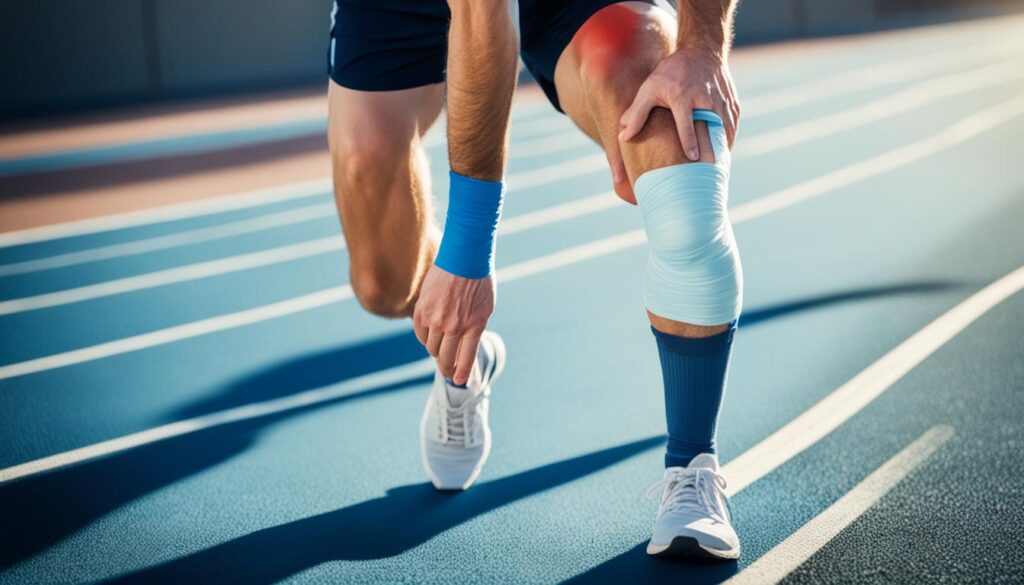
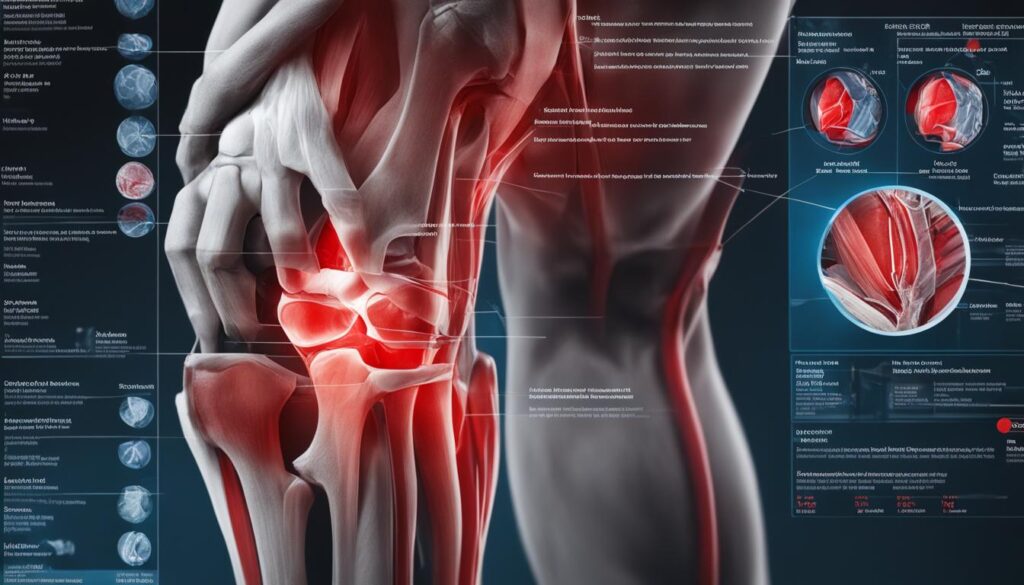
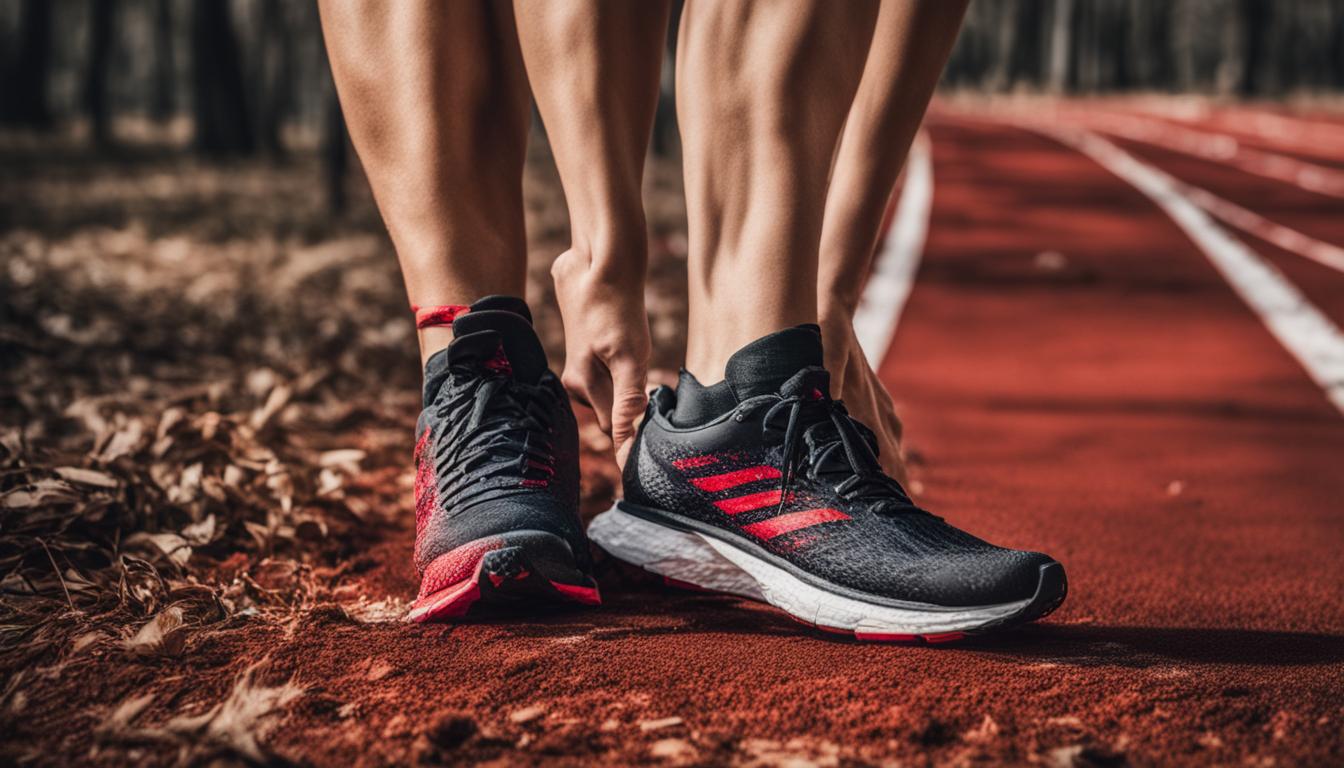
    Running is a popular cardio workout that offers numerous health benefits. However, it’s not uncommon for runners to experience sore knees after their runs. This discomfort can arise due to the stress placed on the knee joints and muscles during the activity. To ensure that you can continue enjoying your runs without unnecessary pain or injury, it’s essential to know how to soothe sore knees and prevent knee pain. In this article, we will explore effective techniques and strategies for knee pain relief and injury prevention that will keep you on track with your running routine.

    Key Takeaways:

    • Stretching the muscles around the knees before running can help prevent knee injuries.
    • Strengthening the leg muscles and core, as well as incorporating plyometric exercises, can aid in preventing knee pain.
    • Using cold therapy, taking breaks from running, and staying hydrated are important strategies for soothing sore knees after running.
    • Resting the knee, applying ice therapy, and using supportive devices can provide relief from knee pain.
    • Stretching and strengthening exercises, proper footwear, and maintaining a healthy weight contribute to better knee health and pain management.

    Tips for Knee Pain Relief and Management

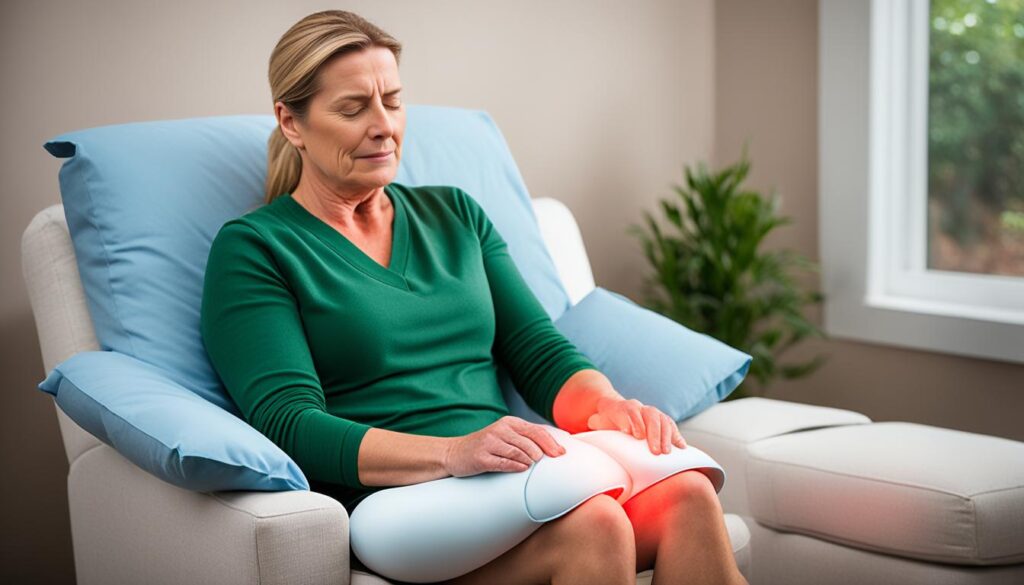
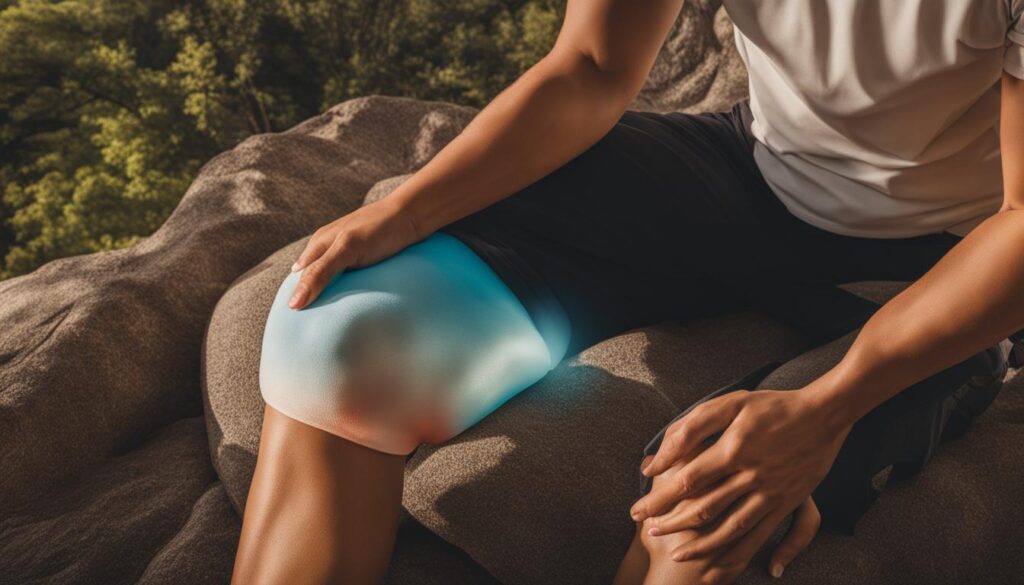
    When experiencing knee pain after running, it’s important to take steps for pain relief and management. Resting the knee and avoiding activities that worsen the pain, such as running, squatting, or sitting for long periods, can help reduce discomfort. Applying ice to the knee for 20-30 minutes every 3-4 hours can help ease pain and swelling.

    Using an elastic bandage or patellar straps to provide support to the knee can also be beneficial. Over-the-counter medications like ibuprofen or naproxen can help with pain and swelling, but should be used as directed and with caution.

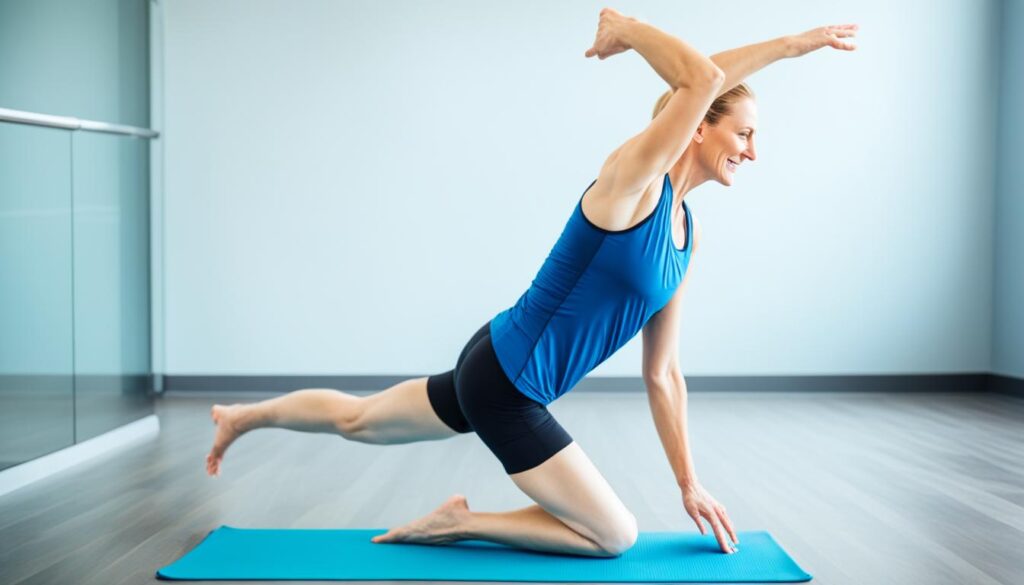
    Stretching and strengthening exercises, particularly for the quadriceps muscles, can aid in knee pain relief and prevention of future injuries. Additionally, shoe inserts, maintaining a healthy weight, and avoiding running on hard surfaces can contribute to better knee health and pain management.

    Knee Pain Relief and Management Tips Summary:

    Tip Description
    Resting the Knee Avoid activities that worsen the pain and provide the knee with adequate rest.
    Applying Ice Use ice therapy for 20-30 minutes every 3-4 hours to ease pain and reduce swelling.
    Using Supportive Measures Apply an elastic bandage or use patellar straps to provide support to the knee.
    Over-the-Counter Medications Take ibuprofen or naproxen as directed for pain and swelling relief.
    Stretching and Strengthening Include exercises that target the quadriceps muscles to alleviate knee pain and prevent future injuries.
    Proper Footwear Use shoe inserts to provide cushioning and support while running.
    Maintaining a Healthy Weight Reduce stress on the knee joints by maintaining a healthy body weight.
    Avoiding Hard Surfaces Choose running routes that are softer on the joints, such as grass or a track.

    Understanding Runner’s Knee and Its Causes

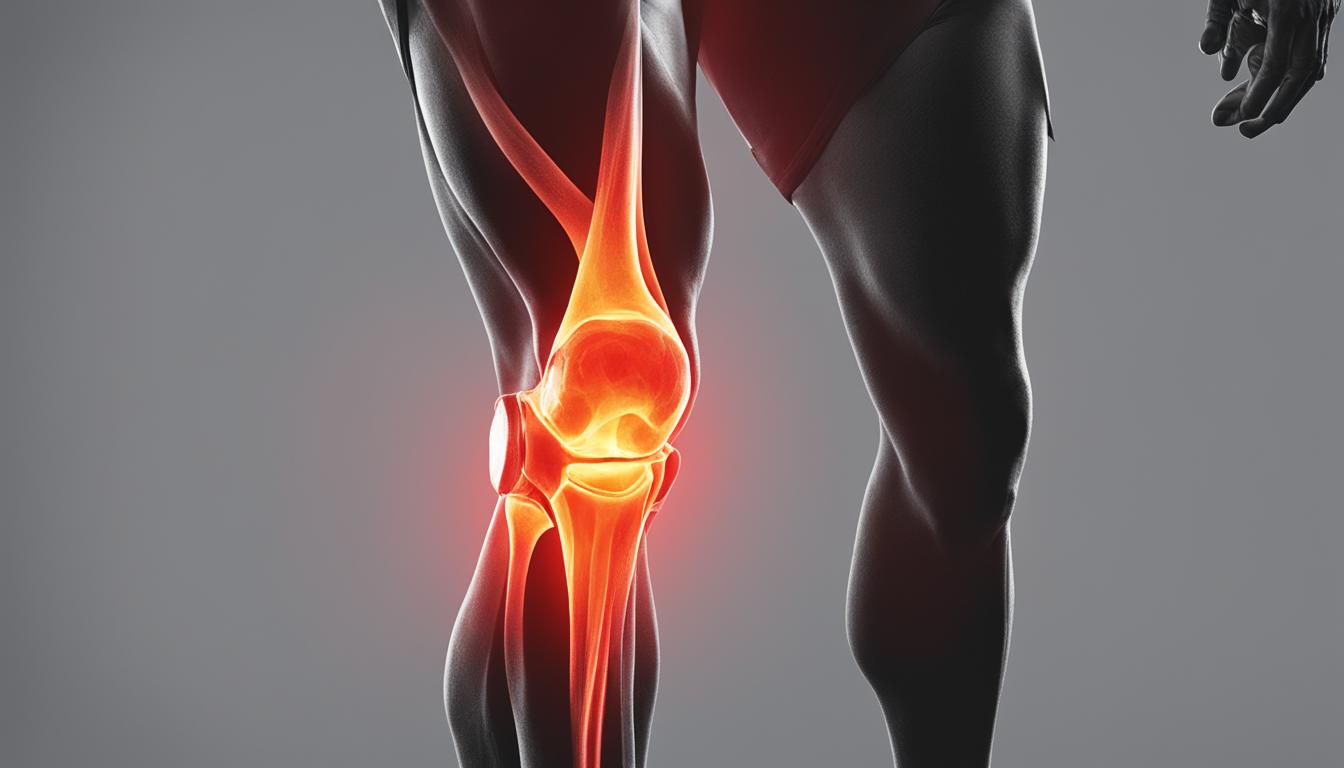
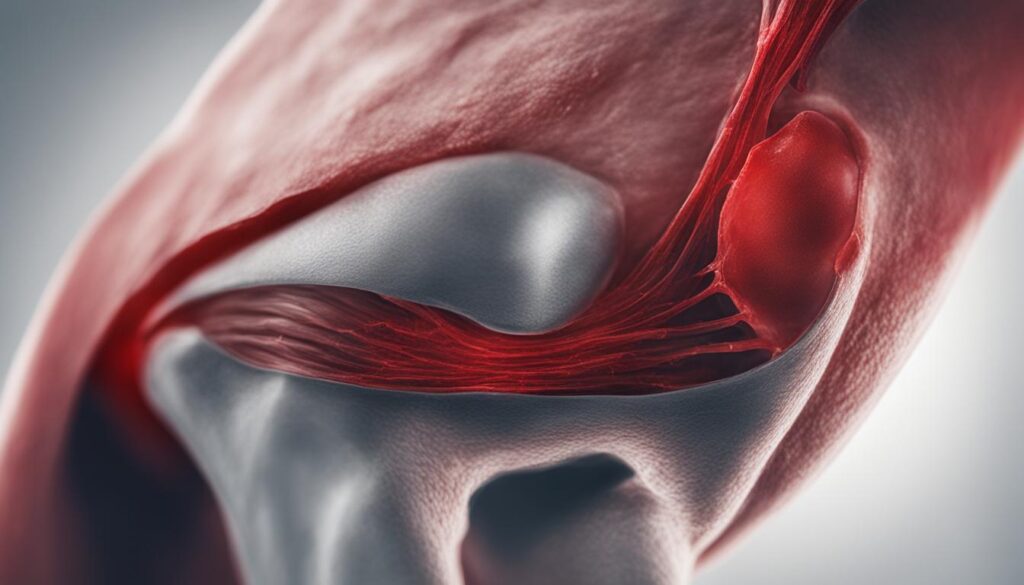
    Runner’s knee, also known as patellofemoral pain syndrome, is a common condition that causes pain in the knees due to various underlying problems. It is often experienced by runners and athletes who frequently engage in activities that put stress on the knees. Understanding the causes of runner’s knee can help individuals recognize the risk factors and take appropriate measures to prevent and manage this condition.

    There are several factors that contribute to the development of runner’s knee. Overuse, such as running long distances or participating in high-impact sports without proper rest, can lead to excessive stress on the knee joint. Direct impact to the knee, such as a fall or a blow, can also result in runner’s knee. Malalignment of the bones in the leg, foot problems, and weak thigh muscles can further increase the risk of developing this condition.

    Common symptoms of runner’s knee include pain in the front of the kneecap that worsens with activities such as walking, squatting, and running. Individuals may also experience swelling and a grinding sensation in the knee. These symptoms can significantly impact daily activities and hinder participation in sports or exercise.

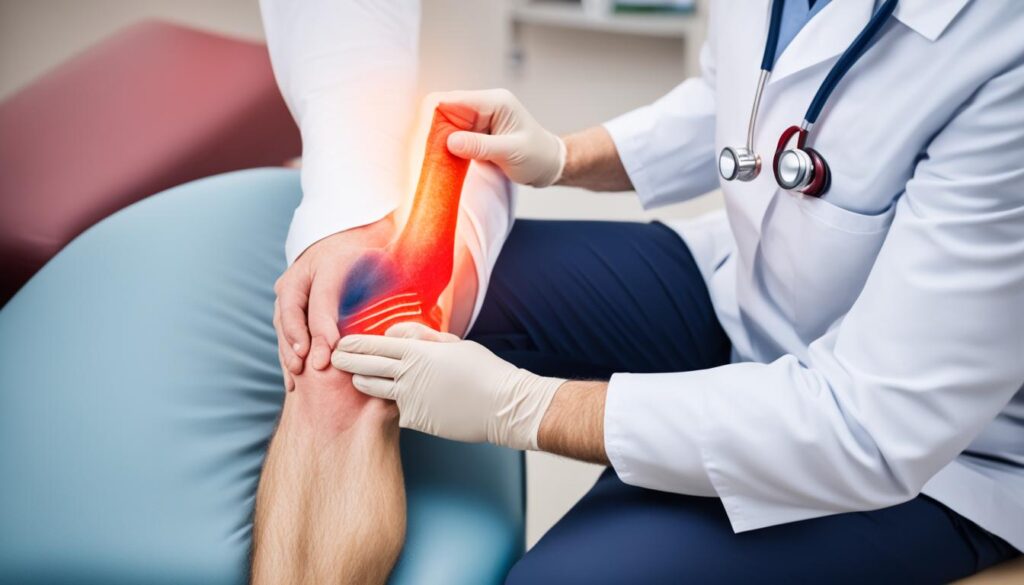
    Diagnosing runner’s knee typically involves a physical examination by a healthcare professional who will evaluate the range of motion, stability, and alignment of the knee joint. In some cases, imaging tests such as X-rays may be used to rule out other possible causes of knee pain.

    Treatment options for runner’s knee vary depending on the severity and underlying cause of the condition. Rest is crucial to allow the knee to heal and reduce inflammation. Applying ice therapy, wrapping the knee, and elevating the leg can help alleviate pain and swelling. Nonsteroidal anti-inflammatory drugs (NSAIDs) may be recommended for pain relief. Stretching and strengthening exercises, particularly targeting the quadriceps muscles, can improve knee stability and support recovery.

    Proper footwear that provides adequate cushioning and support is essential for individuals with runner’s knee. Using orthotic inserts may help correct any foot alignment issues that contribute to knee problems. Additionally, paying attention to the body’s signals and modifying or avoiding activities that aggravate the knee pain can aid in managing and preventing runner’s knee.

    It is essential for individuals experiencing knee pain to consult with a healthcare professional to receive an accurate diagnosis and appropriate treatment plan. With proper understanding, proactive measures, and guidance from healthcare providers, individuals can effectively manage runner’s knee and minimize its impact on their daily lives.

    running knee injuries

    Recovery and Prevention Strategies for Runner’s Knee

    Recovery from runner’s knee requires patience and proper care. It’s crucial to give the knee sufficient rest and avoid activities that worsen the pain. We must take proactive steps to alleviate symptoms and promote healing.

    First and foremost, we recommend using ice therapy and elevating the affected knee to reduce swelling and discomfort. Applying an ice pack to the knee for 15-20 minutes several times a day can help alleviate pain. Elevating the leg while icing can further reduce swelling and promote blood circulation.

    post-run knee care

    Proper footwear is also crucial in the recovery process. Using supportive shoes with adequate cushioning and arch support can minimize the stress on the knee joints and provide additional stability.

    Stretching and Strengthening Exercises

    Incorporating stretching and strengthening exercises into our routine is essential for both recovery and prevention of runner’s knee. We should gradually increase the intensity and duration of these exercises as the knee strengthens and pain subsides.

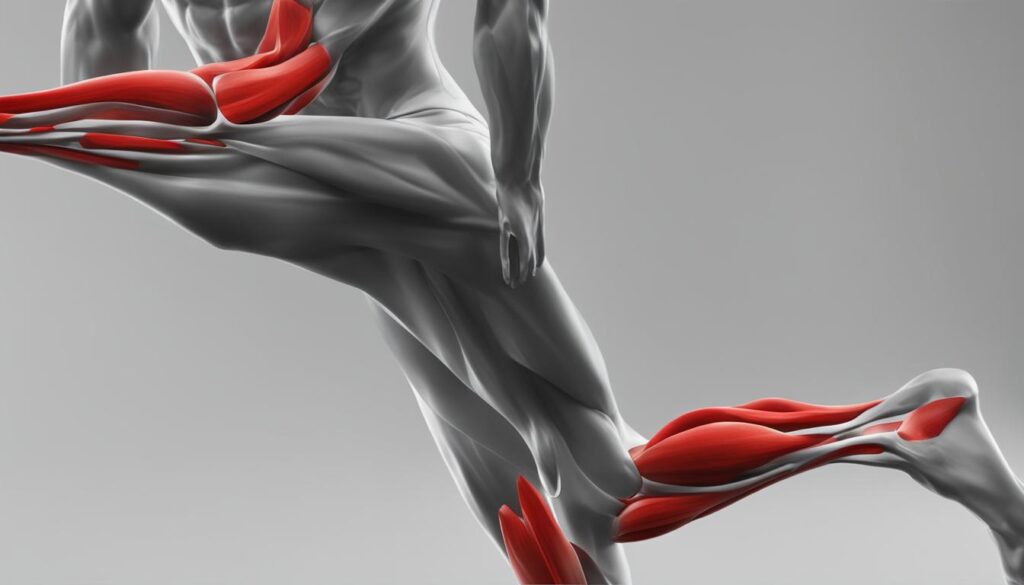
    An important focus should be on strengthening the quadriceps muscles. These muscles, located in the front of the thigh, play a crucial role in knee stability. We recommend the following exercises:

    1. Leg extensions: Sit on a chair with your back straight and legs bent at a 90-degree angle. Extend one leg at a time, straightening the knee and holding for a few seconds before lowering it back down.
    2. Wall squats: Stand with your back against a wall and your feet shoulder-width apart. Slowly lower yourself into a sitting position, keeping your back against the wall and your knees aligned with your ankles. Hold for a few seconds, then push yourself back up to a standing position.
    3. Step-ups: Stand facing a step or bench. Step one foot onto the step, then bring the other foot up to join it. Step back down and repeat on the other side.

    Remember to listen to your body and not push through any pain or discomfort during these exercises. Gradually increasing the intensity and repetitions will yield the best results without risking further injury.

    Preventing Future Runner’s Knee

    Taking steps to prevent runner’s knee in the future is equally important. By incorporating these strategies into our daily routine, we can minimize the risk of experiencing knee pain or injury again.

    • Maintain a balanced exercise routine: It’s important to engage in a variety of activities that strengthen different muscle groups, including the legs, core, and hips. This helps prevent muscle imbalances that can lead to knee problems. Consider cross-training with low-impact exercises such as swimming or cycling.
    • Use supportive shoe inserts: Custom orthotics or over-the-counter shoe inserts can provide additional support and cushioning for the feet, reducing stress on the knees.
    • Avoid running on hard surfaces: Running on concrete or other hard surfaces increases the impact on the knees. Whenever possible, choose softer surfaces like grass or trails.
    • Maintain a healthy weight: Excess weight puts additional strain on the knees. By maintaining a healthy weight through a balanced diet and regular exercise, we can reduce the risk of knee injuries.

    Incorporating these post-run knee care strategies, performing knee strengthening exercises, and following injury prevention measures can significantly reduce the risk of runner’s knee and promote overall knee health. By taking care of our knees, we can continue to enjoy running and other physical activities without unnecessary pain or injury.

    Conclusion

    Sore knees after running can be a common issue, but with the right strategies for knee pain relief, management, and prevention, you can continue enjoying your favorite exercise while minimizing discomfort and reducing the risk of injuries.

    One of the key aspects of post-run knee care is to focus on stretching and strengthening the muscles around the knees. Incorporating knee pain exercises and knee strengthening exercises into your routine can help improve the stability and flexibility of the knee joints, reducing the strain during running and preventing future injuries.

    In addition to exercise, incorporating post-run knee care techniques like using cold therapy, taking breaks from running, and staying hydrated are crucial. Applying cold packs to the knees after a run can help reduce inflammation and alleviate pain. Taking breaks and allowing your knees time to rest and recover is important to prevent overuse and excessive strain. Staying hydrated ensures optimal joint lubrication, enhancing the overall health of the knees.

    Understanding the causes of runner’s knee, such as weak thigh muscles or malalignment of the bones, is also vital. By implementing recovery and prevention strategies, such as gradually returning to physical activity, using proper footwear, and maintaining a balanced exercise routine, you can promote long-term knee health and reduce the risk of recurring knee pain.

    Incorporating these tips into your routine will enable you to maintain healthy knees and continue pursuing your fitness goals with confidence. Remember, taking care of your knees is essential for a lifetime of pain-free running and overall well-being.

    FAQ

    What can I do to soothe sore knees after running?

    To soothe sore knees after running, you can try using cold therapy, such as applying ice to the knee for 20-30 minutes every 3-4 hours. It’s also important to take breaks from running and give your knees time to rest and recover. Staying hydrated and stretching the muscles around the knees can also help alleviate discomfort.

    What are some tips for knee pain relief and management?

    To relieve and manage knee pain, it’s important to rest the knee and avoid activities that worsen the pain. Applying ice to the knee, using an elastic bandage or patellar straps for support, and taking over-the-counter medications like ibuprofen or naproxen can help reduce pain and swelling. Stretching and strengthening exercises, particularly for the quadriceps muscles, can aid in pain relief and prevention of future injuries.

    What is runner’s knee and what causes it?

    Runner’s knee, also known as patellofemoral pain syndrome, is a condition characterized by pain in the front of the kneecap. It can be caused by overuse, direct impact to the knee, malalignment of the bones, foot problems, or weak thigh muscles. Activities like walking, squatting, and running can worsen the pain, and symptoms may include swelling and a grinding sensation in the knee.

    What are some recovery and prevention strategies for runner’s knee?

    Recovery from runner’s knee requires rest and proper care. It’s important to give the knee sufficient rest and avoid activities that worsen the pain. Applying ice therapy, elevating the knee, and wearing proper footwear can help reduce swelling and alleviate symptoms. Gradually returning to physical activity and incorporating stretching and strengthening exercises, especially for the quadriceps muscles, can aid in the recovery process. To prevent runner’s knee in the future, maintaining a balanced exercise routine, using supportive shoe inserts, avoiding running on hard surfaces, and staying in shape with regular exercise are recommended.

    How can I prevent knee injuries and care for my knees after running?

    To prevent knee injuries, it’s important to stretch the muscles around the knees before running, focusing on the quadriceps, hamstrings, and calves. Strengthening the leg muscles and core, as well as incorporating plyometric exercises, can also help prevent knee injuries. After running, it’s crucial to take care of your knees by using cold therapy, taking breaks from running, and staying hydrated. Additionally, maintaining a healthy weight, using shoe inserts, and avoiding running on hard surfaces can contribute to better knee health and injury prevention.

    Source Links

  • Understanding Pain Behind Left Knee – Causes & Relief

    Understanding Pain Behind Left Knee – Causes & Relief

    Pain behind the knee is a common complaint that can be caused by various factors, ranging from minor injuries to serious health conditions. The knee joint, with its complex structure of bones, cartilage, ligaments, and tendons, is vulnerable to strain, tears, and fractures.

    Identifying the underlying cause of the pain is crucial to determine the most effective treatment approach. In this article, we will explore the common causes of pain behind the knee, the symptoms to watch out for, and the diagnostic methods used by healthcare professionals.

    Key Takeaways:

    • Pain behind the knee can be caused by various factors, including injuries, cysts, arthritis, and other health conditions.
    • Seeking medical evaluation is essential for an accurate diagnosis and appropriate treatment.
    • Self-help measures and home remedies may provide temporary relief, but medical treatment may be necessary to address the underlying cause and manage the pain effectively.
    • Preventive measures, such as proper warm-up and stretching exercises, can help reduce the risk of developing pain behind the knee.
    • If you experience persistent or worsening pain, consult with a healthcare professional for guidance and support.

    Common Causes of Pain Behind the Knee

    Pain behind the knee can be attributed to various factors. Understanding the underlying causes is crucial for determining the appropriate treatment approach. Some common causes of this type of pain include:

    1. Posterior Cruciate Ligament Injury: A blow to the front of the knee or hyperextension can result in a posterior cruciate ligament (PCL) injury, leading to pain behind the knee.
    2. Popliteal Cyst (Baker’s Cyst): This type of cyst can develop as a result of conditions such as osteoarthritis or cartilage injuries, leading to pain behind the knee.
    3. Knee Injury: Any form of knee injury, such as a sprain or strain, can cause pain in the back of the knee.
    4. Benign or Cancerous Growth: In some cases, a benign or cancerous growth in the knee area can lead to pain behind the knee.
    5. Infection (Septic Arthritis): An infection, such as septic arthritis, can cause pain behind the knee.

    Identifying the specific cause of the pain is essential for developing an effective treatment plan. It is recommended to seek medical evaluation to accurately diagnose the underlying condition.

    “Understanding the underlying causes is crucial for determining the appropriate treatment approach.”

    The Impact of Osteoarthritis

    Osteoarthritis is a common condition that may contribute to pain behind the knee. It occurs when the cartilage in the knee joint begins to deteriorate, leading to joint inflammation and discomfort. Osteoarthritis can cause pain both behind and around the knee.

    Osteoarthritis: Causes and Risk Factors Osteoarthritis: Symptoms Osteoarthritis: Treatment Options
    • Aging
    • Joint overuse or injury
    • Obesity
    • Genetic factors
    • Pain and stiffness in the knee
    • Swelling around the knee joint
    • Decreased range of motion
    • Medication for pain relief
    • Physical therapy
    • Lifestyle changes
    • In severe cases, knee replacement surgery

    Symptoms of Pain Behind the Knee

    The symptoms of pain behind the knee can vary depending on the underlying cause. Common symptoms include:

    • Swelling: The back of the knee may appear swollen, indicating inflammation or fluid buildup.
    • Stiffness: The knee joint may feel tight and difficult to move, limiting range of motion.
    • Difficulty bending the leg: It may be challenging or painful to fully bend or straighten the leg.
    • Clicking or locking sensation: Some individuals may experience a clicking sound or a sensation of the knee “locking” in certain positions.

    In addition to these symptoms, some individuals may also experience warmth, redness, or tenderness in the affected area. These signs can further indicate inflammation or injury. It is important to pay attention to these symptoms as they can provide valuable information for an accurate diagnosis.

    swelling

    Diagnosing Pain Behind the Knee

    To accurately diagnose the cause of pain behind the knee, our healthcare professionals follow a systematic approach that involves various diagnostic techniques:

    1. Medical History: We begin by conducting a thorough medical history interview to gather information about the patient’s symptoms, previous injuries or surgeries, and any underlying medical conditions.
    2. Physical Examination: A comprehensive physical examination allows us to assess the knee joint’s range of motion, identify areas of tenderness or swelling, and evaluate the overall stability of the knee.
    3. Imaging Tests: We may recommend imaging tests such as X-rays, MRI scans, or ultrasound scans to obtain a detailed view of the knee structures. These tests enable us to identify any abnormalities, including fractures, ligament tears, cysts, or signs of arthritis.
    4. Additional Tests: Depending on the suspected cause of the pain, we may also perform blood tests or obtain a sample of knee fluid to rule out certain conditions or infections.

    By combining the information gathered from the medical history, physical examination, and diagnostic tests, we can make an accurate diagnosis and determine the most suitable treatment plan tailored to each patient’s unique needs.

    Diagnosing Pain Behind the Knee

    Self-Help and Home Remedies for Pain Behind the Knee

    Depending on the severity of the pain and underlying cause, there are self-help measures and home remedies that may provide relief for pain behind the knee. By following the POLICE guidelines and avoiding HARM, you can effectively manage symptoms and promote healing.

    POLICE:

    • Protect: Protect the affected knee from further harm or injury. Limit activities that may exacerbate the pain.
    • Optimal Loading: Gradually reintroduce movement and exercise to promote healing. Avoid overloading the knee joint.
    • Ice: Apply ice to the affected area for 15-20 minutes at a time, several times a day. This can help reduce pain and swelling.
    • Compression: Use compression bandages or wraps to provide support and reduce swelling.
    • Elevation: Elevate the leg to a level above the heart to help reduce swelling and improve circulation.

    HARM:

    • Heat: Avoid applying heat to the affected knee, as it can increase inflammation.
    • Alcohol: Limit alcohol consumption, as it can interfere with the body’s natural healing process.
    • Running: Avoid high-impact activities such as running that may worsen the pain behind the knee.
    • Massage: Refrain from massaging the area, as it may aggravate the pain or underlying condition.

    Additionally, applying ice to the affected area, resting the leg, and using compression bandages may help reduce swelling. In some cases, using crutches to avoid putting weight on the affected leg may be necessary.

    Medical Treatments for Pain Behind the Knee

    The specific treatment for pain behind the knee will depend on the underlying cause. Once the cause has been identified, a healthcare professional can recommend appropriate treatment options. This may include physiotherapy to strengthen the muscles surrounding the knee, the use of braces or splints to provide support, medication to manage pain and inflammation, or in some cases, surgery to repair or remove damaged structures. The goal of medical treatment is to alleviate pain, improve mobility, and address the underlying cause of the pain.

    Preventing Pain Behind the Knee

    Taking preventive measures can help reduce the risk of developing pain behind the knee. To safeguard your knee health, it’s important to prioritize knee injury prevention through proper warm-up, stretching exercises, and wearing protective gear.

    Proper Warm-Up

    A good warm-up routine is essential before engaging in any physical activity. By gradually increasing your heart rate and body temperature, you prepare your muscles and joints for the upcoming stress, reducing the risk of injury. Incorporate dynamic movements that involve the knee joint, such as leg swings, lunges, and gentle squats, to target the muscles and ligaments surrounding the knee.

    Stretching Exercises

    Improving flexibility through stretching exercises is key to preventing knee pain. Focus on stretching the major muscle groups involved in knee movement, including the quadriceps, hamstrings, calves, and hip muscles. Perform static stretches after your workout or on non-exercise days to maintain flexibility and promote optimal knee function. Consult with a fitness professional to ensure you’re performing the proper stretches for your specific needs.

    Protective Gear

    Whether you’re engaging in sports activities or any other physically demanding tasks, it’s crucial to protect your knees. Wearing appropriate protective gear, such as knee pads, braces, or compression sleeves, can provide an extra layer of support, reducing the risk of impact-related injuries. Invest in high-quality gear that fits properly and offers adequate stability and cushioning for your knees.

    Knee injury prevention is essential in maintaining long-term knee health.

    Table: Comparison of Protective Gear for Knee Injury Prevention

    Gear Pros Cons
    Knee Pads Provides impact protection
    Lightweight and easy to wear
    Can enhance stability
    No lateral support
    Limited protection for ligaments
    Might restrict movement
    Knee Braces Offers structural support and stability
    Relieves pressure on joints
    Can prevent hyperextension
    Bulky and less comfortable
    Needs proper fitting for effectiveness
    May limit range of motion
    Compression Sleeves Provides compression for reduced swelling
    Improves blood flow and muscle recovery
    Lightweight and flexible
    Limited impact protection
    No structural support for ligaments
    May slide down during activities

    By incorporating these preventive measures into your routine, you can protect your knees and reduce the risk of developing pain behind the knee. Remember to listen to your body, avoid overexertion, and pay attention to any signs of discomfort. Prioritizing knee health through prevention will contribute to your overall well-being and physical performance.

    Conclusion

    Pain behind the knee can stem from various causes, such as injuries, cysts, arthritis, and other health conditions. It is crucial to seek prompt medical evaluation to receive an accurate diagnosis and appropriate treatment. While self-help measures and home remedies may offer temporary relief, medical intervention may be necessary to address the underlying cause and effectively manage the pain.

    Implementing preventive measures can also play a vital role in reducing the risk of developing pain behind the knee. Engaging in proper warm-up exercises, performing regular stretching routines to enhance flexibility, and using protective gear during physical activities are proactive steps to prevent knee injuries. By listening to the body and avoiding overexertion or repetitive movements, individuals can minimize the chances of encountering knee pain.

    If you experience persistent or worsening pain behind your knee, consulting with a healthcare professional is imperative. They can provide the necessary guidance and support to navigate your pain management journey effectively. Remember, pain behind the knee should never be ignored, and taking proactive steps to address it will contribute to a healthier and pain-free lifestyle.

    FAQ

    What can cause pain behind the left knee?

    Pain behind the left knee can be caused by various factors, including injury, cysts, arthritis, and even serious health conditions like blood clots. It’s important to identify the underlying cause of the pain and seek appropriate treatment.

    What are some common causes of pain behind the knee?

    Some common causes of pain behind the knee include a posterior cruciate ligament (PCL) injury, popliteal cyst (Baker’s cyst), osteoarthritis, knee injury, benign or cancerous growths, or an infection called septic arthritis.

    What are the symptoms of pain behind the knee?

    Symptoms of pain behind the knee can include swelling, stiffness, difficulty bending the leg, and a clicking or locking sensation. In some cases, there may also be warmth, redness, or tenderness in the affected area.

    How is pain behind the knee diagnosed?

    To diagnose the cause of pain behind the knee, a healthcare professional will typically take a thorough medical history, perform a physical examination, and may recommend imaging tests such as X-rays, MRI scans, or ultrasound scans. Blood or knee fluid samples may also be taken to rule out certain conditions or infections.

    What are some self-help and home remedies for pain behind the knee?

    Depending on the severity and underlying cause, self-help measures may include following the POLICE (protect, optimal loading, ice, compression, elevation) guidelines, avoiding HARM (heat, alcohol, running, massage), applying ice, resting the leg, using compression bandages, and using crutches to avoid putting weight on the affected leg.

    What are the medical treatments for pain behind the knee?

    The specific treatment for pain behind the knee will depend on the underlying cause. Treatment options may include physiotherapy to strengthen the surrounding muscles, the use of braces or splints for support, medication to manage pain and inflammation, or in some cases, surgery to repair or remove damaged structures.

    How can pain behind the knee be prevented?

    Taking preventive measures such as proper warm-up exercises before physical activity, performing stretching exercises to improve flexibility, and wearing appropriate protective gear during sports or other activities that may strain the knee can help reduce the risk of developing pain behind the knee.

    Source Links

  • Understanding Anterior Knee Pain & Relief Tips

    Understanding Anterior Knee Pain & Relief Tips

    Welcome to our comprehensive guide on understanding anterior knee pain, its causes, and effective relief tips. As a trusted source of information on knee health, treatment options, and exercises, we aim to provide you with valuable insights into managing this common issue.

    If you’ve been experiencing discomfort in the front of your knee, you may be dealing with anterior knee pain. This condition can be caused by various factors, including patellofemoral pain syndrome, chondromalacia patellae, muscle imbalances, or overuse injuries. Activities like walking downstairs, squatting, and sitting for long periods can exacerbate the pain and even lead to feelings of instability.

    Key Takeaways:

    • Anterior knee pain can be caused by various conditions and factors.
    • Proper diagnosis is crucial for effective management and relief.
    • Activity modification and exercise therapy are key treatment options.
    • Self-care measures, such as ice application and wearing appropriate footwear, can provide additional relief.
    • Prevention and long-term management involve maintaining appropriate conditioning and activity modification.

    Causes and Risk Factors of Anterior Knee Pain

    When it comes to anterior knee pain, understanding the underlying causes and risk factors is crucial for effective management and prevention. The most significant risk factor for developing patellofemoral joint pain, a common cause of anterior knee pain, is weakness in the quadriceps muscles. The quadriceps, a group of muscles at the front of the thigh, play a vital role in stabilizing the patella and the knee joint. Weakness in these muscles can lead to imbalances, putting additional stress on the patellofemoral joint and causing pain and discomfort.

    But quadriceps weakness is not the only factor that contributes to anterior knee pain. There are several other factors to consider:

    • Muscle imbalances: Imbalances between the quadriceps and other muscles in the leg, such as the hamstrings, can disrupt the normal functioning of the knee joint and lead to anterior knee pain.
    • Tight muscles: Tightness in the muscles surrounding the knee, including the quadriceps, hamstrings, and calves, can restrict joint movement and increase the risk of pain.
    • Leg alignment issues: Problems with leg alignment, such as excessive inward or outward rotation of the femur or tibia, can place uneven pressure on the patellofemoral joint, causing discomfort.
    • Improper sports training techniques or equipment: Incorrect form, inadequate warm-up, or using inappropriate equipment during physical activities can contribute to anterior knee pain.
    • Changes in footwear or playing surface: Wearing shoes that do not provide proper support or participating in activities on hard, uneven surfaces can increase the risk of knee pain.
    • Overdoing sports activities: Excessive or repetitive impact from high-intensity sports and activities can strain the knee structures and lead to anterior knee pain.

    It’s important to note that lifestyle and activity levels also play a significant role in the development of anterior knee pain. Individuals who lead sedentary lifestyles or engage in activities that involve repetitive knee movements are more susceptible to this condition.

    “Quadriceps weakness, muscle imbalances, leg alignment issues, improper training techniques, changes in footwear and playing surface, and overdoing sports activities can all contribute to anterior knee pain.”

    By understanding these causes and risk factors, individuals experiencing anterior knee pain can take proactive measures to address the underlying issues and reduce their risk of further discomfort.

    Treating Quadriceps Weakness: Exercise Therapy

    One of the key factors contributing to anterior knee pain is weakness in the quadriceps muscles. To address this issue, exercise therapy focusing on quadriceps strengthening is often recommended. Here are a few exercises that can help improve quadriceps strength:

    1. Squats: Perform squats by slowly lowering your body as if you are sitting down, keeping the weight on your heels. Aim to maintain proper form and gradually increase the depth as your strength improves.
    2. Lunges: Step forward with one leg, bending both knees and lowering your body until the back knee is just above the ground. Push back up to the starting position and repeat with the opposite leg.
    3. Leg Press: Using a leg press machine or resistance band, push against the resistance using your legs, focusing on the quadriceps muscles. Start with lighter weights or resistance and gradually increase as you get stronger.
    4. Step-ups: Step onto a raised platform or step with one leg, pushing through the heel and engaging the quadriceps muscles. Step back down and repeat with the opposite leg.

    It’s important to perform these exercises under the guidance of a qualified professional to ensure proper form and prevent any further injury.

    Additionally, stretching exercises for the quadriceps and other leg muscles, as well as overall flexibility training, can help improve muscle balance and reduce the risk of anterior knee pain.

    The Role of Lifestyle and Activity Levels

    The lifestyle and activity levels of an individual can significantly contribute to the development of anterior knee pain. Sedentary individuals who lack regular physical activity may experience muscle weakness and imbalances, which can put additional stress on the knee joint. On the other hand, individuals who engage in excessive high-impact activities without proper conditioning and training are also at a higher risk.

    Therefore, maintaining an active lifestyle that incorporates a balance of cardiovascular exercises, strength training, and flexibility exercises is crucial. Gradually increasing activity levels and avoiding sudden spikes in intensity can help minimize the risk of anterior knee pain.

    The image above illustrates the location of the quadriceps muscles, highlighting their importance in knee stability and functioning.

    Causes of Anterior Knee Pain Risk Factors
    Quadriceps weakness Sedentary lifestyle
    Muscle imbalances Excessive high-impact activities
    Tight muscles Improper training techniques
    Leg alignment issues Changes in footwear or playing surface

    Addressing the causes and risk factors of anterior knee pain is essential for effective management and prevention. By improving quadriceps strength, adopting proper training techniques, maintaining flexibility, and leading an active lifestyle, individuals can reduce their risk of experiencing anterior knee pain and promote overall knee health.

    Symptoms and Diagnosis of Anterior Knee Pain

    Anterior knee pain can be characterized by a variety of symptoms that cause discomfort and hinder daily activities. The most common symptom is a dull, achy pain in the front of the knee. This pain typically worsens with activities such as squatting, going up and down stairs, and engaging in high-impact exercises. It can also be accompanied by other sensations, including: knee discomfort, knee instability, patellar tenderness, and functional deficit.

    “The pain that comes with anterior knee pain can make it difficult to perform tasks like going down the stairs or participating in physical activities,” says Dr. Sarah Johnson, a renowned orthopedic specialist. “Patients often describe the pain as a sharp ache or throbbing sensation in the front of their knee.”

    In addition to pain, some individuals may experience popping or crackling sounds in the knee. They may also notice that the pain intensifies at night or when there are changes in their activity level or intensity. These symptoms can significantly impact an individual’s quality of life and hinder their ability to engage in physical activities.

    Diagnosing Anterior Knee Pain

    Proper diagnosis of anterior knee pain is essential to determine the underlying cause and develop an effective treatment plan. A comprehensive examination will involve assessing various factors related to the knee, including:

    • Knee Stability: A physical examination will evaluate the stability of the knee joint, assessing for any instability or abnormal movement.
    • Hip Rotation and Range of Motion: The range of motion and hip rotation will be assessed as tightness or limitations in these areas can contribute to anterior knee pain.
    • Patellar Tenderness: The healthcare provider will check for tenderness or pain around the patella (kneecap), which can be an indication of patellofemoral pain syndrome.
    • Muscle Strength: Assessing the strength of the muscles surrounding the knee, particularly the quadriceps, can help identify any muscle imbalances or weaknesses that may be contributing to the pain.

    In some cases, imaging tests such as X-rays or magnetic resonance imaging (MRI) scans may be ordered to rule out other knee issues and provide a clearer picture of the internal structures of the knee.

    By thoroughly evaluating the symptoms and conducting appropriate diagnostic tests, healthcare professionals can accurately diagnose anterior knee pain and develop a tailored treatment plan to address the individual’s specific needs.

    Treatment Options for Anterior Knee Pain

    When it comes to addressing anterior knee pain, a comprehensive treatment approach that combines activity modification and exercise therapy is highly effective. By making necessary adjustments to your activities and engaging in specific exercises, you can alleviate discomfort, improve knee function, and reduce pain.

    Activity Modification

    One of the key components of treating anterior knee pain is activity modification. This involves identifying and avoiding activities that exacerbate your symptoms. By reducing the stress on your knee joint and engaging in low-impact exercises, you can continue to stay active without aggravating the pain. Our team will provide guidance on appropriate modifications based on your individual needs and lifestyle.

    Exercise Therapy

    Exercise therapy plays a crucial role in strengthening the muscles that support your knee, especially the quadriceps and hip muscles. Through targeted exercises, we will help you improve muscle imbalances, increase stability, and enhance overall knee function. Our expert therapists will guide you through a customized exercise program designed to meet your specific goals and needs.

    Physical Therapy

    In some cases, physical therapy may be recommended to further support your recovery from anterior knee pain. This form of therapy focuses on improving strength, flexibility, and range of motion in your knee joint. Our skilled therapists will use a variety of techniques and modalities to optimize your rehabilitation process and promote healing.

    Orthotics

    For individuals with biomechanical issues or abnormalities contributing to anterior knee pain, orthotics may be recommended. These specialized shoe inserts can help correct foot and leg alignment, reduce excessive strain on the knee, and provide additional support. Our team will assess your needs and provide guidance on the appropriate orthotics for your condition.

    By combining activity modification, exercise therapy, physical therapy, and the use of orthotics, we can effectively treat anterior knee pain and improve knee function. Our comprehensive approach aims to alleviate your pain, enhance your mobility, and allow you to get back to the activities you love with confidence.

    orthotics

    Self-Care Tips for Anterior Knee Pain Relief

    In addition to professional treatment, there are self-care tips that can help relieve anterior knee pain. By incorporating these practices into your daily routine, you can take an active role in managing your discomfort and promoting the healing process.

    1. Activity Modification

    Modify your activities to reduce excessive strain on the knee joint. Avoid high-impact exercises that may exacerbate the pain and opt for lower-impact alternatives. Gradually increase your physical activity level to avoid overloading the knee.

    2. Targeted Exercises

    Engage in specific exercises that target the quadriceps and hip muscles. Strengthening these muscles can help improve knee stability and alleviate anterior knee pain. Consult with a physical therapist or exercise specialist for guidance on exercises suitable for your condition.

    3. Ice Application

    Applying ice to the knee after physical activity can help reduce inflammation and alleviate discomfort. Use a cold pack or wrap ice in a towel and apply it to the affected area for 15-20 minutes at a time. Remember to always wrap the ice to protect your skin from direct contact.

    4. Orthotics

    Consider using orthotics, such as knee braces or shoe inserts, to provide additional support to the knee joint. Orthotics can help improve alignment and ease the pressure on the affected area. Consult with a healthcare professional to determine the most suitable orthotic option for your specific needs.

    5. NSAIDs

    Over-the-counter nonsteroidal anti-inflammatory drugs (NSAIDs), such as ibuprofen or naproxen, can be used to temporarily relieve pain and reduce inflammation. However, it is important to follow the recommended dosage and consult with a healthcare professional if you have any underlying medical conditions or concerns.

    By following these self-care tips, you can enhance your overall well-being and support the healing process of anterior knee pain. However, it is essential to consult with a healthcare professional for a proper diagnosis and personalized treatment plan.

    Remember, self-care measures should be done in conjunction with professional guidance to ensure the most effective and safe management of anterior knee pain.

    Prevention and Long-Term Management of Anterior Knee Pain

    To prevent recurring anterior knee pain, it is crucial to maintain appropriate conditioning of the knee muscles, especially the quadriceps and hamstrings. This can be achieved through regular exercise that includes muscle strengthening and stretching. Muscle strengthening exercises, such as leg presses and squats, help to improve the stability of the knee joint and reduce strain on the patellofemoral joint. Stretching exercises, such as hamstring stretches and calf stretches, help to improve flexibility and reduce muscle tightness, which can contribute to anterior knee pain.

    Activity modification is an essential aspect of preventing anterior knee pain. By avoiding or modifying activities that place excessive stress on the knees, individuals can reduce their risk of developing this condition. This may include avoiding activities that involve repetitive knee movements or high-impact exercises, and instead opting for lower impact activities like swimming or cycling. In sports training routines, it is important to consider appropriate techniques, equipment, and surfaces to minimize the risk of knee injuries.

    It is important to note that anterior knee pain can take time to resolve, and persistence with exercises and self-care measures is necessary for long-term management. Maintaining a consistent exercise routine and incorporating ongoing strength and flexibility exercises can help to prevent the recurrence of symptoms. Additionally, maintaining appropriate conditioning through regular physical activity and staying within a healthy weight range are important factors in managing anterior knee pain.

    “By implementing strategies such as activity modification and exercise therapy, individuals can effectively manage and prevent anterior knee pain, allowing for improved knee health and overall quality of life.”

    Sample Exercise Routine for Anterior Knee Pain Prevention and Management

    Below is a sample exercise routine that can help prevent and manage anterior knee pain. Remember to consult with a healthcare professional or physical therapist before starting any new exercise program:

    Exercise Description
    1. Quadriceps Strengthening Perform exercises such as leg presses, squats, and step-ups to strengthen the quadriceps muscles.
    2. Hamstring Strengthening Include exercises like hamstring curls and glute bridges to strengthen the hamstrings and improve overall leg stability.
    3. Hip Strengthening Include exercises like hip abductions and lateral band walks to strengthen the hip muscles, which help support the knee joint.
    4. Stretching Incorporate stretches for the quadriceps, hamstrings, calves, and hip muscles to improve flexibility and reduce muscle tightness.
    5. Low-Impact Cardiovascular Exercise Engage in activities like swimming, cycling, or using an elliptical machine to increase cardiovascular fitness without placing excessive stress on the knees.

    Remember to start with a warm-up before performing these exercises and to cool down afterwards. Be mindful of any pain or discomfort during the exercises, and adjust the intensity or range of motion as needed. Gradually increase the duration and intensity of the exercises over time to continue challenging the muscles and promoting improvement.

    Prevention and Long-Term Management of Anterior Knee Pain Image

    Conclusion

    Anterior knee pain is a common condition that can have a significant impact on daily activities and athletic performance. To effectively manage this condition and improve knee health, it is essential to understand the underlying causes, identify the symptoms, and seek proper diagnosis.

    We have learned that activity modification plays a crucial role in the treatment of anterior knee pain. By avoiding or reducing activities that cause discomfort and engaging in lower impact exercises, individuals can alleviate pain and prevent further damage to the knee. Exercise therapy, with a focus on strengthening the quadriceps and hip muscles, is also key in improving knee function and reducing pain.

    Additionally, self-care measures such as applying ice to the knee after physical activity, using orthotics for added support, and incorporating specific exercises targeting the quadriceps and hip muscles can provide relief. Over-the-counter medications like NSAIDs may be used to temporarily manage pain and inflammation.

    In conclusion, with the right approach that combines activity modification, exercise therapy, and self-care measures, individuals experiencing anterior knee pain can find relief and regain their quality of life. It is important to consult with a healthcare professional for proper guidance and long-term management of anterior knee pain.

    FAQ

    What can cause anterior knee pain?

    Anterior knee pain can be caused by various conditions such as patellofemoral pain syndrome, chondromalacia patellae, and Osgood-Schlatter’s disease. It can also result from overuse injuries, muscle imbalances, or patella abnormalities.

    What are the risk factors for developing anterior knee pain?

    The biggest risk factor for developing anterior knee pain is weakness in the quadriceps muscles. Other factors that may contribute include muscle imbalances, tight muscles, leg alignment problems, improper sports training techniques or equipment, changes in footwear or playing surface, and overdoing sports activities. Lifestyle and activity levels are also important considerations.

    What are the symptoms of anterior knee pain?

    Symptoms of anterior knee pain typically include a dull, achy pain in the front of the knee that worsens with activities like squatting, going up and down stairs, and high-impact exercises. Other symptoms may include popping or crackling sounds in the knee, pain at night, and pain related to changes in activity level or intensity.

    How is anterior knee pain diagnosed?

    Diagnosing anterior knee pain requires a thorough examination, including assessing knee stability, hip rotation, and range of motion, as well as checking for patellar tenderness and muscle strength. Imaging tests such as X-rays or MRI scans may also be used to rule out other knee issues.

    What are the treatment options for anterior knee pain?

    The most effective treatment for anterior knee pain is a combination of activity modification and exercise therapy. This involves avoiding or reducing activities that cause discomfort while engaging in comfortable, lower impact exercises. Physical therapy and the use of orthotics may also be beneficial. In some cases, surgery may be necessary.

    Are there any self-care tips for relieving anterior knee pain?

    Yes, self-care tips can help relieve anterior knee pain. These include modifying activities to reduce overloading of the knee, specific exercises that target the quadriceps and hip muscles, applying ice to the knee after physical activity, wearing appropriate footwear, using orthotics, and using over-the-counter medications like NSAIDs to temporarily relieve pain and inflammation.

    How can anterior knee pain be prevented and managed in the long term?

    To prevent anterior knee pain from recurring, it is important to maintain appropriate conditioning of the knee muscles, especially the quadriceps and hamstrings. This can be achieved through regular exercise, including muscle strengthening and stretching. Activity modification is key to avoiding overloading the knee. It is important to remember that these problems take time to resolve, and persistence with exercises and self-care measures is necessary for long-term management.

    Source Links

  • Understanding Inverted Knees: Causes & Care Tips

    Understanding Inverted Knees: Causes & Care Tips

    Inverted knees, also known as knock knees or genu valgum, is a knee alignment condition where the knees bend inward and touch or “knock” against each other. It can cause pain, joint damage, and even early onset knee arthritis. This issue can affect people of all ages and may require correction to improve knee mechanics, reduce pain, and prevent further damage.

    There are several causes of inverted knees, including genetic factors, developmental issues, diseases, infections, or traumatic knee injuries. Common symptoms include knee and hip pain, foot or ankle pain, and a limp while walking. Diagnosis is done through a physical examination and imaging tests.

    Treatment options for inverted knees range from bracing for children to surgical correction for adults, depending on the severity and underlying causes of the condition. In addition to medical interventions, physical therapy and specific exercises can also play a crucial role in managing this condition and improving leg alignment.

    Key Takeaways:

    • Inverted knees, also known as knock knees or genu valgum, is a condition where the knees bend inward and touch or “knock” against each other.
    • It can cause pain, joint damage, and early onset knee arthritis.
    • The condition can be caused by genetic factors, developmental issues, diseases, infections, or traumatic knee injuries.
    • Treatment options range from bracing for children to surgical correction for adults, depending on the severity and underlying causes of the condition.
    • Physical therapy, exercises, and maintaining a healthy weight can also help manage symptoms and improve leg alignment.

    What are Inverted Knees?

    Inverted knees, also known as knock knees or genu valgum, are a common leg alignment issue characterized by the knees bending inward and touching or “knocking” against each other. This condition can result in excessive force on the outer side of the knee, leading to pain and potential damage to the joint over time. Inverted knees can affect both children and adults, although it is more frequently observed in children during their growth and development.

    While some degree of knock knees is considered normal in infants and young children, persistent or severe cases may require medical attention. Inverted knees can present as either bilateral, affecting both legs, or unilateral, affecting only one leg. Correcting knee alignment is crucial to improving biomechanics, alleviating pain, and preventing further complications.

    In the image below, you can see an illustration depicting the alignment of inverted knees:

    Characteristics of Inverted Knees Prevalence
    Internal knee angulation Common in children during growth and development
    Knees touching or “knocking” against each other Affects both children and adults
    Possible pain and joint damage Persistent or severe cases may require medical attention

    It is important to note that the alignment of the legs can significantly impact overall posture and joint health. Seeking appropriate treatment and management strategies for inverted knees can help improve knee alignment, prevent future complications, and enhance overall quality of life.

    Causes of Inverted Knees

    Inverted knees, also known as knock knees or genu valgum, can be caused by various factors. These include:

    1. Underlying Congenital or Developmental Diseases: Certain genetic or developmental conditions can affect leg alignment and contribute to inverted knees.
    2. Infections: Bone infections can lead to knee deformities and misalignment.
    3. Metabolic Diseases: Conditions such as renal failure and metabolic disorders can affect bone development and contribute to the development of inverted knees.
    4. Physical Trauma: Injuries to the knee, such as fractures or growth plate injuries, can result in deformities and leg misalignment.
    5. Arthritis: Osteoarthritis or other forms of arthritis, particularly affecting the knee joint, can cause changes in leg alignment.
    6. Rickets: Rickets, caused by vitamin D deficiency, can lead to weakened bones and abnormal leg alignment.
    7. Congenital Conditions: Certain birth defects or conditions present at birth can affect leg alignment and contribute to inverted knees.
    8. Benign Bone Tumors: In rare cases, benign bone tumors can cause leg misalignment and lead to inverted knees.
    9. Fractures That Heal with Deformity: Improperly healed fractures can result in leg deformities and contribute to the development of inverted knees.
    10. Obesity: Being overweight or obese puts additional pressure on the knees, increasing the risk of leg misalignment and inverted knees.

    It’s important to note that these are common causes, but each case of inverted knees may have its own unique contributing factors. Proper diagnosis and evaluation by a healthcare professional are necessary to determine the exact cause and appropriate treatment approach.

    Symptoms and Diagnosis of Inverted Knees

    The most prominent symptom of inverted knees is the inward bending of the knees, causing a separation of the ankles when the feet are together. This knee deformity, also known as genu valgum, can result in various discomforts and limitations. Individuals with inverted knees may experience knee pain, hip pain, foot pain, stiffness or soreness in the joints, limping while walking, reduced range of motion in the hips, difficulty walking or running, knee instability, and even the development of progressive knee arthritis in adulthood.

    Proper diagnosis of inverted knees involves a comprehensive assessment conducted by a healthcare professional. This typically includes a detailed physical examination, evaluation of the patient’s medical and family history, and imaging tests such as X-rays or EOS images. These imaging techniques provide a clear view of the leg alignment, helping clinicians accurately determine the severity of the knee deformity and identify any associated conditions or abnormalities.

    Symptoms of Inverted Knees Diagnosis of Inverted Knees
    – Inward bending of the knees – Physical examination by a healthcare professional
    – Separation of the ankles when feet are together – Evaluation of medical and family history
    Knee pain – Imaging tests such as X-rays or EOS images
    Hip pain
    Foot pain
    – Joint stiffness or soreness
    – Limping while walking
    – Reduced hip range of motion
    – Difficulty walking or running
    – Knee instability
    – Progressive knee arthritis in adults

    By evaluating these symptoms and conducting a thorough diagnosis, healthcare professionals can determine the most appropriate treatment plan for individuals with inverted knees, whether it be conservative management, orthotic interventions, or surgical correction.

    inverted knees image

    Treatment of Inverted Knees

    The treatment of inverted knees depends on the severity of the condition and the underlying causes. For mild cases in children or adolescents, the use of braces may help reposition the knees and promote proper bone growth. In cases where bracing is ineffective or in adults with persistent or severe inverted knees, knee-realignment osteotomy surgery may be recommended. This surgical procedure involves correcting the leg curvature and realigning the knee joint to improve mechanics and relieve pain. It is important to address any underlying diseases or infections before proceeding with orthopedic correction.

    Managing Inverted Knees

    In addition to medical interventions, there are also non-surgical ways to manage inverted knees and improve leg alignment. Physical therapy can play a crucial role in strengthening the muscles around the knees and improving overall leg alignment.

    Regular exercise, including stretches and specific leg exercises, may help to alleviate pain and improve mobility. It is important to target the muscles that support the knees, such as the quadriceps, hamstrings, and glutes. These exercises can help to correct muscle imbalances and improve the alignment of the legs.

    Here are some leg exercises that can be beneficial for managing inverted knees:

    1. Squats: This exercise helps strengthen the muscles of the thighs, hips, and glutes. Stand with your feet shoulder-width apart, toes pointing slightly outward. Slowly lower your body by bending your knees, keeping your back straight. Return to the starting position and repeat.
    2. Wall sits: This exercise targets the quadriceps muscles and can improve knee stability. Stand with your back against a wall and slowly slide down until your knees are bent at a 90-degree angle. Hold this position for 30 seconds to 1 minute, then slowly stand back up.
    3. Lunges: Lunges help strengthen the quadriceps, hamstrings, and glutes. Start by standing with your feet hip-width apart. Step forward with one foot and lower your body until your front knee is bent at a 90-degree angle. Push through your front foot to return to the starting position and repeat on the other side.

    In addition to exercise, physical therapy can provide targeted interventions and guidance on managing inverted knees. A physical therapist can create a personalized treatment plan that includes exercises, stretches, and techniques to improve leg alignment and reduce pain.

    It is also important to maintain a healthy weight to reduce the strain on the knees. Excess weight can put additional pressure on the joints, exacerbating the misalignment and contributing to knee pain. A balanced diet and regular exercise can help achieve and maintain a healthy weight.

    Remember to consult with a healthcare professional or physical therapist for personalized care tips and guidance on managing inverted knees. They can assess your specific condition and provide appropriate recommendations based on your individual needs.

    knee care tips

    Knee Care Tips
    1. Stay active and engage in regular exercise to strengthen the muscles around the knees.
    2. Perform leg exercises that target the quadriceps, hamstrings, and glutes.
    3. Incorporate stretches into your routine to improve flexibility and range of motion in the legs.
    4. Maintain a healthy weight to reduce stress on the knees.
    5. Avoid activities that put excessive strain on the knees, such as high-impact sports or activities that involve jumping or twisting.
    6. Use proper footwear with adequate support and cushioning to reduce impact on the knees.
    7. Follow the guidance of your healthcare professional or physical therapist for personalized care tips and treatment recommendations.

    Conclusion

    Inverted knees, also known as knock knees, is a common leg alignment issue that can occur in individuals of all ages. The condition can be caused by various factors, including genetic conditions, developmental issues, diseases, infections, or traumatic knee injuries. It is important to understand the causes and available treatment options to effectively manage this condition and improve knee alignment.

    Treatment for inverted knees depends on the severity and underlying causes. In children, bracing may be recommended to promote proper bone growth and alignment. For adults with persistent or severe inverted knees, surgical correction may be necessary to realign the knees and improve mechanics. It is crucial to seek medical advice to determine the most suitable treatment plan for you or your child.

    In addition to medical interventions, managing inverted knees involves incorporating physical therapy and exercises into your routine. Strengthening the muscles around the knees through targeted exercises can help alleviate pain and improve leg alignment. It is also important to maintain a healthy weight to reduce strain on the knees.

    If you or your child are experiencing symptoms of inverted knees, such as knee pain, hip pain, or difficulty walking, it is essential to consult with a healthcare professional. They can provide an accurate diagnosis and recommend appropriate treatment options, ensuring proper management of inverted knees for better knee alignment and overall well-being.

    FAQ

    What is inverted knees?

    Inverted knees, also known as knock knees or genu valgum, is a condition where the knees bend inward and touch or “knock” against each other.

    What causes inverted knees?

    Inverted knees can be caused by various factors, including underlying congenital or developmental diseases, infections, or traumatic knee injuries.

    What are the symptoms of inverted knees?

    Common symptoms of inverted knees include knee and hip pain, foot or ankle pain, and a limp while walking.

    How is inverted knees diagnosed?

    Inverted knees can be diagnosed through a physical examination and imaging tests such as X-rays or EOS images.

    What are the treatment options for inverted knees?

    Treatment options for inverted knees range from bracing for children to surgical correction for adults, depending on the severity and underlying causes of the condition.

    How can inverted knees be managed?

    Non-surgical ways to manage inverted knees include physical therapy, exercises, and maintaining a healthy weight.

    What should I do if I suspect I have inverted knees?

    If you suspect you have inverted knees, it is important to consult with a healthcare professional for an accurate diagnosis and appropriate treatment plan.

    Source Links

  • Understanding Medial and Lateral Meniscus Health

    Understanding Medial and Lateral Meniscus Health

    The medial and lateral menisci are integral components of the knee joint, supporting its stability and providing shock absorption. These crescent-shaped bands of thick, rubbery cartilage are located on the inner and outer sides of the knee, respectively. Unfortunately, meniscus tears can occur due to sudden twisting of the knee or gradual degeneration over time, leading to symptoms such as knee pain and swelling. Diagnosing a meniscus tear typically involves physical examination and imaging tests like magnetic resonance imaging (MRI). Treatment options range from conservative measures like physical therapy to surgical interventions, depending on the severity of the tear. Adequate rehabilitation and targeted exercises play a vital role in the recovery and overall health of the medial and lateral menisci.

    Key Takeaways:

    • The medial and lateral menisci are crucial for knee joint stability and shock absorption.
    • Meniscus tears can result from acute trauma or degenerative changes.
    • Common symptoms of a meniscus tear include knee pain, swelling, and difficulty with knee movement.
    • Diagnosis of a meniscus tear typically involves physical examination and imaging tests.
    • Treatment options range from conservative measures to surgical intervention, depending on the severity of the tear.

    Anatomy and Function of the Medial and Lateral Meniscus

    The medial and lateral menisci, located within the knee joint between the femur and tibia, are essential structures that contribute to the overall health and function of the knee. These fibrocartilaginous structures have a crescent shape and play an integral role in providing stability, distributing forces, and absorbing shock.

    The unique structure of the menisci allows them to conform to the shape of the knee joint, facilitating smooth movement and minimizing friction between the bones. Through their remarkable biomechanics, the menisci assist in load transmission and joint lubrication, helping to support the knee in various activities.

    The medial meniscus, which is situated on the inner side of the knee joint, carries a greater load-bearing responsibility due to its anatomical attachments. It is thus more susceptible to injuries and degenerative changes. Understanding the function and biomechanics of the menisci is crucial in comprehending the impact of meniscus-related issues on knee health.

    Causes and Symptoms of Meniscus Tears

    Meniscus tears can occur due to various causes, both acute and degenerative in nature. Acute tears often result from forceful twisting of the knee while the foot is planted on the ground, frequently seen in sports activities. On the other hand, degenerative tears develop gradually over time due to wear and tear of the meniscus.

    Individuals with a meniscus tear may experience a range of symptoms. The most common symptoms include knee pain, swelling, stiffness, and difficulty with full knee extension or flexion. Some individuals may also notice a locking or catching sensation in the knee joint.

    It is crucial to seek medical attention if you experience these symptoms, as they may worsen or persist without proper treatment. Early diagnosis and intervention can help prevent further damage and improve the chances of a successful recovery.

    If you suspect a meniscus tear or are experiencing any of the associated symptoms, it is advisable to consult a healthcare professional for a proper evaluation and diagnosis.

    Common Causes and Symptoms of Meniscus Tears

    Causes Symptoms
    Acute trauma, such as a knee twisting injury Knee pain
    Gradual degenerative changes over time Knee swelling
    Stiffness
    Difficulty with knee movement
    Locking or catching sensation in the knee joint

    Diagnosis of Meniscus Tears

    To accurately diagnose a meniscus tear, a thorough physical examination is conducted by healthcare providers. We assess the patient’s medical history, paying close attention to the details of the injury and associated symptoms. Our physical examination involves specific tests that evaluate knee stability, range of motion, and signs of meniscus injury.

    Physical Examination:

    • Assessment of knee stability
    • Evaluation of range of motion
    • Identification of meniscus injury signs

    If there is suspicion of a meniscus tear based on the physical examination, we may recommend further imaging tests for a more accurate diagnosis. Magnetic resonance imaging (MRI) is commonly used as it allows visualization of the meniscus and enables the identification of the presence and severity of a tear.

    Imaging Tests:

    • Magnetic Resonance Imaging (MRI): Utilized to visualize the meniscus and assess tear severity

    When interpreting MRI results, meniscus tears are often graded according to their severity. This grading system helps guide treatment decisions and prognosis. Grades 1 and 2 are considered less severe, while grade 3 signifies a complete tear.

    Meniscus Tear Grading Description
    Grade 1 Superficial tear within the meniscus
    Grade 2 Partial thickness tear extending into the meniscus
    Grade 3 Complete tear through the meniscus, creating a loose fragment

    Accurate diagnosis of a meniscus tear is essential for determining the most appropriate treatment approach. With a comprehensive physical examination and the aid of imaging tests like MRI, we can accurately assess the severity of the tear and provide targeted treatment recommendations for optimal recovery.

    meniscus tear diagnosis

    Treatment Options for Meniscus Tears

    When it comes to treating a meniscus tear, the appropriate approach depends on several factors. These factors include the location, size, and severity of the tear, as well as the patient’s age, activity level, and overall health. At our clinic, we prioritize personalized treatment plans to ensure the best possible outcome for each patient.

    In cases where the tear is small and not causing significant symptoms, conservative treatment options may be recommended. This approach aims to manage pain and promote healing without surgical intervention.

    • Rest: Taking a break from activities that worsen the symptoms can help reduce inflammation and allow the tear to heal.
    • Ice: Applying ice packs to the affected area can help reduce swelling and relieve pain.
    • Compression: Using a brace or elastic bandage can provide support and stability to the knee.
    • Elevation: Raising the leg above heart level can help reduce swelling.
    • Pain Medications: Over-the-counter pain relievers or prescribed medications may be recommended to manage pain and improve mobility.
    • Physical Therapy: Working with a skilled physical therapist can help strengthen the muscles surrounding the knee, improve joint stability, and enhance range of motion.

    In cases where the tear is more significant or causing persistent symptoms, surgical intervention may be necessary. The type of surgery recommended will depend on the specific characteristics of the tear.

    Arthroscopic meniscus repair is a commonly performed procedure that uses minimally invasive techniques to repair the torn meniscus and restore its function. This approach is preferred when the tear is located in the outer region of the meniscus, as the outer region has a better blood supply, allowing for better healing potential.

    In some cases, a partial meniscectomy may be performed, which involves removing the damaged portion of the meniscus while preserving as much healthy tissue as possible. However, in cases where the tear is extensive or irreparable, a total meniscectomy may be necessary.

    Treatment Options Description
    Conservative Treatment Rest, ice, compression, elevation, pain medications, and physical therapy
    Arthroscopic Meniscus Repair Minimally invasive surgery to repair the torn meniscus
    Partial Meniscectomy Removal of the damaged portion of the meniscus
    Total Meniscectomy Removal of the entire meniscus

    Following any surgical intervention, proper knee rehabilitation is crucial for optimal recovery and long-term joint health. Our team of experienced physiotherapists will guide patients through a comprehensive rehabilitation program, including exercises and therapies designed to restore strength, mobility, and function to the knee.

    meniscus tear treatment

    With a tailored treatment plan and a dedicated team by your side, we are committed to helping you overcome your meniscus tear and regain a pain-free, active lifestyle. Trust us to provide the highest level of care and expertise throughout your journey to meniscus recovery.

    Complications and Long-Term Considerations

    While surgical intervention for a meniscus tear can provide significant relief and improve knee function, there are potential complications to be aware of. One potential long-term complication is the development of knee osteoarthritis, particularly in cases where a substantial portion of the meniscus has been removed or excised. The meniscus plays a vital role in joint stability and load distribution, and its absence can lead to increased stress on the articular cartilage, resulting in accelerated joint degeneration.

    Another potential complication is persistent joint instability, especially if the tear is not adequately addressed or if there are underlying ligamentous injuries. It is important to follow postoperative rehabilitation protocols and engage in ongoing joint-preserving exercises to minimize the risk of long-term complications.

    Complications of Meniscus Tears Key Points
    Knee osteoarthritis In cases of significant meniscus removal, the risk of knee osteoarthritis increases due to increased stress on the articular cartilage.
    Joint degeneration Without the meniscus providing stability and load distribution, joint degeneration can occur at an accelerated rate.
    Joint instability Untreated or inadequately addressed meniscus tears can lead to persistent joint instability, especially in the presence of additional ligamentous injuries.

    In cases where the meniscus removal is substantial, the subsequent increased stress on the articular cartilage can contribute to the development of knee osteoarthritis over time. Without the protective cushioning and load-bearing properties of the meniscus, joint degeneration can occur at an accelerated rate, leading to pain, stiffness, and decreased mobility. Furthermore, untreated or inadequately addressed meniscus tears can result in persistent joint instability, impairing daily activities and increasing the risk of further knee injuries.

    Reducing the Risk of Complications

    To minimize the risk of complications associated with meniscus tears, it is crucial to follow appropriate postoperative rehabilitation protocols and engage in joint-preserving exercises. These exercises focus on strengthening the surrounding muscles, improving joint stability, and promoting overall knee health. Rehabilitation programs typically include exercises that enhance knee range of motion, strengthen the quadriceps and hamstring muscles, and improve balance and coordination.

    1. Quadriceps strengthening exercises: Straight-leg raises, squats, and lunges help build strength in the quadriceps, which provide crucial support to the knee joint.
    2. Hamstring strengthening exercises: Hamstring curls, deadlifts, and bridges strengthen the muscles at the back of the thigh, aiding in knee stability.
    3. Balance and coordination exercises: Activities like single-leg stance, stability ball exercises, and tai chi help enhance joint proprioception and reduce the risk of falls.

    Additionally, individuals should prioritize joint-friendly activities such as swimming, cycling, and low-impact aerobics to maintain cardiovascular fitness without excessive stress on the knee joint.

    By diligently following postoperative rehabilitation protocols, engaging in joint-preserving exercises, and adopting a proactive approach to knee health, individuals can minimize the risk of long-term complications associated with meniscus tears.

    Rehabilitation and Exercises for Meniscus Health

    Rehabilitation plays a crucial role in the recovery and long-term health of the meniscus. At our clinic, we prioritize the well-being of our patients and provide specialized physical therapy programs to aid in the healing process.

    After a meniscus tear, it’s important to focus on strengthening the muscles around the knee joint. Our rehabilitation program includes targeted exercises such as quadriceps and hamstring exercises to improve knee stability and function. These exercises help to build strength and support the meniscus during movement.

    In addition to muscle strengthening, we emphasize the importance of maintaining cardiovascular fitness. Low-impact activities like swimming and cycling are excellent choices as they minimize stress on the knee while keeping the heart and lungs healthy.

    Range of motion exercises and stretching techniques are also integral parts of our rehabilitation program. These exercises help improve joint flexibility and restore the full range of motion in the knee. Our experienced physical therapists guide patients through these exercises, ensuring proper technique and progression.

    Remember, every patient is unique, and their needs and goals may vary. That’s why it’s crucial to work with a qualified physical therapist who can develop an individualized rehabilitation plan tailored to your specific requirements.

    To learn more about meniscus rehabilitation and how our programs can help you recover and regain optimal knee function, please contact our clinic today.

    Testimonial

    “Thanks to the comprehensive rehabilitation program at this clinic, I was able to recover from my meniscus tear and regain full knee strength and flexibility. The exercises and guidance provided by the physical therapists were instrumental in my successful rehabilitation journey. I highly recommend their services to anyone seeking meniscus rehabilitation.”

    – Sarah Thompson

    Conclusion

    In conclusion, maintaining meniscus health is crucial for overall knee well-being. By understanding the causes, symptoms, diagnosis, and treatment options for meniscus tears, we can take proactive steps to prevent injuries and promote effective recovery. Whether through conservative measures or surgical interventions, the goal is to restore meniscus integrity and function while minimizing long-term complications like knee osteoarthritis.

    Rehabilitation plays an essential role in meniscus tear recovery and long-term knee joint care. Engaging in a personalized rehabilitation program, including exercises to strengthen the knee muscles, improve stability, and enhance range of motion, can significantly contribute to optimal meniscus health. By prioritizing meniscus health and engaging in preventive measures, individuals can reduce the risk of knee injuries and enjoy the long-term functionality of their knees.

    Remember, prevention is always better than cure. By adopting a proactive approach that includes maintaining a healthy lifestyle, avoiding excessive strain on the knees, and engaging in proper warm-up exercises before physical activities, we can significantly reduce the likelihood of meniscus tears and other knee injuries. Taking care of our knees through regular exercise, maintaining a healthy weight, and avoiding activities that put excessive stress on the knee joints are essential for meniscus health and overall knee joint care.

    FAQ

    What are the medial and lateral menisci?

    The medial and lateral menisci are crescent-shaped bands of thick, rubbery cartilage that act as shock absorbers and provide stability to the knee joint.

    What causes meniscus tears?

    Meniscus tears can occur due to sudden twisting of the knee or gradual degeneration over time.

    What are the symptoms of a meniscus tear?

    Common symptoms of a meniscus tear include knee pain, swelling, and difficulty with knee movement.

    How are meniscus tears diagnosed?

    Meniscus tears are often diagnosed through physical examination and imaging tests such as magnetic resonance imaging (MRI).

    What are the treatment options for meniscus tears?

    Treatment options range from conservative measures like physical therapy to surgical interventions such as arthroscopic repair or partial/total meniscectomy.

    What are the potential complications of meniscus tears?

    Potential complications include knee osteoarthritis and persistent joint instability.

    How can rehabilitation and exercises help with meniscus health?

    Rehabilitation and exercises are crucial for the recovery and long-term health of the meniscus, helping to improve knee strength, stability, and range of motion.

    What steps can I take to prevent knee injuries and promote meniscus health?

    Prioritizing knee care, engaging in preventive measures, and maintaining proper knee strength and stability through exercises can help reduce the risk of knee injuries and promote meniscus health.

    Source Links

  • Knee Joint Bones: Anatomy and Care Essentials

    Knee Joint Bones: Anatomy and Care Essentials

    The knee is the largest joint in the human body and serves as the point where the bones of the lower and upper legs meet. It functions as a hinge, allowing us to perform various movements such as sitting, squatting, walking, and jumping. The knee joint consists of three bones: the femur (thigh bone), tibia (shin bone), and patella (kneecap). These bones are covered with a layer of cartilage that provides shock absorption and allows for smooth movement. The knee also contains crescent-shaped pads of cartilage called menisci, which reduce friction and distribute the weight across the joint. Ligaments and tendons hold the bones together and provide stability to the knee. The knee is supported by muscles, including the quadriceps and hamstrings.

    Key Takeaways:

    • The knee joint consists of the femur, tibia, and patella.
    • Cartilage provides shock absorption and smooth movement.
    • Menisci distribute weight and reduce friction in the knee joint.
    • Ligaments and tendons provide stability.
    • Muscles, such as the quadriceps and hamstrings, support the knee joint.

    Knee Bone Structure

    The knee joint consists of three main bones: the femur, tibia, and patella. These bones work together to support the body in an upright position and facilitate various movements. The femur, also known as the thigh bone, is the longest and strongest bone in the body. It connects to the hip joint and extends down to the knee joint. The tibia, or shin bone, is located at the front of the lower leg and is larger and stronger than the fibula, which runs parallel to it. The patella, commonly known as the kneecap, is a small triangular bone that sits in front of the knee joint, protecting it from direct impact.

    In addition to these bones, the knee joint is supported by various ligaments and tendons that help stabilize the joint and prevent excessive movement. The ligaments of the knee include the anterior cruciate ligament (ACL), posterior cruciate ligament (PCL), medial collateral ligament (MCL), and lateral collateral ligament (LCL). These ligaments play a crucial role in maintaining the integrity of the knee joint and providing stability during activities.

    In summary, the knee bone structure consists of the femur, tibia, and patella, which form the knee joint. Ligaments and tendons provide support and stability to the joint, allowing for efficient movement and preventing injuries.

    Knee Joint Bones Function
    Femur Upper leg bone
    Tibia Bone at the front of the lower leg
    Patella Triangular bone in front of the knee

    Knee Joint Components

    The knee joint is composed of several components that work together to facilitate movement and provide stability. These components include bones, cartilage, ligaments, tendons, muscles, joint capsule, and bursa.

    The bones of the knee joint have already been mentioned in the previous section. Cartilage, specifically the menisci and articular cartilage, play a crucial role in cushioning the joint and allowing smooth movement.

    Ligaments are tough connective tissues that connect the bones and prevent excessive motion. Tendons connect muscles to bones and provide stability. Muscles, such as the quadriceps and hamstrings, work together to move and stabilize the knee joint.

    The joint capsule surrounds the knee joint and contains synovial fluid to lubricate and nourish the joint. Bursa, small fluid-filled sacs, reduce friction within the knee joint.

    Please refer to the diagram below for a visual representation of the knee joint components:

    knee joint components

    The Role of Knee Bones in Movement

    When it comes to movement, knee bones play a crucial role in our ability to navigate the world around us. The knee joint, consisting of the femur, tibia, and patella, allows for the bending and straightening of the leg, enabling essential actions such as walking, running, and jumping.

    The flexion and extension of the knee joint are made possible by the interaction of these bones, which act as a hinge. As we bend and straighten our knees, the bones glide smoothly against each other, allowing for fluid motion and stability.

    However, the bones alone are not solely responsible for making these movements happen. The knee joint also relies on the support of ligaments, tendons, and muscles, which work together to provide stability and control motion.

    The ligaments, such as the anterior cruciate ligament (ACL) and posterior cruciate ligament (PCL), connect the bones and prevent excessive movement. Tendons, on the other hand, connect muscles to bones, facilitating smooth and controlled motion. The muscles surrounding the knee joint, including the quadriceps and hamstrings, contract and relax to move the bones and stabilize the knee.

    Bone Ligament
    femur ACL, PCL
    tibia ACL, PCL, MCL, LCL
    patella None

    Table: Knee Bones and Corresponding Ligaments

    Understanding the anatomy of the knee bones is essential in comprehending the complex mechanics of movement in the lower extremities. With a strong foundation in knee joint anatomy, we can better appreciate the intricate interplay between bones, ligaments, tendons, and muscles that allow us to move with ease and agility.

    knee joint anatomy

    Maintaining Healthy Knee Function

    Taking care of your knee joint is essential for maintaining healthy knee function and preventing injuries. Here are some tips for knee joint care:

    1. Regular exercise: Engage in exercises that specifically target and strengthen the muscles around the knee joint. This helps to improve stability and support for the joint. Examples of beneficial exercises include leg presses, squats, lunges, and step-ups.
    2. Maintain a healthy weight: Excess weight can put added stress on the knees, increasing the risk of joint pain and damage. By maintaining a healthy weight through a balanced diet and regular exercise, you can reduce the strain on your knee joints.
    3. Use proper techniques and equipment: When engaging in physical activities or sports, ensure you use proper techniques and equipment to minimize the risk of knee injuries. This may include wearing appropriate footwear that provides support and cushioning for the knees.
    4. Avoid sudden changes in intensity or duration of activity: Gradually increase the intensity or duration of your physical activities to allow your knees to adapt and avoid overloading them. Sudden increases in activity can put strain on the joints and lead to injuries.
    5. Practice proper body mechanics: When lifting heavy objects, always remember to bend your knees and use your leg muscles instead of putting excessive strain on your back. Maintaining proper body mechanics reduces the stress on your knees and prevents unnecessary injuries.
    6. Avoid prolonged periods of standing or sitting: Prolonged standing or sitting can put pressure on your knees, leading to stiffness and discomfort. Take regular breaks to stretch and move around to keep your knee joints mobile and well-lubricated.
    7. Incorporate flexibility exercises: Maintain a good range of motion in your knee joints by incorporating flexibility exercises into your routine. Stretching and low-impact activities such as yoga or tai chi can help improve flexibility and reduce the risk of knee stiffness.
    8. Listen to your body: Pay attention to any pain or discomfort in your knees. If you experience pain during or after physical activity, it’s important to listen to your body and rest. Pushing through the pain can worsen existing injuries and prevent proper healing.

    By following these tips for knee joint care, you can promote the health and longevity of your knee joints, reduce the risk of injuries, and maintain optimal knee joint function.

    Common Knee Injuries

    The knee joint is susceptible to various injuries, especially during physical activities and sports. Common knee injuries include:

    1. Ligament sprains and strains: such as ACL and MCL injuries
    2. Meniscus tears: which can occur due to twisting, pivoting, or sudden movements
    3. Fractures: particularly in the patella
    4. Overuse injuries: like runner’s knee or patellofemoral pain syndrome

    These injuries can cause pain, swelling, instability, and difficulty with weight-bearing. Prompt medical evaluation is essential for accurate diagnosis and appropriate treatment. Treatments may include rest, ice, elevation, pain relievers, physical therapy, and, in some cases, surgery. Preventing knee injuries involves proper warm-up, maintaining muscle strength, using appropriate protective gear, and avoiding sudden changes in activity.

    Injury Type Symptoms Treatment Prevention
    Ligament Sprains and Strains Pain, swelling, instability Rest, physical therapy, surgery in severe cases Proper warm-up, strengthening exercises, wearing protective gear
    Meniscus Tears Pain, swelling, clicking, catching Rest, physical therapy, arthroscopic surgery in some cases Proper technique, avoiding sudden movements
    Fractures Pain, swelling, limited range of motion Immobilization, surgery in some cases Avoiding high-impact activities, using protective gear
    Overuse Injuries Dull aching pain, stiffness Rest, physical therapy, modifying activities Gradual increase in activity, adequate rest

    Conclusion

    The knee joint is a marvel of engineering and plays a crucial role in our ability to move and perform daily activities. Its complex structure, comprising of bones, cartilage, ligaments, tendons, muscles, and other components, allows for smooth and efficient motion. Understanding the anatomy of the knee joint is essential for maintaining its healthy function and preventing injuries.

    By taking proactive measures such as regular exercise, weight management, and practicing proper body mechanics, we can significantly reduce the risk of knee injuries and promote long-term joint health. Regular physical activity helps strengthen the muscles around the knee, providing stability and support. Maintaining a healthy weight helps reduce unnecessary stress on the knee joint, while proper body mechanics ensure proper alignment and minimize the risk of strain.

    However, accidents and injuries can still happen. In the unfortunate event of a knee injury, seeking prompt medical attention and following appropriate treatment and rehabilitation protocols are crucial for a full recovery. From rest and physical therapy to more advanced interventions like surgery, the recommended course of action will depend on the severity and nature of the injury. Adhering to the prescribed treatment plan and taking an active role in rehabilitation can help restore function and mobility.

    By prioritizing knee joint care and injury prevention, we can maintain an active and pain-free lifestyle. Paying attention to our bodies, listening to any discomfort or pain, and seeking professional advice when needed will ensure the health and longevity of our knee joints. Let’s empower ourselves to protect and preserve this remarkable joint, allowing us to continue enjoying life’s activities with freedom and mobility.

    FAQ

    What are the bones of the knee joint?

    The bones of the knee joint include the femur (thigh bone), tibia (shin bone), and patella (kneecap).

    What is the structure of the knee bones?

    The knee joint is comprised of the femur, tibia, and patella, which work together to facilitate movement and provide stability.

    What components make up the knee joint?

    The knee joint consists of bones, cartilage, ligaments, tendons, muscles, joint capsule, and bursa.

    What role do knee bones play in movement?

    Knee bones, including the femur and tibia, enable actions such as walking, running, and jumping by allowing flexion and extension of the leg.

    How can I maintain healthy knee function?

    To maintain healthy knee function, you can engage in regular exercise, maintain a healthy weight, use proper techniques during activities, wear appropriate footwear, practice proper body mechanics, and incorporate flexibility exercises.

    What are some common knee injuries?

    Common knee injuries include ligament sprains and strains, meniscus tears, fractures, and overuse injuries such as runner’s knee.

    Source Links

  • Managing Hypermobile Knees Effectively | Tips & Info

    Managing Hypermobile Knees Effectively | Tips & Info

    Welcome to our comprehensive guide on managing hypermobile knees. In this article, we will provide you with valuable tips and information on how to effectively deal with knee instability and hypermobility, as well as ways to alleviate knee pain and promote joint health.

    Key Takeaways:

    • Hypermobile knees can cause pain and instability due to very flexible joints and joint laxity.
    • Common symptoms include fatigue, recurrent sprains, joint dislocations, and poor balance.
    • A doctor can diagnose hypermobile knees using the Beighton scoring system.
    • Treatment involves improving muscle strength, pain relief, and self-care measures.
    • Prioritizing joint protection and following healthcare professionals’ advice is crucial for effective management.

    What is Joint Hypermobility Syndrome?

    Joint hypermobility syndrome is a condition characterized by very flexible joints that can cause pain, stiffness, and other symptoms. It is often diagnosed in children and young people and is usually not accompanied by any other underlying conditions.

    Common symptoms of joint hypermobility syndrome include:

    • Fatigue
    • Joint and muscle pain and stiffness
    • Recurrent sprains and strains
    • Joint dislocations
    • Poor balance and coordination
    • Thin and stretchy skin
    • Bladder or bowel problems

    To diagnose joint hypermobility syndrome, a GP will typically use the Beighton scoring system to assess joint flexibility. This involves evaluating a number of specific joint movements, such as bending the pinky finger backward beyond 90 degrees, touching the floor with palms while keeping knees straight, and more.

    “Joint hypermobility syndrome is a condition characterized by very flexible joints that can cause pain, stiffness, and other symptoms.”

    Treatment for joint hypermobility syndrome aims to improve muscle strength and fitness, which helps protect the joints and reduce symptoms. This often involves physiotherapy or occupational therapy to target specific muscles and enhance joint stability.

    Pain relief can be achieved through over-the-counter options such as paracetamol and anti-inflammatory painkillers. In some cases, a GP may refer individuals with joint hypermobility syndrome to a pain clinic for additional management.

    Supportive measures at home can also be beneficial for managing joint hypermobility syndrome, such as gentle exercise, maintaining a healthy weight, wearing supportive shoes, and avoiding excessive joint movements.

    When to Book a GP Appointment for Joint Hypermobility Syndrome?

    If you experience symptoms of joint hypermobility syndrome, it is important to consult with a GP for evaluation and diagnosis. The following scenarios warrant a GP appointment:

    • If you have persistent joint pain or stiffness
    • If you frequently experience joint dislocations or sprains
    • If you notice changes in your skin texture or other unusual symptoms
    • If you have difficulty with balance and coordination
    • If you have bladder or bowel problems

    During the GP appointment, the doctor will inquire about your symptoms, perform a physical examination, and use the Beighton scoring system to assess your joint flexibility. Based on the results, they can provide a diagnosis and recommend appropriate treatment options.

    It is essential to seek medical attention for joint hypermobility syndrome to ensure accurate diagnosis and effective management of symptoms. Early intervention can help prevent complications and improve your quality of life.

    Hypermobile Joints: Causes and Outlook

    Hypermobile joints occur when the ligaments and joint capsules that hold the joints together are too loose, allowing for an extended range of motion. In most cases, hypermobile joints are benign and not accompanied by any other health conditions. The main causes of hypermobile joints include:

    • Bone shape or the depth of the joint sockets
    • Muscle tone or strength
    • Proprioception
    • A family history of hypermobility

    Rarely, hypermobile joints can be a symptom of underlying conditions such as:

    • Down syndrome
    • Cleidocranial dysostosis
    • Ehlers-Danlos syndrome
    • Marfan syndrome
    • Morquio syndrome

    While most people with hypermobile joints do not require treatment, those experiencing pain or joint instability should seek medical attention. Treatment options may include:

    1. Pain relievers: Over-the-counter painkillers can help alleviate discomfort associated with hypermobile joints.
    2. Physical therapy: Targeted exercises and therapies can assist in strengthening the muscles around the joints, providing better stability.
    3. Protective measures: It is essential to protect the joints during physical activities to prevent further strain or injury.

    By diligently following healthcare professionals’ advice and incorporating appropriate measures, individuals with hypermobile joints can effectively manage their symptoms and maintain a good quality of life.

    Below is a table summarizing the causes and complications of hypermobile joints:

    Causes of Hypermobile Joints Complications of Hypermobile Joints
    Bone shape or joint socket depth
    Muscle tone or strength
    Proprioception
    Family history of hypermobility
    Down syndrome
    Cleidocranial dysostosis
    Ehlers-Danlos syndrome
    Marfan syndrome
    Morquio syndrome

    hypermobile joints

    Symptoms and Diagnosis of Hypermobility Syndromes

    Hypermobility can manifest in a variety of symptoms that often affect different parts of the body. These symptoms may include:

    • Joint and muscle pain and stiffness
    • Clicking joints
    • Back and neck pain
    • Fatigue
    • Poor coordination
    • Difficulty sensing joint position
    • Joint dislocations
    • Soft tissue injuries
    • Easy bruising
    • Stomach pain
    • Bladder and bowel problems
    • Dizziness
    • Stretchy skin

    Diagnosing hypermobility syndromes, such as Hypermobility Spectrum Disorder (HSD) or Hypermobile Ehlers-Danlos syndrome (hEDS), requires a thorough evaluation by a healthcare professional. The diagnostic process typically involves:

    1. A series of questions to assess symptoms and medical history
    2. An evaluation of family history to identify any potential genetic links
    3. A physical examination to assess joint mobility and stability
    4. Specific tests to determine pain levels and joint mobility

    “Proper diagnosis is crucial for effectively managing symptoms and ruling out any underlying conditions.”

    Seeking medical advice and guidance is essential for individuals experiencing symptoms of hypermobility. A healthcare professional can provide expert information and advice, as well as develop a personalized treatment plan based on individual needs.

    In the next section, we will explore strategies and treatments for managing hypermobile joints effectively.

    Hypermobile Syndromes Hypermobile Ehlers-Danlos Syndrome (hEDS) Hypermobility Spectrum Disorder (HSD)
    Symptoms Pain and instability in joints, easy bruising, stretchy skin Joint pain and instability, fatigue, muscle pain, gastrointestinal issues
    Prevalence Rare, affecting approximately 1 in 5,000 individuals More common, affecting up to 10% of the population
    Genetic Cause Linked to gene mutations affecting collagen production May have a genetic component but no specific gene mutations identified
    Treatment Physical therapy, joint protection strategies, pain management Physical therapy, pain management, lifestyle modifications

    Managing Hypermobile Joints: Tips and Treatments

    Effective management of hypermobile joints involves a combination of self-care measures and healthcare interventions. Here are some strategies to help you manage your hypermobile joints:

    Exercise for Hypermobile Joints

    Regular exercise plays a crucial role in strengthening the muscles around the joints and improving control. Low-impact activities like swimming and cycling are especially beneficial for hypermobile joints. Engaging in targeted exercises that focus on stability and joint support can help minimize pain and increase joint functionality.

    Diet and Nutrition

    Maintaining a healthy diet and weight is important for overall joint health. Consuming a balanced diet rich in antioxidants and nutrients can help reduce inflammation and promote joint health. Incorporate foods like fatty fish, leafy greens, and nuts into your diet to support joint function and minimize symptoms.

    Footwear for Hypermobile Joints

    Choosing supportive footwear is crucial for individuals with hypermobile joints. Opt for shoes with good arch support, cushioning, and stability. Consider using special insoles or orthotics to provide additional support and alleviate pain. Avoid high heels and unsupportive shoes that can exacerbate joint instability.

    Pain Relief for Hypermobile Joints

    There are various options for pain relief in hypermobile joints. Over-the-counter painkillers, such as acetaminophen or nonsteroidal anti-inflammatory drugs (NSAIDs), can help alleviate mild to moderate pain. Topical pain relief sprays or creams may provide temporary relief. If necessary, consult with a healthcare professional who can prescribe stronger pain medications.

    Physical Therapies for Hypermobile Joints

    Physical therapies such as physiotherapy and hydrotherapy can be beneficial for individuals with hypermobile joints. These therapies focus on reducing pain, improving joint strength, and enhancing balance. A qualified therapist can create a personalized exercise program tailored to your specific needs and goals.

    Treatment Benefits
    Regular exercise – Strengthen the muscles around the joints
    – Improve joint control
    – Reduce pain and stiffness
    Diet and nutrition – Support overall joint health
    – Reduce inflammation
    – Provide necessary nutrients for joint function
    Footwear – Provide stability and support
    – Alleviate pain and discomfort
    – Minimize joint instability
    Pain relief – Alleviate mild to moderate pain
    – Enhance daily comfort
    – Improve quality of life
    Physical therapies – Reduce pain and stiffness
    – Improve joint strength and stability
    – Enhance balance and coordination

    Working closely with healthcare professionals, including physiotherapists, occupational therapists, and orthopedic specialists, can guide you towards effective management strategies for your hypermobile joints. Prioritize joint protection during physical activities and follow the expert advice to optimize your joint health and overall well-being.

    hypermobile joints

    Conclusion

    Managing hypermobile knees and joint hypermobility syndrome requires a comprehensive approach that focuses on protecting and strengthening the joints, reducing pain, and improving overall joint health. By implementing self-care measures such as regular exercise, maintaining a healthy weight, and wearing supportive footwear, individuals with hypermobile knees can enhance stability and reduce strain on the joints. Additionally, physical therapies, pain relief options, and occupational therapy can provide valuable support and guidance for managing symptoms and maintaining independence.

    Although there is no cure for joint hypermobility syndrome, effective strategies can greatly enhance the quality of life and minimize the impact of symptoms. It is crucial to consult with healthcare professionals for proper diagnosis, personalized treatment plans, and ongoing management of hypermobile knees and joint hypermobility syndrome.

    The key to successful management lies in a combination of self-care and professional intervention. Together, we can work towards minimizing pain, improving joint function, and optimizing overall well-being for individuals with hypermobile knees and joint hypermobility syndrome. By adopting a proactive approach and seeking appropriate support, those affected can achieve a higher quality of life and better manage the challenges associated with this condition.

    FAQ

    What is joint hypermobility syndrome?

    Joint hypermobility syndrome refers to a condition characterized by very flexible joints that can cause pain, stiffness, and other symptoms. It is often diagnosed in children and young people and is usually not accompanied by any other underlying conditions.

    What are the symptoms of joint hypermobility syndrome?

    Common symptoms of joint hypermobility syndrome include fatigue, joint and muscle pain and stiffness, recurrent sprains and strains, joint dislocations, poor balance and coordination, thin and stretchy skin, and bladder or bowel problems.

    How is joint hypermobility syndrome diagnosed?

    Diagnosis is usually done by a GP who will use the Beighton scoring system to assess joint flexibility. The doctor may also examine the individual’s medical history and perform physical examinations to determine the severity of symptoms and rule out any underlying conditions.

    What treatment options are available for joint hypermobility syndrome?

    Treatment focuses on improving muscle strength and fitness to protect the joints. Options may include physiotherapy, occupational therapy, pain relief medications, and referrals to pain clinics for further management.

    What causes hypermobile joints?

    Hypermobile joints can be caused by factors such as bone shape or the depth of the joint sockets, muscle tone or strength, proprioception, and a family history of hypermobility. In rare cases, hypermobile joints can be a symptom of underlying conditions such as Down syndrome, cleidocranial dysostosis, Ehlers-Danlos syndrome, Marfan syndrome, or Morquio syndrome.

    What are the complications of hypermobile joints?

    While most people with hypermobile joints do not require treatment, those experiencing pain or joint instability should seek medical attention. Complications can include joint dislocations, soft tissue injuries, easy bruising, stomach pain, bladder and bowel problems, dizziness, and stretchy skin.

    How are hypermobility syndromes diagnosed?

    Diagnosis of hypermobility syndromes such as Hypermobility Spectrum Disorder (HSD) or Hypermobile Ehlers-Danlos syndrome (hEDS) is done by a doctor through a series of questions, family history assessment, physical examination, and tests to determine joint mobility and pain levels.

    How can hypermobile joints be managed?

    Managing hypermobile joints involves a combination of self-care measures and healthcare interventions. This may include regular exercise, maintaining a healthy diet and weight, wearing supportive footwear, practicing joint protection, and seeking physical therapy or occupational therapy for pain relief and strengthening of muscles around the joints.

    Source Links

  • Iliotibial Band Syndrome: Causes & Relief Options

    Iliotibial Band Syndrome: Causes & Relief Options

    Welcome to our comprehensive guide on iliotibial band syndrome (ITB), also known as iliotibial band syndrome. In this article, we will explore the causes of ITB, the symptoms to look out for, and the various relief options available to manage this condition.

    ITB syndrome is a common condition characterized by pain on the outside of the knee. It is frequently seen in athletes, especially runners and cyclists, who engage in repetitive bending and extending of the knee. However, it can also affect individuals who perform other activities that put strain on the knee joint.

    The precise cause of ITB syndrome is still a subject of ongoing research. However, it is believed to be related to friction, inflammation, and compressive forces exerted on the iliotibial band and the tissues beneath it. Several factors can contribute to the development of ITB syndrome, including anatomical variations, poor flexibility and muscle strength, training errors, and improper footwear.

    Diagnosing ITB syndrome typically involves a physical examination and a thorough assessment of the patient’s symptoms. Treatment options for ITB syndrome focus on relieving pain, reducing inflammation, and addressing any underlying biomechanical issues. These options may include rest, icing, pain medications, physical therapy, and techniques to improve flexibility and strength.

    Preventing ITB syndrome involves implementing proper training techniques, wearing appropriate footwear, and engaging in strengthening exercises targeted at the muscles around the hip and knee. By taking these preventive measures, individuals can significantly reduce their risk of developing ITB syndrome.

    Key Takeaways

    • ITB syndrome is characterized by pain on the outside of the knee.
    • Athletes, particularly runners and cyclists, are commonly affected by ITB syndrome.
    • Friction, inflammation, and compressive forces on the iliotibial band are believed to contribute to ITB syndrome.
    • Diagnosis involves a physical examination and assessment of symptoms.
    • Treatment options include rest, icing, pain medications, physical therapy, and addressing biomechanical issues.

    What is the IT Band?

    The iliotibial band, also known as the IT band, is a long, fibrous band of tissue that extends from the hip to just below the outside of the knee. It plays a crucial role in stabilizing the knee joint and aiding in the movement of the leg. The IT band has an attachment to the outside of the knee cap and can cause pain when it becomes inflamed or irritated.

    The IT band is an essential structure that helps to maintain proper alignment and stability of the knee during various activities such as walking, running, and cycling. It serves as a connection between the hip and the shinbone, providing support and facilitating smooth movement.

    During movement, the iliotibial band glides over the outside of the knee joint, allowing the leg to extend and flex. However, repetitive movements, overuse, or certain anatomical variations can lead to friction and compression of the IT band against the underlying tissues, resulting in inflammation and pain.

    What is IT Band Syndrome?

    IT band syndrome, or iliotibial band syndrome, is a condition characterized by pain on the outside of the knee. This overuse injury commonly affects runners, cyclists, and athletes participating in sports that involve repetitive knee bending and straightening.

    The pain associated with IT band syndrome is typically felt during activities such as running or cycling. It may also be accompanied by clicking, popping, or snapping sensations on the outside of the knee. IT band syndrome can significantly impact an individual’s ability to engage in their desired physical activities and may require attention to alleviate symptoms and prevent further damage.

    IT band syndrome

    Understanding the underlying causes, symptoms, and treatment options for IT band syndrome is crucial for those affected by this condition. By taking a comprehensive approach to manage pain and optimize recovery, individuals can regain their active lifestyles and minimize the risk of future injuries.
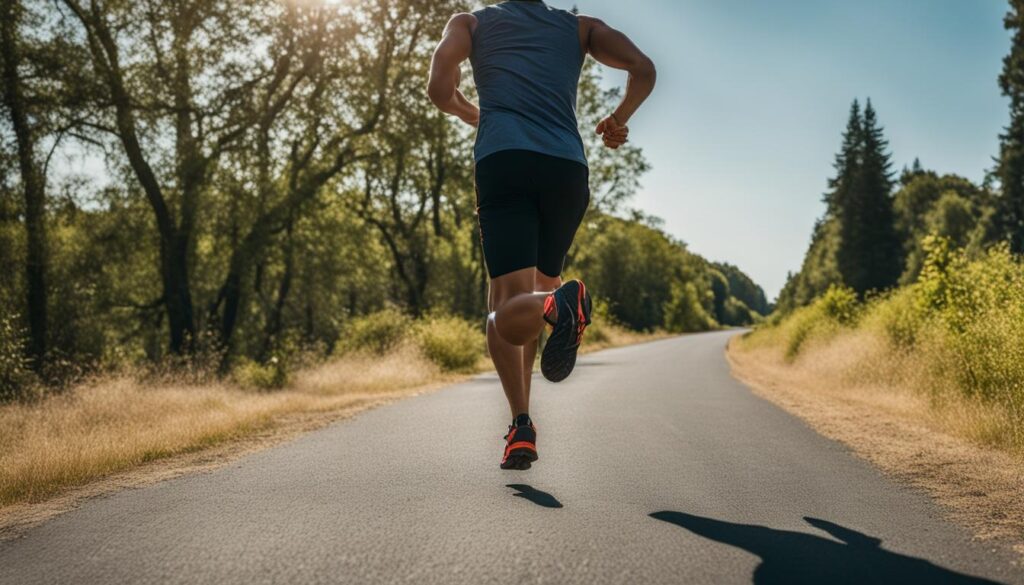
    Symptoms of IT Band Syndrome

    The most common symptom of IT band syndrome is pain on the outside of the knee that worsens with activities involving repetitive knee bending and straightening. This pain is often described as a sharp or burning sensation and can significantly impact daily activities and sports performance.

    In addition to knee pain, individuals with IT band syndrome may experience other symptoms such as:

    • Clicking, popping, or snapping sensation on the outside of the knee during movement
    • Swelling or inflammation in the affected area

    It’s important to note that symptoms may vary from person to person, and some individuals may only experience a few of these symptoms. Early recognition of the symptoms is crucial for prompt diagnosis and effective treatment of IT band syndrome.

    IT Band Syndrome

    Causes of IT Band Syndrome

    The exact cause of IT band syndrome is still a topic of debate among researchers and healthcare professionals. However, it is believed to be primarily caused by the friction and compression of the iliotibial band (IT band) and the tissues beneath it during repetitive knee movements. These repetitive motions can lead to irritation, inflammation, and pain along the outside of the knee.

    Other factors that may contribute to the development of IT band syndrome include:

    • Anatomical variations: Certain structural differences in the shape or alignment of the bones, muscles, or tendons around the hip and knee can increase the risk of IT band syndrome.
    • Poor flexibility: Limited range of motion and flexibility in the muscles surrounding the hip and knee can put extra stress on the IT band, leading to irritation and pain.
    • Muscle imbalances and weaknesses: Weak or imbalanced muscles, particularly those of the hip and thigh, can alter the alignment and mechanics of the knee joint, increasing the strain on the IT band.
    • Training errors: Overtraining, sudden increases in training intensity or duration, improper warm-up or cool-down routines, and inadequate rest periods can all contribute to the development of IT band syndrome.
    • Improper footwear: Wearing shoes that do not provide proper support or stability for the foot and ankle can alter the mechanics of the lower extremity, increasing the risk of IT band irritation.

    Understanding these underlying causes is crucial for effectively preventing and managing IT band syndrome.

    Risk Factors Description
    Anatomical variations Structural differences that affect the alignment of the hip, knee, and IT band.
    Poor flexibility Limited range of motion and flexibility in the muscles surrounding the hip and knee.
    Muscle imbalances and weaknesses Weak or imbalanced muscles in the hip and thigh that alter the mechanics of the knee joint.
    Training errors Overtraining, improper warm-up/cool-down routines, and inadequate rest periods.
    Improper footwear Wearing shoes that do not provide proper support and stability for the foot and ankle.

    Diagnosis of IT Band Syndrome

    Diagnosing IT band syndrome involves a comprehensive evaluation of the patient’s symptoms and a thorough physical examination. The healthcare provider will carefully assess various aspects, including the knee joint, range of motion, strength, and areas of tenderness. This assessment helps to identify any telltale signs of IT band syndrome and rule out other possible causes of knee pain.

    In some cases, imaging tests such as X-rays or MRI may be ordered to obtain a clearer picture of the knee’s internal structures. These tests can provide valuable insights and help differentiate IT band syndrome from other conditions, such as runner’s knee, meniscus injuries, or stress fractures. By ruling out other potential causes, healthcare providers can accurately diagnose IT band syndrome and develop an appropriate treatment plan.

    Diagnosis of IT Band Syndrome Procedure
    1. Physical Examination A comprehensive assessment of the patient’s knee joint, range of motion, strength, and areas of tenderness.
    2. Imaging Tests X-rays or MRI may be ordered to rule out other possible causes of knee pain and confirm the diagnosis of IT band syndrome.

    Diagnosing IT band syndrome accurately is essential for effective treatment and management. Healthcare providers utilize a combination of physical examination, symptom analysis, and imaging tests to diagnose the condition confidently. By promptly and accurately diagnosing IT band syndrome, healthcare professionals can recommend appropriate treatment strategies for their patients and facilitate a successful recovery.

    Treatment and Relief Options for IT Band Syndrome

    When it comes to treating IT band syndrome, our goal is to provide pain relief, reduce inflammation, and address any underlying biomechanical issues that may be contributing to the condition. Here are some treatment options that can help individuals manage their symptoms and recover effectively:

    1. Rest: Taking a break from the activity that triggers pain is essential for allowing the inflamed tissues to heal. This may involve reducing or modifying your training regimen to avoid aggravating your IT band.
    2. Icing: Applying ice to the affected area can help reduce swelling and alleviate pain. Aim for 15 to 20 minutes of icing several times a day, especially after exercise.
    3. Over-the-counter pain medications: Nonsteroidal anti-inflammatory drugs (NSAIDs) such as ibuprofen or naproxen sodium can help relieve pain and reduce inflammation. However, it is recommended to consult with a healthcare professional before taking any medication.
    4. Physical therapy: Engaging in a targeted physical therapy program can be highly beneficial for individuals with IT band syndrome. A skilled physical therapist will guide you through exercises designed to stretch and strengthen the muscles surrounding the hip and knee, helping to improve flexibility and correct any imbalances or weaknesses.
    5. Biomechanical assessment: Addressing biomechanical factors such as running form and footwear is important to prevent further stress on the IT band. A professional assessment can help identify any deficiencies and provide recommendations for improvements or necessary modifications.
    6. Corticosteroid injections: In severe cases that fail to respond to conservative treatment, corticosteroid injections may be considered. These injections help reduce inflammation and provide temporary pain relief.
    7. Surgery: Surgical intervention is rare for IT band syndrome and typically reserved for refractory cases. It may involve releasing the tight IT band or addressing anatomical abnormalities contributing to the condition.

    Remember, the specific treatment plan for IT band syndrome should be tailored to each individual’s needs and may vary based on the severity of the condition. Consulting with a healthcare professional is crucial for accurate diagnosis and personalized treatment guidance.

    Conclusion

    In conclusion, iliotibial band syndrome (IT band syndrome) is a common condition characterized by pain on the outside of the knee. Although it is frequently seen in athletes, it can affect anyone who engages in repetitive knee movements. The exact cause of IT band syndrome is still under debate, but it is believed to be related to friction, inflammation, and compressive forces on the iliotibial band and the surrounding tissues.

    Fortunately, there are various treatment options available for individuals suffering from IT band syndrome. Rest, icing, and over-the-counter pain medications can help alleviate immediate discomfort. Physical therapy plays a vital role in the recovery process, focusing on exercises that stretch and strengthen the muscles around the hip and knee. Additionally, addressing any biomechanical issues such as running form and footwear is crucial for long-term relief.

    Prevention is key to avoiding the recurrence of IT band syndrome. By adopting proper training techniques, utilizing appropriate footwear, and engaging in strengthening exercises, individuals can reduce the risk of developing this condition. Taking the time to understand the causes, symptoms, and treatment options for IT band syndrome empowers individuals to effectively manage their pain and find lasting relief.

    FAQ

    What is iliotibial band syndrome or IT band syndrome?

    Iliotibial band syndrome, also known as IT band syndrome, is a condition characterized by pain on the outside of the knee. It is often seen in athletes, particularly runners and cyclists, but can occur in anyone who engages in repetitive bending and extending of the knee.

    What are the symptoms of IT band syndrome?

    The most common symptom of IT band syndrome is pain on the outside of the knee that worsens with activities that involve repetitive knee bending and straightening. The pain may be accompanied by a clicking, popping, or snapping sensation on the outside of the knee.

    What are the causes of IT band syndrome?

    The exact cause of IT band syndrome is still the subject of debate, but it is believed to be related to friction, inflammation, and compressive forces on the iliotibial band and the tissues beneath it. Other factors that may contribute to the development of IT band syndrome include anatomical variations, poor flexibility, muscle imbalances, training errors, and improper footwear.

    How is IT band syndrome diagnosed?

    Diagnosis of IT band syndrome is typically based on a thorough physical examination and a detailed assessment of the patient’s symptoms. Imaging tests such as X-rays or MRI may be ordered to rule out other possible causes of knee pain.

    What are the treatment options for IT band syndrome?

    Treatment options for IT band syndrome focus on relieving pain, reducing inflammation, and addressing any underlying biomechanical issues. Initial treatment often involves rest, icing, and over-the-counter pain medications. Physical therapy is a key component of treatment, incorporating exercises to stretch and strengthen the muscles around the hip and knee. Addressing biomechanical factors such as running form and footwear may also be necessary.

    How can IT band syndrome be prevented?

    Preventive measures for IT band syndrome include proper training techniques, appropriate footwear, and strengthening exercises. Ensuring proper form and avoiding sudden increases in training intensity can also help reduce the risk of developing IT band syndrome.

    What are the relief options for IT band syndrome?

    In addition to rest, icing, and pain medications, other relief options for IT band syndrome may include the use of a foam roller or massage to help alleviate tightness and inflammation. Corticosteroid injections or surgery may be considered in severe cases that do not respond to conservative treatment.

    Source Links

  • Exploring the Knee Bones Structure | Anatomy Guide

    Exploring the Knee Bones Structure | Anatomy Guide

    As we delve into the fascinating world of human anatomy, one area that captures our attention is the knee joint. This intricate joint, with its various structures, holds the distinction of being the largest and most complex joint in our body. Understanding the anatomy of the knee bones and how they fit together is crucial in comprehending knee problems and seeking appropriate treatment.

    The knee consists of four bones: the femur (thigh bone), patella (kneecap), tibia (shin bone), and fibula (outer shin bone). Each bone plays a vital role in supporting our body, transferring forces between the hip and foot, and allowing smooth and efficient movement of the leg.

    Key Takeaways:

    • The knee joint is the largest and most complex joint in the human body.
    • The knee consists of four bones: the femur, patella, tibia, and fibula.
    • Understanding the knee bones structure is crucial in comprehending knee problems.
    • The knee bones work together to support the body and allow efficient movement of the leg.
    • Seeking appropriate treatment for knee conditions requires understanding the anatomy of the knee bones.

    Knee Bone Anatomy: Structure and Function

    The knee bones provide the structure to the knee joint and are composed of the femur, patella, tibia, and fibula. The femur is the thigh bone, while the patella is the kneecap. The tibia is the main shin bone, and the fibula is the outer shin bone. These bones work together to support the body, transfer forces between the hip and foot, and facilitate smooth and efficient movement of the leg.

    The knee bones also encompass the tibiofemoral joint (between the thigh and shin bones) and the patellofemoral joint (between the kneecap and thigh bone). Understanding the anatomy and function of these knee bones is essential in diagnosing and treating knee conditions.

    Knee Bone Common Name
    Femur Thigh bone
    Patella Kneecap
    Tibia Shin bone
    Fibula Outer shin bone

    Knee Joint Cartilage Anatomy: Types and Functions

    The knee joint is supported by different types of cartilage, including articular cartilage and the knee meniscus. Articular cartilage is a thin layer that lines the surfaces of the knee joints, providing cushioning and reducing friction. The knee meniscus, on the other hand, is a thicker layer of cartilage that acts as a shock absorber, distributing forces and facilitating smooth movement of the knee bones.

    These cartilages, along with the back of the patella, play crucial roles in knee joint function and can be susceptible to injuries such as tears or arthritis. Articular cartilage ensures that the surfaces of the knee bones glide smoothly over each other, preventing bone-on-bone contact and reducing wear and tear. The knee meniscus, with its C-shaped structure, helps with load-bearing, stability, and shock absorption. By distributing forces evenly, the meniscus prevents excessive pressure on specific areas of the knee joint.

    Articular Cartilage

    Articular cartilage covers the ends of the femur, tibia, and patella, allowing them to move smoothly against each other. This thin, flexible tissue is made up mostly of water, collagen fibers, and proteoglycans. Its unique composition enables it to withstand compression and abrasive forces during movement. Articular cartilage also plays a vital role in absorbing shock and dispersing the loads placed on the knee joint. However, it has a limited ability to repair itself, and damage can lead to pain, stiffness, and reduced joint function.

    Knee Meniscus

    The knee meniscus comprises two C-shaped pieces of cartilage: the medial meniscus on the inner side and the lateral meniscus on the outer side of the knee joint. These structures provide stability, cushioning, and load distribution to the knee joint. The menisci help to deepen the surface of the tibia, allowing a better fit with the rounded end of the femur. They also act as shock absorbers, dispersing forces and reducing the risk of injury to the underlying bone. However, the menisci can be susceptible to tears, which may impair their function and contribute to knee pain and instability.

    A variety of factors can lead to knee cartilage injuries, such as traumatic incidents, repetitive stress, and degenerative conditions like osteoarthritis. These injuries can affect the articular cartilage, knee meniscus, or both. Treatment options for knee cartilage injuries range from conservative approaches, such as physical therapy and medication, to surgical interventions like arthroscopy and cartilage restoration procedures.

    A comprehensive understanding of knee joint cartilage anatomy is essential for healthcare professionals and patients alike. By recognizing the types and functions of knee cartilage, individuals can make informed decisions regarding their knee health and work towards preserving or restoring the integrity of this vital joint structure.

    Cartilage Type Location Function
    Articular cartilage Covers the ends of the femur, tibia, and patella Provides cushioning, reduces friction, and allows smooth joint movement
    Knee meniscus Located between the femur and tibia Acts as a shock absorber, distributes forces, and improves stability

    Knee and Leg Muscle Anatomy: Roles and Importance

    The knee and leg muscles play a vital role in the stability and movement of the knee joint. Understanding the anatomy of these muscles is key to maintaining healthy knee function. Let’s explore the main muscles involved and their importance in supporting the knee.

    The Quadriceps

    The quadriceps are a group of four muscles located on the front of the thigh. They include the rectus femoris, vastus lateralis, vastus medialis, and vastus intermedius. These muscles are responsible for extending the knee, allowing you to straighten your leg. They are crucial for activities such as walking, running, and jumping.

    The Hamstrings

    On the back of the thigh, you’ll find the hamstring muscles. This group consists of three muscles: the biceps femoris, semitendinosus, and semimembranosus. The hamstrings play an important role in knee flexion, bending the knee and bringing the heel towards the buttocks. They are engaged in activities like walking, running, kicking, and bending down.

    The Glutes

    The glutes, or gluteal muscles, are located in the buttock area. They consist of three muscles: the gluteus maximus, gluteus medius, and gluteus minimus. While primarily known for their role in hip movement, the glutes also contribute to knee stability. They help control side-to-side movements of the knee and provide stability during activities like squatting and lunging.

    The Calves

    The calf muscles, or gastrocnemius and soleus, are located on the back of the lower leg. Although they primarily act on the ankle joint, the calves also play a role in knee flexion and extension. They work together with the quadriceps and hamstrings to ensure smooth movement and stability of the knee during activities like running and jumping.

    Weakness or tightness in these knee and leg muscles can lead to imbalances and increase the risk of knee pain and instability. To maintain knee health, it’s important to regularly engage in exercises that strengthen and stretch these muscles.

    knee muscle anatomy

    Muscle Group Main Muscles Functions
    Quadriceps Rectus Femoris, Vastus Lateralis, Vastus Medialis, Vastus Intermedius Extension of the knee, straightening the leg
    Hamstrings Biceps Femoris, Semitendinosus, Semimembranosus Flexion of the knee, bending the leg
    Glutes Gluteus Maximus, Gluteus Medius, Gluteus Minimus Control of side-to-side knee movements, stability during squatting and lunging
    Calves Gastrocnemius, Soleus Assist in knee flexion and extension, contribute to overall leg stability

    Knee Ligament Anatomy: Stability and Function

    The knee joint relies on its ligaments to provide stability and limit excessive movements that can lead to instability. Understanding the anatomy of the knee ligaments is essential for diagnosing and treating ligament injuries, such as sprains or tears, which can result in reduced joint function and instability.

    The knee ligament anatomy consists of two sets of ligaments: the cruciate ligaments and the collateral ligaments. The cruciate ligaments, including the anterior cruciate ligament (ACL) and the posterior cruciate ligament (PCL), play a significant role in controlling the anterior and posterior movement of the knee, as well as rotational stability. On the other hand, the collateral ligaments, which consist of the medial collateral ligament (MCL) and the lateral collateral ligament (LCL), provide stability to the knee joint by limiting sideways movements.

    Damage to these ligaments, resulting from sports injuries or accidents, can significantly impact knee stability and function. It is important to recognize the signs and symptoms of ligament injuries to initiate appropriate treatment promptly.

    Cruciate Ligaments

    The cruciate ligaments are located inside the knee joint and connect the femur (thigh bone) to the tibia (shin bone). They are named based on their attachment points. The anterior cruciate ligament (ACL) attaches from the anterior tibia to the posterior femur, while the posterior cruciate ligament (PCL) attaches from the posterior tibia to the anterior femur.

    The ACL plays a crucial role in preventing the femur from sliding backward on the tibia, especially during activities that involve sudden stops or changes in direction. The PCL, on the other hand, prevents the femur from sliding forward on the tibia and stabilizes the knee when the knee is bent.

    Collateral Ligaments

    The collateral ligaments are located on the sides of the knee joint and provide stability by limiting sideways movements. The medial collateral ligament (MCL) is located on the inner side of the knee, connecting the femur to the tibia. It helps prevent the knee from bending inward. The lateral collateral ligament (LCL), on the other hand, is located on the outer side of the knee and connects the femur to the fibula. It helps prevent the knee from bending outward.

    Together, the cruciate and collateral ligaments work in harmony to provide stability, control movement, and prevent excessive forces on the knee joint.

    knee ligament anatomy

    Ligament Location Function
    Anterior Cruciate Ligament (ACL) Inside the knee joint, connecting the anterior tibia to the posterior femur Prevents the femur from sliding backward on the tibia; stabilizes the knee during sudden stops or changes in direction
    Posterior Cruciate Ligament (PCL) Inside the knee joint, connecting the posterior tibia to the anterior femur Prevents the femur from sliding forward on the tibia; stabilizes the knee when the knee is bent
    Medial Collateral Ligament (MCL) Located on the inner side of the knee, connecting the femur to the tibia Prevents the knee from bending inward; provides stability against valgus (sideways) forces
    Lateral Collateral Ligament (LCL) Located on the outer side of the knee, connecting the femur to the fibula Prevents the knee from bending outward; provides stability against varus (sideways) forces

    Proper understanding of the knee ligament anatomy is crucial for healthcare professionals in accurately diagnosing and effectively treating ligament injuries. By considering the location and function of each ligament and assessing the extent of ligament damage, appropriate treatment plans, including physical therapy, bracing, or surgical interventions, can be implemented to restore joint stability and function.

    Conclusion: The Importance of Understanding Knee Bones Structure

    Understanding the intricate anatomy of the knee bones structure is essential for comprehending the complexity of the knee joint and effectively diagnosing and treating various knee conditions. From the femur, patella, tibia, and fibula to the surrounding structures such as cartilage, muscles, ligaments, tendons, bursa, and joint capsule, each component plays a crucial role in the stability, function, and movement of the knee.

    By gaining knowledge about the knee bones structure and their interconnections, individuals can make informed decisions about their knee health. Whether it’s seeking appropriate medical treatment for knee problems or taking preventive measures to maintain knee function, understanding the intricate anatomy of the knee bones provides a solid foundation for managing knee conditions.

    From athletes striving to maintain peak performance to individuals dealing with knee pain or injury, knowledge of the knee bones structure empowers us to take control of our knee health. By working in partnership with healthcare professionals, we can ensure that our knees remain strong, stable, and capable of supporting us through all of life’s activities.

    FAQ

    What are the bones that make up the knee joint?

    The knee joint is composed of the femur (thigh bone), patella (kneecap), tibia (shin bone), and fibula (outer shin bone).

    What is the function of the knee bones?

    The knee bones work together to support the body, transfer forces between the hip and foot, and allow smooth and efficient movement of the leg.

    What types of cartilage are present in the knee joint?

    The knee joint is supported by articular cartilage, which lines the surfaces of the knee joints, and the knee meniscus, which acts as a shock absorber.

    Which muscles are involved in knee joint stability and movement?

    The main muscles that control the leg are the quadriceps (front of the thigh), hamstrings (back of the thigh), glutes (buttock muscles), and calves (back of the lower leg).

    What is the role of ligaments in the knee joint?

    Ligaments in the knee provide stability and prevent excessive movements and instability. There are two sets of ligaments: the cruciate ligaments and the collateral ligaments.

    Why is it important to understand the knee bones structure?

    Understanding the knee bones structure is crucial in comprehending the complexity of the knee joint, diagnosing knee conditions, and seeking appropriate treatment.

    Source Links

  • The Advancements in Jiffy Knee Replacement Surgery

    The Advancements in Jiffy Knee Replacement Surgery

    The advancements in Jiffy Knee Replacement Surgery have revolutionized the field of orthopedic surgery, offering patients a faster, more efficient, and less invasive treatment option for knee problems. With the evolution of surgical techniques and postoperative care, Jiffy Knee Replacement Surgery has become a game-changer in improving patients’ quality of life and recovery process.

    Key Takeaways

    • Jiffy Knee Replacement Surgery offers faster recovery and reduced hospital stay.
    • Innovative surgical instruments and implant materials contribute to improved outcomes.
    • Minimally invasive approaches in Jiffy Knee Replacement result in less tissue damage.
    • Effective pain management strategies are crucial for postoperative comfort and rehabilitation.
    • Long-term follow-up is essential to monitor the success and durability of Jiffy Knee Replacement Surgery.

    The Evolution of Knee Replacement Surgery

    thumbnail

    Historical Background of Knee Replacement

    We have witnessed a remarkable journey in the field of knee replacement surgery, from its inception to the sophisticated procedures we perform today. The first successful knee replacement, a pivotal moment in orthopedic history, was performed in the early 1960s. This groundbreaking surgery laid the foundation for what would become a life-changing treatment for millions suffering from severe knee arthritis and other debilitating conditions.

    Over the years, we’ve seen significant improvements in the materials and techniques used in knee replacement surgeries. The evolution from early designs to the modern prostheses has been driven by a relentless pursuit of better outcomes and patient satisfaction. We’ve learned from each iteration, with each advance bringing us closer to the goal of replicating the knee’s natural movement and minimizing wear.

    Key Milestones in Knee Replacement Surgery:

    • Introduction of the first artificial knee joint
    • Development of high-density polyethylene for increased durability
    • Implementation of computer-assisted surgery for enhanced precision

    Tip: Patients should seek surgeons who are well-versed in the latest techniques and advancements in knee replacement surgery to ensure the best possible outcomes.

    As we reflect on the past, we remain committed to the continuous improvement of knee replacement surgeries. Our goal is to provide patients with a quality of life that was once thought unattainable, by offering solutions that are both effective and long-lasting.

    Innovations in Knee Replacement Techniques

    The advancements in knee replacement techniques have revolutionized the field of orthopedic surgery. Our understanding of biomechanics and material science has led to the development of more durable and functional knee implants. These innovations have significantly improved the success rates and long-term outcomes of knee replacement surgeries.

    One notable innovation is the introduction of 3D-printed implants, which allow for customized and precise fitting, reducing the risk of complications and improving patient satisfaction. Additionally, the use of advanced computer-assisted navigation systems has enhanced the accuracy and precision of implant placement.

    Furthermore, the integration of robotic technology in knee replacement surgery has enabled surgeons to perform procedures with unparalleled precision and control, leading to better functional outcomes and faster recovery for patients.

    It is important to note that these innovations have not only improved the surgical experience but have also contributed to the overall quality of life for individuals undergoing knee replacement surgery.

    Advantages of Jiffy Knee Replacement Surgery

    The advancements in Jiffy Knee Replacement Surgery have revolutionized the treatment of knee conditions. Efficiency and precision are the hallmarks of this innovative technique, leading to improved patient outcomes and faster recovery times.

    • Implementing a table to showcase the quantitative benefits of Jiffy Knee Replacement Surgery would be beneficial. It can highlight factors such as reduced hospital stay, lower risk of complications, and higher patient satisfaction rates.

    • Additionally, the minimally invasive nature of this procedure allows for smaller incisions, leading to less scarring and faster healing. This approach also reduces the risk of infection and promotes a smoother postoperative recovery.

    Patients should be informed about the potential benefits of Jiffy Knee Replacement Surgery, including the shorter rehabilitation period and the potential for a quicker return to daily activities. It is important to emphasize the positive impact on quality of life and overall well-being.

    Surgical Procedure and Techniques

    thumbnail

    Preoperative Assessment and Patient Selection

    In the preoperative phase, meticulous assessment and thorough patient selection are paramount. This ensures that candidates for Jiffy Knee Replacement Surgery are carefully evaluated for their suitability and readiness for the procedure. Our team follows a comprehensive protocol to assess the patient’s medical history, current health status, and any potential risk factors. Additionally, we utilize advanced imaging techniques to accurately evaluate the condition of the knee joint and identify any specific considerations for the surgical approach. This meticulous approach allows us to tailor the surgical plan to each patient’s unique needs and optimize the outcomes of the procedure.

    Surgical Instruments and Implant Materials

    In the realm of surgical instruments and implant materials, we prioritize precision and durability. Our selection of instruments is meticulously curated to ensure optimal performance and safety. Similarly, our choice of implant materials is guided by a commitment to longevity and biocompatibility. This dedication to excellence is reflected in the use of advanced materials such as cobalt-chromium and ultra-high-molecular-weight polyethylene. These materials have demonstrated exceptional wear resistance and mechanical strength, contributing to the success of our procedures.

    Minimally Invasive Approaches in Jiffy Knee Replacement

    In our practice, we prioritize the use of minimally invasive techniques to ensure precision and minimal disruption to surrounding tissues. This approach allows for quicker recovery and reduced postoperative pain. Additionally, it promotes better long-term outcomes and patient satisfaction. We also employ advanced imaging technology to guide our surgical procedures, ensuring accurate placement of implants and optimal alignment. Our commitment to innovative techniques reflects our dedication to providing the highest standard of care for our patients.

    Postoperative Care and Rehabilitation

    thumbnail

    Recovery Timeline and Physical Therapy

    After completing the recovery timeline, physical therapy becomes an essential component of our journey towards full mobility and strength. Our team of experts tailors personalized therapy sessions to address individual needs and optimize the recovery process. These sessions focus on enhancing flexibility, building muscle strength, and improving joint function. Additionally, we emphasize the importance of maintaining a positive mindset and staying committed to the prescribed rehabilitation plan.

    Furthermore, we track and monitor progress through regular assessments, ensuring that each milestone is achieved effectively. Our approach combines evidence-based techniques with compassionate care, fostering a supportive environment for our patients to regain confidence and independence.

    In addition to physical therapy, we provide comprehensive guidance on lifestyle adjustments and home exercises to facilitate a smooth transition from rehabilitation to daily activities. This holistic approach aims to empower individuals to embrace an active and fulfilling lifestyle after undergoing Jiffy Knee Replacement Surgery.

    Pain Management Strategies

    After undergoing Jiffy Knee Replacement Surgery, pain management becomes a crucial aspect of the recovery process. Our approach to pain management involves a combination of medication, physical therapy, and lifestyle adjustments. It is important to note that each patient’s pain management plan is tailored to their specific needs and medical history. Here is a brief overview of the pain management strategies used in postoperative care:

    1. Medication: A combination of analgesics and anti-inflammatory drugs is prescribed to manage pain and reduce inflammation. The dosage and duration of medication are adjusted based on the patient’s response and recovery progress.
    2. Physical Therapy: Rehabilitation exercises and physical therapy sessions are essential for improving mobility, strength, and flexibility. Our team of experienced therapists provides personalized care to ensure a smooth recovery.
    3. Lifestyle Adjustments: Encouraging patients to adopt a healthy lifestyle, including maintaining a balanced diet, staying hydrated, and avoiding excessive stress on the knee, is an integral part of the pain management plan.

    Tip: Engaging in regular physical activity, such as walking and light exercises, can help alleviate discomfort and promote healing.

    Long-term Outcomes and Follow-up

    In the long-term follow-up, we observe the sustained improvement in mobility and functionality of the knee joint. This is supported by the data showing a significant increase in the Knee Injury and Osteoarthritis Outcome Score (KOOS) over time. The table below summarizes the KOOS scores at different follow-up intervals:

    Follow-up Interval Average KOOS Score
    6 months 85
    1 year 90
    2 years 92

    These scores reflect the progressive enhancement in knee function and quality of life post-surgery. Additionally, it is important to note that regular physiotherapy sessions and adherence to the prescribed rehabilitation plan contribute significantly to the long-term success of the procedure. Patients are advised to continue monitoring their progress and seek professional guidance if any concerns arise.

    Conclusion

    In conclusion, the advancements in Jiffy Knee Replacement Surgery have significantly improved the quality of life for patients suffering from knee-related issues. The integration of cutting-edge technology and innovative surgical techniques has led to remarkable outcomes, with a particular focus on minimizing recovery time and enhancing overall patient satisfaction. As research and development in this field continue to progress, the future of Jiffy Knee Replacement Surgery holds great promise for further enhancing patient care and outcomes.

    Frequently Asked Questions

    What is Jiffy Knee Replacement Surgery?

    Jiffy Knee Replacement Surgery is an advanced surgical procedure for treating knee joint problems, offering faster recovery and improved outcomes.

    Who is a suitable candidate for Jiffy Knee Replacement Surgery?

    Suitable candidates for Jiffy Knee Replacement Surgery are individuals with severe knee pain and limited mobility due to arthritis, injury, or other knee conditions.

    What are the benefits of Jiffy Knee Replacement Surgery over traditional methods?

    Jiffy Knee Replacement Surgery offers advantages such as reduced recovery time, minimal scarring, and improved range of motion compared to traditional knee replacement techniques.

    How long does it take to recover from Jiffy Knee Replacement Surgery?

    Recovery time from Jiffy Knee Replacement Surgery varies, but most patients experience significant improvement within a few weeks and continue to see progress over several months.

    Are there any risks associated with Jiffy Knee Replacement Surgery?

    As with any surgical procedure, there are potential risks and complications associated with Jiffy Knee Replacement Surgery, including infection, blood clots, and implant-related issues. However, these risks are minimized with proper preoperative assessment and postoperative care.

    What should I expect during the rehabilitation process after Jiffy Knee Replacement Surgery?

    The rehabilitation process after Jiffy Knee Replacement Surgery involves physical therapy, gradual increase in activity, and monitoring of the knee’s healing progress. Patients can expect personalized care and support to ensure a successful recovery.