Understanding Pain Behind Left Knee – Causes & Relief
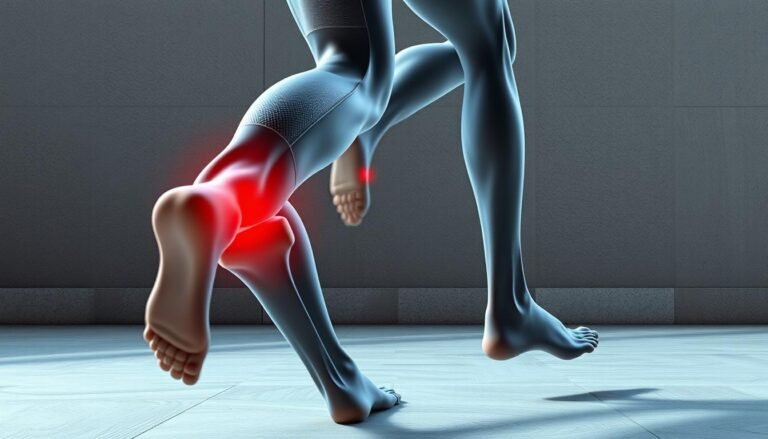
Pain behind the knee is a common complaint that can be caused by various factors, ranging from minor injuries to serious health conditions. The knee joint, with its complex structure of bones, cartilage, ligaments, and tendons, is vulnerable to strain, tears, and fractures.
Identifying the underlying cause of the pain is crucial to determine the most effective treatment approach. In this article, we will explore the common causes of pain behind the knee, the symptoms to watch out for, and the diagnostic methods used by healthcare professionals.
Key Takeaways:
- Pain behind the knee can be caused by various factors, including injuries, cysts, arthritis, and other health conditions.
- Seeking medical evaluation is essential for an accurate diagnosis and appropriate treatment.
- Self-help measures and home remedies may provide temporary relief, but medical treatment may be necessary to address the underlying cause and manage the pain effectively.
- Preventive measures, such as proper warm-up and stretching exercises, can help reduce the risk of developing pain behind the knee.
- If you experience persistent or worsening pain, consult with a healthcare professional for guidance and support.
Common Causes of Pain Behind the Knee
Pain behind the knee can be attributed to various factors. Understanding the underlying causes is crucial for determining the appropriate treatment approach. Some common causes of this type of pain include:
- Posterior Cruciate Ligament Injury: A blow to the front of the knee or hyperextension can result in a posterior cruciate ligament (PCL) injury, leading to pain behind the knee.
- Popliteal Cyst (Baker’s Cyst): This type of cyst can develop as a result of conditions such as osteoarthritis or cartilage injuries, leading to pain behind the knee.
- Knee Injury: Any form of knee injury, such as a sprain or strain, can cause pain in the back of the knee.
- Benign or Cancerous Growth: In some cases, a benign or cancerous growth in the knee area can lead to pain behind the knee.
- Infection (Septic Arthritis): An infection, such as septic arthritis, can cause pain behind the knee.
Identifying the specific cause of the pain is essential for developing an effective treatment plan. It is recommended to seek medical evaluation to accurately diagnose the underlying condition.
“Understanding the underlying causes is crucial for determining the appropriate treatment approach.”
The Impact of Osteoarthritis
Osteoarthritis is a common condition that may contribute to pain behind the knee. It occurs when the cartilage in the knee joint begins to deteriorate, leading to joint inflammation and discomfort. Osteoarthritis can cause pain both behind and around the knee.
| Osteoarthritis: Causes and Risk Factors | Osteoarthritis: Symptoms | Osteoarthritis: Treatment Options |
|---|---|---|
|
|
|
Symptoms of Pain Behind the Knee
The symptoms of pain behind the knee can vary depending on the underlying cause. Common symptoms include:
- Swelling: The back of the knee may appear swollen, indicating inflammation or fluid buildup.
- Stiffness: The knee joint may feel tight and difficult to move, limiting range of motion.
- Difficulty bending the leg: It may be challenging or painful to fully bend or straighten the leg.
- Clicking or locking sensation: Some individuals may experience a clicking sound or a sensation of the knee “locking” in certain positions.
In addition to these symptoms, some individuals may also experience warmth, redness, or tenderness in the affected area. These signs can further indicate inflammation or injury. It is important to pay attention to these symptoms as they can provide valuable information for an accurate diagnosis.
Diagnosing Pain Behind the Knee
To accurately diagnose the cause of pain behind the knee, our healthcare professionals follow a systematic approach that involves various diagnostic techniques:
- Medical History: We begin by conducting a thorough medical history interview to gather information about the patient’s symptoms, previous injuries or surgeries, and any underlying medical conditions.
- Physical Examination: A comprehensive physical examination allows us to assess the knee joint’s range of motion, identify areas of tenderness or swelling, and evaluate the overall stability of the knee.
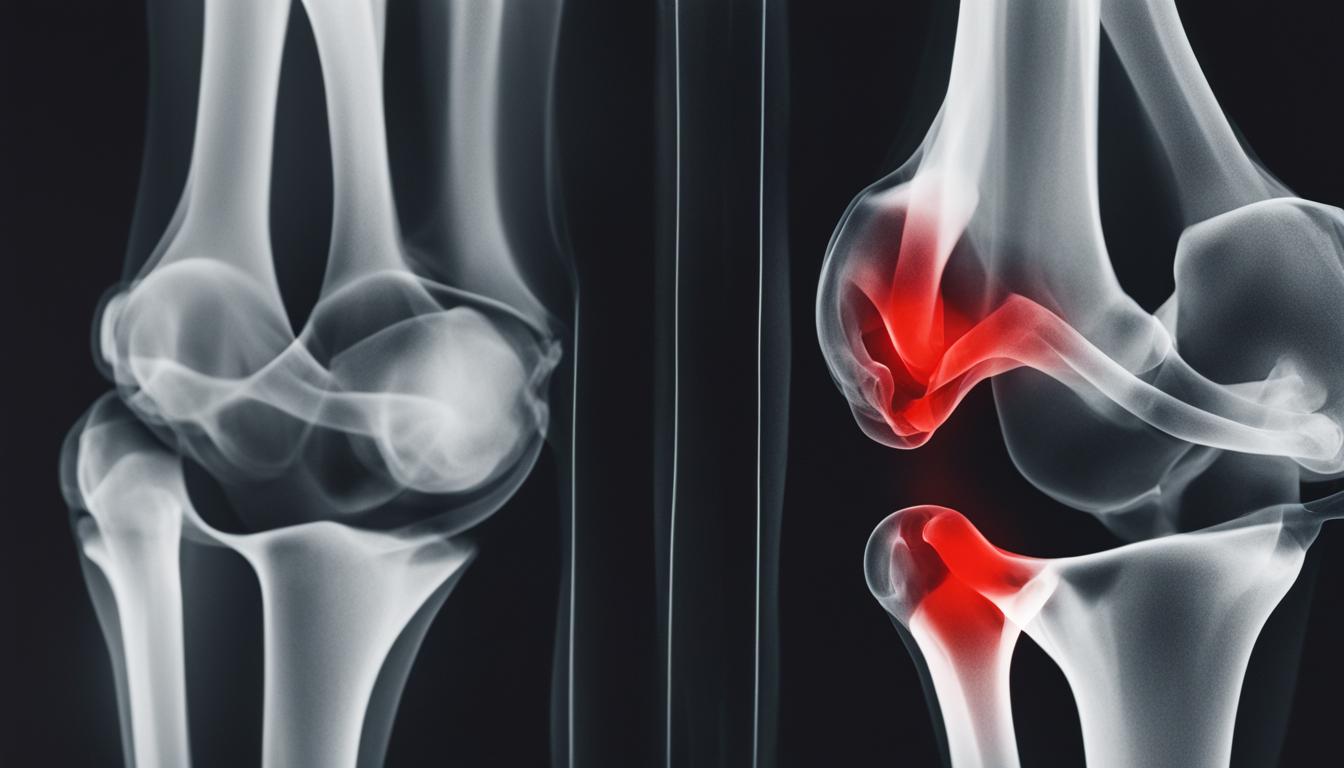
- Imaging Tests: We may recommend imaging tests such as X-rays, MRI scans, or ultrasound scans to obtain a detailed view of the knee structures. These tests enable us to identify any abnormalities, including fractures, ligament tears, cysts, or signs of arthritis.
- Additional Tests: Depending on the suspected cause of the pain, we may also perform blood tests or obtain a sample of knee fluid to rule out certain conditions or infections.
By combining the information gathered from the medical history, physical examination, and diagnostic tests, we can make an accurate diagnosis and determine the most suitable treatment plan tailored to each patient’s unique needs.

Self-Help and Home Remedies for Pain Behind the Knee
Depending on the severity of the pain and underlying cause, there are self-help measures and home remedies that may provide relief for pain behind the knee. By following the POLICE guidelines and avoiding HARM, you can effectively manage symptoms and promote healing.
POLICE:
- Protect: Protect the affected knee from further harm or injury. Limit activities that may exacerbate the pain.
- Optimal Loading: Gradually reintroduce movement and exercise to promote healing. Avoid overloading the knee joint.
- Ice: Apply ice to the affected area for 15-20 minutes at a time, several times a day. This can help reduce pain and swelling.
- Compression: Use compression bandages or wraps to provide support and reduce swelling.
- Elevation: Elevate the leg to a level above the heart to help reduce swelling and improve circulation.
HARM:
- Heat: Avoid applying heat to the affected knee, as it can increase inflammation.
- Alcohol: Limit alcohol consumption, as it can interfere with the body’s natural healing process.
- Running: Avoid high-impact activities such as running that may worsen the pain behind the knee.
- Massage: Refrain from massaging the area, as it may aggravate the pain or underlying condition.
Additionally, applying ice to the affected area, resting the leg, and using compression bandages may help reduce swelling. In some cases, using crutches to avoid putting weight on the affected leg may be necessary.
Medical Treatments for Pain Behind the Knee
The specific treatment for pain behind the knee will depend on the underlying cause. Once the cause has been identified, a healthcare professional can recommend appropriate treatment options. This may include physiotherapy to strengthen the muscles surrounding the knee, the use of braces or splints to provide support, medication to manage pain and inflammation, or in some cases, surgery to repair or remove damaged structures. The goal of medical treatment is to alleviate pain, improve mobility, and address the underlying cause of the pain.
Preventing Pain Behind the Knee
Taking preventive measures can help reduce the risk of developing pain behind the knee. To safeguard your knee health, it’s important to prioritize knee injury prevention through proper warm-up, stretching exercises, and wearing protective gear.
Proper Warm-Up
A good warm-up routine is essential before engaging in any physical activity. By gradually increasing your heart rate and body temperature, you prepare your muscles and joints for the upcoming stress, reducing the risk of injury. Incorporate dynamic movements that involve the knee joint, such as leg swings, lunges, and gentle squats, to target the muscles and ligaments surrounding the knee.
Stretching Exercises
Improving flexibility through stretching exercises is key to preventing knee pain. Focus on stretching the major muscle groups involved in knee movement, including the quadriceps, hamstrings, calves, and hip muscles. Perform static stretches after your workout or on non-exercise days to maintain flexibility and promote optimal knee function. Consult with a fitness professional to ensure you’re performing the proper stretches for your specific needs.
Protective Gear
Whether you’re engaging in sports activities or any other physically demanding tasks, it’s crucial to protect your knees. Wearing appropriate protective gear, such as knee pads, braces, or compression sleeves, can provide an extra layer of support, reducing the risk of impact-related injuries. Invest in high-quality gear that fits properly and offers adequate stability and cushioning for your knees.
Knee injury prevention is essential in maintaining long-term knee health.
Table: Comparison of Protective Gear for Knee Injury Prevention
| Gear | Pros | Cons |
|---|---|---|
| Knee Pads | Provides impact protection Lightweight and easy to wear Can enhance stability |
No lateral support Limited protection for ligaments Might restrict movement |
| Knee Braces | Offers structural support and stability Relieves pressure on joints Can prevent hyperextension |
Bulky and less comfortable Needs proper fitting for effectiveness May limit range of motion |
| Compression Sleeves | Provides compression for reduced swelling Improves blood flow and muscle recovery Lightweight and flexible |
Limited impact protection No structural support for ligaments May slide down during activities |
By incorporating these preventive measures into your routine, you can protect your knees and reduce the risk of developing pain behind the knee. Remember to listen to your body, avoid overexertion, and pay attention to any signs of discomfort. Prioritizing knee health through prevention will contribute to your overall well-being and physical performance.
Conclusion
Pain behind the knee can stem from various causes, such as injuries, cysts, arthritis, and other health conditions. It is crucial to seek prompt medical evaluation to receive an accurate diagnosis and appropriate treatment. While self-help measures and home remedies may offer temporary relief, medical intervention may be necessary to address the underlying cause and effectively manage the pain.
Implementing preventive measures can also play a vital role in reducing the risk of developing pain behind the knee. Engaging in proper warm-up exercises, performing regular stretching routines to enhance flexibility, and using protective gear during physical activities are proactive steps to prevent knee injuries. By listening to the body and avoiding overexertion or repetitive movements, individuals can minimize the chances of encountering knee pain.
If you experience persistent or worsening pain behind your knee, consulting with a healthcare professional is imperative. They can provide the necessary guidance and support to navigate your pain management journey effectively. Remember, pain behind the knee should never be ignored, and taking proactive steps to address it will contribute to a healthier and pain-free lifestyle.
FAQ
What can cause pain behind the left knee?
Pain behind the left knee can be caused by various factors, including injury, cysts, arthritis, and even serious health conditions like blood clots. It’s important to identify the underlying cause of the pain and seek appropriate treatment.
What are some common causes of pain behind the knee?
Some common causes of pain behind the knee include a posterior cruciate ligament (PCL) injury, popliteal cyst (Baker’s cyst), osteoarthritis, knee injury, benign or cancerous growths, or an infection called septic arthritis.
What are the symptoms of pain behind the knee?
Symptoms of pain behind the knee can include swelling, stiffness, difficulty bending the leg, and a clicking or locking sensation. In some cases, there may also be warmth, redness, or tenderness in the affected area.
How is pain behind the knee diagnosed?
To diagnose the cause of pain behind the knee, a healthcare professional will typically take a thorough medical history, perform a physical examination, and may recommend imaging tests such as X-rays, MRI scans, or ultrasound scans. Blood or knee fluid samples may also be taken to rule out certain conditions or infections.
What are some self-help and home remedies for pain behind the knee?
Depending on the severity and underlying cause, self-help measures may include following the POLICE (protect, optimal loading, ice, compression, elevation) guidelines, avoiding HARM (heat, alcohol, running, massage), applying ice, resting the leg, using compression bandages, and using crutches to avoid putting weight on the affected leg.
What are the medical treatments for pain behind the knee?
The specific treatment for pain behind the knee will depend on the underlying cause. Treatment options may include physiotherapy to strengthen the surrounding muscles, the use of braces or splints for support, medication to manage pain and inflammation, or in some cases, surgery to repair or remove damaged structures.
How can pain behind the knee be prevented?
Taking preventive measures such as proper warm-up exercises before physical activity, performing stretching exercises to improve flexibility, and wearing appropriate protective gear during sports or other activities that may strain the knee can help reduce the risk of developing pain behind the knee.
Source Links
- https://www.webmd.com/pain-management/knee-pain/ss/slideshow-why-knees-hurt
- https://www.bupa.co.uk/health-information/knee-pain/pain-behind-knee
- https://www.healthline.com/health/pain-in-back-of-knee