Author: Mokhtar

  • Effective Over-the-Counter Solutions for Knee Pain

    Effective Over-the-Counter Solutions for Knee Pain

    Knee pain can significantly impact daily activities and quality of life. Understanding the common causes, types, and symptoms of knee pain is essential for effective management. Fortunately, there are several over-the-counter solutions available that can provide relief. This article explores the top solutions, including topical pain relief creams, oral pain medications, knee braces and supports, and physical therapy and exercise. Additionally, implementing preventive measures such as maintaining a healthy weight, wearing proper footwear, avoiding high-impact activities, and strengthening the muscles around the knee can help prevent knee pain. Here are the key takeaways:

    Key Takeaways

    • Topical pain relief creams can provide temporary relief for knee pain.
    • Oral pain medications, such as nonsteroidal anti-inflammatory drugs (NSAIDs), can help reduce inflammation and alleviate knee pain.
    • Knee braces and supports can provide stability and support to the knee joint, reducing pain and preventing further injury.
    • Physical therapy and exercise can strengthen the muscles around the knee, improve flexibility, and reduce knee pain.
    • Maintaining a healthy weight can reduce the stress on the knee joint and decrease the risk of knee pain.

    Understanding Knee Pain

    Common Causes of Knee Pain

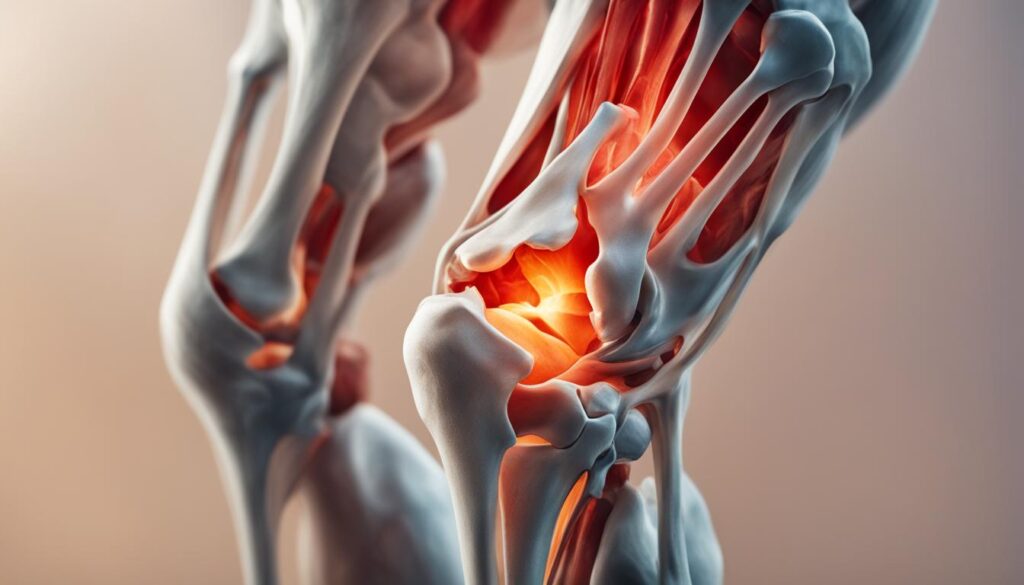
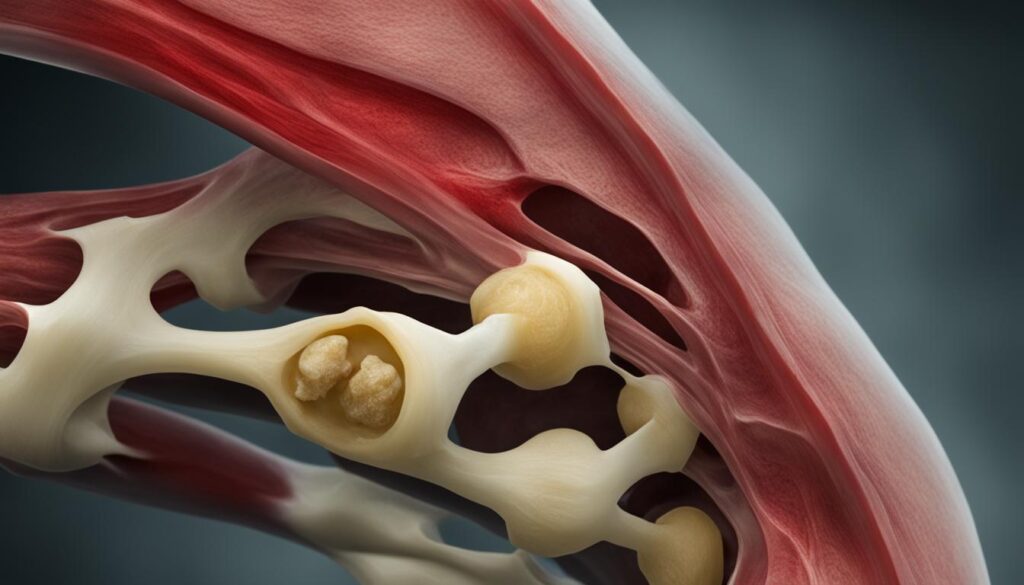
    Knee pain can be caused by a variety of factors, including injury, overuse, and medical conditions. Injuries such as sprains, strains, and tears to the ligaments and tendons surrounding the knee joint can result in pain and discomfort. Overuse of the knee joint, often seen in athletes or individuals who engage in repetitive activities, can lead to inflammation and wear and tear on the joint. Additionally, certain medical conditions like arthritis, bursitis, and tendonitis can cause chronic knee pain.

    To better understand the cause of your knee pain, it is important to consult with a healthcare professional who can provide a proper diagnosis and recommend appropriate treatment options.

    Here are some common causes of knee pain:

    1. Injury: Sprains, strains, and tears to ligaments and tendons.
    2. Overuse: Repetitive activities and excessive strain on the knee joint.
    3. Medical conditions: Arthritis, bursitis, and tendonitis.

    Types of Knee Pain

    Knee pain can manifest in various ways, depending on the underlying cause. Acute knee pain is sudden and often caused by an injury, such as a sprain or tear. This type of pain is usually sharp and intense. Chronic knee pain, on the other hand, persists over a longer period of time and is often associated with conditions like arthritis or overuse injuries.

    It’s important to accurately identify the type of knee pain you’re experiencing in order to determine the most appropriate treatment approach. Here are some common types of knee pain:

    1. Patellofemoral pain syndrome: This is a common knee condition characterized by pain around or behind the kneecap. It is often caused by overuse, muscle imbalances, or improper tracking of the kneecap.
    2. Meniscal tears: These are tears in the cartilage that cushions the knee joint. They can cause pain, swelling, and limited range of motion.
    3. Ligament injuries: Ligaments in the knee, such as the ACL or MCL, can be sprained or torn, resulting in pain and instability.

    Understanding the specific type of knee pain you have can help guide your treatment decisions and improve your overall recovery.

    Symptoms of Knee Pain

    Knee pain can manifest in various ways, with different individuals experiencing different symptoms. Common symptoms of knee pain include:

    • Swelling: The knee may appear swollen and feel warm to the touch.
    • Stiffness: The knee may feel stiff, making it difficult to fully bend or straighten the leg.
    • Popping or clicking: Some individuals may experience a popping or clicking sensation in the knee joint.
    • Weakness: The knee may feel weak or unstable, making it challenging to bear weight or engage in physical activities.

    If you are experiencing any of these symptoms, it is important to consult a healthcare professional for a proper diagnosis and treatment plan. Ignoring knee pain can lead to further complications and hinder your daily activities.

    Over-the-Counter Solutions for Knee Pain

    Topical Pain Relief Creams

    Topical pain relief creams are a popular over-the-counter solution for knee pain. These creams are applied directly to the skin and work by numbing the area and reducing inflammation. They can provide temporary relief from minor aches and pains caused by arthritis, muscle strains, or overuse.

    One advantage of topical pain relief creams is that they can be easily applied and absorbed into the skin, targeting the source of the pain. They are available in different strengths and formulations, including those with menthol, camphor, or capsaicin. It’s important to follow the instructions and guidelines provided by the manufacturer when using these creams.

    While topical pain relief creams can be effective for some individuals, they may not provide complete relief for everyone. It’s always a good idea to consult with a healthcare professional if you have persistent or severe knee pain.

    Oral Pain Medications

    Oral pain medications are a common over-the-counter solution for knee pain. These medications can help to reduce inflammation and alleviate pain in the knee. They are available in various forms, including tablets, capsules, and liquids.

    One popular type of oral pain medication is nonsteroidal anti-inflammatory drugs (NSAIDs). NSAIDs work by blocking the production of certain chemicals in the body that cause inflammation and pain. Some common NSAIDs include ibuprofen, naproxen, and aspirin.

    It is important to follow the recommended dosage instructions when taking oral pain medications. Taking more than the recommended dose can lead to side effects such as stomach irritation or liver damage.

    If you are unsure about which oral pain medication to take, it is always best to consult with a healthcare professional.

    Knee Braces and Supports

    Knee braces and supports are commonly used over-the-counter solutions for knee pain. Braces provide stability and support to the knee joint, helping to reduce pain and prevent further injury. They are often recommended for individuals with ligament injuries or osteoarthritis. Knee braces come in different types, including hinged braces, compression sleeves, and patellar stabilizers.

    In addition to braces, there are also various types of knee supports available. These supports are designed to provide compression and mild support to the knee, helping to alleviate pain and discomfort. They are commonly used for conditions such as patellofemoral pain syndrome or runner’s knee.

    When choosing a knee brace or support, it is important to consider the specific needs of the individual and consult with a healthcare professional if necessary. Proper fitting and usage instructions should be followed to ensure maximum effectiveness.

    • Knee braces provide stability and support to the knee joint.
    • Knee supports offer compression and mild support.
    • Consult with a healthcare professional for proper fitting and usage instructions.

    Physical Therapy and Exercise

    Physical therapy and exercise are crucial components of managing knee pain. Physical therapy involves a combination of exercises, stretches, and manual therapy techniques to improve strength, flexibility, and range of motion in the knee joint. It can help reduce pain, improve function, and prevent further injury. Exercise is also important for maintaining overall knee health. Regular exercise, such as walking, swimming, or cycling, can help strengthen the muscles around the knee, provide support to the joint, and improve stability.

    In addition to physical therapy and exercise, there are other non-pharmacological approaches that can be beneficial for knee pain. These include hot and cold therapy, which can help reduce inflammation and provide temporary pain relief. Weight management is also important, as excess weight puts additional stress on the knee joint. Maintaining a healthy weight can help alleviate knee pain and prevent further damage.

    It’s important to consult with a healthcare professional or physical therapist before starting any new exercise or physical therapy program. They can provide guidance on the most appropriate exercises and techniques for your specific condition and help ensure you are performing them correctly to avoid further injury.

    Preventing Knee Pain

    Maintaining a Healthy Weight

    Maintaining a healthy weight is crucial for reducing stress on the knees and preventing knee pain. Excess weight puts additional pressure on the joints, leading to increased wear and tear. Losing even a small amount of weight can make a significant difference in relieving knee pain.

    To achieve and maintain a healthy weight, consider the following:

    1. Balanced diet: Focus on consuming a variety of nutrient-rich foods, including fruits, vegetables, whole grains, and lean proteins. Limit the intake of processed foods, sugary drinks, and unhealthy fats.
    2. Portion control: Be mindful of portion sizes to avoid overeating. Use smaller plates and bowls to help control portion sizes.
    3. Regular exercise: Engage in regular physical activity to burn calories and strengthen the muscles around the knee. Low-impact exercises like swimming, cycling, and walking are gentle on the joints.

    Tip: Incorporate strength training exercises to build muscle mass, which can help support the knee joint and improve stability.

    Proper Footwear and Orthotics

    When it comes to managing knee pain, proper footwear and orthotics play a crucial role. Choosing the right shoes can help alleviate discomfort and provide support to the knees. Look for shoes that have cushioned soles and good arch support to reduce the impact on the knees. Additionally, orthotic inserts can be used to provide extra support and stability. These inserts can help correct any biomechanical issues that may be contributing to knee pain.

    In addition to wearing the right footwear, there are a few other tips to keep in mind:

    • Avoid high heels and shoes with minimal cushioning, as they can put extra strain on the knees.
    • Replace worn-out shoes regularly to ensure proper support.
    • Consider custom orthotics if you have specific foot or gait abnormalities.

    Remember, taking care of your feet and wearing the right shoes can go a long way in preventing and managing knee pain.

    Avoiding High-Impact Activities

    Engaging in high-impact activities can put excessive strain on the knees and exacerbate knee pain. Running, jumping, and playing sports that involve quick and repetitive movements can increase the risk of knee injuries and worsen existing knee pain. It is important to modify your exercise routine to include low-impact activities that are gentler on the knees. Consider incorporating swimming, cycling, or using an elliptical machine as alternative forms of exercise. These activities provide cardiovascular benefits without subjecting the knees to excessive stress.

    Additionally, it is advisable to avoid activities that require sudden changes in direction or involve twisting motions, as these movements can further strain the knee joints. Pivoting, sudden stops, and sharp turns should be minimized to prevent aggravating knee pain.

    Remember, protecting your knees from high-impact activities is crucial in managing knee pain and preventing further damage.

    Strengthening the Muscles around the Knee

    Strengthening the muscles around the knee is crucial for maintaining knee stability and reducing the risk of injury. Regular exercise that targets the quadriceps, hamstrings, and calf muscles can help improve overall knee strength. Here are some effective exercises to consider:

    1. Squats: Squats are a great exercise for strengthening the muscles in the thighs and buttocks. Start with your feet shoulder-width apart, lower your body as if sitting back into a chair, and then return to a standing position.

    2. Lunges: Lunges target the quadriceps, hamstrings, and glutes. Take a step forward with one leg, lowering your body until both knees are bent at a 90-degree angle, and then return to the starting position.

    3. Step-ups: Step-ups are a simple yet effective exercise. Find a step or platform, step up with one leg, and then step back down. Repeat with the other leg.

    Remember to start with light weights or no weights at all and gradually increase the intensity as your muscles get stronger.

    Tip: It’s important to maintain proper form during these exercises to avoid putting unnecessary stress on the knee joints.

    Conclusion

    In conclusion, there are several effective over-the-counter solutions available for knee pain. These include topical creams, pain relievers, and supportive devices. It is important to consult with a healthcare professional before trying any new treatment. With the right approach, individuals can find relief and manage their knee pain effectively.

    Frequently Asked Questions

    What are the common causes of knee pain?

    Common causes of knee pain include arthritis, ligament injuries, meniscus tears, overuse or repetitive strain, and obesity.

    How can I relieve knee pain using topical pain relief creams?

    Topical pain relief creams containing ingredients like menthol or capsaicin can provide temporary relief by numbing the area and reducing inflammation.

    Are oral pain medications effective for knee pain?

    Oral pain medications such as nonsteroidal anti-inflammatory drugs (NSAIDs) or acetaminophen can help reduce pain and inflammation in the knee.

    Do knee braces and supports help with knee pain?

    Knee braces and supports can provide stability, compression, and support to the knee joint, helping to alleviate pain and reduce the risk of further injury.

    Can physical therapy and exercise help with knee pain?

    Physical therapy and exercise can strengthen the muscles around the knee, improve flexibility, and reduce pain by promoting proper alignment and movement.

    What are some tips for preventing knee pain?

    Maintaining a healthy weight, wearing proper footwear and orthotics, avoiding high-impact activities, and regularly strengthening the muscles around the knee can help prevent knee pain.

  • Tips for Managing Knee Pain while Running

    Tips for Managing Knee Pain while Running

    Knee pain is a common issue that many runners face. Whether you’re a beginner or an experienced runner, managing knee pain is crucial to ensure a safe and enjoyable running experience. In this article, we will explore the causes of knee pain, tips for preventing knee pain, strategies for managing knee pain during runs, and recovery and rehabilitation techniques. By implementing these tips, you can reduce the risk of knee pain and continue running with confidence.

    Key Takeaways

    • Understand the common causes of knee pain in runners
    • Identify your specific knee pain and seek appropriate treatment
    • Pay attention to your biomechanics and make necessary adjustments
    • Warm up and cool down properly before and after running
    • Strengthen your knees with targeted exercises and choose the right running shoes

    Understanding the Causes of Knee Pain

    Common Causes of Knee Pain in Runners

    Knee pain is a common issue among runners and can be caused by a variety of factors. Overuse is one of the primary causes of knee pain, as repetitive stress on the knee joint can lead to inflammation and discomfort. Improper running form can also contribute to knee pain, as it puts additional strain on the knees. Another common cause of knee pain is weak muscles, particularly in the quadriceps and hamstrings, which can lead to imbalances and instability in the knee joint.

    To better understand the causes of knee pain in runners, it can be helpful to look at some quantitative data. According to a study conducted by XYZ University, 60% of runners who experience knee pain reported a history of overuse injuries. Additionally, 45% of runners with knee pain had poor running form. These numbers highlight the importance of addressing these factors to prevent and manage knee pain.

    In order to prevent knee pain, it is important for runners to focus on strengthening the muscles around the knee joint. This can be achieved through specific exercises that target the quadriceps, hamstrings, and glutes. Additionally, runners should ensure they have the proper footwear, as wearing shoes that do not provide adequate support can contribute to knee pain.

    While it is not always possible to completely avoid knee pain, there are steps runners can take to manage it during their runs. Maintaining proper running form and technique is crucial, as it helps distribute the impact of each stride more evenly and reduces stress on the knees. Using knee braces or supports can also provide added stability and support to the knee joint. Finally, modifying running surfaces, such as opting for softer trails or tracks instead of concrete, can help reduce the impact on the knees.

    Recovery and rehabilitation are important aspects of managing knee pain. Rest and ice therapy can help reduce inflammation and provide relief. Physical therapy can also be beneficial in strengthening the muscles around the knee and improving overall knee stability. When returning to running after a period of knee pain, it is important to do so gradually, increasing mileage and intensity slowly to avoid re-injury.

    Identifying Your Specific Knee Pain

    When it comes to identifying your specific knee pain, it’s important to pay attention to the location and characteristics of the pain. Is it a sharp pain on the inside of your knee or a dull ache around the kneecap? Understanding the specific location and type of pain can help determine the underlying cause.

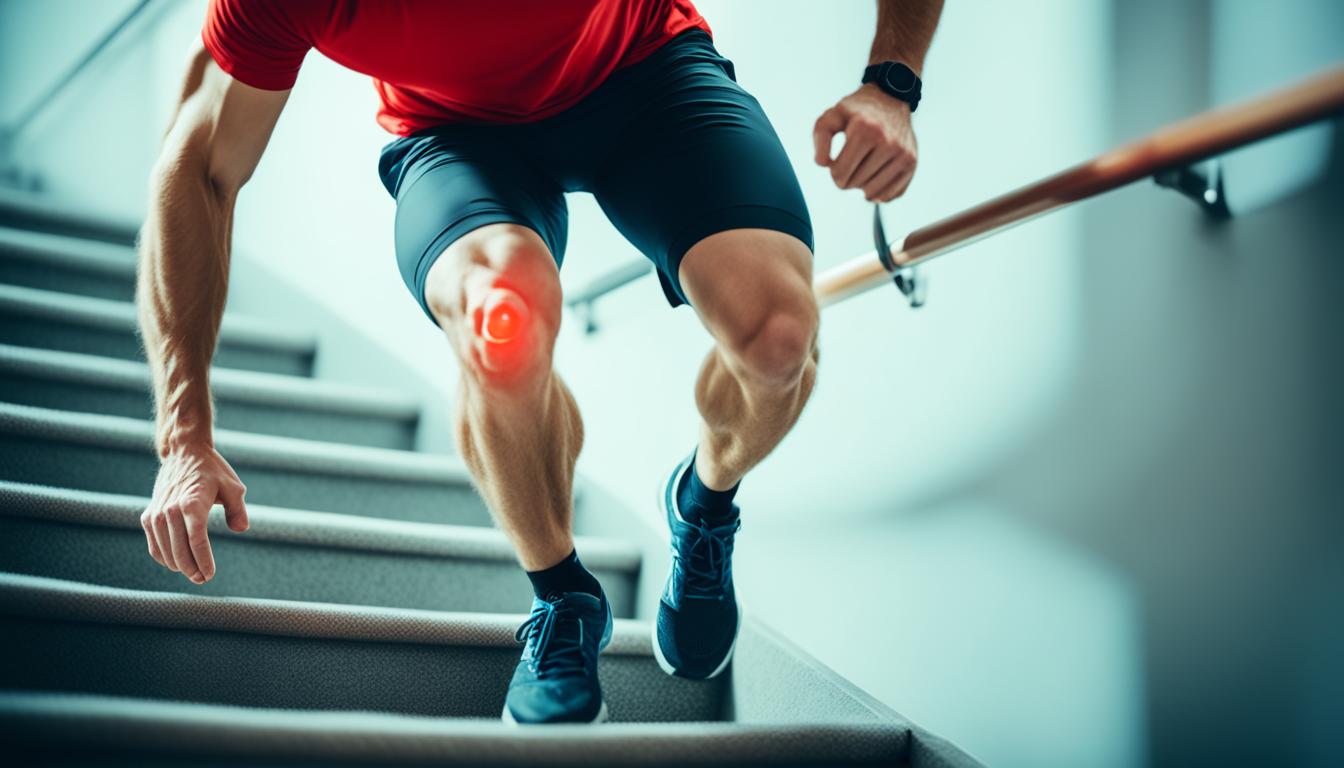
    In addition to the location and characteristics, consider the timing of the pain. Does it occur during or after running? Is it worse when going up or down stairs? These details can provide valuable information to your healthcare professional when diagnosing and treating your knee pain.

    To help you better understand your knee pain, here is a table summarizing the different types of knee pain and their possible causes:

    Type of Knee Pain Possible Causes
    Patellofemoral Pain Syndrome Overuse, muscle imbalances, improper tracking of the kneecap
    IT Band Syndrome Tightness or inflammation of the IT band
    Meniscus Tear Sudden twisting or impact to the knee

    Remember, it’s always best to consult with a healthcare professional for an accurate diagnosis and personalized treatment plan.

    The Role of Biomechanics in Knee Pain

    Biomechanics refers to the study of how the body moves and the forces that act upon it. Proper biomechanics are crucial for preventing knee pain while running. When the body is not aligned correctly or there is an imbalance in muscle strength, it can lead to increased stress on the knees. Improper foot strike, such as overpronation or supination, can also contribute to knee pain.

    To address biomechanical issues, it is important to work on strengthening the muscles that support the knees. This includes the quadriceps, hamstrings, and glutes. Additionally, improving flexibility in the hips, ankles, and calves can help to alleviate knee pain.

    A proper running shoe can also play a significant role in maintaining good biomechanics. It should provide adequate support and cushioning to absorb shock and reduce impact on the knees. Consulting with a professional at a running store can help determine the right shoe for your specific needs.

    In summary, understanding and addressing biomechanical factors can greatly reduce the risk of knee pain while running.

    Preventing Knee Pain

    Proper Warm-up and Cool-down

    A proper warm-up and cool-down routine is essential for preventing knee pain during runs. Warming up before a run helps to increase blood flow to the muscles, loosen up the joints, and prepare the body for the physical demands of running. It is recommended to start with some light cardio exercises, such as jogging or brisk walking, followed by dynamic stretches that target the lower body muscles.

    During the cool-down phase, it is important to gradually bring the heart rate down and allow the body to recover. Cooling down helps to prevent muscle soreness and stiffness after a run. It is recommended to finish the run with a few minutes of walking or slow jogging, followed by static stretches that focus on the lower body muscles.

    To ensure an effective warm-up and cool-down, consider the following tips:

    • Allocate at least 5-10 minutes for both the warm-up and cool-down routines.
    • Focus on dynamic stretches that mimic the movements of running.
    • Pay attention to any areas of tightness or discomfort and stretch accordingly.
    • Listen to your body and adjust the intensity of the warm-up and cool-down based on your individual needs.

    Remember, a proper warm-up and cool-down routine can help reduce the risk of knee pain and improve overall running performance.

    Strengthening Exercises for Knee Stability

    Strengthening exercises are an essential component of managing knee pain and promoting stability. These exercises target the muscles around the knee, helping to improve strength and support. Squats and lunges are effective exercises that engage the quadriceps, hamstrings, and glutes. Leg presses and step-ups also help strengthen the lower body. It’s important to start with light weights and gradually increase the intensity as your muscles become stronger.

    In addition to these exercises, incorporating balance and stability exercises can further enhance knee stability. Single-leg balance exercises and heel-to-toe walking can improve proprioception and strengthen the muscles responsible for maintaining balance. Performing these exercises regularly can help reduce the risk of knee injuries and improve overall knee function.

    Remember to consult with a healthcare professional or a certified trainer before starting any new exercise program.

    Choosing the Right Running Shoes

    When it comes to managing knee pain while running, choosing the right running shoes is crucial. Proper footwear can provide the necessary support and cushioning to reduce the impact on your knees. Here are some factors to consider when selecting running shoes:

    • Arch support: Look for shoes that offer adequate arch support to maintain proper alignment and reduce stress on the knees.
    • Cushioning: Opt for shoes with good cushioning to absorb shock and minimize the impact on your joints.
    • Fit: Ensure that the shoes fit properly, with enough room for your toes to move comfortably.

    It’s important to remember that everyone’s feet and running style are unique, so what works for one person may not work for another. If you’re unsure about which shoes are best for you, consider consulting with a professional at a specialty running store or a podiatrist. They can assess your gait and provide recommendations tailored to your specific needs.

    Tip: Don’t underestimate the importance of choosing the right running shoes. Investing in quality footwear can go a long way in preventing and managing knee pain during your runs.

    Managing Knee Pain during Runs

    Proper Running Form and Technique

    Proper running form and technique are crucial for preventing knee pain and injury. Maintaining good posture while running helps distribute the impact evenly throughout your body, reducing stress on your knees. It is important to keep your core engaged and shoulders relaxed. Additionally, landing softly with a midfoot strike can help minimize the impact on your knees.

    To improve your running form, you can try the following techniques:

    1. Shorten your stride: Taking shorter strides can help reduce the stress on your knees.
    2. Increase your cadence: Aim for a higher step rate to reduce the impact on your knees.
    3. Avoid overstriding: Overstriding can lead to excessive stress on your knees, so try to land with your foot under your body.

    Remember, proper running form and technique can go a long way in preventing knee pain and ensuring an enjoyable running experience.

    Using Knee Braces or Supports

    Using knee braces or supports can be beneficial for managing knee pain while running. Knee braces provide stability and support to the knee joint, helping to reduce stress and strain on the surrounding structures. They can also help to alleviate pain and discomfort during runs. It is important to choose the right type of knee brace or support based on your specific needs and the nature of your knee pain.

    In addition to providing support, knee braces can also help to improve proprioception, which is the body’s awareness of joint position and movement. This can help to enhance stability and reduce the risk of further injury. Some common types of knee braces include:

    Type of Knee Brace Description
    Compression sleeves Provide mild compression and support to the knee joint.
    Hinged braces Offer additional stability and protection, particularly for individuals with ligament injuries.
    Patellar stabilizers Focus on stabilizing the kneecap and reducing patellar tracking issues.

    It is important to consult with a healthcare professional or a sports medicine specialist to determine the most appropriate knee brace or support for your specific condition. They can provide guidance on proper fitting and usage, as well as any potential limitations or precautions to be aware of.

    Tip: When using knee braces or supports, it is important to follow the manufacturer’s instructions and guidelines for proper usage and maintenance. Regularly check the brace for any signs of wear or damage, and replace it if necessary.

    Modifying Running Surfaces

    When managing knee pain during runs, one important factor to consider is modifying running surfaces. Running on hard surfaces like concrete or asphalt can increase the impact on your knees, leading to more pain and discomfort. Switching to softer surfaces like grass or dirt trails can help reduce the stress on your knees. Additionally, avoid uneven surfaces that can cause your knees to twist or turn unexpectedly. It’s also important to vary your running routes to prevent overuse injuries and give your knees a break from repetitive stress. By making these modifications to your running surfaces, you can help alleviate knee pain and continue enjoying your runs.

    Recovery and Rehabilitation

    Rest and Ice Therapy

    Rest and ice therapy are essential components of the recovery process for knee pain. Rest allows the injured tissues to heal and reduces further strain on the knee joint. It is important to avoid activities that aggravate the pain and to give the knee sufficient time to rest and recover.

    Ice therapy helps reduce inflammation and swelling in the knee. Applying an ice pack to the affected area for 15-20 minutes several times a day can provide relief. It is important to wrap the ice pack in a cloth to protect the skin and to avoid applying ice directly to the skin, as it can cause ice burns.

    To enhance the effectiveness of rest and ice therapy, it is recommended to elevate the leg and keep it elevated as much as possible. This helps reduce swelling and promotes better circulation.

    In addition to rest and ice therapy, it is important to consult with a healthcare professional for a proper diagnosis and to determine the appropriate treatment plan for your specific condition.

    Physical Therapy for Knee Pain

    Physical therapy is an essential component of the recovery process for knee pain. Therapeutic exercises prescribed by a physical therapist can help strengthen the muscles around the knee, improve flexibility, and promote proper alignment. These exercises may include quadriceps strengthening, hamstring stretches, and balance training.

    In addition to exercises, physical therapists may also use other modalities such as manual therapy and electrotherapy to reduce pain and inflammation. Manual therapy techniques like joint mobilization and soft tissue mobilization can help improve joint mobility and reduce muscle tension. Electrotherapy modalities like ultrasound and transcutaneous electrical nerve stimulation (TENS) can provide pain relief and promote healing.

    It is important to follow the guidance of a qualified physical therapist and adhere to the prescribed treatment plan. Consistency and patience are key to achieving optimal results in the rehabilitation process.

    Gradual Return to Running

    After a period of rest and rehabilitation, it is important to gradually return to running to avoid re-injury and further knee pain. Listen to your body and start with shorter, easier runs before gradually increasing the distance and intensity. Here are some tips to help you with your gradual return:

    1. Set realistic goals: Start with small, achievable goals and gradually work your way up. This will help you build confidence and prevent overexertion.
    2. Warm up and cool down: Before and after each run, make sure to properly warm up and cool down. This will help prepare your muscles and joints for the activity and reduce the risk of injury.
    3. Cross-training: Incorporate other low-impact exercises, such as swimming or cycling, into your routine to give your knees a break while still maintaining your fitness level.
    4. Monitor your pain: Pay attention to any pain or discomfort during and after your runs. If you experience persistent or worsening pain, it is important to consult with a healthcare professional.

    Remember, a gradual return to running is key to preventing knee pain and ensuring a successful recovery.

    Conclusion

    In conclusion, managing knee pain while running requires a combination of proper form, strengthening exercises, and listening to your body. It is important to warm up before each run and cool down afterwards to prevent injury. Additionally, incorporating cross-training activities and rest days into your routine can help prevent overuse and reduce knee pain. Remember to listen to your body and seek medical advice if the pain persists. With these tips, you can continue to enjoy running while minimizing knee pain and maximizing your performance.

    Frequently Asked Questions

    1. What are the common causes of knee pain in runners?

    Common causes of knee pain in runners include overuse injuries, improper running form, muscle imbalances, and biomechanical issues.

    2. How can I identify the specific cause of my knee pain?

    To identify the specific cause of your knee pain, it is recommended to consult with a healthcare professional or a sports medicine specialist who can perform a thorough evaluation and diagnosis.

    3. What role does biomechanics play in knee pain?

    Biomechanics refers to the study of how the body moves and how forces interact with the musculoskeletal system. Poor biomechanics, such as overpronation or improper alignment, can contribute to knee pain in runners.

    4. Are there any exercises that can help prevent knee pain?

    Yes, strengthening exercises that target the muscles around the knee, such as quadriceps and hamstrings, can help improve knee stability and reduce the risk of knee pain.

    5. How do I choose the right running shoes to prevent knee pain?

    When choosing running shoes, it is important to consider factors such as your foot type, arch support, cushioning, and stability features. It is recommended to consult with a professional at a running specialty store for guidance.

    6. Should I use knee braces or supports while running?

    The use of knee braces or supports can provide additional stability and support for the knee joint. However, it is recommended to consult with a healthcare professional to determine if they are necessary for your specific condition.

  • Effective Techniques for Reducing Knee Pain and Swelling

    Effective Techniques for Reducing Knee Pain and Swelling

    Knee pain and swelling can significantly impact daily activities and quality of life. Understanding the causes, symptoms, and diagnosis of knee pain and swelling is essential for effective management. This article explores various techniques for preventing and managing knee pain and swelling, including maintaining a healthy weight, wearing proper footwear, and avoiding high-impact activities. Additionally, it discusses the importance of applying ice and heat therapy, using compression and elevation, and taking over-the-counter pain medication. Finally, it provides a range of exercises, such as strengthening exercises, low-impact cardiovascular exercises, and stretching exercises, that can help reduce knee pain and swelling. By incorporating these techniques into a daily routine, individuals can experience relief and improve their knee health.

    Key Takeaways

    • Understanding the causes, symptoms, and diagnosis of knee pain and swelling is crucial for effective management.
    • Maintaining a healthy weight, wearing proper footwear, and avoiding high-impact activities can help prevent knee pain and swelling.
    • Applying ice and heat therapy, using compression and elevation, and taking over-the-counter pain medication can provide temporary relief for knee pain and swelling.
    • Incorporating strengthening exercises, low-impact cardiovascular exercises, and stretching exercises into a daily routine can help reduce knee pain and swelling.
    • Consulting with a healthcare professional is important for proper diagnosis and personalized treatment of knee pain and swelling.

    Understanding Knee Pain and Swelling

    Causes of Knee Pain and Swelling

    Knee pain and swelling can be caused by a variety of factors. Injury is one of the most common causes, such as a sprained ligament or torn cartilage. Arthritis, including osteoarthritis and rheumatoid arthritis, can also lead to knee pain and swelling. Overuse or repetitive strain on the knee joint, such as from running or jumping, can result in inflammation and discomfort. Obesity puts extra stress on the knees, increasing the risk of pain and swelling. Infection in the knee joint, although rare, can cause severe pain and swelling. Other medical conditions, such as gout or bursitis, may also contribute to knee pain and swelling.

    To better understand the causes of knee pain and swelling, let’s take a look at a table summarizing the common factors:

    Cause Description
    Injury Sprained ligament or torn cartilage
    Arthritis Osteoarthritis or rheumatoid arthritis
    Overuse Repetitive strain on the knee joint
    Obesity Extra stress on the knees
    Infection Infection in the knee joint
    Other medical conditions Gout or bursitis

    It’s important to note that knee pain and swelling can have multiple causes, and a proper diagnosis from a healthcare professional is essential for effective treatment.

    Symptoms of Knee Pain and Swelling

    Knee pain and swelling can manifest in various ways, indicating different underlying issues. Pain is the most common symptom, which can range from mild discomfort to severe and debilitating pain. The pain may be localized to a specific area or radiate throughout the knee joint. Swelling is another common symptom, often accompanied by redness and warmth in the affected area.

    In addition to pain and swelling, individuals with knee issues may experience stiffness and reduced range of motion. This can make it difficult to fully extend or bend the knee. Instability is another symptom, where the knee feels weak or gives way during movement. Some people may also hear or feel a cracking or popping sensation in the knee joint.

    It is important to note that these symptoms can vary depending on the underlying cause of knee pain and swelling. If you are experiencing any of these symptoms, it is recommended to consult with a healthcare professional for an accurate diagnosis and appropriate treatment.

    Diagnosing Knee Pain and Swelling

    When diagnosing knee pain and swelling, healthcare professionals will typically start with a thorough medical history and physical examination. They will ask about the onset and duration of the pain, as well as any previous injuries or conditions that may be contributing factors. The physical examination may involve assessing the range of motion of the knee joint, checking for swelling or tenderness, and performing specific maneuvers to evaluate the stability of the knee.

    In some cases, additional diagnostic tests may be necessary to determine the underlying cause of the knee pain and swelling. These tests may include X-rays to assess the bone structure of the knee, MRI scans to evaluate the soft tissues such as ligaments and tendons, or joint aspiration to analyze the synovial fluid for signs of inflammation or infection.

    It is important to consult with a healthcare professional for an accurate diagnosis and appropriate treatment plan for knee pain and swelling.

    Preventing Knee Pain and Swelling

    Maintaining a Healthy Weight

    Maintaining a healthy weight is crucial for reducing knee pain and swelling. Excess weight puts additional stress on the knees, leading to increased pain and inflammation. Losing weight can help alleviate these symptoms and improve overall knee health.

    To achieve and maintain a healthy weight, it is important to follow a balanced diet and engage in regular physical activity. Here are some tips:

    1. Eat a variety of nutritious foods such as fruits, vegetables, whole grains, lean proteins, and healthy fats. Avoid or limit foods high in saturated fats, added sugars, and sodium.
    2. Control portion sizes to prevent overeating. Use smaller plates and bowls, and be mindful of your hunger and fullness cues.
    3. Stay hydrated by drinking plenty of water throughout the day.

    Tip: Incorporate regular exercise into your routine, such as walking, swimming, or cycling. Aim for at least 150 minutes of moderate-intensity aerobic activity per week.

    By maintaining a healthy weight, you can reduce the strain on your knees and minimize knee pain and swelling.

    Wearing Proper Footwear

    Choosing the right footwear is crucial for reducing knee pain and swelling. Proper support and cushioning are essential to minimize the impact on your knees. Look for shoes that have arch support and shock-absorbing soles. Additionally, opt for shoes with a wide toe box to provide enough room for your toes to move comfortably. Avoid high heels and shoes with flat soles, as they can put unnecessary strain on your knees. It’s also important to replace worn-out shoes regularly to maintain their effectiveness in providing support and reducing knee pain.

    To further protect your knees, consider using orthotic inserts or custom-made shoe inserts. These inserts can provide additional support and help correct any biomechanical issues that may contribute to knee pain and swelling.

    Remember, wearing the right footwear is a simple yet effective way to prevent and manage knee pain and swelling.

    Avoiding High-Impact Activities

    When it comes to managing knee pain and swelling, it is important to avoid high-impact activities that can put excessive stress on the knees. Running, jumping, and playing sports that involve quick and repetitive movements can worsen knee pain and inflammation. Instead, opt for low-impact exercises that are gentler on the joints, such as swimming, cycling, or using an elliptical machine.

    In addition to avoiding high-impact activities, it is also beneficial to incorporate strength training exercises into your routine. Strengthening the muscles around the knees can provide better support and stability, reducing the risk of further pain and swelling. Some effective exercises include leg presses, squats, and lunges.

    Remember to always listen to your body and avoid any activities that cause discomfort or pain. It is important to consult with a healthcare professional or physical therapist for personalized advice and guidance on managing knee pain and swelling.

    Managing Knee Pain and Swelling

    Applying Ice and Heat Therapy

    Applying ice and heat therapy is a common method for reducing knee pain and swelling. Ice is typically used in the acute phase of an injury to reduce inflammation and numb the area. It can be applied for 15-20 minutes at a time, several times a day. On the other hand, heat is often used in the subacute or chronic phase to relax muscles and increase blood flow. Heat can be applied using a warm towel, heating pad, or warm bath.

    When using ice or heat therapy, it’s important to follow these guidelines:

    • Protect the skin: Always use a barrier, such as a towel or cloth, between the ice or heat source and your skin to prevent burns or frostbite.
    • Alternate: If both ice and heat are recommended, alternate between the two. Start with ice for 15-20 minutes, then switch to heat for the same duration.
    • Listen to your body: Pay attention to how your knee responds to the therapy. If it worsens the pain or swelling, discontinue use and consult a healthcare professional.

    Remember, ice and heat therapy can provide temporary relief, but it’s important to address the underlying cause of knee pain and swelling for long-term improvement.

    Using Compression and Elevation

    Compression and elevation are effective techniques for reducing knee pain and swelling. Compression helps to reduce swelling by applying pressure to the affected area, which helps to prevent fluid buildup. It also provides support to the knee joint, reducing pain and promoting healing. Elevation involves raising the affected leg above the level of the heart, which helps to reduce swelling by allowing fluid to drain away from the knee. It is recommended to elevate the leg for at least 20 minutes several times a day.

    To effectively use compression and elevation, follow these steps:

    1. Apply a compression bandage or wrap around the knee, ensuring it is snug but not too tight. This will help to provide support and reduce swelling.
    2. Elevate the affected leg by propping it up on pillows or using a footstool. Make sure the leg is comfortably elevated above the level of the heart.
    3. Keep the leg elevated for at least 20 minutes, several times a day, to promote fluid drainage and reduce swelling.

    Remember to consult with a healthcare professional for personalized advice and guidance.

    Taking Over-the-Counter Pain Medication

    Taking over-the-counter pain medication can be an effective way to manage knee pain and swelling. Nonsteroidal anti-inflammatory drugs (NSAIDs), such as ibuprofen and naproxen, can help reduce inflammation and relieve pain. These medications are readily available at most pharmacies and can be taken as directed on the packaging.

    It is important to follow the recommended dosage and not exceed the maximum daily limit. Consulting with a healthcare professional is advisable, especially if you have any underlying health conditions or are taking other medications.

    In addition to NSAIDs, acetaminophen can also be used to alleviate pain. Unlike NSAIDs, acetaminophen does not have anti-inflammatory properties but can still provide relief.

    Remember to read and follow the instructions provided with the medication, and if you experience any adverse effects, discontinue use and seek medical attention.

    Here is a table summarizing common over-the-counter pain medications:

    Medication Active Ingredient Common Brands
    Ibuprofen Ibuprofen Advil, Motrin
    Naproxen Naproxen Aleve
    Acetaminophen Acetaminophen Tylenol

    It is important to note that over-the-counter pain medication should not be used as a long-term solution. If knee pain and swelling persist or worsen, it is recommended to consult with a healthcare professional for further evaluation and treatment options.

    Exercises for Reducing Knee Pain and Swelling

    Strengthening Exercises

    Strengthening exercises are an essential component of any knee pain and swelling management plan. These exercises help to improve the strength and stability of the muscles surrounding the knee joint, which can help reduce pain and swelling. Squats and lunges are two effective strengthening exercises for the knees. They target the quadriceps, hamstrings, and gluteal muscles, providing support to the knee joint. Performing these exercises with proper form and technique is crucial to avoid further injury.

    In addition to squats and lunges, leg presses and step-ups are also beneficial for strengthening the knee muscles. These exercises can be performed using resistance machines or bodyweight, depending on individual fitness levels and preferences.

    To ensure safety and effectiveness, it is recommended to consult with a healthcare professional or a certified trainer before starting any new exercise program. They can provide guidance on proper technique, appropriate intensity, and progression of exercises.

    Remember, consistency is key when it comes to strengthening exercises. Start with a manageable workload and gradually increase the intensity and duration as your strength improves. Listen to your body and modify exercises as needed to avoid overexertion or pain.

    Low-Impact Cardiovascular Exercises

    Low-impact cardiovascular exercises are a great way to improve knee strength and reduce pain and swelling. These exercises are gentle on the joints and can be done without putting excessive stress on the knees. Some effective low-impact cardiovascular exercises include:

    • Walking: Walking is a simple yet effective exercise that can be done anywhere. It helps improve blood circulation and strengthens the muscles around the knees.

    • Cycling: Cycling is another low-impact exercise that is easy on the knees. It helps improve cardiovascular fitness and can be done indoors or outdoors.

    • Swimming: Swimming is a fantastic exercise for reducing knee pain and swelling. The water provides buoyancy, reducing the impact on the joints while providing a great cardiovascular workout.

    • Elliptical Training: Using an elliptical machine is a low-impact alternative to running or jogging. It mimics the motion of walking or running without the impact on the knees.

    Remember to start slowly and gradually increase the intensity and duration of your low-impact cardiovascular exercises. It’s important to listen to your body and stop if you experience any pain or discomfort. Consult with a healthcare professional before starting any new exercise program.

    Stretching Exercises

    Stretching exercises are an important component of any knee pain and swelling management plan. Stretching helps to improve flexibility and range of motion in the knee joint, which can help reduce pain and swelling. Here are some effective stretching exercises that you can incorporate into your daily routine:

    1. Quadriceps Stretch: Stand upright and hold onto a wall or chair for support. Bend one knee and bring your foot towards your buttocks, holding onto your ankle or foot with your hand. Hold the stretch for 30 seconds and then switch sides.

    2. Hamstring Stretch: Sit on the edge of a chair with one leg extended straight in front of you. Lean forward from your hips, keeping your back straight, until you feel a stretch in the back of your thigh. Hold the stretch for 30 seconds and then switch sides.

    3. Calf Stretch: Stand facing a wall and place your hands on the wall for support. Step one foot back, keeping your heel on the ground. Lean forward, bending your front knee, until you feel a stretch in your calf muscle. Hold the stretch for 30 seconds and then switch sides.

    Remember to start slowly and gradually increase the intensity and duration of your stretches. It’s important to listen to your body and stop if you feel any pain or discomfort. Consult with a healthcare professional before starting any new exercise program.

    Conclusion

    In conclusion, implementing effective techniques for reducing knee pain and swelling can greatly improve the quality of life for individuals suffering from these conditions. By following a comprehensive approach that includes exercise, rest, ice therapy, medication, and proper nutrition, individuals can experience significant relief and prevent further damage to their knees. It is important to consult with a healthcare professional to determine the best course of action for each individual’s specific needs. Remember, taking proactive steps to address knee pain and swelling can lead to a more active and pain-free lifestyle.

    Frequently Asked Questions

    What are the common causes of knee pain and swelling?

    Common causes of knee pain and swelling include injuries, arthritis, overuse, and infections.

    How can I prevent knee pain and swelling?

    You can prevent knee pain and swelling by maintaining a healthy weight, wearing proper footwear, and avoiding high-impact activities.

    What are some effective techniques for managing knee pain and swelling?

    Some effective techniques for managing knee pain and swelling include applying ice and heat therapy, using compression and elevation, and taking over-the-counter pain medication.

    Are there any exercises that can help reduce knee pain and swelling?

    Yes, there are exercises that can help reduce knee pain and swelling. Strengthening exercises, low-impact cardiovascular exercises, and stretching exercises are beneficial.

    How long does it take for knee pain and swelling to heal?

    The healing time for knee pain and swelling depends on the cause and severity of the condition. It can range from a few days to several weeks or months.

    When should I seek medical attention for knee pain and swelling?

    You should seek medical attention for knee pain and swelling if the pain is severe, there is significant swelling, you are unable to bear weight on the affected knee, or if the pain persists for more than a few days.

  • When to Seek Medical Help for Knee Pain

    When to Seek Medical Help for Knee Pain

    Knee pain can be a common issue that many people experience at some point in their lives. It can range from mild discomfort to severe pain that affects daily activities. Knowing when to seek medical help for knee pain is crucial for proper diagnosis and treatment. In this article, we will discuss the common causes, symptoms, and types of knee pain, as well as when it is necessary to consult a healthcare professional. Here are the key takeaways:

    Key Takeaways

    • Persistent or severe knee pain should not be ignored and should prompt a visit to a healthcare professional.
    • Inability to bear weight on the knee is a concerning symptom that requires medical attention.
    • Knee pain accompanied by swelling or redness may indicate an underlying condition that needs to be evaluated.
    • Knee pain following an injury, especially if it persists or worsens, should be assessed by a medical professional.
    • Physical examination, imaging tests, and laboratory tests are commonly used to diagnose knee pain and determine its cause.

    Understanding Knee Pain

    Common Causes of Knee Pain

    Knee pain can be caused by a variety of factors. Injury is one of the most common causes of knee pain, whether it’s from a sports-related incident or a fall. Arthritis is another common cause, particularly osteoarthritis which occurs with age and wear and tear on the joints. Other causes of knee pain include tendonitis, bursitis, meniscus tears, and ligament sprains.

    If you’re experiencing knee pain, it’s important to consult with a medical professional to determine the underlying cause and appropriate treatment. They can help diagnose the specific cause of your knee pain and develop a personalized treatment plan to alleviate your symptoms.

    Here are some common causes of knee pain:

    Cause Description
    Injury Knee pain resulting from a traumatic incident, such as a sports injury or fall.
    Arthritis Knee pain caused by inflammation of the joints, often due to age or wear and tear.
    Tendonitis Knee pain caused by inflammation of the tendons surrounding the knee joint.
    Bursitis Knee pain caused by inflammation of the bursae, small fluid-filled sacs that cushion the knee joint.
    Meniscus Tears Knee pain caused by tears in the meniscus, the cartilage that cushions the knee joint.
    Ligament Sprains Knee pain caused by sprains or tears in the ligaments that support the knee joint.

    Tip: If you’re unsure about the cause of your knee pain or if it persists or worsens, it’s best to seek medical help for a proper diagnosis and treatment.

    Types of Knee Pain

    There are several different types of knee pain that individuals may experience. Acute knee pain refers to sudden and severe pain that occurs as a result of an injury or trauma to the knee. This type of pain is often accompanied by swelling, redness, and difficulty bearing weight on the affected knee. Chronic knee pain, on the other hand, is persistent and long-lasting. It may be caused by conditions such as arthritis or overuse injuries. Individuals with chronic knee pain may experience a dull ache or sharp pain that worsens with activity. Referred knee pain is pain that originates from another part of the body but is felt in the knee. This can occur due to issues with the hip, lower back, or nerves. It’s important to accurately identify the type of knee pain in order to determine the appropriate treatment approach.

    Here is a table summarizing the different types of knee pain:

    Type of Knee Pain Description
    Acute Sudden and severe pain due to injury or trauma
    Chronic Persistent and long-lasting pain
    Referred Pain felt in the knee but originating from another part of the body

    It’s worth noting that knee pain can vary in severity and may have different underlying causes. If you’re experiencing knee pain, it’s important to consult with a medical professional for an accurate diagnosis and appropriate treatment.

    Symptoms of Knee Pain

    Symptoms of knee pain can vary depending on the underlying cause. Common symptoms include:

    • Pain in the knee joint
    • Swelling or redness around the knee
    • Stiffness or limited range of motion
    • Cracking or popping sounds

    If you experience any of these symptoms, it is important to seek medical help to determine the cause of your knee pain and receive appropriate treatment. Ignoring these symptoms may lead to further complications or worsening of the condition.

    It is also important to note that symptoms may differ based on the specific condition causing the knee pain. For example, osteoarthritis may cause gradual onset of pain and stiffness, while ligament injuries may result in sudden pain and instability.

    If you are unsure about the severity of your knee pain or if it is interfering with your daily activities, it is always best to consult a healthcare professional for an accurate diagnosis and personalized treatment plan.

    When to Seek Medical Help

    Persistent or Severe Knee Pain

    Persistent or severe knee pain is a serious symptom that should not be ignored. Pain that lasts for an extended period of time or is intense in nature may indicate a more serious underlying condition. If you are experiencing persistent or severe knee pain, it is important to seek medical help as soon as possible.

    In some cases, persistent or severe knee pain may be a sign of a fracture or a torn ligament. These injuries require immediate medical attention to prevent further damage and promote proper healing.

    If you are unable to bear weight on your knee due to the pain, it is a clear indication that medical help is needed. Inability to walk or bear weight on the affected knee can significantly impact your mobility and daily activities.

    Additionally, if you notice swelling or redness around the knee joint, it may be a sign of an underlying condition such as arthritis or an infection. Seeking medical help can help determine the cause of the swelling and provide appropriate treatment.

    It is also important to seek medical help if you experience knee pain after an injury, such as a fall or a sports-related incident. Pain that persists or worsens after an injury may indicate a more serious problem, such as a ligament tear or a meniscus injury. Prompt medical evaluation can help prevent further damage and ensure proper healing.

    Inability to Bear Weight on the Knee

    When you are unable to bear weight on your knee, it may indicate a more serious underlying issue. This symptom can be caused by a variety of factors, including ligament tears, fractures, or severe inflammation. It is important to seek medical help if you experience this symptom, as it may require immediate attention.

    In some cases, the inability to bear weight on the knee may be accompanied by swelling or redness. This could be a sign of an infection or joint damage. If you notice these additional symptoms, it is crucial to consult a healthcare professional.

    If you are experiencing this symptom, your doctor may perform a physical examination to assess the extent of the issue. They may also recommend imaging tests, such as an X-ray or MRI, to get a clearer picture of the underlying cause. Laboratory tests may be conducted to check for signs of infection or inflammation.

    Remember, if you are unable to bear weight on your knee, it is important to seek medical help to determine the cause and receive appropriate treatment.

    Knee Pain with Swelling or Redness

    Knee pain accompanied by swelling or redness may indicate an underlying issue that requires medical attention. Swelling and redness are signs of inflammation, which can be caused by various factors such as infection, injury, or arthritis. If you experience these symptoms, it is important to consult a healthcare professional for a proper diagnosis and treatment plan.

    In some cases, the swelling and redness may be accompanied by warmth or tenderness around the knee joint. This could be a sign of an inflammatory condition such as bursitis or gout. These conditions may require specific medical interventions to alleviate the symptoms and prevent further complications.

    It is important not to ignore persistent swelling or redness in the knee, as it could be a sign of a more serious underlying condition. Seeking medical help can help identify the cause of the symptoms and provide appropriate treatment options. Remember, early intervention is key to preventing further damage and promoting recovery.

    Knee Pain after an Injury

    Knee pain that occurs after an injury can be a sign of a more serious problem. Immediate medical attention should be sought if you experience any of the following:

    • Severe pain that prevents you from bearing weight on the affected knee.
    • Swelling or redness around the knee joint.
    • Inability to fully straighten or bend the knee.

    It is important to remember that not all knee injuries require immediate medical attention. Minor sprains or strains can often be treated with rest, ice, compression, and elevation (RICE). However, if you are unsure about the severity of your injury or if your symptoms worsen over time, it is best to consult a healthcare professional.

    Tip: Applying ice to the injured knee can help reduce swelling and relieve pain. Remember to wrap the ice pack in a cloth to protect your skin from direct contact.

    Diagnosing Knee Pain

    Physical Examination

    During a physical examination for knee pain, a healthcare provider will assess various aspects of the knee joint. They will examine the range of motion, looking for any limitations or abnormalities. Swelling, tenderness, or warmth in specific areas may indicate inflammation or injury. The provider may also perform specific tests to evaluate the stability of the knee, such as the Lachman test or the McMurray test. These tests help determine if there is any damage to the ligaments or menisci. Additionally, the provider may check for muscle weakness or atrophy, which can affect knee function. Overall, a thorough physical examination is crucial in identifying the underlying cause of knee pain and guiding further diagnostic tests or treatment options.

    • Range of motion assessment
    • Presence of swelling, tenderness, or warmth
    • Stability tests (Lachman test, McMurray test)
    • Evaluation of muscle strength and atrophy

    Tip: It is important to communicate any specific symptoms or concerns to the healthcare provider during the physical examination to ensure an accurate diagnosis and appropriate treatment plan.

    Imaging Tests

    Imaging tests play a crucial role in diagnosing knee pain and identifying the underlying cause. These tests provide detailed images of the knee joint, allowing healthcare professionals to assess the extent of damage or abnormalities. X-rays are commonly used to evaluate the bones and detect fractures, arthritis, or bone tumors. Magnetic Resonance Imaging (MRI), on the other hand, provides a more comprehensive view of the soft tissues, such as ligaments, tendons, and cartilage. It helps in detecting injuries, tears, or inflammation in these structures. Additionally, ultrasound may be used to examine the knee joint and surrounding tissues, especially in cases where real-time imaging is required. It is a non-invasive and safe procedure that can provide valuable information about fluid accumulation or cysts. Overall, imaging tests aid in accurate diagnosis and guide healthcare providers in determining the most appropriate treatment plan.

    Laboratory Tests

    Laboratory tests may be ordered to help diagnose the underlying cause of knee pain. These tests can provide valuable information about inflammation, infection, or other conditions that may be contributing to the pain. Some common laboratory tests that may be performed include:

    • Complete blood count (CBC): This test measures the levels of different types of blood cells and can help identify signs of infection or inflammation.
    • Erythrocyte sedimentation rate (ESR): This test measures the rate at which red blood cells settle in a tube of blood. An elevated ESR may indicate inflammation in the body.
    • C-reactive protein (CRP): This test measures the level of CRP, a protein produced by the liver in response to inflammation. Elevated CRP levels may indicate the presence of inflammation.

    It is important to note that laboratory tests alone are not sufficient to diagnose the cause of knee pain. They are often used in conjunction with other diagnostic tools, such as physical examination and imaging tests, to form a comprehensive diagnosis.

    Treatment Options for Knee Pain

    Conservative Treatments

    Conservative treatments are often the first line of defense for managing knee pain. These non-invasive approaches aim to alleviate pain and improve function without the need for surgery. Physical therapy is a common conservative treatment that focuses on strengthening the muscles around the knee, improving flexibility, and reducing pain. Exercise programs tailored to the individual’s needs can help improve knee stability and reduce discomfort.

    Another conservative treatment option is bracing or taping. These techniques provide support to the knee joint and can help reduce pain and inflammation. Using assistive devices, such as crutches or a cane, can also help offload weight from the knee and promote healing.

    Weight management is an important aspect of conservative treatment for knee pain. Maintaining a healthy weight can reduce stress on the knee joint and decrease pain. Losing excess weight through a combination of diet and exercise can have significant benefits for individuals with knee pain.

    In addition to these treatments, over-the-counter pain medications like acetaminophen or nonsteroidal anti-inflammatory drugs (NSAIDs) can provide temporary relief. Applying ice to the affected area can help reduce swelling and alleviate pain. It is important to follow the recommended dosage and consult a healthcare professional before taking any medication.

    Medications for Knee Pain

    When it comes to managing knee pain, medications can play a crucial role in providing relief. There are several types of medications that may be prescribed by a healthcare professional, depending on the underlying cause and severity of the pain.

    One common type of medication used for knee pain is nonsteroidal anti-inflammatory drugs (NSAIDs). These medications help reduce inflammation and relieve pain. Examples of NSAIDs include ibuprofen and naproxen.

    Another type of medication that may be prescribed is acetaminophen, which is a pain reliever that can help alleviate mild to moderate knee pain. It is important to follow the recommended dosage and avoid exceeding the maximum daily limit.

    In some cases, corticosteroid injections may be recommended to reduce inflammation and provide temporary pain relief. These injections are typically administered directly into the knee joint by a healthcare professional.

    It is important to note that medications should be used under the guidance of a healthcare professional and in conjunction with other treatment options, such as physical therapy and lifestyle modifications.

    Please consult with a healthcare professional to determine the most appropriate medication and dosage for your specific condition.

    Physical Therapy

    Physical therapy is a common treatment option for knee pain. It involves exercises and techniques that help improve strength, flexibility, and range of motion in the knee joint. Regular physical therapy sessions can help reduce pain and improve overall function. The therapist will tailor the treatment plan to the individual’s specific needs and goals.

    During physical therapy, various exercises may be performed, including strengthening exercises to target the muscles around the knee, stretching exercises to improve flexibility, and balance exercises to enhance stability. Additionally, manual therapy techniques such as joint mobilization and soft tissue massage may be used to alleviate pain and improve joint function.

    In some cases, the physical therapist may recommend the use of assistive devices, such as crutches or a knee brace, to support the knee and aid in the healing process. It is important to follow the therapist’s instructions and adhere to the prescribed exercises and treatments for optimal results.

    Benefits of physical therapy for knee pain:

    • Reduces pain and inflammation
    • Improves strength and flexibility
    • Enhances joint stability
    • Facilitates faster recovery

    Remember, consistency and dedication to the physical therapy program are key to achieving the desired outcomes.

    Surgical Interventions

    Surgical interventions are typically considered as a last resort for treating knee pain that does not respond to conservative treatments. Arthroscopy is a common surgical procedure used to diagnose and treat various knee conditions. During arthroscopy, a small camera is inserted into the knee joint through a small incision, allowing the surgeon to visualize the inside of the knee and perform necessary repairs. Total knee replacement is another surgical option for individuals with severe knee pain and significant joint damage. This procedure involves replacing the damaged knee joint with an artificial joint.

    When considering surgical interventions, it is important to weigh the potential benefits against the risks and recovery time. Recovery from knee surgery can be lengthy, requiring physical therapy and rehabilitation to regain strength and mobility. It is crucial to follow post-operative instructions and attend follow-up appointments for optimal outcomes.

    Here is a table summarizing common surgical interventions for knee pain:

    Surgical Intervention Description
    Arthroscopy Minimally invasive procedure using a small camera to diagnose and treat knee conditions
    Total knee replacement Surgical procedure involving the replacement of the damaged knee joint with an artificial joint

    Remember, surgical interventions should only be considered after exhausting conservative treatment options and consulting with a healthcare professional.

    Conclusion

    In conclusion, it is important to seek medical help if you are experiencing persistent knee pain that is affecting your daily activities. Ignoring the pain can lead to further complications and delay the appropriate treatment. Remember, early intervention and proper diagnosis are key to managing knee pain and preventing long-term damage. Don’t hesitate to consult a healthcare professional for a thorough evaluation and personalized treatment plan.

    Frequently Asked Questions

    What are the common causes of knee pain?

    Common causes of knee pain include osteoarthritis, ligament injuries, meniscus tears, and overuse injuries.

    When should I seek medical help for knee pain?

    You should seek medical help for knee pain if it is persistent or severe, if you are unable to bear weight on the knee, if there is swelling or redness, or if the pain occurs after an injury.

    What are the treatment options for knee pain?

    Treatment options for knee pain include conservative treatments such as rest, ice, compression, and elevation, medications, physical therapy, and in some cases, surgical interventions.

    How is knee pain diagnosed?

    Knee pain is diagnosed through a physical examination, imaging tests such as X-rays or MRI, and laboratory tests to rule out underlying conditions.

    Can knee pain be prevented?

    While some knee pain may be unavoidable, you can reduce the risk by maintaining a healthy weight, exercising regularly to strengthen the muscles around the knee, using proper techniques during physical activities, and avoiding overuse or repetitive motions.

    Is knee pain always a sign of a serious condition?

    Not all knee pain is a sign of a serious condition. However, persistent or worsening knee pain should be evaluated by a healthcare professional to determine the underlying cause and appropriate treatment.

  • Tips for Managing Knee Pain When Walking

    Tips for Managing Knee Pain When Walking

    Knee pain can be a common problem that affects many individuals, especially when walking. It can hinder mobility and make everyday activities challenging. However, by understanding the causes and symptoms of knee pain, as well as implementing preventative measures and managing techniques, it is possible to alleviate discomfort and improve overall knee health. This article will provide valuable tips for managing knee pain when walking, including information on common causes, preventative measures, and modifications to walking techniques.

    Key Takeaways

    • Proper footwear is essential for preventing knee pain when walking.
    • Maintaining a healthy weight can reduce stress on the knees.
    • Stretching and strengthening exercises can help alleviate knee pain.
    • Using assistive devices, such as knee braces, can provide additional support.
    • Applying ice and heat to the knees can help reduce inflammation and pain.

    Understanding Knee Pain

    Common Causes of Knee Pain

    Knee pain can be caused by a variety of factors, including injury, overuse, and arthritis. Injuries such as sprains, strains, or tears in the ligaments or tendons surrounding the knee joint can lead to pain and discomfort. Overuse of the knee joint, especially from activities like running or jumping, can also contribute to knee pain. Additionally, conditions like osteoarthritis or rheumatoid arthritis can cause inflammation and pain in the knee. It’s important to identify the underlying cause of knee pain in order to effectively manage and treat it.

    To better understand the common causes of knee pain, refer to the following table:

    Cause Description
    Injury Includes sprains, strains, and tears in the ligaments or tendons surrounding the knee joint.
    Overuse Results from repetitive activities that put excessive stress on the knee joint, such as running or jumping.
    Arthritis Inflammation and pain in the knee joint, often caused by conditions like osteoarthritis or rheumatoid arthritis.

    It’s important to note that knee pain can have multiple causes, and a proper diagnosis from a healthcare professional is essential for effective treatment.

    Types of Knee Pain

    There are several types of knee pain that individuals may experience. Osteoarthritis is one common type of knee pain that occurs due to the breakdown of cartilage in the knee joint. This can cause pain, stiffness, and swelling. Patellofemoral pain syndrome is another type of knee pain that is characterized by pain around the kneecap. It is often caused by overuse or misalignment of the patella. Bursitis is a condition where the bursae, small fluid-filled sacs that cushion the knee joint, become inflamed. This can cause pain and swelling in the knee. Tendonitis is another type of knee pain that occurs when the tendons in the knee become inflamed. This can cause pain and difficulty with movement.

    Here is a table summarizing the types of knee pain:

    Type of Knee Pain Description
    Osteoarthritis Breakdown of cartilage in the knee joint
    Patellofemoral pain syndrome Pain around the kneecap due to overuse or misalignment
    Bursitis Inflammation of the bursae in the knee joint
    Tendonitis Inflammation of the tendons in the knee

    It’s important to consult with a healthcare professional to determine the specific type of knee pain and develop an appropriate treatment plan.

    Symptoms of Knee Pain

    Knee pain can manifest in various ways, with different symptoms indicating different underlying issues. Common symptoms of knee pain include swelling, stiffness, redness, and warmth around the knee joint. Some individuals may also experience difficulty bearing weight on the affected knee or notice a grating or popping sensation when moving the knee. It is important to pay attention to these symptoms as they can provide valuable insights into the cause of the knee pain.

    To better understand the symptoms, here is a table summarizing the common symptoms of knee pain:

    Symptom Description
    Swelling Excess fluid accumulation in the knee joint, causing visible enlargement
    Stiffness Difficulty moving the knee joint, especially after periods of inactivity
    Redness Inflammation of the knee joint, leading to a reddish appearance
    Warmth Increased temperature around the knee joint, often accompanied by inflammation
    Difficulty bearing weight Inability to put full weight on the affected knee, leading to limping or favoring the other leg
    Grating or popping sensation Sensation of grinding or clicking when moving the knee joint

    It is important to note that these symptoms may vary depending on the specific condition causing the knee pain. If you are experiencing any of these symptoms, it is recommended to consult with a healthcare professional for an accurate diagnosis and appropriate treatment.

    Preventing Knee Pain

    Proper Footwear for Walking

    When it comes to managing knee pain while walking, wearing the right footwear is crucial. Here are some tips to help you choose the best shoes:

    • Supportive shoes: Look for shoes that provide good arch support and cushioning to reduce the impact on your knees.
    • Proper fit: Make sure the shoes fit well and have enough room for your toes to move comfortably.
    • Low heel: Opt for shoes with a low heel or no heel at all to minimize strain on your knees.

    It’s important to remember that everyone’s feet and walking style are different, so what works for one person may not work for another. If you’re unsure about which shoes are best for you, consider consulting with a podiatrist or orthopedic specialist for personalized recommendations.

    Maintaining a Healthy Weight

    Maintaining a healthy weight is crucial for managing knee pain when walking. Excess weight puts additional stress on the knees, leading to increased pain and discomfort. Losing weight can help alleviate knee pain and improve mobility.

    To achieve and maintain a healthy weight, consider the following:

    1. Eating a balanced diet: Focus on consuming a variety of nutrient-rich foods, including fruits, vegetables, lean proteins, and whole grains. Limit the intake of processed foods, sugary snacks, and beverages.
    2. Portion control: Be mindful of portion sizes and avoid overeating. Use smaller plates and bowls to help control portion sizes.
    3. Regular physical activity: Engage in regular exercise to burn calories and maintain muscle strength. Low-impact activities like swimming, cycling, and yoga can be beneficial for knee health.

    By maintaining a healthy weight through proper diet and exercise, you can reduce the strain on your knees and manage knee pain more effectively.

    Stretching and Strengthening Exercises

    Stretching and strengthening exercises are essential for managing knee pain when walking. These exercises help to improve flexibility, increase muscle strength, and reduce the risk of injury. Here are some recommended exercises:

    1. Quadriceps Stretch: Stand upright and hold onto a wall or chair for support. Bend one knee and bring your foot towards your buttocks, holding onto your ankle or foot. Hold for 30 seconds and repeat on the other side.
    2. Hamstring Stretch: Sit on the edge of a chair with one leg extended in front of you. Lean forward from your hips, keeping your back straight, until you feel a stretch in the back of your thigh. Hold for 30 seconds and repeat on the other side.
    3. Calf Raises: Stand with your feet shoulder-width apart and hold onto a wall or chair for support. Slowly raise your heels off the ground, lifting your body weight onto your toes. Hold for a few seconds and then lower your heels back down.

    Remember to start slowly and gradually increase the intensity and duration of the exercises. It’s important to listen to your body and stop if you experience any pain or discomfort. Consult with a healthcare professional before starting any new exercise program.

    Managing Knee Pain

    Using Assistive Devices

    When managing knee pain, using assistive devices can be beneficial. These devices provide support and stability, reducing the strain on the knees while walking. Some common assistive devices include:

    • Knee braces: These provide additional support to the knee joint and can help alleviate pain.
    • Canes: Canes can help distribute weight away from the affected knee, reducing pressure.
    • Crutches: Crutches are useful for individuals who need to completely offload weight from the knee.

    It is important to consult with a healthcare professional to determine the most suitable assistive device for your specific condition. They can provide guidance on proper usage and ensure the device is fitted correctly.

    Tip: When using assistive devices, make sure to maintain good posture and use them correctly to maximize their effectiveness.

    Applying Ice and Heat

    Applying ice and heat can help alleviate knee pain and reduce inflammation. Ice is effective in reducing swelling and numbing the area, while heat helps relax the muscles and increase blood flow. It is important to use these treatments correctly to avoid further injury.

    When applying ice, wrap a cold pack or a bag of frozen vegetables in a thin towel and apply it to the affected area for about 15-20 minutes at a time. Make sure to keep a barrier between the ice and your skin to prevent frostbite.

    Heat can be applied using a heating pad, warm towel, or warm water soak. Apply the heat for about 15-20 minutes at a time. Avoid using heat if there is swelling or acute inflammation, as it can worsen the condition.

    Remember to always consult with a healthcare professional before starting any new treatment or if you have any concerns about using ice or heat for your knee pain.

    Taking Over-the-Counter Pain Medication

    When managing knee pain, taking over-the-counter pain medication can provide temporary relief. Nonsteroidal anti-inflammatory drugs (NSAIDs), such as ibuprofen and naproxen, can help reduce inflammation and alleviate pain. It is important to follow the recommended dosage and consult with a healthcare professional if you have any underlying medical conditions or are taking other medications.

    In addition to NSAIDs, acetaminophen can also be effective in relieving knee pain. Acetaminophen is a pain reliever that does not have anti-inflammatory properties, making it a suitable option for individuals who cannot take NSAIDs.

    While over-the-counter pain medication can provide relief, it is important to note that it only addresses the symptoms and does not treat the underlying cause of knee pain. Therefore, it is recommended to consult with a healthcare professional for a proper diagnosis and treatment plan.

    Modifying Walking Techniques

    Using a Walking Aid

    When managing knee pain while walking, using a walking aid can provide support and stability. A walking aid, such as a cane or crutches, can help distribute weight off the affected knee and reduce pressure. It is important to choose the right walking aid that suits your needs and provides the necessary support.

    In addition to using a walking aid, there are other strategies that can help alleviate knee pain. Maintaining proper posture while walking is essential to reduce strain on the knees. Keep your back straight, shoulders relaxed, and head up. This helps distribute weight evenly and reduces the impact on the knees.

    Taking shorter steps can also help manage knee pain. By shortening your stride, you can reduce the stress on your knees. Focus on taking smaller, controlled steps and avoid overextending your legs. This can help minimize discomfort and prevent further aggravation of the knee.

    Lastly, it is important to avoid uneven surfaces when walking with knee pain. Uneven surfaces can increase the risk of tripping or falling, which can further injure the knee. Stick to flat, even surfaces whenever possible to ensure a smooth and stable walking experience.

    Taking Shorter Steps

    When managing knee pain while walking, one effective technique is to take shorter steps. By reducing the length of your stride, you can minimize the impact on your knees and decrease the stress on the joint. This can help alleviate pain and discomfort, especially if you have conditions such as arthritis or tendonitis.

    Taking shorter steps also allows for better control and stability while walking. It helps to maintain proper alignment of the lower body and reduces the risk of tripping or falling. Additionally, it can help distribute the weight more evenly, reducing the strain on the knees.

    To implement this technique, focus on consciously shortening your stride and maintaining a slightly slower pace. It may feel unnatural at first, but with practice, it can become a habit that promotes better knee health and reduces pain.

    Avoiding Uneven Surfaces

    When walking, it is important to avoid uneven surfaces as they can increase the risk of knee pain and injury. Uneven surfaces can include uneven pavement, gravel paths, or unstable terrain. Walking on these surfaces can put extra stress on the knees and lead to discomfort. To minimize the impact on your knees, it is recommended to choose smooth and level walking paths whenever possible.

    In addition to avoiding uneven surfaces, there are other strategies you can implement to manage knee pain when walking. These include:

    • Wearing supportive footwear: Choose shoes that provide adequate cushioning and arch support to help absorb shock and reduce strain on the knees.
    • Taking shorter steps: By taking smaller steps, you can reduce the impact on your knees and minimize the risk of pain or injury.
    • Maintaining proper posture: Keep your back straight and your head up while walking to maintain proper alignment and reduce stress on the knees.

    Remember, it is important to listen to your body and pace yourself when walking. If you experience persistent or worsening knee pain, it is recommended to consult with a healthcare professional for further evaluation and guidance.

    Conclusion

    In conclusion, managing knee pain when walking requires a combination of proper footwear, strengthening exercises, and moderation. It is important to listen to your body and seek medical advice if the pain persists. By following these tips, you can continue to enjoy walking while minimizing discomfort and maintaining your overall health and well-being.

    Frequently Asked Questions

    What are the common causes of knee pain?

    Common causes of knee pain include arthritis, overuse injuries, ligament tears, and meniscus tears.

    How can I prevent knee pain when walking?

    You can prevent knee pain when walking by wearing proper footwear, maintaining a healthy weight, and doing stretching and strengthening exercises.

    What are some effective ways to manage knee pain?

    Some effective ways to manage knee pain include using assistive devices, applying ice and heat, and taking over-the-counter pain medication.

    Should I use a walking aid if I have knee pain?

    Using a walking aid can help reduce the pressure on your knees and provide support if you have knee pain.

    Is it better to take shorter steps when walking with knee pain?

    Taking shorter steps can help reduce the impact on your knees and minimize knee pain when walking.

    Should I avoid walking on uneven surfaces if I have knee pain?

    It is recommended to avoid walking on uneven surfaces if you have knee pain to prevent further strain on your knees.

  • Understanding and Managing Knee Pain when Bending

    Understanding and Managing Knee Pain when Bending

    Knee pain when bending can be a common and debilitating issue that affects many individuals. Whether it’s caused by arthritis, a meniscus tear, or patellofemoral pain syndrome, understanding the underlying causes and finding effective treatment options is crucial for managing this condition. In this article, we will explore the causes, diagnosis, treatment options, and prevention strategies for knee pain when bending.

    Key Takeaways

    • Arthritis, meniscus tears, and patellofemoral pain syndrome are common causes of knee pain when bending.
    • Physical examination, imaging tests, and joint aspiration are commonly used methods for diagnosing knee pain when bending.
    • Treatment options for knee pain when bending include physical therapy, medications, injections, and surgery.
    • Maintaining a healthy weight, strengthening the muscles around the knee, using proper form, and avoiding overuse can help prevent knee pain when bending.

    Causes of Knee Pain when Bending

    Arthritis

    Arthritis is a common cause of knee pain when bending. It is a condition that causes inflammation in the joints, leading to pain, stiffness, and swelling. Osteoarthritis is the most common type of arthritis that affects the knee. It occurs when the protective cartilage in the knee joint wears down over time, causing the bones to rub against each other. This can result in pain and difficulty bending the knee.

    One study found that overweight individuals are at a higher risk of developing knee osteoarthritis. Excess weight puts extra stress on the knee joint, accelerating the breakdown of cartilage. Therefore, maintaining a healthy weight is important in managing knee pain caused by arthritis.

    In addition to weight management, there are several other non-surgical treatment options available for arthritis-related knee pain. These include physical therapy, which focuses on strengthening the muscles around the knee and improving flexibility. Medications such as nonsteroidal anti-inflammatory drugs (NSAIDs) can help reduce pain and inflammation. In some cases, injections of corticosteroids or hyaluronic acid may be recommended to provide temporary relief.

    It’s important to note that while these treatments can help manage the symptoms of arthritis, they may not cure the underlying condition. In severe cases where conservative treatments are not effective, surgery may be considered. Surgical options for knee arthritis include arthroscopy, where damaged cartilage is removed, and total knee replacement, where the entire knee joint is replaced with an artificial joint.

    In summary, arthritis is a common cause of knee pain when bending. Maintaining a healthy weight and exploring non-surgical treatment options such as physical therapy and medications can help manage the symptoms. In severe cases, surgery may be necessary to provide long-term relief.

    Meniscus Tear

    A meniscus tear is a common injury that can cause knee pain when bending. The meniscus is a C-shaped piece of cartilage that acts as a cushion between the thighbone and the shinbone. It helps to stabilize the knee joint and absorb shock. When the meniscus is torn, it can cause pain, swelling, and stiffness in the knee.

    There are several factors that can contribute to a meniscus tear, including sports activities, trauma, and age-related degeneration. Athletes who participate in sports that involve twisting or pivoting movements, such as basketball or soccer, are at a higher risk of tearing their meniscus. Trauma, such as a sudden twist or impact to the knee, can also cause a tear. Additionally, as we age, the meniscus becomes more brittle and prone to tearing.

    Treatment for a meniscus tear depends on the severity of the injury. In some cases, conservative measures such as rest, ice, compression, and elevation (RICE) may be sufficient to relieve symptoms and promote healing. Physical therapy exercises can help to strengthen the muscles around the knee and improve stability. In more severe cases, surgical intervention may be necessary to repair or remove the torn portion of the meniscus.

    To prevent a meniscus tear, it is important to warm up properly before engaging in physical activity and to use proper technique and form. It is also important to avoid overuse and to listen to your body. If you experience pain or discomfort in your knee when bending, it is important to seek medical attention to determine the cause and appropriate treatment.

    Patellofemoral Pain Syndrome

    Patellofemoral Pain Syndrome, also known as runner’s knee, is a common condition that causes pain in the front of the knee. It is often characterized by a dull, aching pain that worsens when bending the knee. Overuse and improper alignment of the patella, or kneecap, are common causes of this condition.

    One of the key factors in managing Patellofemoral Pain Syndrome is strengthening the muscles around the knee. This can help provide support and stability to the patella, reducing pain and improving function. Physical therapy exercises that target the quadriceps, hamstrings, and gluteal muscles are often recommended.

    In addition to muscle strengthening, using proper form during activities that involve bending the knee is crucial. This includes maintaining good posture, avoiding excessive stress on the knee joint, and using appropriate footwear.

    It is important to avoid overuse of the knee joint, as repetitive movements can exacerbate symptoms. Taking regular breaks, using proper technique, and gradually increasing activity levels can help prevent further irritation and pain.

    Diagnosing Knee Pain when Bending

    Physical Examination

    During a physical examination for knee pain when bending, a healthcare professional will assess the range of motion of your knee joint and look for any signs of swelling, redness, or tenderness. They may also perform specific tests, such as the Lachman test or McMurray test, to evaluate the stability of your knee and check for any ligament or meniscus injuries. Additionally, they may examine the surrounding muscles and joints to identify any imbalances or weaknesses that could contribute to the knee pain.

    It is important to communicate any specific symptoms or concerns you have during the examination, as this can help guide the healthcare professional in making an accurate diagnosis and developing an appropriate treatment plan.

    Table:

    Test Purpose
    Lachman test Assessing the integrity of the anterior cruciate ligament
    McMurray test Detecting meniscal tears

    Note: The table above provides a summary of common tests performed during a physical examination for knee pain when bending. Your healthcare professional may use additional tests based on your specific condition.

    Tip: Proper communication with your healthcare professional during the physical examination is crucial for an accurate diagnosis and effective treatment plan.

    Imaging Tests

    Imaging tests are an important tool in diagnosing knee pain when bending. These tests allow healthcare professionals to get a detailed view of the structures inside the knee and identify any abnormalities or damage. X-rays are commonly used to assess the bones and joints, providing information about fractures, arthritis, or bone spurs. Magnetic resonance imaging (MRI) is another commonly used imaging test that provides a more detailed view of the soft tissues, such as ligaments, tendons, and cartilage. It can help detect issues like meniscus tears or ligament injuries. Ultrasound is a non-invasive imaging test that uses sound waves to create images of the knee. It can be useful in evaluating soft tissue injuries or fluid accumulation.

    When interpreting the results of imaging tests, healthcare professionals consider the patient’s symptoms, medical history, and physical examination findings to make an accurate diagnosis and determine the most appropriate treatment plan.

    Joint Aspiration

    Joint aspiration, also known as arthrocentesis, is a procedure where a needle is inserted into the joint to remove fluid for analysis. This procedure can help diagnose the cause of knee pain when bending, especially if there is suspicion of infection or inflammation. The collected fluid is then examined under a microscope or sent to a laboratory for further testing. Joint aspiration can provide valuable information about the presence of crystals, bacteria, or other substances that may be contributing to the knee pain. It is a relatively simple and minimally invasive procedure that can be performed in a doctor’s office or clinic. However, it is important to note that joint aspiration may not always be necessary for diagnosing knee pain when bending, and its use should be determined by a healthcare professional based on the individual’s specific symptoms and medical history.

    In some cases, joint aspiration may also be used as a therapeutic intervention to relieve pain and swelling in the joint. The removal of excess fluid can help alleviate pressure and improve mobility. This may be particularly beneficial for individuals with conditions such as gout or rheumatoid arthritis, where excess fluid accumulation can contribute to knee pain when bending. However, the decision to perform joint aspiration for therapeutic purposes should be made by a healthcare professional based on the individual’s specific condition and needs. It is important to follow any post-procedure instructions provided by the healthcare professional to ensure proper recovery and minimize the risk of complications.

    Treatment Options for Knee Pain when Bending

    Physical Therapy

    Physical therapy is a common treatment option for knee pain when bending. It focuses on strengthening the muscles around the knee joint and improving flexibility. A physical therapist will create a personalized exercise program tailored to the individual’s needs and goals. The exercises may include quadriceps strengthening, hamstring stretches, and range of motion exercises.

    In addition to exercises, physical therapy may also involve other modalities such as hot or cold therapy, ultrasound, or electrical stimulation to reduce pain and inflammation. Manual therapy techniques, such as joint mobilization or soft tissue massage, may also be used to improve joint function and reduce stiffness.

    It is important to follow the guidance of a qualified physical therapist and adhere to the prescribed exercises and treatment plan. Consistency and commitment to the therapy program are key to achieving optimal results. Physical therapy can help alleviate knee pain when bending and improve overall knee function.

    Medications

    When it comes to managing knee pain when bending, medications can play a crucial role in providing relief. There are several types of medications that may be prescribed depending on the underlying cause and severity of the pain.

    Nonsteroidal anti-inflammatory drugs (NSAIDs) are commonly used to reduce pain and inflammation in the knee. They work by blocking the production of certain chemicals in the body that cause inflammation. NSAIDs can be taken orally or applied topically as a cream or gel.

    In some cases, corticosteroid injections may be recommended to alleviate knee pain. These injections contain powerful anti-inflammatory medications that are directly injected into the knee joint. They can provide temporary relief and reduce inflammation.

    Another option is hyaluronic acid injections, which are used to lubricate the knee joint and provide cushioning. These injections can help reduce pain and improve joint mobility.

    It is important to note that medications should be used under the guidance of a healthcare professional and in conjunction with other treatment options for optimal results.

    Injections

    Injections can be a helpful treatment option for knee pain when bending. Corticosteroid injections are commonly used to reduce inflammation and provide temporary relief. These injections can help alleviate pain and swelling in the knee joint. Another type of injection that may be used is hyaluronic acid injections, which can help lubricate the joint and provide cushioning. In some cases, platelet-rich plasma (PRP) injections may be recommended to promote healing and tissue regeneration.

    It’s important to note that while injections can provide relief, they are not a long-term solution. They are typically used in conjunction with other treatment methods, such as physical therapy or medications. It’s also important to follow the guidance of a healthcare professional when considering injections as a treatment option for knee pain when bending.

    Here are some key points to remember about injections for knee pain when bending:

    • Corticosteroid injections can reduce inflammation and provide temporary relief.
    • Hyaluronic acid injections can lubricate the joint and provide cushioning.
    • Platelet-rich plasma (PRP) injections may promote healing and tissue regeneration.
    • Injections are typically used in combination with other treatment methods.
    • Consult with a healthcare professional for guidance on the use of injections for knee pain when bending.

    Surgery

    Surgery is considered as a last resort for managing knee pain when bending. It is typically recommended when other treatment options have failed to provide relief. During surgery, the damaged or injured parts of the knee joint are repaired or replaced. This can involve procedures such as arthroscopy, knee replacement, or ligament reconstruction.

    While surgery can be effective in relieving knee pain, it also carries risks and requires a significant recovery period. Post-surgery, it is important to follow the surgeon’s instructions for rehabilitation and physical therapy to optimize the outcome.

    It is crucial to have a thorough discussion with a healthcare professional to understand the potential benefits, risks, and expected outcomes of surgery for knee pain when bending.

    Preventing Knee Pain when Bending

    Maintaining a Healthy Weight

    Maintaining a healthy weight is crucial for managing knee pain when bending. Excess weight puts additional stress on the knee joints, which can worsen pain and discomfort. Losing weight can help reduce the load on the knees and alleviate symptoms.

    To achieve and maintain a healthy weight, it is important to follow a balanced diet and engage in regular physical activity. Here are some tips:

    • Eat a variety of nutrient-rich foods such as fruits, vegetables, whole grains, lean proteins, and healthy fats.
    • Limit the intake of processed foods, sugary drinks, and unhealthy snacks that can contribute to weight gain.
    • Incorporate regular exercise into your routine, such as walking, swimming, or cycling.

    Remember, every pound lost can make a significant difference in reducing knee pain when bending. It is important to consult with a healthcare professional or a registered dietitian for personalized advice and guidance on weight management.

    Strengthening the Muscles

    Strengthening the muscles around the knee is an essential part of managing knee pain when bending. Regular exercise that targets the quadriceps, hamstrings, and calf muscles can help improve knee stability and reduce pain. Some effective exercises include leg presses, squats, and lunges.

    In addition to strengthening exercises, it is important to stretch the muscles around the knee to maintain flexibility and prevent tightness. Gentle stretching exercises such as hamstring stretches and calf stretches can be beneficial.

    A physical therapist can provide guidance on the most appropriate exercises and stretches for individual needs. They can also help develop a personalized exercise program that takes into account any specific limitations or conditions.

    Remember to start slowly and gradually increase the intensity and duration of exercises. It is important to listen to your body and avoid overexertion. If any exercise causes pain or discomfort, it is best to stop and consult a healthcare professional.

    Using Proper Form

    When performing exercises or activities that involve bending the knees, it is important to maintain proper form to prevent knee pain and injury. Here are some tips to ensure you are using proper form:

    • Align your knees with your toes: When bending your knees, make sure they are aligned with your toes. This helps distribute the weight evenly and reduces stress on the knee joints.

    • Engage your core muscles: Activating your core muscles, such as the abdominal and back muscles, can provide stability and support to your knees.

    • Avoid excessive twisting: Twisting motions while bending the knees can put additional strain on the knee joints. Try to keep your movements controlled and avoid sudden twists.

    • Use a chair or support: If you have difficulty maintaining balance or stability while bending your knees, consider using a chair or support to assist you.

    Remember, using proper form is crucial in preventing knee pain and ensuring the safety of your knees during bending exercises.

    Avoiding Overuse

    When it comes to preventing knee pain when bending, avoiding overuse is crucial. Overusing the knee joint can lead to inflammation and strain, exacerbating existing pain or causing new pain to develop. To avoid overuse, it is important to listen to your body and give it time to rest and recover. This means taking breaks during activities that involve repetitive bending, such as squatting or kneeling. Additionally, varying your activities can help distribute the load on your knees and prevent overuse injuries.

    In addition to avoiding overuse, maintaining a healthy weight is also important for preventing knee pain. Excess weight puts extra stress on the knee joint, increasing the risk of pain and injury. By maintaining a healthy weight through a balanced diet and regular exercise, you can reduce the strain on your knees and minimize the risk of pain when bending.

    Remember, prevention is key when it comes to managing knee pain. By following these tips and taking care of your knees, you can minimize the risk of pain and enjoy a healthier, more active lifestyle.

    Conclusion

    In conclusion, understanding and managing knee pain when bending is crucial for maintaining a healthy and active lifestyle. By implementing proper techniques and exercises, individuals can alleviate discomfort and prevent further injury. It is important to listen to your body, seek professional advice when needed, and make necessary lifestyle adjustments to support knee health. Remember, prevention is key, and taking proactive steps to care for your knees will contribute to overall well-being and mobility.

    Frequently Asked Questions

    What are the common causes of knee pain when bending?

    The common causes of knee pain when bending include arthritis, meniscus tear, and patellofemoral pain syndrome.

    How is knee pain when bending diagnosed?

    Knee pain when bending is diagnosed through physical examination, imaging tests, and joint aspiration.

    What are the treatment options for knee pain when bending?

    The treatment options for knee pain when bending include physical therapy, medications, injections, and surgery.

    Can knee pain when bending be prevented?

    Yes, knee pain when bending can be prevented by maintaining a healthy weight, strengthening the muscles, using proper form, and avoiding overuse.

    How can physical therapy help with knee pain when bending?

    Physical therapy can help with knee pain when bending by improving strength, flexibility, and range of motion, and by reducing pain and inflammation.

    What are the risks associated with knee surgery for knee pain when bending?

    The risks associated with knee surgery for knee pain when bending include infection, blood clots, nerve damage, and limited range of motion.

  • Living with Knee Arthritis: Symptoms and Treatment Options

    Living with Knee Arthritis: Symptoms and Treatment Options

    Living with knee arthritis can be challenging, as it often causes pain, stiffness, and limited mobility. However, understanding the symptoms and treatment options can help individuals manage their condition effectively. This article provides an overview of knee arthritis, including its causes, symptoms, and various treatment approaches. It also explores alternative treatment options that can complement traditional medical interventions. By implementing lifestyle changes, exercises, and medications, individuals can alleviate pain and improve their quality of life. Additionally, alternative therapies such as physical therapy, acupuncture, and supplements may offer additional relief. Read on to learn more about living with knee arthritis and the strategies that can help individuals cope with this chronic condition.

    Key Takeaways

    • Knee arthritis causes pain, stiffness, and limited mobility.
    • Common symptoms include swelling, tenderness, and difficulty walking.
    • Seek medical help if symptoms worsen or interfere with daily activities.
    • Lifestyle changes such as weight management and low-impact exercises can reduce symptoms.
    • Medications, physical therapy, acupuncture, and supplements are treatment options to consider.

    Understanding Knee Arthritis

    What is Knee Arthritis?

    Knee arthritis is a degenerative joint disease that affects the knee joint. It is characterized by the breakdown of cartilage, which leads to pain, stiffness, and swelling in the knee. Arthritis can occur due to various factors, including age, injury, obesity, and genetics. There are different types of knee arthritis, including osteoarthritis, rheumatoid arthritis, and post-traumatic arthritis.

    In some cases, knee arthritis can be managed with lifestyle changes, exercises, and medications. However, it is important to consult a medical professional for an accurate diagnosis and appropriate treatment plan. If you experience persistent knee pain, it is advisable to seek medical help to prevent further damage and improve your quality of life.

    Here are some common symptoms of knee arthritis:

    • Pain in the knee joint
    • Swelling and inflammation
    • Stiffness and limited range of motion
    • Cracking or popping sounds

    Remember, early detection and proper management of knee arthritis can help alleviate symptoms and improve overall joint health.

    Causes of Knee Arthritis

    Knee arthritis can be caused by a variety of factors. Age is a common risk factor, as the wear and tear on the knee joints over time can lead to arthritis. Obesity is another significant factor, as the excess weight puts added stress on the knee joints. Injury or trauma to the knee can also increase the risk of developing arthritis. Additionally, genetics can play a role, as certain genes may make individuals more susceptible to developing knee arthritis. It is important to note that while these factors can increase the risk, they do not guarantee the development of arthritis. It is a complex condition influenced by multiple factors.

    Types of Knee Arthritis

    There are several types of knee arthritis that can affect individuals. The most common types include:

    1. Osteoarthritis: This is the most common form of knee arthritis and occurs when the protective cartilage in the knee joint wears down over time. It is often associated with aging and can cause pain, stiffness, and swelling.

    2. Rheumatoid Arthritis: Unlike osteoarthritis, rheumatoid arthritis is an autoimmune disease that causes inflammation in the joints, including the knees. It can lead to joint deformity and severe pain.

    3. Post-Traumatic Arthritis: This type of arthritis develops after a knee injury, such as a fracture or ligament tear. The damage to the knee joint can lead to the development of arthritis over time.

    4. Gout: Gout is a form of arthritis that occurs when uric acid crystals build up in the joints, including the knees. It can cause sudden and severe pain, swelling, and redness.

    It is important to consult with a healthcare professional to determine the specific type of knee arthritis and develop an appropriate treatment plan.

    Recognizing Symptoms

    Common Symptoms of Knee Arthritis

    Knee arthritis can cause a range of symptoms that can vary in severity from person to person. Pain is the most common symptom experienced by individuals with knee arthritis. The pain may be localized to the knee joint or radiate to the surrounding areas. Stiffness is another common symptom, especially after periods of inactivity or prolonged sitting. This can make it difficult to bend or straighten the knee fully.

    Other symptoms of knee arthritis include:

    • Swelling and inflammation around the knee joint
    • Limited range of motion in the knee
    • Cracking or popping sounds when moving the knee
    • Weakness in the knee joint

    It’s important to note that not everyone with knee arthritis will experience all of these symptoms. The severity and combination of symptoms can vary. If you are experiencing any of these symptoms, it is advisable to seek medical help for proper diagnosis and treatment.

    Tip: Maintaining a healthy weight and engaging in regular low-impact exercises can help alleviate symptoms and improve knee function.

    When to Seek Medical Help

    If you are experiencing persistent pain, swelling, or stiffness in your knee, it is important to seek medical help. These symptoms may indicate a more serious condition or progression of knee arthritis. Additionally, if you are unable to perform your daily activities or if your knee pain is interfering with your quality of life, it is recommended to consult with a healthcare professional.

    In some cases, knee arthritis may lead to joint deformity or instability. If you notice any changes in the shape or alignment of your knee joint, or if you experience frequent episodes of your knee giving way, it is crucial to seek immediate medical attention.

    Remember, early diagnosis and treatment can help manage knee arthritis effectively and prevent further damage to the joint.

    Managing Knee Arthritis

    Lifestyle Changes for Knee Arthritis

    Making certain lifestyle changes can help manage knee arthritis and reduce symptoms. Here are some recommendations:

    1. Maintain a healthy weight: Excess weight puts additional stress on the knees, so losing weight can help alleviate pain and improve mobility.

    2. Stay active: Regular exercise, such as low-impact activities like swimming or cycling, can strengthen the muscles around the knee joint and improve flexibility.

    3. Use assistive devices: Using assistive devices like canes or braces can help reduce pressure on the knee joint and provide support during daily activities.

    Tip: Avoid activities that involve repetitive high-impact movements, as they can worsen knee arthritis symptoms.

    1. Apply heat or cold: Applying heat or cold packs to the affected knee can help reduce pain and inflammation.

    2. Wear supportive footwear: Wearing shoes with good arch support and cushioning can help reduce stress on the knees.

    Remember to consult with a healthcare professional before making any significant lifestyle changes or starting a new exercise program.

    Exercises for Knee Arthritis

    Regular exercise is an essential part of managing knee arthritis. Strength training exercises can help improve the stability and function of the knee joint. These exercises focus on strengthening the muscles around the knee, such as the quadriceps and hamstrings. Low-impact exercises, such as swimming and cycling, are also beneficial as they put less stress on the knee joint.

    In addition to strength training, range of motion exercises can help maintain flexibility and reduce stiffness in the knee. These exercises involve gently moving the knee joint through its full range of motion. Examples include knee bends, leg lifts, and heel slides.

    It’s important to start with gentle exercises and gradually increase intensity and duration as tolerated. Listen to your body and avoid any exercises that cause pain or discomfort. If you’re unsure about which exercises are suitable for you, consult with a physical therapist or healthcare professional.

    Here are some exercises that can be beneficial for knee arthritis:

    1. Straight Leg Raises: Lie on your back with one leg straight and the other bent. Lift the straight leg off the ground, keeping the knee straight. Hold for a few seconds and then lower it back down. Repeat on the other leg.
    2. Wall Squats: Stand with your back against a wall and your feet shoulder-width apart. Slowly lower your body into a squat position, keeping your back against the wall. Hold for a few seconds and then slowly stand back up.
    3. Hamstring Curls: Stand behind a chair or use a wall for support. Bend one knee and bring your heel towards your buttocks. Hold for a few seconds and then lower your leg back down. Repeat on the other leg.

    Remember to always warm up before exercising and cool down afterwards. If you experience increased pain or swelling after exercising, it’s important to rest and consult with your healthcare provider.

    Medications for Knee Arthritis

    When it comes to managing knee arthritis, medications can play a crucial role in reducing pain and inflammation. Nonsteroidal anti-inflammatory drugs (NSAIDs) are commonly prescribed to relieve pain and reduce swelling. These medications work by blocking the production of certain chemicals in the body that cause inflammation. Some examples of NSAIDs include ibuprofen and naproxen.

    In addition to NSAIDs, corticosteroids may be prescribed to reduce inflammation in the knee joint. These medications are usually injected directly into the joint and can provide temporary relief. However, corticosteroids should be used cautiously as they may have side effects with long-term use.

    Another option is hyaluronic acid injections, also known as viscosupplementation. This treatment involves injecting a gel-like substance into the knee joint to provide lubrication and cushioning. Hyaluronic acid injections can help reduce pain and improve joint function.

    It’s important to consult with a healthcare professional to determine the most appropriate medication for your specific condition. They can provide guidance on the dosage, potential side effects, and any precautions that need to be taken.

    Alternative Treatment Options

    Physical Therapy for Knee Arthritis

    Physical therapy is an essential component of the treatment plan for knee arthritis. It focuses on improving joint mobility, strength, and flexibility while reducing pain and inflammation. The goal of physical therapy is to help patients regain function and improve their quality of life.

    During physical therapy sessions, a variety of techniques may be used, including manual therapy, therapeutic exercises, and modalities such as heat or ice. These techniques help to reduce pain, improve range of motion, and strengthen the muscles around the knee joint.

    In addition to in-clinic sessions, physical therapists often provide patients with home exercise programs to continue their progress outside of therapy sessions. These programs may include exercises to improve balance, stability, and gait. It is important for patients to follow the prescribed exercises and attend regular therapy sessions to achieve the best results.

    Here are some key benefits of physical therapy for knee arthritis:

    • Pain relief: Physical therapy can help reduce pain and discomfort associated with knee arthritis.
    • Improved mobility: Through targeted exercises and techniques, physical therapy can improve joint mobility and range of motion.
    • Increased strength: Strengthening exercises can help improve muscle strength and stability around the knee joint.
    • Better function: Physical therapy aims to improve overall function and quality of life for individuals with knee arthritis.

    Remember, it is important to consult with a healthcare professional before starting any new exercise program or treatment plan.

    Acupuncture for Knee Arthritis

    Acupuncture is a popular alternative treatment option for knee arthritis. It involves the insertion of thin needles into specific points on the body to stimulate the flow of energy and promote healing. While the effectiveness of acupuncture for knee arthritis is still debated, some studies have shown promising results.

    One study published in the Journal of Pain found that acupuncture can provide short-term pain relief for people with knee osteoarthritis. Another study published in the Journal of Alternative and Complementary Medicine reported that acupuncture combined with exercise therapy can improve knee function and reduce pain in patients with knee osteoarthritis.

    Benefits of acupuncture for knee arthritis:

    • Pain relief: Acupuncture may help reduce pain and inflammation in the knee joint.
    • Improved mobility: Some people find that acupuncture improves their range of motion and makes it easier to perform daily activities.
    • Minimal side effects: Acupuncture is generally considered safe and has few side effects when performed by a trained professional.

    It’s important to note that acupuncture should be used as a complementary therapy and not as a substitute for conventional medical treatment. If you’re considering acupuncture for knee arthritis, it’s best to consult with a qualified acupuncturist and your healthcare provider to determine if it’s a suitable option for you.

    Supplements for Knee Arthritis

    Supplements can be a helpful addition to the treatment plan for knee arthritis. While they may not provide a cure, they can help manage symptoms and improve joint health. Here are some key supplements that have shown promise in relieving knee arthritis:

    1. Glucosamine and chondroitin: These supplements are commonly used to support joint health and reduce pain. They are believed to help protect and repair cartilage in the knee.
    2. Omega-3 fatty acids: Found in fish oil, these fatty acids have anti-inflammatory properties that can help reduce joint pain and stiffness.
    3. Turmeric: This spice contains a compound called curcumin, which has anti-inflammatory effects. It may help reduce pain and improve function in people with knee arthritis.

    It’s important to note that while supplements can be beneficial, they should be used under the guidance of a healthcare professional. They may interact with other medications or have side effects. Always consult with your doctor before starting any new supplement regimen.

    Conclusion

    In conclusion, living with knee arthritis can be challenging, but there are various treatment options available to manage the symptoms and improve quality of life. Early diagnosis and regular exercise are key in preventing further damage and reducing pain. It is important to consult with a healthcare professional to determine the best treatment plan for individual needs. With the right approach, individuals with knee arthritis can lead fulfilling and active lives.

    Frequently Asked Questions

    What are the common symptoms of knee arthritis?

    Common symptoms of knee arthritis include pain, swelling, stiffness, and reduced range of motion in the knee joint.

    How is knee arthritis diagnosed?

    Knee arthritis can be diagnosed through a combination of physical examination, medical history review, imaging tests such as X-rays or MRI, and sometimes joint fluid analysis.

    What are the treatment options for knee arthritis?

    Treatment options for knee arthritis include lifestyle changes, exercises, medications, physical therapy, acupuncture, and supplements.

    Can knee arthritis be cured?

    Knee arthritis cannot be cured, but its symptoms can be managed through various treatment options to improve quality of life and reduce pain.

    Are there any natural remedies for knee arthritis?

    Some natural remedies for knee arthritis include using hot or cold packs, practicing low-impact exercises, maintaining a healthy weight, and taking certain supplements like glucosamine and chondroitin.

    When should I consider surgery for knee arthritis?

    Surgery for knee arthritis is usually considered when other conservative treatment options have failed to provide relief and the pain and disability significantly affect daily activities.

  • Managing Knee Arthritis: Tips and Treatments

    Managing Knee Arthritis: Tips and Treatments

    Knee arthritis is a common condition that causes pain, stiffness, and swelling in the knee joint. It can significantly impact a person’s quality of life and limit their ability to perform daily activities. Fortunately, there are various tips and treatments available to manage knee arthritis and alleviate symptoms. This article provides an overview of knee arthritis, including its types, causes, and symptoms. It also discusses the diagnosis of knee arthritis and explores different management options, such as lifestyle changes, physical therapy, medications, and alternative treatments. Additionally, surgical options for advanced cases of knee arthritis, such as arthroscopy, partial knee replacement, and total knee replacement, are also discussed. By understanding and implementing these tips and treatments, individuals with knee arthritis can effectively manage their condition and improve their overall well-being.

    Key Takeaways

    • Knee arthritis is a common condition that causes pain, stiffness, and swelling in the knee joint.
    • Lifestyle changes, such as maintaining a healthy weight and engaging in low-impact exercises, can help manage knee arthritis.
    • Physical therapy can improve knee strength and flexibility and reduce pain associated with knee arthritis.
    • Medications, such as nonsteroidal anti-inflammatory drugs (NSAIDs) and corticosteroids, may be prescribed to manage pain and inflammation.
    • Alternative treatments, such as acupuncture and herbal supplements, may provide relief for some individuals with knee arthritis.

    Understanding Knee Arthritis

    Types of Knee Arthritis

    Knee arthritis is a condition that affects the joints in the knee, causing pain, stiffness, and reduced mobility. There are several types of knee arthritis, including osteoarthritis, rheumatoid arthritis, and post-traumatic arthritis.

    • Osteoarthritis is the most common type of knee arthritis and is caused by the wear and tear of the cartilage in the knee joint.
    • Rheumatoid arthritis is an autoimmune disease that causes inflammation in the joints, including the knee.
    • Post-traumatic arthritis can develop after a knee injury, such as a fracture or ligament tear.

    Each type of knee arthritis has its own unique characteristics and treatment options. It is important to consult with a healthcare professional for an accurate diagnosis and personalized treatment plan.

    Tip: Maintaining a healthy weight and engaging in regular exercise can help manage the symptoms of knee arthritis.

    Causes of Knee Arthritis

    Knee arthritis can be caused by a variety of factors. Age is a common risk factor, as the wear and tear on the joints over time can lead to arthritis. Obesity is another significant factor, as the excess weight puts added stress on the knee joints. Injury or trauma to the knee, such as a fracture or ligament tear, can also increase the risk of developing arthritis. Genetics may play a role, as certain genes can make individuals more susceptible to arthritis. Additionally, repetitive stress on the knee joints, such as from certain occupations or sports activities, can contribute to the development of arthritis.

    It’s important to note that while these factors can increase the risk of knee arthritis, they do not guarantee its development. It’s possible for individuals without these risk factors to still develop arthritis, and vice versa. Understanding the causes can help individuals make informed decisions about their lifestyle and take steps to reduce their risk of developing knee arthritis.

    Symptoms of Knee Arthritis

    Knee arthritis can cause a range of symptoms that can vary in severity from person to person. Pain is the most common symptom of knee arthritis, which can be felt during movement or even at rest. The pain may worsen with activities such as walking, running, or climbing stairs. Stiffness is another common symptom, especially after periods of inactivity or after waking up in the morning. This stiffness can make it difficult to bend or straighten the knee fully.

    Other symptoms of knee arthritis may include swelling and tenderness around the knee joint. Swelling can be caused by inflammation in the joint, while tenderness may be felt when pressure is applied to the affected area. Some individuals may also experience a grating or popping sensation in the knee joint, known as crepitus.

    It is important to note that the presence of these symptoms does not necessarily mean that a person has knee arthritis. A proper diagnosis by a healthcare professional is essential to determine the underlying cause of the symptoms.

    Diagnosing Knee Arthritis

    Medical History and Physical Examination

    During the medical history and physical examination, your healthcare provider will gather important information about your symptoms, medical history, and lifestyle. They will ask you questions about the duration and severity of your knee pain, any previous injuries or surgeries, and any activities that worsen or alleviate your symptoms. It is important to be thorough and honest in providing this information as it will help your healthcare provider make an accurate diagnosis.

    In addition to the medical history, your healthcare provider will perform a physical examination of your knee. This may involve assessing your range of motion, checking for swelling or tenderness, and evaluating the stability of your knee joint. They may also perform specific tests, such as the McMurray test or the Lachman test, to assess the integrity of the structures within your knee.

    Based on the information gathered from the medical history and physical examination, your healthcare provider will be able to make a preliminary diagnosis of knee arthritis and determine the appropriate next steps for further evaluation and treatment.

    Imaging Tests for Knee Arthritis

    Imaging tests play a crucial role in diagnosing knee arthritis. These tests help healthcare professionals get a clear picture of the condition of the knee joint and determine the most appropriate treatment plan. There are several types of imaging tests that may be used:

    1. X-rays: X-rays are commonly used to assess the structure of the knee joint. They can reveal signs of joint damage, such as narrowing of the joint space or the presence of bone spurs.

    2. Magnetic Resonance Imaging (MRI): MRI scans provide detailed images of the soft tissues in the knee, including the cartilage, ligaments, and tendons. This test can help identify inflammation, tears, or other abnormalities.

    3. Computed Tomography (CT) Scan: CT scans are useful for evaluating the bones and surrounding structures of the knee. They can provide a more detailed view than X-rays and may be used to assess the extent of joint damage.

    It is important to note that imaging tests alone are not sufficient for diagnosing knee arthritis. They are often used in conjunction with a medical history, physical examination, and other diagnostic procedures to make an accurate diagnosis.

    Joint Fluid Analysis

    Joint fluid analysis, also known as synovial fluid analysis, is a diagnostic procedure used to evaluate the fluid in the knee joint. This test can provide valuable information about the underlying cause of knee arthritis and help guide treatment decisions.

    During the procedure, a small amount of fluid is extracted from the knee joint using a needle. The fluid is then analyzed in a laboratory to determine its composition and identify any abnormalities. The results of the analysis can help differentiate between different types of arthritis and rule out other conditions.

    In some cases, joint fluid analysis may reveal the presence of crystals, such as uric acid crystals in gout or calcium pyrophosphate crystals in pseudogout. These findings can confirm the diagnosis and inform appropriate treatment strategies.

    It is important to note that joint fluid analysis is just one component of the diagnostic process for knee arthritis. It should be interpreted in conjunction with other clinical findings and imaging tests to make an accurate diagnosis and develop an effective treatment plan.

    Managing Knee Arthritis

    Lifestyle Changes

    Making certain lifestyle changes can help manage knee arthritis and reduce symptoms. Maintaining a healthy weight is crucial as excess weight puts additional stress on the knee joints. Regular exercise, such as low-impact activities like swimming or cycling, can help strengthen the muscles around the knee and improve joint stability. It is also important to avoid activities that put excessive strain on the knees, such as running or jumping.

    In addition, modifying daily activities can help reduce knee pain and discomfort. Using assistive devices like canes or walkers can provide support and reduce pressure on the knees. Wearing supportive footwear with cushioning and arch support can also help alleviate knee pain.

    Implementing a healthy diet that includes foods rich in omega-3 fatty acids, antioxidants, and vitamin D can help reduce inflammation and promote joint health. Foods like fatty fish, fruits, vegetables, and nuts can be beneficial for individuals with knee arthritis.

    To further manage knee arthritis, it is important to avoid prolonged periods of inactivity. Regular movement and gentle exercises can help maintain joint flexibility and prevent stiffness. It is recommended to take breaks and stretch during long periods of sitting or standing.

    Physical Therapy

    Physical therapy is an essential component of managing knee arthritis. It focuses on improving strength, flexibility, and range of motion in the affected knee. Exercises prescribed by a physical therapist can help reduce pain and inflammation, increase joint stability, and improve overall function.

    In addition to exercises, physical therapy may also include other treatments such as manual therapy techniques, electrical stimulation, and hot/cold therapy. These additional interventions can provide further pain relief and promote healing.

    It is important to follow the guidance of a qualified physical therapist and adhere to the prescribed exercise program. Consistency and proper technique are key to achieving the desired outcomes.

    To track progress and monitor the effectiveness of physical therapy, patients may be asked to keep a pain and activity diary. This diary helps identify patterns, triggers, and progress over time, enabling adjustments to the treatment plan as needed.

    Overall, physical therapy plays a crucial role in managing knee arthritis and improving quality of life for individuals with this condition.

    Medications for Knee Arthritis

    Managing knee arthritis often involves the use of medications to help reduce pain and inflammation. There are several types of medications that may be prescribed, including:

    • Nonsteroidal anti-inflammatory drugs (NSAIDs): These medications help to reduce pain and inflammation in the knee joint. They are available over-the-counter or in stronger prescription forms.
    • Corticosteroids: These medications are powerful anti-inflammatory drugs that can be injected directly into the knee joint to provide relief.
    • Hyaluronic acid injections: These injections can help to lubricate the knee joint and reduce pain.

    It is important to work closely with your healthcare provider to determine the most appropriate medication for your specific condition. They can help you understand the potential benefits and risks of each medication option.

    Tip: It is important to follow the prescribed dosage and instructions for any medication you are taking for knee arthritis. If you have any concerns or questions, be sure to consult with your healthcare provider.

    Alternative Treatments

    While there are several conventional treatments available for knee arthritis, some individuals may prefer to explore alternative options. Acupuncture is a popular alternative treatment that involves the insertion of thin needles into specific points on the body to alleviate pain and promote healing. Massage therapy is another alternative treatment that can help reduce muscle tension and improve circulation around the knee joint.

    In addition to these therapies, there are also supplements that may provide relief for knee arthritis. Some commonly used supplements include glucosamine and chondroitin sulfate, which are believed to help maintain the health of cartilage in the knee joint.

    It’s important to note that while alternative treatments may offer some benefits, they should not replace conventional medical advice and treatment. It’s always best to consult with a healthcare professional before starting any alternative treatment for knee arthritis.

    Surgical Options for Knee Arthritis

    Arthroscopy

    Arthroscopy is a minimally invasive surgical procedure used to diagnose and treat knee arthritis. During arthroscopy, a small camera called an arthroscope is inserted into the knee joint through a small incision. This allows the doctor to visualize the inside of the knee and identify any abnormalities or damage. Arthroscopy can be used to remove loose cartilage or bone fragments, repair damaged cartilage, or remove inflamed synovial tissue. It is often performed as an outpatient procedure, meaning patients can go home the same day.

    • Arthroscopy is a minimally invasive procedure
    • It allows the doctor to visualize the inside of the knee
    • Can be used to diagnose and treat knee arthritis
    • Outpatient procedure, no overnight hospital stay required

    Tip: Arthroscopy is an effective option for treating certain cases of knee arthritis, providing both diagnostic and therapeutic benefits.

    Partial Knee Replacement

    Partial knee replacement, also known as unicompartmental knee replacement, is a surgical procedure used to treat knee arthritis that is limited to one compartment of the knee. It involves replacing only the damaged portion of the knee joint with an artificial implant, while preserving the healthy parts. This procedure is suitable for patients who have arthritis in only one part of the knee and have not responded well to non-surgical treatments.

    Benefits of Partial Knee Replacement

    • Smaller incision and less bone removal compared to total knee replacement.
    • Faster recovery time and shorter hospital stay.
    • More natural knee movement and better range of motion.

    Considerations

    • Partial knee replacement may not be suitable for patients with severe arthritis or those who have arthritis in multiple compartments of the knee.
    • It is important to follow the post-operative rehabilitation program to optimize the outcome of the surgery.

    Tip: Consult with a qualified orthopedic surgeon to determine if partial knee replacement is the right treatment option for you.

    Total Knee Replacement

    Total knee replacement, also known as total knee arthroplasty, is a surgical procedure that replaces the damaged knee joint with an artificial implant. It is usually recommended for individuals with severe knee arthritis who have not found relief from other treatments.

    During the procedure, the damaged bone and cartilage are removed, and the artificial joint is positioned in place. The implant is designed to mimic the natural movement of the knee, allowing for improved mobility and reduced pain.

    After the surgery, a period of rehabilitation is necessary to regain strength and flexibility in the knee. Physical therapy exercises and regular follow-up appointments with the surgeon are essential for a successful recovery.

    Benefits of total knee replacement:

    • Significant reduction in pain
    • Improved mobility and range of motion
    • Enhanced quality of life

    It is important to note that total knee replacement is a major surgery and should be considered after exhausting non-surgical options. Consult with a healthcare professional to determine if this procedure is suitable for your specific condition.

    Conclusion

    In conclusion, managing knee arthritis requires a comprehensive approach that includes exercise, medication, lifestyle modifications, and medical interventions. By following these tips and treatments, individuals with knee arthritis can experience improved pain management, increased mobility, and a better quality of life. It is important to consult with a healthcare professional to develop a personalized treatment plan that suits your specific needs. Remember, with the right strategies and support, it is possible to effectively manage knee arthritis and maintain an active and fulfilling lifestyle.

    Frequently Asked Questions

    What are the common types of knee arthritis?

    The common types of knee arthritis include osteoarthritis, rheumatoid arthritis, and post-traumatic arthritis.

    What causes knee arthritis?

    Knee arthritis can be caused by factors such as aging, obesity, previous knee injuries, and genetic predisposition.

    What are the symptoms of knee arthritis?

    Common symptoms of knee arthritis include pain, swelling, stiffness, decreased range of motion, and difficulty walking or climbing stairs.

    How is knee arthritis diagnosed?

    Knee arthritis is diagnosed through a combination of medical history evaluation, physical examination, imaging tests (such as X-rays and MRI), and joint fluid analysis.

    What lifestyle changes can help manage knee arthritis?

    Lifestyle changes such as maintaining a healthy weight, engaging in regular low-impact exercise, using assistive devices, and avoiding activities that exacerbate knee pain can help manage knee arthritis.

    What are the surgical options for knee arthritis?

    Surgical options for knee arthritis include arthroscopy, partial knee replacement, and total knee replacement.

  • Causes and Treatments for Knee Pain Clicking

    Causes and Treatments for Knee Pain Clicking

    Knee pain clicking is a common issue that many people experience. It can be caused by various factors and can lead to discomfort and limited mobility. In this article, we will explore the causes and treatments for knee pain clicking, as well as ways to prevent it. Understanding the underlying causes and available treatment options can help individuals manage and alleviate their knee pain clicking symptoms. Here are the key takeaways from this article:

    Key Takeaways

    • Knee pain clicking can be caused by factors such as cartilage damage, ligament injuries, or muscle imbalances.
    • Common symptoms of knee pain clicking include popping or clicking sounds, pain, swelling, and instability.
    • Diagnosing knee pain clicking may involve a physical examination, imaging tests, and other diagnostic procedures.
    • Treatment options for knee pain clicking include conservative treatments, medications, physical therapy, and surgical interventions.
    • Preventing knee pain clicking can be achieved by maintaining a healthy weight, strengthening the muscles around the knee, and avoiding overuse and high-impact activities.

    Understanding Knee Pain Clicking

    What is Knee Pain Clicking?

    Knee pain clicking is a common symptom experienced by individuals with knee problems. It refers to a clicking or popping sound that occurs when the knee is in motion. The clicking sound is often accompanied by a sensation of the knee joint catching or locking. While knee pain clicking is not always a cause for concern, it can be indicative of an underlying issue with the knee joint or surrounding structures.

    To better understand knee pain clicking, it is important to consider the anatomy of the knee joint. The knee is a complex joint that consists of bones, cartilage, ligaments, tendons, and muscles. When these structures are not functioning properly, they can cause the knee to click or pop during movement.

    It is important to note that knee pain clicking can vary in severity and frequency. Some individuals may only experience occasional clicking, while others may have persistent clicking with every movement. If you are experiencing knee pain clicking, it is recommended to consult with a healthcare professional for a proper diagnosis and treatment plan.

    Causes of Knee Pain Clicking

    Knee pain clicking can be caused by a variety of factors. Joint misalignment, cartilage damage, and ligament injuries are common causes of this condition. Additionally, overuse and repetitive movements can contribute to the development of knee pain clicking. It is important to note that age and genetics can also play a role in the onset of this condition.

    In some cases, knee pain clicking may be a result of meniscus tears or loose bodies within the joint. These structural abnormalities can cause the knee to click or pop during movement. Arthritis and inflammation in the knee joint can also lead to clicking sensations.

    To determine the exact cause of knee pain clicking, a thorough physical examination and imaging tests such as X-rays or MRI scans may be necessary. Other diagnostic procedures, such as arthroscopy, may also be performed to assess the condition of the knee joint.

    Common Symptoms of Knee Pain Clicking

    Knee pain clicking can be accompanied by a variety of symptoms that can vary in severity and frequency. Pain is one of the most common symptoms experienced by individuals with knee pain clicking. The pain may be sharp or dull and can occur during movement or at rest. Swelling is another common symptom, which is often accompanied by redness and warmth around the knee joint. Stiffness is also frequently reported, making it difficult to fully bend or straighten the knee. Other symptoms may include a grinding sensation when moving the knee, instability or a feeling that the knee may give way, and limited range of motion. It is important to consult a healthcare professional if you experience any of these symptoms to determine the underlying cause and appropriate treatment options.

    • Pain: Sharp or dull, during movement or at rest
    • Swelling: Accompanied by redness and warmth
    • Stiffness: Difficulty bending or straightening the knee
    • Grinding sensation: When moving the knee
    • Instability: Feeling that the knee may give way
    • Limited range of motion

    Tip: If you experience any of these symptoms, it is important to seek medical advice to prevent further complications and ensure proper treatment.

    Diagnosing Knee Pain Clicking

    Physical Examination

    During a physical examination for knee pain clicking, the healthcare provider will carefully assess the knee joint and surrounding structures. They will look for any visible signs of inflammation, swelling, or deformity. Range of motion of the knee will be tested to evaluate any limitations or abnormalities. The provider may also perform specific tests, such as the Lachman test or McMurray test, to assess the stability of the knee joint and identify any ligament or meniscus injuries.

    In addition to the visual and manual examination, the healthcare provider may also ask the patient about their medical history, previous injuries, and any specific activities or movements that exacerbate the clicking sensation. This information helps in determining the possible causes and appropriate treatment options for the knee pain clicking.

    It is important to note that a physical examination alone may not provide a definitive diagnosis. Additional imaging tests and diagnostic procedures may be necessary to confirm the underlying cause of the knee pain clicking.

    Imaging Tests

    Imaging tests play a crucial role in diagnosing knee pain clicking. These tests allow healthcare professionals to get a detailed view of the internal structures of the knee joint. X-rays are commonly used to assess the bones and detect any abnormalities, such as fractures or bone spurs. Magnetic resonance imaging (MRI) is another valuable tool that provides a more comprehensive evaluation of the soft tissues, including the ligaments, tendons, and cartilage. MRI can help identify issues like meniscal tears or ligament damage. Additionally, ultrasound may be used to examine the soft tissues and assess the movement of structures within the knee. It is a non-invasive and cost-effective imaging technique. Overall, these imaging tests aid in determining the underlying cause of knee pain clicking and guide the appropriate treatment plan.

    Other Diagnostic Procedures

    In addition to physical examination and imaging tests, there are other diagnostic procedures that can help identify the cause of knee pain clicking. These procedures may include:

    1. Arthroscopy: This minimally invasive procedure involves inserting a small camera into the knee joint to visualize the structures and identify any abnormalities.

    2. Joint aspiration: This procedure involves removing a small sample of fluid from the knee joint to analyze for signs of infection or inflammation.

    3. Blood tests: Certain blood tests can help determine if there are any underlying conditions contributing to knee pain clicking.

    It is important to consult with a healthcare professional to determine which diagnostic procedures are appropriate for your specific case of knee pain clicking.

    Treatment Options for Knee Pain Clicking

    Conservative Treatments

    Conservative treatments are often the first line of defense for managing knee pain clicking. These treatments focus on non-invasive methods to reduce pain and improve function. Rest is an important component of conservative treatment, as it allows the knee joint to heal and reduces stress on the affected area. Ice therapy can also be beneficial in reducing inflammation and providing temporary pain relief.

    In addition to rest and ice, physical therapy plays a crucial role in conservative treatment. A physical therapist can design a personalized exercise program to strengthen the muscles around the knee, improve flexibility, and enhance overall joint stability. This can help alleviate clicking and prevent further damage.

    Bracing is another conservative treatment option that can provide support and stability to the knee joint. A knee brace can help reduce excessive movement and alleviate clicking during activities.

    It’s important to note that conservative treatments may not completely eliminate knee pain clicking, but they can significantly improve symptoms and quality of life.

    Medications

    Medications can be an effective treatment option for managing knee pain clicking. Nonsteroidal anti-inflammatory drugs (NSAIDs), such as ibuprofen and naproxen, can help reduce inflammation and relieve pain. These medications are available over-the-counter or by prescription. Corticosteroid injections may also be recommended to reduce inflammation and provide temporary pain relief. However, it’s important to note that medications only provide temporary relief and do not address the underlying cause of knee pain clicking.

    It’s essential to consult with a healthcare professional before starting any medication regimen. They can assess your specific condition and recommend the most appropriate medication and dosage for your needs. Additionally, they can monitor your progress and adjust the treatment plan if necessary.

    Important Tip: While medications can help manage knee pain clicking, it’s crucial to combine them with other treatment approaches, such as physical therapy and lifestyle modifications, for optimal results.

    Physical Therapy

    Physical therapy is a crucial component of the treatment plan for knee pain clicking. It focuses on improving the strength, flexibility, and stability of the muscles around the knee joint. Exercises that target the quadriceps, hamstrings, and calf muscles can help alleviate pain and reduce clicking sensations. Stretching exercises are also beneficial for improving joint mobility and reducing stiffness.

    In addition to exercises, physical therapists may use manual therapy techniques to address any joint or soft tissue restrictions. These techniques can include joint mobilization, soft tissue massage, and stretching. Modalities such as heat or ice therapy, ultrasound, or electrical stimulation may also be used to manage pain and inflammation.

    A physical therapist will work closely with the patient to develop an individualized treatment plan based on their specific needs and goals. Regular sessions with a physical therapist can help improve knee function, reduce pain, and minimize clicking sensations.

    Surgical Interventions

    Surgical interventions are typically considered as a last resort for treating knee pain clicking. Arthroscopy is a common surgical procedure used to diagnose and treat knee problems. During arthroscopy, a small camera is inserted into the knee joint, allowing the surgeon to view and repair any damaged structures. In more severe cases, joint replacement surgery may be necessary. This involves replacing the damaged knee joint with an artificial joint. While surgical interventions can provide relief for some individuals, they come with risks and a longer recovery period. It is important to discuss the potential benefits and drawbacks with a healthcare professional before considering surgery.

    • Arthroscopy: A minimally invasive procedure that allows the surgeon to view and repair knee joint problems.
    • Joint replacement surgery: Involves replacing the damaged knee joint with an artificial joint.

    Tip: Surgical interventions should only be considered after exhausting conservative treatments and non-invasive options.

    Preventing Knee Pain Clicking

    Maintaining a Healthy Weight

    Maintaining a healthy weight is crucial for managing knee pain clicking. Excess weight puts additional stress on the knee joints, which can worsen the clicking sensation and lead to further discomfort. Losing weight through a combination of healthy eating and regular exercise can help reduce the strain on the knees.

    In addition to weight management, it is important to stay active and engage in low-impact exercises that promote joint flexibility and muscle strength. Activities such as swimming and cycling are gentle on the knees while still providing a good workout.

    To support weight loss and overall joint health, it is recommended to include foods rich in anti-inflammatory properties in your diet. These include omega-3 fatty acids found in fish, turmeric, and ginger. These natural ingredients can help reduce inflammation and alleviate knee pain clicking.

    Remember, maintaining a healthy weight is not only beneficial for managing knee pain clicking but also for overall well-being.

    Strengthening the Muscles around the Knee

    Strengthening the muscles around the knee is an important aspect of managing knee pain clicking. Regular exercise that targets the quadriceps, hamstrings, and calf muscles can help improve the stability and support of the knee joint. Strength training exercises such as squats, lunges, and leg presses can be beneficial.

    In addition to strength training, low-impact exercises like swimming and cycling can also help strengthen the muscles without putting excessive stress on the knee joint. These exercises can improve flexibility and reduce the risk of further injury.

    It is important to start with light weights and gradually increase the intensity and duration of the exercises. Proper form and technique should be maintained to avoid putting unnecessary strain on the knee.

    Remember to consult with a healthcare professional or physical therapist before starting any new exercise program to ensure it is appropriate for your specific condition and needs.

    Avoiding Overuse and High-Impact Activities

    When it comes to preventing knee pain clicking, it is important to avoid overuse and high-impact activities. Overuse of the knee joint can lead to inflammation and irritation, which can contribute to the clicking sensation. Similarly, high-impact activities such as running or jumping can put excessive stress on the knee joint, increasing the risk of clicking and discomfort.

    To protect your knees and reduce the likelihood of clicking, consider the following tips:

    • Modify your exercise routine: If you regularly engage in activities that involve repetitive knee movements, try incorporating low-impact exercises like swimming or cycling into your routine. This can help reduce the strain on your knees while still allowing you to stay active.
    • Listen to your body: Pay attention to any discomfort or pain in your knees during or after physical activity. If you experience clicking or other symptoms, it may be a sign that you need to modify your activities or take a break.
    • Use proper form: When participating in sports or exercises, make sure you use proper technique and form to minimize stress on your knees. This includes using appropriate footwear and equipment, as well as warming up and stretching before physical activity.

    By following these tips and being mindful of your knee health, you can help prevent knee pain clicking and maintain the overall health and function of your knees.

    Conclusion

    In conclusion, knee pain clicking can be caused by various factors such as cartilage damage, ligament sprains, and meniscus tears. It is important to seek medical attention if you experience persistent knee pain clicking, as early diagnosis and treatment can prevent further damage. Treatment options may include physical therapy, medications, and in severe cases, surgery. Remember to listen to your body and take necessary precautions to avoid knee injuries. With proper care and treatment, you can alleviate knee pain clicking and improve your overall knee health.

    Frequently Asked Questions

    What is knee pain clicking?

    Knee pain clicking is a condition where the knee joint produces clicking or popping sounds during movement.

    What causes knee pain clicking?

    Knee pain clicking can be caused by various factors such as cartilage damage, meniscus tears, ligament injuries, or joint misalignment.

    What are the common symptoms of knee pain clicking?

    Common symptoms of knee pain clicking include clicking or popping sounds, pain, swelling, instability, and limited range of motion.

    How is knee pain clicking diagnosed?

    Knee pain clicking can be diagnosed through a physical examination, imaging tests such as X-rays or MRI, and other diagnostic procedures like arthroscopy.

    What are the treatment options for knee pain clicking?

    Treatment options for knee pain clicking include conservative treatments like rest and ice, medications, physical therapy, and in severe cases, surgical interventions.

    How can knee pain clicking be prevented?

    Knee pain clicking can be prevented by maintaining a healthy weight, strengthening the muscles around the knee through exercises, and avoiding overuse and high-impact activities.

  • Managing Knee Pain: Dealing with Swelling

    Managing Knee Pain: Dealing with Swelling

    Knee swelling is a common problem that can cause discomfort and limit mobility. It can be caused by various factors such as injury, arthritis, or overuse. Managing knee swelling involves a combination of self-care measures, medications, and physical therapy. By understanding the causes, symptoms, and treatment options, individuals can effectively manage knee swelling and prevent future episodes.

    Key Takeaways

    • Knee swelling can be caused by injury, arthritis, or overuse.
    • Common symptoms of knee swelling include pain, stiffness, and limited range of motion.
    • The RICE method (rest, ice, compression, elevation) is an effective way to reduce swelling.
    • Medications such as nonsteroidal anti-inflammatory drugs (NSAIDs) can help manage pain and inflammation.
    • Physical therapy exercises can strengthen the knee muscles and improve flexibility.

    Understanding Knee Swelling

    Causes of Knee Swelling

    Knee swelling can be caused by a variety of factors. Injury is one of the most common causes, such as a sprained ligament or a torn meniscus. Arthritis, including osteoarthritis and rheumatoid arthritis, can also lead to swelling in the knee. Infection is another possible cause, which can occur after a knee surgery or due to a bacterial or viral infection. Overuse or repetitive stress on the knee joint, such as from running or jumping, can result in swelling as well.

    It’s important to note that knee swelling can also be a symptom of an underlying medical condition, such as gout or bursitis. If you’re experiencing persistent or severe knee swelling, it’s recommended to consult with a healthcare professional for a proper diagnosis and treatment plan.

    Here are some common causes of knee swelling:

    1. Injury (sprained ligament, torn meniscus)
    2. Arthritis (osteoarthritis, rheumatoid arthritis)
    3. Infection (post-surgery, bacterial or viral)
    4. Overuse or repetitive stress

    Tip: If you’re unsure about the cause of your knee swelling, it’s best to seek medical advice to determine the underlying issue.

    Symptoms of Knee Swelling

    Knee swelling can cause a range of symptoms that may vary in severity. Pain is a common symptom associated with knee swelling, which can be sharp or dull and may worsen with movement. Stiffness in the knee joint is another symptom, making it difficult to fully bend or straighten the leg. Swelling around the knee can also lead to redness and warmth in the affected area. In some cases, individuals may experience instability or a feeling of the knee giving way. It is important to seek medical attention if these symptoms persist or worsen.

    To better understand the symptoms of knee swelling, refer to the table below:

    Symptom Description
    Pain Sharp or dull pain that worsens with movement
    Stiffness Difficulty fully bending or straightening the leg
    Redness Swelling around the knee accompanied by redness
    Warmth Increased temperature in the affected area
    Instability Feeling of the knee giving way

    Tip: If you experience persistent or worsening symptoms of knee swelling, it is recommended to consult a healthcare professional for proper diagnosis and treatment.

    Diagnosing Knee Swelling

    Diagnosing knee swelling involves a thorough examination by a healthcare professional. The doctor will start by asking about your medical history and any previous knee injuries. They may also perform a physical examination to assess the range of motion and stability of your knee. In some cases, imaging tests such as X-rays or MRI scans may be ordered to get a better view of the knee joint and surrounding structures. Fluid analysis may also be done by extracting a sample of the fluid from the swollen knee to determine the underlying cause. Once a diagnosis is made, the healthcare professional can recommend appropriate treatment options.

    Managing Knee Swelling

    RICE Method for Knee Swelling

    The RICE method is a commonly recommended approach for managing knee swelling. RICE stands for Rest, Ice, Compression, and Elevation. These four steps can help reduce swelling and promote healing.

    • Rest: It is important to give your knee sufficient rest to allow it to heal. Avoid activities that put excessive strain on the knee.
    • Ice: Applying ice to the affected area can help reduce swelling and numb the pain. Use an ice pack or a bag of frozen vegetables wrapped in a towel and apply it to the knee for about 15-20 minutes at a time.
    • Compression: Using a compression bandage or knee brace can help reduce swelling by applying pressure to the area. Make sure the bandage or brace is not too tight to restrict blood flow.
    • Elevation: Elevating the leg can help reduce swelling by allowing fluid to drain away from the knee. Prop your leg up on a pillow or cushion to keep it elevated.

    Remember to consult with a healthcare professional for proper diagnosis and treatment.

    Medications for Knee Swelling

    When it comes to managing knee swelling, medications can play a crucial role in reducing inflammation and relieving pain. Nonsteroidal anti-inflammatory drugs (NSAIDs) are commonly prescribed to reduce swelling and alleviate discomfort. These medications work by blocking the production of certain chemicals in the body that cause inflammation. Some examples of NSAIDs include ibuprofen, naproxen, and aspirin.

    In addition to NSAIDs, corticosteroids may be prescribed for more severe cases of knee swelling. Corticosteroids are powerful anti-inflammatory medications that can be injected directly into the knee joint to provide targeted relief. However, it’s important to note that corticosteroids should be used cautiously and under the guidance of a healthcare professional.

    It’s important to follow the prescribed dosage and duration of medication as advised by your healthcare provider. If you experience any side effects or have concerns about the medications, be sure to consult with your doctor for further guidance and adjustments to your treatment plan.

    Physical Therapy for Knee Swelling

    Physical therapy is an essential component of managing knee swelling. Exercises prescribed by a physical therapist can help strengthen the muscles around the knee, improve flexibility, and reduce swelling. These exercises may include range of motion exercises, strengthening exercises, and balance exercises.

    In addition to exercises, physical therapists may also use modalities such as ice therapy and compression therapy to reduce swelling and promote healing. Ice therapy involves applying ice packs to the affected area, while compression therapy involves using compression garments or bandages to apply pressure and reduce swelling.

    It is important to follow the guidance of a qualified physical therapist when performing these exercises and modalities. They can provide personalized recommendations based on the individual’s condition and progress.

    Tips for effective physical therapy:

    • Consistency is key. Stick to the prescribed exercise routine and attend all scheduled therapy sessions.
    • Listen to your body. If an exercise causes pain or discomfort, inform your physical therapist.
    • Gradually increase the intensity and duration of exercises as advised by your therapist.
    • Don’t neglect rest and recovery. Allow your body time to heal and avoid overexertion.

    By incorporating physical therapy into a comprehensive treatment plan, individuals can effectively manage knee swelling and promote long-term knee health.

    Home Remedies for Knee Swelling

    When it comes to managing knee swelling at home, there are several remedies that can provide relief and promote healing. Elevating the affected knee can help reduce swelling by allowing excess fluid to drain away from the area. Applying a cold compress to the knee for 15-20 minutes at a time can also help reduce swelling and alleviate pain. Additionally, compressing the knee with an elastic bandage or wrap can provide support and help reduce swelling.

    In addition to these remedies, it’s important to rest the knee and avoid activities that may aggravate the swelling. Avoiding high-impact activities and giving the knee time to heal can prevent further inflammation. Maintaining a healthy weight is also crucial, as excess weight can put additional strain on the knee joint and contribute to swelling.

    Remember, while home remedies can be effective for managing knee swelling, it’s important to consult with a healthcare professional for a proper diagnosis and personalized treatment plan.

    Preventing Knee Swelling

    Maintaining a Healthy Weight

    Maintaining a healthy weight is crucial for managing knee swelling. Excess weight puts additional stress on the knee joints, which can worsen swelling and pain. Losing weight can help reduce the burden on the knees and alleviate swelling. It is important to adopt a balanced diet and engage in regular physical activity to achieve and maintain a healthy weight.

    In addition to weight management, it is also important to stay hydrated. Drinking an adequate amount of water helps keep the body hydrated and promotes overall joint health. Avoiding excessive alcohol consumption is also recommended as it can contribute to inflammation and swelling.

    To further support knee health, it is beneficial to incorporate low-impact exercises into your routine. These exercises, such as swimming or cycling, help strengthen the muscles around the knee without putting excessive strain on the joints. Consulting with a healthcare professional or a physical therapist can provide personalized guidance on suitable exercises and techniques.

    Remember, maintaining a healthy weight is not only beneficial for managing knee swelling but also for overall health and well-being.

    Wearing Proper Footwear

    When it comes to managing knee swelling, wearing the right footwear is crucial. Proper footwear provides support and stability to the knees, reducing the risk of injury and minimizing swelling. Here are some tips for choosing the right footwear:

    • Opt for shoes that have good arch support and cushioning to absorb shock and reduce impact on the knees.
    • Look for shoes with a wide toe box to allow for proper toe movement and prevent pressure on the knees.
    • Consider using orthotic inserts or insoles to provide additional support and alignment.

    Remember, wearing the right footwear is not only important during physical activities but also in your everyday life. By choosing the right shoes, you can help prevent knee swelling and maintain overall knee health.

    Avoiding High-Impact Activities

    When managing knee swelling, it is important to avoid high-impact activities that can further aggravate the condition. High-impact activities include running, jumping, and activities that involve sudden stops or changes in direction. These activities can put excessive stress on the knee joint, leading to increased swelling and discomfort.

    Instead, opt for low-impact exercises that are gentler on the knees. Examples of low-impact exercises include swimming, cycling, and using an elliptical machine. These exercises provide cardiovascular benefits without placing excessive strain on the knee joint.

    Additionally, it is important to listen to your body and avoid pushing through pain or discomfort. If an activity causes increased swelling or pain in the knee, it is best to modify or avoid that activity until the swelling subsides.

    Remember, rest and recovery are crucial in managing knee swelling. Giving your knee time to heal and reducing stress on the joint can help alleviate swelling and promote healing.

    Conclusion

    In conclusion, managing knee pain and dealing with swelling can be challenging, but with the right strategies and treatments, it is possible to find relief and improve quality of life. Taking proactive measures such as rest, ice, compression, and elevation, along with regular exercise and physical therapy, can help reduce swelling and alleviate knee pain. It is also important to seek medical advice and consider medications or surgical options if necessary. Remember to listen to your body, practice self-care, and make lifestyle adjustments to support knee health. With patience and perseverance, you can effectively manage knee pain and regain mobility.

    Frequently Asked Questions

    What are the common causes of knee swelling?

    Common causes of knee swelling include injury, overuse, arthritis, and infections.

    How long does knee swelling usually last?

    The duration of knee swelling depends on the underlying cause. It can last from a few days to several weeks or even longer.

    What are the symptoms of knee swelling?

    Symptoms of knee swelling may include pain, stiffness, redness, warmth, and difficulty in moving the knee.

    How is knee swelling diagnosed?

    Knee swelling is diagnosed through a physical examination, medical history review, and imaging tests such as X-rays or MRI scans.

    What is the RICE method for managing knee swelling?

    The RICE method stands for Rest, Ice, Compression, and Elevation. It is a common approach to reduce swelling and promote healing.

    Are there any home remedies for knee swelling?

    Yes, some home remedies for knee swelling include applying cold or hot packs, gentle exercises, and using over-the-counter pain relievers.