

When to Seek Medical Help for Knee Pain
Knee pain can be a common issue that many people experience at some point in their lives. It can range from mild discomfort to severe pain that affects daily activities. Knowing when to seek medical help for knee pain is crucial for proper diagnosis and treatment. In this article, we will discuss the common causes, symptoms, and types of knee pain, as well as when it is necessary to consult a healthcare professional. Here are the key takeaways:
Key Takeaways
- Persistent or severe knee pain should not be ignored and should prompt a visit to a healthcare professional.
- Inability to bear weight on the knee is a concerning symptom that requires medical attention.
- Knee pain accompanied by swelling or redness may indicate an underlying condition that needs to be evaluated.
- Knee pain following an injury, especially if it persists or worsens, should be assessed by a medical professional.
- Physical examination, imaging tests, and laboratory tests are commonly used to diagnose knee pain and determine its cause.
Understanding Knee Pain
Common Causes of Knee Pain
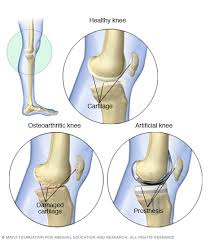
Knee pain can be caused by a variety of factors. Injury is one of the most common causes of knee pain, whether it’s from a sports-related incident or a fall. Arthritis is another common cause, particularly osteoarthritis which occurs with age and wear and tear on the joints. Other causes of knee pain include tendonitis, bursitis, meniscus tears, and ligament sprains.
If you’re experiencing knee pain, it’s important to consult with a medical professional to determine the underlying cause and appropriate treatment. They can help diagnose the specific cause of your knee pain and develop a personalized treatment plan to alleviate your symptoms.
Here are some common causes of knee pain:
| Cause | Description |
|---|---|
| Injury | Knee pain resulting from a traumatic incident, such as a sports injury or fall. |
| Arthritis | Knee pain caused by inflammation of the joints, often due to age or wear and tear. |
| Tendonitis | Knee pain caused by inflammation of the tendons surrounding the knee joint. |
| Bursitis | Knee pain caused by inflammation of the bursae, small fluid-filled sacs that cushion the knee joint. |
| Meniscus Tears | Knee pain caused by tears in the meniscus, the cartilage that cushions the knee joint. |
| Ligament Sprains | Knee pain caused by sprains or tears in the ligaments that support the knee joint. |
Tip: If you’re unsure about the cause of your knee pain or if it persists or worsens, it’s best to seek medical help for a proper diagnosis and treatment.
Types of Knee Pain
There are several different types of knee pain that individuals may experience. Acute knee pain refers to sudden and severe pain that occurs as a result of an injury or trauma to the knee. This type of pain is often accompanied by swelling, redness, and difficulty bearing weight on the affected knee. Chronic knee pain, on the other hand, is persistent and long-lasting. It may be caused by conditions such as arthritis or overuse injuries. Individuals with chronic knee pain may experience a dull ache or sharp pain that worsens with activity. Referred knee pain is pain that originates from another part of the body but is felt in the knee. This can occur due to issues with the hip, lower back, or nerves. It’s important to accurately identify the type of knee pain in order to determine the appropriate treatment approach.
Here is a table summarizing the different types of knee pain:
| Type of Knee Pain | Description |
|---|---|
| Acute | Sudden and severe pain due to injury or trauma |
| Chronic | Persistent and long-lasting pain |
| Referred | Pain felt in the knee but originating from another part of the body |
It’s worth noting that knee pain can vary in severity and may have different underlying causes. If you’re experiencing knee pain, it’s important to consult with a medical professional for an accurate diagnosis and appropriate treatment.
Symptoms of Knee Pain
Symptoms of knee pain can vary depending on the underlying cause. Common symptoms include:
- Pain in the knee joint
- Swelling or redness around the knee
- Stiffness or limited range of motion
- Cracking or popping sounds
If you experience any of these symptoms, it is important to seek medical help to determine the cause of your knee pain and receive appropriate treatment. Ignoring these symptoms may lead to further complications or worsening of the condition.
It is also important to note that symptoms may differ based on the specific condition causing the knee pain. For example, osteoarthritis may cause gradual onset of pain and stiffness, while ligament injuries may result in sudden pain and instability.
If you are unsure about the severity of your knee pain or if it is interfering with your daily activities, it is always best to consult a healthcare professional for an accurate diagnosis and personalized treatment plan.
When to Seek Medical Help
Persistent or Severe Knee Pain
Persistent or severe knee pain is a serious symptom that should not be ignored. Pain that lasts for an extended period of time or is intense in nature may indicate a more serious underlying condition. If you are experiencing persistent or severe knee pain, it is important to seek medical help as soon as possible.
In some cases, persistent or severe knee pain may be a sign of a fracture or a torn ligament. These injuries require immediate medical attention to prevent further damage and promote proper healing.
If you are unable to bear weight on your knee due to the pain, it is a clear indication that medical help is needed. Inability to walk or bear weight on the affected knee can significantly impact your mobility and daily activities.
Additionally, if you notice swelling or redness around the knee joint, it may be a sign of an underlying condition such as arthritis or an infection. Seeking medical help can help determine the cause of the swelling and provide appropriate treatment.
It is also important to seek medical help if you experience knee pain after an injury, such as a fall or a sports-related incident. Pain that persists or worsens after an injury may indicate a more serious problem, such as a ligament tear or a meniscus injury. Prompt medical evaluation can help prevent further damage and ensure proper healing.
Inability to Bear Weight on the Knee
When you are unable to bear weight on your knee, it may indicate a more serious underlying issue. This symptom can be caused by a variety of factors, including ligament tears, fractures, or severe inflammation. It is important to seek medical help if you experience this symptom, as it may require immediate attention.
In some cases, the inability to bear weight on the knee may be accompanied by swelling or redness. This could be a sign of an infection or joint damage. If you notice these additional symptoms, it is crucial to consult a healthcare professional.
If you are experiencing this symptom, your doctor may perform a physical examination to assess the extent of the issue. They may also recommend imaging tests, such as an X-ray or MRI, to get a clearer picture of the underlying cause. Laboratory tests may be conducted to check for signs of infection or inflammation.
Remember, if you are unable to bear weight on your knee, it is important to seek medical help to determine the cause and receive appropriate treatment.
Knee Pain with Swelling or Redness
Knee pain accompanied by swelling or redness may indicate an underlying issue that requires medical attention. Swelling and redness are signs of inflammation, which can be caused by various factors such as infection, injury, or arthritis. If you experience these symptoms, it is important to consult a healthcare professional for a proper diagnosis and treatment plan.
In some cases, the swelling and redness may be accompanied by warmth or tenderness around the knee joint. This could be a sign of an inflammatory condition such as bursitis or gout. These conditions may require specific medical interventions to alleviate the symptoms and prevent further complications.
It is important not to ignore persistent swelling or redness in the knee, as it could be a sign of a more serious underlying condition. Seeking medical help can help identify the cause of the symptoms and provide appropriate treatment options. Remember, early intervention is key to preventing further damage and promoting recovery.
Knee Pain after an Injury
Knee pain that occurs after an injury can be a sign of a more serious problem. Immediate medical attention should be sought if you experience any of the following:
- Severe pain that prevents you from bearing weight on the affected knee.
- Swelling or redness around the knee joint.
- Inability to fully straighten or bend the knee.
It is important to remember that not all knee injuries require immediate medical attention. Minor sprains or strains can often be treated with rest, ice, compression, and elevation (RICE). However, if you are unsure about the severity of your injury or if your symptoms worsen over time, it is best to consult a healthcare professional.
Tip: Applying ice to the injured knee can help reduce swelling and relieve pain. Remember to wrap the ice pack in a cloth to protect your skin from direct contact.
Diagnosing Knee Pain
Physical Examination
During a physical examination for knee pain, a healthcare provider will assess various aspects of the knee joint. They will examine the range of motion, looking for any limitations or abnormalities. Swelling, tenderness, or warmth in specific areas may indicate inflammation or injury. The provider may also perform specific tests to evaluate the stability of the knee, such as the Lachman test or the McMurray test. These tests help determine if there is any damage to the ligaments or menisci. Additionally, the provider may check for muscle weakness or atrophy, which can affect knee function. Overall, a thorough physical examination is crucial in identifying the underlying cause of knee pain and guiding further diagnostic tests or treatment options.
- Range of motion assessment
- Presence of swelling, tenderness, or warmth
- Stability tests (Lachman test, McMurray test)
- Evaluation of muscle strength and atrophy
Tip: It is important to communicate any specific symptoms or concerns to the healthcare provider during the physical examination to ensure an accurate diagnosis and appropriate treatment plan.
Imaging Tests
Imaging tests play a crucial role in diagnosing knee pain and identifying the underlying cause. These tests provide detailed images of the knee joint, allowing healthcare professionals to assess the extent of damage or abnormalities. X-rays are commonly used to evaluate the bones and detect fractures, arthritis, or bone tumors. Magnetic Resonance Imaging (MRI), on the other hand, provides a more comprehensive view of the soft tissues, such as ligaments, tendons, and cartilage. It helps in detecting injuries, tears, or inflammation in these structures. Additionally, ultrasound may be used to examine the knee joint and surrounding tissues, especially in cases where real-time imaging is required. It is a non-invasive and safe procedure that can provide valuable information about fluid accumulation or cysts. Overall, imaging tests aid in accurate diagnosis and guide healthcare providers in determining the most appropriate treatment plan.
Laboratory Tests
Laboratory tests may be ordered to help diagnose the underlying cause of knee pain. These tests can provide valuable information about inflammation, infection, or other conditions that may be contributing to the pain. Some common laboratory tests that may be performed include:
- Complete blood count (CBC): This test measures the levels of different types of blood cells and can help identify signs of infection or inflammation.
- Erythrocyte sedimentation rate (ESR): This test measures the rate at which red blood cells settle in a tube of blood. An elevated ESR may indicate inflammation in the body.
- C-reactive protein (CRP): This test measures the level of CRP, a protein produced by the liver in response to inflammation. Elevated CRP levels may indicate the presence of inflammation.
It is important to note that laboratory tests alone are not sufficient to diagnose the cause of knee pain. They are often used in conjunction with other diagnostic tools, such as physical examination and imaging tests, to form a comprehensive diagnosis.
Treatment Options for Knee Pain
Conservative Treatments
Conservative treatments are often the first line of defense for managing knee pain. These non-invasive approaches aim to alleviate pain and improve function without the need for surgery. Physical therapy is a common conservative treatment that focuses on strengthening the muscles around the knee, improving flexibility, and reducing pain. Exercise programs tailored to the individual’s needs can help improve knee stability and reduce discomfort.
Another conservative treatment option is bracing or taping. These techniques provide support to the knee joint and can help reduce pain and inflammation. Using assistive devices, such as crutches or a cane, can also help offload weight from the knee and promote healing.
Weight management is an important aspect of conservative treatment for knee pain. Maintaining a healthy weight can reduce stress on the knee joint and decrease pain. Losing excess weight through a combination of diet and exercise can have significant benefits for individuals with knee pain.
In addition to these treatments, over-the-counter pain medications like acetaminophen or nonsteroidal anti-inflammatory drugs (NSAIDs) can provide temporary relief. Applying ice to the affected area can help reduce swelling and alleviate pain. It is important to follow the recommended dosage and consult a healthcare professional before taking any medication.
Medications for Knee Pain
When it comes to managing knee pain, medications can play a crucial role in providing relief. There are several types of medications that may be prescribed by a healthcare professional, depending on the underlying cause and severity of the pain.
One common type of medication used for knee pain is nonsteroidal anti-inflammatory drugs (NSAIDs). These medications help reduce inflammation and relieve pain. Examples of NSAIDs include ibuprofen and naproxen.
Another type of medication that may be prescribed is acetaminophen, which is a pain reliever that can help alleviate mild to moderate knee pain. It is important to follow the recommended dosage and avoid exceeding the maximum daily limit.
In some cases, corticosteroid injections may be recommended to reduce inflammation and provide temporary pain relief. These injections are typically administered directly into the knee joint by a healthcare professional.
It is important to note that medications should be used under the guidance of a healthcare professional and in conjunction with other treatment options, such as physical therapy and lifestyle modifications.
Please consult with a healthcare professional to determine the most appropriate medication and dosage for your specific condition.
Physical Therapy
Physical therapy is a common treatment option for knee pain. It involves exercises and techniques that help improve strength, flexibility, and range of motion in the knee joint. Regular physical therapy sessions can help reduce pain and improve overall function. The therapist will tailor the treatment plan to the individual’s specific needs and goals.
During physical therapy, various exercises may be performed, including strengthening exercises to target the muscles around the knee, stretching exercises to improve flexibility, and balance exercises to enhance stability. Additionally, manual therapy techniques such as joint mobilization and soft tissue massage may be used to alleviate pain and improve joint function.
In some cases, the physical therapist may recommend the use of assistive devices, such as crutches or a knee brace, to support the knee and aid in the healing process. It is important to follow the therapist’s instructions and adhere to the prescribed exercises and treatments for optimal results.
Benefits of physical therapy for knee pain:
- Reduces pain and inflammation
- Improves strength and flexibility
- Enhances joint stability
- Facilitates faster recovery
Remember, consistency and dedication to the physical therapy program are key to achieving the desired outcomes.
Surgical Interventions
Surgical interventions are typically considered as a last resort for treating knee pain that does not respond to conservative treatments. Arthroscopy is a common surgical procedure used to diagnose and treat various knee conditions. During arthroscopy, a small camera is inserted into the knee joint through a small incision, allowing the surgeon to visualize the inside of the knee and perform necessary repairs. Total knee replacement is another surgical option for individuals with severe knee pain and significant joint damage. This procedure involves replacing the damaged knee joint with an artificial joint.
When considering surgical interventions, it is important to weigh the potential benefits against the risks and recovery time. Recovery from knee surgery can be lengthy, requiring physical therapy and rehabilitation to regain strength and mobility. It is crucial to follow post-operative instructions and attend follow-up appointments for optimal outcomes.
Here is a table summarizing common surgical interventions for knee pain:
| Surgical Intervention | Description |
|---|---|
| Arthroscopy | Minimally invasive procedure using a small camera to diagnose and treat knee conditions |
| Total knee replacement | Surgical procedure involving the replacement of the damaged knee joint with an artificial joint |
Remember, surgical interventions should only be considered after exhausting conservative treatment options and consulting with a healthcare professional.
Conclusion
In conclusion, it is important to seek medical help if you are experiencing persistent knee pain that is affecting your daily activities. Ignoring the pain can lead to further complications and delay the appropriate treatment. Remember, early intervention and proper diagnosis are key to managing knee pain and preventing long-term damage. Don’t hesitate to consult a healthcare professional for a thorough evaluation and personalized treatment plan.
Frequently Asked Questions
What are the common causes of knee pain?
Common causes of knee pain include osteoarthritis, ligament injuries, meniscus tears, and overuse injuries.
When should I seek medical help for knee pain?
You should seek medical help for knee pain if it is persistent or severe, if you are unable to bear weight on the knee, if there is swelling or redness, or if the pain occurs after an injury.
What are the treatment options for knee pain?
Treatment options for knee pain include conservative treatments such as rest, ice, compression, and elevation, medications, physical therapy, and in some cases, surgical interventions.
How is knee pain diagnosed?
Knee pain is diagnosed through a physical examination, imaging tests such as X-rays or MRI, and laboratory tests to rule out underlying conditions.
Can knee pain be prevented?
While some knee pain may be unavoidable, you can reduce the risk by maintaining a healthy weight, exercising regularly to strengthen the muscles around the knee, using proper techniques during physical activities, and avoiding overuse or repetitive motions.
Is knee pain always a sign of a serious condition?
Not all knee pain is a sign of a serious condition. However, persistent or worsening knee pain should be evaluated by a healthcare professional to determine the underlying cause and appropriate treatment.





7 Comments