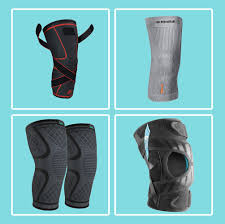
Knee osteoarthritis affects millions of people, and studies show that knee braces and sleeves rank as the top non-drug therapy for managing pain and function in 2026. If your knee hurt limits your daily movement, the right compression sleeve can provide measurable relief and support.
Key Takeaways
| Question | Answer |
|---|---|
| Do compression sleeves help knee pain? | Yes, they improve circulation, reduce swelling, and support joint stability for osteoarthritis. |
| What is the best sleeve type for OA? | Elastic or copper-infused compression sleeves designed for daily wear and mild-to-moderate support. |
| Can I wear a sleeve all day? | Yes, most sleeves are designed for extended use, but remove them if discomfort occurs. |
| Are sleeves better than braces? | Sleeves are best for mild OA, while structured braces are better for instability. |
| Where can I learn more about knee conditions? | Visit our comprehensive knee pain guide or explore common knee pain causes. |
| What if my knee pain is injury-related? | Review traumatic knee injuries and ligament damage before choosing support. |
What Is a Compression Sleeve for Osteoarthritis Knee Pain?
A compression sleeve is a flexible, stretchable garment that fits snugly around your knee. It provides gentle pressure that improves blood flow and reduces swelling.
For osteoarthritis, this support helps reduce stiffness and improves movement during daily activities. It is a simple, non-invasive way to manage knee pain.
We often recommend sleeves as a first step before moving to more rigid braces. They are easy to wear and suitable for long-term use.


How Compression Sleeves Help Reduce Knee Pain
Compression works by applying consistent pressure around the joint. This improves circulation and reduces inflammation.
Better blood flow helps deliver oxygen to tissues and removes waste products. This process can ease stiffness and reduce pain.
Many people notice improved confidence while walking or standing. That added stability matters when your knee hurt interferes with daily life.


Top Features to Look for in the Best Knee Compression Sleeves
Not all sleeves are equal, and choosing the right one affects your results. Focus on comfort, fit, and durability.
-
Compression level: Mild for daily use, moderate for activity
-
Material: Breathable fabric or copper-infused fibers
-
Fit: Snug but not restrictive
-
Support zones: Reinforced areas around the kneecap
A good sleeve should feel supportive without limiting movement. If it slips or feels tight, it is not the right fit.
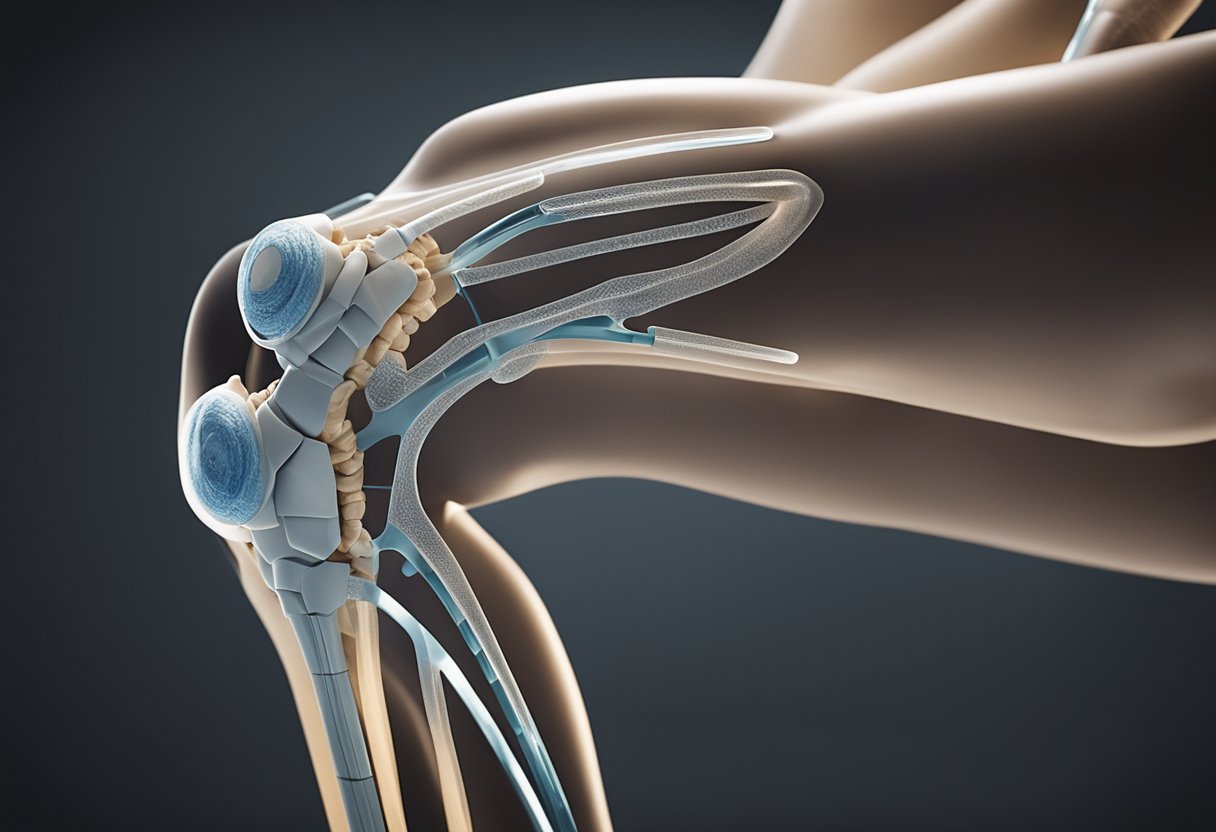
This infographic highlights three key benefits of using compression sleeves for knee osteoarthritis. It covers pain relief, knee support, and improved mobility.


Did You Know?
Visual Analog Scale pain scores dropped significantly after wearing knee sleeves in clinical testing (P = .002 and .005).
Source: Archives of Rheumatology
Best Copper Compression Sleeves for Knee Support
Copper sleeves are widely used for osteoarthritis because they combine compression with antimicrobial properties. They are comfortable for daily wear.
Top Options in 2026
-
Copper Fit Freedom Knee Sleeve: $20–25, lightweight and ideal for mild knee pain
-
Copper Compression Recovery Sleeve: $25–30, stronger compression for recovery
These sleeves are a practical starting point if your knee hurt is consistent but manageable. They balance affordability and function.
Compression Sleeves vs Knee Braces for Osteoarthritis
Compression sleeves and braces serve different purposes. Sleeves offer flexibility, while braces provide structure.
| Feature | Compression Sleeve | Knee Brace |
|---|---|---|
| Support | Light | Moderate to high |
| Mobility | High | Reduced |
| Best for | Mild OA | Advanced OA or instability |
If your condition includes instability, consider learning about PCL-related knee issues before choosing.


When to Use a Compression Sleeve for Knee Pain
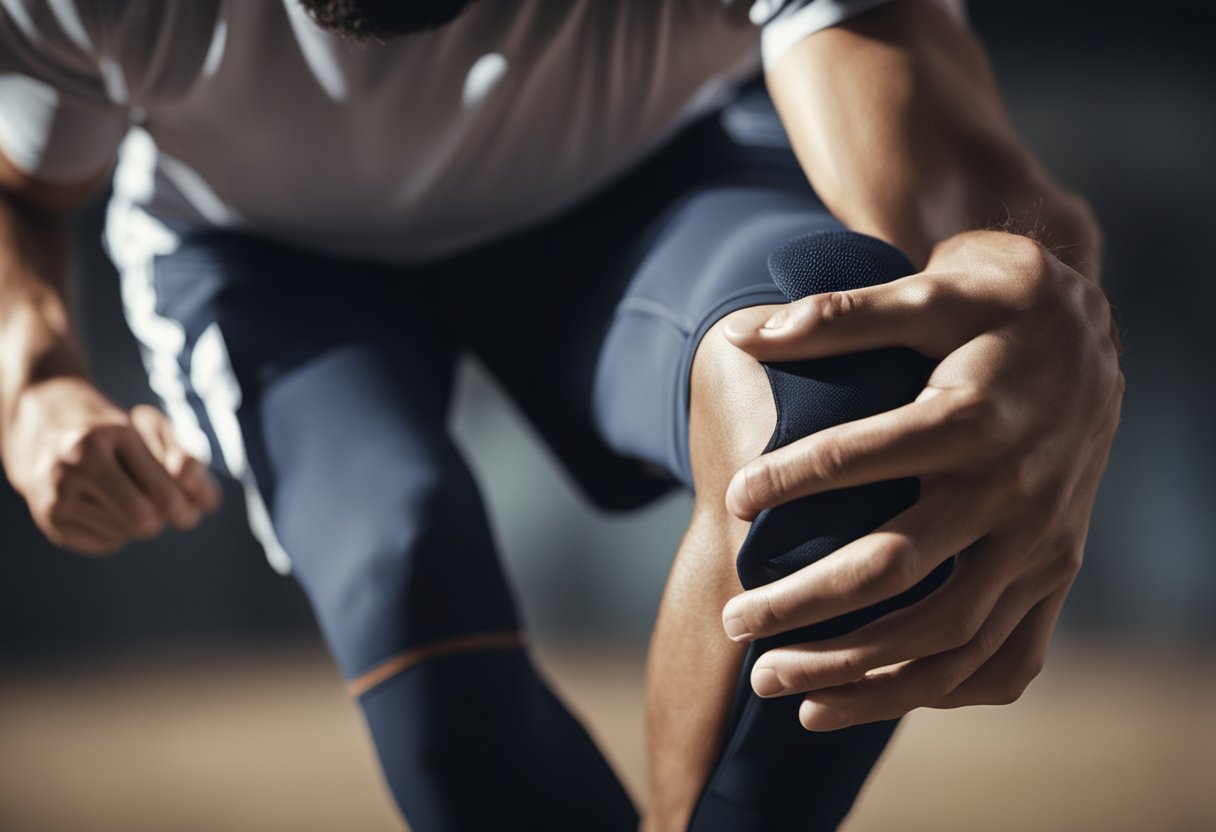
Compression sleeves are most effective during activity. Walking, standing, or light exercise are ideal times to wear them.
They also help reduce stiffness after periods of inactivity. Many users wear them throughout the day for consistent support.
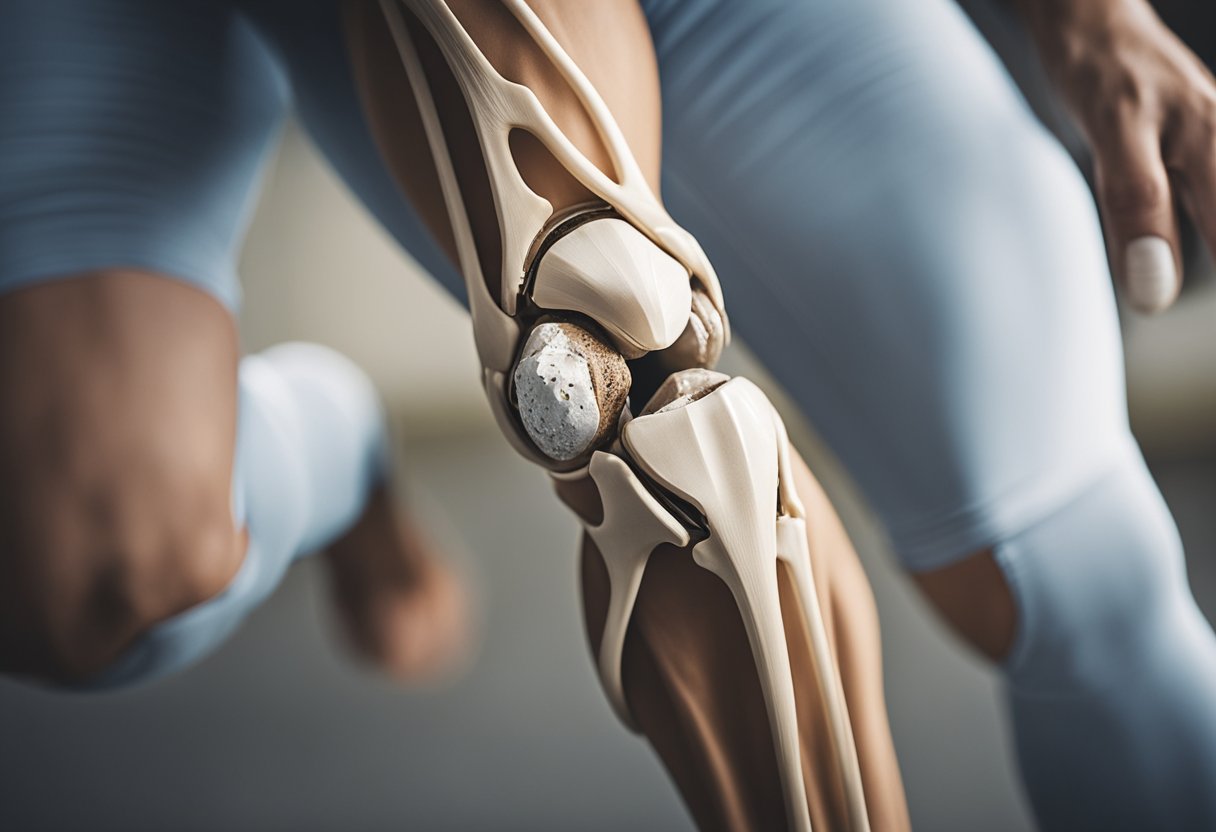
If you have structural damage, such as a torn meniscus, you may need additional support beyond a sleeve.

Benefits of Daily Use for Osteoarthritis Knee
Consistent use is key to getting results. Wearing a sleeve daily supports joint alignment and reduces swelling.
Over time, this can improve your mobility and reduce flare-ups. Small improvements add up in daily comfort.
We encourage combining sleeves with exercise and weight management. This supports long-term knee health.
Did You Know?
A 2026 trial with 466 participants showed knee bracing improved outcomes, with a KOOS-5 score increase of 3.39 points at six months.
Source: BMJ PROP OA Trial

Common Mistakes When Choosing a Knee Sleeve
Many people choose sleeves that are too tight or too loose. Both reduce effectiveness and comfort.
Another mistake is expecting instant results without consistent use. Compression works best over time.
-
Choosing style over function
-
Ignoring sizing charts
-
Using sleeves for severe instability


How to Choose the Right Size and Fit
Measure your knee circumference before buying a sleeve. Most brands provide clear sizing charts.
A proper fit should feel snug without cutting off circulation. You should be able to move freely.
If swelling fluctuates, consider adjustable options. Comfort should always come first.


Are Compression Sleeves Safe for Long-Term Use?
Compression sleeves are generally safe for long-term use. They are widely used in both clinical and athletic settings.
However, you should monitor skin irritation or discomfort. Remove the sleeve if symptoms worsen.
Consult a professional if your knee pain persists or worsens. Persistent pain may indicate a deeper issue.


Conclusion
Compression sleeves are one of the simplest and most effective tools for managing osteoarthritis knee pain in 2026. They provide support, reduce swelling, and help you stay active.
Your knees carry you through life, and they deserve proper care and attention. Choose a sleeve that fits well, use it consistently, and seek help if your knee hurt does not improve.
Leave a Reply