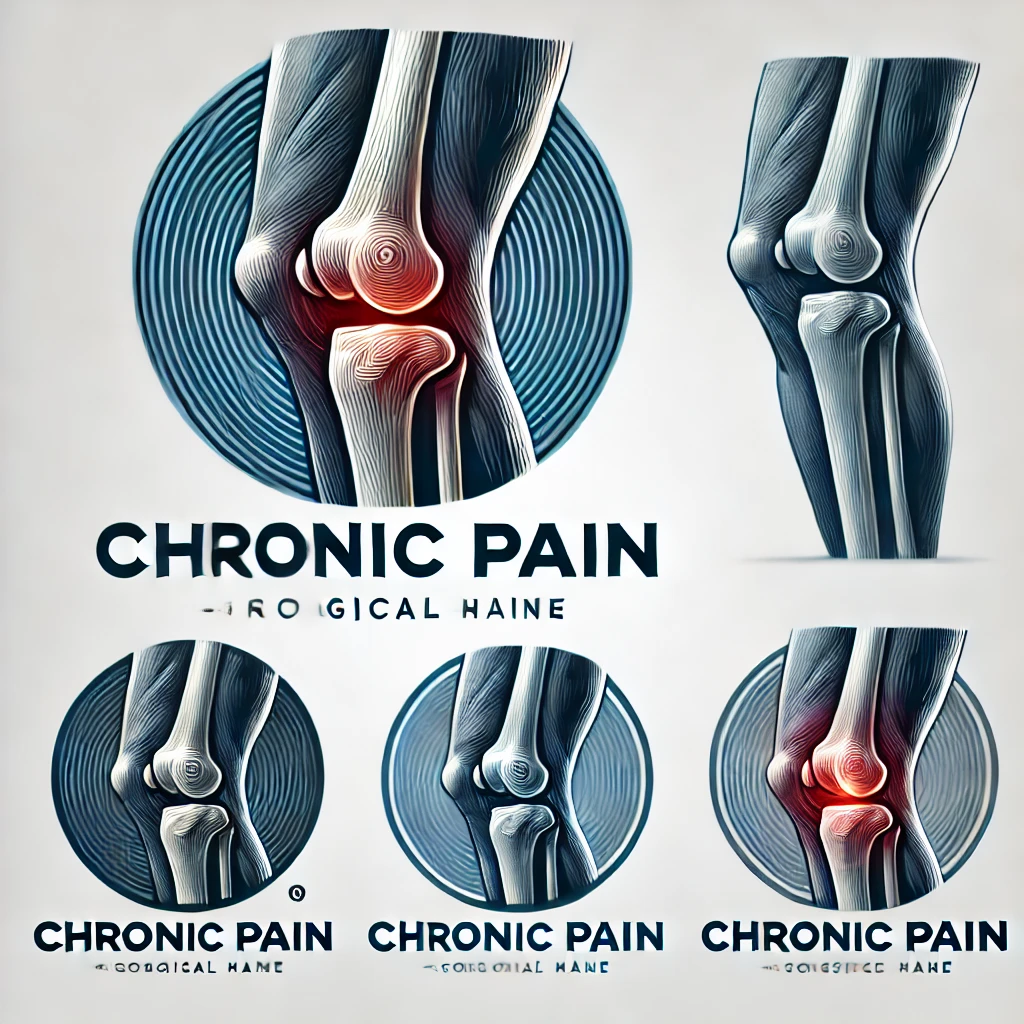
GLP-1 Joint Offloading & Mobility Pathways 2026: How Weight Loss Is Changing Knee Pain Relief

Did you know that structured programs using GLP-1 therapies are reporting an average of 18.5% weight loss within one year in 2026? This level of change directly affects joint loading, especially in the knee, where even small weight reductions can significantly reduce knee pain.

Blog illustration

Key Takeaways

What is GLP-1 joint offloading? It refers to reducing stress on the knee joint through medically supported weight loss and mobility strategies.
Can GLP-1 help knee pain? Yes, weight loss reduces pressure on joints, helping relieve knee pain.
Who benefits most? People with obesity, arthritis, or prior injuries like torn meniscus or ligament damage.
Is it better than surgery? In many cases, it delays or reduces the need for invasive procedures.
What conditions are linked? Includes chondromalacia patella and ligament knee injuries.
What about severe trauma? Integrated care supports recovery from traumatic knee injuries.
Where to start? Begin with a full plan like this comprehensive knee pain guide.

Understanding GLP-1 and Joint Offloading in 2026

GLP-1 therapies are reshaping how we approach knee pain by addressing one of the biggest drivers of joint stress, excess body weight.

When body weight decreases, the load on the knee joint drops significantly, often improving mobility and reducing discomfort.


 

Anterior Cruciate LigamentAnterior Cruciate Ligament injury illustration


Blog illustration

Why Weight Loss Directly Impacts Knee Pain

The knee absorbs forces multiple times your body weight during walking, climbing, or running.

This means even modest weight loss can lead to noticeable reductions in knee pain and improved daily function.

  • 1 pound lost can reduce knee load by up to 4 pounds

  • Less inflammation improves joint comfort

  • Mobility becomes easier and safer


ChondromalaciaChondromalacia knee condition


GLP-1 Mobility Pathways Explained

Mobility pathways combine medication, movement, and rehabilitation into a structured plan.

In 2026, these pathways focus on gradual progression to protect the knee while restoring strength.

  1. Weight reduction phase

  2. Controlled mobility and strengthening

  3. Long-term joint protection

GLP-1 Joint Offloading & Mobility Pathways 2026: 3-step process infographic showing GLP-1 mediated joint offloading.

An infographic illustrating a 3-step GLP-1 mediated joint offloading and mobility pathway for 2026.


 

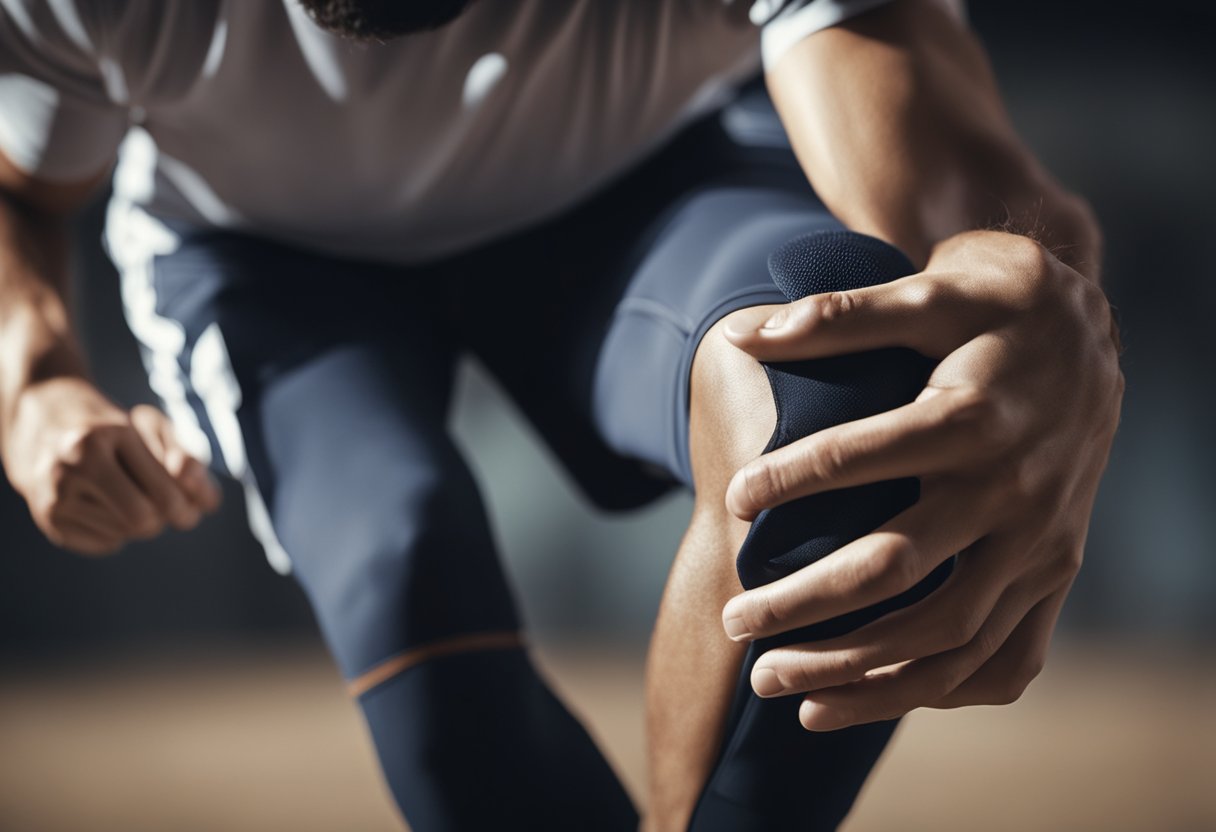
Knee PainKnee pain illustration


Did You Know?

Wegovy (7.2 mg) is associated with about 21% weight loss in clinical studies.

Source: CVS Caremark GLP-1 Outlook 2026

Blog illustration

Injury-Specific Considerations in GLP-1 Pathways

Not all knee pain is the same, and prior injuries change how we approach mobility.

Conditions like PCL injuries or ACL tears require modified loading strategies.
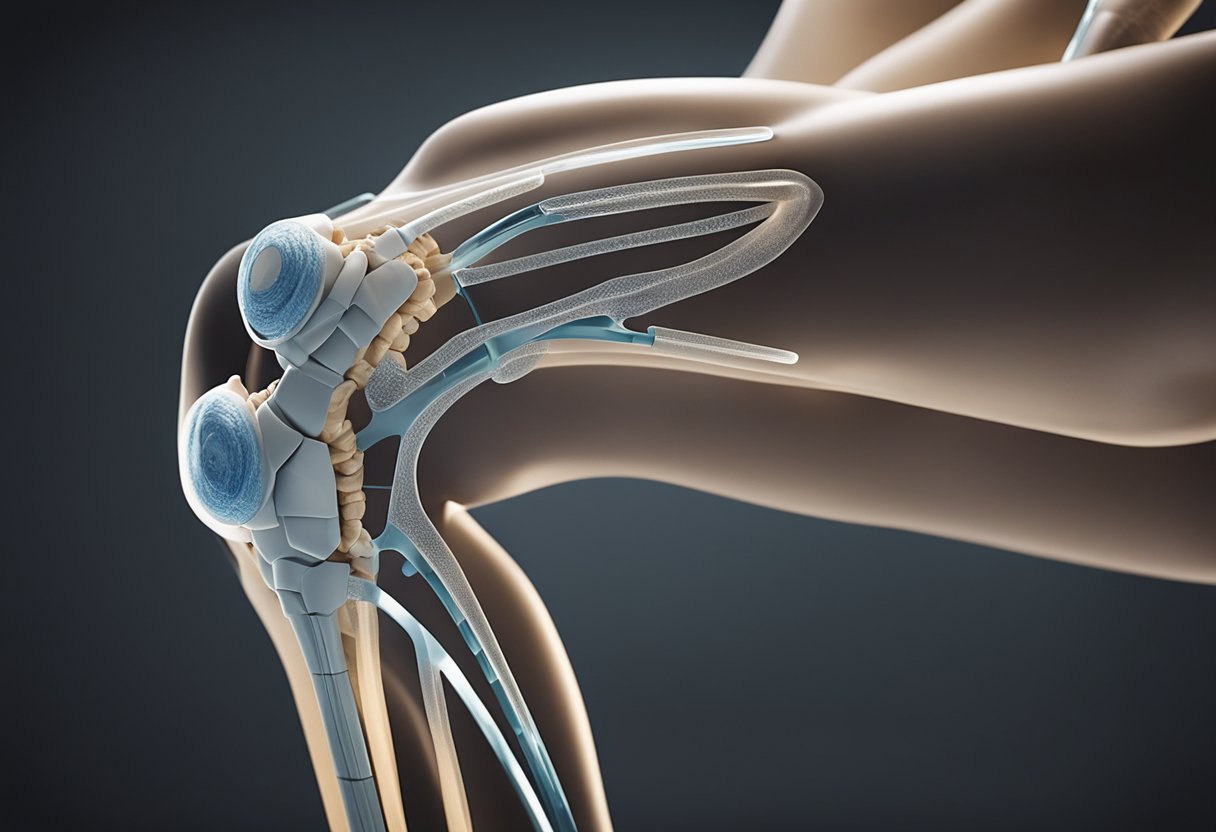
 

Ligament Knee InjuryLigament knee injury diagram


Role of Physical Therapy in Offloading the Knee

Physical therapy is often the missing link in GLP-1 mobility pathways.

It ensures that weight loss translates into better movement patterns, not instability.

 

Posterior Cruciate LigamentPCL injury illustration


Blog illustration

Meniscus and Cartilage Health During Weight Loss

Rapid improvements in mobility can stress vulnerable structures like the meniscus.

We recommend gradual loading to protect cartilage and avoid setbacks.
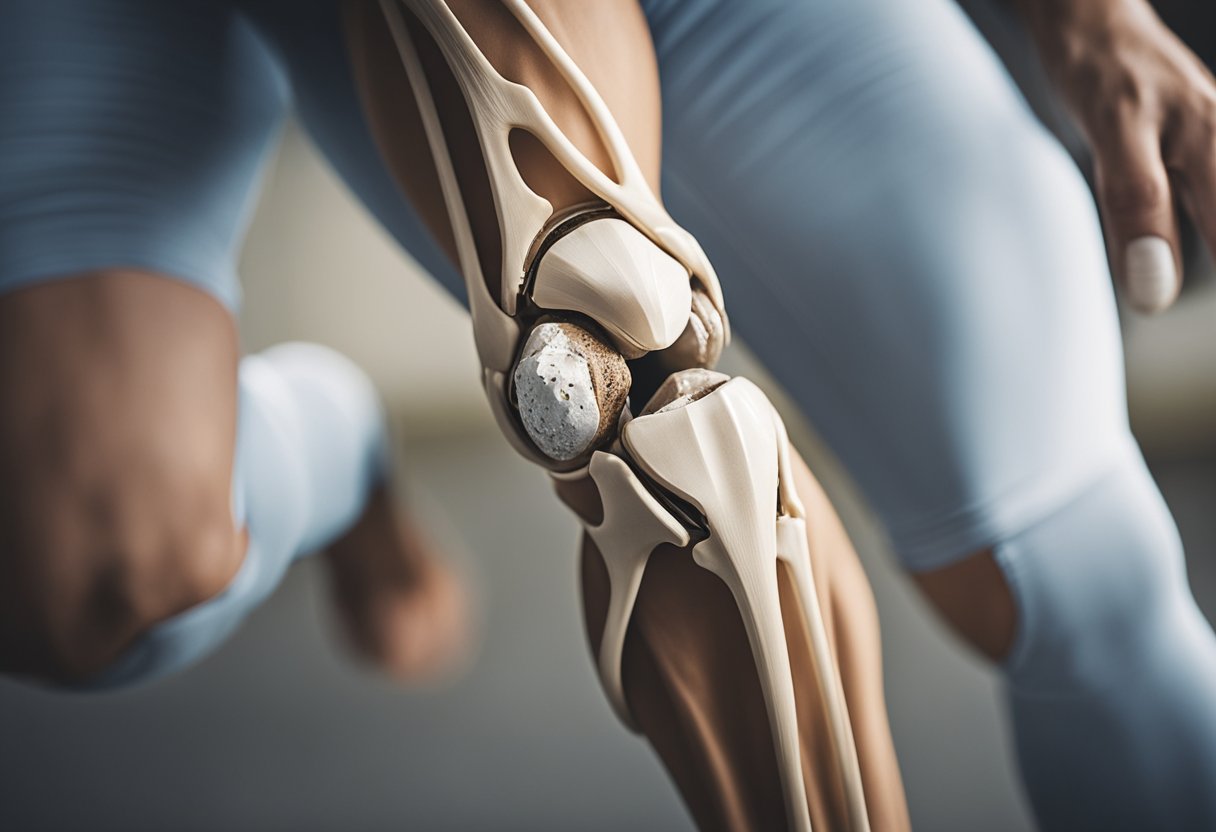
 

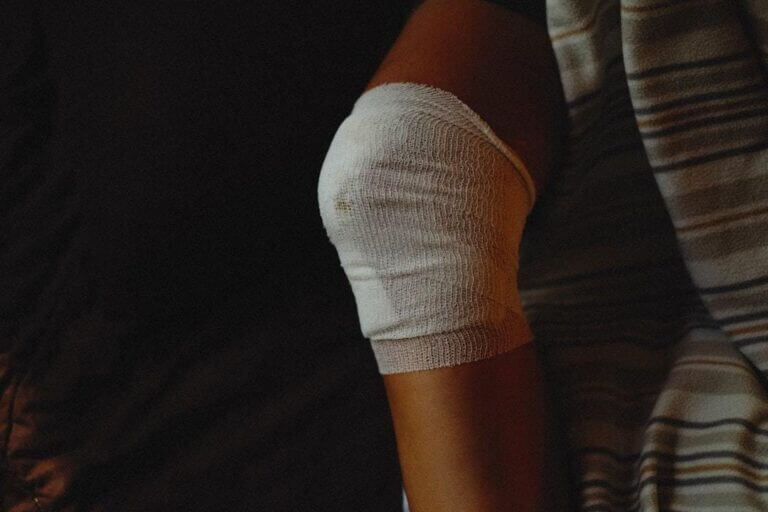
Torn MeniscusMeniscus injury illustration


Trauma Recovery and GLP-1 Integration

Patients recovering from acute injury benefit from reduced joint loading during healing.

GLP-1 pathways support safer return to activity after trauma.
 

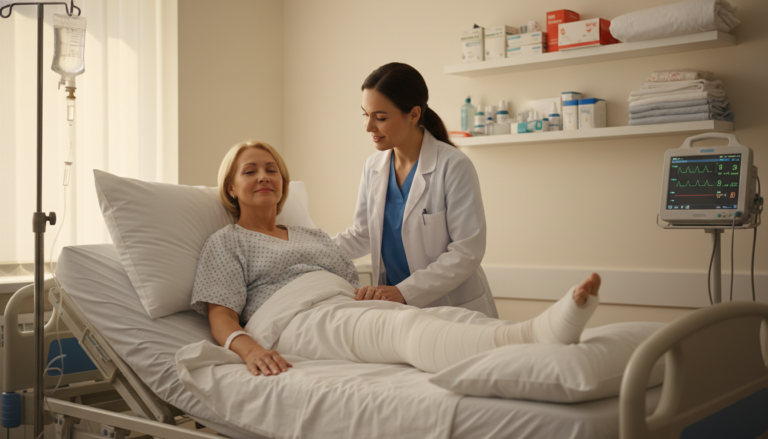
Traumatic KneeTraumatic knee recovery


Did You Know?

Projected GLP-1 utilization growth is حوالي 25% in 2026, expanding access to joint offloading strategies.

Source: CVS Caremark GLP-1 Outlook 2026

Blog illustration

Movement Strategies That Protect the Knee

Low-impact exercises are central to mobility pathways.

They build strength without overloading sensitive joints.

  • Walking on flat surfaces

  • Cycling

  • Swimming


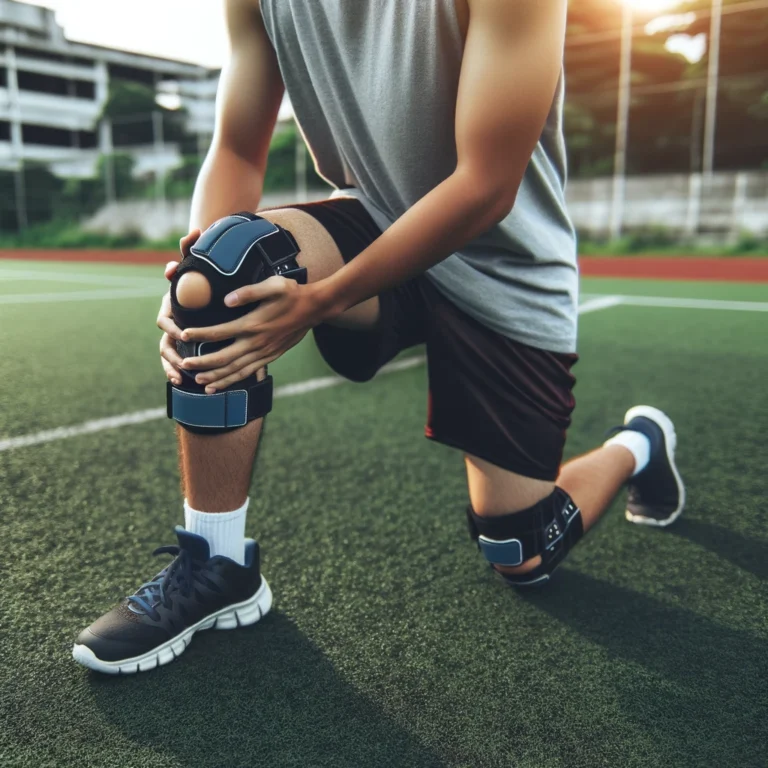
Runner knee painFoam rolling incorrect technique


Strength Training and Stability Progressions

Strengthening the muscles around the knee improves joint stability.

Focus on controlled, guided movements to avoid strain.


Correct foam rollingStretching knee


Blog illustration

Long-Term Mobility and Maintenance in 2026

Sustaining results is just as important as achieving them.

Consistency in movement and weight management keeps knee pain under control.


Hip mobility exerciseHip strengthening exercise


Conclusion

GLP-1 joint offloading pathways in 2026 represent a practical shift in how we manage knee pain.

By combining weight loss, structured mobility, and targeted rehabilitation, we can reduce stress on the knee and improve long-term function without relying solely on surgery.

The key is consistency, personalization, and gradual progression to keep your knee strong, stable, and pain-free.

Medical disclaimer: This article is for general information only and is not medical advice, diagnosis or treatment. Always talk to your doctor or a qualified health professional about knee pain or an injury. Get urgent care for severe pain, a knee you cannot put weight on, sudden major swelling, or a hot, red knee with fever. Read our full disclaimer.
Mokhtar Sahraoui

About the author: Mokhtar Sahraoui

Mokhtar Sahraoui is the founder and editor of Knee Hurt. He researches and writes practical, easy-to-understand guides on knee pain, knee injuries, arthritis and recovery, based on trusted medical sources. Knee Hurt articles are general information and are not a substitute for advice from your doctor or physical therapist.


Similar Posts

  • |

    Managing Hip Pain After Knee Replacement Surgery

    Experiencing hip pain after having knee replacement surgery can be a real challenge. Many people don’t realize that these two joints are closely connected. When you change one, it can affect the other. This article will help you understand why this happens and what you can do to manage the pain. We’ll cover everything from…

  • |

    Flying after knee replacement

    What if the freedom to travel by air after major joint surgery isn’t as far off as you think? We understand this is a common concern. Many people who have undergone this significant orthopedic procedure worry about their next trip. flying after knee replacement Research shows that managing mobility after an operation is crucial. For instance, data indicates 3-4% of total hip arthroplasty patients develop symptomatic blood clots within three months. Our guide provides essential information for navigating air travel following a successful procedure. We aim to help you feel confident and prepared for your journey. You may wonder when it is safe to resume your plans. We explore how to manage your healing while looking ahead. By following expert-backed advice, you can minimize potential issues. Our focus is on helping you enjoy your restored mobility with peace of mind. Key Takeaways Air travel is a major concern for individuals recovering from joint surgery. Proper planning is essential for a safe and comfortable journey post-operation. Understanding the risks, like blood clots (VTE), is a critical part of preparation. Timing your trip correctly is a key milestone in the overall recovery process. Expert guidance can help reduce complications and build confidence. The goal is to regain freedom of movement and enjoy travel without worry. Understanding the Risks and Benefits of Flying after Knee Replacement The decision to fly after a major joint procedure requires a careful look at safety data and personal mobility gains. We break down the key factors to consider. Assessing Venous Thromboembolism (VTE) Risk A primary concern is venous thromboembolism, which includes deep vein thrombosis (DVT). Research shows the risk of symptomatic VTE after long flights is 1.9 to 5.2 per million person-days. For individuals who have had joint surgery, this risk is heightened. Studies indicate 3-4% of patients develop symptomatic clots within three months of a procedure like total hip arthroplasty. Balancing Recovery and Mobility Benefits The significant improvement in movement is a major positive outcome. However, balancing this benefit with the inherent dangers of blood clots requires medical guidance. Understanding these risks empowers people to make informed choices about travel timing. For comprehensive safety tips, see our detailed guide on flying after knee replacement. Pre-Flight Preparation for Knee Replacement Patients A successful journey begins long before you reach the airport, especially following a significant orthopedic operation. Proper groundwork is essential for safety and comfort. This phase involves close collaboration with your medical team. It also requires a tailored strategy for your specific needs. Consulting with Your Surgeon and Healthcare Team Your first step is to get clear guidance from your orthopedic surgeon. They understand your unique situation best. Dr. Nathan Cafferky of The Steadman Clinic recommends a two-week recovery period near the surgical site before returning home. This allows for immediate post-operative care and monitoring. consulting surgeon for knee surgery travel plan We advise creating a personalized plan with your doctor. This consultation is vital for setting a safe timeline. Creating a Personalized Recovery and Travel Plan Dr. Cafferky also suggests avoiding nonessential trips for six weeks post-surgery. This waiting time helps ensure full healing. Your plan should coordinate support from your entire care team. Focus on rehabilitation during the initial weeks. This approach minimizes risks and builds a solid foundation for future mobility. A thoughtful strategy makes the transition back to daily life much smoother. Planning Your Travel Itinerary and Navigating Airline Requirements Understanding specific carrier policies can make or break your travel plans post-surgery. We guide you through this essential step. Your itinerary must account for unique airline rules. These rules directly impact individuals recovering from an operation. Reviewing Airline Policies and Certification Requirements Research reveals varied carrier stances. A UK study found five airlines restrict flying following arthroplasty. Seven carriers mandate a medical certificate from your doctor. One even requires a 14-day waiting period post-procedure. Always verify your airline’s specific policy before booking. This is a critical precaution for all patients. Policy Type Medical Certificate Required Typical Waiting Period Restricted (No travel allowed) N/A…

  • | |

    Prevention Strategies for Knee Ligament Injuries

    Prevention Strategies for Knee Ligament Injuries: Professional Tips Knee ligament injuries are common among athletes and can be a frustrating setback for anyone who enjoys an active lifestyle. The knee joint is one of the largest and most complex joints in the body, making it vulnerable to various types of injuries. Understanding and identifying knee…

  • |

    Knee replacement rehab timeline

    What if the most critical part of your joint procedure happens after you leave the operating room? We understand that navigating the path to healing can feel overwhelming. Our guide is here to provide the clarity you need for a successful journey. knee replacement rehab timeline Data shows that movement often starts very quickly. Physical therapy typically begins within 24 hours after your procedure. This early step is vital for promoting faster healing and restoring mobility. For most people, the complete process of regaining strength spans several months. It’s a journey from the initial post-operative phase to full recovery, often taking between six and twelve months. We aim to help you manage expectations about the time required to return to the activities you love. While every patient’s experience is unique, understanding the general phases can significantly reduce anxiety. By following a structured plan, you can improve function and regain the independence you enjoyed before joint pain began. Your commitment to rehabilitation directly influences the long-term success of your new joint and overall health. Key Takeaways Physical activity often starts within a day of your procedure to aid healing. The full recovery process generally takes between six months and a year. Your personal journey is unique, but knowing common stages reduces worry. A structured plan is crucial for regaining function and independence. Your dedication to the process directly impacts your long-term results. This guide provides clarity to navigate each stage with confidence. Understanding Knee Replacement Surgery We believe informed patients are empowered patients, starting with the details of the operation itself. Knowing which procedure is right for you is a crucial first step in preparing for your healing journey. Differences Between Total and Partial Knee Replacement A total knee replacement involves resurfacing the entire joint with an artificial structure. Surgeons cut away worn cartilage and bone to create a new surface. In contrast, a partial knee replacement focuses only on the damaged compartment. This targeted approach often leads to a quicker recovery process with less discomfort. What to Expect During Surgery and Initial Recovery During your replacement surgery, the medical team precisely aligns the new components. This careful work is done to restore smooth movement and function. Your personal recovery timeline is influenced by factors like your age and general health. Understanding these differences helps you set realistic goals for after your knee surgery. The ultimate goal of this joint procedure is to provide lasting relief from chronic pain and improve your mobility. Immediate Post-Surgery Recovery The journey to regain your mobility starts the moment you wake from anesthesia. Your active participation is vital from these first hours. immediate post surgery recovery We emphasize that structured support begins almost immediately. This early phase sets the foundation for your entire healing process. Day 1: Initiating Rehabilitation and Mobility Physical therapy often starts within 24 hours of your procedure. Your physical therapist will help you take those first, crucial steps. They guide you in standing and walking with a walker or crutches. These initial sessions focus on basic, safe movements. You’ll practice sitting at the bedside and transferring your weight. This early activity promotes circulation and helps prevent complications. Transitioning from Hospital to Home Your medical team must see you meet specific safety criteria before discharge. You need to manage pain well and demonstrate independent movement. Key goals include standing from a chair and using the bathroom alone. Navigating a short flight of stairs is also a common requirement. Some individuals may leave the hospital on the same day as their operation. This is possible if all safety boxes are checked. Your care team will provide clear instructions for protecting your new joint. They will also give you simple exercises to continue at home. The First Week: Early Rehabilitation Steps Navigating the initial week after your operation requires a clear focus on gentle movement and symptom management. We guide you through this period where your routine prioritizes restoring a natural walking pattern and improving joint flexibility. early rehabilitation steps Guided Physical Therapy Exercises for Range of Motion During the first 48 hours, the primary goal is achieving full extension and increasing flexion. Your physical therapist will recommend specific movements to help. These early exercises are designed to prevent stiffness and promote circulation. Your daily routine is crucial for maintaining flexibility in this joint. Managing Pain, Swelling, and Initial Activity Controlling discomfort is a priority. Your doctor may advise using ice packs, elevating your leg, and taking medication as directed. You must monitor your incision site closely. The American Association of Hip and Knee Surgeons suggests waiting 5 to 7 days before showering if non-waterproof dressings are used. We encourage gentle activity, like using a stationary bike. This helps the area regain strength without overexertion. If you experience severe pain or excessive swelling, stop and consult your physical therapist or surgeon immediately. Following a structured rehabilitation timeline is key for a successful recovery….

  • Best Walking Shoes for Knee Pain Relief | Top Picks

    Supportive and comfortable shoes can help provide relief from knee and back pain, especially for individuals with conditions like osteoarthritis. If you’re looking for the best walking shoes for knee pain relief, you’re in the right place. In this article, we will introduce you to our top picks for shoes that are specifically designed to…

  • |

    Knee On Pain: A Comprehensive Guide to Causes, Symptoms, and Solutions

    If you’re reading this, chances are you or someone you love has dealt with the frustrating twinge of knee pain. You’re not alone. This common complaint affects people of all ages and walks of life. It’s a topic that doctors and researchers at renowned institutions like the Mayo Clinic study in-depth. Knee pain can be…

Leave a Reply

Your email address will not be published. Required fields are marked *